Theatercaféen at Stortingsgata 24-26 is Oslo's most enduring grand café, a turn-of-the-century institution that has kept its Viennese-style dining room and its faithful crowd of regulars through every shift in the city's restaurant scene. Where much of Oslo has moved toward the tasting-menu format, this address holds its ground as a place for proper à la carte dining in a room that rewards staying.
 Discover on Pearl
Pearl is the En Primeur Club membership app — saves, bookings, and concierge access live there. Same editors, same standards.
- Address
- Stortingsgata 24 - 26, 0117 Oslo, Norway
- Phone
- +4722824050
- Website
- theatercafeen.no
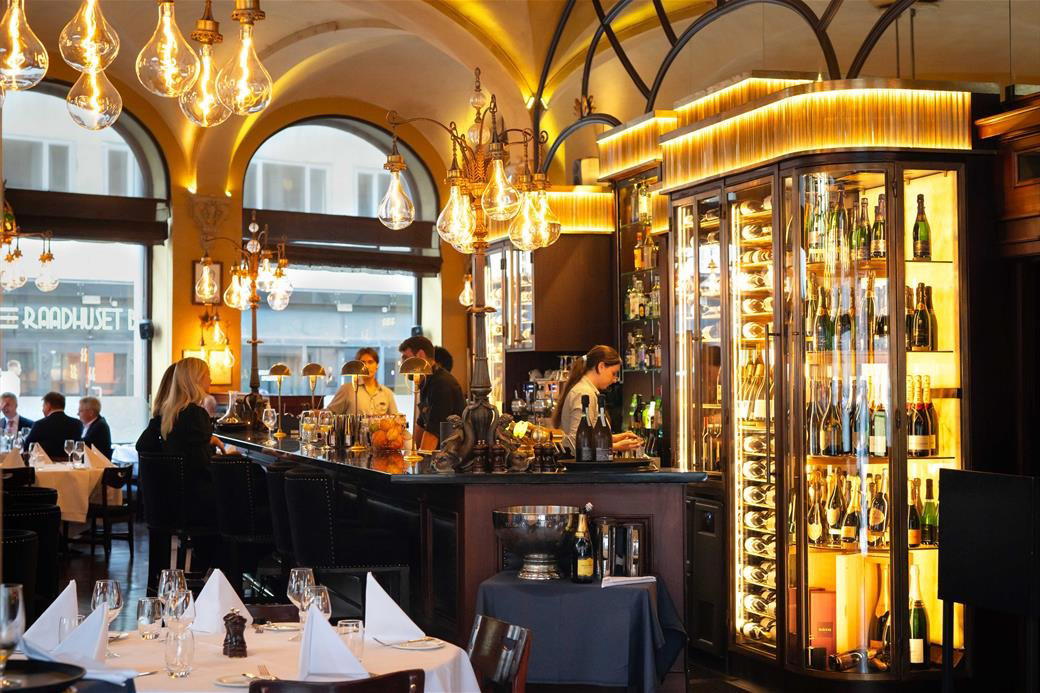
A Room That Has Earned Its Regulars
Theatercaféen is a restaurant in Oslo serving classic European brasserie fare, with a Google rating of 4.3 and an average spend of about $50 per person. Theatercaféen sits firmly in the second category. Located at Stortingsgata 24-26, directly opposite the National Theatre in central Oslo, it belongs to a small cohort of European grand cafés whose social function has outlasted every dining trend that tried to displace them. The Viennese café model, high ceilings, banquette seating, unhurried service, a menu broad enough to accommodate lunch, dinner, and everything in between, has proved more resilient in Oslo than most critics predicted when the New Nordic wave crested in the early 2010s.
What keeps regulars returning is not any single dish or seasonal menu change. It is the consistency of the contract: you arrive, the room receives you the same way it always has, and the experience unfolds on your terms rather than the kitchen's. In an Oslo dining scene that now includes destination tasting-menu counters like Maaemo and precision-driven New Nordic formats like Kontrast, Theatercaféen occupies a different register entirely. It is not competing in that tier; it is serving a function those venues cannot.
What the Room Teaches You
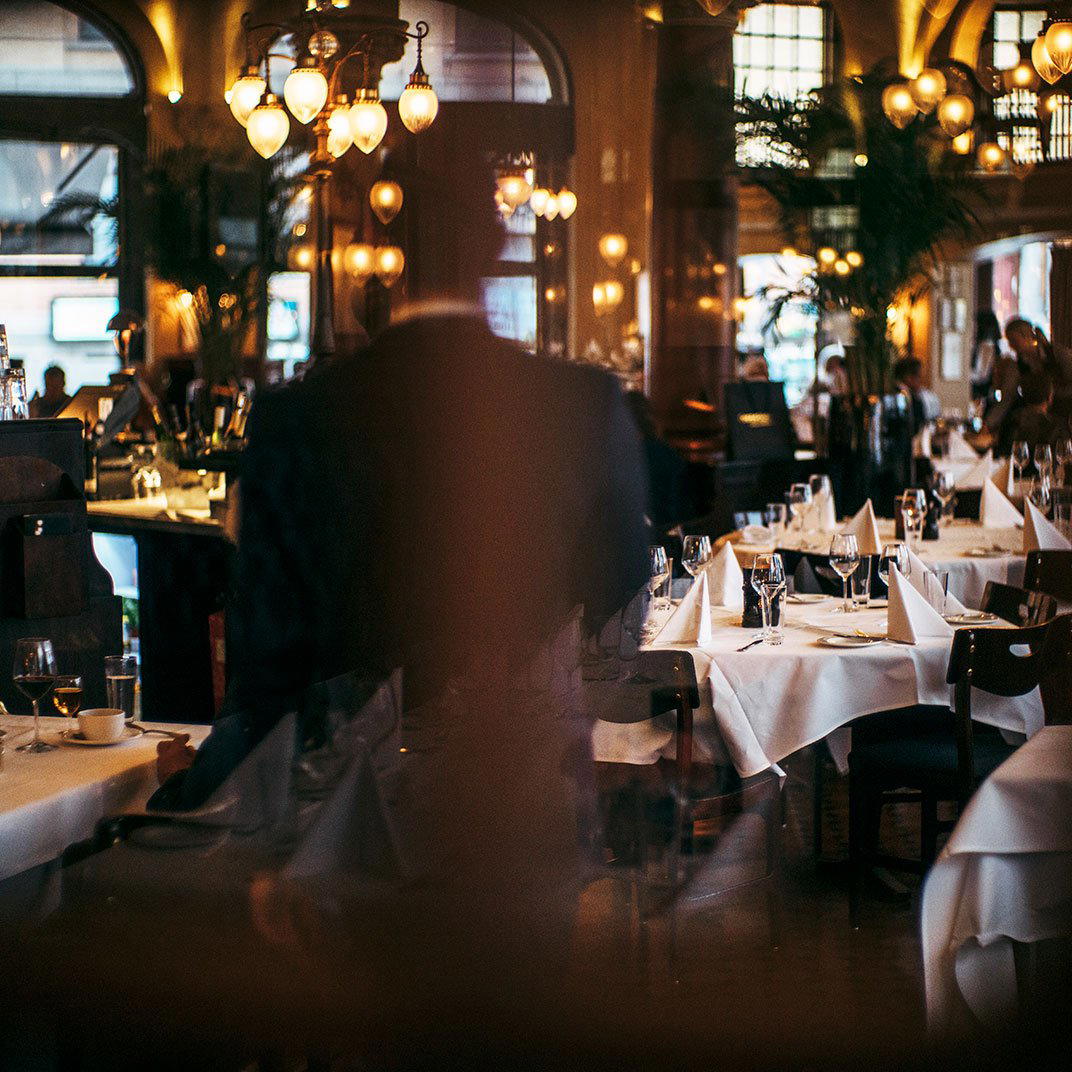
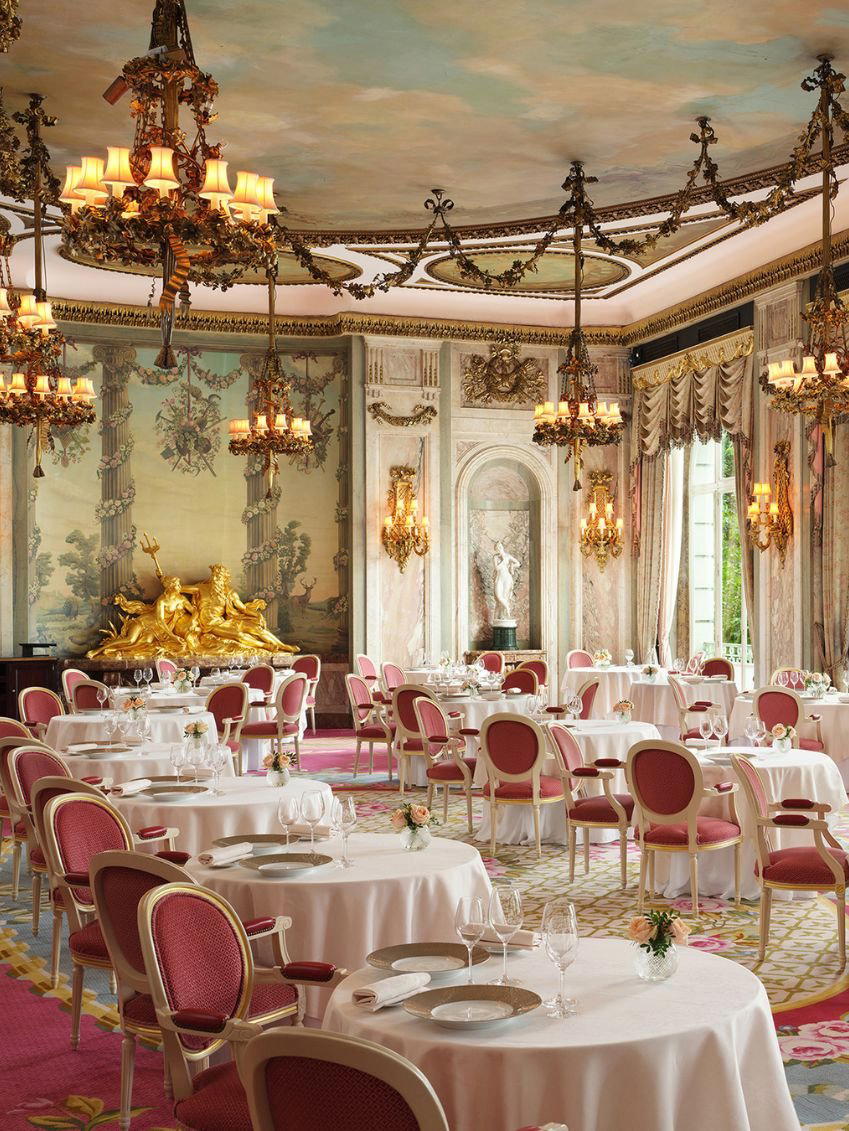
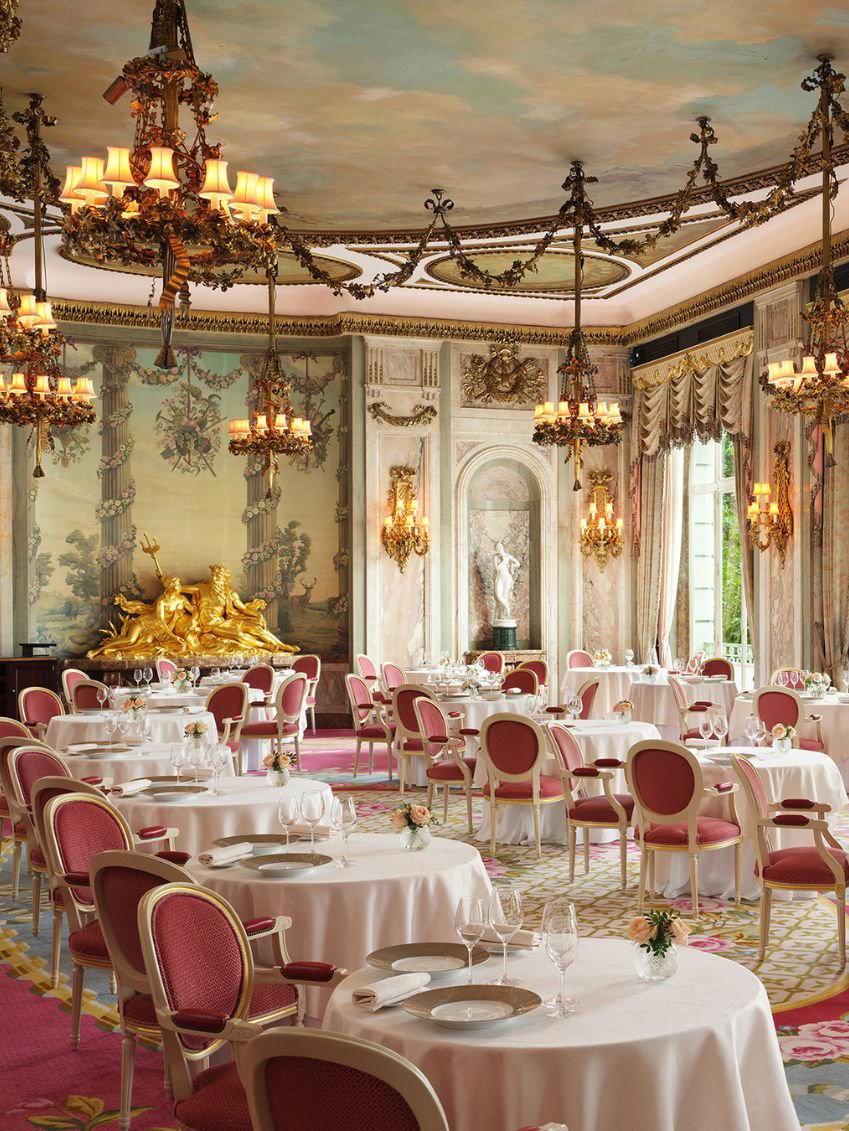
The interior is the argument. Theatercaféen's dining room carries the visual language of a pre-war Central European café: mirrors, warm light, a density of tables that creates atmosphere without sacrificing comfort. This is a design tradition with specific social implications. The grand café was never meant to be a quiet destination for a private occasion; it was meant to be a place you could see and be seen, where a solo lunch at the bar and a long dinner for six occupied the same space with equal legitimacy. Oslo has very few rooms that manage this. The grand café format, common in Vienna, Paris, and Budapest, has limited representation in Scandinavian cities, which makes Theatercaféen's continued operation as a genuine example of the type, rather than a nostalgic pastiche, worth noting.
The National Theatre location is not incidental. Grand cafés historically positioned themselves near cultural institutions: opera houses, theatres, university buildings. The pre- and post-theatre crowd is a real phenomenon here, and it shapes the rhythm of an evening in ways that purely restaurant-focused addresses do not replicate. The room fills differently at 6pm than at 9pm, and regulars know which table to request for which occasion.
The Unwritten Menu and How Regulars Use It
In a restaurant with a loyal clientele, there is always a gap between what the printed menu says and what the regulars actually order. At Theatercaféen, the format is sufficiently classic, Norwegian and European dishes, a broad drinks list, a kitchen that covers the full range from light to substantial, that experienced guests arrive with a clear sense of what they want before they sit down. This is a defining feature of the grand café tradition: the menu is not a narrative the kitchen imposes on the guest, but a set of options the guest selects from with genuine autonomy.
For visitors from cities with comparable institutions, the closest reference points are Café de Flore in Paris or the Viennese coffee houses with full dining, not in price or exact format, but in social logic. For those used to Oslo's newer wave, represented by addresses like Bar Amour or the more focused Hot Shop, Theatercaféen requires a slight recalibration. The point is not discovery or surprise; the point is a well-executed meal in a room with genuine history, on a schedule entirely your own.
Oslo Context: Where This Fits
Oslo's restaurant scene has split in roughly two directions over the past fifteen years. One direction runs toward the internationally recognized tasting-menu format, a tier that now extends beyond Norway's capital to include RE-NAA in Stavanger, FAGN in Trondheim, and the remarkable Under in Lindesnes. The other direction runs toward casual neighbourhood formats and natural wine bars. The grand café sits in neither category, which is partly why it remains relevant. Theatercaféen is also not a French bistro in the mould of Mon Oncle, nor a seafood specialist of the type you find further up the coast at venues like Anita's Sjomat in Lofoten or Fiskekrogen in Henningsvær. It is the civic dining room that Oslo's other restaurants are not attempting to be.
That function matters in a city where first-time visitors often arrive with a checklist oriented around New Nordic cuisine and leave without having spent an evening in the kind of room that a city's cultural life has historically passed through. Theatercaféen is where Oslo's journalists, politicians, theatre professionals, and long-standing visitors have conducted the business of the city for generations. That social density is not manufactured.
Planning Your Visit
Theatercaféen is located steps from the National Theatre station, making it direct to reach from most parts of central Oslo. Given its function as both a lunch and dinner venue, and its use by pre- and post-theatre crowds, timing matters. Midweek lunches tend to be less pressured than weekend evenings, when the theatre schedule drives a concentrated rush. Reservations are advisable for dinner, particularly on weekends and on evenings when the National Theatre is running a full programme. Those who prefer the grand café experience in its most authentic form, counter seating, a shorter order, more latitude to linger, may find the bar area more accommodating than the main dining room on busier nights.
For those building a longer Norwegian itinerary, the contrast between Theatercaféen's urban, institution-rooted format and the more remote dining experiences further afield, Hardanger House in Jondal, Gaptrast in Bergen, Aurora Restobar in Kirkenes, Børsen Spiseri in Svolvær, or Underhuset in Reine, illustrates the range of what Norwegian dining now encompasses.
A Pricing-First Comparison
Comparable venues nearby, for context on price, style, and recognition.
| Venue | Cuisine | Price | Awards | Notes |
|---|---|---|---|---|
| TheatercaféenThis venue — the venue you are viewing | Vika, Classic European Brasserie | $$$ | , | |
| SKAAL Matbar | $$$ | , | Fredensborg, Modern European Small Plates | |
| B VIN | Enerhaugen, European Wine Bar | $$$ | ||
| Ekspedisjonshallen | Ruselokka, Classic Brasserie | $$$ | ||
| Ruffino | Ruselokka, Authentic Italian Trattoria | $$$ | , | |
| Ambassaden | Ruselokka, Nordic Brasserie | $$$$ |
Continue exploring
More in Oslo
Restaurants in Oslo
Browse all →

Hotels in Oslo
Browse all →
Wineries in Oslo
Browse all →
At a Glance
- Elegant
- Classic
- Iconic
- Lively
- Business Dinner
- Group Dining
- Celebration
- Brunch
- Historic Building
- Private Dining
- Live Music
Classic interior featuring high vaulted ceilings, Art Nouveau style, and elegant decor creating a sophisticated yet lively atmosphere.