

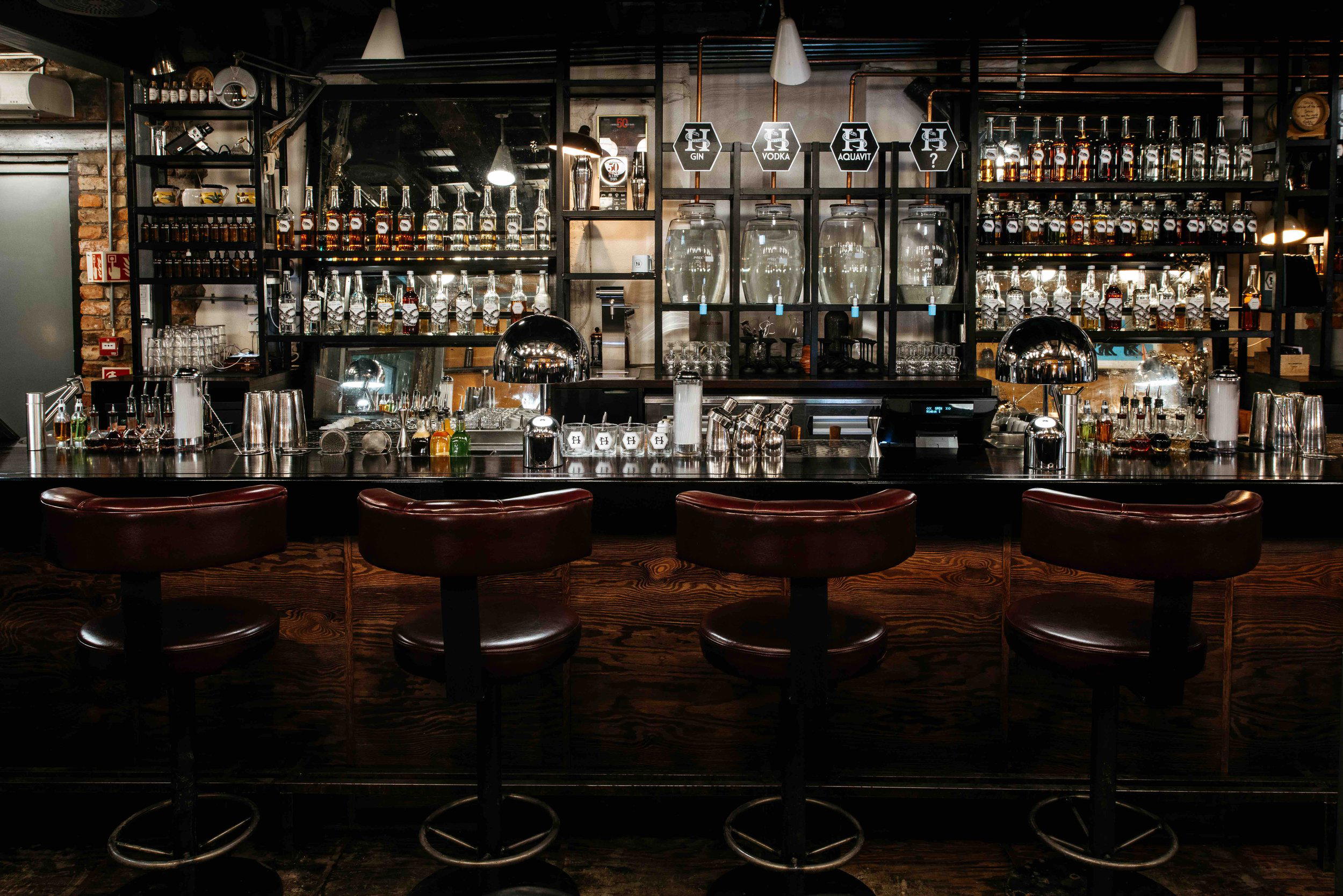
A World of Fine Wine three-star accredited wine bar beside Oslo's Opera House and Munch Museum, Vin Bjørvika holds one of the deepest lists in the Nordic region: more than 1,750 references, a cellar of approximately 10,000 bottles, and over 100 wines available by the glass at any sitting. The gin selection runs past 100 labels, and the bar opens early on Saturdays, useful intelligence for anyone building a Bjørvika morning.
Pearl is the En Primeur Club membership app — saves, bookings, and concierge access live there. Same editors, same standards.
- Address
- Operagata 11, 0194 Oslo, Norway
- Website
- vinoslo.no
- Directions
- Get directions
 Saves & bookings on Pearl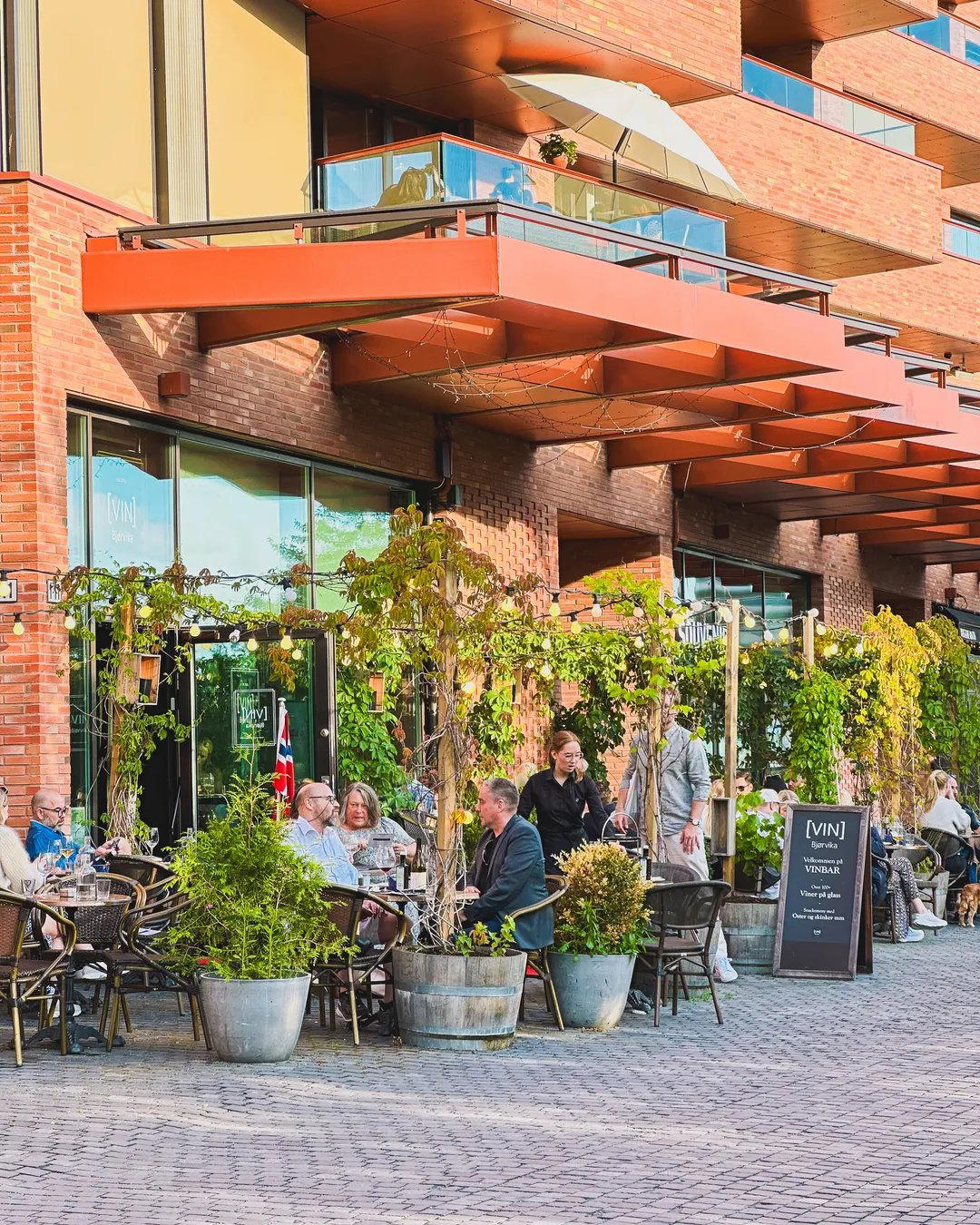
Bjørvika and the Bar That Grew Around It
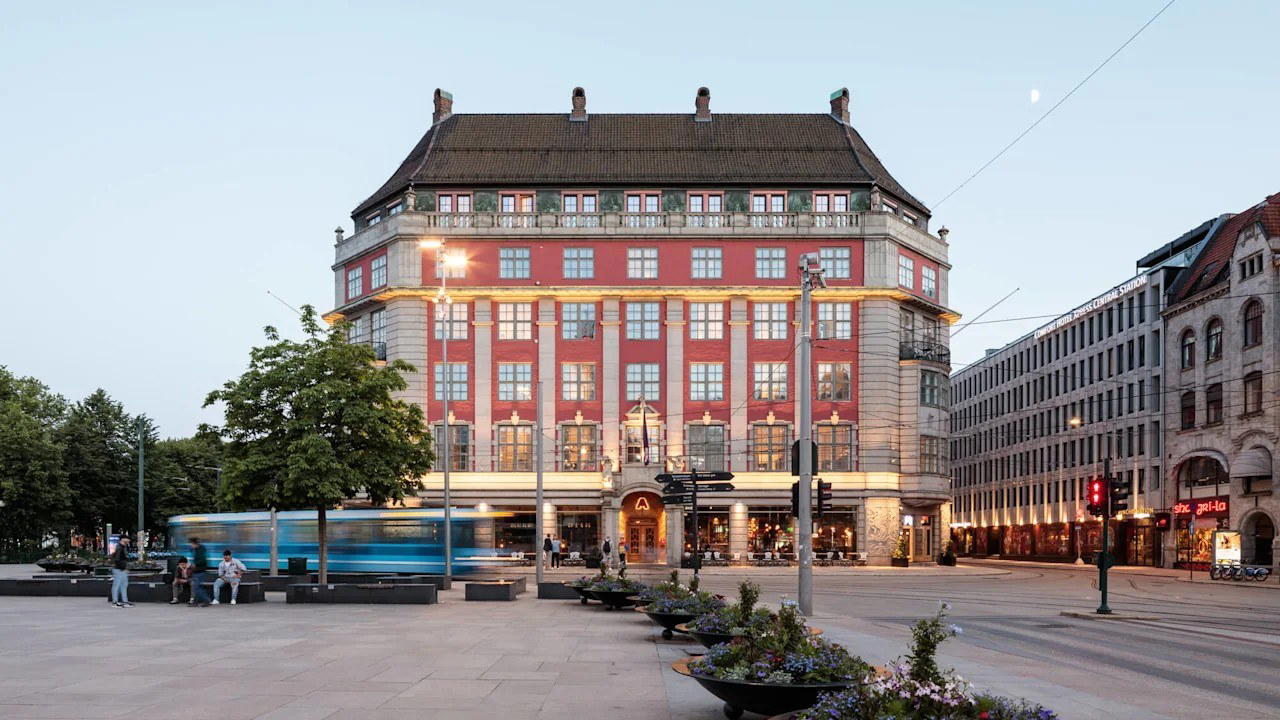
Oslo's waterfront transformation has been deliberate and, by European standards, unusually well-executed. The Bjørvika district, built on former port and rail land east of the city centre, now anchors two of Norway's most significant cultural institutions: the Opera House, whose sloping marble roof doubles as a public promenade running down to the fjord, and the Munch Museum, a ten-storey tower housing the world's largest collection of Edvard Munch's work. Between them sits a neighbourhood that did not exist in its current form twenty years ago, and the bar culture that has grown into it reflects that newness: considered, programme-led, and oriented toward visitors who arrive with specific intentions rather than idle browsing. Vin Bjørvika, at Operagata 11, occupies that position deliberately. The fjord is visible on one side; the city centre closes in on the other.
The List as the Point
Wine bars split, broadly, into two categories: those where the list is a supporting document for food or atmosphere, and those where the list is the entire argument. Vin Bjørvika belongs to the second type, and the numbers make the case without editorial assistance. The cellar holds approximately 10,000 bottles across more than 1,750 different references. On any given visit, over 100 wines are available by the glass, a by-the-glass programme that sits well above what most European wine bars maintain as a standard. For context, many well-regarded London or Paris wine bars manage 30 to 50 by-the-glass options; running more than 100 simultaneously requires either a coravin-heavy operation, a high enough turnover to move open bottles quickly, or both. That depth is the core credential here, and it positions Vin Bjørvika against a comparable set that is less local Oslo competitors and more specialist wine destinations in cities like Copenhagen, Vienna, or Amsterdam.
The bar holds a three-star accreditation from the World of Fine Wine awards programme. That framing matters: this is a wine destination first, evaluated against other wine destinations, and the accreditation reflects exactly the category in which it competes. Alongside Maaemo and Kontrast at the summit of Oslo's dining tier, Vin Bjørvika represents a different kind of premium, not tasting menus and chef credentials, but list depth and glass access.
Beyond Wine: Gin, Whisky, and the Spirits Programme
Oslo's bar scene has moved, over the past decade, toward programmes built around sourcing specificity. The city's cocktail bars increasingly justify their lists through producer provenance, small-batch credentials, and category depth rather than through theatrical presentation or heritage. The restaurant fits that pattern in its spirits programme: over 100 gins, a wide whisky and cognac selection, and an aquavit offering that connects the bar's identity back to the Nordic context it occupies. Aquavit, the caraway- or dill-forward spirit central to Scandinavian drinking culture, appears here alongside international categories rather than as a token gesture, which reflects the bar's position as a place where serious drinkers arrive with specific requests rather than general curiosity. For comparison, Bar Amour approaches Oslo's creative end of the spectrum, while the restaurant operates in a different register entirely: depth of inventory over invention of format.
The Sourcing Question in a Nordic Context
Norway sits outside the European Union's single market, which means wine import operates under a state-monopoly retail structure, Vinmonopolet manages retail sales, and the licensing and sourcing environment for on-trade operators involves different constraints than in free-market wine economies. Building a list of 1,750 references in Oslo is not the same operational exercise as building one in London. That the list runs this deep, in this city, with this breadth of by-the-glass access, is a more significant logistical achievement than the raw numbers suggest when read without that context.
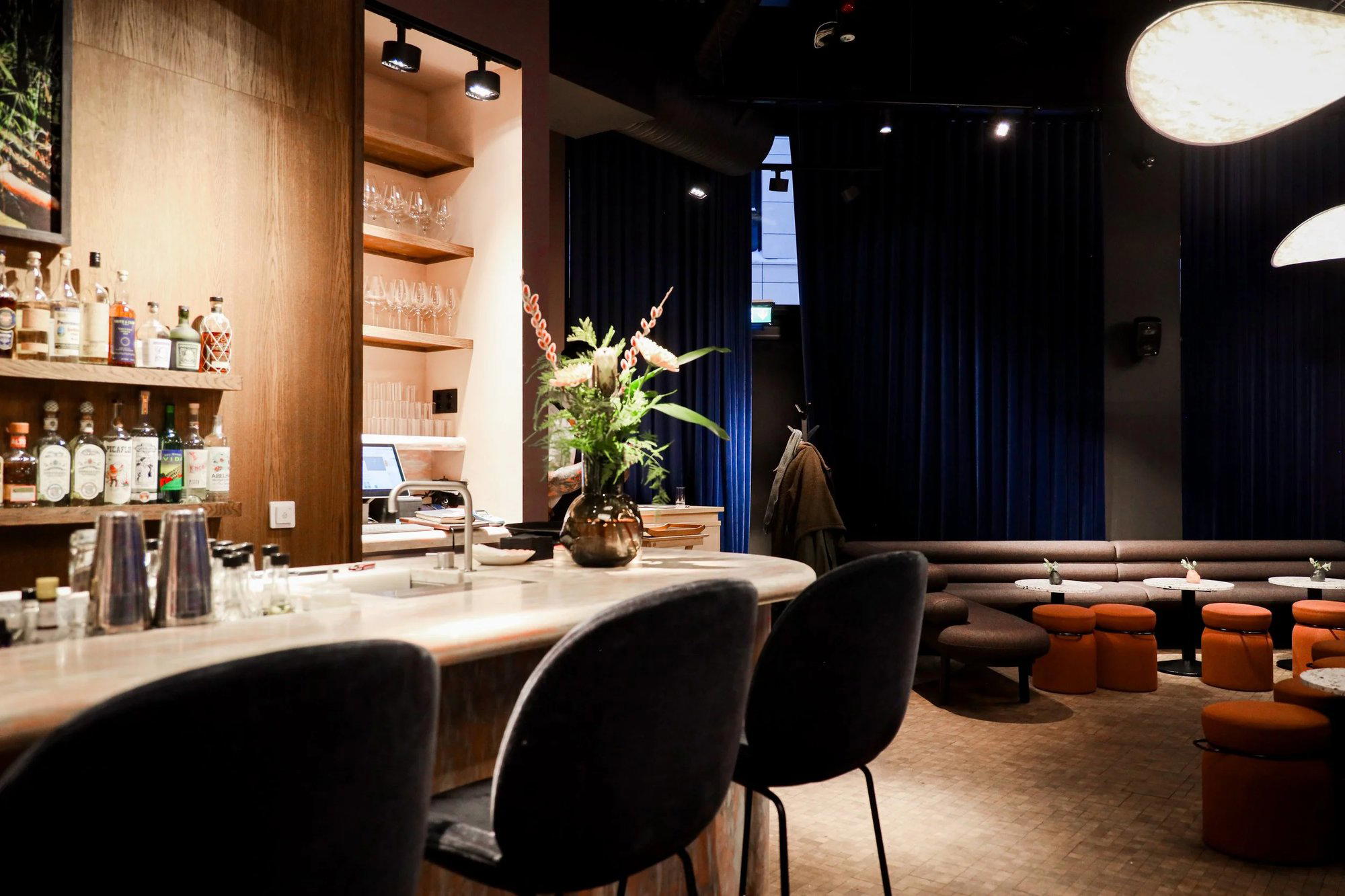
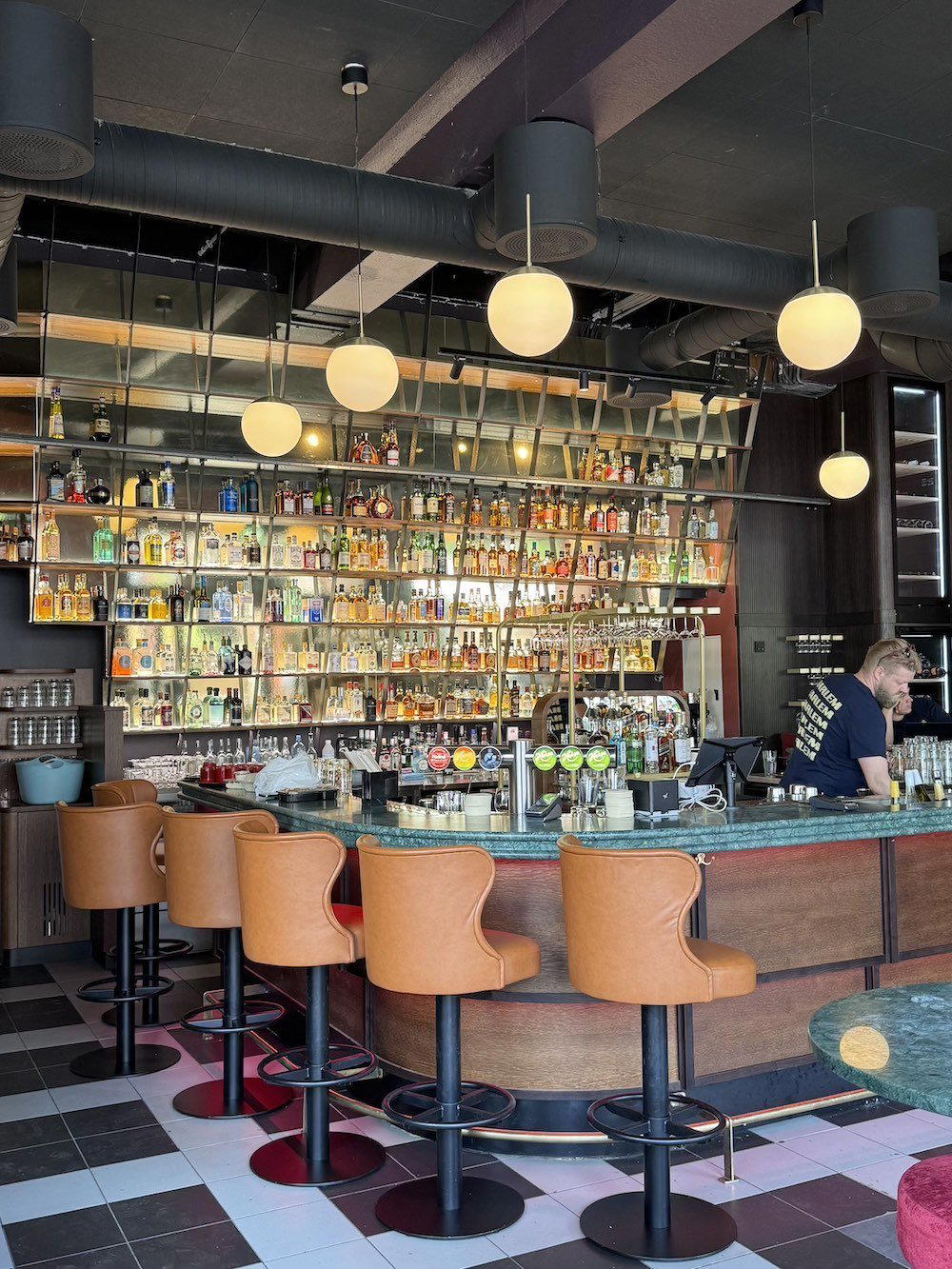
For visitors arriving from wine markets where a 200-reference list counts as serious, the scale of what the restaurant maintains will recalibrate expectations quickly. The bar is small and, by its own description, cosy, meaning the list-to-room-size ratio is deliberately inverted. The cellar is not a showroom; it is a working inventory that supports a by-the-glass programme designed for genuine exploration.
How Vin Bjørvika Fits the Bjørvika Visit
The Bjørvika district functions well as a half-day anchor. The Opera House is free to enter and walk, the Munch Museum charges admission and typically requires an hour to two hours depending on depth of engagement, and the waterfront promenade between them connects easily to the Aker Brygge walkway heading west toward the city centre. The restaurant opens early on Saturdays relative to comparable wine bars, a practical detail that makes it a viable first stop before the afternoon crowds settle into the cultural institutions. For visitors combining the bar with a dining programme, the Bjørvika area connects upstream to Oslo's broader restaurant circuit: Hot Shop and Mon Oncle represent different points on the Oslo dining spectrum worth considering alongside an evening at the bar.
Travellers spending longer in Norway will find useful reference points elsewhere in the country: RE-NAA in Stavanger, FAGN in Trondheim, Gaptrast in Bergen, Iris in Rosendal, Under in Lindesnes, and Boen Gård in Tveit collectively map the serious end of Norwegian dining outside Oslo. And for visitors making the restaurant part of a broader international wine bar circuit, the comparable set reaches internationally: Le Bernardin in New York City and Emeril's in New Orleans represent the kind of programme-led seriousness that serious wine destinations aspire toward in their respective categories.
The EP Club guides to Oslo restaurants, Oslo bars, Oslo hotels, Oslo wineries, and Oslo experiences cover the full scope of the city's offering for those planning beyond a single stop.
Planning Your Visit
The restaurant is at Operagata 11, 0194 Oslo, directly adjacent to the Opera House in the Bjørvika waterfront development. The bar is small, which means early arrival is advisable on busy evenings; Saturday mornings offer a lower-pressure entry point for those who want time with the list. Given the scale of the by-the-glass programme, a visit of at least an hour allows genuine engagement with the depth of what is available.
Fast Comparison
Comparable venues nearby, for context on price, style, and recognition.
| Venue | Cuisine | Price | Awards | Notes |
|---|---|---|---|---|
| Vin BjørvikaThis venue — the venue you are viewing | European Wine Bar | $$ | Not listed | Not listed |
| B VIN | European Wine Bar | $$$ | Not listed | Enerhaugen |
| Brasserie Hansken | French Brasserie with Scandinavian Influences | $$$ | Michelin Plate | Vika |
| The Little Pickle | British-Inspired Neighborhood Bistro | $$ | Bib Gourmand | Enerhaugen |
| Betong | Modern Nordic Tasting Menu | $$ | Michelin Plate | Vaterland |
| St. Lars | Norwegian Grill Steakhouse | $$ | Not listed | Bislett |
Recognition history
Dated appearances from independent guides and award organizations, with the underlying list record or original source where available.
Falstaff Wine Bar - 89 Falstaff Points
Falstaff
Star Wine List
Star Wine List
World's Best Wine Lists Awards WBWL Category Winner
World's Best Wine Lists Awards
World's Best Wine Lists Awards WBWL 3-Star
World's Best Wine Lists Awards
World's Best Wine Lists Awards WBWL 3-Star
World's Best Wine Lists Awards
World's Best Wine Lists Awards WBWL Category Winner
World's Best Wine Lists Awards
World's Best Wine Lists Awards WBWL 3-Star
World's Best Wine Lists Awards
Continue exploring
More in Oslo
Restaurants in Oslo
Browse all →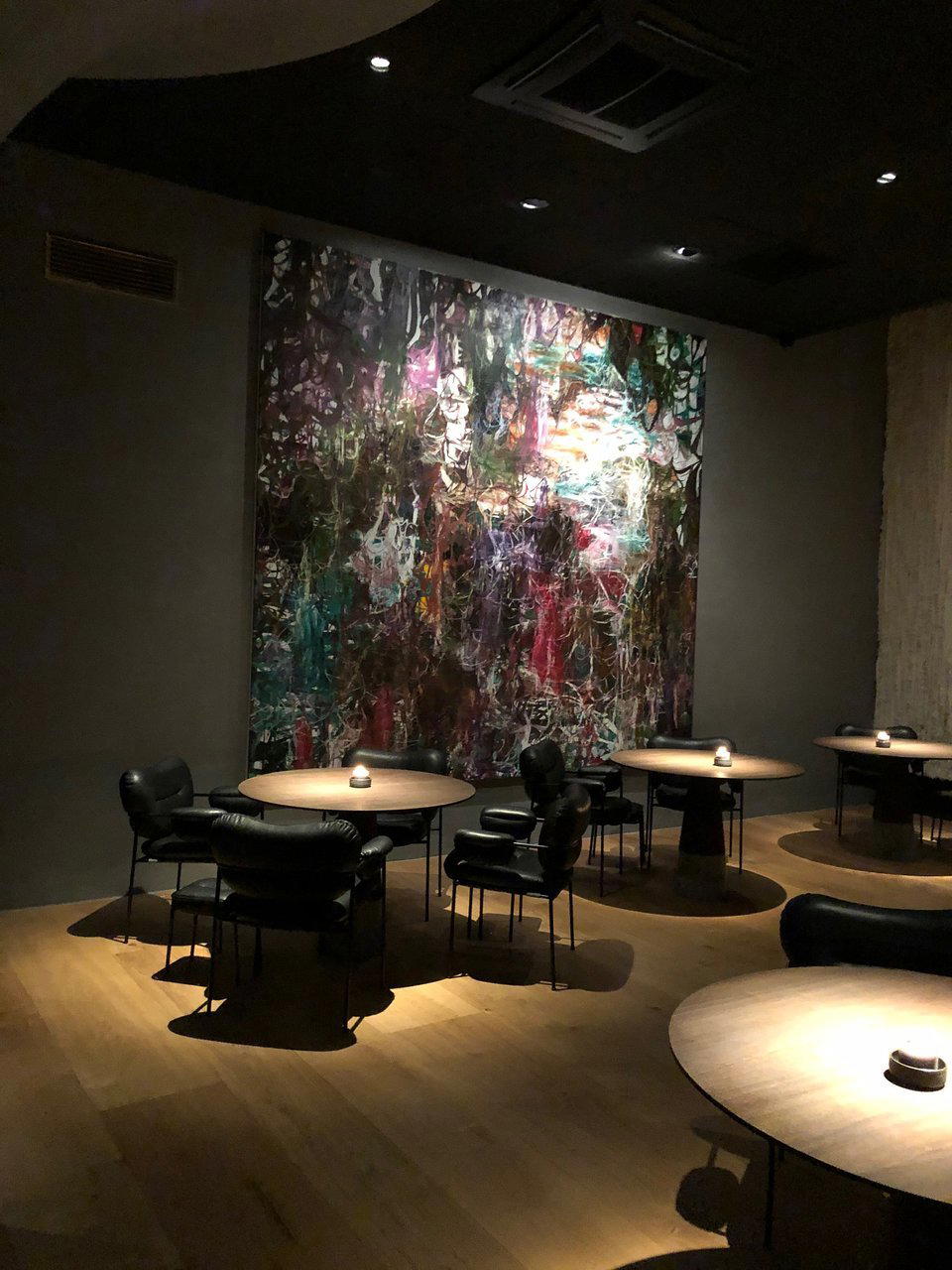

At a Glance
- Trendy
- Cozy
- Modern
- Elegant
- Date Night
- After Work
- Casual Hangout
- Waterfront
- Terrace
- Open Kitchen
- Extensive Wine List
- Waterfront
Current opening hours
- Monday
- 4 PM–12 AM
- Tuesday
- 4 PM–12 AM
- Wednesday
- 4 PM–12 AM
- Thursday
- 4 PM–12 AM
- Friday
- 3 PM–1 AM
- Saturday
- 2 PM–1 AM
- Sunday
- 4–10 PM
Hours can change for holidays and private events. Last verified .
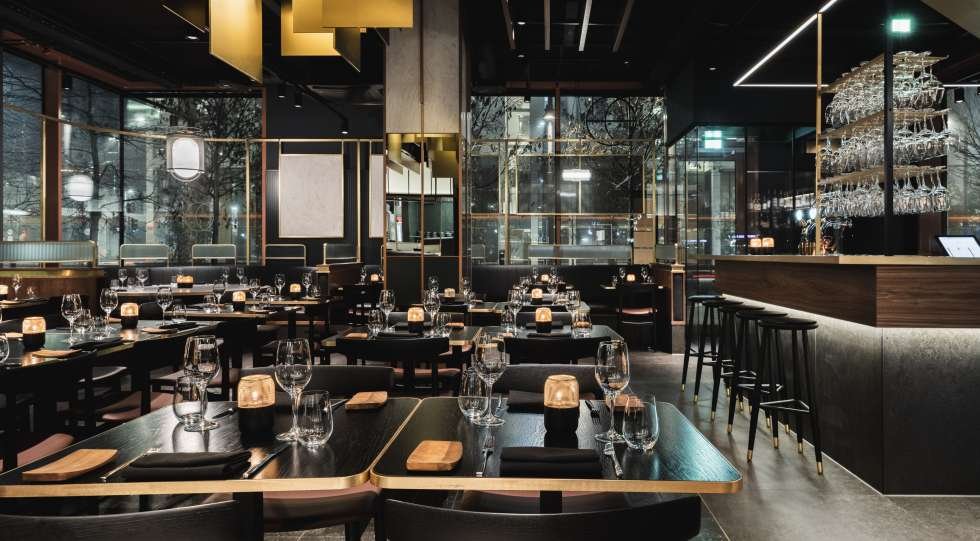
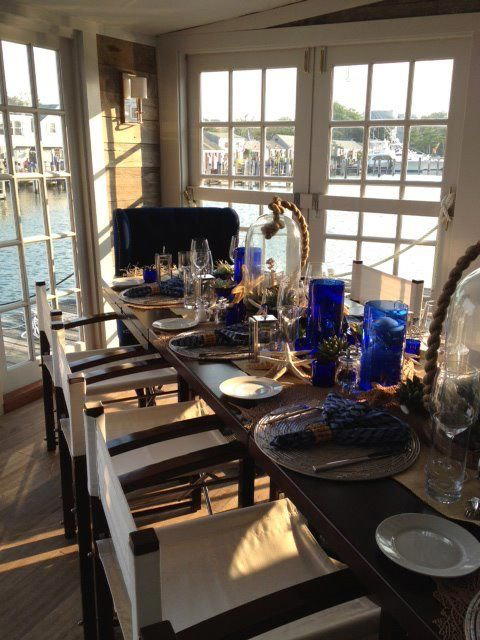
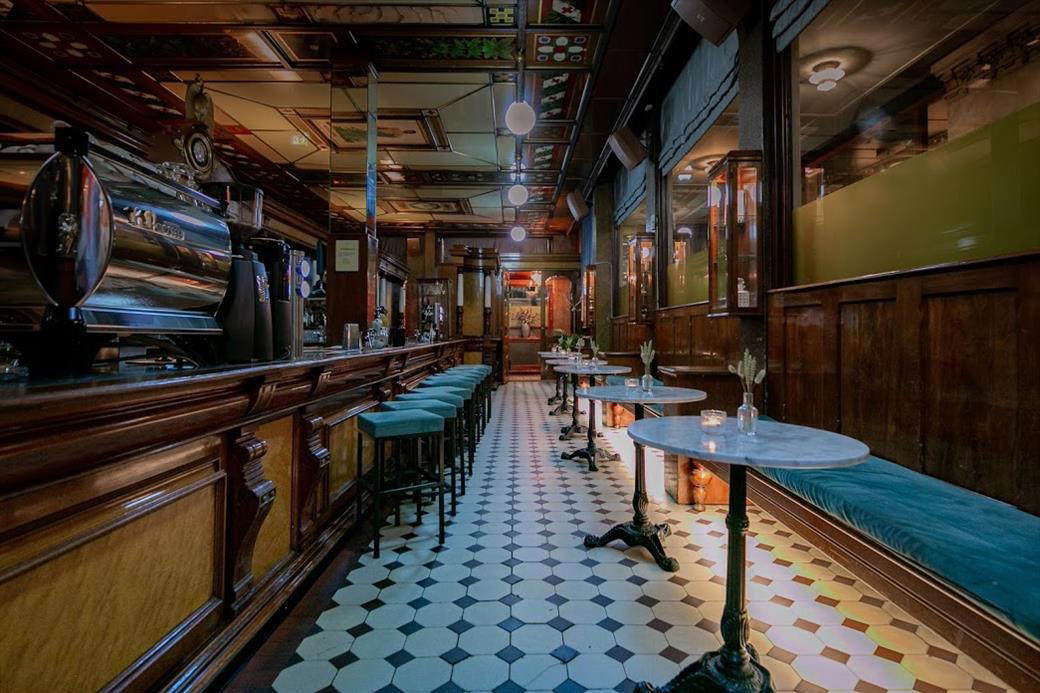
Trendy yet cozy interior with relaxed atmosphere, friendly lighting, and terrace for people-watching.