
Arakataka occupies a quiet address on Mariboes gate in central Oslo, drawing a wine-focused crowd that takes its list seriously. Three consecutive Star Wine List awards, 2023, 2024, and 2026, mark it as one of the Norwegian capital's most consistently recognised drinking destinations. The atmosphere runs unhurried and considered, suited to a long evening rather than a quick stop.
 Discover on Pearl
Pearl is the En Primeur Club membership app — saves, bookings, and concierge access live there. Same editors, same standards.
- Address
- Mariboes gate 7B, 0183 Oslo, Norway
- Phone
- +47 94 16 53 91
- Website
- arakataka.no
A Room That Sets the Pace
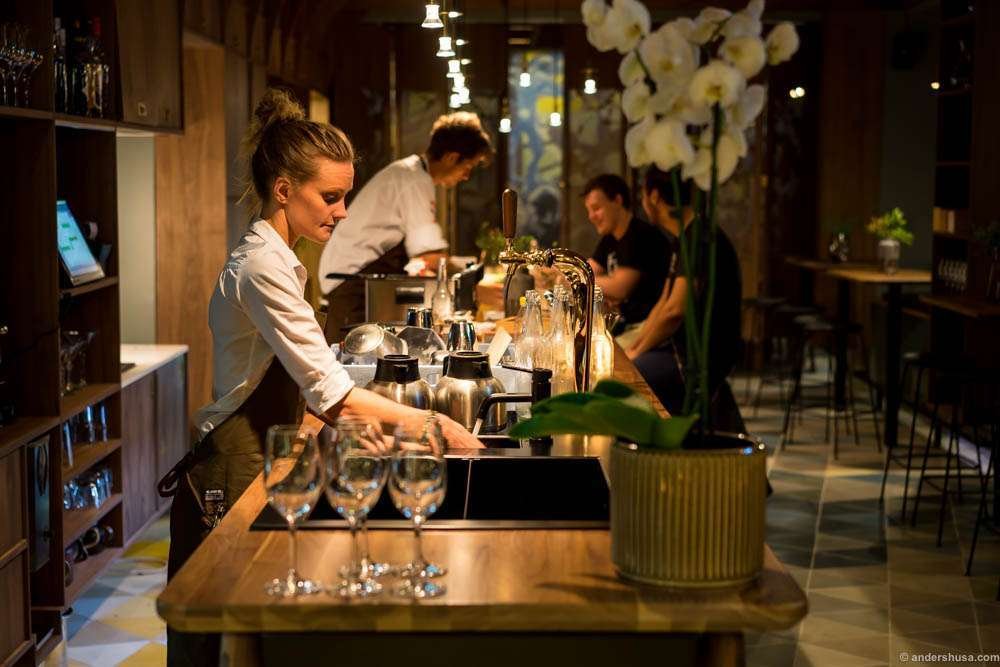
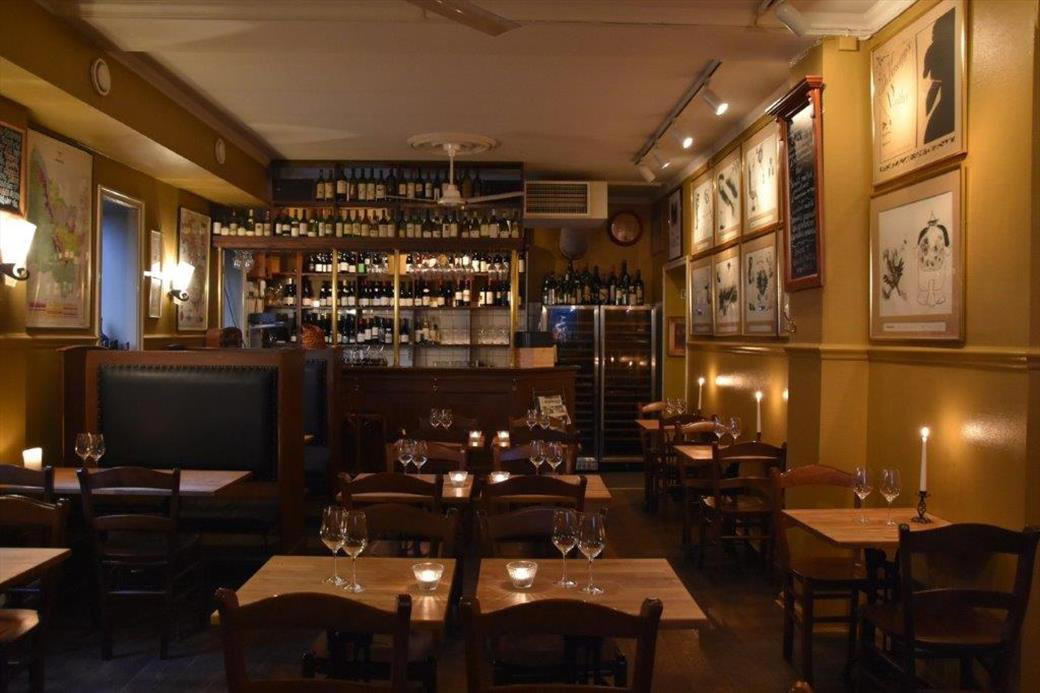
There is a particular quality to Oslo's better wine bars: they do not announce themselves. Arakataka, at Mariboes gate 7B in the St. Hanshaugen district, belongs to this tradition. The address sits just far enough from the city centre that the crowd it draws has made a deliberate decision to be there. That intention shapes the room's atmosphere before a glass is poured, conversations settle at a lower frequency, there is no ambient pressure to move quickly, and the physical environment functions as an invitation to stay.
Oslo's drinking culture has shifted meaningfully over the past decade, moving away from a model built around volume and towards one where the glass itself is the occasion. Arakataka sits inside that shift. The venue's character is shaped by unhurried pacing and an interior that rewards attention rather than spectacle, the kind of room where lighting and layout work in the service of the wine, not the other way around.
Three Years of Wine List Recognition
Star Wine List, the international guide that evaluates wine programs rather than full restaurant experiences, has recognised Arakataka in three separate years: 2023, 2024, and 2026. That sequence is worth pausing on. A single award signals a program of note; three across four years signals consistency, which in wine list terms is the more demanding achievement. Lists change with supply, with vintage, with staff. Maintaining Star Wine List recognition across multiple cycles reflects both depth of selection and ongoing curatorial discipline.
In the Norwegian context, that kind of recognition places Arakataka in a narrow peer group. Oslo's wine bar scene has grown considerably, but the venues holding sustained international recognition for their lists are few. Arakataka's consecutive Star Wine List entries position it alongside a small cohort of addresses where the list itself is the primary editorial proposition. For a useful comparison closer to the bar's own neighbourhood character, Bukken Vinbar and El Brutus each represent distinct approaches to Oslo's wine-bar tier, and Svanen occupies a different point on the casual-to-serious spectrum.
What the Awards Say About the Atmosphere
The editorial angle on atmosphere and design is not always about décor. Sometimes a room's character is read most accurately through the kind of attention it demands from its staff and guests. A venue that holds Star Wine List recognition across multiple years is, by implication, one that takes the mechanics of service and selection seriously. That translates into atmosphere: the floor is likely knowledgeable, the pacing is calibrated to the glass rather than the table-turn, and the physical space is arranged to support rather than compete with the experience of drinking something worth discussing.
This is a different category from Oslo's cocktail-forward venues. Himkok operates on a Nordic spirits-and-technique program that has its own international standing; it is a different room with a different energy. Arakataka's atmosphere is shaped by wine as a medium for conversation rather than spectacle as a medium for performance. The distinction matters when choosing where to spend an evening.
Oslo's Wine Bar Scene in Context
Norwegian wine culture has arrived at an interesting inflection. Import regulations and high taxes have historically constrained what was possible at the lower end of the market, which had the counterintuitive effect of pushing serious venues towards depth rather than breadth. When every bottle on a list carries significant cost, curation becomes essential. The wine bars that have earned sustained recognition, and Arakataka is among them, tend to reflect this: narrower, more considered lists rather than maximalist selections designed to impress by volume.
This pattern repeats across Norwegian cities. Amtmandens in Tromsø, Blomster og Vin in Trondheim, and Dråpen Vinbar in Bergen each demonstrate that the appetite for serious wine programs extends well beyond the capital. Even in smaller markets, venues like Huset i Gato in Mosjøen, Køl Bar & Bistro in Molde, and Kork Vinbar & Scene in Rørvik suggest that the infrastructure for wine-serious drinking has spread well beyond Oslo's postal codes. For a more complete map of where that energy concentrates in the capital itself, our full Oslo guide covers the broader picture. And for a point of international comparison in a completely different climate, Bar Leather Apron in Honolulu shows how a serious drinks program can anchor an atmosphere in an entirely different hospitality context.
Planning Your Visit
Arakataka is located at Mariboes gate 7B, 0183 Oslo, within walking distance of the city centre and accessible by tram from Grünerløkka or the central station area. Given its standing in Oslo's wine-bar conversation and its recognition profile, arriving without a reservation on a weekend carries risk, particularly in the autumn and winter months when the city's indoor drinking culture runs at its most active. Checking availability in advance is advisable; the venue's booking details are best confirmed directly through current search listings given that contact and hours data are subject to change.
There is no reliable public data on current pricing, and Oslo's wine bar tier generally prices to reflect import costs and the quality of its selections. Expect the range to sit accordingly above a casual bar but broadly in line with what comparable Star Wine List-recognised venues charge across Scandinavian cities. The format rewards staying for more than one glass rather than treating the visit as a stop.
Cuisine and Credentials
Comparable venues nearby, for context on price, style, and recognition.
| Venue | Awards |
|---|---|
| ArakatakaThis venue — the venue you are viewing | |
| Himkok | World's 50 Best |
| Svanen | World's 50 Best |
| Bukken Vinbar | |
| Fat City | |
| Grand Café & Vinkjeller |
Continue exploring
More in Oslo
Bars in Oslo
Browse all →
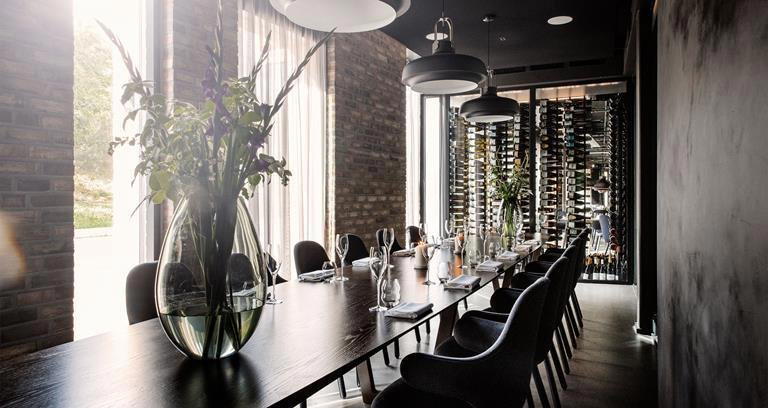
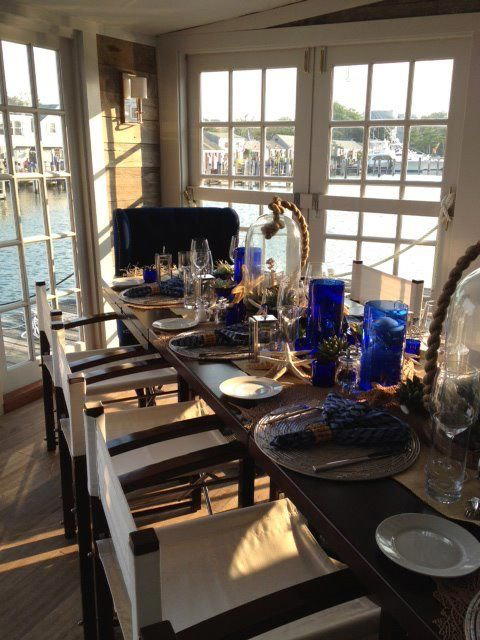
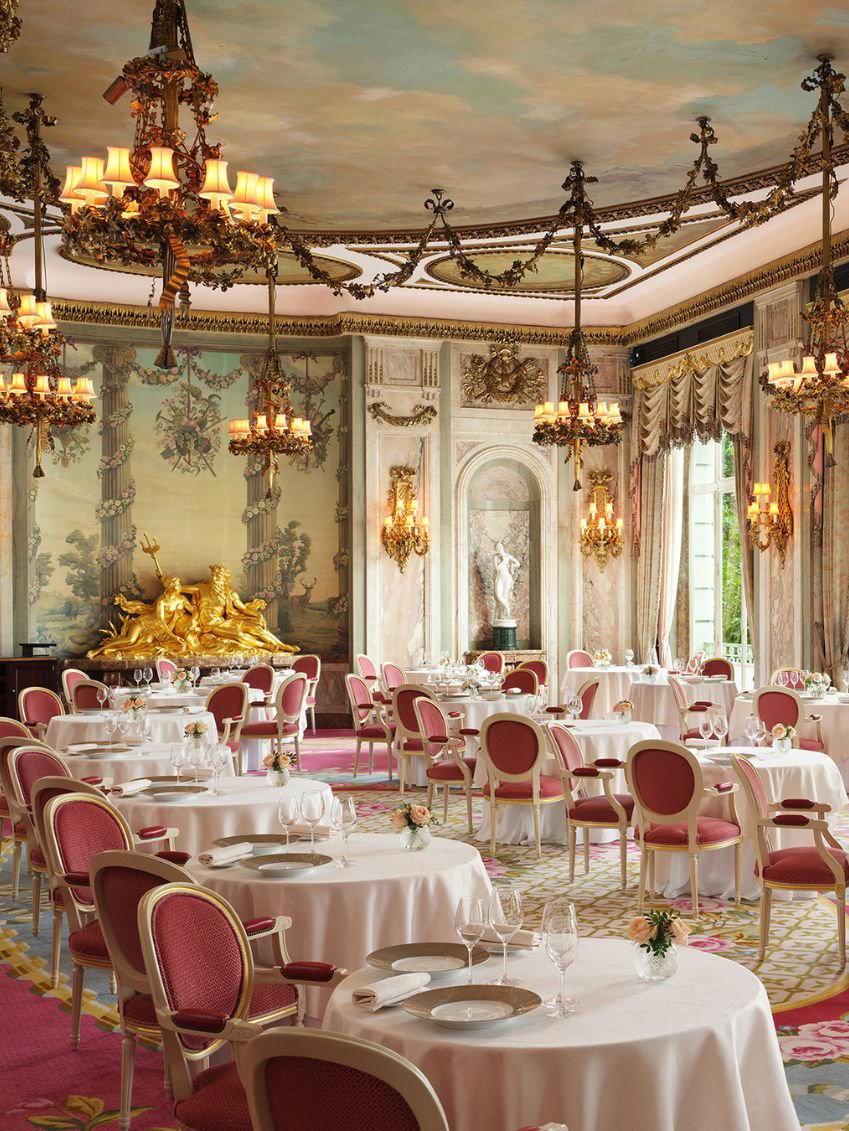
Hotels in Oslo
Browse all →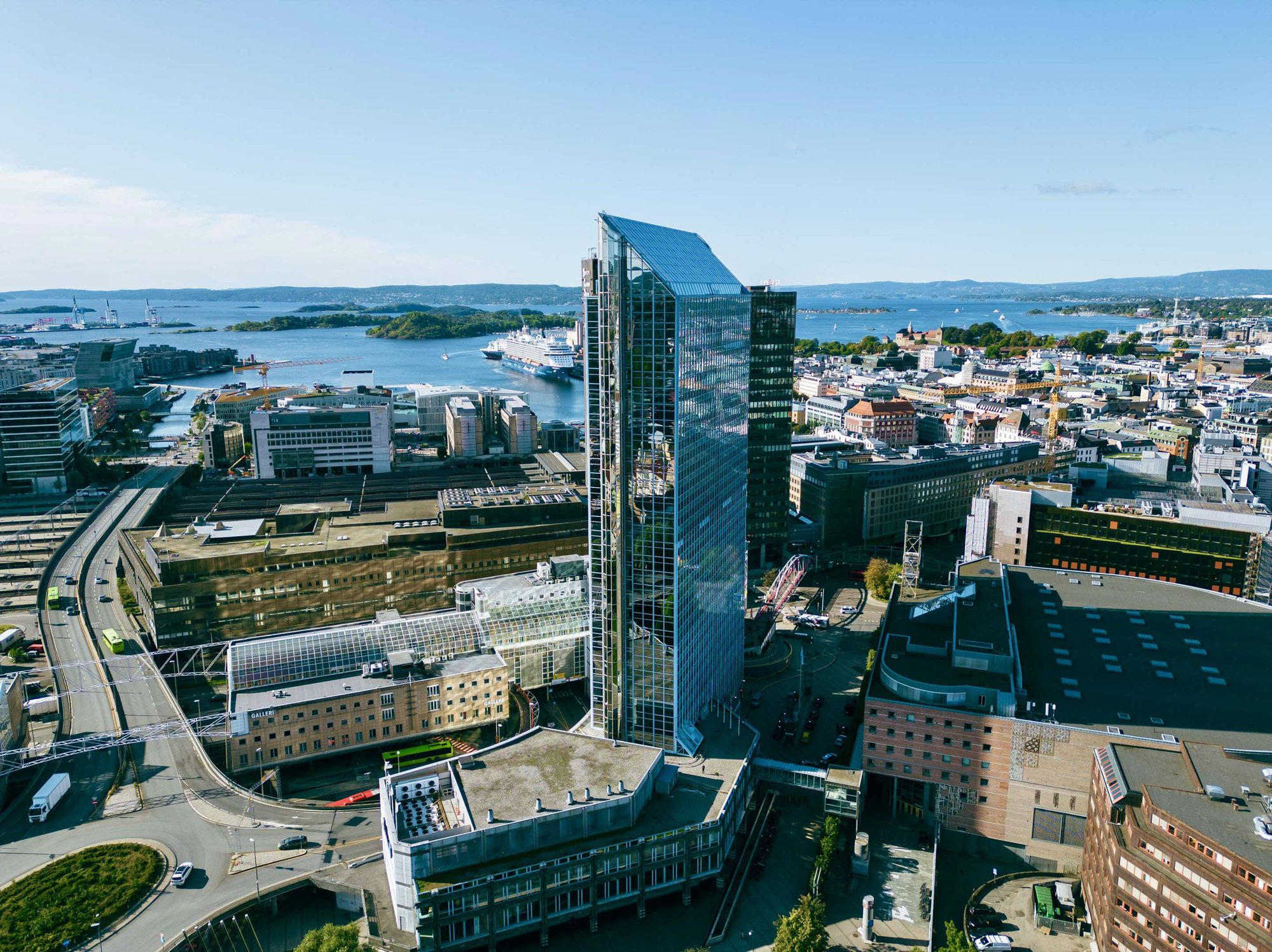
Wineries in Oslo
Browse all →
At a Glance
- Modern
- Cozy
- Intimate
- Sophisticated
- Date Night
- Special Occasion
- Design Destination
- Seated Bar
- Counter Only
- Conventional Wine
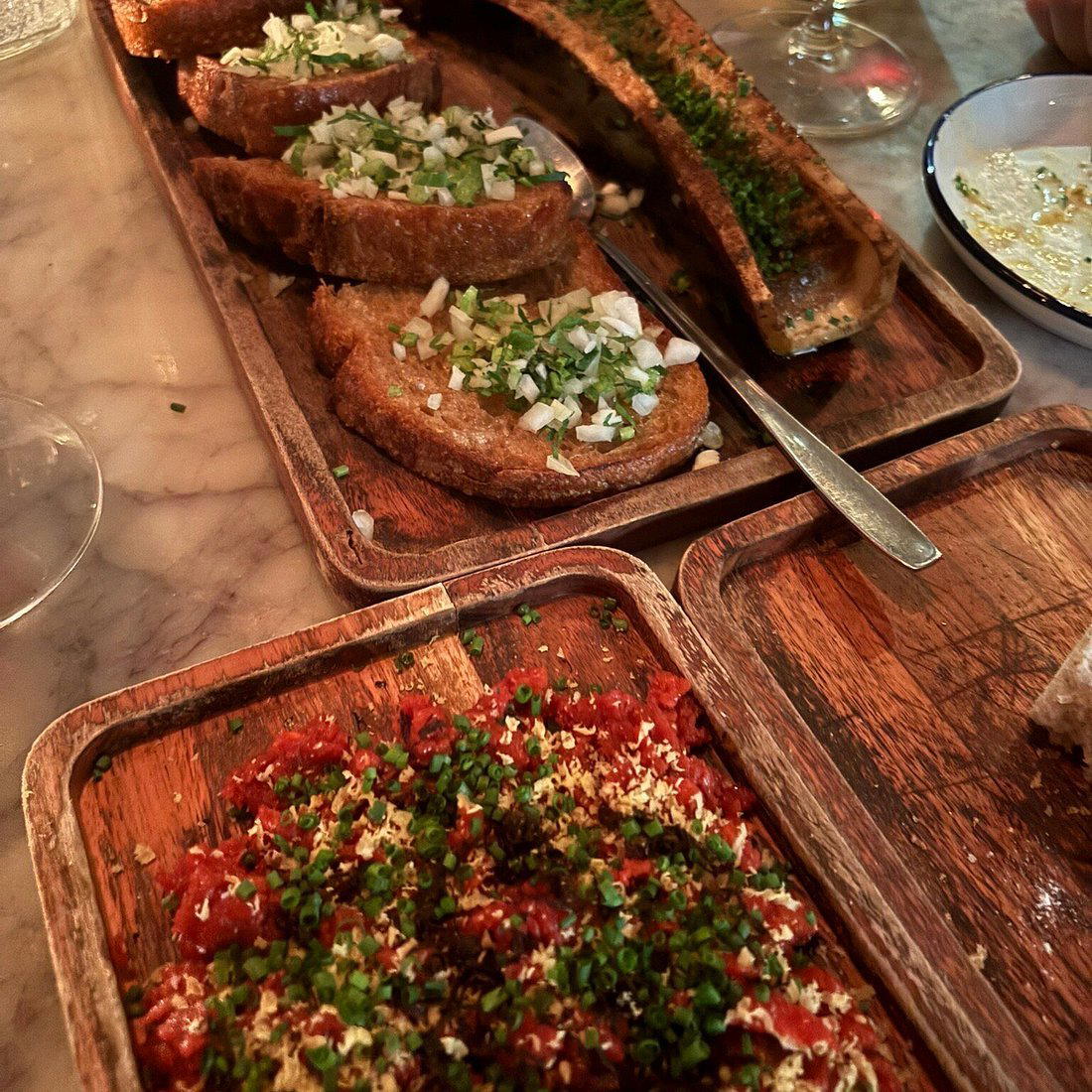
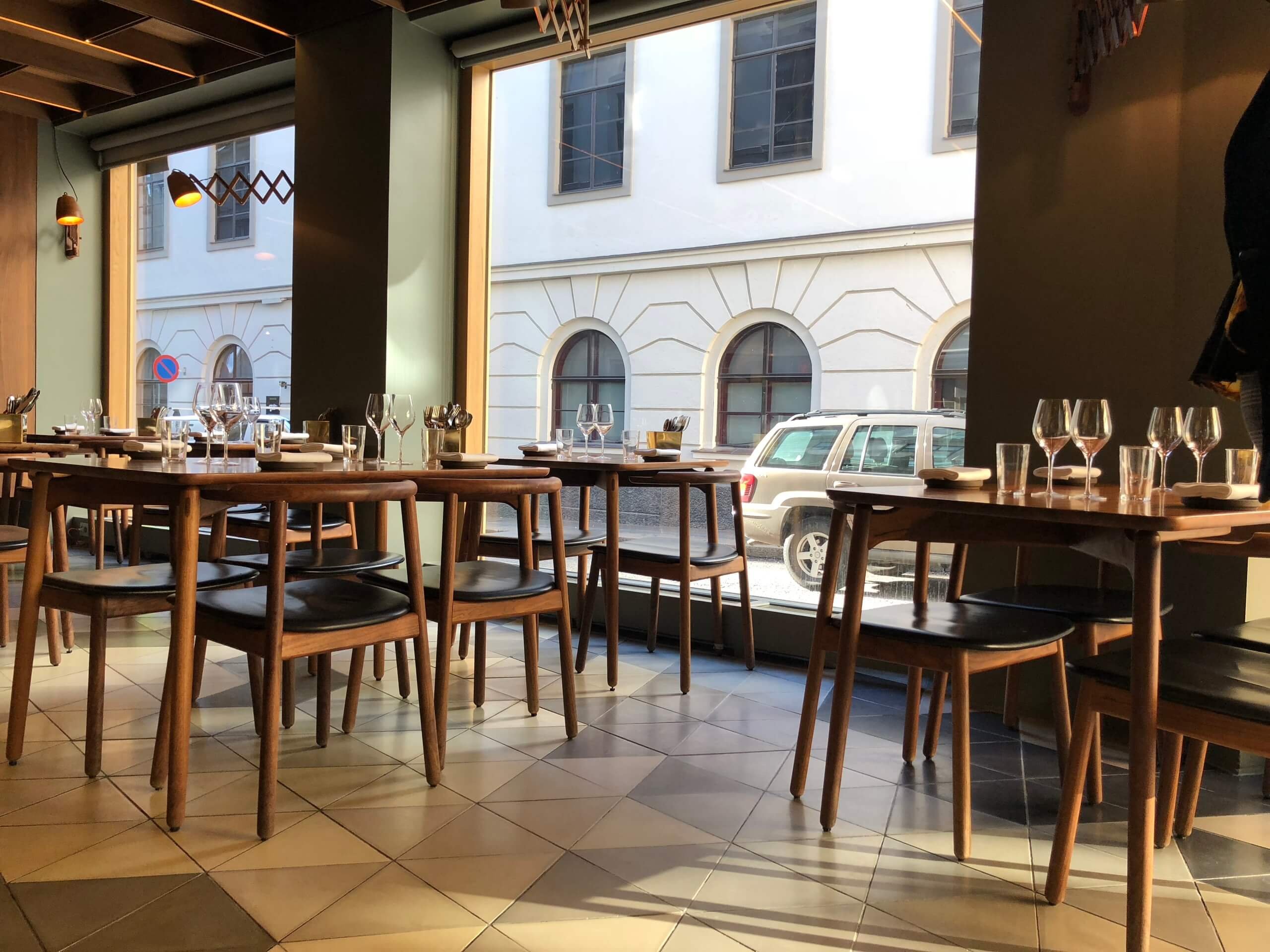
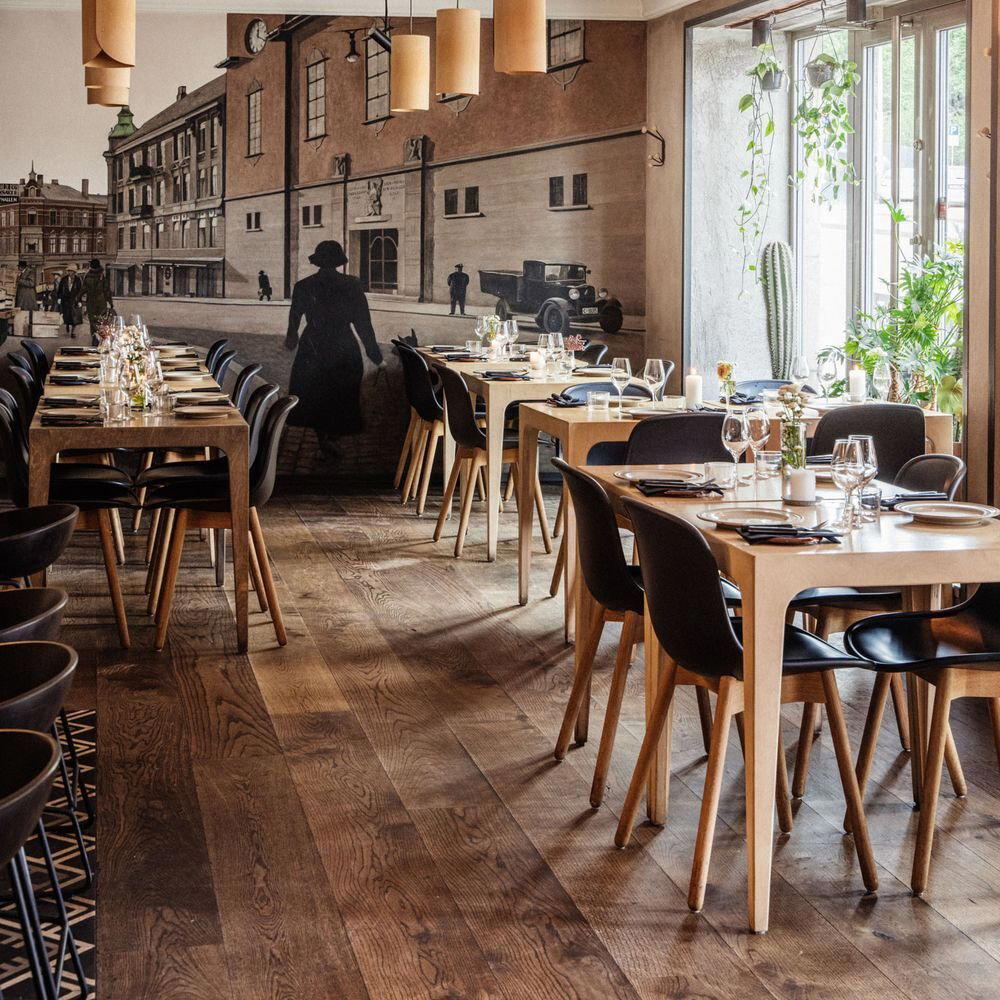
Cozy and relaxed atmosphere with contemporary lighting, designer elements, and an open kitchen fostering a sophisticated yet informal vibe.