Palais de Chine

Michelin Plate
Our verdict
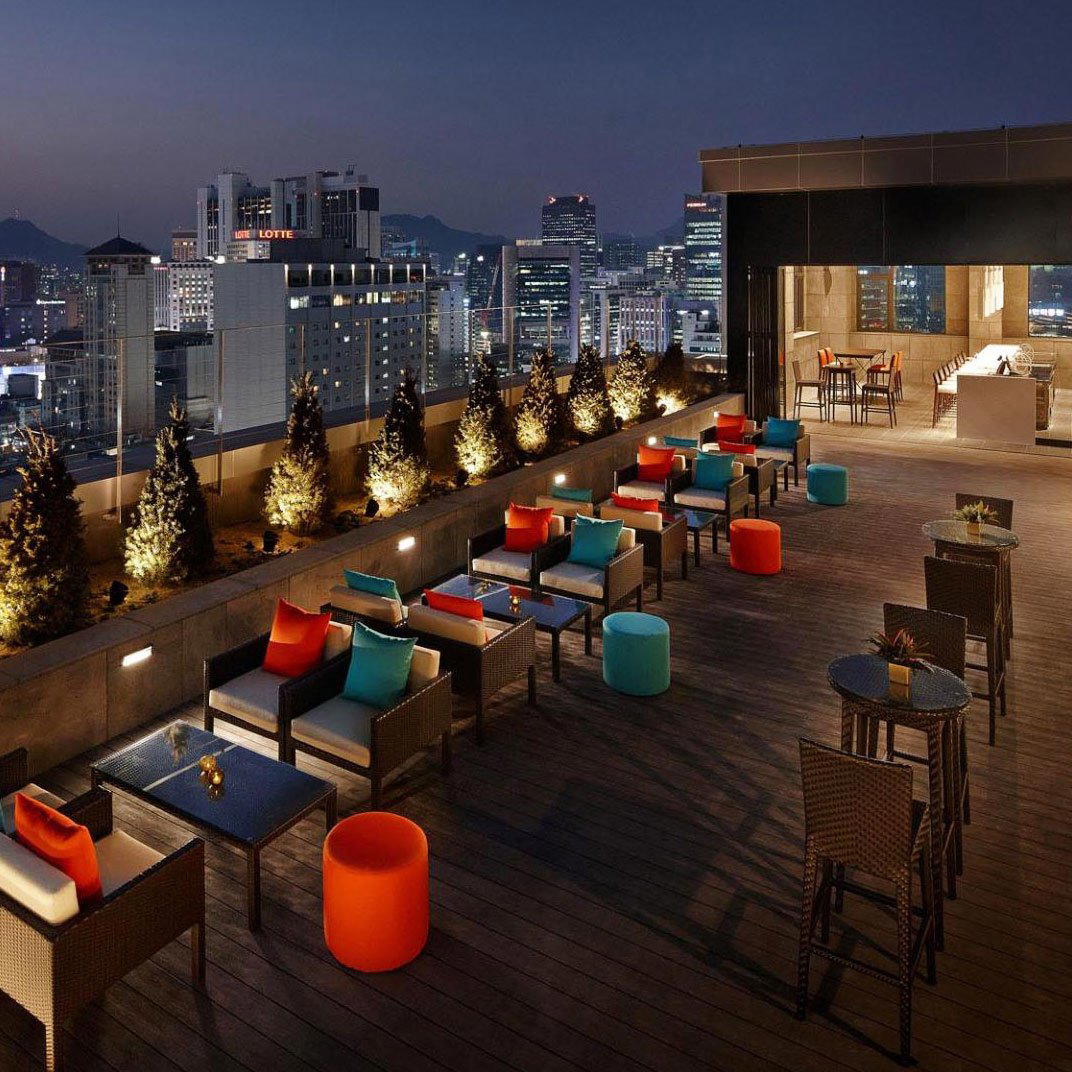
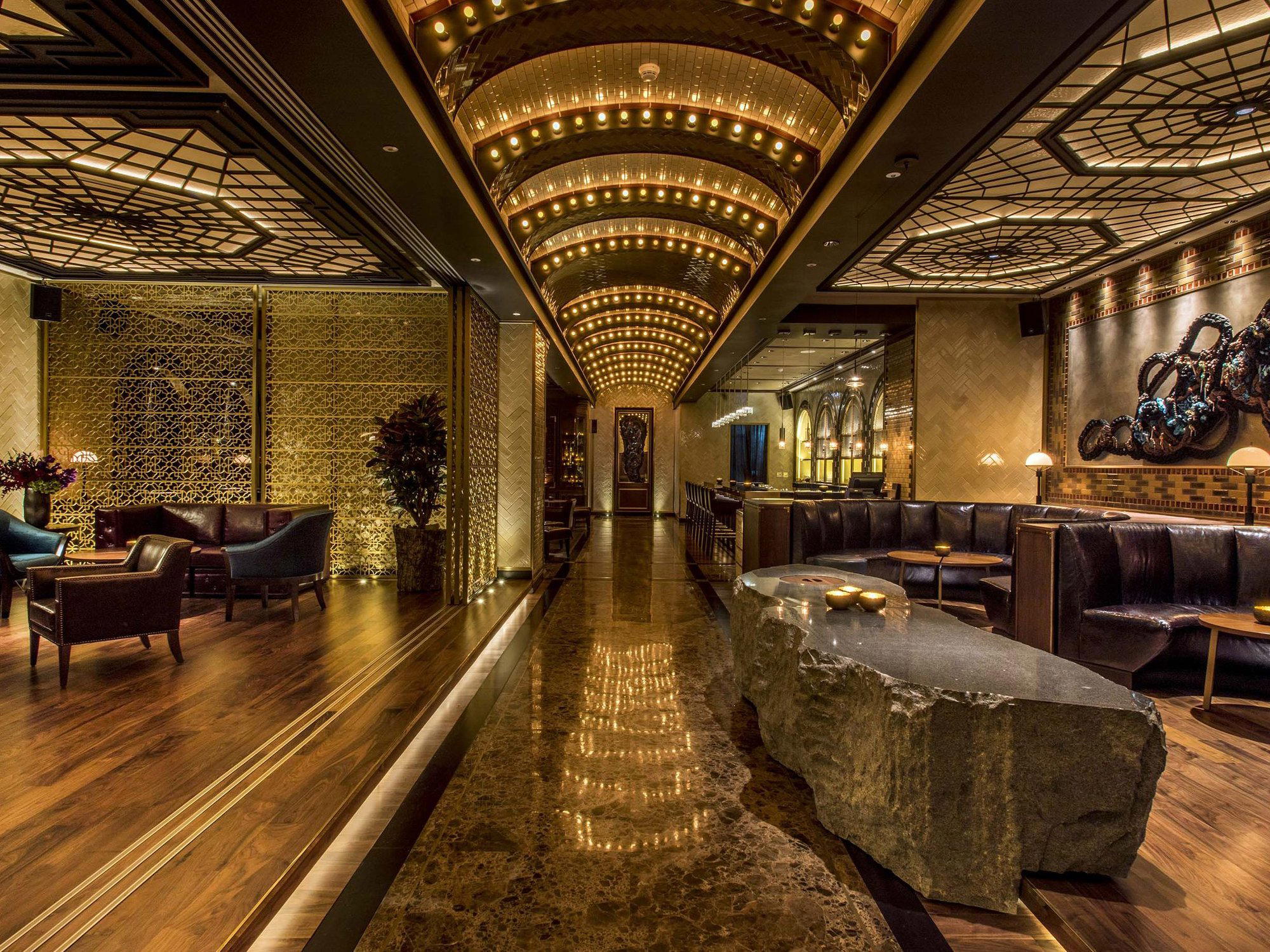
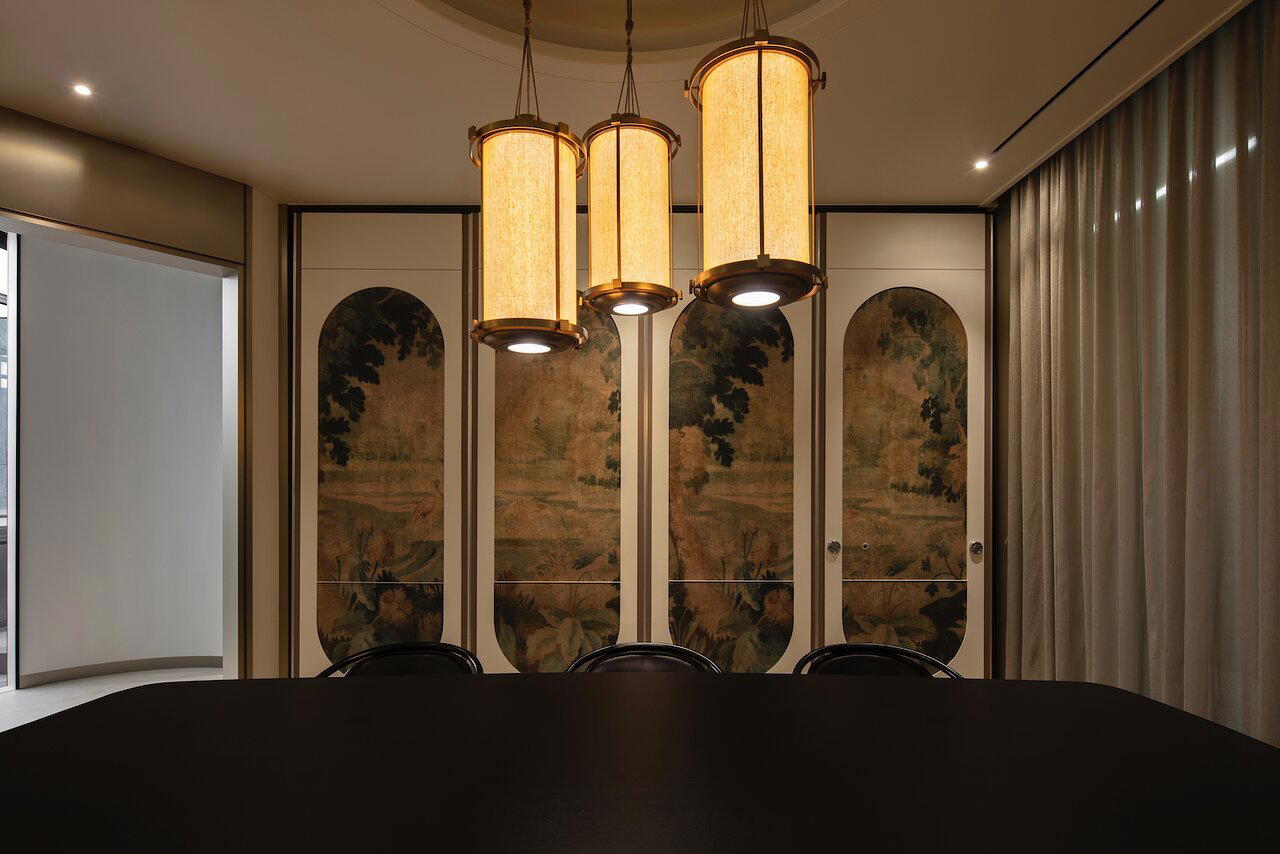
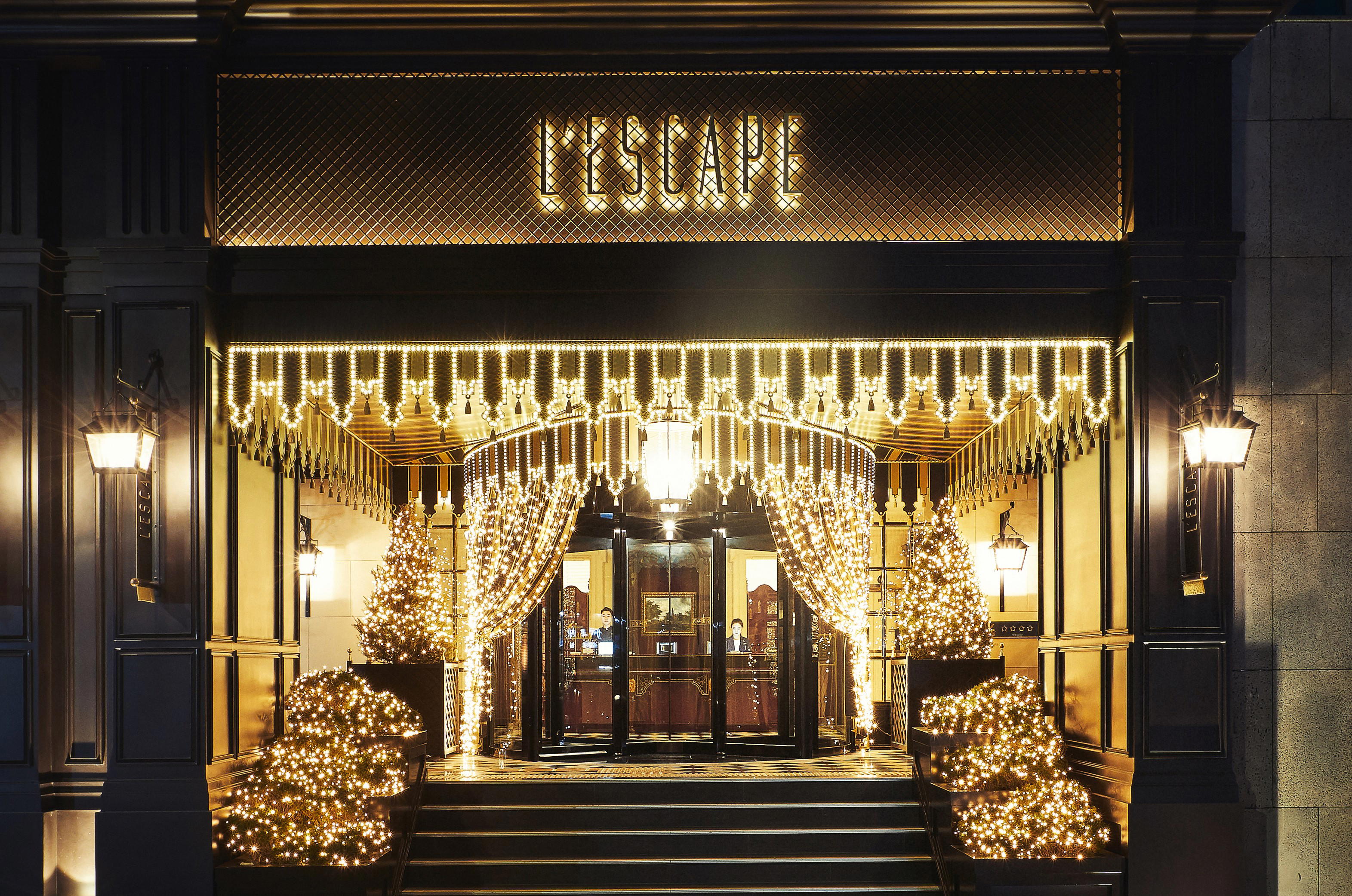
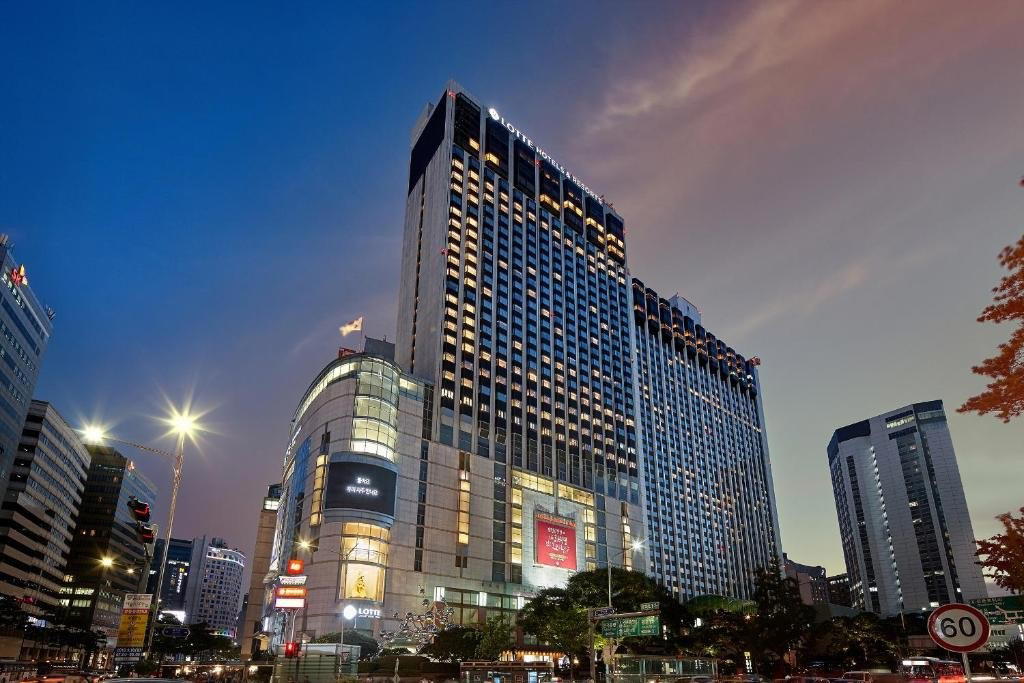
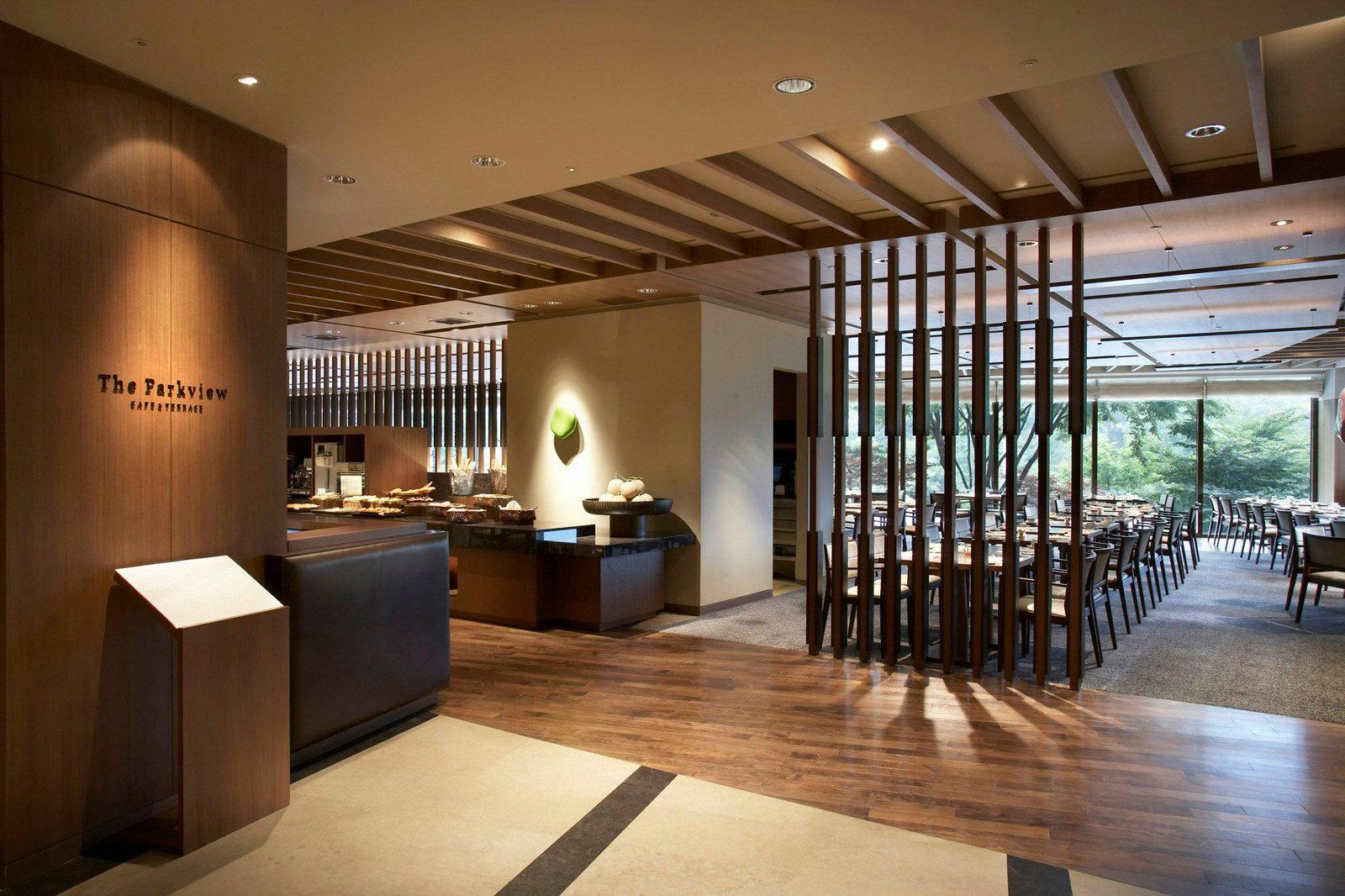
Palais de Chine sits on the sixth floor of Seoul's L'Escape Hotel, a Belle Époque property in Jung District, and holds a 2024 Michelin Plate. It is the only space within L'Escape offering a Chinese menu, with dim sum, regional preparations, and Peking duck served inside an interior that draws on Shanghai's early twentieth-century design heritage.

Pearl is the En Primeur Club membership app, where members save venues, book tables and use the concierge.
The menu
What to order
- Peking Duck
- Dim Sum Selection
- Szechuan Spicy Eggplant
- Truffle Stir-Fried Rice
- Cold Tofu Appetizer
- Mushroom Soup with Crispy Noodles
Where Two Belle Époques Meet
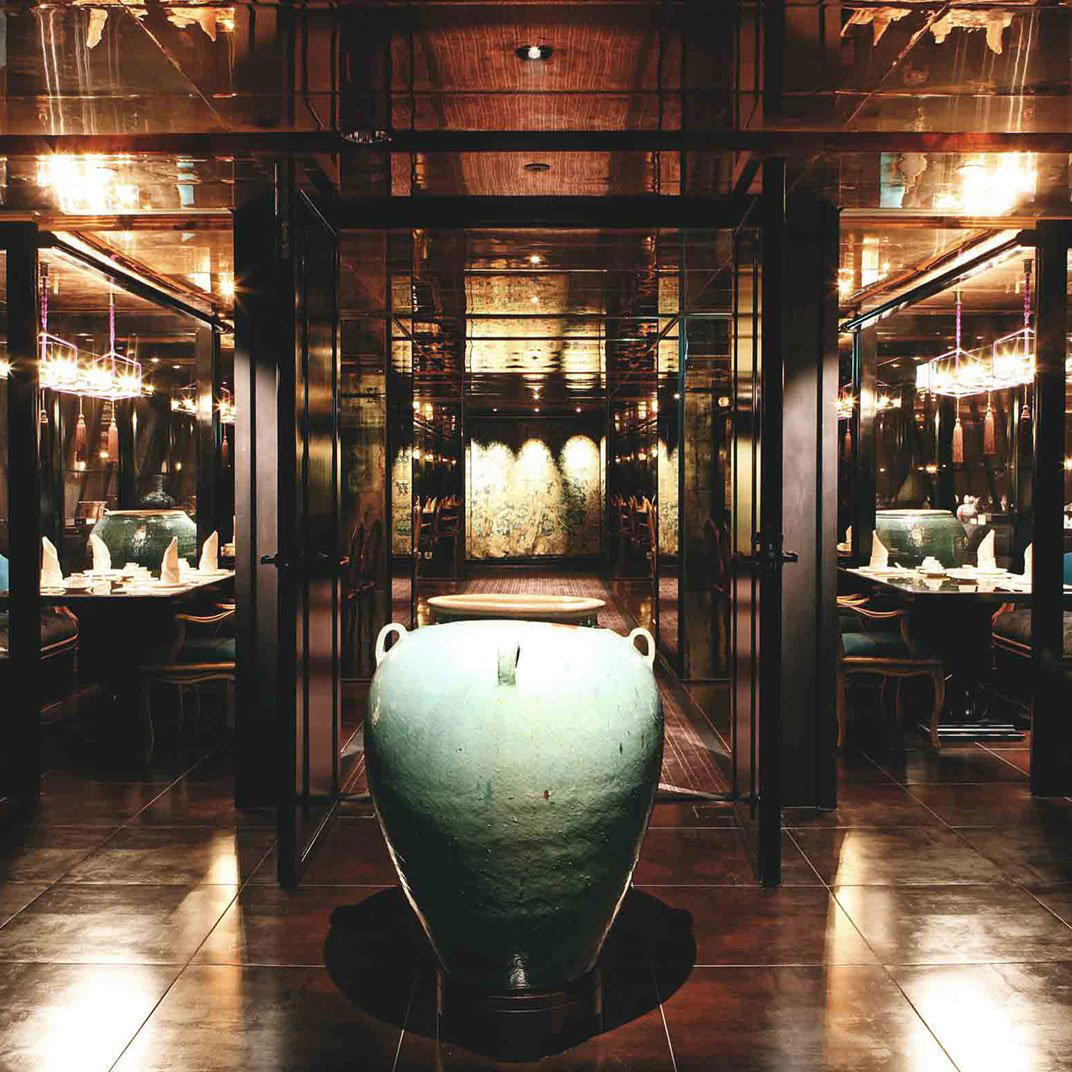
L'Escape Hotel in Jung District is built around a sustained Parisian aesthetic, the kind of project that imports European grandeur wholesale into central Seoul. The sixth floor breaks that logic. Palais de Chine shifts the reference point eastward, drawing instead on Shanghai's own early twentieth-century design period, a moment when the city absorbed Art Deco motifs, lacquered surfaces, and geometric patterning into something distinctly its own. The result is a dining room that operates as a counterpoint to everything below it in the building, and as one of the few spaces in Seoul where the occasion itself is shaped by the room before a dish arrives.
This kind of interior coherence matters more than it might seem for milestone dining. The capital's special-occasion tier has expanded significantly in recent years, with Korean fine dining rooms like Gaon in Seoul and 권숙수 - Kwon Sook Soo in Gangnam-gu setting a high standard for considered environments. Palais de Chine occupies a different niche: it is the address where Chinese cuisine, rather than Korean fine dining, anchors the occasion.
The Case for Chinese Cuisine at Celebration Tables
Chinese cooking has always carried its own ceremony. Peking duck, in particular, is not simply a dish but a ritual with regional protocol, whole birds roasted in wood-fired ovens, carved at the table, served across multiple presentations. It is one of the most demanding preparations in Chinese gastronomy to execute correctly outside of Beijing, and the gap between a competent version and an authoritative one is immediately legible to anyone who has eaten well in the original context. Palais de Chine has made Peking duck a signature, positioning it alongside the broader menu as the kind of preparation that gives structure to a dinner rather than simply filling one course.
Dim sum operates on a different register. Where Peking duck is theatre, dim sum is craft at close range, the quality of the wrapper, the seasoning of the filling, the temperature at which individual pieces arrive. For a celebration table, dim sum rewards sharing and slows the meal down in the right way. Seoul's Chinese dining options across this tier include Haobin, Yu Yuan, Crystal Jade, Hong Yuan, and Jin Jin. Palais de Chine distinguishes itself from that peer group partly through its hotel setting and the formality that implies, and partly through the explicit attention to regional character, preparations that maintain their geographic identity rather than drifting toward a generic pan-Chinese register.
Michelin Recognition and What It Signals Here
A 2024 Michelin Plate is not a star, but it is a meaningful data point in Seoul, a city where the Guide's coverage is dense and competitive. Michelin Plate designation indicates the inspectors found cooking worth recommending, consistent, technically grounded, worth a deliberate visit. In a city where recognition at the Plate level arrives alongside serious starred competition, it places Palais de Chine inside a defined quality tier rather than operating entirely outside the framework.
For occasion dining, that recognition carries practical weight. A Michelin Plate signals that the kitchen is held to documented standards, which matters when a dinner is marking something that cannot be repeated. The consistency implied by ongoing recognition is part of what makes a room suitable for celebrations in the first place. Comparable Chinese restaurants earning critical attention internationally, Restaurant Tim Raue in Berlin, Mister Jiu's in San Francisco, and VELROSIER in Kyoto, demonstrate that Chinese cooking in non-Chinese cities can sustain serious critical scrutiny when the kitchen commits to precision over easy adaptation.
The Room and the Occasion
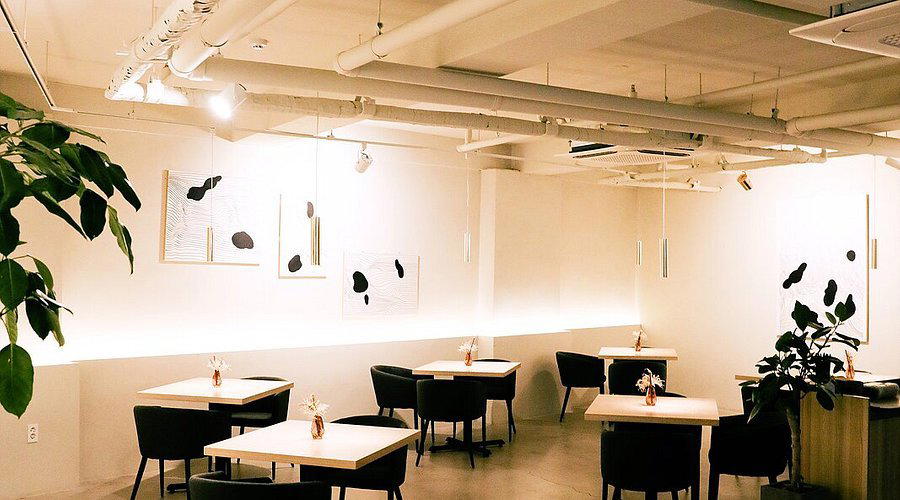
Occasion dining works well when the physical environment signals that the evening is set apart from ordinary routine. A hotel restaurant on the sixth floor of a boutique property carries an inherent remove from street-level noise and foot traffic, which affects pacing and atmosphere in concrete ways. The Shanghai belle époque aesthetic at Palais de Chine, lacquered finishes, period design references, considered lighting, produces a room that reads as a destination rather than a convenience. That distinction is not trivial for milestone meals, where the memory of the space is as durable as the memory of what was eaten.
Seoul's ₩₩₩ price tier positions Palais de Chine below the capital's most expensive special-occasion rooms, which cluster at ₩₩₩₩ and include venues like the contemporary Korean addresses at that bracket. This makes it a plausible choice for celebratory dinners where the emphasis is on a substantive, recognisable cuisine in a carefully designed setting, without the price point of the city's starred tasting-menu rooms.
Planning Your Visit
Palais de Chine is located at 67 Toegye-ro in Jung District, on the sixth floor of L'Escape Hotel, a central and well-connected address in Seoul. For hotels, bars, and other experiences in the area, see our full Seoul hotels guide, our full Seoul bars guide, and our full Seoul experiences guide. For a wider view of the city's restaurant options, our full Seoul restaurants guide covers the full range of cuisines and price points. Those travelling beyond the capital can find further reference points at Mori in Busan and Baegyangsa Temple in Jangseong-gun, while 더 플라잉 호그 - The Flying Hog in Seogwipo rounds out the wider Korean dining picture. There is no winery guide specific to this venue, but our full Seoul wineries guide covers regional wine options.
Know Before You Go
- Address: 67 Toegye-ro, Jung District, Seoul (6F, L'Escape Hotel)
- Cuisine: Chinese (dim sum, Peking duck, regional preparations)
- Price range: ₩₩₩
- Recognition: Michelin Plate 2024
- Occasion suitability: Celebration dinners, milestone meals, formal gatherings
Frequently asked questions
What's the address for Palais de Chine?
Palais de Chine is located at South Korea, Seoul, Jung District, Toegye-ro, 67 레스케이프 호텔 6F, Seoul.
Does Palais de Chine have a Michelin star or similar recognition?
Palais de Chine has received recognition including: Located inside the Parisian Belle Époque-inspired L'Escape Hotel, Palais de Chine is the only space within the hotel that offers Eastern tastes and sensibilities. Inspired by designs from Shanghai's own belle époque, the modern space offers….
What should I order at Palais de Chine?
The Peking duck is the kitchen's most prominent signature, a dish with strict regional protocol that the restaurant has built part of its identity around. The dim sum selection is the second anchor, covering preparations that hold to their regional distinctions rather than adapting toward a generic pan-Chinese menu. Both are the preparations Palais de Chine's Michelin Plate recognition in 2024 reflects.
Is Palais de Chine expensive?
Pricing at Palais de Chine is listed as ₩₩₩.
Do I need a reservation for Palais de Chine?
Booking ahead is advisable. Palais de Chine holds a 2024 Michelin Plate and operates inside the boutique L'Escape Hotel at 67 Toegye-ro, a combination that concentrates demand, particularly on weekends and Korean public holidays. Walk-in availability at the sixth-floor dining room is not guaranteed.
What makes Palais de Chine worth seeking out?
It is the only restaurant inside L'Escape Hotel offering Chinese cuisine, which places it in an unusual position: a Michelin Plate-recognised Chinese kitchen set within a Parisian Belle Époque hotel in central Seoul. The menu covers both traditional and contemporary interpretations, with the Peking duck and dim sum as the clearest evidence of the kitchen's commitment to regional specificity rather than broad accessibility.
| Venue | Cuisine | Price | Awards | Notes |
|---|---|---|---|---|
| Palais de ChineThis venue (the venue you are viewing) | Modern Shanghai Chinese | $50–100 | Michelin Plate | Not listed |
| 7th Door | Modern Korean Fermentation Fine Dining | $100–150 | 1 Michelin Star · World's 50 Best #49 | Korean, Contemporary |
| Solbam | Contemporary Neo-Classical Korean | $200–300 | 1 Michelin Star · World's 50 Best #55 | Contemporary |
| Onjium | Modern Korean Royal Court Cuisine | Not listed | 1 Michelin Star · World's 50 Best #41 | Korean |
| L'Amitié | Classic French Fine Dining | $100–150 | 1 Michelin Star · La Liste Top Restaurants | French |
| Zero Complex | Modern French Neo-Bistro | $100–150 | 1 Michelin Star · La Liste Top Restaurants | Korean-French, Innovative |
Recognition history
Dated appearances from independent guides and award organizations, with the underlying list record or original source where available.
Michelin Plate
Michelin
Full recognition history (2 entries)
Michelin Plate
Michelin