Namsan Winery

Namsan Winery occupies a quiet lane in Yongsan District, bringing a focused selection of boutique Portuguese wines to a city more accustomed to soju and makgeolli. The pairing format, which marries Iberian bottles with locally inspired cuisine, gives Seoul drinkers an entry point into Portugal's lesser-known terroirs without leaving the capital.
Pearl is the En Primeur Club membership app — saves, bookings, and concierge access live there. Same editors, same standards.
- Address
- 5 Hoenamu-ro 10-gil, Yongsan District, Seoul, South Korea
- Phone
- +82 2-792-5849
- Website
- instagram.com
- Directions
- Get directions
 Saves & bookings on Pearl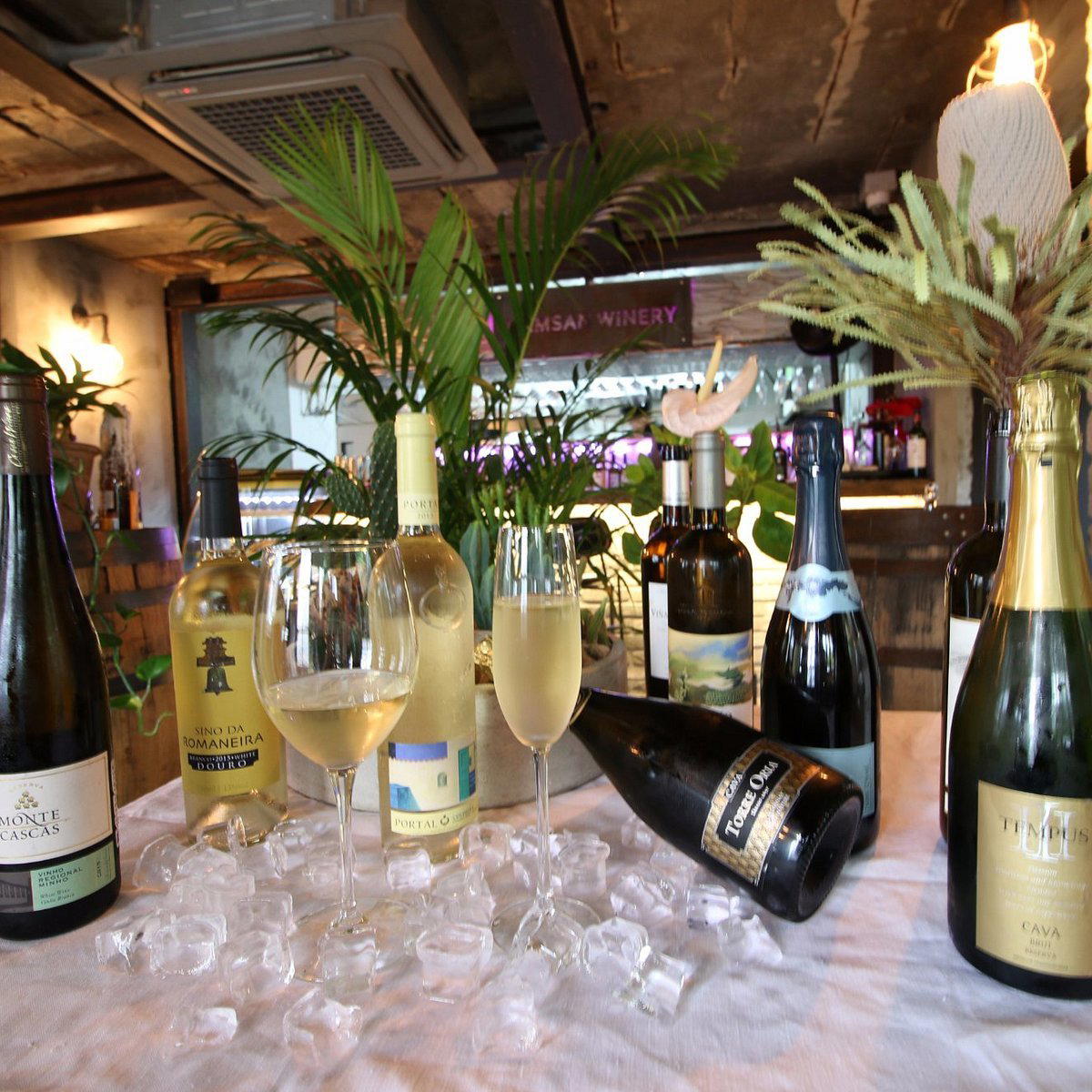
A Portuguese Wine List in the Shadow of Namsan
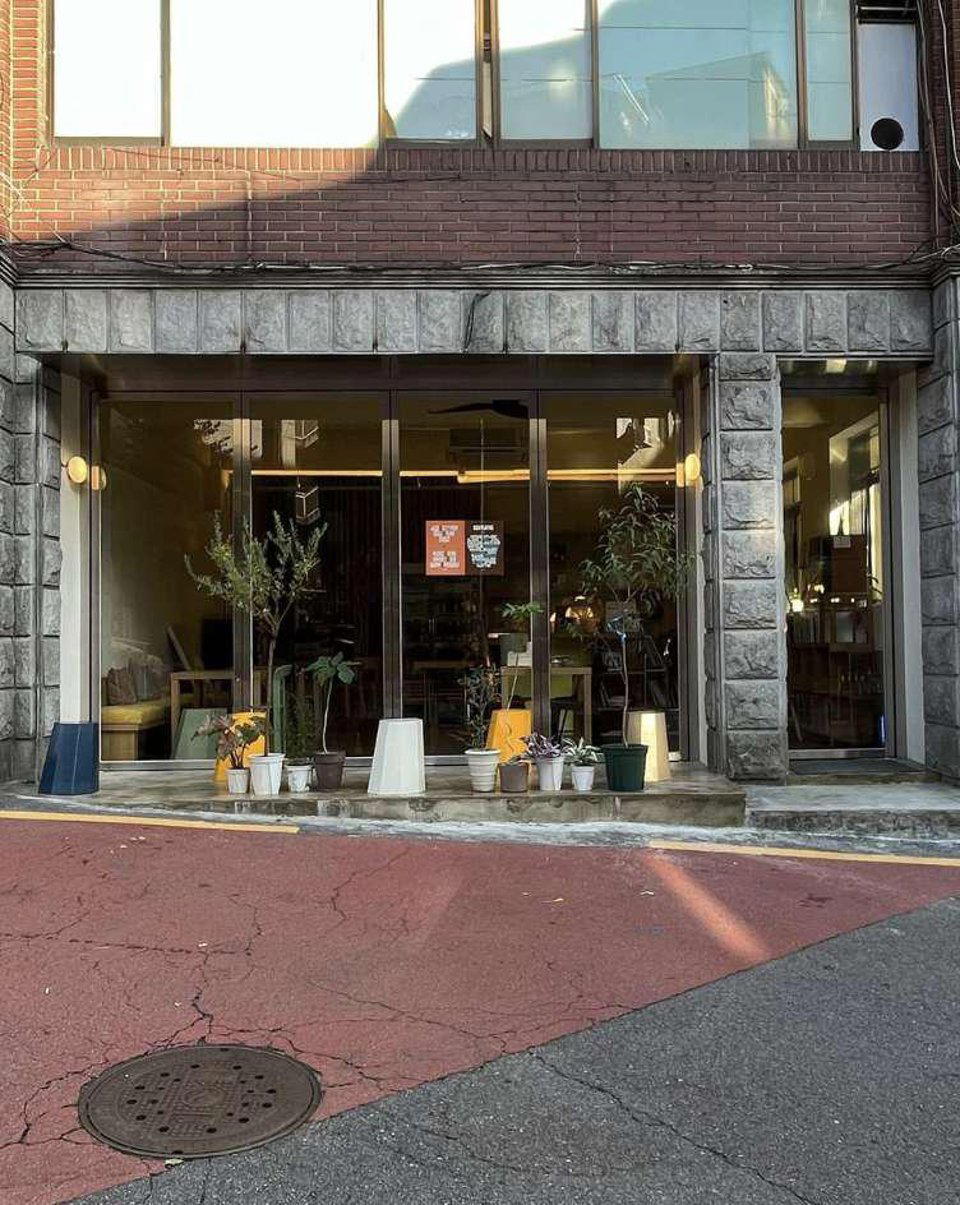
Yongsan District has a habit of hiding its most interesting drinking spots. The neighbourhood sits between the tourist corridors of Itaewon and the financial density of Gangnam, and that in-between quality has attracted a particular kind of operator: one more interested in specificity than foot traffic. Namsan Winery, at 5 Hoenamu-ro 10-gil, fits that pattern. The address puts it on a small lane within reach of Namsan Mountain's lower slopes, where the city's noise drops a register and the pace changes accordingly. Arriving on foot, particularly in the evening, the contrast with Seoul's more saturated bar districts is immediate.
The premise is deliberate and narrow in the leading sense. In a city where wine bars have multiplied rapidly over the past decade, most have gravitated toward French and Italian labels as the default prestige play. Namsan Winery takes a different position, anchoring its list to boutique Portuguese producers and using that focus as a genuine editorial point of view rather than a gimmick. Portugal's wine identity is built on indigenous grape varieties found almost nowhere else, and a list built around them tells a different story than another Burgundy-and-Bordeaux programme.
Portugal's Terroir Diversity, Explained by the Glass
Portugal compresses an unusual range of wine styles into a small geography. From the Atlantic-cooled Vinho Verde in the north, through the Douro Valley's schist-terraced Touriga Nacional plantings, down to the dark, sun-dried expressions of Alentejo, and out to the volcanic soils of the Azores, no two regions produce anything closely related. A well-curated Portuguese list is, in effect, a study in how soil type, altitude, and ocean proximity can produce wines that share a national identity while reading as almost categorically distinct from one another.
Namsan Winery's selection, described as reflecting the country's diverse terroirs, suggests a list organised around this breadth rather than around familiar producer names. For Seoul drinkers accustomed to Portuguese wine meaning either entry-level Vinho Verde or age-worthy Ports, a selection that covers the spectrum between those poles has real educational value. The boutique designation matters too: smaller producers in Portugal are often the ones preserving century-old varietals and farming methods that larger exporters have rationalised away.
The Pairing Logic: Local Cuisine Meets Iberian Bottles
What makes Namsan Winery's format editorially interesting is the pairing framework. The food component, described as cuisine inspired by local traditions, positions this as a genuine exercise in cross-cultural matching rather than a straight import of a Lisbon wine bar. That intersection, indigenous Korean ingredients and cooking logic meeting the structural profiles of Atlantic and Mediterranean Portuguese wines, is a harder brief than it sounds.
Portuguese reds from the Alentejo, with their warmth and dark-fruit concentration, behave differently at a Korean table than they would paired with cured Iberian pork. Vinho Verde's high-acid, low-alcohol profile, on the other hand, has obvious sympathy with fermented and pickled preparations that occupy a central place in Korean cuisine. The editorial angle at the bar is effectively a live test of where Iberian winemaking technique and Korean ingredient culture find common ground. That is a more interesting question than most wine bars in the city are asking.
Seoul's drinking culture has shifted considerably in this direction over the past several years. The city's cocktail bars have led the charge, with venues like Bar D. Still and Charles H building programmes that treat local ingredients as technical material rather than decorative garnish. Wine venues are now catching up, and the bar's Portuguese-meets-Korean pairing framework puts it in that same current of thinking.
Where Namsan Winery Sits in Seoul's Wine Scene
Seoul's wine bar growth has been steep. Between the late 2010s and early 2020s, the market shifted from wine as an occasional restaurant pairing to wine bars as a standalone destination category. Neighbourhoods like Seongsu-dong and Hannam-dong now have enough serious operators that a bottle-focused evening out barely requires leaving a few blocks' radius. The competition for attention is real, and differentiation has become the primary survival mechanism.
Against that backdrop, a single-country focus on Portugal reads as a credible position rather than a marketing convenience. The bars that have earned sustained attention in Seoul tend to be the ones with a legible point of view: Alice Cheongdam and Bar Cham both operate from clearly defined aesthetic and programmatic stances. A wine venue organised around Portuguese terroir diversity follows the same logic. The specificity is the argument.
For context on how this kind of focused format plays elsewhere in Korea, Climat in Busan and Muyongdam in Jeju Si both illustrate how regional operators have built distinctive drinking programmes outside the capital. The pattern across all of them is a rejection of the generalist approach in favour of depth in a particular direction.
Yongsan as a Context for This Kind of Venue
Yongsan District has undergone significant reappraisal over the past decade. The neighbourhood's identity was long defined by the electronics market and a proximity to the US military base, neither of which suggested a natural home for a boutique wine programme. The gradual transformation of Hannam-dong and the streets climbing toward Namsan has changed that calculus. The area now attracts independent operators specifically because rents and foot traffic pressures are lower than in Cheongdam or Seongsu, allowing for more considered, lower-volume formats.
A winery or wine bar at this address is banking on destination-driven visitors rather than walk-in trade. That assumption shapes the experience: the clientele arriving at 5 Hoenamu-ro 10-gil has sought the place out, which tends to produce a more engaged room than venues relying on passerby volume. For operators running a pairing format that rewards attention, that self-selecting audience is worth more than raw foot traffic.
Venues with a similarly deliberate approach to location and audience in other cities include Bar Leather Apron in Honolulu and Jewel of the South in New Orleans, both of which have built reputations that operate independently of their immediate surroundings. The further-flung Korean comparison points, including Anjuga in Ansan Si, Regency Club in Incheon, and Seuwichi in Heungdeok, reinforce the same point: serious drinking programmes do not require capital-city addresses to sustain an audience.
Planning a Visit
The bar's address in Yongsan District is reachable from central Seoul without significant transit effort; the nearest metro access points include Noksapyeong and Itaewon stations, both within walking distance of the Hoenamu-ro lanes. Given the pairing-focused format, evening visits are likely the intended mode, and for a programme with this degree of specificity, arriving with some prior knowledge of Portuguese wine regions will add to the experience rather than being a prerequisite for it.
Quick Comparison
Comparable venues nearby, for context on price, style, and recognition.
| Venue | Cuisine | Price | Notes |
|---|---|---|---|
| Namsan WineryThis venue — the venue you are viewing | wine_bar | $$ | Not listed |
| Wildduck & Canteen | wine_bar | $$ | Hoehyeon-dong |
| 53 Nonhyeon-ro 153-gil | Bar | $$ | 압구정동 |
| Pyeong Hwa | cocktail_bar | $$ | 문래동 |
| Fuglen Seoul | cocktail_bar | $$ | 연남동 |
| Itaewon-dong | lounge | $$ | 이태원동 |
Recognition history
Dated appearances from independent guides and award organizations, with the underlying list record or original source where available.
Star Wine List
Star Wine List
Continue exploring
More in Seoul
Restaurants in Seoul
Browse all →
At a Glance
- Cozy
- Elegant
- Intimate
- Sophisticated
- Date Night
- Casual Hangout
- Special Occasion
- Terrace
- Lounge Seating
- Outdoor Terrace
- Private Rooms
- Conventional Wine
Current opening hours
- Monday
- 12–10:30 PM
- Tuesday
- 12–10:30 PM
- Wednesday
- 12–10:30 PM
- Thursday
- 12–10:30 PM
- Friday
- 12–10:30 PM
- Saturday
- 12–10:30 PM
- Sunday
- 12–9:30 PM
Hours can change for holidays and private events. Last verified .
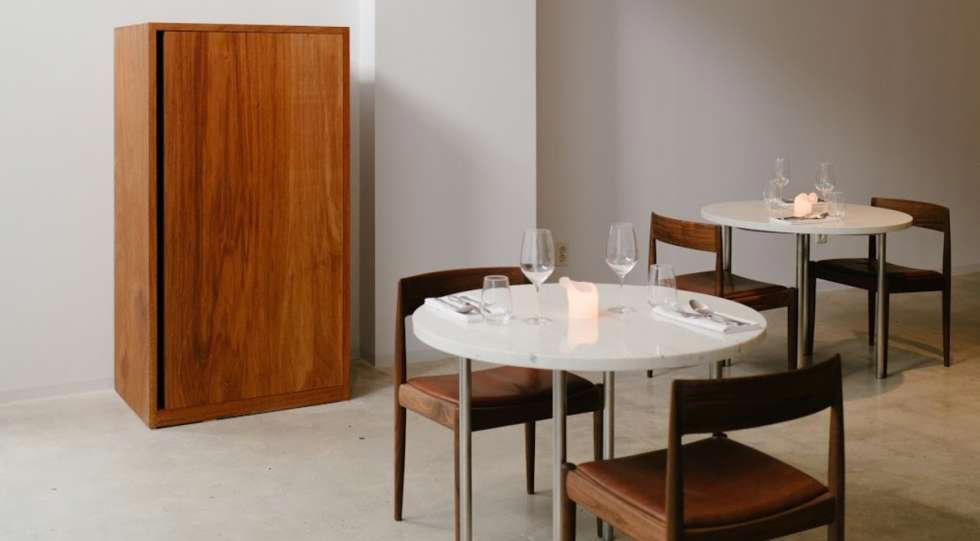
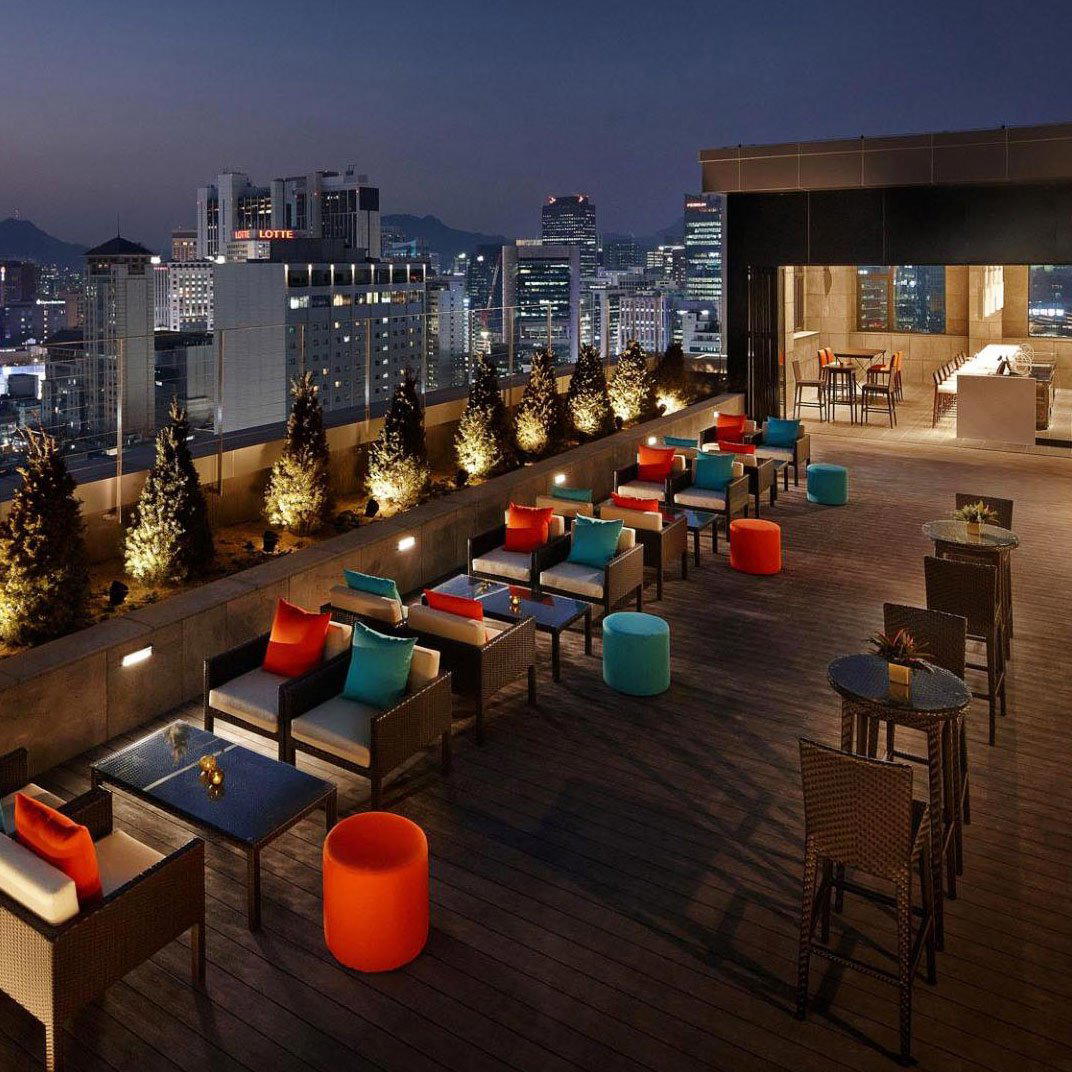
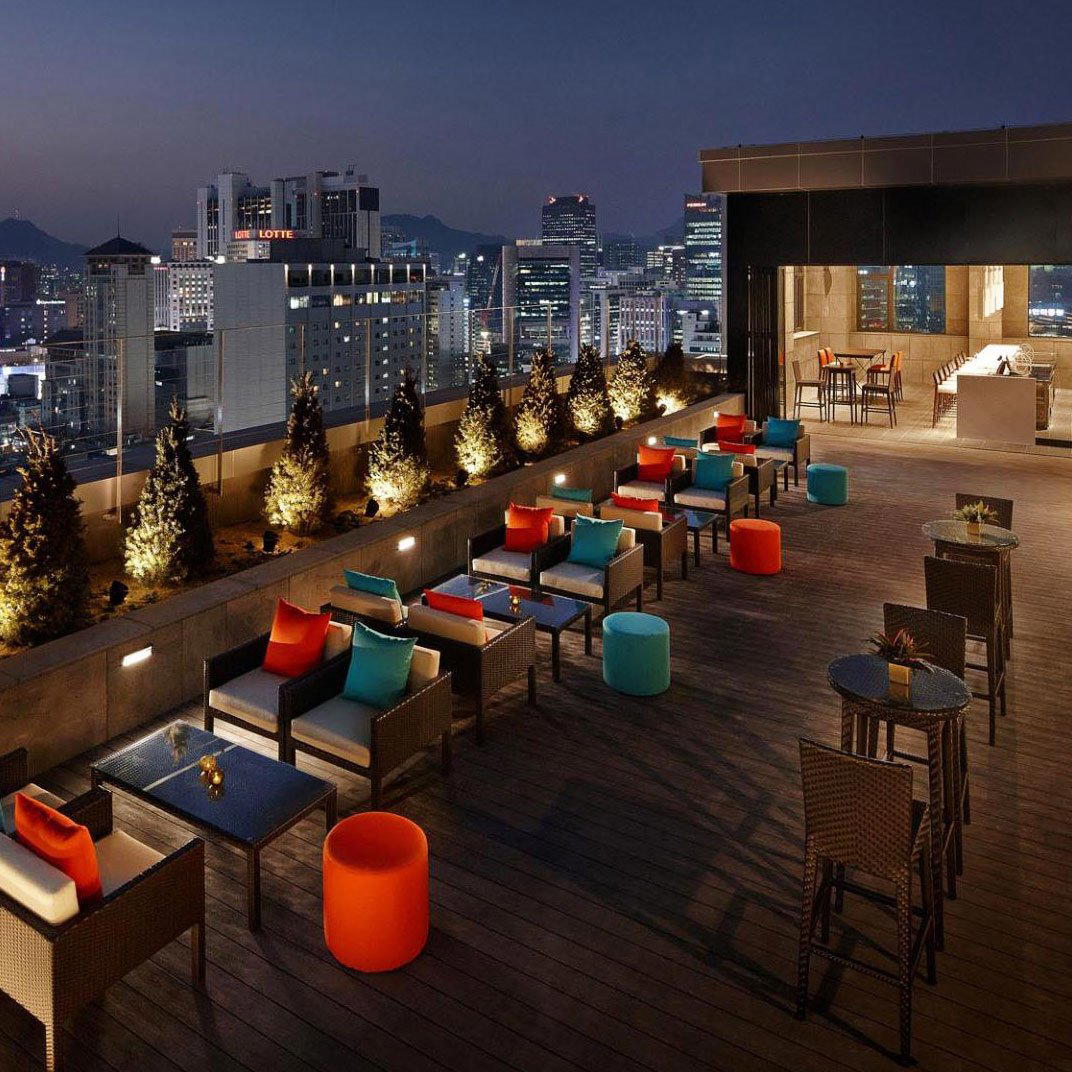
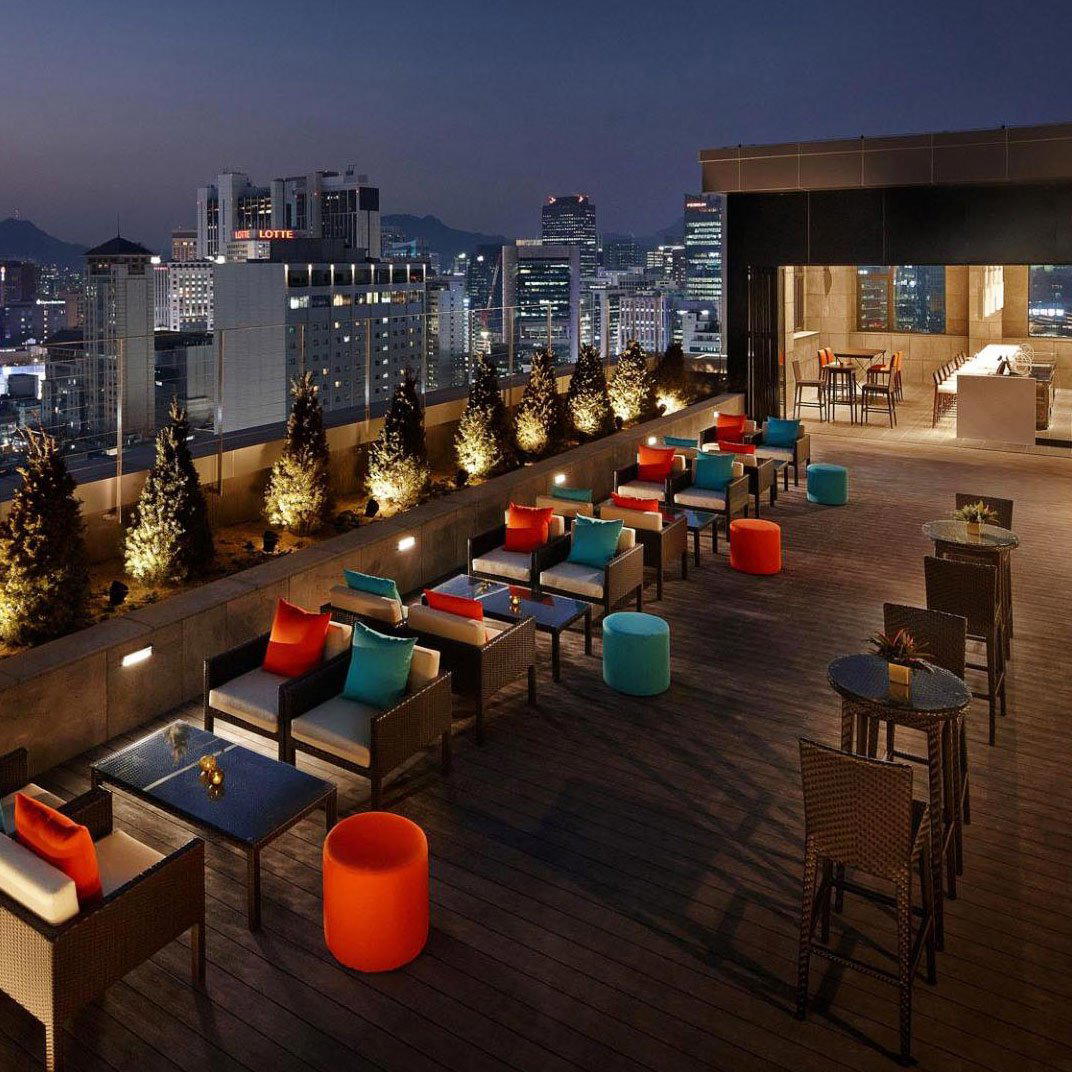
Cozy and sophisticated atmosphere blending contemporary design with Portuguese elements like tiles and fado music.