GiwaKang





1 Michelin Star · Star Wine List · Wine Spectator Best of Award of Excellence
Our verdict
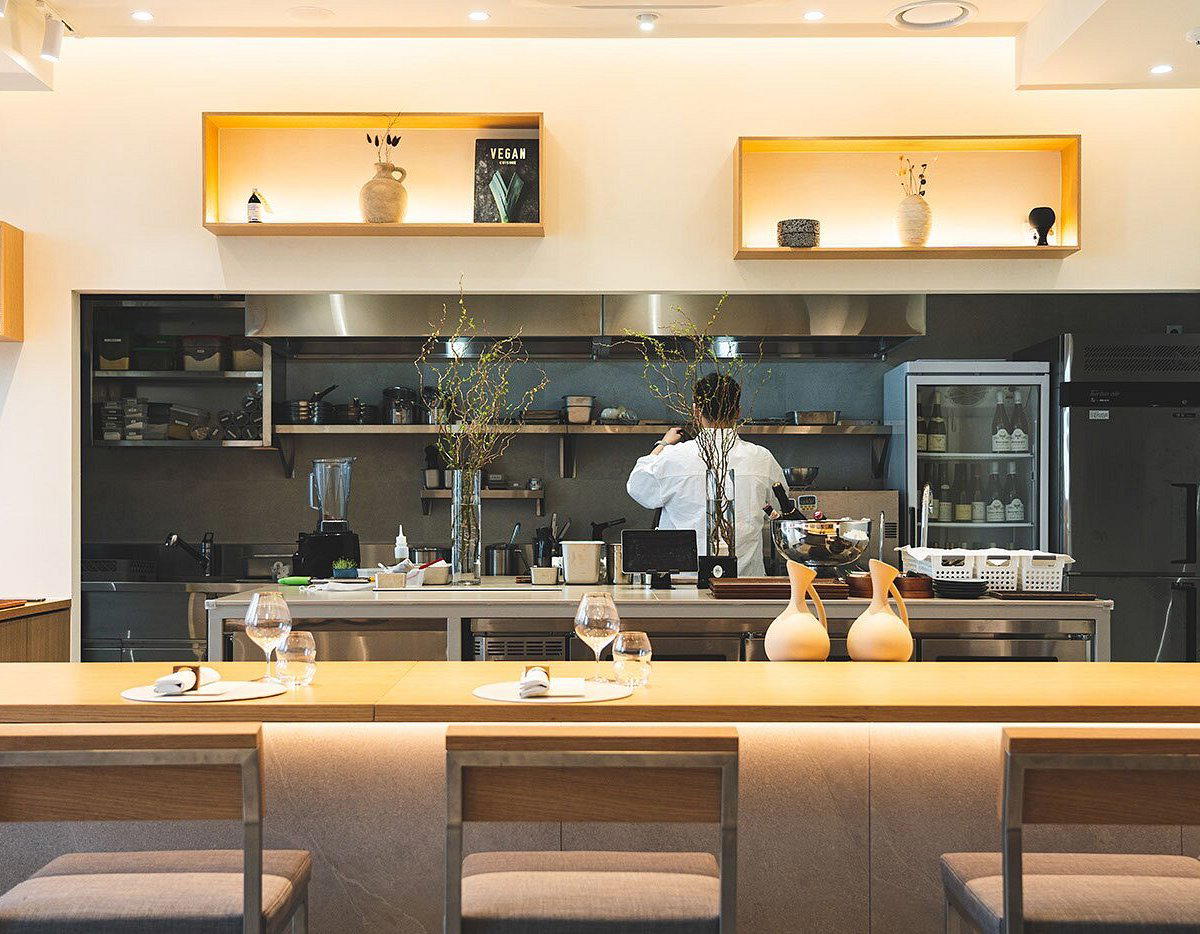
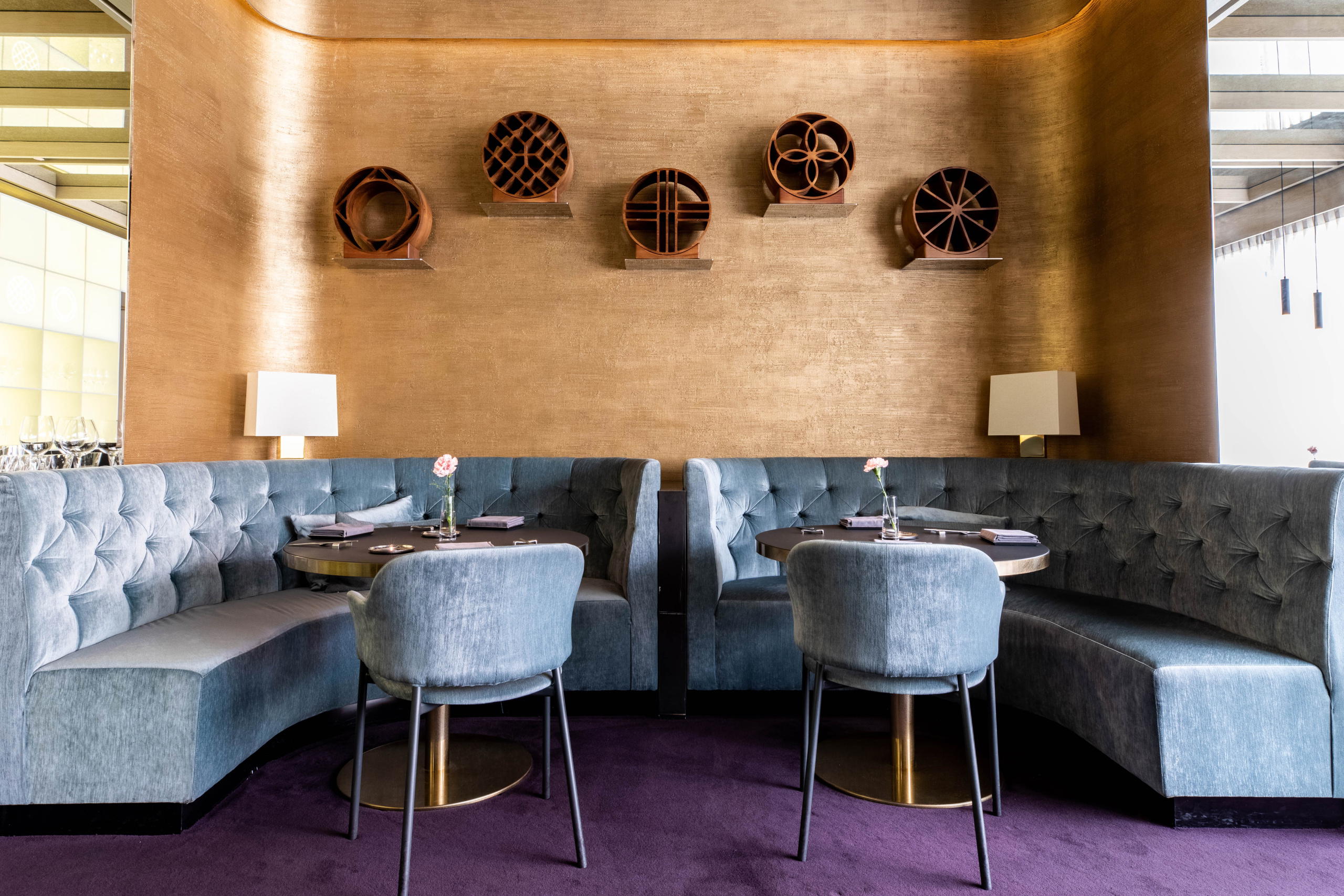
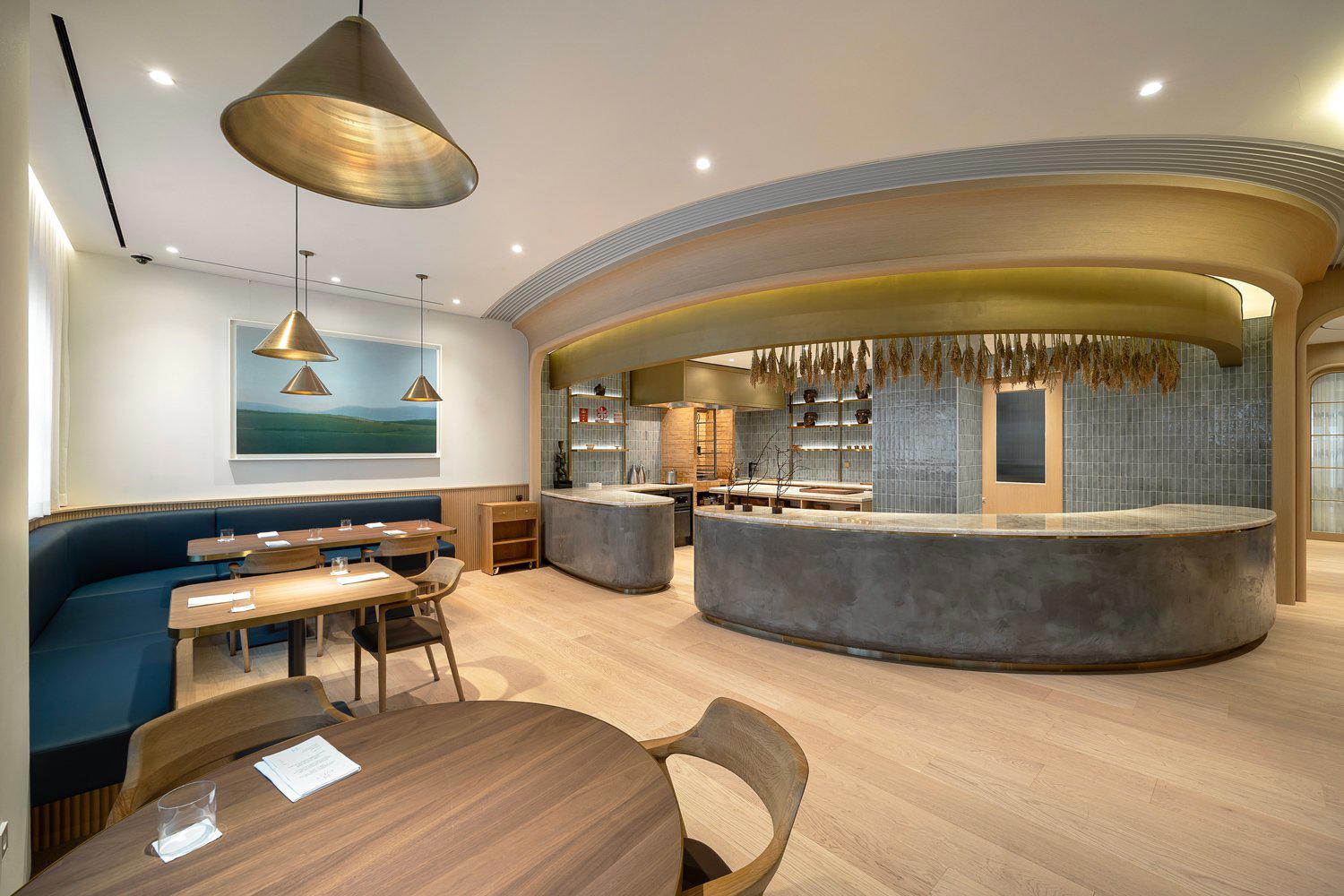
GiwaKang occupies a hanok-inspired dining room in Gangnam, where chef Minchul Kang and sommelier Jeongin Lee, the latter carrying experience from a two-Michelin-star kitchen, collaborate on a Korean contemporary tasting format. A Michelin Plate recognition in 2025 signals its place in Seoul's growing tier of serious, independently-minded fine dining. The open kitchen, artisan ceramics, and measured service pace define the atmosphere as much as the cooking.

Pearl is the En Primeur Club membership app, where members save venues, book tables and use the concierge.
The menu
What to order
- Smoked Soy Sauce Bibim Guksu
- Soy-Marinated Crab with Truffle
- Dongchimi with Caviar
- Ganjang Gejang Rice with Truffle
- Squid Mandu
Where the Room Sets the Terms
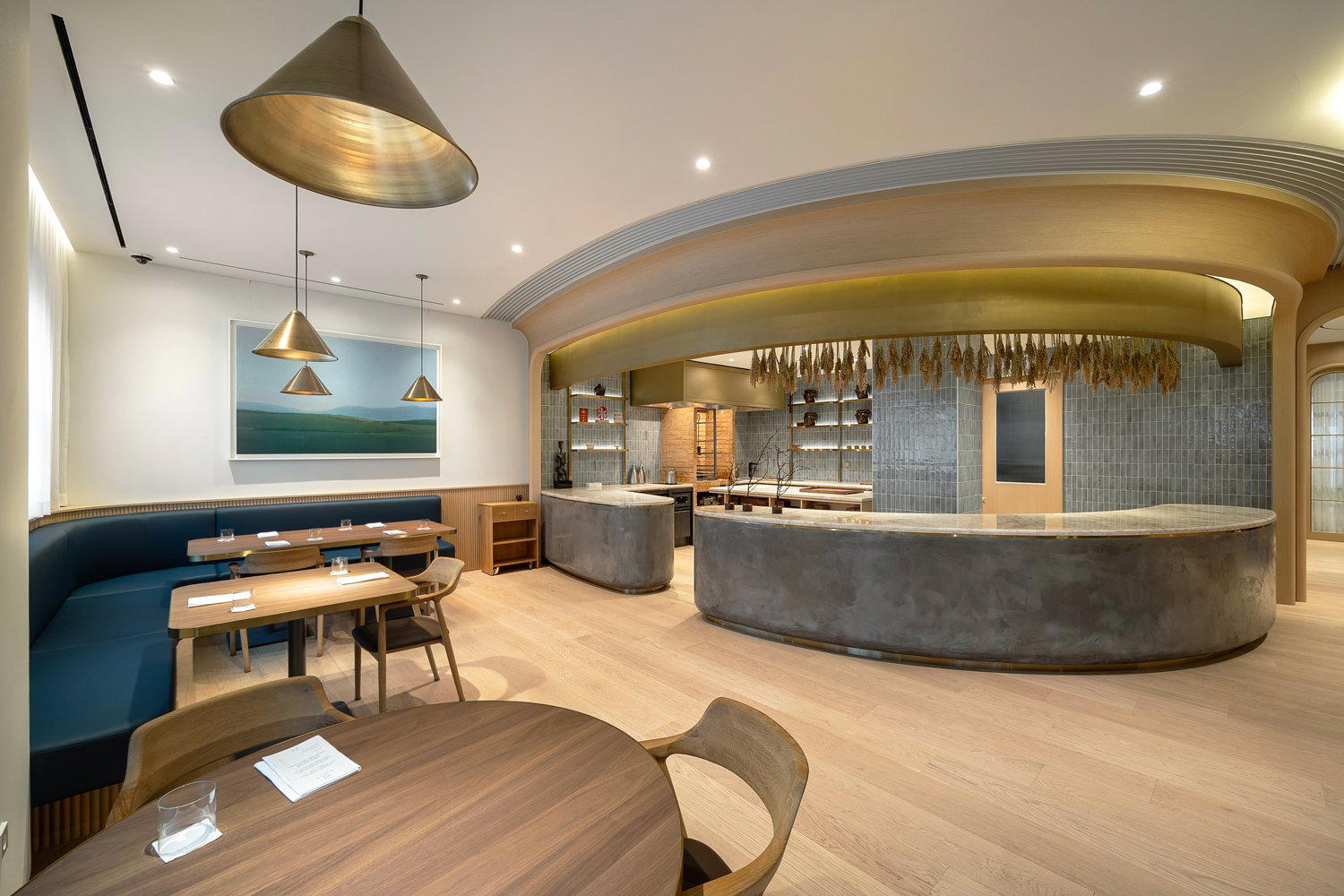
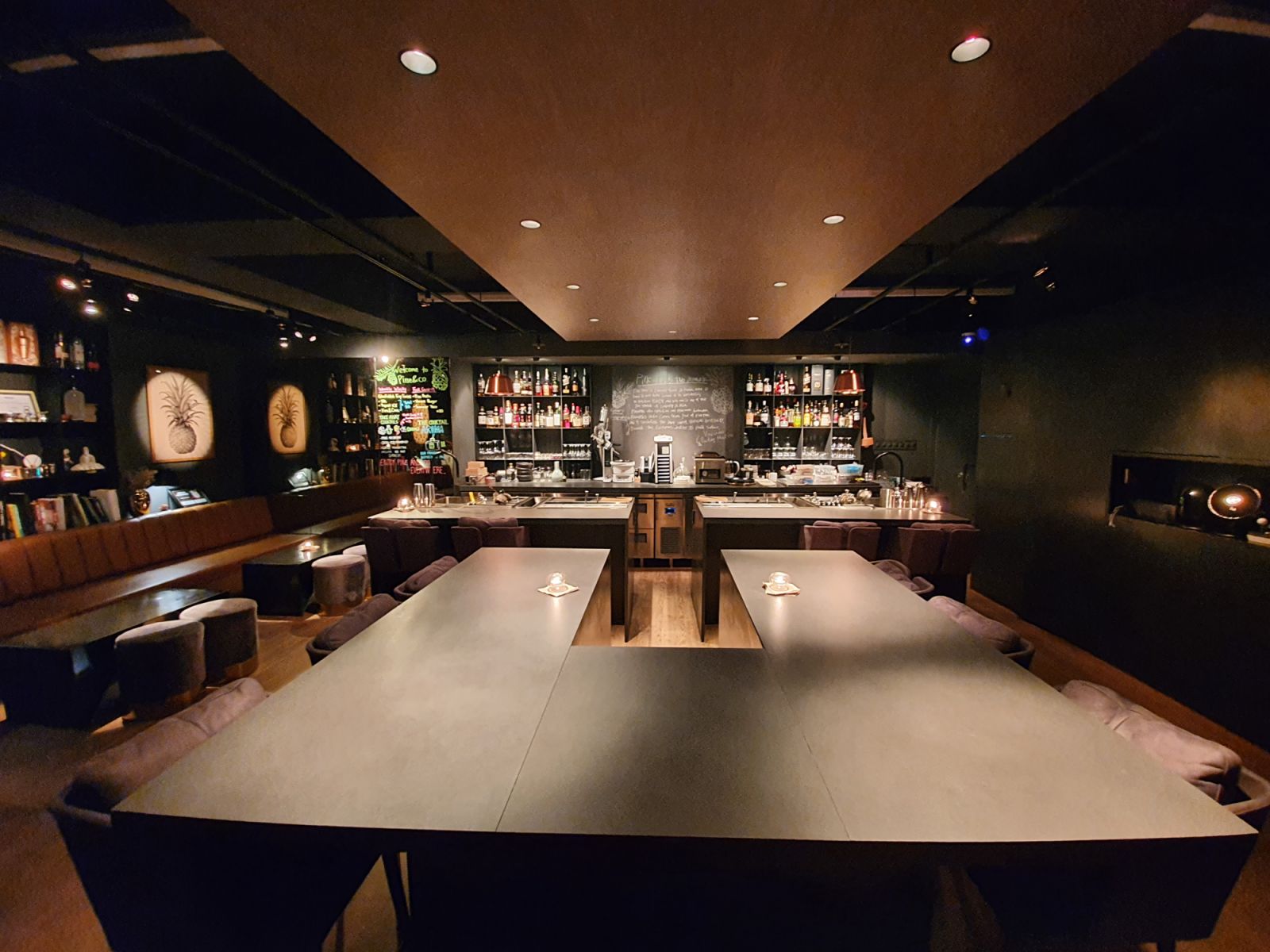
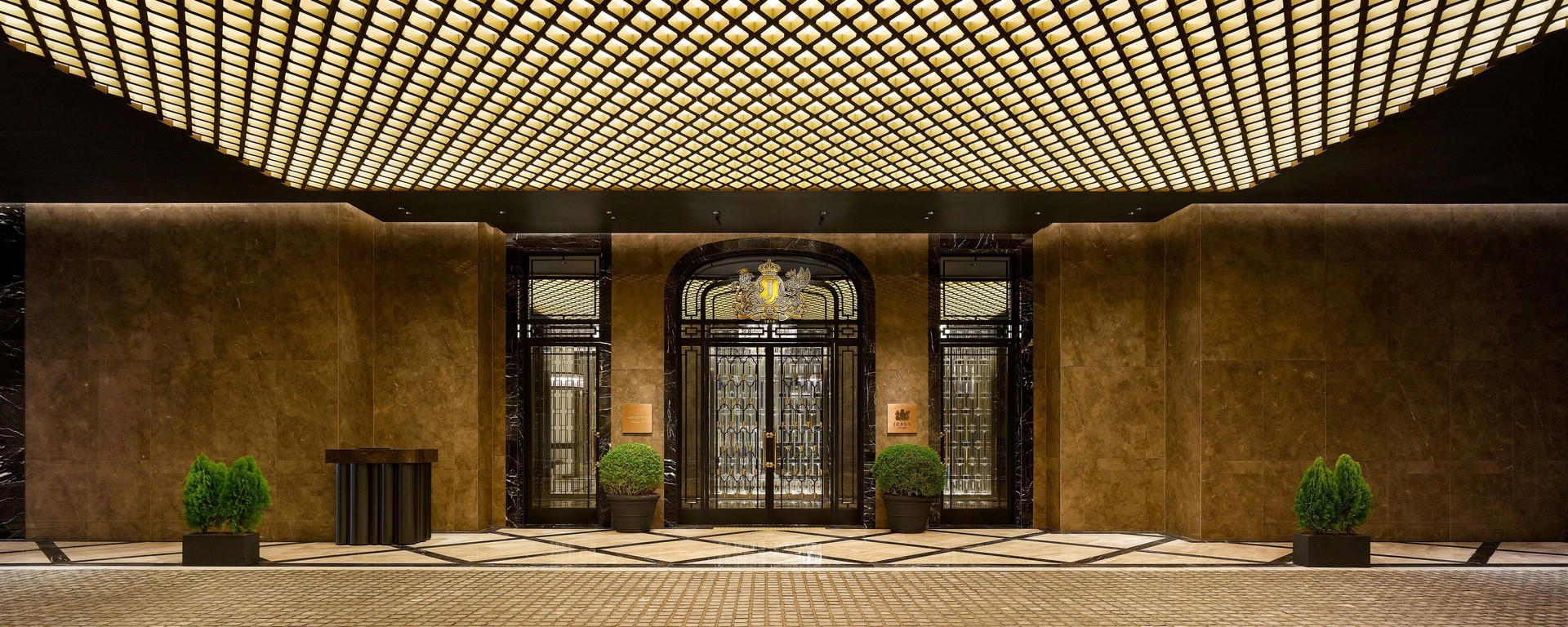
Gangnam's fine dining corridor has long rewarded boldness, towers of glass, kinetic open kitchens, chefs who treat the dining room as a stage. GiwaKang takes a quieter position. The space on Nonhyeon-ro 152-gil reads as a deliberate counterstatement: hanok-inflected proportions, artisan ceramics placed with the care of a gallery, and an open kitchen that anchors the room without performing for it. You are in the fourth-floor dining room before you fully understand what kind of evening is being proposed, and that slow reveal is part of the format's intent.
In Seoul's upper ₩₩₩₩ tier, where contemporaries like Mingles and Jungsik have established international reference points for Korean fine dining, GiwaKang operates closer to the register of Soigné and alla prima, rooms that foreground restraint and precision over spectacle. The Michelin Plate awarded in 2025 places it inside the Guide's orbit without yet claiming a star, which in Seoul's current climate means it sits at a genuinely interesting inflection point: recognised, but still operating with the freedom that comes before full institutional attention.
The Collaboration That Defines the Experience
Seoul's most compelling contemporary Korean tables have increasingly been shaped not by a single chef's vision but by the calibration between kitchen and floor. At GiwaKang, that dynamic is built into the programme's DNA. Chef Minchul Kang trained within the French fine dining tradition, and the discipline that background instils, in sauce-making, in sequencing, in the management of temperature and texture across a long tasting format, shows in how the kitchen organises its courses. The cooking reads as Korean contemporary in its ingredients and cultural reference, but with a structural logic drawn from classical French technique.
The floor operation is anchored by sommelier Jeongin Lee, who brought experience from a two-Michelin-star kitchen into this project. That credential matters in context. Seoul's sommelier scene has developed rapidly over the past decade, but the gap between restaurant-level wine service and kitchen-calibre precision remains wide at many addresses. A sommelier with starred-kitchen formation brings a different sense of how wine integrates into a tasting sequence, less about impressive bottles, more about how each pairing reinforces or complicates the flavour logic of the course it accompanies. At GiwaKang, this creates a floor programme that reads as a genuine editorial layer rather than an afterthought.
The result is a service dynamic that functions more like chamber music than a solo performance. Neither the kitchen nor the floor dominates; instead, the experience unfolds as what the venue itself calls a cultural dialogue, a phrase that, in this case, is borne out by what actually happens across the meal's arc. Compare this to the more chef-centric formats at Kwonsooksoo or the deeply tradition-anchored approach at Gaon, and GiwaKang's collaborative model reads as a distinct structural choice rather than an accident of staffing.
Korean Contemporary at the ₩₩₩₩ Tier: What This Format Represents
Korean contemporary category at the upper price tier has become one of Seoul's most competitive dining segments. Addresses like 권숙수, Kwon Sook Soo and alla prima have established distinct positions, one rooted in deep jeong-ganjang fermentation tradition, the other in a more European-inflected minimalism. GiwaKang's position within this field is shaped by its synthesis of French structural discipline and Korean material. This approach mirrors a broader trend in the city's serious dining rooms: the most interesting Korean contemporary kitchens are not those that ignore French technique but those that have absorbed it so completely that it no longer reads as a foreign influence.
Same tendency appears in Korean contemporary exports. Nae:um in Singapore, Restaurant Ki in Los Angeles, and ANJU in Saint-Gilles all move through the same synthesis in their respective markets. That GiwaKang is doing this work in Gangnam, inside the city that defines the category, adds a particular kind of pressure and relevance to the exercise. It is not translating Korean cooking for an international audience; it is refining it for the most demanding domestic one.
The Room as an Argument
Design language at GiwaKang is not incidental. Hanok-inspired interiors, wood, low sightlines, considered negative space, have become a signal vocabulary in Seoul's serious dining rooms, a counterpoint to the glass-and-steel formats that characterise Gangnam's commercial registers. At GiwaKang, the artisan ceramics and the open kitchen's spatial discipline reinforce the same argument the food makes: that attention to material and restraint in execution carry more weight than display. The room does not shout its references; it expects you to read them.
This places GiwaKang in a peer group that includes addresses operating elsewhere in Korea on similar principles. The temple-stay dining tradition at Baegyangsa Temple in Jangseong-gun and the considered regional Korean approach at Mori in Busan both work within frameworks where restraint is the primary design decision. GiwaKang sits in an urban, contemporary register, but the underlying discipline connects.
Planning a Visit
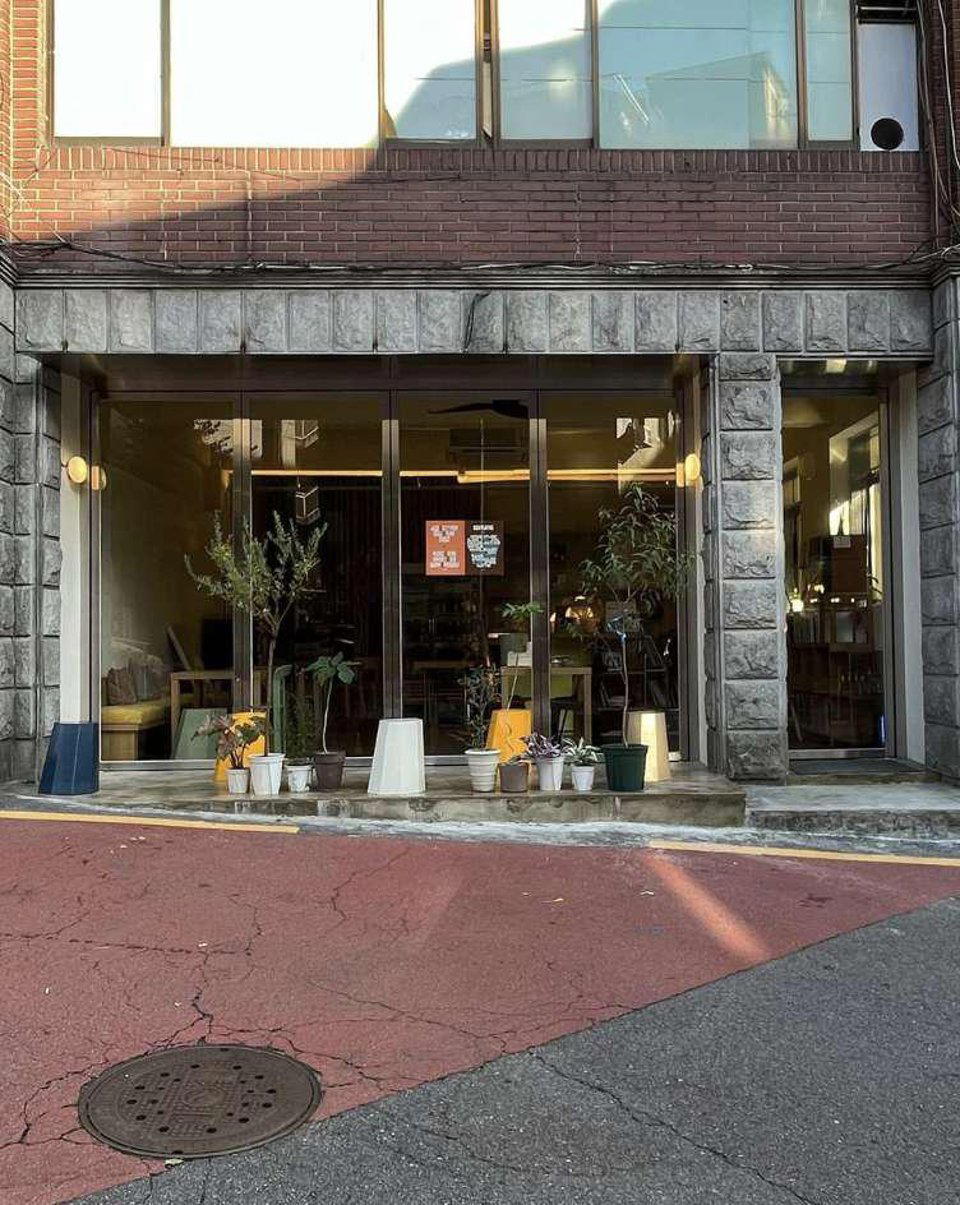
GiwaKang is located on Nonhyeon-ro 152-gil in Gangnam, on the fourth floor, a detail worth noting for first-time visitors who may not expect the climb before arriving at the dining room. As a ₩₩₩₩ address in Gangnam, it operates within the price range of Seoul's more established Korean contemporary tables; factor that against the 2025 Michelin Plate recognition when setting expectations. Booking ahead is advisable, particularly for weekend sittings, given the limited capacity implied by the room's proportioned design. For a fuller picture of where GiwaKang sits within the city's dining ecosystem, see our full Seoul restaurants guide, as well as our Seoul hotels guide, bars guide, wineries guide, and experiences guide for the broader visit.
Further Afield in Korea
Visitors combining Seoul with travel elsewhere in the country will find the same commitment to serious Korean cooking at different price points and in different formats. The Flying Hog in Seogwipo on Jeju Island offers a contrasting, more casual register. For those moving between Seoul's fine dining tier and the broader Korean contemporary scene internationally, the coordinates established by GiwaKang, French-trained technique, Korean material, sommelier-forward service, recur as a consistent grammar across the category's most serious practitioners.
What do regulars order at GiwaKang?
The format at GiwaKang is a tasting menu, which means individual dish selection is not part of the proposition, the kitchen and floor team sequence the meal, and the sommelier pairing is the primary variable a returning guest can adjust. Regulars tend to engage most directly with the wine programme: Lee's background in starred-kitchen service means the pairing list is built with a precision unusual at this price point in Seoul, and guests who have eaten through the format once are well-positioned to treat a return visit as a deeper exploration of how the pairings shift with seasonal changes to the menu. The ceramics, too, repay attention across visits, the tableware is part of the room's argument, and different courses use different pieces.
Frequently asked questions
What's the address for GiwaKang?
GiwaKang is located at South Korea, Seoul, Gangnam District, Nonhyeon-ro 152-gil, 9 4층, Seoul.
Who is the chef or culinary lead at GiwaKang?
The chef associated with GiwaKang is Kang Min-chul.
What do regulars order at GiwaKang?
GiwaKang operates as a tasting menu format, so dish selection is not available, the kitchen sequences the full experience from start to finish. Chef Kang Min-chul's background in one-star French technique shapes the progression, with floor direction informed by sommelier Jeongin Lee's fine dining experience from a two-Michelin-star kitchen. At the ₩₩₩₩ price tier, this is a full commitment: plan for an extended sitting rather than a partial meal.
What type of food is GiwaKang known for?
Cuisine and Recognition
A small set of peers for context, based on recorded venue fields.
| Venue | Cuisine | Price | Awards | Notes |
|---|---|---|---|---|
| GiwaKangThis venue (the venue you are viewing) | Modern Korean Fine Dining | $200–300 | 1 Michelin Star · Star Wine List | Not listed |
| 7th Door | Modern Korean Fermentation Fine Dining | $100–150 | 1 Michelin Star · World's 50 Best #49 | Korean, Contemporary |
| Solbam | Contemporary Neo-Classical Korean | $200–300 | 1 Michelin Star · World's 50 Best #55 | Contemporary |
| Onjium | Modern Korean Royal Court Cuisine | Not listed | 1 Michelin Star · World's 50 Best #14 | Korean |
| L'Amitié | Classic French Fine Dining | $100–150 | 1 Michelin Star · La Liste Top Restaurants | French |
| Zero Complex | Modern French Neo-Bistro | $100–150 | 1 Michelin Star · La Liste Top Restaurants | Korean-French, Innovative |
Recognition history
Dated appearances from independent guides and award organizations, with the underlying list record or original source where available.
Michelin 1 Star
Michelin
Star Wine List
Star Wine List
Opinionated About Dining Top Restaurants in Asia Recommended
Opinionated About Dining
Wine Spectator Best of Award of Excellence
Wine Spectator
Tatler Listed in Best Restaurants Asia-Pacific
Tatler
Full recognition history (6 entries)
Michelin Plate
Michelin