
Michelin Plate
Our verdict
In Joto Ward, well east of Osaka's restaurant-saturated centre, Oryori Matsumura holds a 2025 Michelin Plate. Chef Tomonori Matsumura trained at a traditional ryotei before adding French technique, and the cooking follows a single discipline: make each ingredient taste more fully of itself. The restaurant operates at the ¥¥¥ tier, placing it among Osaka's serious but not stratospheric Japanese dining options.

Pearl is the En Primeur Club membership app, where members save venues, book tables and use the concierge.
The menu
What to order
- Sea-bream miso
- Shinjo
- Kansai dashi courses
Where the City Stops and the Cooking Starts
Joto Ward sits well east of the dense dining corridors around Namba and Shinsaibashi, and the address at Gamou places Oryori Matsumura in a residential quarter that most visitors to Osaka will not cross without a specific reason. That specificity is, in part, the point. The restaurants that occupy these outer wards tend to draw a local clientele rather than the international overflow that fills central Osaka's kaiseki rooms on a given Friday night. Arriving here involves a degree of intention that shapes the meal before it begins.
The broader pattern in Osaka's Japanese dining scene is worth understanding before you book. The city's Michelin-listed restaurants cluster heavily in the ¥¥¥¥ bracket, places like Hajime, La Cime, and Fujiya 1935 operate at the top of the price range and draw international reservation pressure accordingly. The ¥¥¥ tier, where Oryori Matsumura sits alongside Kashiwaya Osaka Senriyama and Miyamoto, is where Osaka's Japanese cooking tradition tends to reveal itself with less ceremony and more directness. Michelin's Plate designation, awarded here in both 2024 and 2025, signals a kitchen that the guide's inspectors consider worth the detour, without the full star apparatus that can, in some cases, shift a restaurant's energy away from the food and toward the occasion.
The Cooking Philosophy, as Evidence
Ryotei training sits at the foundation of Chef Matsumura's approach. The ryotei format is one of Japan's most disciplined culinary schools: private rooms, highly seasonal menus, and a cooking vocabulary rooted in dashi, restraint, and the suppression of the cook's ego in favour of the ingredient's character. The addition of French technique, time spent in France is part of Matsumura's documented background, is less unusual in contemporary Japanese cooking than it once was. What matters is how the two traditions are integrated, and the stated principle here is direct: make ingredients taste more fully of themselves.
In practical terms, this means techniques like reducing shrimp stock to concentrate the flavour of a shrimp dish back into itself, a classical French method applied in service of a Japanese sensibility. Butter, garlic, and fresh cream appear not as flavour drivers but as quiet structural supports. This is the opposite approach to French-Japanese fusion cooking in its showier register, where Western ingredients often perform visibly. At Matsumura, the Western toolkit is largely invisible unless you know to look for it. The ambition on record is long-term: cooking that resonates across generations, grounded in Japanese tradition but not frozen by it. That framing is neither marketing copy nor false modesty, it describes a specific kind of professional seriousness that distinguishes a restaurant from a contemporary-trend vehicle. For a reference point on how this approach compares across the Kansai region, Gion Sasaki in Kyoto and akordu in Nara both operate in adjacent registers.
Planning the Visit: What the Booking Experience Requires
Oryori Matsumura does not have an accessible English-language website or a listed phone number in current public records, and the restaurant's outer-ward address makes it less prominent on the standard foreign-visitor circuit.
For visitors to Osaka without Japanese-language booking capability, the most reliable route is through a hotel concierge or a specialist reservation service. The guest-to-staff dynamic at restaurants of this type in Japan typically assumes familiarity with Japanese dining norms: no walk-ins, full-course format, cancellation communicated well in advance. Arriving with those expectations met is more important than any specific preparation for the menu.
Timing matters in a secondary sense as well. Osaka's Japanese cooking tradition is seasonal at its core, and the ¥¥¥ tier tends to reflect that seasonality more closely than restaurants operating at fixed, tourist-facing menus. Booking in autumn, when Kansai's produce calendar is at its most articulate, places this kind of kitchen in its strongest context. Spring is the second natural window. Midsummer and midwinter visits are entirely viable but may offer a narrower expression of the cooking's range.
How Oryori Matsumura Compares in Practical Terms
| Venue | Cuisine | Price Tier | Michelin Status | Booking Accessibility |
|---|---|---|---|---|
| Oryori Matsumura | Japanese | ¥¥¥ | Plate (2025) | Low international profile; concierge recommended |
| Kashiwaya Osaka Senriyama | Japanese | ¥¥¥ | Michelin-listed | More established international presence |
| Tenjimbashi Aoki | Japanese | Varies | Listed | Central location; easier to reach |
| Oimatsu Hisano | Japanese | Varies | Listed | Central Osaka |
| Yugen | Japanese | Varies | Listed | Known to international visitors |
The table above is not a ranking.
Osaka's Japanese Dining Tradition in Context
Osaka's culinary identity is anchored to the concept of kuidaore, eating until you collapse, which describes a popular relationship with food that favours abundance, directness, and affordability. The kaiseki and ryotei traditions that inform Oryori Matsumura sit alongside this culture rather than above it, serving a local clientele that takes both registers seriously. What this means practically is that Osaka's serious Japanese restaurants are less dependent on international prestige signalling than their Tokyo counterparts.
For comparison across Japan's broader Japanese-cuisine landscape, Harutaka in Tokyo, Myojaku in Tokyo, Azabu Kadowaki in Tokyo, and Goh in Fukuoka each represent regional inflections of the same tradition at different price points and formality levels. The further you get from Tokyo's central restaurant circuit, the more legible these regional distinctions become.
See also 1000 in Yokohama and 6 in Okinawa for a sense of how Japanese fine dining scales and shifts across different city contexts.
Planning Osaka More Broadly
Oryori Matsumura fits into a larger Osaka itinerary with more friction than the city's central offerings, but that friction is logistical rather than experiential. The full Osaka restaurants guide covers the city's range from ¥¥ to ¥¥¥¥ across cuisines and neighbourhoods. For the rest of the city, our Osaka hotels guide, bars guide, wineries guide, and experiences guide provide coverage across the full itinerary spectrum.
Frequently asked questions
Is Oryori Matsumura good for families?
The ¥¥¥ price tier and a cooking philosophy shaped by ryotei discipline position this as a serious, adult-oriented dining experience. Families with younger children would likely find the format a poor fit. For adults with an interest in ingredient-focused Japanese cooking, the Michelin Plate recognition gives the visit a clear purpose.
What kind of setting is Oryori Matsumura?
The restaurant sits in Gamou, a residential pocket of Joto Ward in eastern Osaka, well clear of the tourist density around Namba and Shinsaibashi. Foot traffic here is local, and the surrounding streets reflect a working neighbourhood rather than a dining district. The Michelin Plate designation confirms the kitchen's standing, but the address asks for deliberate intent to visit.
Does Oryori Matsumura have a Michelin star or similar recognition?
Oryori Matsumura has received recognition including: Tomonori Matsumura built the foundations of his career at a ryotei before travelling to France to add Western techniques to his toolkit. His creed is ‘Make ingredients taste even more like themselves’. For example, shrimp dishes use reduced….
What should I order at Oryori Matsumura?
Chef Matsumura's stated creed, making ingredients taste more fully of themselves, points toward a set-course format rather than à la carte selection. The kitchen uses reduced shrimp stock to amplify shrimp dishes, and draws on butter, garlic, and fresh cream as supporting rather than leading notes. Expect the menu to be structured around that logic, with seasonal Japanese produce as the subject.
Fast Comparison
| Venue | Cuisine | Price | Awards | Notes |
|---|---|---|---|---|
| Oryori MatsumuraThis venue (the venue you are viewing) | Modern Japanese Omakase | Not listed | Michelin Plate | Not listed |
| HAJIME | Avant-Garde Japanese Fine Dining | $300–500 | 3 Michelin Stars · World's 50 Best #83 | French, Innovative |
| La Cime | Modern French with Japanese Ingredients | $150–200 | 2 Michelin Stars · World's 50 Best #13 | French |
| Kashiwaya Osaka Senriyama | Seasonal Kaiseki Omakase | $200–300 | 3 Michelin Stars · La Liste Top Restaurants | Japanese |
| Taian | Traditional Japanese Kaiseki Omakase | $150–200 | 3 Michelin Stars · La Liste Top Restaurants | Kaiseki, Japanese |
| Fujiya 1935 | Modern Japanese with European influences | $100–150 | 2 Michelin Stars · La Liste Top Restaurants | Innovative |
Recognition history
Dated appearances from independent guides and award organizations, with the underlying list record or original source where available.
Michelin Plate
Michelin
Full recognition history (3 entries)
Michelin Plate
Michelin
Michelin Plate
Michelin
Continue exploring
More in Osaka
Restaurants in Osaka
All restaurants in Osaka →

Bars in Osaka
All bars in Osaka →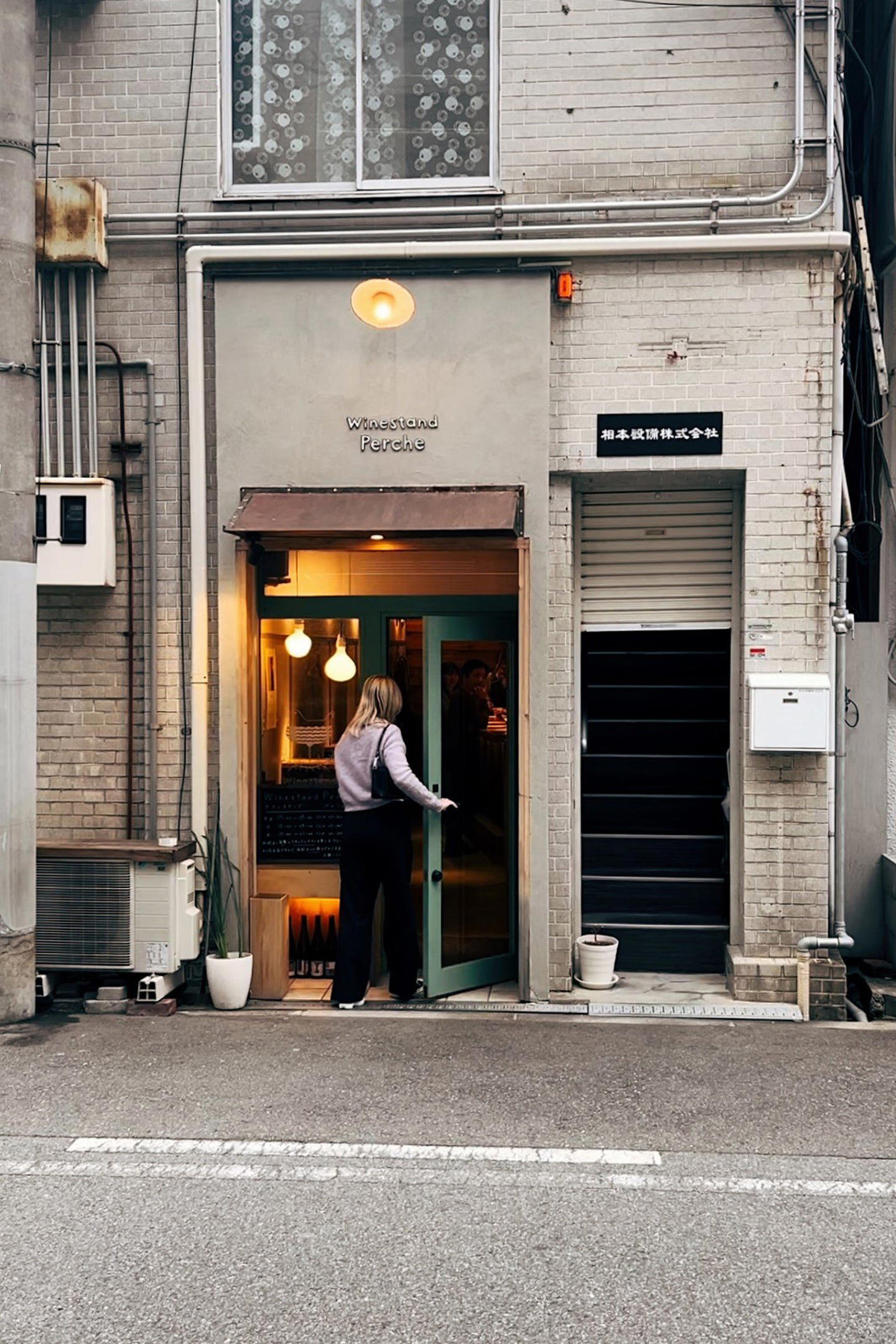

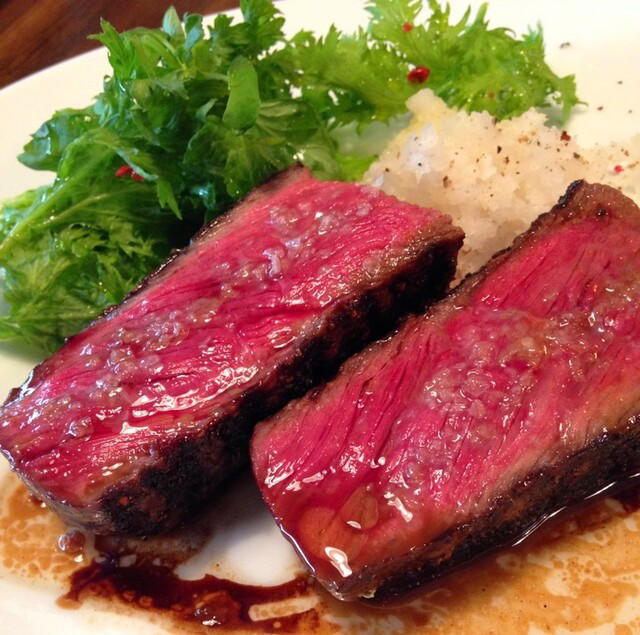

Hotels in Osaka
All hotels in Osaka →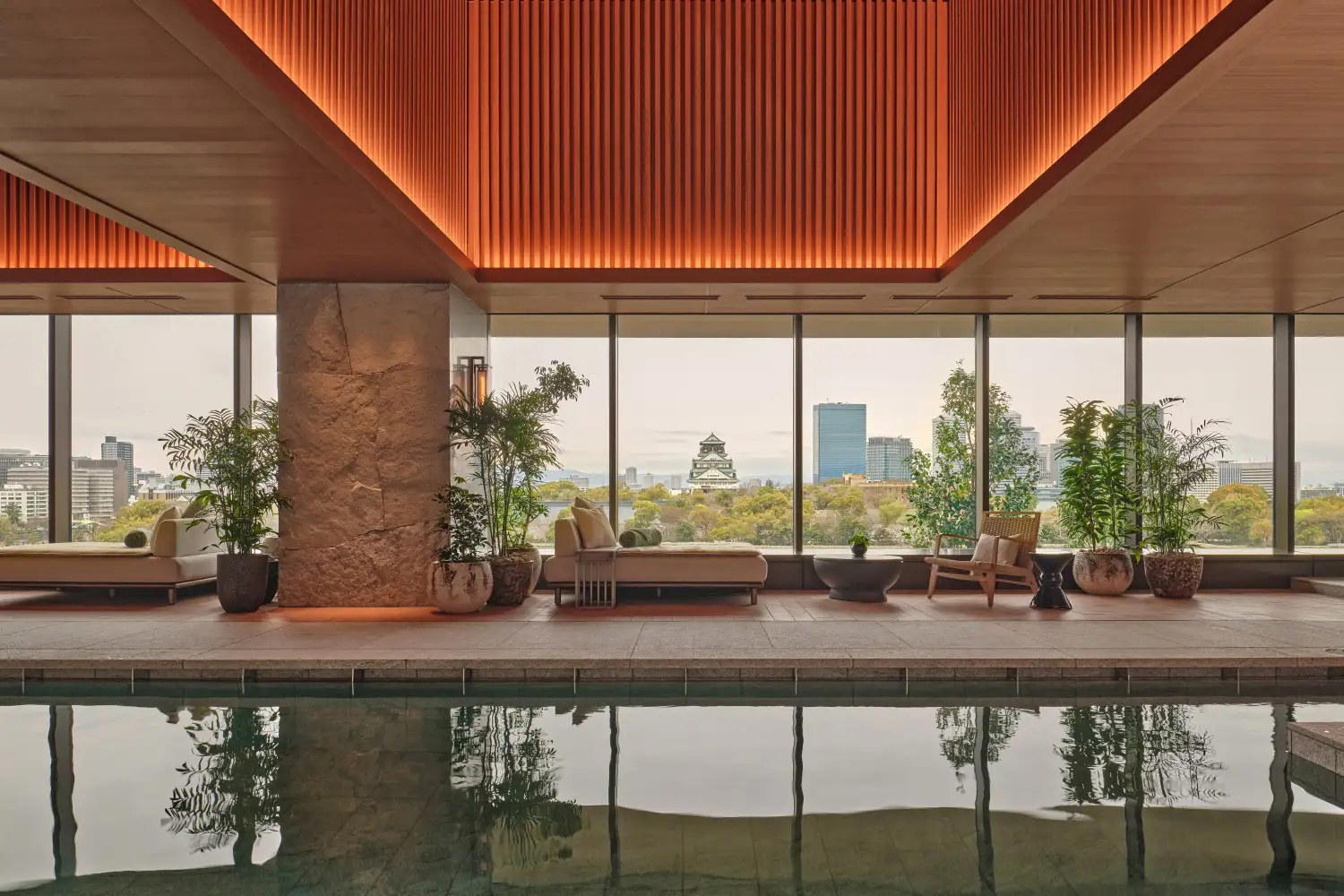




Wineries in Osaka
Browse all →
Details
- Intimate
- Elegant
- Sophisticated
- Minimalist
- Date Night
- Special Occasion
- Chefs Counter
- Sake Program
- Local Sourcing
- Zero Waste
- Omakase
- Tasting Menu
- Sake Program
Current opening hours
- Monday
- 6–10:30 PM
- Tuesday
- 6–10:30 PM
- Wednesday
- 6–10:30 PM
- Thursday
- 6–10:30 PM
- Friday
- 6–10:30 PM
- Saturday
- 12–2:30 PM, 6–10:30 PM
- Sunday
- 12–2:30 PM, 6–10:30 PM
Hours can change for holidays and private events. Hours as of .
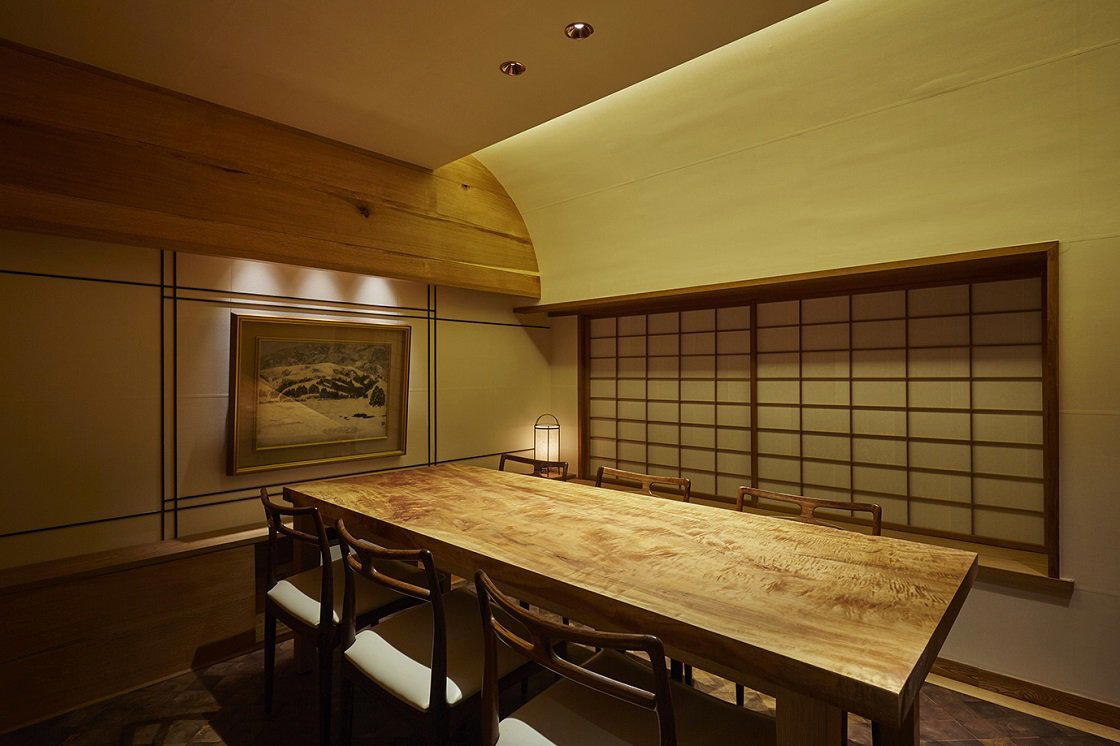
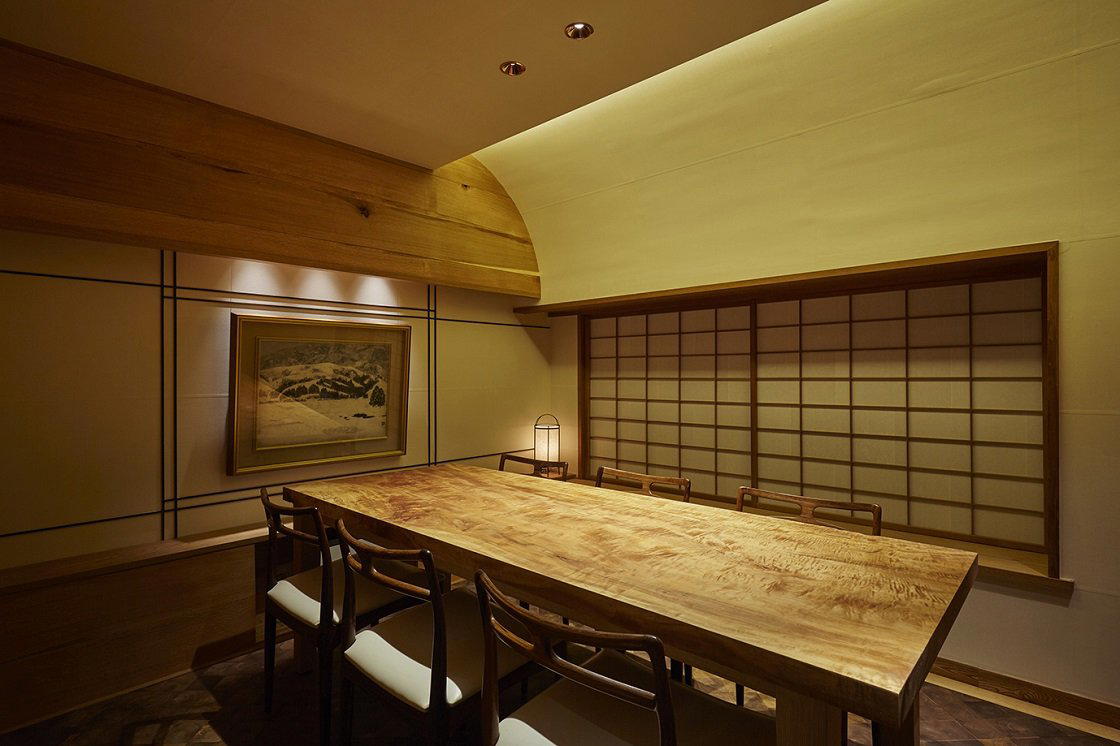
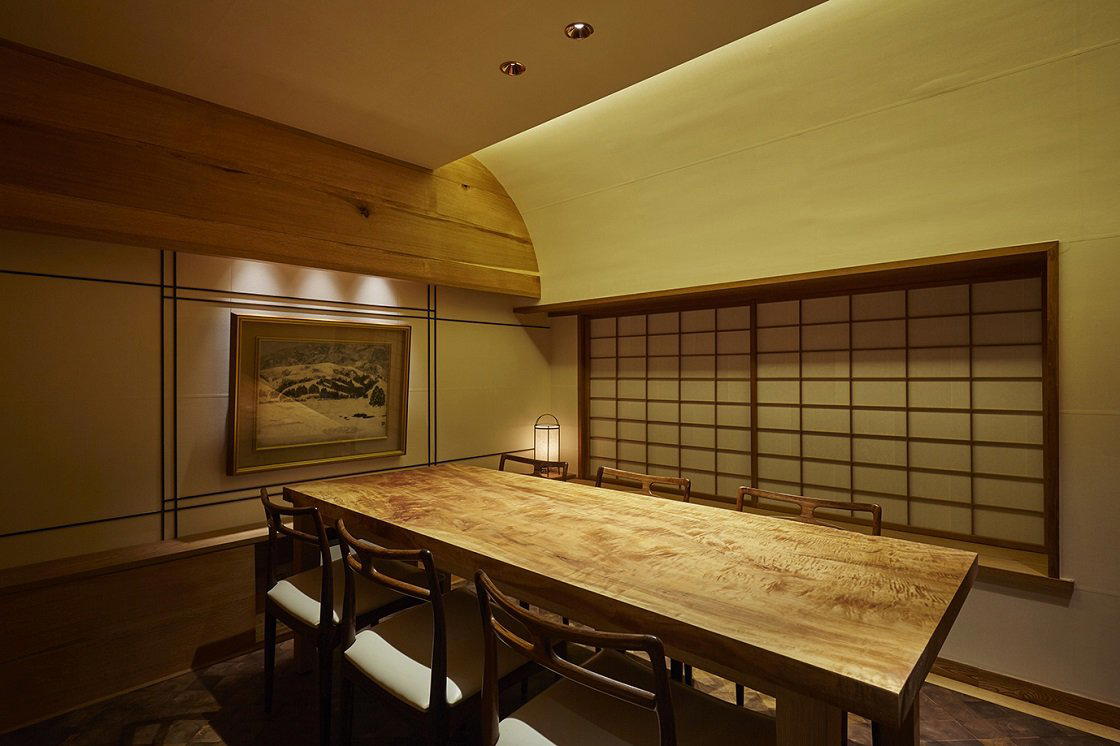
Calm residential-scale interior with natural materials, close table spacing, and focused lighting to highlight each plate.