Michelin Plate
Our verdict
A Michelin Plate recipient in Osaka's Sonezaki Shinchi district, Washun Taiki builds its identity around Japanese seasonal logic crossed with unexpected technique. The kitchen's signature move is the baguette sandwich, filled with grilled seafood and deep-fried items, treating bread's affinity for fats as a formal culinary argument rather than a novelty. Rated 4.2 on Google across early reviews, it occupies the mid-premium tier of Osaka's Japanese dining scene.

Pearl is the En Primeur Club membership app, where members save venues, book tables and use the concierge.
A Counter in Sonezaki Shinchi Where the Rules Are Followed, Then Bent
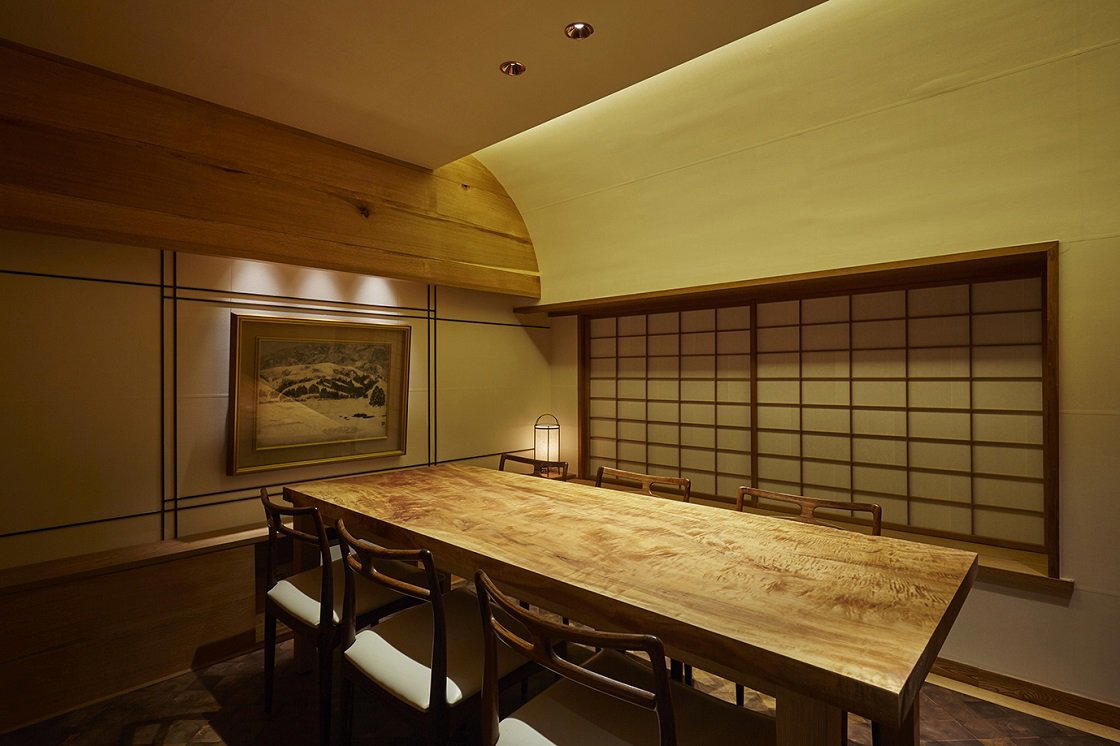
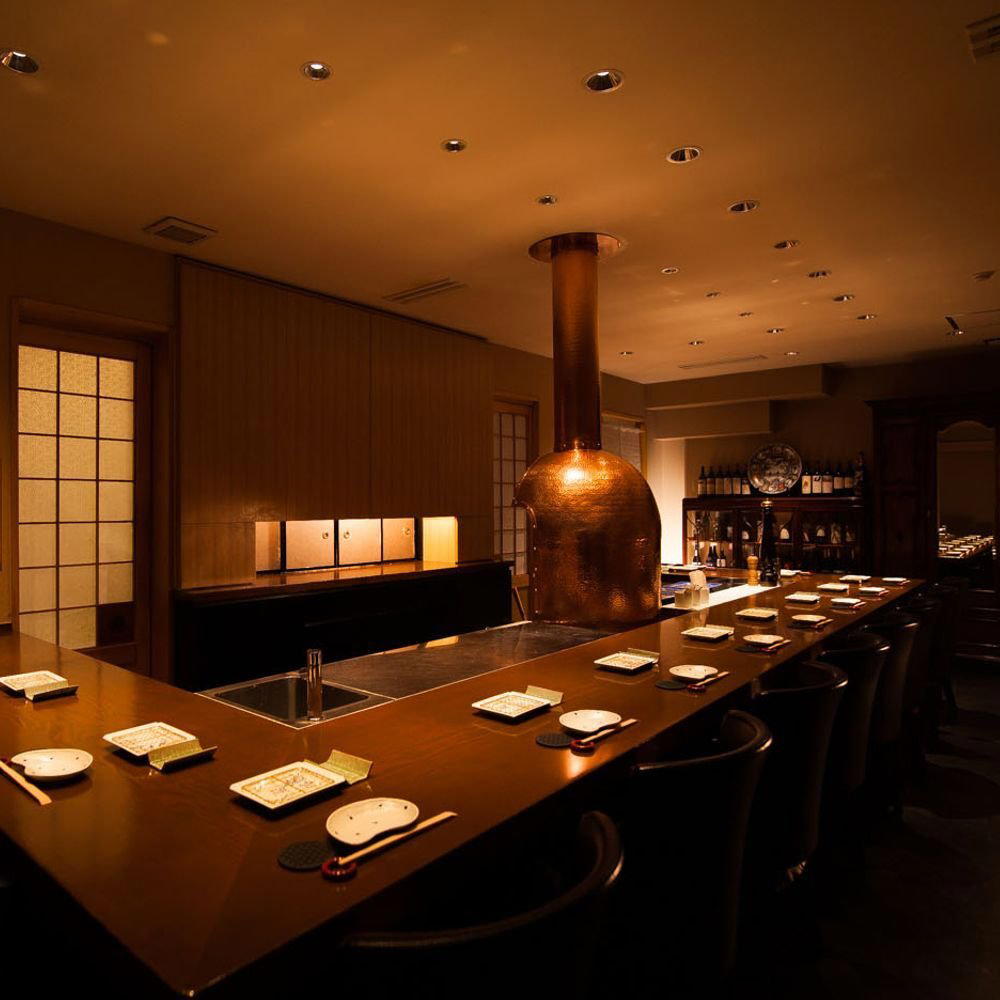
Sonezaki Shinchi sits at the northern edge of central Osaka, a dense block of low-lit restaurants, standing bars, and narrow staircases leading to private rooms on upper floors. It is the kind of district where the building directory matters more than the street frontage, and Washun Taiki occupies the sixth floor of the KOHDA Building at 1-3-30, above the ordinary foot traffic of the block below. Arriving here requires the small deliberate act of seeking the address, riding the elevator, and stepping into a space shaped entirely by what the kitchen intends to do that evening.
That intention is announced in the name itself. Washun translates roughly as 'complementing the seasons', and the kitchen takes that framing seriously as a structural principle rather than a decorative one. Seasonality in Japanese cooking is not merely a sourcing preference; it is a grammar, and in Osaka's mid-premium dining tier, where venues like Kashiwaya Osaka Senriyama and Tenjimbashi Aoki operate with similar price positioning, the question is what each kitchen does with that grammar once it has been absorbed.
Orthodox Technique as a Starting Point, Not a Ceiling
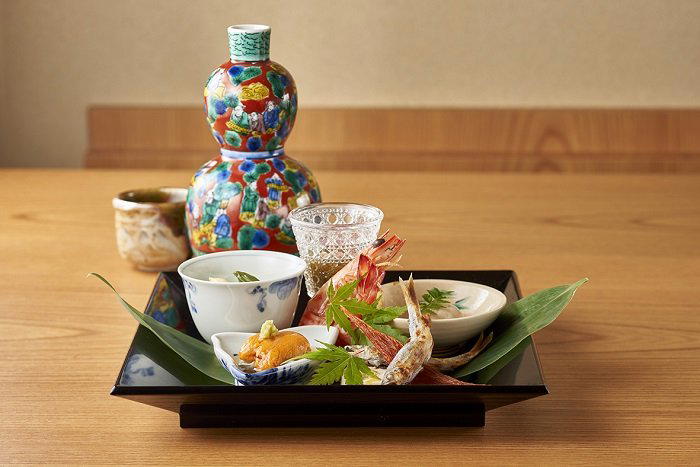
Osaka's current Japanese dining scene covers a wider register than its Kyoto counterpart. Where Kyoto kaiseki tends toward formal restraint, Osaka kitchens have historically tolerated more invention. The city that gave Japan kushikatsu, takoyaki, and the phrase kuidaore (eat until you drop) has always made room for kitchens that treat pleasure as a legitimate primary argument. Washun Taiki sits inside that tradition, but with an unusual specific: it uses baguette sandwiches as a formal part of its offering, filled with grilled seafood and deep-fried items. This is not fusion in the tourist-menu sense. The kitchen's stated reasoning is that bread has a structural affinity with fats and oils, and that this affinity creates a vehicle for presenting ingredients that would otherwise require different delivery formats. The logic is culinary, not novelty-seeking.
For comparison, Miyamoto and Oimatsu Hisano work within more conventional Japanese idioms at a similar price tier. Washun Taiki's decision to introduce a European bread format into a seasonal Japanese framework places it in a distinct sub-category: kitchens that use orthodox technique as the baseline and treat rule-breaking as a considered tool rather than a house style. Yugen operates in a related register, though the specific format differs. Further afield, the cross-tradition approach has parallels at akordu in Nara and in Tokyo at Myojaku and Azabu Kadowaki, each of which crosses reference systems with varying degrees of structural intent.
What the Michelin Plate Signals About Positioning
The Michelin Plate, awarded to Washun Taiki in both 2024 and 2025, marks a kitchen that the Guide's inspectors consider to serve food of good quality, a baseline endorsement that places the restaurant inside the recognised tier of Osaka dining without reaching the starred brackets occupied by Hajime (French, ¥¥¥¥) or La Cime (French, ¥¥¥¥). Taian at the same price tier leans into kaiseki formalism; Kashiwaya Osaka Senriyama brings deep Kyoto-trained precision. Washun Taiki's position is as the kitchen in that tier that takes seasonal Japanese logic and applies it with deliberate creative latitude.
That is relevant context for timing a visit: kitchens in this phase are often at their most exploratory.
Drinking at Washun Taiki: What the Seasonal Framework Implies
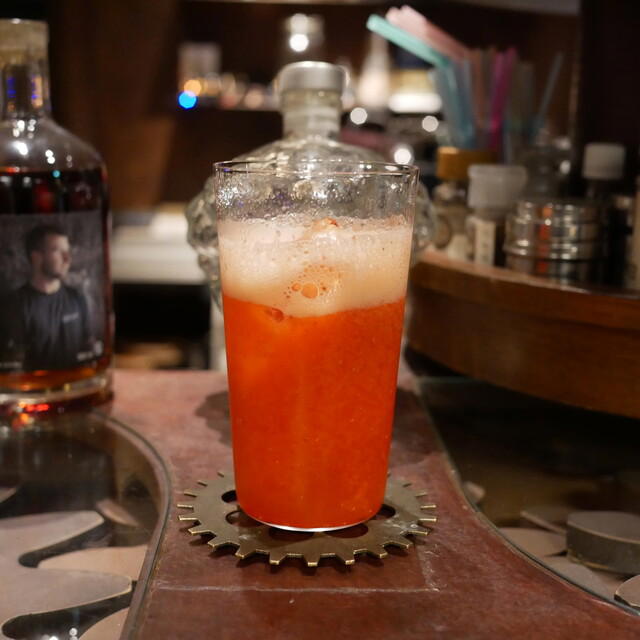
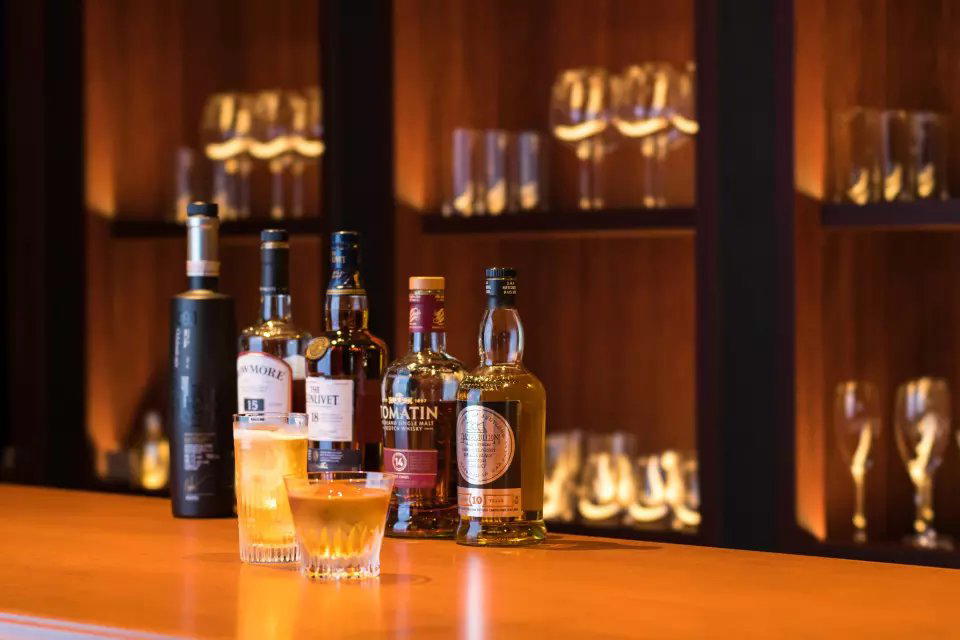
The editorial angle here is worth stating directly. Washun Taiki's stated philosophy, pairing ingredients that draw out each other's goodness, is as applicable to beverage pairing as it is to the plate. A kitchen that thinks in terms of affinity (the baguette-and-fat argument being the clearest example) tends to treat the drink alongside food as part of the same problem, not a separate purchase category. In Osaka's mid-premium Japanese tier, sake pairings that track the seasonal ingredient logic are the expected format, and the more inventive kitchens in this bracket will often move between sake, shochu, and natural wine depending on the dish in question. For context on how Japanese restaurants at this level typically approach beverage programs, the three-star kaiseki houses like Gion Sasaki in Kyoto and the omakase format at Harutaka in Tokyo represent the upper end of what integrated pairing looks like in Japanese fine dining. Washun Taiki operates below that price bracket, but the philosophical alignment with seasonal affinity suggests the beverage program, whatever its depth, is unlikely to be an afterthought. Elsewhere in Japan's regions, Goh in Fukuoka, 1000 in Yokohama, and 6 in Okinawa each demonstrate how regional Japanese kitchens at the creative end of the mid-premium tier frame their drink offerings around the same seasonal logic.
Planning a Visit
Location: 6F, KOHDA Building, 1-3-30 Sonezaki Shinchi, Kita Ward, Osaka. Price tier: ¥¥¥ (mid-premium). Recognition: Michelin Plate 2024 and 2025. Reservations: Dress: Not formally specified; the sixth-floor Sonezaki Shinchi setting and mid-premium price point suggest smart casual as the appropriate register. Getting there: Kita Ward is well-served by Osaka Metro; Nishi-Umeda and Higashi-Umeda stations are the closest access points for the Sonezaki Shinchi district.
For broader Osaka planning, see our full Osaka restaurants guide, our full Osaka hotels guide, our full Osaka bars guide, our full Osaka wineries guide, and our full Osaka experiences guide.
Frequently asked questions
What distinctions does Washun Taiki have?
Washun Taiki has received recognition including: The name ‘Washun’ means ‘complementing the seasons’. The purport here is to bring together ingredients that draw out each other’s goodness, using proper techniques but with splashes of creativity. Noting bread’s affinity with fats and oils,….
What should I expect cuisine-wise at Washun Taiki?
What should I order at Washun Taiki?
Washun Taiki's stated identity centres on pairing ingredients that amplify each other, with orthodox Japanese technique as the baseline. The kitchen is specifically noted for its baguette sandwiches filled with grilled seafood and deep-fried items, a format the venue developed as a deliberate break from convention. Given the Michelin Plate recognition in both 2024 and 2025, the inspectors are responding to the broader seasonal menu rather than a single signature dish. Ask staff on the night what the current seasonal pairings are driving.
What does dinner at Washun Taiki typically cost?
Pricing at Washun Taiki is listed as ¥¥¥.
Cuisine and Credentials
| Venue | Cuisine | Price | Awards | Notes |
|---|---|---|---|---|
| Washun TaikiThis venue (the venue you are viewing) | Modern Kaiseki Omakase | $200–300 | Michelin Plate | Not listed |
| HAJIME | Avant-Garde Japanese Fine Dining | $300–500 | 3 Michelin Stars · World's 50 Best #83 | French, Innovative |
| La Cime | Modern French with Japanese Ingredients | $150–200 | 2 Michelin Stars · World's 50 Best #13 | French |
| Kashiwaya Osaka Senriyama | Seasonal Kaiseki Omakase | $200–300 | 3 Michelin Stars · La Liste Top Restaurants | Japanese |
| Taian | Traditional Japanese Kaiseki Omakase | $150–200 | 3 Michelin Stars · La Liste Top Restaurants | Kaiseki, Japanese |
| Fujiya 1935 | Modern Japanese with European influences | $100–150 | 2 Michelin Stars · La Liste Top Restaurants | Innovative |
Recognition history
Dated appearances from independent guides and award organizations, with the underlying list record or original source where available.
Michelin Plate
Michelin
Full recognition history (3 entries)
Michelin Plate
Michelin
Michelin Plate
Michelin