
Michelin Plate
Our verdict
A Michelin Plate-recognised sushi counter in Osaka's Kita Ward, Sushi Enishi draws its fish from the city's Temma and Kizu markets and applies techniques drawn from broader Japanese culinary disciplines.

Pearl is the En Primeur Club membership app, where members save venues, book tables and use the concierge.
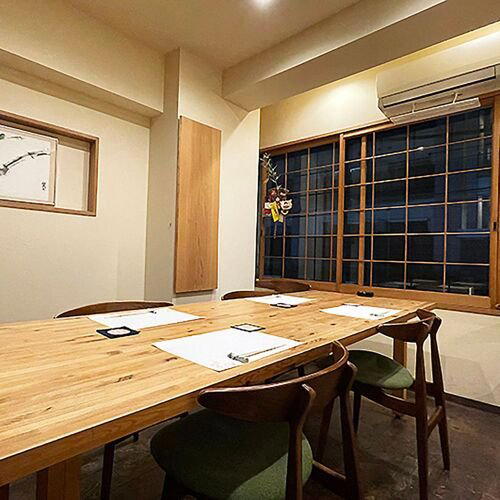
A Counter Where Familiarity Is the Point
There is a category of sushi counter in Japan that resists easy classification. Not the trophy destination trailing international press coverage, nor the neighbourhood lunch spot measured purely by value. The name itself signals intent. Enishi translates roughly as 'connection', the kind of word a chef chooses when he wants regulars to understand that their return matters.
The address is 11-1 Kurosakicho, a district that places it within easy reach of Osaka's commercial and transport core. Kita Ward is not a neighbourhood known for sushi monoculture; it is a mixed-use zone where kaiseki rooms, French kitchens at the ¥¥¥¥ tier, and mid-premium sushi counters occupy the same blocks. That context matters. At the ¥¥¥ price tier, Sushi Enishi prices against houses like Kashiwaya Osaka Senriyama and Taian, rather than the ¥¥¥¥ bracket occupied by Hajime or La Cime. That positioning is deliberate: it keeps the counter accessible to the local regulars who form its core audience.
What Keeps Regulars Coming Back
The kitchen's sourcing logic is more layered than a standard Osaka sushi operation. Fish comes from two distinct markets: Temma, the wholesale market that has supplied Osaka's professional kitchens for generations, and Kizu, the older retail market in Namba that still functions as a reference point for quality-conscious cooks. Using both is a choice that signals attention to provenance rather than convenience.
What distinguishes the technical approach here is the integration of kaiseki thinking into a sushi format. The dashi stock, drawn from kombu kelp and dried bonito, includes a vegetable component that reflects training outside the strict sushi discipline. In Osaka's dining culture, where the lines between sushi, kaiseki, and washoku have always been more fluid than in Tokyo, this cross-discipline approach reads as natural rather than experimental. It is the kind of detail that a first-time guest might not consciously register but that a regular will notice, and notice again.
Temperature management is applied to the toppings to modulate flavour sequence through a meal. The use of citrus acidity as a counterweight to richness is similarly considered. These are not novel techniques in the broader Japanese sushi context, chefs at counters like Harutaka in Tokyo use comparable approaches, but their presence here, in a mid-premium Osaka setting, reflects how seriously this counter is pitched at its regulars' palates rather than at casual visitors.
The Service Architecture
In the premium sushi counter format, service is inseparable from the meal. Japan's small-counter dining culture operates on the principle that a guest who returns three times is treated differently from one who arrives for the first time, not in access or ingredient quality, but in the texture of conversation, the pacing of courses, the small adjustments that accumulate into familiarity. The awards text notes that service is designed to feel significant even on a first visit, which is a harder achievement than it sounds, given how much of sushi counter intimacy normally depends on accumulated history.
This is the implicit promise of the name Enishi. The counter is not offering spectacle. It is offering the groundwork for a relationship. For the guest who returns, the value compounds. For the visitor arriving once, the experience is constructed to feel like the beginning of something, rather than a completed transaction. That framing separates it from the high-volume Michelin-starred counters and places it closer to the register of Sushi Harasho, Matsuzushi, and Sushi Hoshiyama in Osaka's mid-tier sushi ecosystem.
Osaka's Sushi Scene in Context
Osaka's relationship with sushi is older and stranger than Tokyo's, and the city has never quite surrendered to the dominance of Edomae orthodoxy. The pressed and marinated forms, oshizushi, battera, the vinegared mackerel preparations, have deep local roots, and the leading Osaka counters tend to carry some trace of that regional intelligence even when working in a broadly Edomae style. Sushi Enishi's sourcing from Kizu market, rather than relying exclusively on Tsukiji or Toyosu supply chains, keeps it connected to that local provenance logic.
For comparison, sushi at the ¥¥¥¥ tier in Osaka operates closer to the Tokyo template and increasingly competes for the same international guest base. Counters like Sushi Murakami Jiro and Sushi Sanshin occupy a similar competitive band to Sushi Enishi, where local frequency and word-of-mouth weight more heavily than international media coverage.
Beyond Osaka, the comparison set for this style of counter extends to Gion Sasaki in Kyoto, where Japanese cooking disciplines similarly cross-contaminate, and internationally to Sushi Shikon in Hong Kong and Shoukouwa in Singapore, both of which export the intimate counter format to expatriate and tourist audiences at a premium markup.
Planning Your Visit
Sushi Enishi is located at 11-1 Kurosakicho, Kita Ward, Osaka 530-0023. The ¥¥¥ pricing tier places it in a range accessible to guests exploring the wider Osaka food circuit without committing to the ¥¥¥¥ bracket. For those building a broader Kansai itinerary, the counter pairs logically with a visit to akordu in Nara or Goh in Fukuoka for contrast across different Japanese culinary traditions. Booking method and hours are not published; direct inquiry is the standard approach for counters of this type.
| Venue | Cuisine Tier | Price | Recognition | Format |
|---|---|---|---|---|
| Sushi Enishi | Sushi, cross-discipline | ¥¥¥ | Michelin Plate 2024, 2025 | Counter, intimate |
| Sushi Harasho | Sushi | ¥¥¥ | EP Club listed | Counter |
| Matsuzushi | Sushi | ¥¥¥ | EP Club listed | Counter |
| Sushi Hoshiyama | Sushi | ¥¥¥ | EP Club listed | Counter |
For a broader view of the city's dining and hospitality options, see our full Osaka restaurants guide, our full Osaka hotels guide, our full Osaka bars guide, our full Osaka wineries guide, and our full Osaka experiences guide.
Frequently asked questions
What dish is Sushi Enishi famous for?
Sushi Enishi does not have a single publicised signature dish in the conventional sense. The counter's identity is built around technique rather than a single preparation: the integration of kaiseki dashi methods into the sushi format, temperature variation across toppings, and the application of citrus acidity to balance richer fish. Sourcing from both Temma and Kizu markets means the seasonal selection shifts, which regulars treat as part of the appeal.
Side-by-Side Snapshot
| Venue | Cuisine | Price | Awards | Notes |
|---|---|---|---|---|
| Sushi EnishiThis venue (the venue you are viewing) | Edomae Sushi Omakase | $200–300 | Michelin Plate | Not listed |
| HAJIME | Avant-Garde Japanese Fine Dining | $300–500 | 3 Michelin Stars · World's 50 Best #83 | French, Innovative |
| La Cime | Modern French with Japanese Ingredients | $150–200 | 2 Michelin Stars · World's 50 Best #13 | French |
| Kashiwaya Osaka Senriyama | Seasonal Kaiseki Omakase | $200–300 | 3 Michelin Stars · La Liste Top Restaurants | Japanese |
| Taian | Traditional Japanese Kaiseki Omakase | $150–200 | 3 Michelin Stars · La Liste Top Restaurants | Kaiseki, Japanese |
| Fujiya 1935 | Modern Japanese with European influences | $100–150 | 2 Michelin Stars · La Liste Top Restaurants | Innovative |
Recognition history
Dated appearances from independent guides and award organizations, with the underlying list record or original source where available.
Michelin Plate
Michelin
Full recognition history (3 entries)
Michelin Plate
Michelin
Michelin Plate
Michelin
Continue exploring
More in Osaka
Restaurants in Osaka
All restaurants in Osaka →


Bars in Osaka
All bars in Osaka →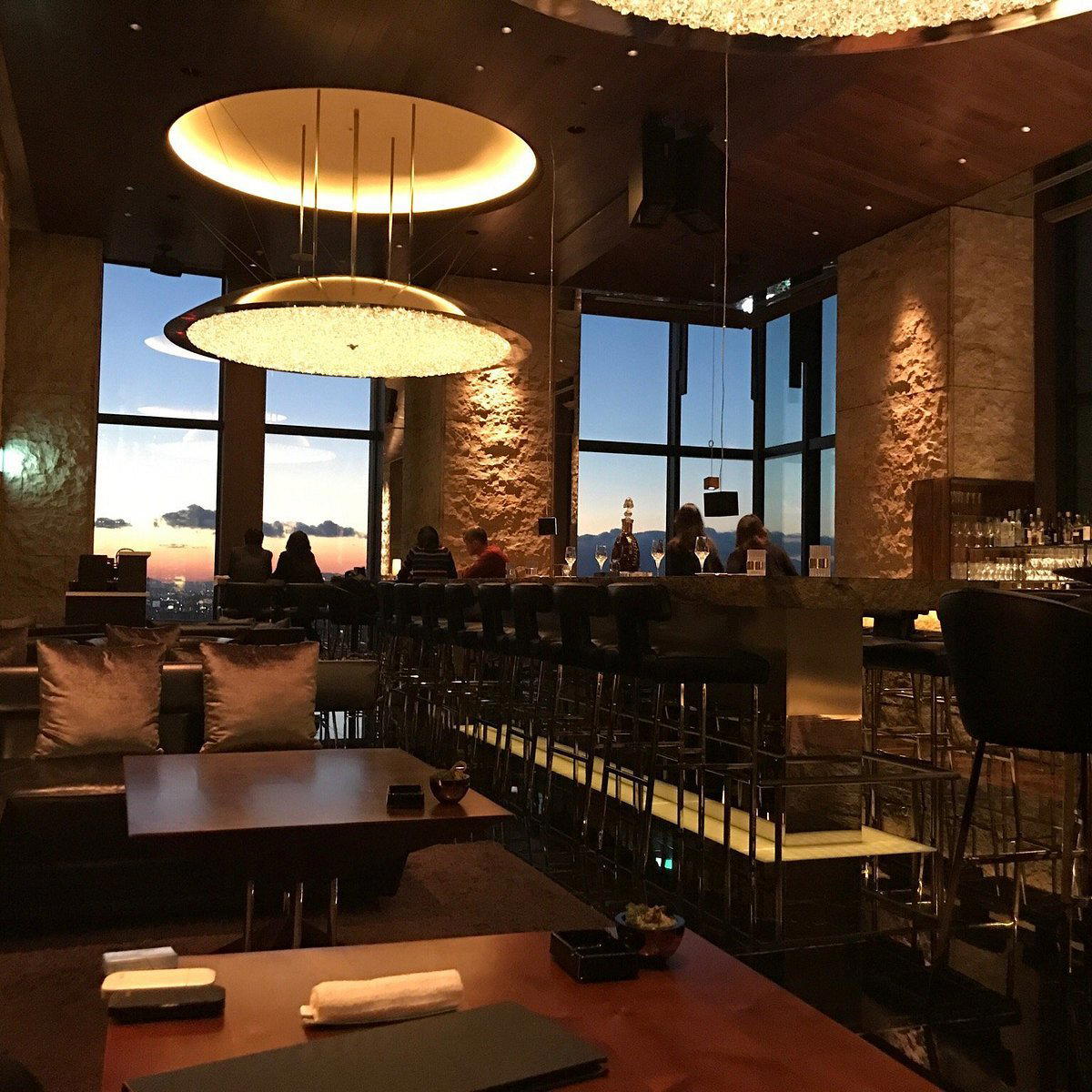


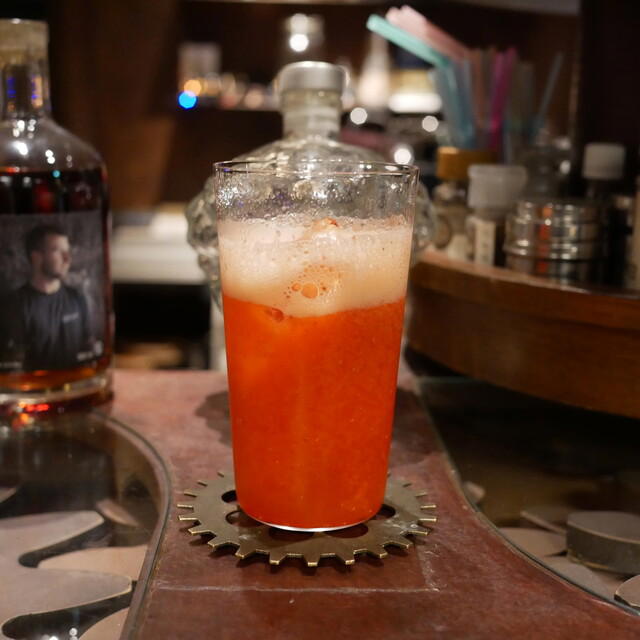

Hotels in Osaka
All hotels in Osaka →
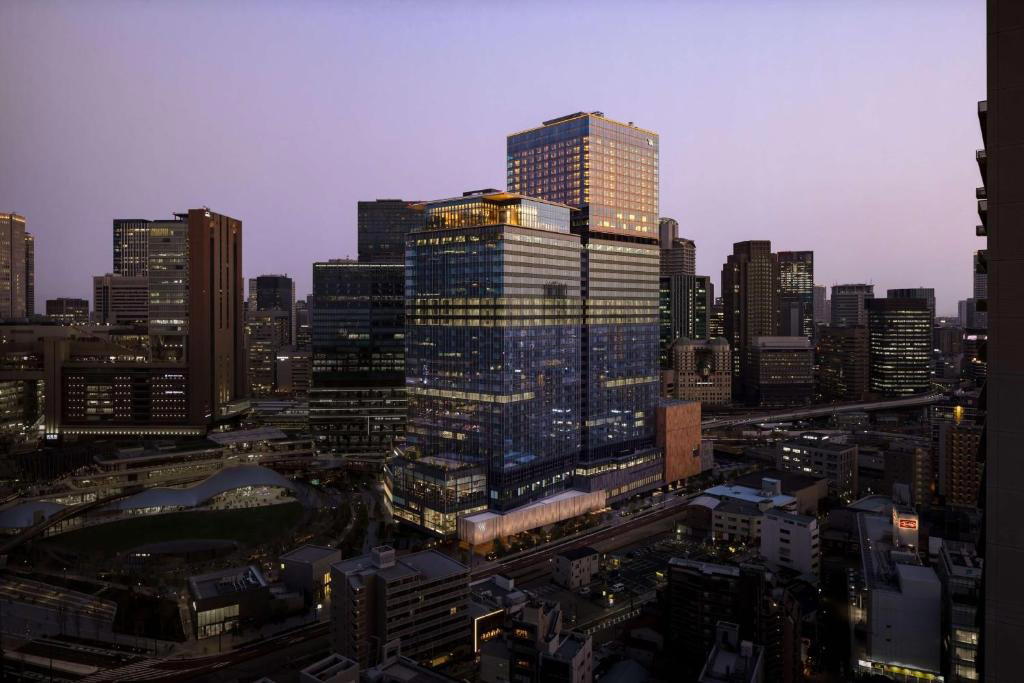



Wineries in Osaka
Browse all →
Details
- Intimate
- Elegant
- Quiet
- Date Night
- Special Occasion
- Chefs Counter
- Sake Program
- Omakase
- Counter Dining
- Sake
Current opening hours
- Monday
- 6–11 PM
- Tuesday
- 6–11 PM
- Wednesday
- 6–11 PM
- Thursday
- 6–11 PM
- Friday
- 6–11 PM
- Saturday
- 6–11 PM
- Sunday
- 6–11 PM
Hours can change for holidays and private events. Hours as of .
Refined restraint with a calm, relaxing atmosphere focused on the sushi craftsmanship at the counter.