
Okei (おけ以) occupies a quiet address in Chiyoda's Fujimi district, a part of central Tokyo that sits at some remove from the more trafficked dining corridors of Ginza or Roppongi. The restaurant operates within a category of Tokyo dining defined by restraint and precision, where the physical environment and the rhythm of service carry as much meaning as what arrives on the plate. Booking ahead is strongly advised.
 Discover on Pearl
Pearl is the En Primeur Club membership app — saves, bookings, and concierge access live there. Same editors, same standards.
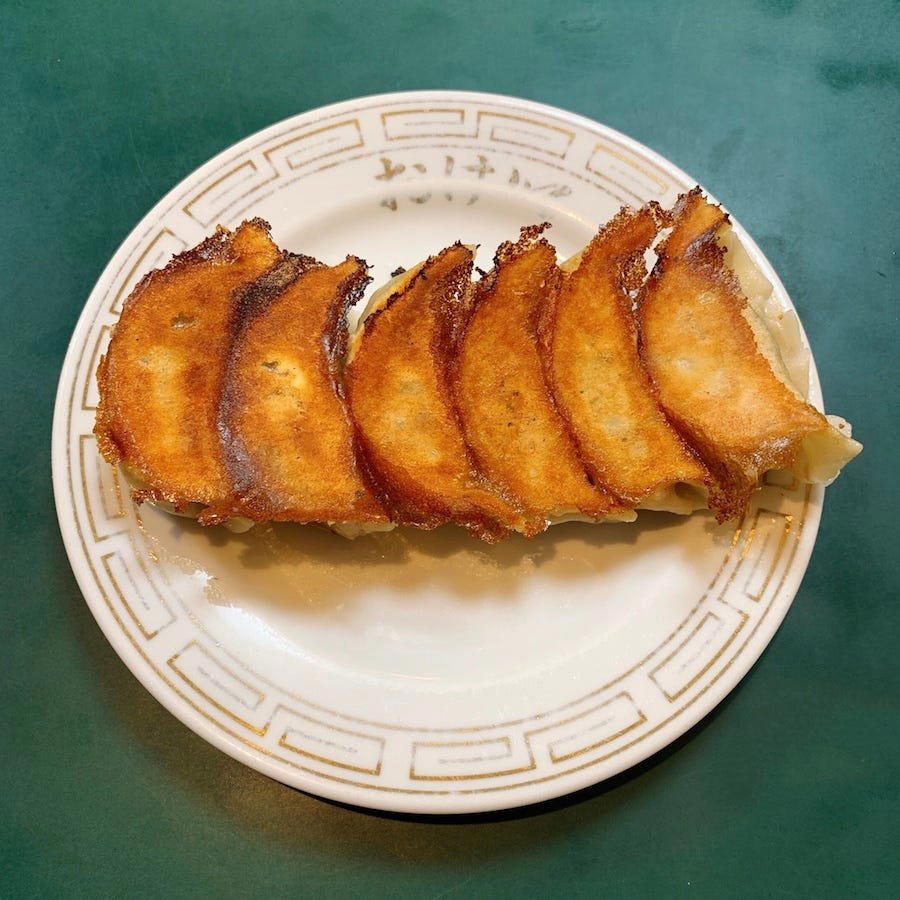
A Chiyoda Address, Away from the Main Current
Central Tokyo's dining geography is uneven. The blocks around Ginza's main arteries and the Roppongi hills corridor absorb the bulk of international attention, while pockets of Chiyoda — a ward better known for government offices and the Imperial Palace grounds than restaurant culture — operate on a quieter register. The Fujimi neighbourhood, where Okei (おけ以) sits at 富士見2-12-16, belongs to this second category: a part of the city where foot traffic is measured rather than constant, and where restaurants must earn repeat visits on merit rather than proximity to tourist circuits.
That geographical context matters for how a place like Okei reads before you even step inside. In Tokyo, the absence of a high-visibility address is rarely accidental. Restaurants that position themselves in residential or administrative pockets of Chiyoda are typically addressing a local clientele , office workers, neighbourhood regulars, or informed visitors who have arrived with purpose rather than by drift. The walk from Iidabashi Station (served by the JR Chuo-Sobu line and multiple subway lines) takes under ten minutes, which places Okei within reach of central Tokyo without placing it inside it.
The Physical Register: What Surrounds You
Tokyo's most considered dining rooms share a particular approach to atmosphere: they suppress rather than amplify. Where many Western restaurant formats layer in ambient music, open kitchens pitched for theatre, and decorative density, the rooms that define serious Japanese dining tend to work in subtraction , quieter surfaces, controlled light, the sound of preparation arriving at low volume from somewhere just out of sight. Whether Okei adheres to that tradition in its specifics is something the venue's own record does not confirm in detail, but the address and category place it within a neighbourhood and price context where that sensory restraint is the norm rather than the exception.
Chiyoda's quieter blocks carry their own ambient texture: the low hum of a city ward that empties slightly at weekends, streets lined with buildings that serve institutional rather than commercial functions, and the occasional proximity to the moat-flanked outer gardens of the Imperial Palace. For a diner arriving in the evening, that urban stillness forms the first layer of the experience , a decompression from the density of Shinjuku or the commercial brightness of Ginza that frames whatever follows inside.
Where Okei Sits in Tokyo's Dining Structure
Tokyo sustains a broader range of serious restaurants per square kilometre than any other city, and that density creates a precise internal hierarchy. At the upper tier, omakase counters and kaiseki rooms like Harutaka and RyuGin compete on seasonal sourcing, lineage, and multi-course format. Below that tier but still operating at a considered level, a larger group of restaurants , many without Michelin recognition or international press coverage , maintain quality through consistency and a fixed local audience. Okei's Chiyoda address and the absence of a high-profile awards trail suggest it operates somewhere in this middle-to-upper band: serious enough to require advance planning, but not necessarily positioned against the ¥¥¥¥ benchmark set by L'Effervescence, Sézanne, or Crony.
That positioning , credible, neighbourhood-anchored, outside the international spotlight , describes a significant portion of the restaurants that Tokyoites themselves frequent most reliably. The city's best-known addresses serve an important function in mapping the scene for visitors, but the restaurants that define daily dining culture in Tokyo often carry none of that external profile. Okei fits the profile of a place that rewards the visitor willing to move beyond the first ring of recognised names.
For those building a broader Japan itinerary around serious dining, the country's regional depth is worth factoring in: HAJIME in Osaka, Gion Sasaki in Kyoto, akordu in Nara, and Goh in Fukuoka each anchor strong regional dining scenes. Beyond the main cities, places like 一本杉 川嶋 in Nanao, 夕月山乃 in Sapporo, 湖邸荘 in Takashima, and 舵羽屋 in Nishikawa Machi illustrate how far Japan's dining seriousness extends beyond its three largest cities.
Planning a Visit
The table below positions Okei against a selection of Tokyo comparators on the logistical dimensions most relevant to planning. Where Okei's own data is not confirmed, the comparison still provides useful context for how this category of Chiyoda dining sits relative to better-documented peers.
| Venue | Ward / Area | Price Tier | Cuisine | Booking Lead Time |
|---|---|---|---|---|
| Okei (おけ以) | Chiyoda (Fujimi) | Not confirmed | Not confirmed | Advance booking advised |
| Harutaka | Ginza | ¥¥¥¥ | Sushi | Weeks to months ahead |
| RyuGin | Roppongi | ¥¥¥¥ | Kaiseki | Weeks ahead |
| Crony | Minami-Aoyama | ¥¥¥¥ | Innovative French | Weeks ahead |
Iidabashi is the most practical access point for Okei. The station connects to the JR Chuo-Sobu line and four subway lines (Yurakucho, Namboku, Tozai, and Oedo), making it reachable from most parts of central Tokyo without a transfer. The Fujimi address sits in the eastern portion of the Iidabashi catchment, a short walk south from the station's main exit. Visiting Japan more broadly alongside cities like New York , where Le Bernardin and Atomix represent comparable tiers of precision dining , reinforces how distinctively Tokyo has calibrated the relationship between neighbourhood setting and dining seriousness. Elsewhere, consider Birdland in Sakai and Bistro Ange in Toyohashi as further examples of Japan's regional mid-tier operating well outside major city centres.
For a full picture of Tokyo's dining options across cuisines and price tiers, the EP Club Tokyo restaurants guide maps the city's serious dining rooms by neighbourhood, format, and category.
A Tight Comparison
A small set of peers for context, based on recorded venue fields.
| Venue | Notes | Price |
|---|---|---|
| Okei (おけ以) | This venue | |
| Harutaka | Sushi, ¥¥¥¥ | ¥¥¥¥ |
| L'Effervescence | French, ¥¥¥¥ | ¥¥¥¥ |
| RyuGin | Kaiseki, Japanese, ¥¥¥¥ | ¥¥¥¥ |
| Crony | Innovative, French, ¥¥¥¥ | ¥¥¥¥ |
| Florilège | French, ¥¥¥ | ¥¥¥ |



At a Glance
- Cozy
- Intimate
- Hidden Gem
- Casual Hangout
- Sake Program
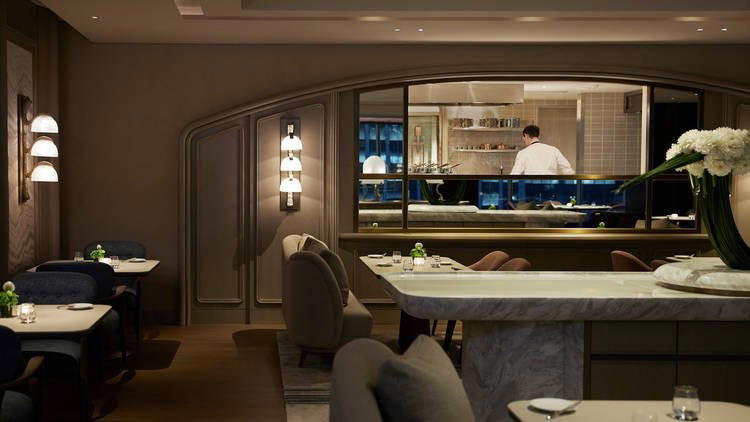
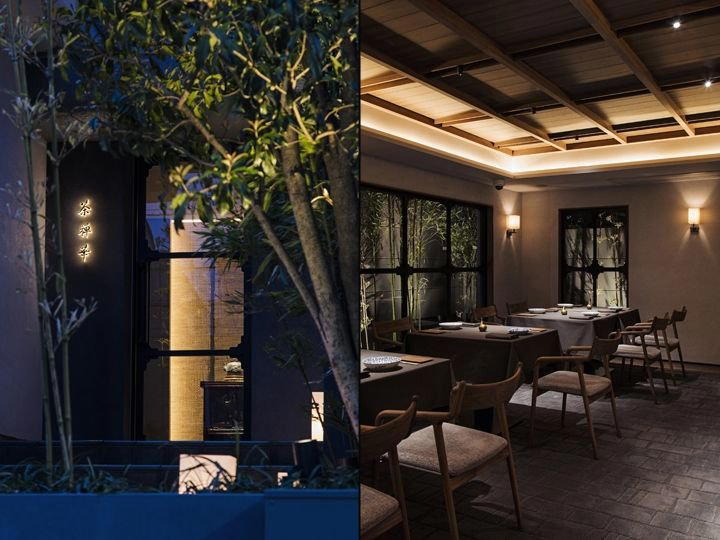
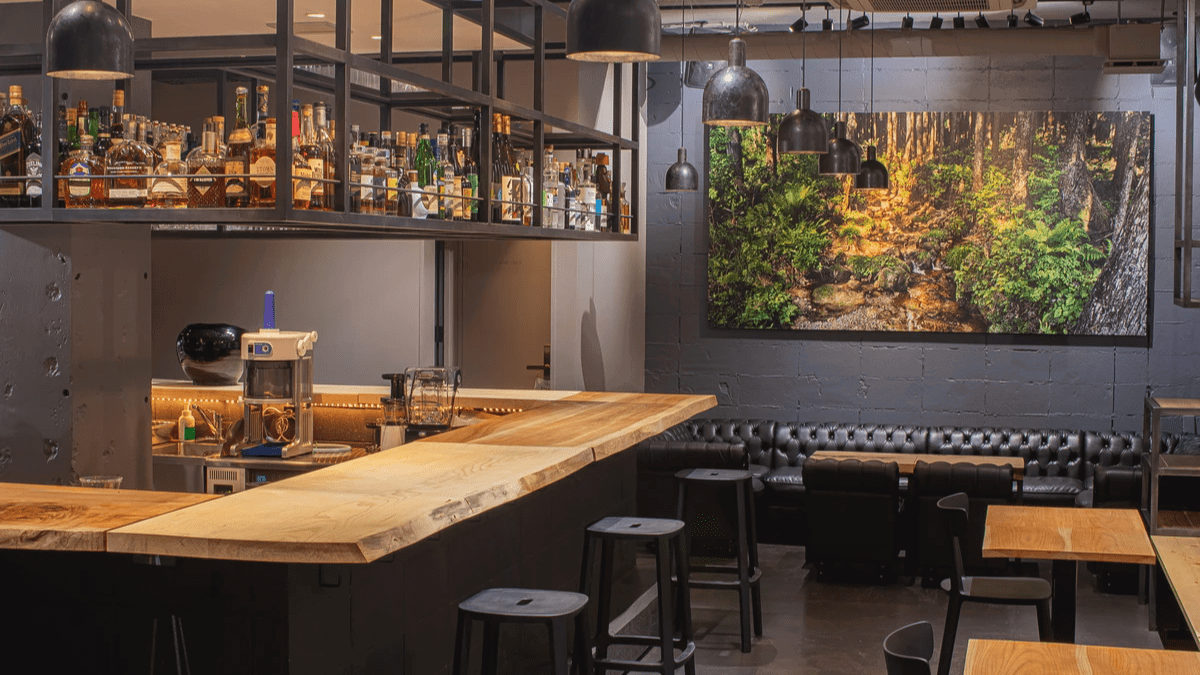
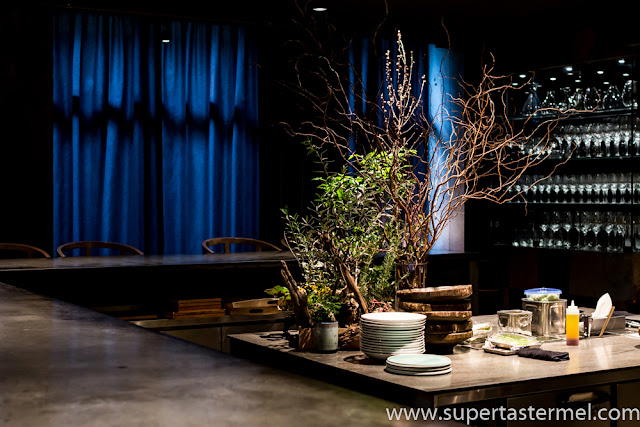
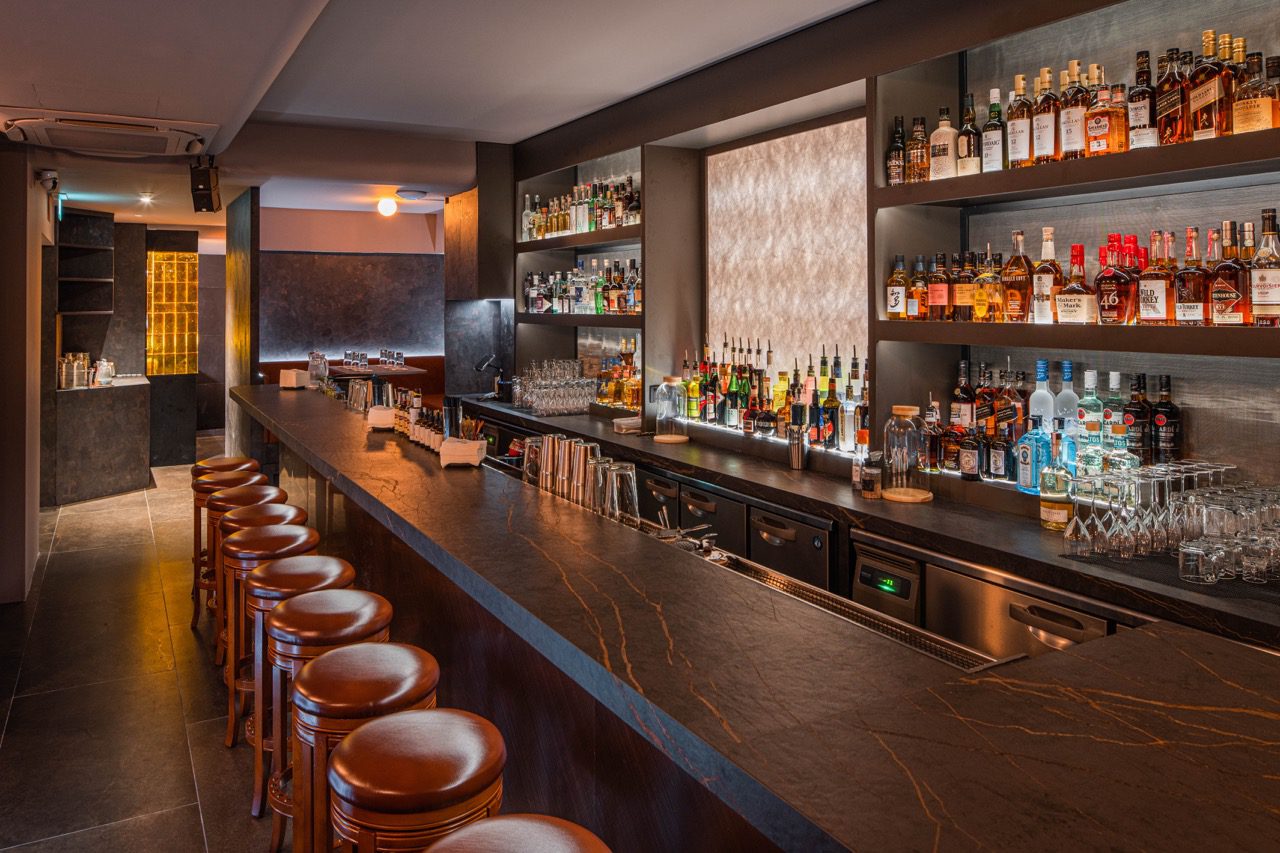
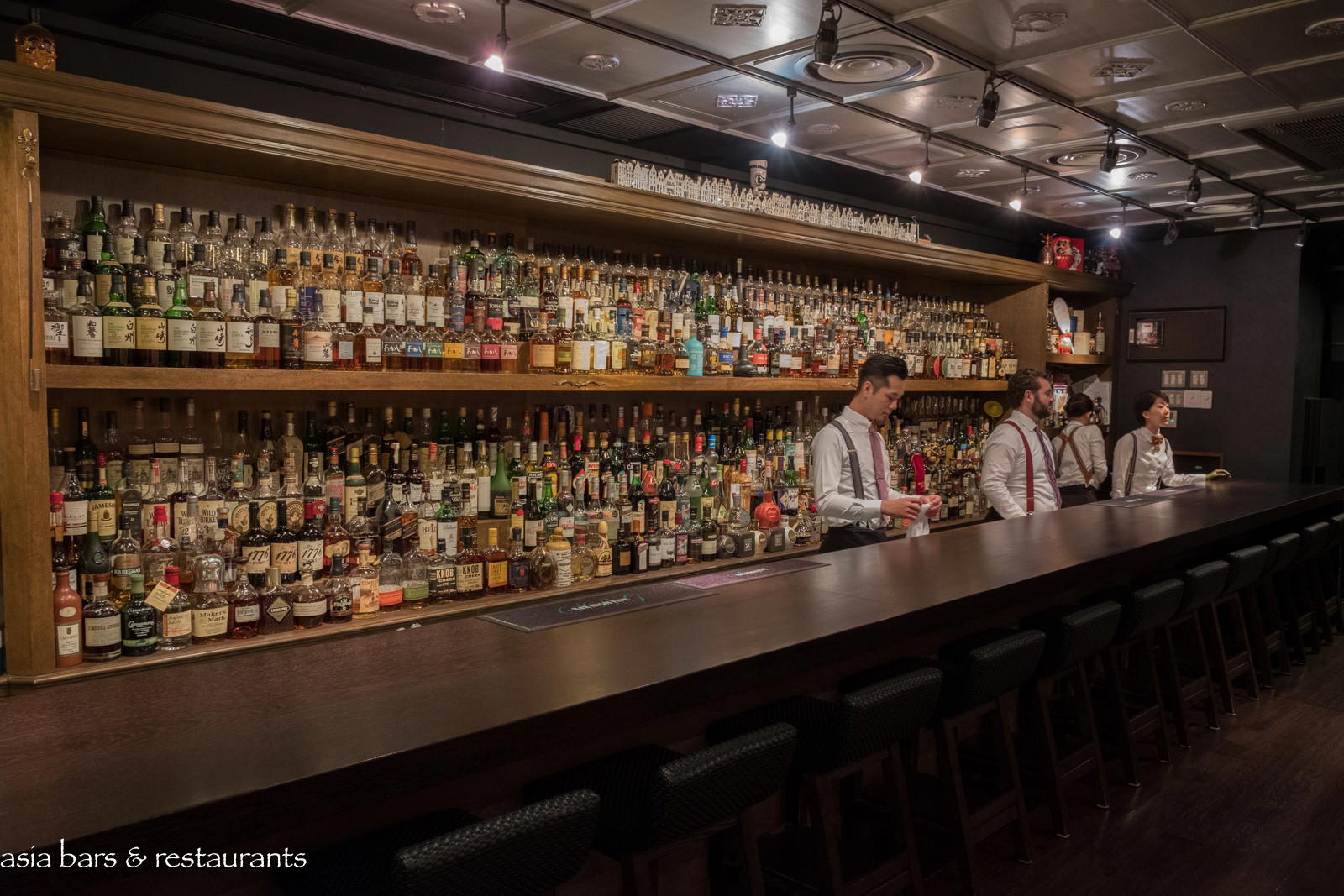
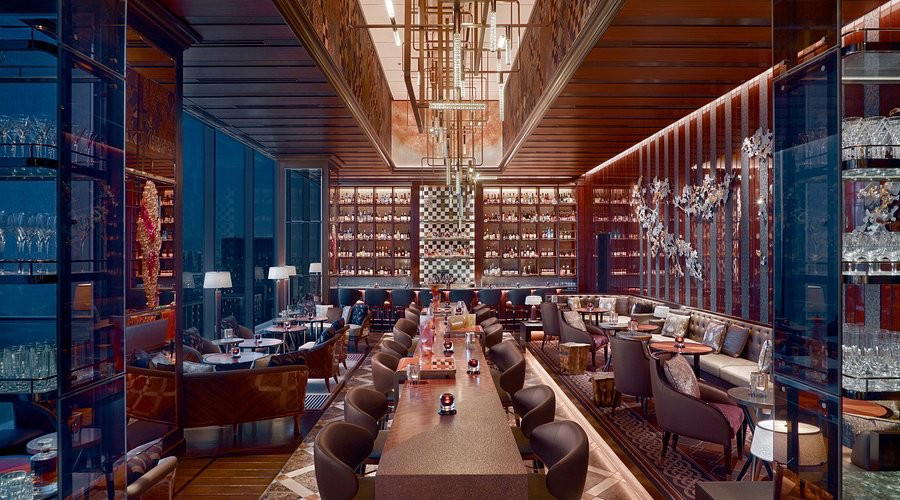
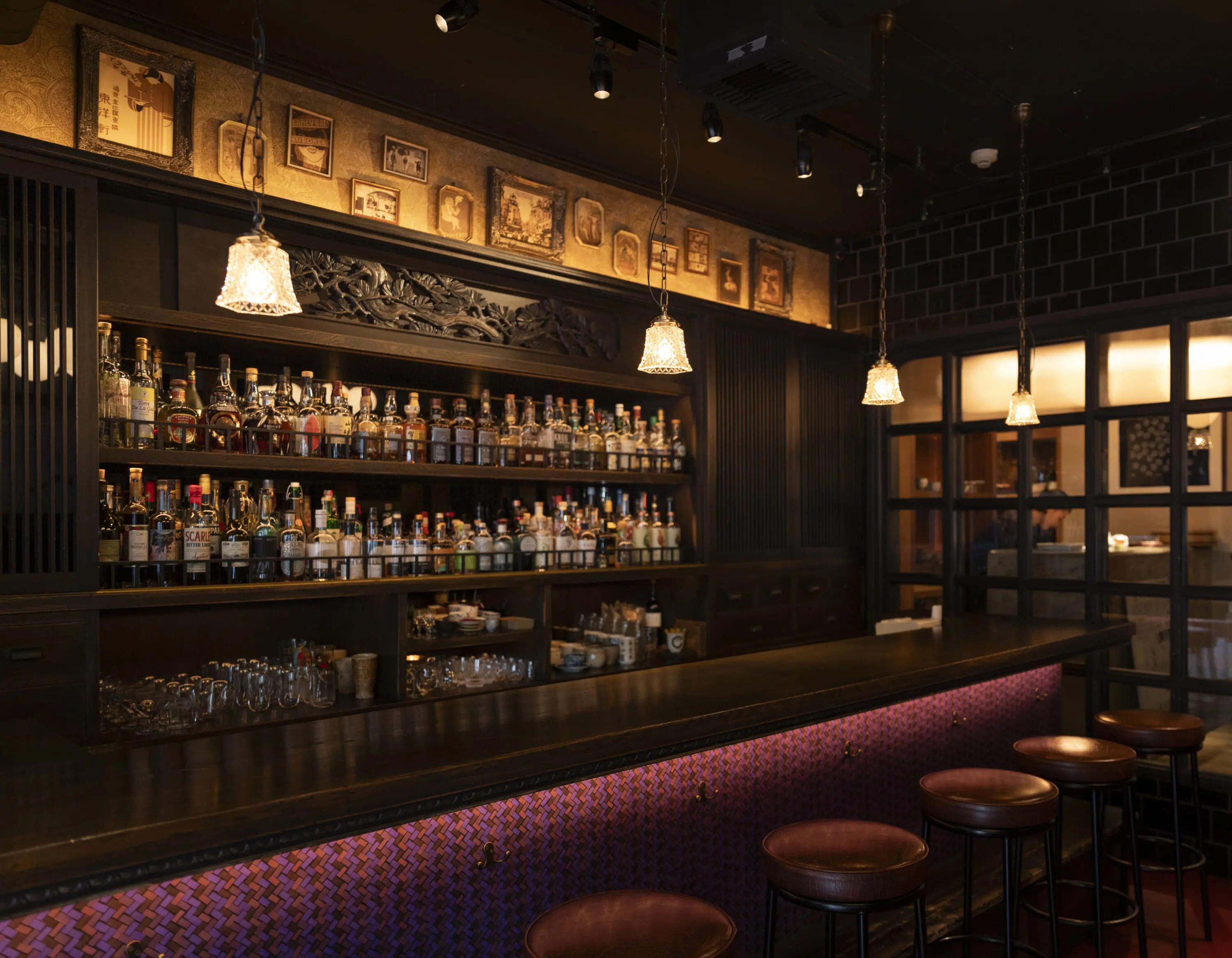
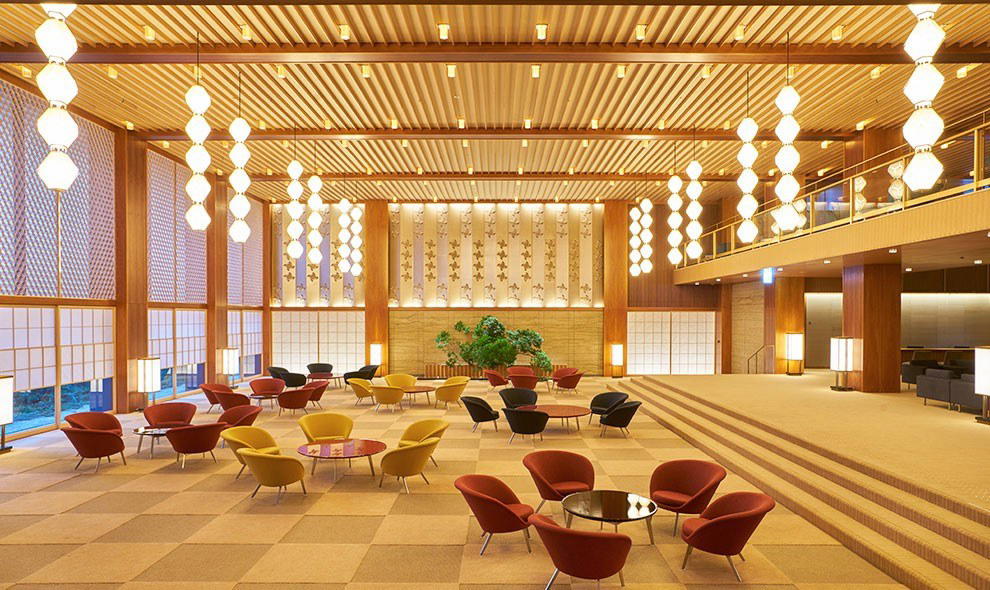
Cozy and intimate interior with simple traditional Japanese decor, seating around 26 people in a welcoming relaxed atmosphere.