Our verdict
いろは堂 operates from the basement level of Nagano's Tokyu Department Store on Minami-Chizuru, placing it inside a long-standing Japanese tradition of depachika dining where counter discipline and product quality matter more than street-level theatre. The venue sits within Nagano city's broader shift toward produce-led, regionally anchored formats. Visit for a grounded read on how the prefecture's dining culture presents itself at a commercial but considered level.

Pearl is the En Primeur Club membership app — saves, bookings, and concierge access live there. Same editors, same standards.
- Address
- 南千歳1-1-1 (ながの東急百貨店B1F), 長野市, 長野県, 380-0823
- Directions
- Get directions
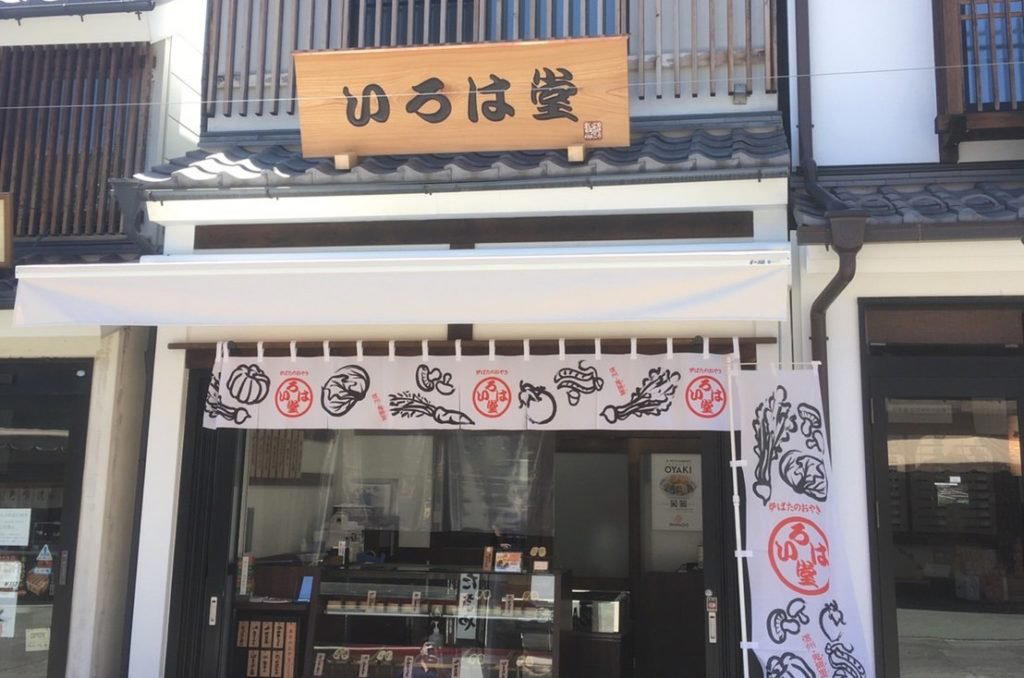
The menu
What to order
- 野沢菜 (Nozawana)
- かぼちゃ (Pumpkin)
- ねぎみそ (Negi Miso)
- 野菜ミックス (Vegetable Mix)
Basement-Level Seriousness: Nagano's Depachika Dining Tradition
Department store basement restaurants in Japan operate according to a different logic than street-level dining. The depachika format strips away the architecture of a destination meal — no curated approach path, no street-front presence — and forces everything onto the plate and the counter. いろは堂, located on the B1 floor of Nagano's Tokyu Department Store at Minami-Chizuru 1-1-1, exists inside that tradition. Arriving via the department store's lower-ground concourse, past prepared foods and confectionery counters, the transition into a sit-down restaurant carries the particular rhythm of Japanese urban eating: purposeful, unfussy, calibrated to a local rather than a visitor audience.
That context matters. Nagano Prefecture has built a credible dining identity over the past decade, driven partly by altitude-influenced agriculture, apples, soba, Shinshu miso, mountain vegetables, and partly by the post-1998 Winter Olympics infrastructure that brought international hospitality expectations into a historically rural prefecture. The venues that have lasted within Nagano city have generally done so by anchoring to that agricultural specificity rather than importing formats from Tokyo or Osaka. A department store basement setting, far from diminishing a restaurant, often signals exactly this: a local institution serving a local clientele with produce and formats they recognise.
The Service Framework in Japanese Department Store Dining
The editorial angle that applies most clearly to いろは堂 is the one that governs most successful Japanese mid-tier dining: the coordination between what comes from the kitchen, how it is explained at the counter or table, and how the room is managed during service. In Japan's depachika context, this triangle, kitchen, floor explanation, and table flow, tends to be compressed. The physical footprint is smaller, the team leaner, and the margin for disorganisation narrower than in a standalone restaurant.
What this produces, when it works, is a kind of efficiency that reads as warmth rather than speed. The server who knows which Nagano prefecture vegetables are currently featured, or which regional sake pairs against the day's preparation, is not performing expertise, they are transmitting the restaurant's connection to its supply chain. That signal, repeated across dozens of covers in a basement dining room, is what separates a competent depachika restaurant from a transactional one. いろは堂's position at the Tokyu Nagano location places it in a commercial context where that discipline is visible to any informed observer of the format.
Nagano city's comparison set for this tier of dining includes venues with more visible credentials: Bleston Court Yukawatan operates within a resort hotel framework in Karuizawa and carries a different register entirely, while Fogliolina della Porta Fortuna represents the Italian-in-the-mountains format that has found consistent traction in the prefecture. ca'enne and Aoitou offer further reference points in Nagano's considered dining tier. いろは堂 occupies a different position in that map: more embedded in daily city life, less oriented toward the destination-meal format.
Nagano Prefecture as a Dining Region
Understanding いろは堂 requires understanding what Nagano eats. The prefecture is one of Japan's most agriculturally diverse inland regions, no coastline, significant elevation variation, and a four-season climate that produces distinct ingredients across the year. Shinshu soba, grown at altitude and processed with a precision that rivals Kyoto's most formal preparations, is perhaps the most exported identity marker. But the regional larder extends further: nozawana pickles, locally raised Shinshu salmon farmed in cold mountain water, Shinshu pork, and a sake-brewing tradition fed by the same snowmelt that irrigates the rice paddies.
Restaurants that operate in Nagano with any seriousness tend to make choices about which parts of that larder they emphasise. Those choices function as a kind of editorial statement about what the restaurant thinks Nagano dining should be. The depachika format presents this differently than a standalone restaurant does, the selection is often tighter, the menu more stable, and the regional positioning more implicit than announced. But the underlying logic is the same.
For broader context on how Nagano's dining scene fits into Japan's regional restaurant map, our full Nagano restaurants guide maps the prefecture's key venues across formats and price tiers. Nationally, the production-led Japanese restaurant approach that Nagano exemplifies appears in its most refined form at venues like Gion Sasaki in Kyoto and HAJIME in Osaka, while the counter-discipline tradition visible in the depachika format finds a parallel in Harutaka in Tokyo. Further regional reference points include akordu in Nara, Goh in Fukuoka, and across the wider island context: 一本木 石川製 in Nanao, 夕月亭 in Sapporo, 湖畔荘 in Takashima, and 羽根屋 in Nishikawa Machi. For internationally-minded readers comparing against high-precision dining in other formats, Le Bernardin in New York City and Atomix in New York City illustrate how team discipline and floor-to-kitchen coordination operate at the far end of the formality spectrum. Closer to the Nagano format in structure, Chinese Sai Muen in Nagano represents a different regional cuisine tradition operating at a similar commercial register, as does Birdland in Sakai in a yakitori context.
Planning a Visit
いろは堂 is located at Minami-Chizuru 1-1-1, basement floor of the Nagano Tokyu Department Store, Nagano city, Nagano Prefecture, postal code 380-0823. Access from Nagano Station is direct, the Tokyu building sits within walking distance of the station's central exits, making it a practical option before or after train travel. Department store dining in Japan typically aligns with store hours, which in Nagano's Tokyu branch run broadly from mid-morning through evening, though specific restaurant hours should be confirmed locally on arrival.
Frequently asked questions
What's いろは堂's location?
いろは堂 is located at 南千歳1-1-1 (ながの東急百貨店B1F), 長野市, 長野県, 380-0823, Nagano.
Is いろは堂 easy to reach from Nagano Station?
いろは堂 is located at Minami-Chizuru 1-1-1 in the basement of the Nagano Tokyu Department Store, which sits within walking distance of Nagano Station — one of the most transit-connected points in Nagano city and a stop on the Hokuriku Shinkansen. The basement floor placement means access is covered and weather-independent, which is a practical consideration during Nagano's snowy winters.
What should I order at いろは堂?
EP Club does not hold current menu records for いろは堂. The restaurant operates within the basement floor of the Nagano Tokyu Department Store, a format that in Nagano typically features regionally grounded cooking — buckwheat, mountain vegetables, and cured or fermented inland ingredients are common anchors across comparable depachika addresses in Nagano Prefecture. Checking the venue directly or the Tokyu Department Store floor guide before visiting will give you the most accurate picture of current offerings.
Is いろは堂 reservation-only?
No booking policy data is held in EP Club's records for いろは堂. Department store basement restaurants at the Nagano Tokyu level generally operate on a walk-in basis during retail hours, though popular counters can fill quickly at lunch. Confirming directly with the Tokyu Department Store's floor concierge or information desk at Minami-Chizuru 1-1-1 is the most reliable way to plan around peak periods.
What do critics highlight about いろは堂?
No formal awards or published critical reviews are currently held in EP Club's records for いろは堂. Within the Nagano Tokyu Department Store basement, the venue's positioning points to a mid-tier depachika format where editorial attention in Japan tends to focus on consistency and regional sourcing rather than chef-driven spectacle.
Cost Snapshot
| Venue | Cuisine | Price | Awards |
|---|---|---|---|
| いろは堂This venue — the venue you are viewing | Nagano Oyaki (Stuffed Dumplings) | $10–20 | Not listed |
| Kikuzushi | Edomae Sushi | $50–100 | Tabelog Silver #54 |
| Fogliolina della Porta Fortuna | Award-Winning Italian Fine Dining | $100–150 | Tabelog Silver #21 |
| Bleston Court Yukawatan | Nippon French | $300–500 | Tabelog Bronze #37 |
| ca’enne | Wood-Fired Italian | $150–200 | Tabelog Bronze #43 |
| Chinese Sai Muen | Sichuan Chinese Dim Sum | $30–50 | Tabelog Bronze #292 |
Continue exploring
More in Nagano
Restaurants in Nagano
Browse all →
Hotels in Nagano
Browse all →

Wineries in Nagano
Browse all →

Details
- Rustic
- Cozy
- Casual Hangout
- Family
- Standalone
- Local Sourcing
- Mountain
- A La Carte
- Vegetarian Friendly
- Vegan Options
Cozy homestyle atmosphere in a scenic one-house setting surrounded by beautiful mountain views.