
Michelin Bib Gourmand
Our verdict
A Michelin Bib Gourmand recipient in 2024 and 2025, Noodle Shop Rennosuke operates from a residential pocket of Kyoto's Kita Ward with no sign and no fuss, just a spotlight on a ramen bowl in a showcase to mark the entrance. The kitchen produces a clear seafood dashi and soy broth paired with house-made Kyoto wheat noodles and pork from locally raised swine, all served in blue Kiyomizu ware.

Pearl is the En Primeur Club membership app, where members save venues, book tables and use the concierge.
The menu
What to order
- Shoyu Ramen with Seafood Dashi
- Duck Ramen
- Tomato Ramen
- Grilled Pork with Egg Yolk
- Wasanbon Pudding
A Residential Address, a Spotlight, and a Bowl Worth Finding
Kyoto's ramen scene has never organised itself around convenience. While the city's kaiseki houses cluster along predictable corridors, Gion, Higashiyama, the streets around Nishiki Market, the ramen counters that earn sustained critical attention tend to scatter into residential wards, operating without the signage or street-level visibility that restaurant districts elsewhere take for granted. This is not theatrical obscurity for its own sake. It is the working condition of a small counter operating in a city where serious eating has always happened behind unmarked doors.
The format aligns with something broader in how Kyoto handles communal food culture. Unlike the izakaya model further north in Osaka, where loud rooms and shared plates define the social contract, Kyoto's lower-key analogue tends toward the focused, almost meditative counter, a bowl in front of you, not a table of shared dishes, and the ritual of eating as its own form of participation. Rennosuke fits that shape precisely. The Bib Gourmand from Michelin in both 2024 and 2025 confirms the kitchen's consistency at the ¥ price point, which in Kyoto's context places it in a different competitive tier than the ¥¥¥¥ kaiseki rooms, Gion Sasaki, Ifuki, Kyokaiseki Kichisen, that dominate the city's fine-dining conversation. At the single-yen price level, the question is not luxury positioning but craft-at-scale: whether the kitchen can hold quality across a rotating door of regulars and first-timers alike. Two consecutive Bib Gourmand recognitions suggest it can.
What the Bowl Is Actually Doing
Kyoto ramen, as a regional style, positions itself against the richer tonkotsu broths of Fukuoka and the heavier shoyu profiles of Tokyo by leaning into clarity, lighter bases, more delicate seasoning, noodles that carry rather than compete with the broth. Rennosuke takes that regional orientation and refines it further. The broth is built on seafood dashi, not pork bone, and seasoned with pure soy sauce, producing a soup that reads transparent in the bowl rather than cloudy. The house-made noodles are wheat-based and specific to Kyoto grain traditions, adding a textural layer that distinguishes the bowl from generic ramen formats using standard suppliers.
The pork component, thinly sliced roasted fillet from Kyoto-raised swine, is worth noting as a sourcing decision that connects the kitchen to Kyoto's broader emphasis on local provenance. This is not a kitchen making abstract gestures toward locality; it is using prefecture-specific ingredients in a format simple enough that those choices are immediately legible in the bowl. The blue Kiyomizu ware, specially ordered rather than off-the-shelf restaurant crockery, completes the picture: ceramics that are themselves a Kyoto cultural product, used to serve a bowl that is itself distilled from Kyoto culinary logic.
KOBUSHI Ramen and Mendokoro Janomeya round out the tier of serious Kyoto noodle houses operating below the kaiseki price ceiling. Chinese Noodles ROKU approaches the noodle format from a different culinary tradition but occupies a similar position in the city's mid-range critical canon.
Nationally, the conversation around focused ramen counters extends well beyond Kyoto. Afuri in Tokyo has brought its yuzu-shio style to international attention, including a Portland outpost, while the broader Japanese dining scene, from Harutaka in Tokyo to HAJIME in Osaka, akordu in Nara, Goh in Fukuoka, 1000 in Yokohama, and 6 in Okinawa, demonstrates the range of registers in which Japanese kitchens are earning recognition. Rennosuke operates at the ¥ end of that spectrum, which is not a limitation; it is a statement of purpose.
Getting There and Planning Your Visit
Kita Ward sits north of central Kyoto, away from the tourist density of Gion and the downtown corridor. Arriving without directions and expecting the usual signage will not work here. The spotlight-and-showcase system functions as the address, not a supplement to it.
The ¥ price point places Rennosuke firmly in the affordable-lunch or casual-dinner category by Kyoto standards, well below the ¥¥¥¥ kaiseki tier. The Bib Gourmand classification specifically recognises good food at moderate prices, so the Michelin recognition here is calibrated to the format rather than applied from a fine-dining framework.
| Venue | Cuisine | Price Range | Awards | Format |
|---|---|---|---|---|
| Noodle Shop Rennosuke | Ramen | ¥ | Michelin Bib Gourmand 2024, 2025 | Counter, no signage |
| Menya Inoichi | Ramen | ¥–¥¥ | Michelin recognition | Counter |
| Kombu to Men Kiichi | Ramen | ¥ | Michelin recognition | Counter |
| Gion Sasaki | Kaiseki | ¥¥¥¥ | Michelin starred | Omakase |
| Ifuki | Kaiseki | ¥¥¥¥ | Michelin starred | Omakase |
For broader planning around Kyoto, EP Club covers the city's full dining, drinking, and accommodation options: see our full Kyoto restaurants guide, our full Kyoto hotels guide, our full Kyoto bars guide, our full Kyoto wineries guide, and our full Kyoto experiences guide.
Frequently asked questions
How would you describe the vibe at Noodle Shop Rennosuke?
Quiet, focused, and residential in character, the opposite of Kyoto's tourist-facing dining corridor. There is no sign outside, and the neighbourhood requires deliberate navigation to reach. Once inside, the experience follows the logic of a serious counter: a single bowl, specific crockery, and a kitchen that has held Michelin Bib Gourmand status across consecutive years. If you arrive expecting the energy of a busy izakaya, recalibrate; if you arrive expecting a focused, well-executed bowl in a room that takes the work seriously, that is what you will find.
What's the dish to order at Noodle Shop Rennosuke?
The ramen is the only thing to order, the kitchen is built around it. The bowl combines a clear seafood dashi broth seasoned with pure soy sauce, house-made Kyoto wheat noodles, and thinly sliced roasted pork fillet from locally raised swine, served in blue Kiyomizu ware. This is a kitchen applying Kyoto's regional preference for clarity and restraint to a format that rewards those qualities. The Bib Gourmand in both 2024 and 2025 is direct evidence that the execution is consistent, not occasional.
Should I book Noodle Shop Rennosuke in advance?
Arriving without a plan during those windows carries real risk of a wasted trip across Kita Ward. Investigating booking options in advance is the pragmatic approach.
Peers You’d Cross-Shop
A quick peer list to put this venue’s basics in context.
| Venue | Cuisine | Price | Awards | Notes |
|---|---|---|---|---|
| NOODLE SHOP RENNOSUKEThis venue (the venue you are viewing) | Refined Kyoto Ramen | $20–30 | Michelin Bib Gourmand | Not listed |
| Gion Sasaki | Modern Kaiseki | $300–500 | 3 Michelin Stars · La Liste Top Restaurants | Kaiseki, Japanese |
| cenci | Innovative Italian-Japanese Fusion | $100–150 | 1 Michelin Star · World's 50 Best #76 | Italian |
| Ifuki | Sumibi Kappo Kaiseki | $200–300 | 2 Michelin Stars · La Liste Top Restaurants | Kaiseki |
| Kyokaiseki Kichisen | Kyoto Kaiseki | $200–300 | 2 Michelin Stars · La Liste Top Restaurants | Japanese |
| Kyo Seika | Modern Chinese Fine Dining | $150–200 | 1 Michelin Star · Tabelog Bronze #216 | Chinese |
Recognition history
Dated appearances from independent guides and award organizations, with the underlying list record or original source where available.
Michelin Bib Gourmand
Michelin
Full recognition history (3 entries)
Michelin Bib Gourmand
Michelin
Michelin Bib Gourmand
Michelin
Continue exploring
More in Kyoto
Restaurants in Kyoto
All restaurants in Kyoto →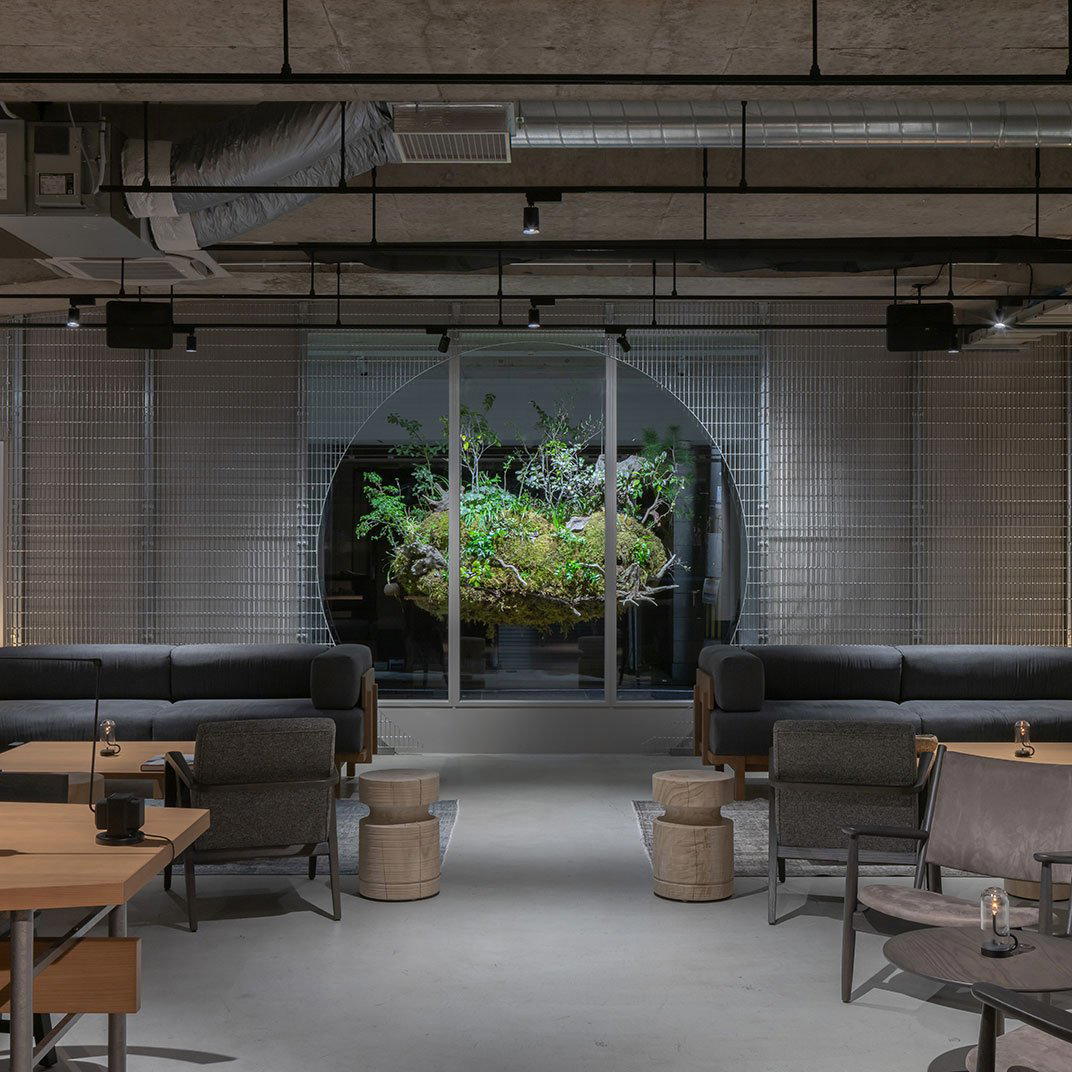
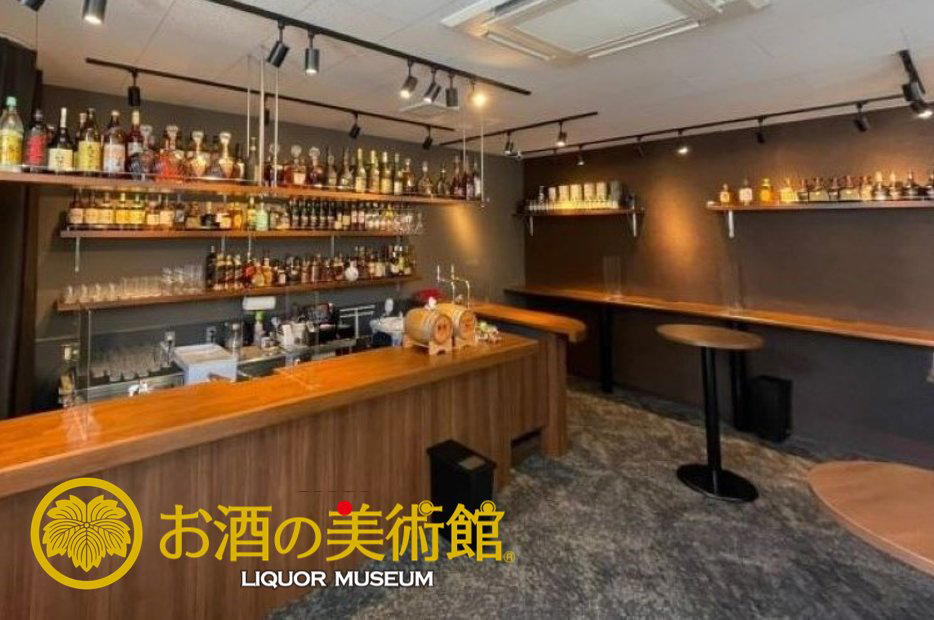
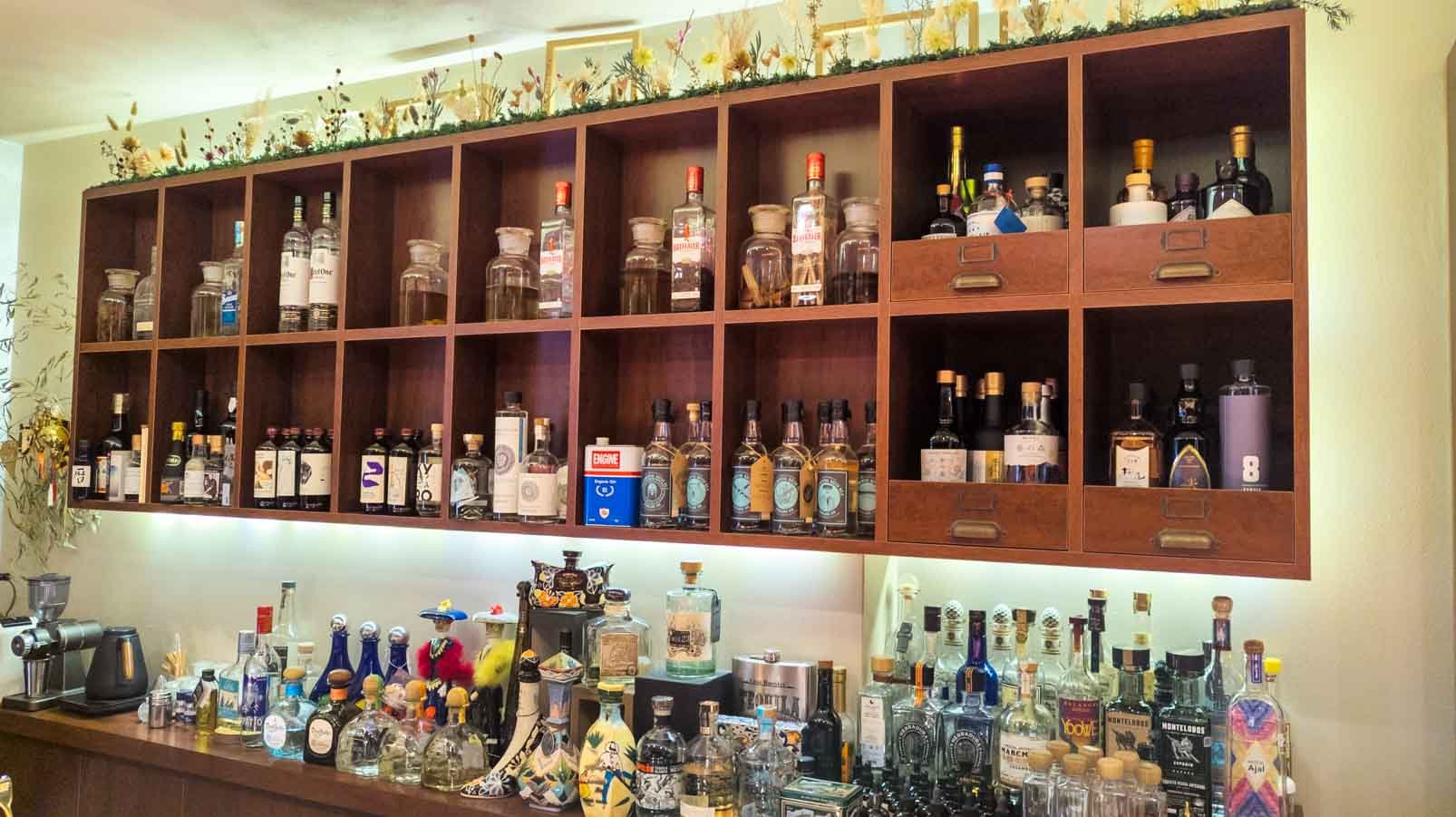
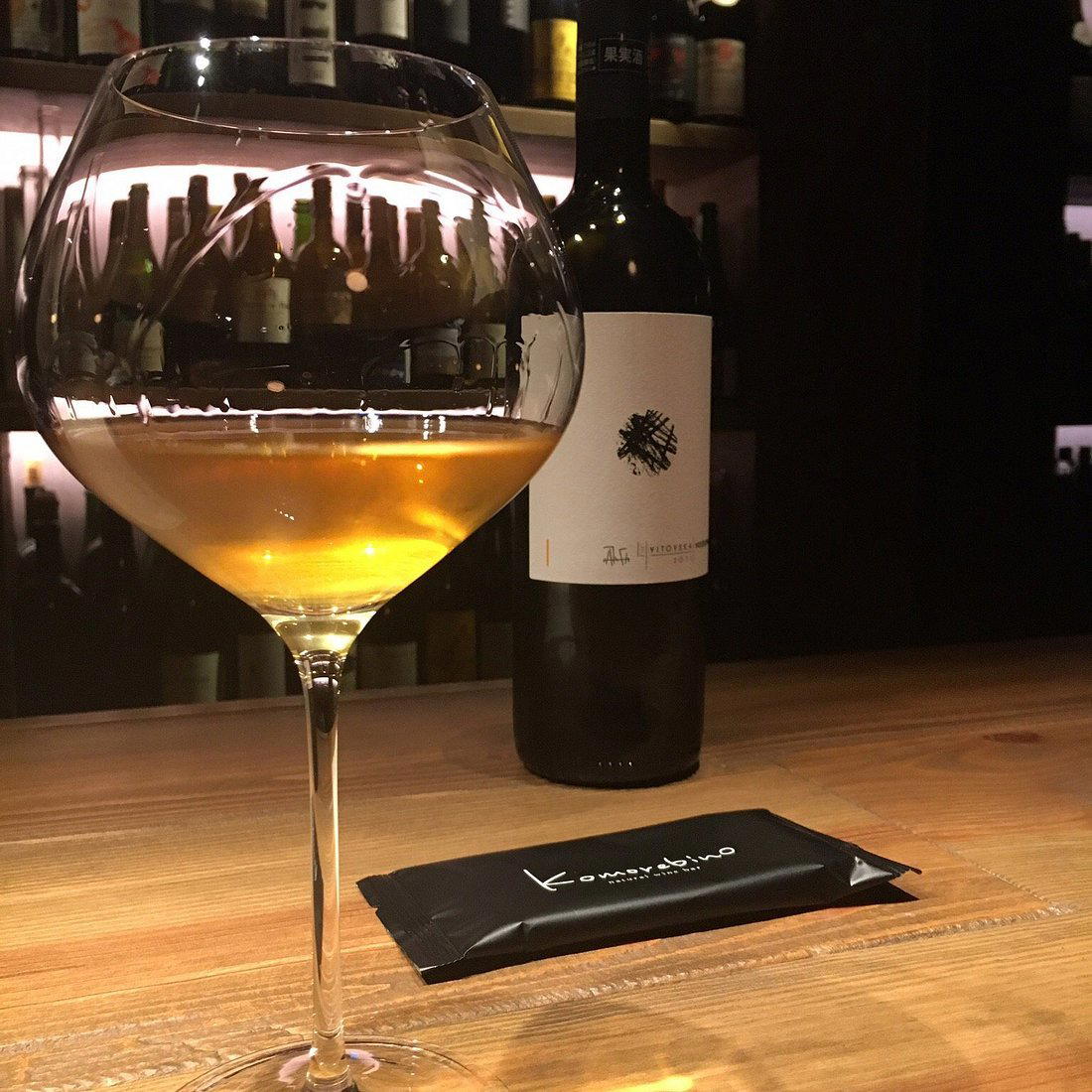
Bars in Kyoto
All bars in Kyoto →
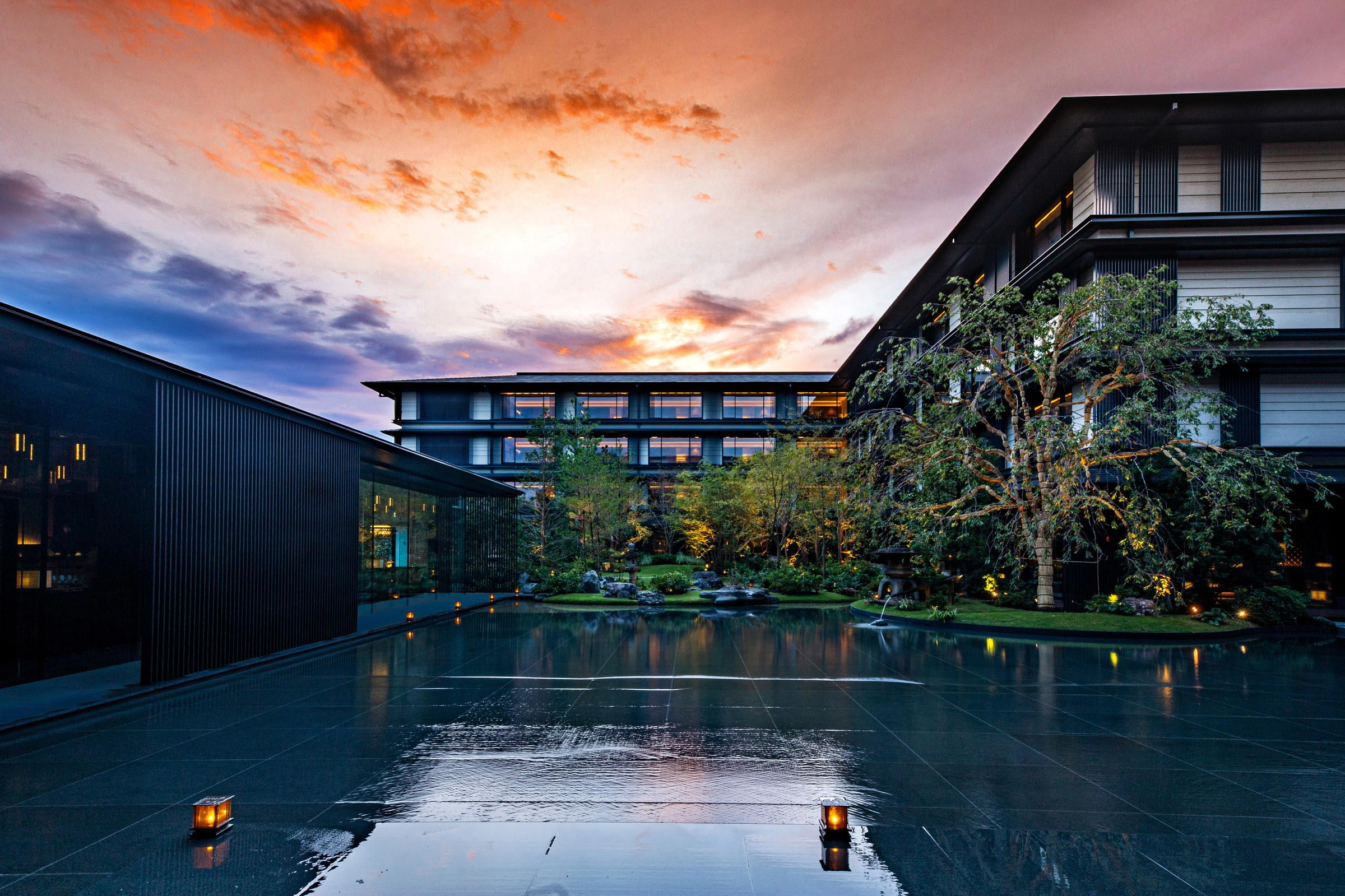
Hotels in Kyoto
All hotels in Kyoto →

Wineries in Kyoto
Browse all →
Details
- Minimalist
- Sophisticated
- Elegant
- Quiet
- Casual Hangout
- Special Occasion
- Group Dining
- Open Kitchen
- Chefs Counter
- Design Destination
- Sake Program
- Local Sourcing
- Organic
- Counter Dining
- A La Carte
- Sake
- Allergy Accommodating
Current opening hours
- Monday
- 11:30 AM–3 PM, 5:30–8:30 PM
- Tuesday
- 11:30 AM–3 PM, 5:30–8:30 PM
- Wednesday
- 11:30 AM–3 PM, 5:30–8:30 PM
- Thursday
- Closed
- Friday
- 11:30 AM–3 PM, 5:30–8:30 PM
- Saturday
- 11:30 AM–3 PM, 5:30–8:30 PM
- Sunday
- 11:30 AM–3 PM, 5:30–8:30 PM
Hours can change for holidays and private events. Hours as of .
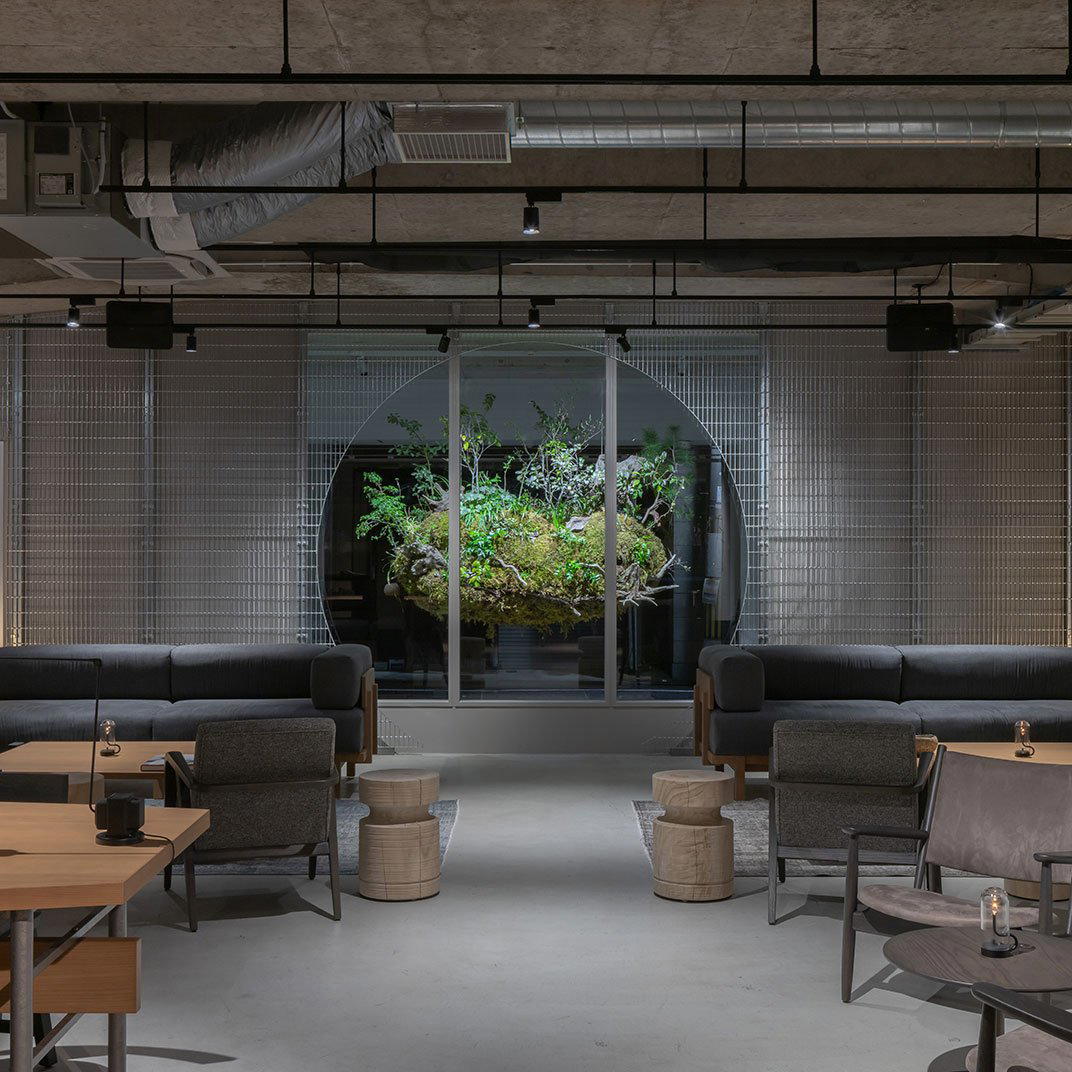
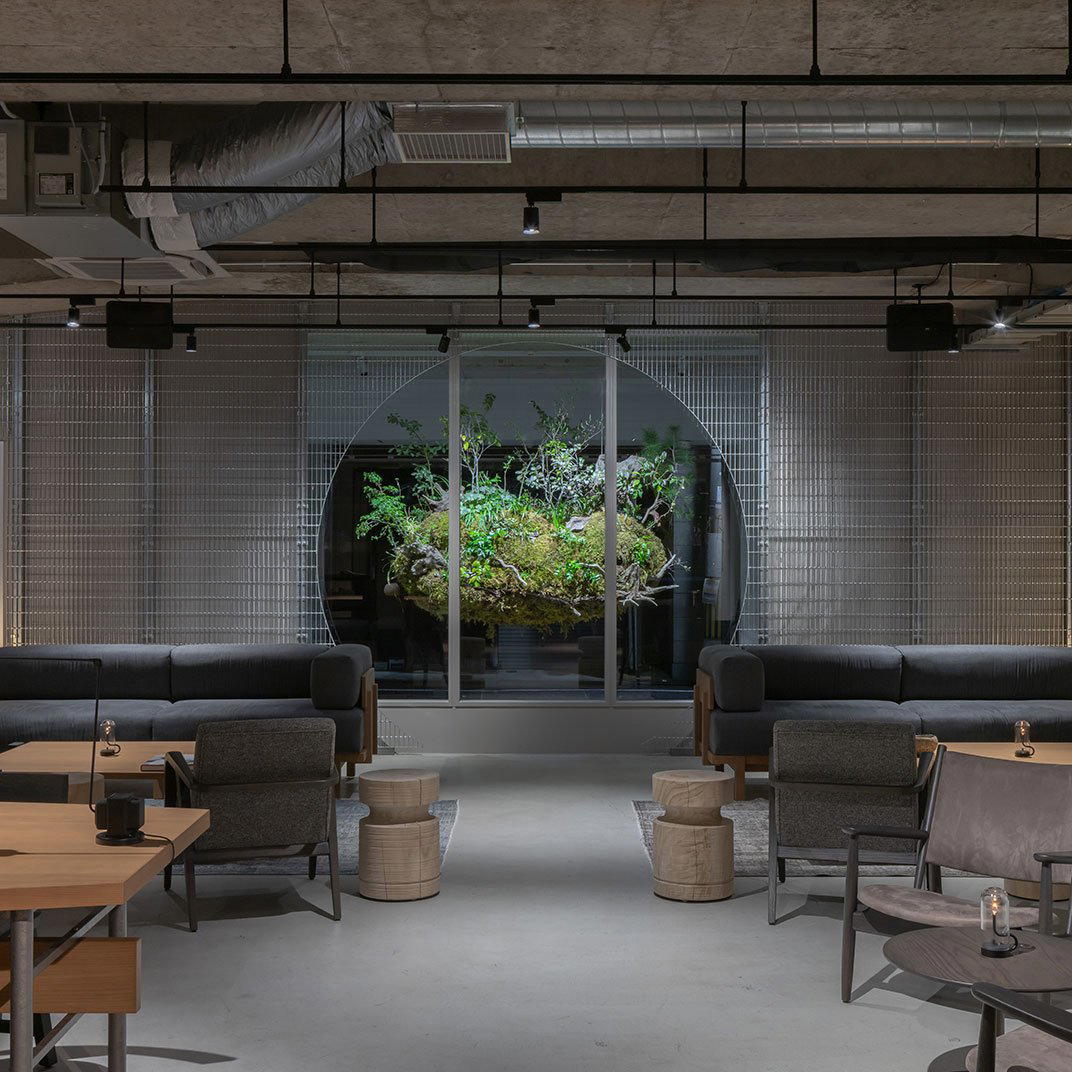
Industrial-zen sanctuary with sleek grey concrete counter, minimalist grey theme, and stylish renovation blending traditional Kyoto machiya charm with chic Western elements; warm, inviting, and refined.