

A Michelin Bib Gourmand ramen shop in Kyoto's Shimogyo Ward, KOBUSHI sits at the accessible end of a city more associated with kaiseki formality than casual bowls. For ramen at the ¥ price point with guide recognition behind it, KOBUSHI is a reliable reference point.
Pearl is the En Primeur Club membership app — saves, bookings, and concierge access live there. Same editors, same standards.
- Address
- 1-16 Sujakushokaicho, Shimogyo Ward, Kyoto, 600-8841, Japan
- Phone
- +81 75-351-3608
- Website
- twitter.com
- Directions
- Get directions
 Saves & bookings on Pearl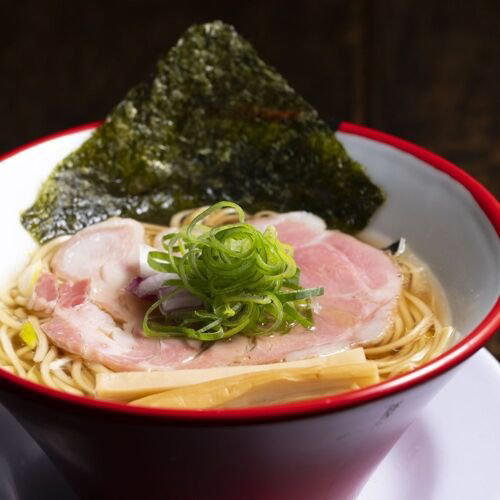
Where Shimogyo's Lunch Crowd Comes to Eat
Kyoto's dining identity is built around restraint and ceremony. The kaiseki tradition, represented at the leading end by places like HAJIME in Osaka or multi-star houses across the city, sets a tone that filters down through almost every segment of the local food scene. Against that backdrop, ramen occupies an interesting position: it is the format that breaks the formality entirely, operating on a different clock, a different price register, and a different social contract. In Shimogyo Ward, the ward that anchors Kyoto's commercial and transit core, that contract plays out most visibly at lunch.
KOBUSHI Ramen, sitting at 1-16 Sujakushokaicho, is part of a cluster of Shimogyo bowl shops that feed the neighbourhood through the midday rush. The address puts it within reach of Kyoto Station's foot traffic without being absorbed into the tourist-facing restaurant strip. That distinction matters. Ramen shops that survive on station overflow tend to optimise differently from those that build a regular local clientele, and the gap between them shows up in both the bowl and the atmosphere.
The Michelin Bib Gourmand in Context
The Bib Gourmand designation, which KOBUSHI holds for 2024, functions differently from a star. It signals that inspectors found cooking worth seeking out at a price point accessible enough to eat without planning a budget around it. In Kyoto, where the Michelin guide skews heavily toward kaiseki and multi-course Japanese formats, a Bib Gourmand for a ramen shop is a specific signal: the bowl clears a technical bar that the guide treats as meaningful, regardless of format.
To put that in perspective, Kyoto's starred tier includes kaiseki houses operating at ¥¥¥¥ price points with omakase formats and long advance booking windows. Venues like Goh in Fukuoka and Harutaka in Tokyo represent what the guide's upper tier looks like across Japan. KOBUSHI's ¥ pricing places it at the opposite end of that spectrum, which is precisely the Bib Gourmand's intended territory: cooking that earns recognition on merit rather than occasion.
Ramen shops in Kyoto's Bib Gourmand tier tend to be assessed against the local bowl style rather than against national ramen benchmarks. Kyoto ramen has its own character, typically defined by a chicken or pork-based broth with a pronounced richness that distinguishes it from lighter Tokyo shoyu or Hakata tonkotsu. Shops that earn guide notice in this city are usually doing something deliberate with that local idiom rather than offering a generic bowl format. For comparable ramen operations earning recognition across the city, Menya Inoichi and Kombu to Men Kiichi occupy a similar space in terms of guide-recognised quality at the accessible price tier.
Lunch Versus Dinner: How Service Splits at This Level
The editorial angle most useful for understanding KOBUSHI is not the bowl itself but the rhythm of the format. Ramen shops at the ¥ price point in Japanese cities operate on a fundamentally different schedule from their evening-only or multi-service counterparts. The economics of a single-digit-thousand-yen average spend mean that throughput drives the model. Lunch is where that model peaks.
During midday service, the social mix in a Shimogyo ramen shop is characteristically broad: office workers from nearby blocks, students, visitors using Kyoto Station as a base, and the kind of neighbourhood regulars who eat the same bowl three times a week because it costs less than a convenience store set meal and tastes considerably better. The atmosphere at this hour is functional and fast, with table turnover moving quickly and counter seats filling before the rush. It is the opposite of the contemplative pacing that defines a kaiseki lunch in the city's northern districts.
Evening service at shops of this type tends to thin out rather than intensify. Without an alcohol program or a reservation structure to anchor longer visits, the post-work crowd in Kyoto's central wards tends to migrate toward izakayas or the city's numerous standing bars. The evening bowl at a ramen counter is typically a solitary or small-group meal: quicker, quieter, and without the social energy of midday. For visitors whose Kyoto schedule is built around evening kaiseki commitments at places like Mendokoro Janomeya or higher-ticket formats, a KOBUSHI lunch can serve as a calibration point for the city's other tier entirely. See Muginoyoake and Chinese Noodles ROKU for other daytime bowl options operating in the same Shimogyo orbit.
The Michelin Bib Gourmand, assessed by anonymous professional inspectors against a consistent standard, is the more reliable signal for quality here. The two data points are measuring different things.
The city does not have the ramen density of Tokyo or Fukuoka, and the Bib Gourmand list in this category is short. KOBUSHI's position on that list, combined with its Shimogyo address and its ¥ price point, defines its utility clearly: this is where you eat well without a reservation, a budget commitment, or an evening to spare.
For context on how ramen has evolved as an export format, the Tokyo-originating Afuri operation, which now also has an outpost at Afuri Ramen in Portland, shows what happens when a Japanese bowl shop scales internationally. KOBUSHI represents the other end of that trajectory: a local-footprint single shop, guide-recognised, unscaled, and operating exactly as the format was designed to operate.
Ramen Within Kyoto's Wider Food Map
Visitors building a Kyoto itinerary around dining should account for the city's strong mid-tier and the relative scarcity of casual options at genuine quality. The kaiseki tradition dominates the conversation, and rightly so, but it crowds out attention from the bowl-shop tier that locals depend on. For those building a fuller picture of what Kyoto's restaurants cover across formats and price tiers, the full Kyoto restaurants guide maps the range. Supplementary planning for accommodation and evening options is covered in the Kyoto hotels guide, bars guide, wineries guide, and experiences guide. For those extending their Japan trip, akordu in Nara and 1000 in Yokohama represent strong anchors in adjacent cities.
Know Before You Go
Address: 1-16 Sujakushokaicho, Shimogyo Ward, Kyoto, 600-8841, Japan
Cuisine: Ramen
Price range: ¥
Awards: Michelin Bib Gourmand (2024)
Reservations: Not confirmed — walk-in format typical for this category
Ideal time to visit: Midday service for peak atmosphere and full throughput; evening tends to be quieter
Getting there: Shimogyo Ward; proximity to Kyoto Station makes this accessible from most central accommodation
What Regulars Order at KOBUSHI Ramen
The venue database does not confirm specific dishes, so no individual menu items can be stated with authority. What the Bib Gourmand designation implies is that inspectors found a specific bowl, or a short selection of bowls, worth returning to assess multiple times before awarding recognition. At Kyoto ramen shops operating in this tier, the standard order for a first visit is typically the house ramen, whatever the shop designates as its primary preparation, served at its default specification before any add-ons or adjustments. Regulars at guide-recognised shops in this city tend to order consistently rather than experimentally, treating the bowl as a fixed point rather than a rotating discovery. The ¥ price point means there is almost no financial barrier to eating twice in different sessions, which is the most direct way to understand what the shop does and why the Michelin inspectors came back.
How KOBUSHI Ramen Kyoto compares with similar nearby venues.
| Venue | Cuisine | Price | Awards |
|---|---|---|---|
| KOBUSHI Ramen | Ramen | ¥ | Tabelog 100 #36 (2025), Bib Gourmand |
| Muginoyoake | Ramen | ¥ | Not listed |
| Vegan Ramen UZU | Ramen | ¥¥ | Not listed |
| Menya Inoichi | Ramen | ¥ | Not listed |
| Chinese Noodles ROKU | Ramen | ¥ | Not listed |
| Mendokoro Janomeya | Ramen | ¥ | Not listed |
Recognition history
Dated appearances from independent guides and award organizations, with the underlying list record or original source where available.
Tabelog 100 #36 · No. 36
Tabelog · Tabelog 100 - Ramen - WEST - 2025
Michelin Bib Gourmand
Michelin
Continue exploring
More in Kyoto
Restaurants in Kyoto
Browse all →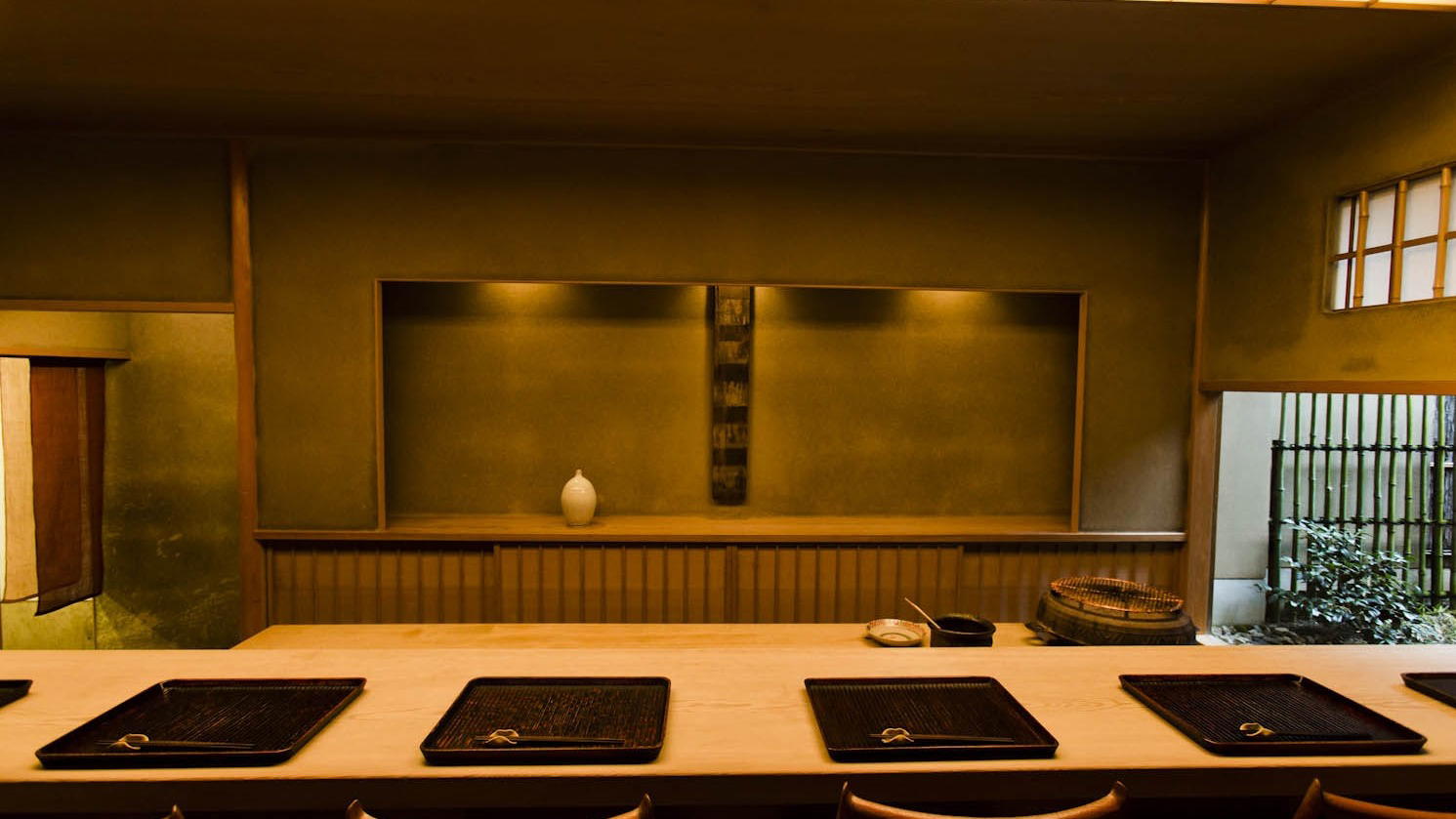
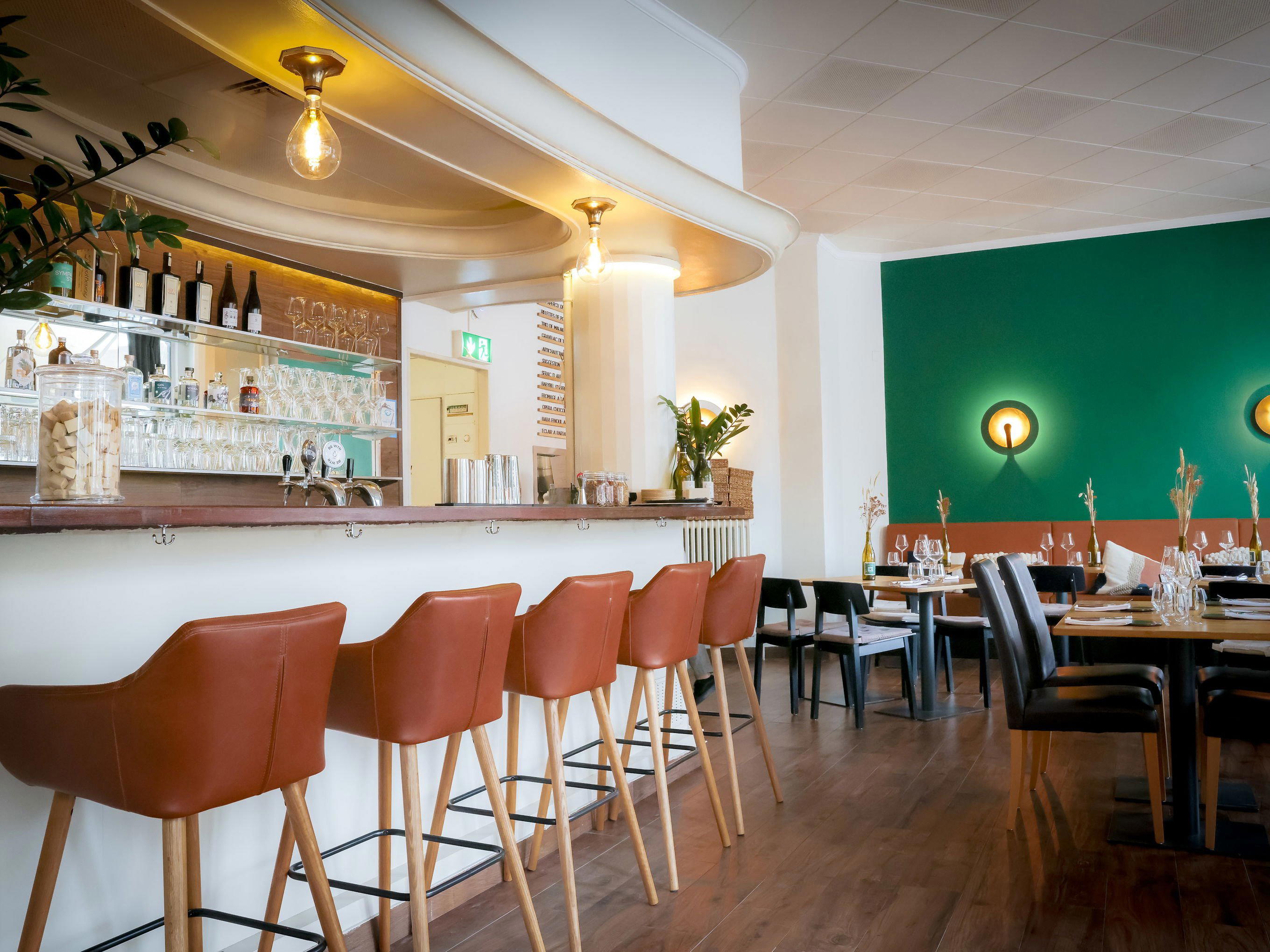
Bars in Kyoto
Browse all →
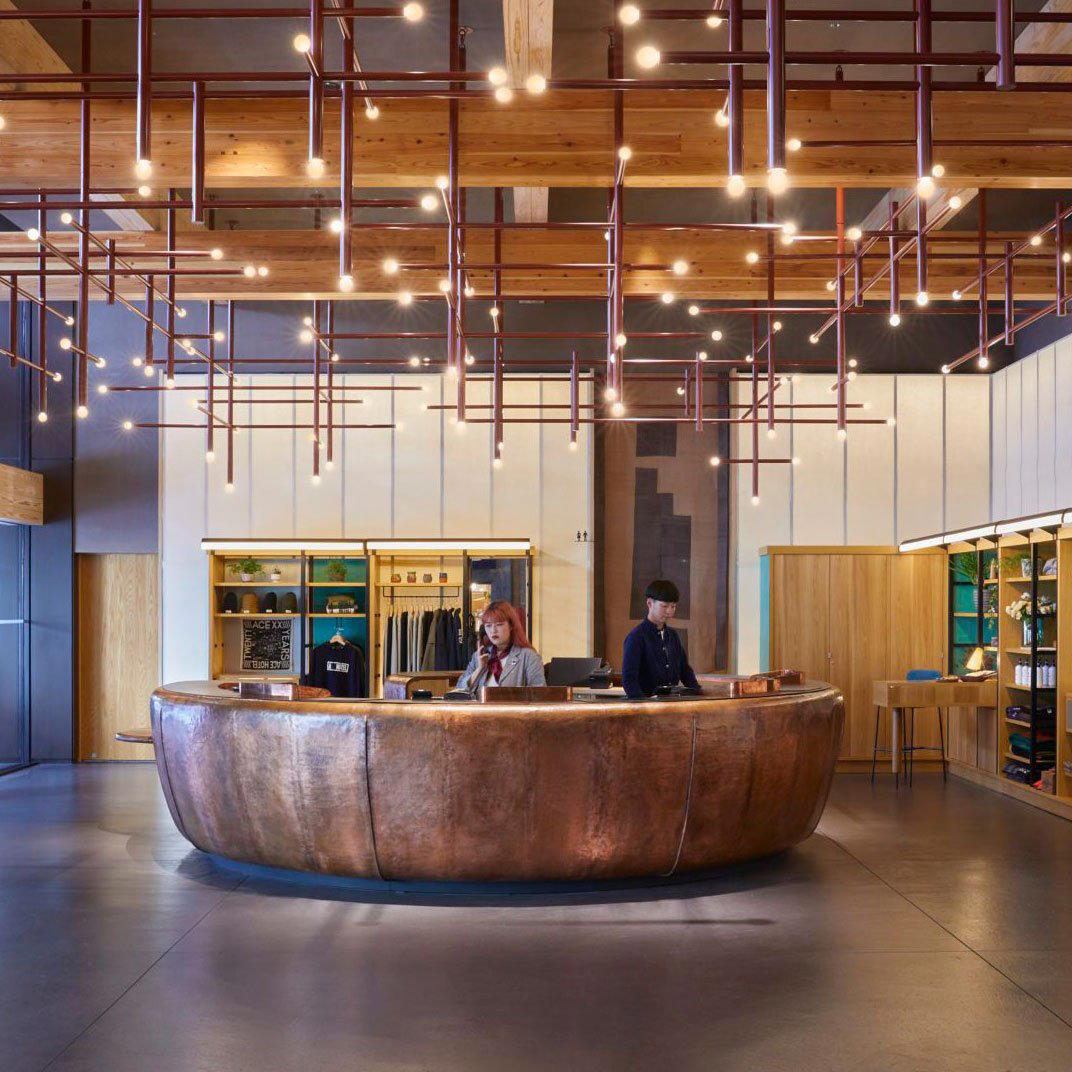
Hotels in Kyoto
Browse all →
Wineries in Kyoto
Browse all →
At a Glance
- Cozy
- Modern
- Solo
- Casual Hangout
- Sake Program
- Local Sourcing
Current opening hours
- Monday
- 11:30 AM–2:30 PM, 6–10 PM
- Tuesday
- 11:30 AM–2:30 PM, 6–10 PM
- Wednesday
- Closed
- Thursday
- 11:30 AM–2:30 PM, 6–10 PM
- Friday
- 11:30 AM–2:30 PM, 6–10 PM
- Saturday
- 11:30 AM–2:30 PM, 6–10 PM
- Sunday
- 11:30 AM–2:30 PM, 6–10 PM
Hours can change for holidays and private events. Last verified .
Sophisticated and relaxing counter seating space with a focus on quality ingredients.
Know Before You Go
- Getting there
- 1-16 Sujakushokaicho, Shimogyo Ward, Kyoto, 600-8841, Japan