
Chinese Noodles ROKU, inside Good Nature Station in Shimogyo Ward, holds consecutive Michelin Bib Gourmand recognition (2024 and 2025) for a ramen built on stocks drawn from duck, chicken, venison, and pork bones. Chef Yuji Iwasaki layers dried longan fruit and Chinese medicinal herbs into clear soup with a depth that places ROKU well outside the standard tonkotsu-shoyu axis. One of Kyoto's most considered bowls at a single-¥ price point.
Pearl is the En Primeur Club membership app — saves, bookings, and concierge access live there. Same editors, same standards.
- Address
- Japan, 〒600-8031 Kyoto, Shimogyo Ward, Inaricho, 二丁目318-6 GOOD NATURE STATION ホーム 2
- Phone
- +81 75-708-5199
- Website
- instagram.com
- Directions
- Get directions
 Saves & bookings on Pearl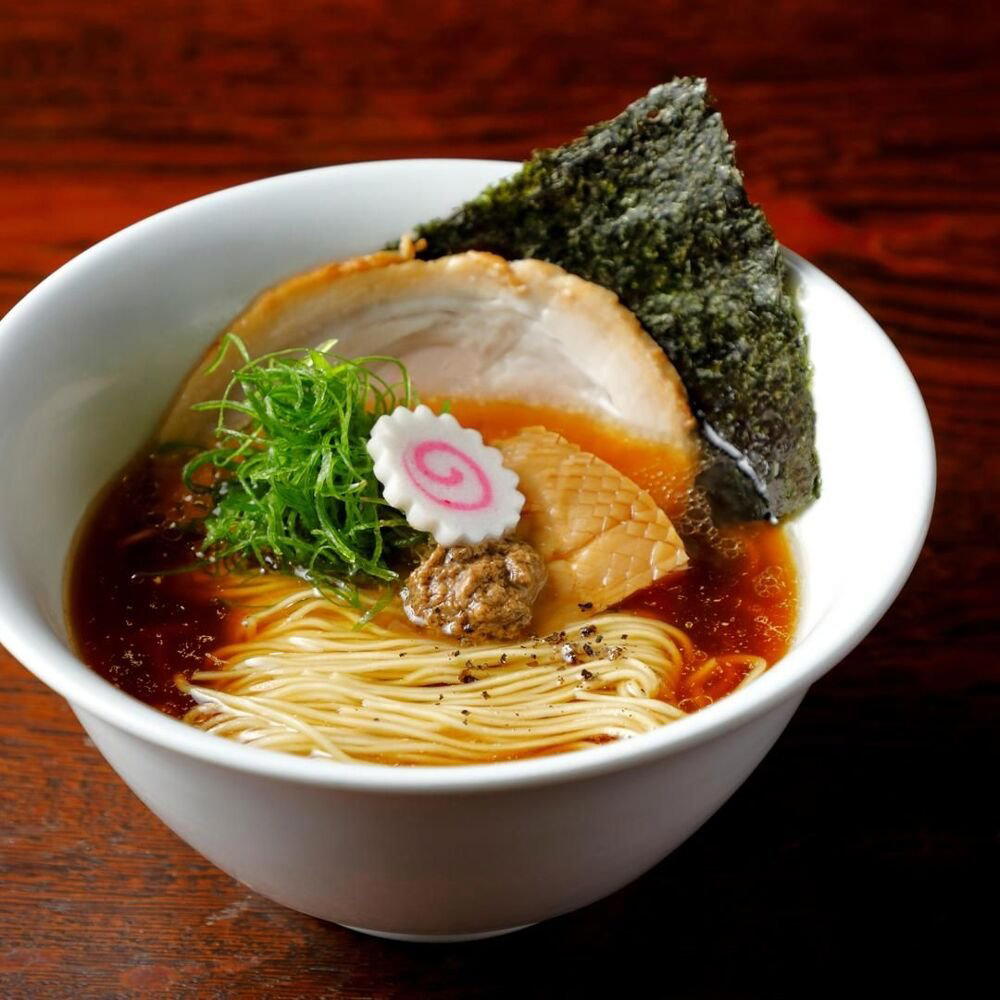
Where Kyoto's Ramen Scene Sits — and Where ROKU Fits Within It
Kyoto's ramen identity has always run parallel to its kaiseki reputation rather than in competition with it. The city's most-discussed bowls tend toward restraint: lighter-toned chicken-based stocks, clean finishes, and an aversion to the heavy pork-fat richness that defines Fukuoka or Sapporo ramen. That preference for subtlety has created a niche in which technically considered soups — ones built on layered umami rather than sheer richness, can find an audience willing to queue and return. Back-to-back Michelin Bib Gourmand awards in 2024 and 2025 confirm its standing in the city's ramen conversation.
The Bib Gourmand tier, Michelin's designation for cooking that offers notable quality at a moderate price, carries specific meaning in a city where the starred table occupies a very different register. Venues like Gion Sasaki at three stars, or Ifuki and Kyokaiseki Kichisen at two, anchor Kyoto's high-end Japanese dining at ¥¥¥¥ price points. ROKU operates at a single ¥, which means the Bib recognition is not just an acknowledgment of value but a statement that the cooking achieves something technically coherent at a fraction of that cost. In the context of the Kyoto dining tier structure, that gap is substantial.
The Stock: A Multi-Protein Approach with Chinese Herbal Framing
The technical foundation of ROKU's soup sets it apart from most ramen counters in the city. Where many Kyoto shops commit to a single-protein stock, typically chicken or a lighter pork, Chef Yuji Iwasaki draws from duck, chicken, venison, and pork bones simultaneously. Multi-protein stocks are not without precedent in ramen, but their combination with Chinese medicinal herbalism, specifically dried longan fruit, situates ROKU within a different intellectual tradition. Dried longan, a fruit used in Chinese herbal medicine for its sweet, slightly floral properties, contributes to the clear soup's umami depth in a way that a standard kombu-and-katsuobushi dashi would not. This is a soup that references classical Chinese culinary medicine as much as Japanese ramen technique.
Clear soup format itself is worth pausing on. Clear broths in ramen demand more of the stock-making process than opaque tonkotsu styles, because there is nowhere to hide imbalance. The transparency of the liquid is, in effect, a declaration of confidence. That ROKU achieves depth under those conditions, using dried longan and what the venue describes as a medley of dried foods, reflects a stock-building approach rooted in classical Chinese dried-ingredient technique. Comparable precision at a similar price point in Kyoto is available at a handful of counters: Kombu to Men Kiichi and Menya Inoichi both work within the clear-soup discipline, while KOBUSHI Ramen and Mendokoro Janomeya represent different technical positions within the city's ramen range.
Seasoning Logic: The Add-On Approach
Editorial angle most often applied to wine programs, cellar depth, layering, the architecture of flavour across time, translates with unusual precision to ROKU's seasoning philosophy. Iwasaki's documented 'add-on' approach to seasoning functions like a sommelier's blending decisions: individual components are introduced in sequence, each modifying the cumulative effect of what precedes it. Rather than a single seasoning tare applied at a fixed ratio, this method implies ongoing calibration. The result is a bowl in which flavour arrives in phases rather than as a single-note impact. That kind of considered accumulation is what separates technically ambitious ramen from competent ramen.
This approach also connects ROKU to the broader Velrosier group identity, within which ROKU operates as a ramen-focused expression of Chinese culinary heritage. The emphasis on gourmet Chinese cooking principles, dried longan is explicitly framed as something a gourmet of Chinese cuisine would reach for, signals a deliberate positioning away from Japanese ramen orthodoxy and toward a more hybrid, historically grounded reference frame. It is a meaningful distinction in a city where most ramen counters orient themselves primarily within the Japanese noodle tradition. For readers exploring this cross-cultural ramen strand further, Muginoyoake offers a useful comparative data point within the Kyoto scene.
The Room and the Location
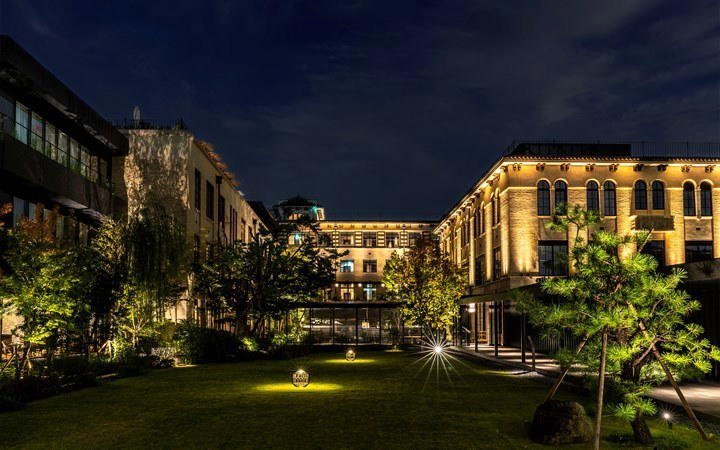
ROKU is housed inside Good Nature Station, a commercially integrated building in Shimogyo Ward on Inaricho. Good Nature Station is a multi-tenant complex with a food and wellness retail focus, which places ROKU in a somewhat designed retail context rather than in a standalone shopfront or alley counter. That environment is neither an asset nor a liability on its own terms, what matters is what arrives in the bowl, but it does affect the approach to the visit. Shimogyo Ward sits between Kyoto Station and Gion, making it accessible from most of the city's major accommodation corridors without requiring additional transit. For visitors anchoring their Kyoto itinerary to food, the ward's density of serious cooking across price points makes it a practical base.
ROKU Within a Wider Japan Ramen and Dining Circuit
For readers building a Japan-wide dining itinerary, ROKU's technical orientation connects to a broader set of reference points. Afuri in Tokyo represents the yuzu-shio end of Japan's premium ramen spectrum, while Afuri Ramen in Portland shows how that format has travelled internationally. At the higher end of Japan's dining register, HAJIME in Osaka, Harutaka in Tokyo, akordu in Nara, Goh in Fukuoka, 1000 in Yokohama, and 6 in Okinawa map the broader topography of serious Japanese cooking across the archipelago. Within Kyoto itself, our full Kyoto restaurants guide provides the most current coverage across all categories and price tiers.
Planning the Visit
The single-¥ price tier means this is an accessible lunch or dinner stop, not a reservation that requires weeks of lead time in the way starred Kyoto kaiseki does. That said, Bib Gourmand recognition reliably increases foot traffic at any venue, and the Good Nature Station location means weekend demand may be higher than a back-street counter of similar quality would attract. Visiting at off-peak hours, mid-afternoon where hours permit, or early service, is a reasonable precaution. Current hours and any booking requirements should be verified directly, as EP Club's data does not include them at this time. For broader Kyoto planning, our Kyoto hotels guide, our bars guide, our wineries guide, and our experiences guide cover the full range of what the city offers at EP Club's editorial standard.
Price and Recognition
| Venue | Cuisine | Price | Awards |
|---|---|---|---|
| Chinese Noodles ROKUThis venue — the venue you are viewing | Ramen | ¥ | Bib Gourmand |
| Gion Sasaki | Kaiseki, Japanese | ¥¥¥¥ | Michelin 3 Star |
| cenci | Italian | ¥¥¥ | Michelin 1 Star |
| Ifuki | Kaiseki | ¥¥¥¥ | Michelin 2 Star |
| Kyokaiseki Kichisen | Japanese | ¥¥¥¥ | Michelin 2 Star |
| Kyo Seika | Chinese | ¥¥¥ | Michelin 1 Star |
Recognition history
Dated appearances from independent guides and award organizations, with the underlying list record or original source where available.
Michelin Bib Gourmand
Michelin
Michelin Bib Gourmand
Michelin
Michelin Bib Gourmand
Michelin
Continue exploring
More in Kyoto
More from Chef Yuji Iwasaki
Browse all →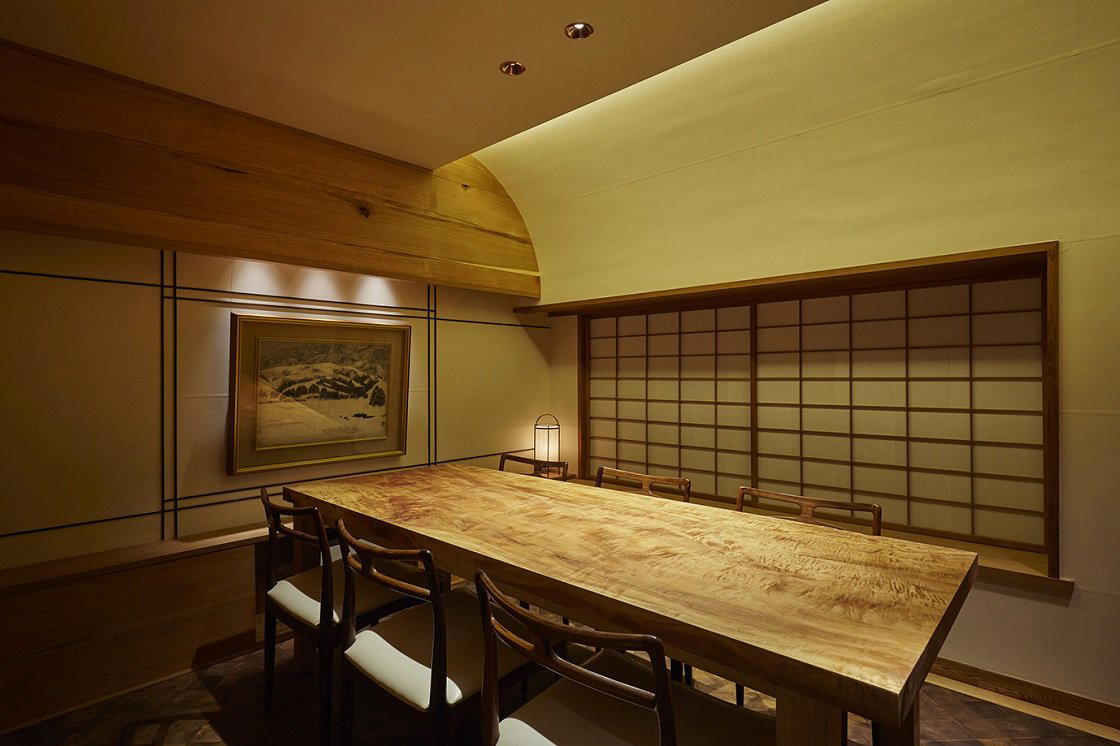
Restaurants in Kyoto
Browse all →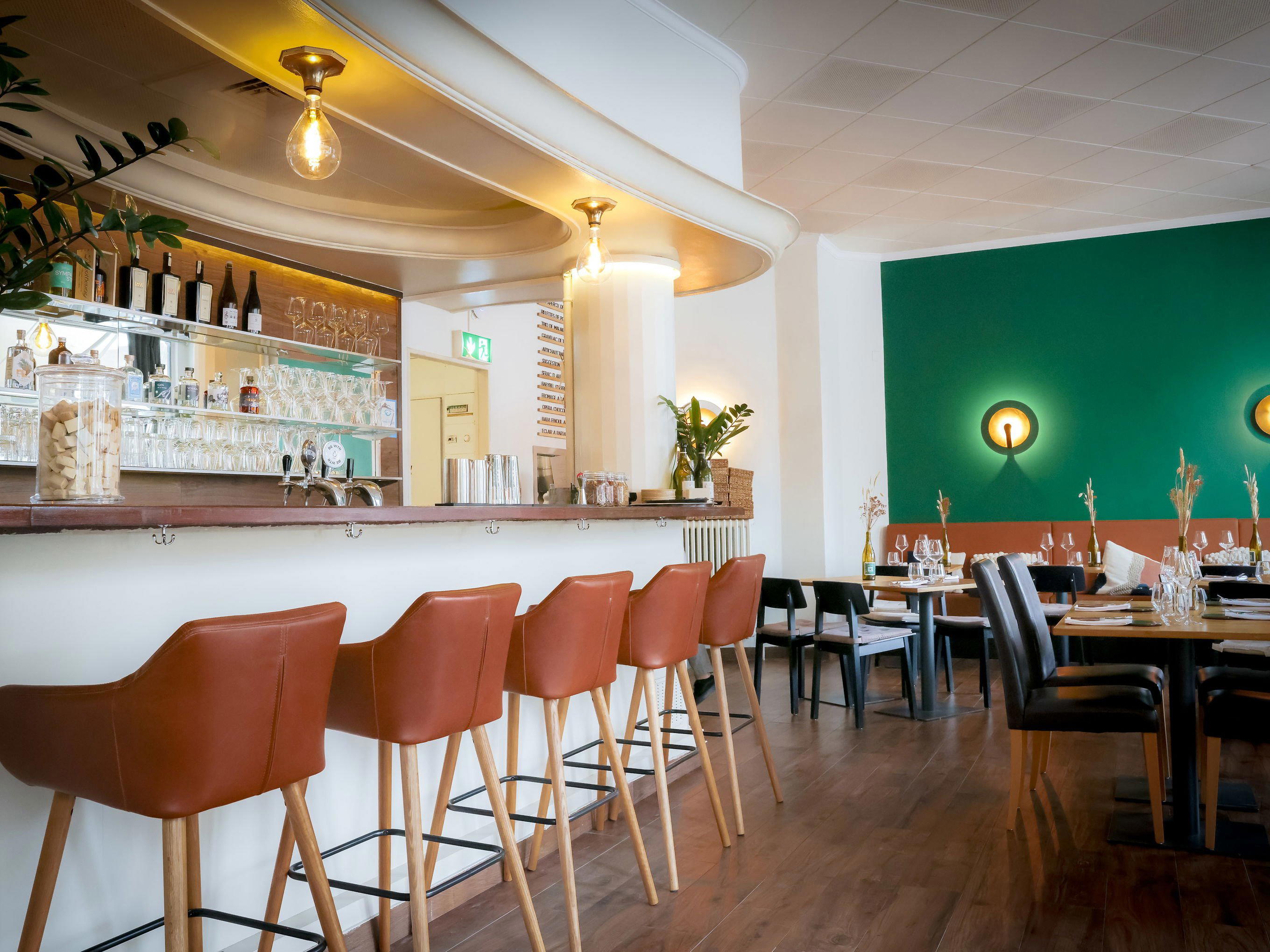
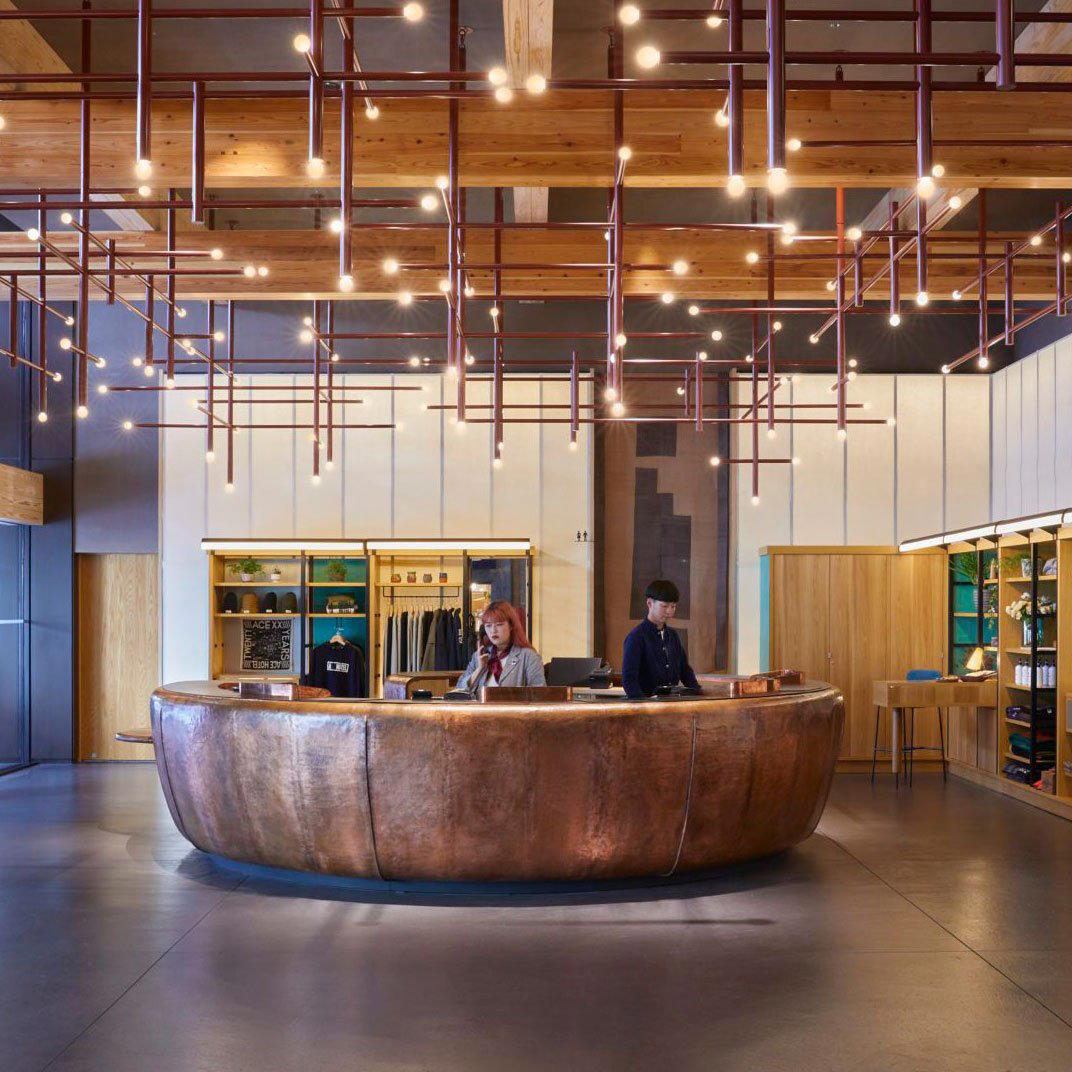
Bars in Kyoto
Browse all →
Hotels in Kyoto
Browse all →


Wineries in Kyoto
Browse all →
At a Glance
- Modern
- Cozy
- Minimalist
- Casual Hangout
- Solo
- Open Kitchen
- Sake Program
Current opening hours
- Monday
- 11 AM–2:30 PM, 6–8:30 PM
- Tuesday
- 11 AM–2:30 PM, 6–8:30 PM
- Wednesday
- 11 AM–2:30 PM, 6–8:30 PM
- Thursday
- 11 AM–2:30 PM, 6–8:30 PM
- Friday
- 11 AM–2:30 PM, 6–8:30 PM
- Saturday
- 11 AM–2:30 PM, 6–8:30 PM
- Sunday
- 11 AM–2:30 PM, 6–8:30 PM
Hours can change for holidays and private events. Last verified .
Compact bar-style seating with a serene tree inside, modern Japanese space, inviting aromas of simmering broths.
Know Before You Go
- Getting there
- Japan, 〒600-8031 Kyoto, Shimogyo Ward, Inaricho, 二丁目318-6 GOOD NATURE STATION ホーム 2