
Michelin Plate
Our verdict
Datenbank sits in Chengdu's Qingyang District as a Michelin Plate-recognised address for innovative cuisine, holding. Positioned at the mid-premium tier, it represents a strand of Chengdu dining that moves beyond the Sichuan canon into more experimental territory, while remaining rooted in the city's appetite for serious, considered cooking.

Pearl is the En Primeur Club membership app — saves, bookings, and concierge access live there. Same editors, same standards.
- Address
- M394+42Q, Kuixinglou St, Qingyang District, Chengdu, Sichuan, China, 610014
- Phone
- +86 193 8216 7004
- Hours
- Daily 10 AM–10 PM
- Directions
- Get directions
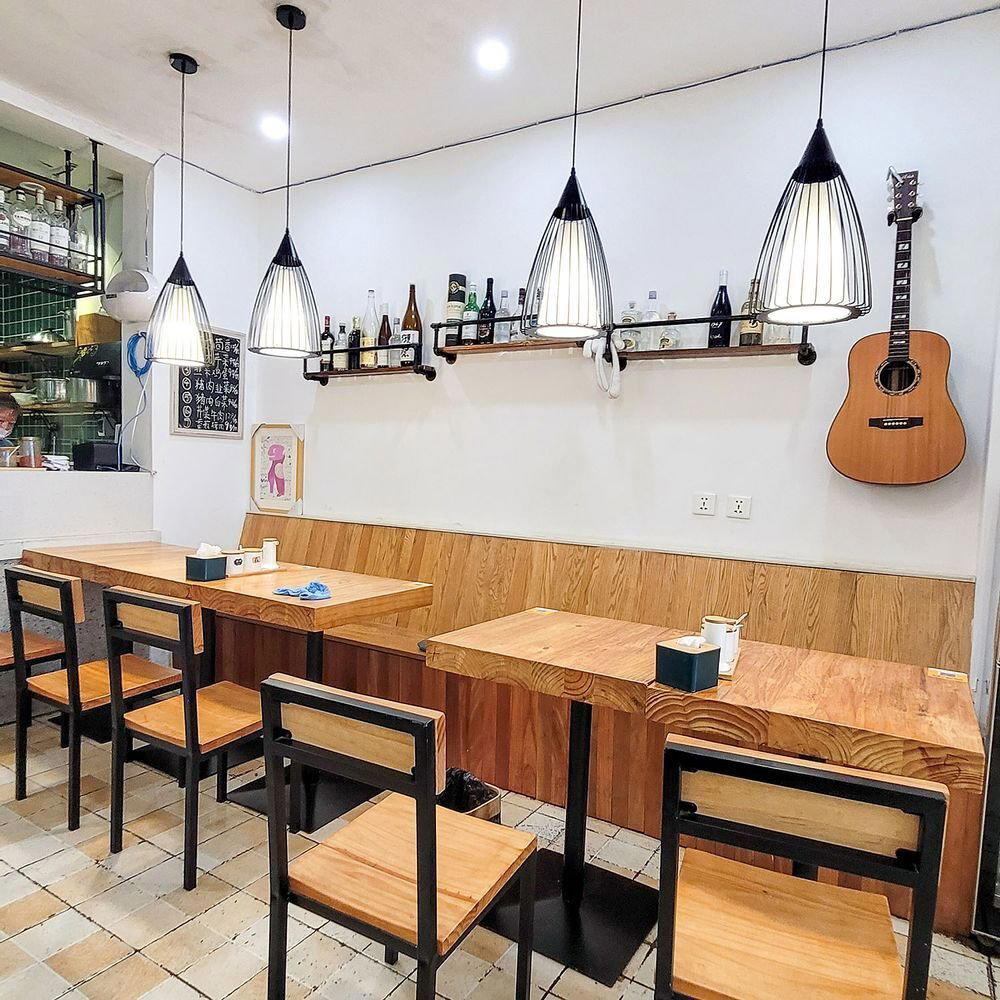
The menu
What to order
- Mapo tofu
Where Chengdu's Innovative Dining Finds Its Register
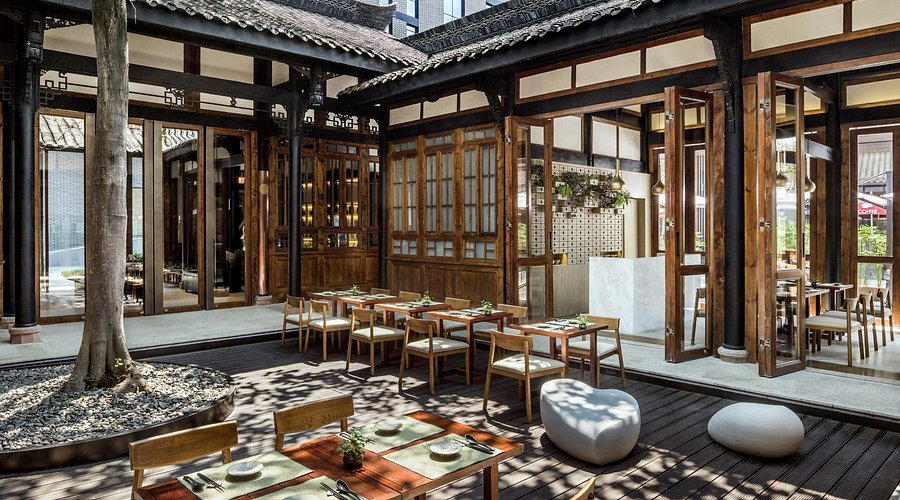
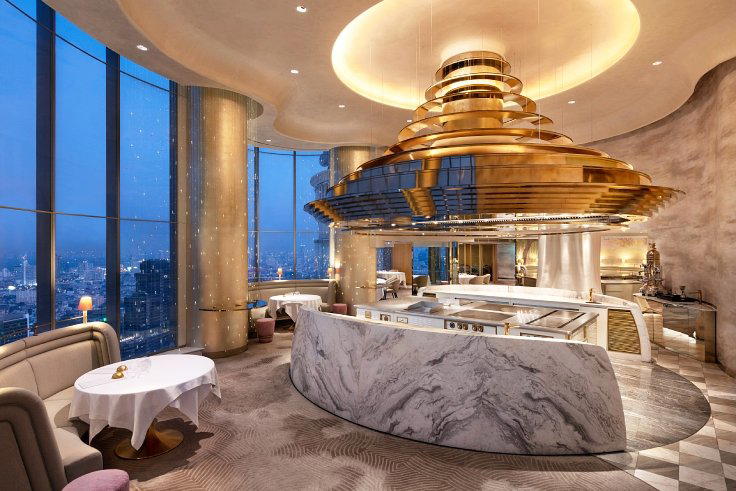
Kuixinglou Street in Qingyang District sits at an interesting intersection in Chengdu's dining geography. The neighbourhood carries enough of the city's older commercial and residential character to feel grounded rather than designed, and restaurants here tend to appeal to locals who know the difference between a room that performs and one that simply works. Arriving at Datenbank, the tone reads as deliberate restraint: the kind of space that signals intent through what it leaves out rather than what it puts in. That restraint is a considered position within a city whose most famous cooking traditions are anything but quiet.
Chengdu's Michelin-recognised restaurants split fairly cleanly into two camps. The first is the Sichuan-canon tier, where addresses like Yu Zhi Lan (Sichuan) and Fang Xiang Jing (Sichuan) operate at the ¥¥¥¥ level with two-star recognition, serving technically precise versions of the regional repertoire. The second, smaller camp is the innovative tier, where kitchens work against or across that tradition rather than within it. Datenbank sits in this second camp at the ¥¥¥ price point, a bracket that suggests it is pricing as an accessible entry into serious creative cooking rather than competing directly with the ¥¥¥¥ houses like Co-. Its 2024 Michelin Plate places it on the inspectors' radar without the starred designation, which is a different kind of signal: watched, noted, and worth the visit on its own terms.
The Innovative Tier in a Sichuan City
The rise of innovative dining in Chengdu mirrors a pattern visible across Chinese cities with strong regional identities. In cities where the local cuisine is defined and codified to a high degree, restaurants that step outside that frame tend to occupy an ambiguous but interesting position. They borrow the local palate, the preference for intensity and complexity, but route it through formats and techniques that owe as much to international fine dining as to the Sichuan tradition. The results can feel schizophrenic in less disciplined hands, but when the calibration is right, they produce something that reads as genuinely local while refusing to be reducible to it.
Comparable moves are being made elsewhere in China's restaurant scene. 102 House in Shanghai and Ru Yuan in Hangzhou each operate in this register of creative cooking that references regional identity without being bound by it. Across Asia more broadly, the innovative category has matured considerably: alla prima in Seoul and MAZ in Tokyo represent how far the format has developed in cities with established fine dining ecosystems. Chengdu's version of this conversation is younger but accelerating.
The Cellar in Context: Wine in Chengdu's Creative Dining Scene
For a city whose native cuisine is built around bold, numbing spice and layered aromatics, wine has historically been an afterthought in Chengdu dining rooms. Pairing Sichuan flavours with a conventional wine program is genuinely difficult: the numbing effect of Sichuan peppercorn tends to mute tannin and suppress the more delicate registers of fine wine, which pushes thoughtful sommeliers towards lighter, more aromatic options. Riesling, Chenin Blanc, and certain styles of Gamay tend to survive the encounter better than most.
At the innovative tier, where the menu is built with deliberate choice rather than tradition, there is more room for a wine program to function as genuine accompaniment rather than mere offering. Restaurants in this category across China have increasingly treated the cellar as a curatorial statement: not necessarily deep in volume, but pointed in selection, often with European natural wine and Asian producers sitting alongside more conventional fine wine. Whether Datenbank pursues this kind of program specifically is something to establish on booking, but the category logic points that direction, and the price tier makes a considered list plausible without demanding the extensive cellar investment of a ¥¥¥¥ address.
The comparison with how Chef Tam's Seasons in Macau or Imperial Treasure Fine Chinese Cuisine in Guangzhou approach wine service is instructive. Both operate at a tier where the wine list is expected to carry real weight. At the ¥¥¥ mid-premium level, the pressure is different: the program needs to reward guests who care without alienating those who arrive primarily for the food. That tonal calibration is its own skill, and in Chengdu's innovative dining segment, it remains one of the sharpest differentiators between rooms that have settled into their identity and those still finding it.
Where Datenbank Sits Among Chengdu Peers
Positioning matters in a city where the dining scene has developed as quickly as Chengdu's. The relevant comparison is with other Michelin-noted innovative restaurants at the mid-premium tier, where the 2024 Plate recognition puts Datenbank in a watched position rather than a confirmed one.
At the other end of the Chengdu innovative spectrum, Co- operates at ¥¥¥¥ without Michelin recognition, which complicates a simple price-to-award reading and suggests that in Chengdu's creative dining tier, the inspectors are not simply rewarding spend. Brustin and Xin Rong Ji (Taizhou) round out a scene where the mid-premium bracket is contested and, in some ways, more interesting to watch than the established starred tier. Dai Yuet Heen in Nanjing and Xin Rong Ji (Xinyuan South Road) in Beijing offer reference points for how similarly positioned restaurants develop in China's other major dining cities.
Planning Your Visit
Datenbank is located on Kuixinglou Street in Qingyang District, central enough to combine with Chengdu's cultural circuit in that part of the city. At the ¥¥¥ price range, a full dinner for two will place you in the mid-premium bracket by Chengdu standards, above the casual Sichuan staples and below the prestige starred houses. There is no public booking platform or contact listed, so confirming reservation logistics directly will require a local inquiry or a hotel concierge if you are arriving from outside China.
For a fuller picture of what Chengdu's dining scene offers across price points and styles, our full Chengdu restaurants guide covers the range. Broader city planning is supported by our full Chengdu hotels guide, our full Chengdu bars guide, our full Chengdu wineries guide, and our full Chengdu experiences guide.
Frequently asked questions
What awards or recognition does Datenbank have?
Datenbank has received recognition including: Michelin Plate (2024).
What do people recommend at Datenbank?
The ¥¥¥ pricing positions it in Chengdu's mid-to-upper tier, where the kitchen is expected to do more than reframe Sichuan standards. For specific current dishes, checking recent diner reviews closer to your visit will give you the most accurate picture.
How much does it cost to eat at Datenbank?
Pricing at Datenbank is listed as ¥¥¥.
Where is Datenbank in Chengdu?
Datenbank is located at M394+42Q, Kuixinglou St, Qingyang District, Chengdu, Sichuan, China, 610014, Chengdu.
Do I need a reservation for Datenbank?
At a Michelin Plate-recognised address in Qingyang District, walk-in availability is unreliable, particularly on weekends and during Chengdu's peak dining periods. Booking ahead is the practical approach. Contact details are not currently listed, so reaching out via the venue directly or through a local concierge is the most dependable route to securing a table.
Cuisine and Awards Snapshot
Comparable venues nearby, for context on price, style, and recognition.
| Venue | Cuisine | Price | Awards | Notes |
|---|---|---|---|---|
| DatenbankThis venue — the venue you are viewing | Innovative Sichuan-Mexican Fusion | Not listed | Michelin Plate | Not listed |
| Nan Tang (Tianshun Road) | Sichuan Cuisine | Not listed | Michelin Plate | Chengdushi |
| Xue Tao · In the Yard | Refined Sichuan Home Cooking | $50–100 | Michelin Plate | Chengdushi |
| #8 | Sichuan Hotpot | Not listed | Michelin Plate · Black Pearl 1 Diamond | Chengdushi |
| China Samite - Hot Pot (Wuhouci Street) | Modern Sichuan Hot Pot | $30–50 | Michelin Plate | Chengdushi |
| Chanyue Vegetarian | Modern Sichuan Vegetarian | $20–30 | Michelin Plate | Chengdushi |
Recognition history
Dated appearances from independent guides and award organizations, with the underlying list record or original source where available.
Michelin Plate
Michelin

Details
- Intimate
- Modern
- Minimalist
- Solo
- Date Night
- Special Occasion
- Open Kitchen
- Extensive Wine List
- Tasting Menu
- Kombucha
Current opening hours
- Monday
- 10 AM–10 PM
- Tuesday
- 10 AM–10 PM
- Wednesday
- 10 AM–10 PM
- Thursday
- 10 AM–10 PM
- Friday
- 10 AM–10 PM
- Saturday
- 10 AM–10 PM
- Sunday
- 10 AM–10 PM
Hours can change for holidays and private events. Last verified .
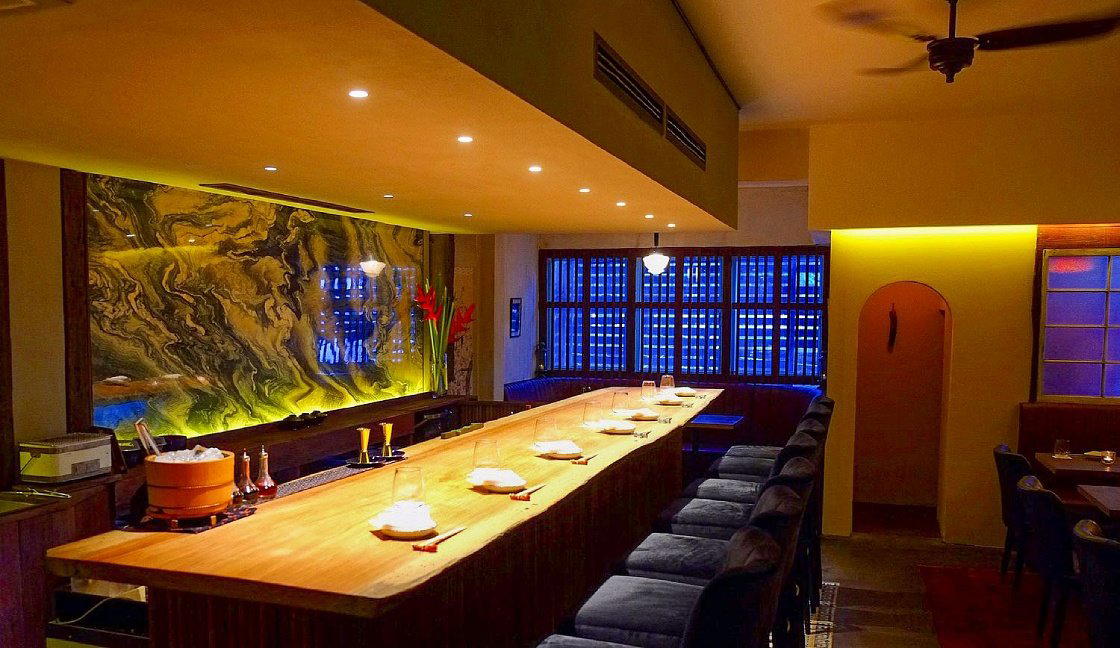
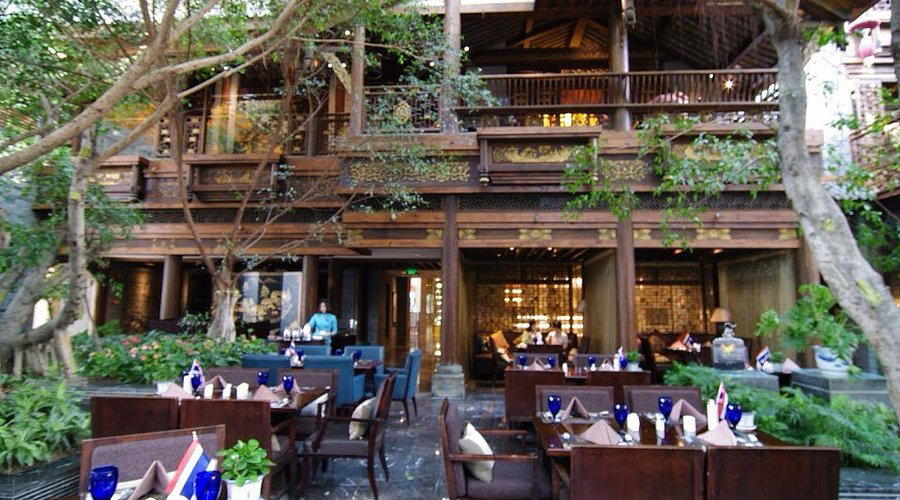
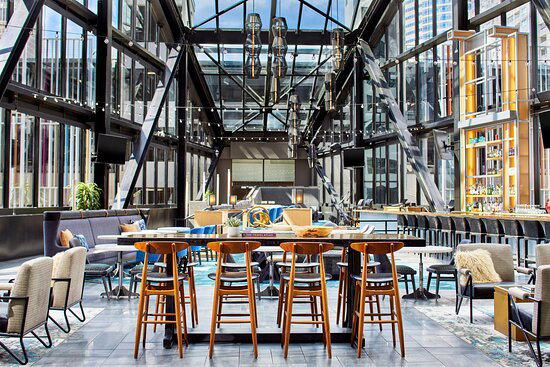
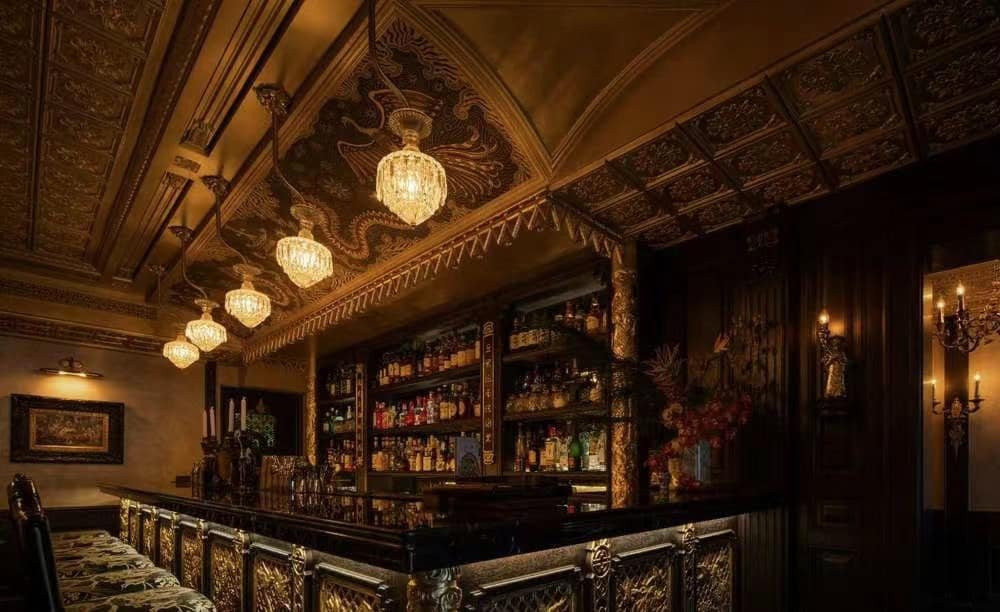
Softly lit cavern of stone and shadow with raw handmade stoneware creating a hushed, tactile atmosphere.