MapleTree House

MapleTree House occupies a quiet lane off Itaewon-ro in Seoul's Yongsan District, sitting within a neighbourhood that has long served as a pressure test for Seoul's most ambitious dining concepts. With sparse public data and no listed awards, the venue operates below the radar of the city's decorated fine-dining circuit, positioning it as a candidate for the growing tier of intimate, credential-light restaurants that rely on word-of-mouth and repeat custom rather than Michelin visibility.
Pearl is the En Primeur Club membership app — saves, bookings, and concierge access live there. Same editors, same standards.
- Address
- 26 Itaewon-ro 27ga-gil, 이태원1동 Yongsan District, Seoul, South Korea
- Phone
- +82 2 790 7977
- Website
- mapletreehouse.co.kr
- Directions
- Get directions
 Saves & bookings on Pearl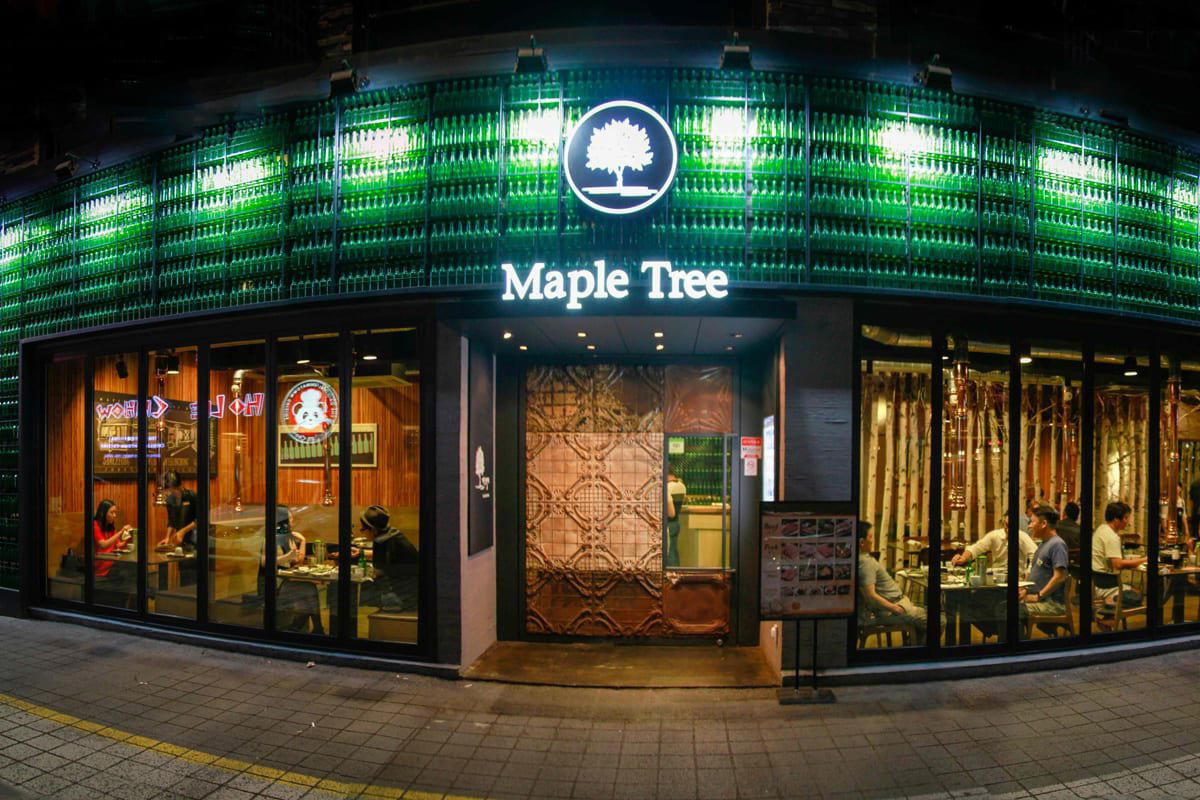
Itaewon's Quieter Register
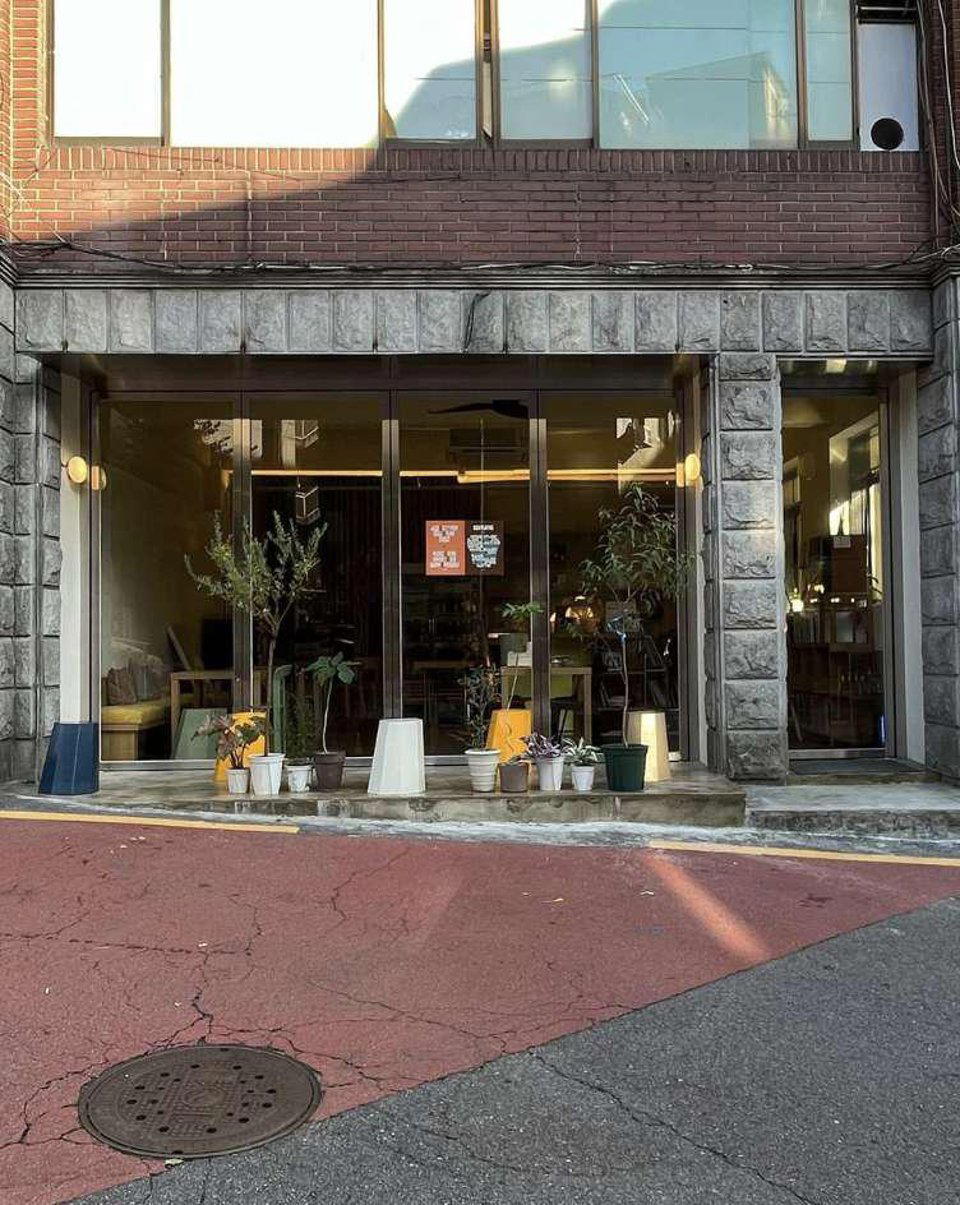
Seoul's Yongsan District has spent the better part of a decade shedding its reputation as a purely expat-facing neighbourhood and reasserting itself as a serious dining address. The streets running off Itaewon-ro now hold a cross-section of the city's dining ambition: high-concept Korean tasting menus, neighbourhood wine bars, and a handful of smaller rooms that operate without the scaffolding of awards or high-profile chef credentials. MapleTree House sits in this last category, at 26 Itaewon-ro 27ga-gil, on one of the quieter lanes that branch from the main artery. The physical approach — a residential-scale street, reduced foot traffic, buildings that read domestic rather than commercial — sets an expectation of intimacy before you reach the door.
That expectation matters in Seoul's current dining environment. The city's decorated tier, represented by venues like Mingles, Jungsik, and Kwonsooksoo, competes loudly on credentials. Below that tier sits a wider, less legible group of venues where the proposition is harder to read from the outside. MapleTree House belongs to that group, and the absence of publicly listed awards, price points, or formal style classification places it in a category that Seoul diners increasingly approach through personal recommendation rather than guidebook selection.
The Itaewon Context and What It Demands
Itaewon has always rewarded venues that can hold a mixed, internationally literate crowd without flattening their identity. The neighbourhood's dining history runs from the large-format American casual of the 1990s through a wave of independent European concepts in the 2010s, arriving now at something harder to categorise: rooms where the cooking draws on Korean technique but the atmosphere doesn't default to the formal hanbok-and-celadon register of Bukchon or Insadong. Venues on the quieter lanes off Itaewon-ro, where MapleTree House sits, tend to attract a regular local clientele that values consistency over spectacle.
For comparison, the premium end of Seoul's Itaewon and adjacent Hannam-dong scene includes innovative concepts like Soigné and alla prima, both of which have built reputations on tightly controlled tasting formats and recognisable chef identities. MapleTree House, with no publicly documented chef name or signature format, sits outside that competitive set, which is itself an editorial signal: this is a venue whose value proposition rests somewhere other than chef celebrity or format theatrics.
Team Dynamic in a Low-Profile Room
In Seoul's smaller dining rooms, the relationship between the kitchen and the front of house carries more weight than it does in larger venues where the structure is formalised. When a restaurant operates without a public-facing chef identity or a well-known sommelier, the team's collective fluency becomes the primary differentiator. What visitors tend to notice in venues of this type is how the floor staff translate the kitchen's intent, whether the service is explanatory without being scripted, attentive without being performative.
Globally, this dynamic has become a genuine marker of quality at the intimate end of the market. At Lazy Bear in San Francisco, the communal table format was built around the idea that service should feel collaborative rather than hierarchical. At Le Bernardin in New York, a different model applies: the front-of-house team operates as a precision instrument calibrated to disappear and reappear at the right moments. MapleTree House, operating at a residential scale in Itaewon, sits closer to the former register than the latter, though without verified service data, that remains an inference from venue type and location rather than a confirmed characteristic.
What is consistent across Seoul's intimate venues in this neighbourhood tier is that the sommelier or drink-pairing role often falls to someone who doubles as a floor manager, making beverage recommendations part of the broader conversation rather than a separate ceremony. At venues without listed wine programs, the drinks selection frequently reflects the kitchen's priorities: local craft beer, Korean natural wine producers, or soju-based pairings that track the food rather than compete with it.
Seoul's Wider Dining Geography
Positioning MapleTree House requires reading Seoul not just through its decorated fine-dining addresses but through its broader geography. The Yongsan District sits between the Gangnam-side concentration of high-end Korean tasting menus and the older, more historically grounded rooms of the city's northern quarters. For context, Kwon Sook Soo in Gangnam-gu represents the premium formal Korean register on the south side of the Han River, while venues in Inje County like Injegol point to a very different, rurally rooted dining tradition. MapleTree House occupies neither extreme.
Beyond Seoul, South Korea's dining geography rewards readers who look beyond the capital. Mori in Busan and Double T Dining in Gangneung represent the country's expanding fine-dining reach into second cities, while Doosoogobang in Suwon and Baegyangsa Temple in Jangseong-gun reflect the templestay and traditional food culture that exists largely outside the fine-dining framework altogether. Seoul's dining scene, covered more fully in our full Seoul restaurants guide, makes most sense when read against that wider national picture.
Planning a Visit
MapleTree House is located at 26 Itaewon-ro 27ga-gil in the Yongsan District, accessible by subway via Itaewon Station on Line 6, with the venue a short walk from the main exit. Given the absence of publicly listed booking methods, hours, or online reservation systems, the practical approach is to arrive during standard evening service windows and confirm current operating details directly on arrival or through local concierge contacts. The venue's low public profile suggests a capacity that does not absorb walk-in traffic predictably, so confirming availability in advance is advisable, particularly on weekends when Itaewon's foot traffic increases substantially. No dress code or price range is publicly documented, which places it outside the formal tier where such signals are standard. For additional context on Seoul's Itaewon dining options across price and style, Market Café in Incheon, The Flying Hog in Seogwipo, and Cheon Jee (천지) offer regional comparators for readers building a broader South Korea itinerary. Visitors planning a stay in the Cheoin area may also consider 에버리움펜션 for a contrasting, rural-scale hospitality experience.
How MapleTree House Seoul compares with similar nearby venues.
| Venue | Cuisine | Price |
|---|---|---|
| Yakitori Kiyu | Yakitori | ₩₩ |
| Tongue & Groove Joint | Barbecue | ₩₩ |
| Bongsanok | Mandu | ₩ |
| ALT.a | Vegan | ₩ |
Recognition history
Dated appearances from independent guides and award organizations, with the underlying list record or original source where available.
Opinionated About Dining Top Restaurants in Asia Recommended
Opinionated About Dining
At a Glance
- Modern
- Cozy
- Elegant
- Group Dining
- Date Night
- Business Dinner
- Open Kitchen
Current opening hours
- Monday
- 11:30 AM–3 PM, 5–10 PM
- Tuesday
- 11:30 AM–3 PM, 5–10 PM
- Wednesday
- 11:30 AM–3 PM, 5–10 PM
- Thursday
- 11:30 AM–3 PM, 5–10 PM
- Friday
- 11:30 AM–3 PM, 5–10 PM
- Saturday
- 11:30 AM–10 PM
- Sunday
- 11:30 AM–10 PM
Hours can change for holidays and private events. Last verified .
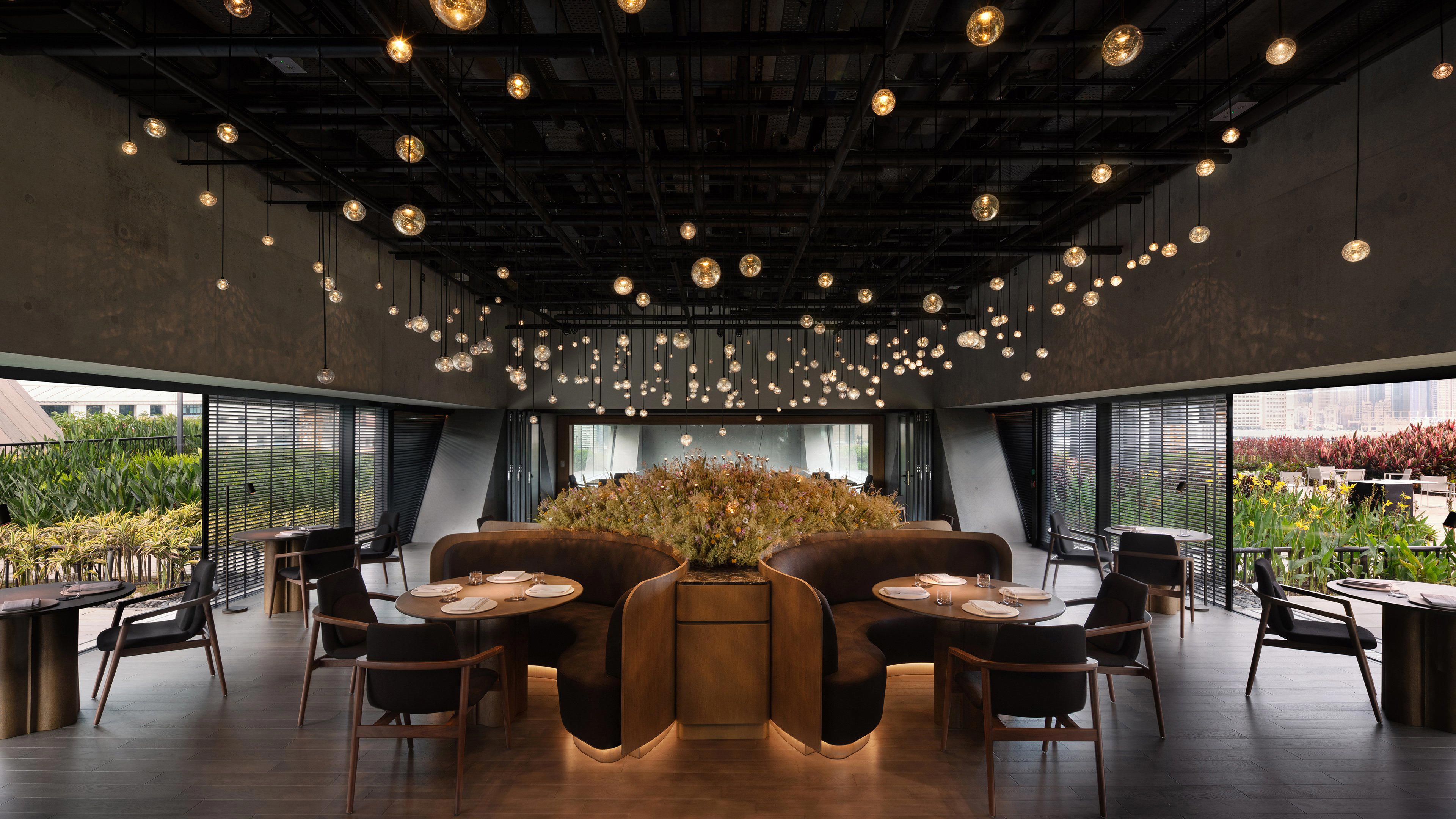
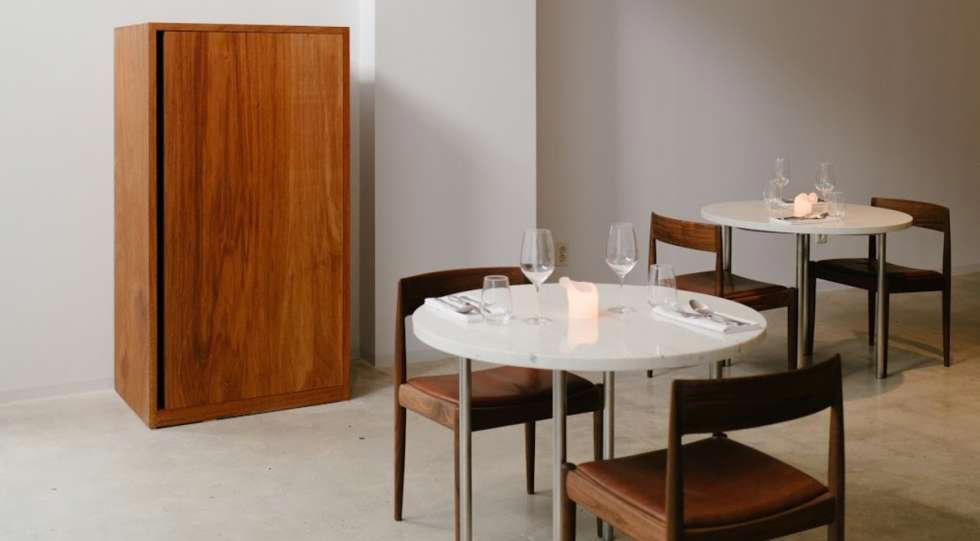
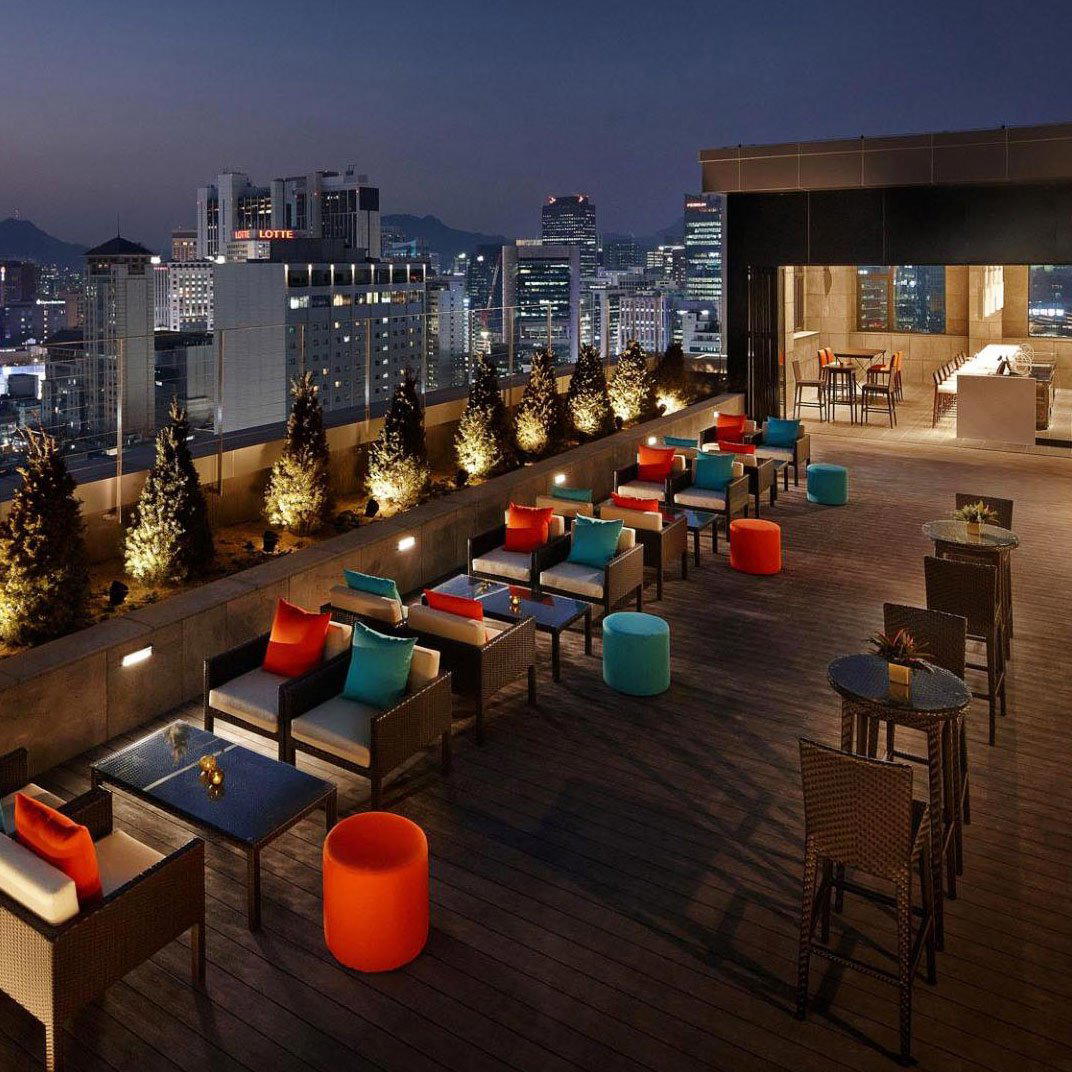
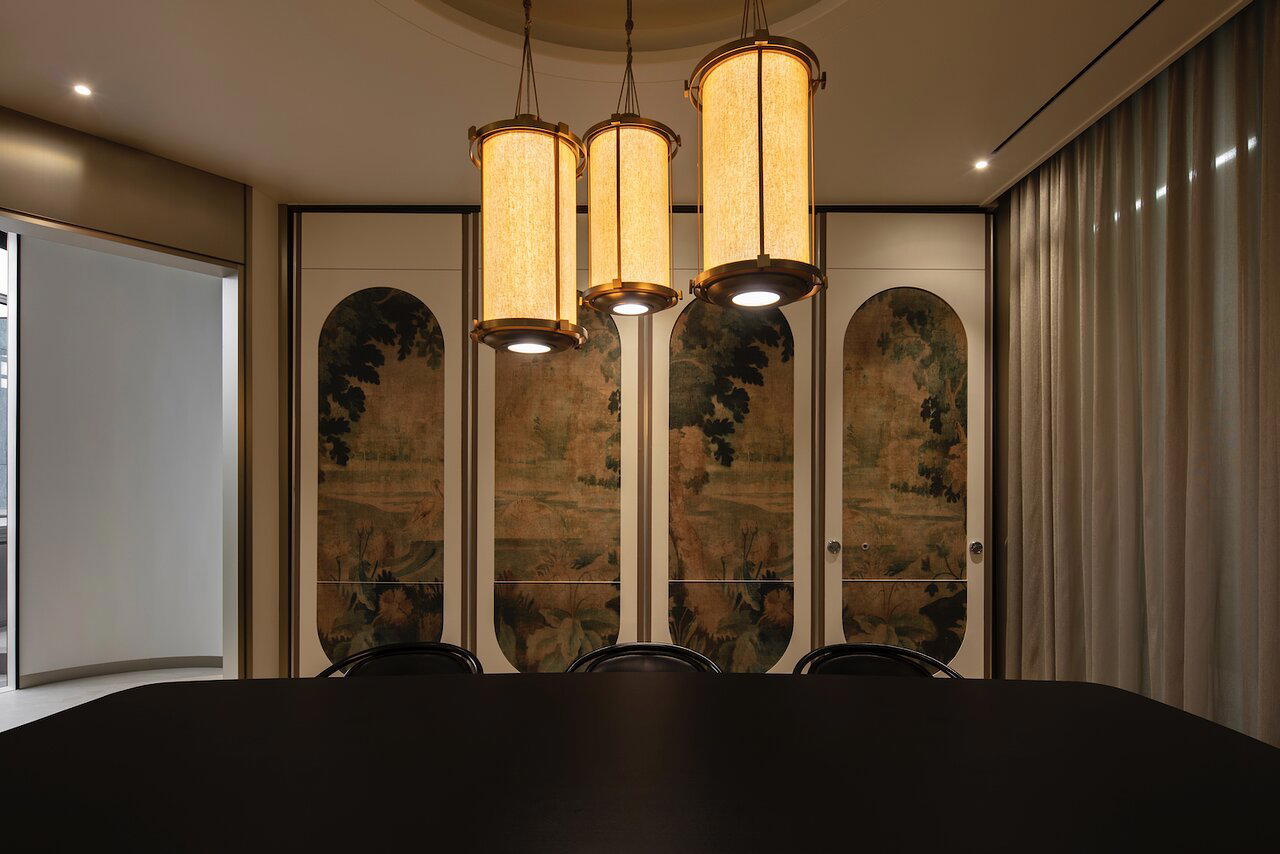
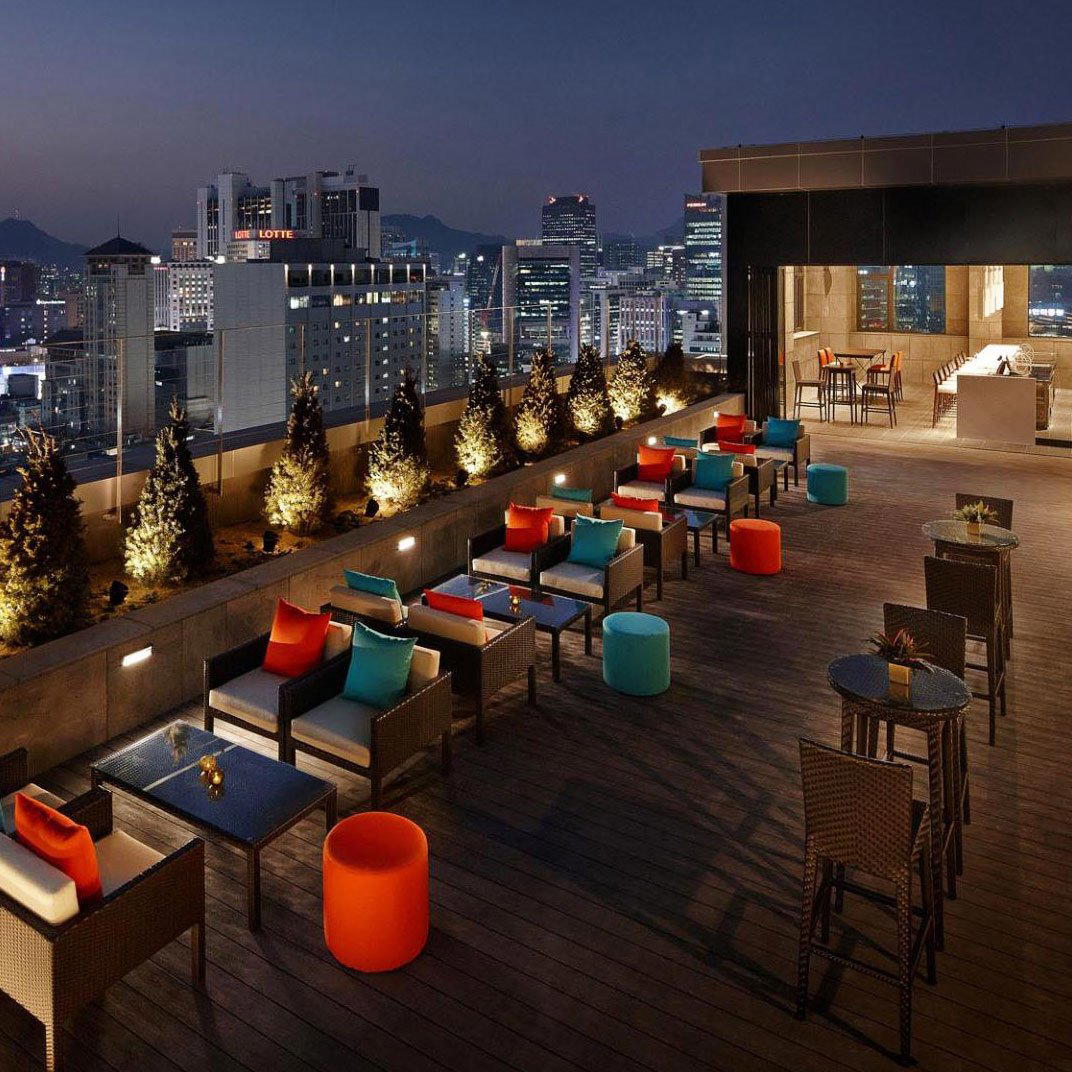
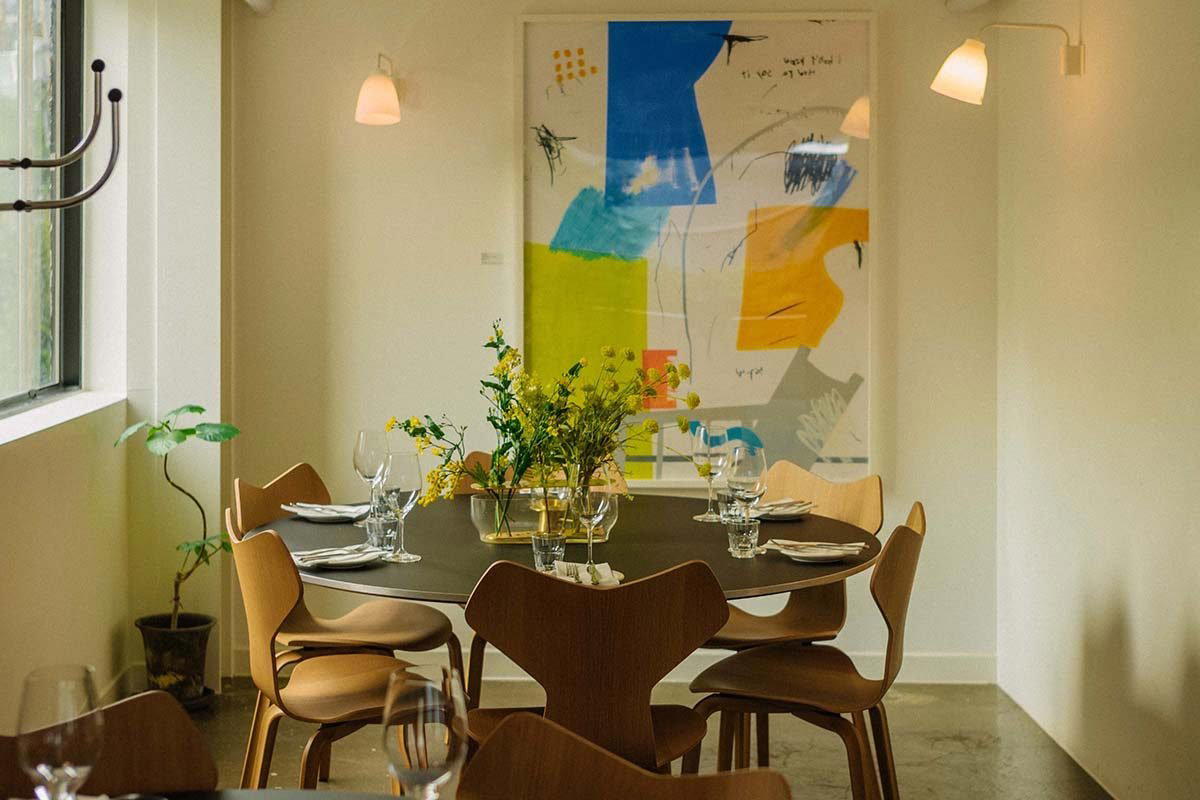
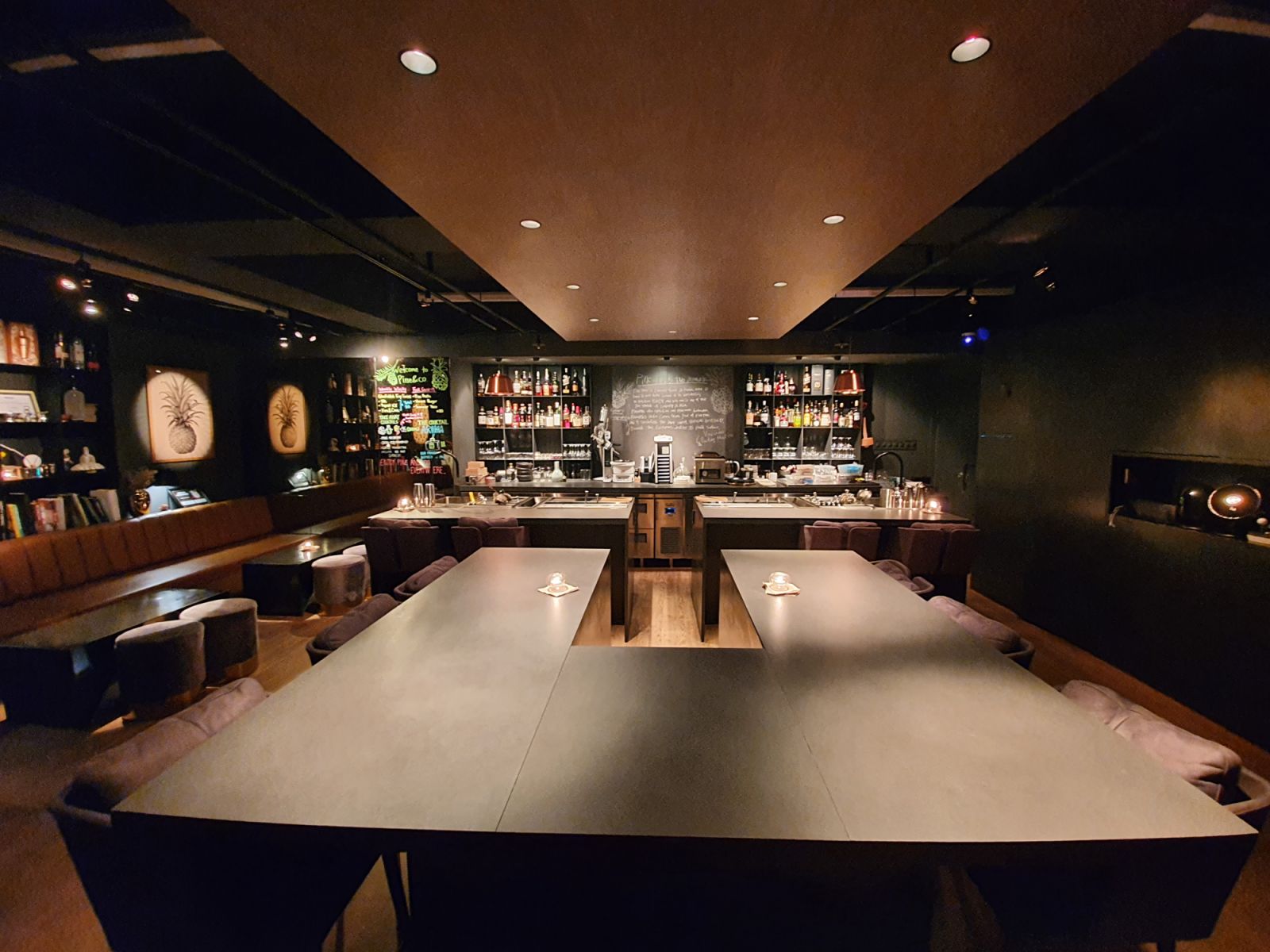
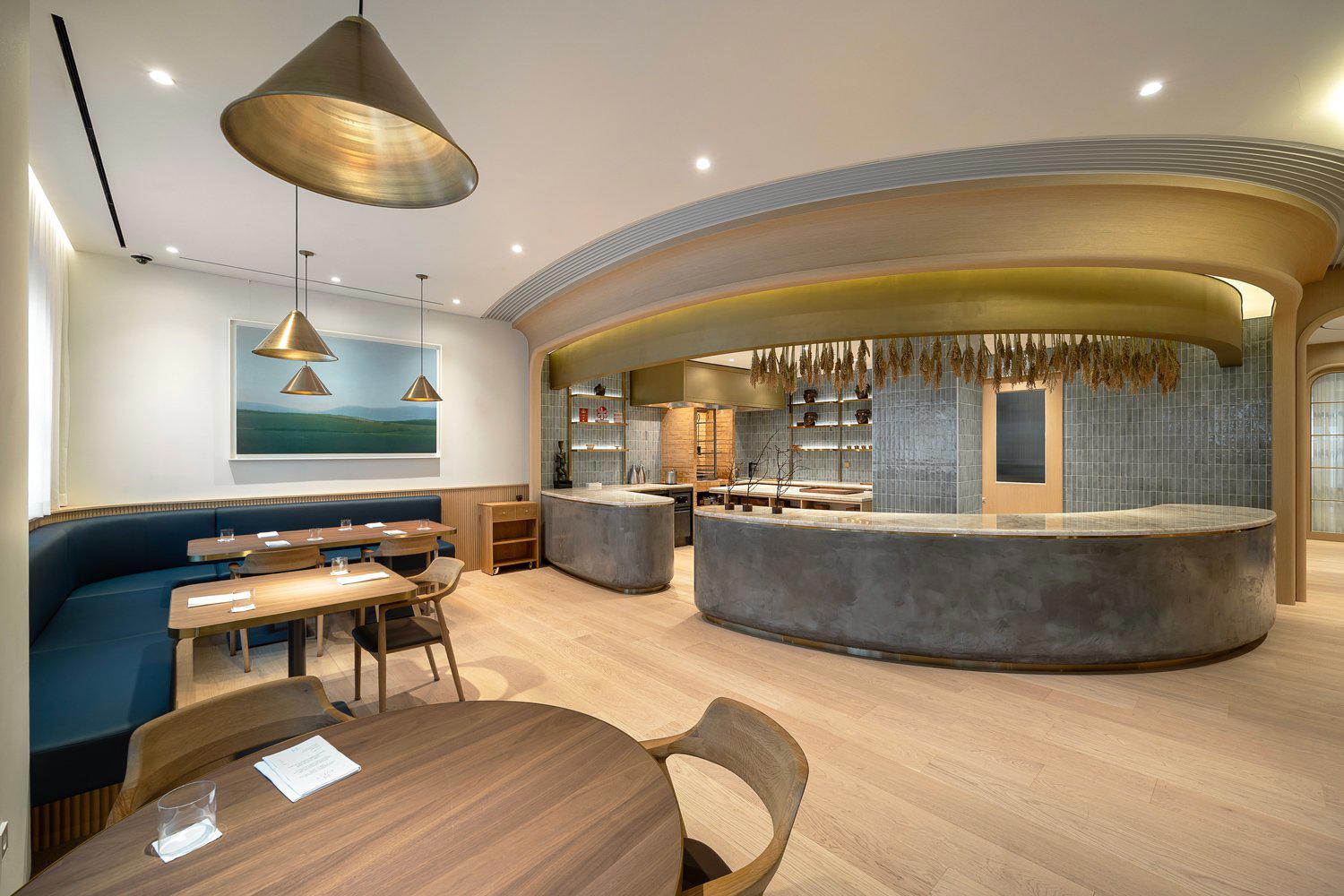
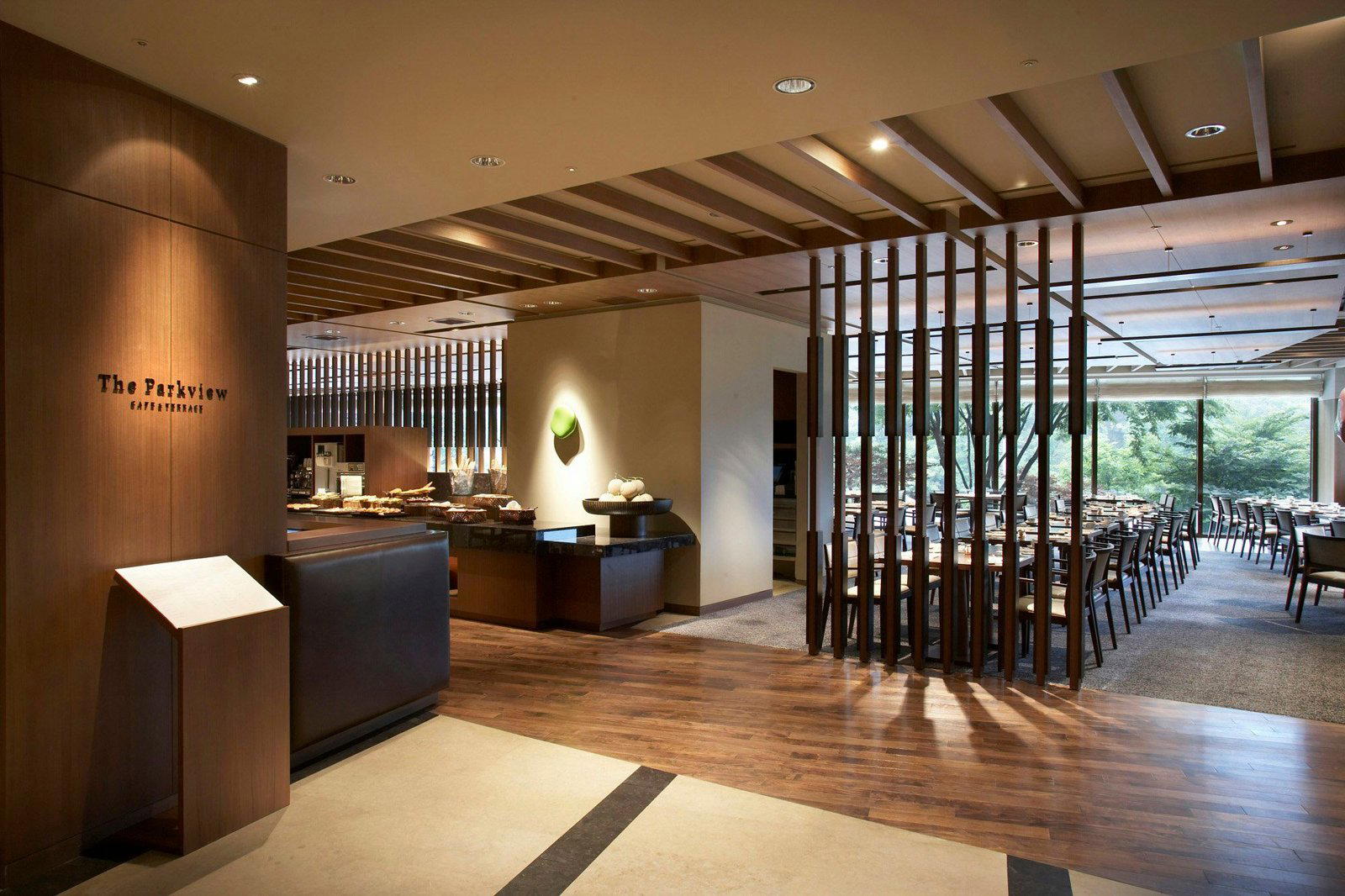
Sleek contemporary atmosphere with comfortable Western style seating and cool breezes from open windows in the evening.
Know Before You Go
- Getting there
- 26 Itaewon-ro 27ga-gil, 이태원1동 Yongsan District, Seoul, South Korea