
Tabelog 100 #10
Our verdict
méli mélo occupies a second-floor address in Sapporo's Chuo Ward, one of Hokkaido's more quietly frequented dining corridors. The venue draws a loyal returning crowd, the kind whose habits shape what a place becomes over time. For travellers piecing together Sapporo's restaurant scene, it sits alongside the city's broader shift toward neighbourhood-scale dining that rewards curiosity over spectacle.

Pearl is the En Primeur Club membership app, where members save venues, book tables and use the concierge.
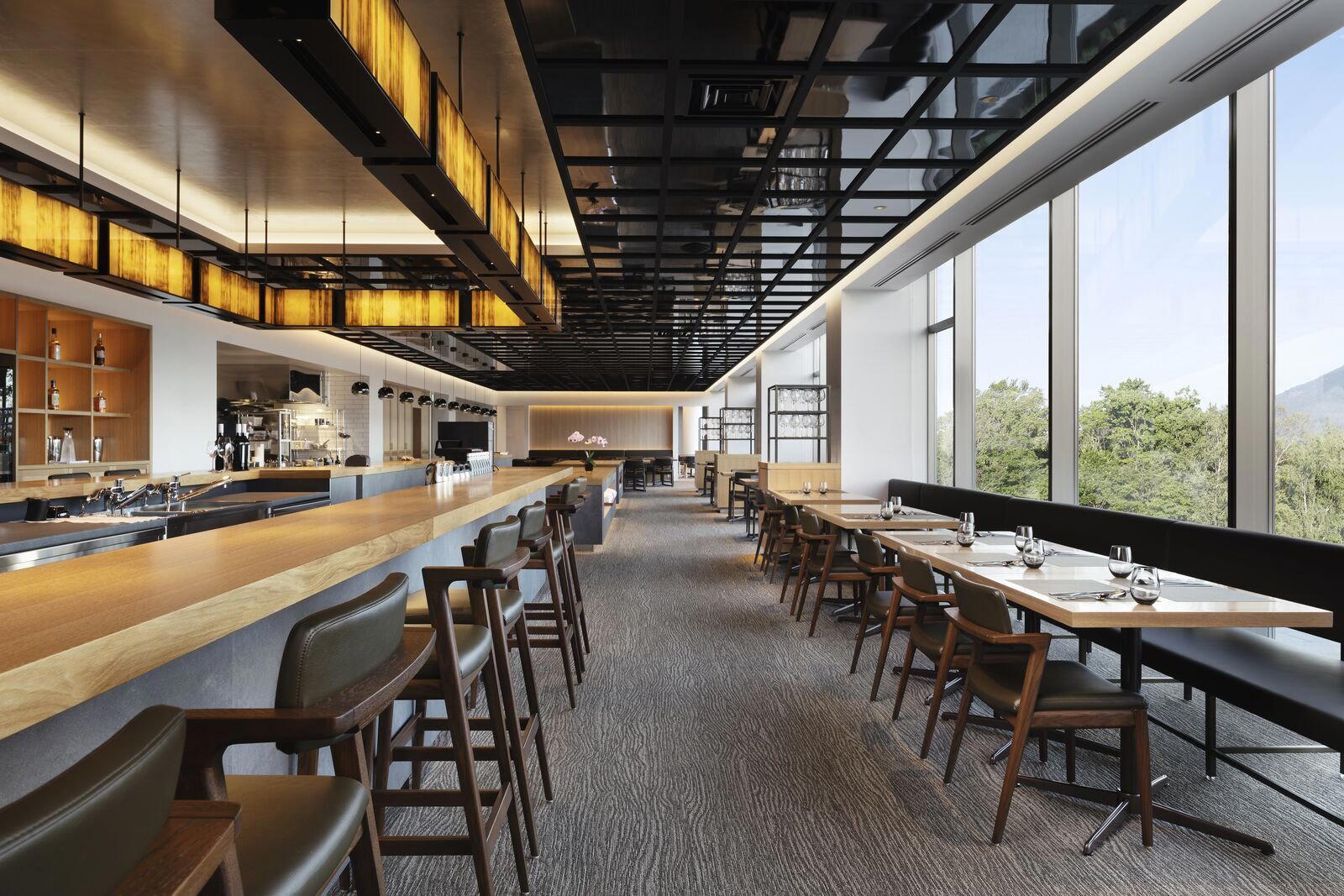
The Second Floor and What It Signals
In Sapporo, the restaurants that accumulate the most loyal followings are rarely the ones with street-level visibility. Chuo Ward's dining grid, anchored around the Susukino corridor and fanning out through Minami-jo, has long supported a tier of second-floor and back-street venues that thrive on word of mouth rather than foot traffic. méli mélo, on the second floor of the N Messe building at Minami 3 Jonishi, fits that pattern precisely. Approaching from street level, there is a deliberateness to the climb: the venue is not trying to intercept passing trade. The people heading up know where they are going.
That architectural fact is not incidental. Venues that require a small act of intention from their guests tend to attract guests who are, by definition, already invested. The regulars at a second-floor address in Chuo Ward are not there by accident, and that self-selection shapes the atmosphere inside as much as any design decision.
What Regulars Return For
The repeat-visitor dynamic is among the more reliable indicators of a dining room's actual quality. In Japan's mid-sized cities, where critical attention concentrates on the major restaurant corridors of Tokyo, Kyoto, and Osaka, venues outside those centres often build their reputations almost entirely through regular clientele. Sapporo's dining scene operates on this principle with particular consistency: the city has enough destination-quality restaurants, from the kaiseki format of Hanakoji Sawada (Kaiseki) to the focused sushi work at Arima (Sushi), to generate genuine local pride, but the broader discovery still happens largely through personal recommendation.
méli mélo's position in that ecosystem points toward a venue that has earned its regulars through consistency rather than novelty. The French name, carrying connotations of pleasant informality and a certain European looseness, suggests a tone distinct from the precision-forward omakase and kaiseki formats that define Hokkaido's most formally recognised restaurants. Where Hidetaka and Higebozu represent registers of focused culinary intent, méli mélo's name implies something warmer and less ceremonial: a room where the same faces appear on Tuesday evenings without a special occasion to justify it.
That informal register is its own competitive positioning. Not every diner in Sapporo is looking for the structured experience of a counter with a set progression and a fixed end time. The venues that hold regulars across multiple years in a city like this tend to be the ones that accommodate the rhythms of ordinary life while still delivering something worth coming back for. The question is not whether méli mélo is the most decorated address in Chuo Ward, it is whether it delivers something reliable enough that the same people keep choosing it over the alternatives they know equally well.
Sapporo's Neighbourhood Dining and Where méli mélo Sits
Hokkaido's dining reputation rests on its produce more than its restaurant formats. The prefecture's dairy, seafood, and seasonal vegetables give even modestly resourced kitchens access to ingredients that would be far more expensive to source in Tokyo or Osaka. This supply-side advantage tends to compress the quality gap between formally recognised restaurants and the venues that operate just below that visibility threshold. A neighbourhood room in Sapporo that sources well can deliver a meal that would read as notably strong in other Japanese cities.
That context matters for understanding how a venue like méli mélo functions within the city's wider eating patterns. Sapporo's dining has diversified considerably in recent years, with aki nagao representing one end of the creative-contemporary spectrum. The city now supports a range of formats from ramen specialists and crab-focused counters to French-inflected rooms, all competing for the same pool of knowledgeable local diners. In that context, holding a regular crowd is a real achievement, not a default outcome.
For visitors building a multi-day Sapporo itinerary, the question of where méli mélo fits is partly about tone. If the other bookings on the list lean toward structured tasting formats, a room that operates on a more conversational register provides useful contrast. The city's strengths as a dining destination are covered in more depth in our full Sapporo restaurants guide, which maps the broader competitive set and flags the venues that consistently draw both local regulars and informed visitors.
Planning a Visit
méli mélo is located on the second floor of the N Messe building in Minami 3 Jonishi, Chuo Ward, Sapporo, Hokkaido. The address puts it within the central dining district, accessible from Susukino station and the surrounding hotel corridor. Given the venue's footprint and second-floor format, walk-in capacity is likely limited; confirming in advance is advisable, particularly on weekends. For visitors comparing this address against other stops in the city, Sapporo's central dining district is compact enough that méli mélo works as part of an evening that includes a pre-dinner drink elsewhere in Chuo Ward without significant transit.
Travellers who want to place méli mélo within a wider picture of Japanese restaurant culture can cross-reference against some of the country's more formally recognised addresses: HAJIME in Osaka, Harutaka in Tokyo, Gion Sasaki in Kyoto, akordu in Nara, and Goh in Fukuoka each represent distinct regional approaches to fine dining in Japan, and together they illustrate the range against which any Sapporo address is implicitly measured. Beyond Japan, the comparison extends to restaurants like Le Bernardin in New York City and Atomix in New York City for readers interested in how neighbourhood-scale dining fares against international benchmarks. For Japanese regional comparisons closer in format and scale, venues such as 一本木 花川亭 in Nanao, 湖畔荘 in Takashima, 庄羽屋 in Nishikawa Machi, Birdland in Sakai, and Bistro Ange in Toyohashi each illustrate how regional Japanese dining operates when it is not competing for destination-restaurant status.
Frequently asked questions
What's the address for méli mélo?
méli mélo is located at Japan, 〒060-0063 Hokkaido, Sapporo, Chuo Ward, Minami 3 Jonishi, 3 Chome−11 N Messe, 2F, Sapporo.
Is méli mélo in Sapporo suitable for a solo diner visiting Hokkaido?
Second-floor dining rooms in Sapporo's Chuo Ward, particularly those on the Minami Jonishi grid, tend to run smaller formats that work well for solo visitors. méli mélo's address in the N Messe building places it within easy reach of central Sapporo, making it a practical option for a traveller moving through Hokkaido independently. Without a published phone or website, confirming seating arrangements in advance via your accommodation is the practical first step.
What do people recommend at méli mélo?
Regulars at méli mélo in Sapporo's Chuo Ward tend to return for specific dishes rather than the full menu, which is a reliable sign that the kitchen has a few clear strengths. Given Hokkaido's produce credentials, dairy, seafood, and seasonal vegetables are the ingredients most Sapporo kitchens at this level build around. For the most current recommendations, checking recent visitor reviews closer to your visit will give a more accurate picture than any static list.
What's the best way to book méli mélo?
méli mélo is located on the second floor of the N Messe building at Minami 3 Jonishi, 3 Chome-11, Chuo Ward, Sapporo. No booking phone number or website is publicly listed, so arriving in person or asking your hotel concierge to make contact on your behalf is the most dependable approach. Restaurants at this level in Sapporo's Chuo Ward often fill quickly on weekends, so advance planning is advisable.
What do critics highlight about méli mélo?
No formal critical awards or published reviews are currently documented for méli mélo. In Sapporo's mid-sized city dining circuit, critical attention tends to concentrate on a small number of venues, which means strong neighbourhood restaurants often accumulate their reputation through repeat local custom rather than press coverage. The venue's second-floor position in N Messe, Chuo Ward, places it within a part of the city known for exactly that dynamic.
What if I have allergies at méli mélo?
No menu information is publicly available for méli mélo at the N Messe address in Chuo Ward, Sapporo. If you have serious dietary requirements or allergies, contacting the restaurant directly before your visit is the only reliable course of action. Given the language considerations in Hokkaido, having your requirements written in Japanese will help communicate clearly with the kitchen.
Where It Fits
Comparable venues nearby, for context on price, style, and recognition.
| Venue | Cuisine | Price | Awards | Notes |
|---|---|---|---|---|
| méli méloThis venue (the venue you are viewing) | French Fine Dining | $150–200 | Tabelog 100 #10 | Not listed |
| ミクニ サッポロ | Seasonal French Fine Dining | $100–150 | Not listed | Kita |
| Moliere | French with Hokkaido Influences | $150–200 | Relais Chateaux Award | Chūō |
| レ カネキヨ ビストロノミーフランセーズ | Bistronomie Française | $50–100 | Not listed | Nishi |
| タテオカ タケシ | One Michelin-Star French with Hokkaido Seasonal Tempura | Not listed | Not listed | Chūō |
| Moliere Montagne | French fine dining in the Hokkaido mountains | $200–300 | Tabelog 100 #5 | Not listed |
Recognition history
Dated appearances from independent guides and award organizations, with the underlying list record or original source where available.
Tabelog 100 #10 · No. 10
Tabelog · Tabelog 100 - French - EAST - 2025
Continue exploring
More in Sapporo
Restaurants in Sapporo
All restaurants in Sapporo →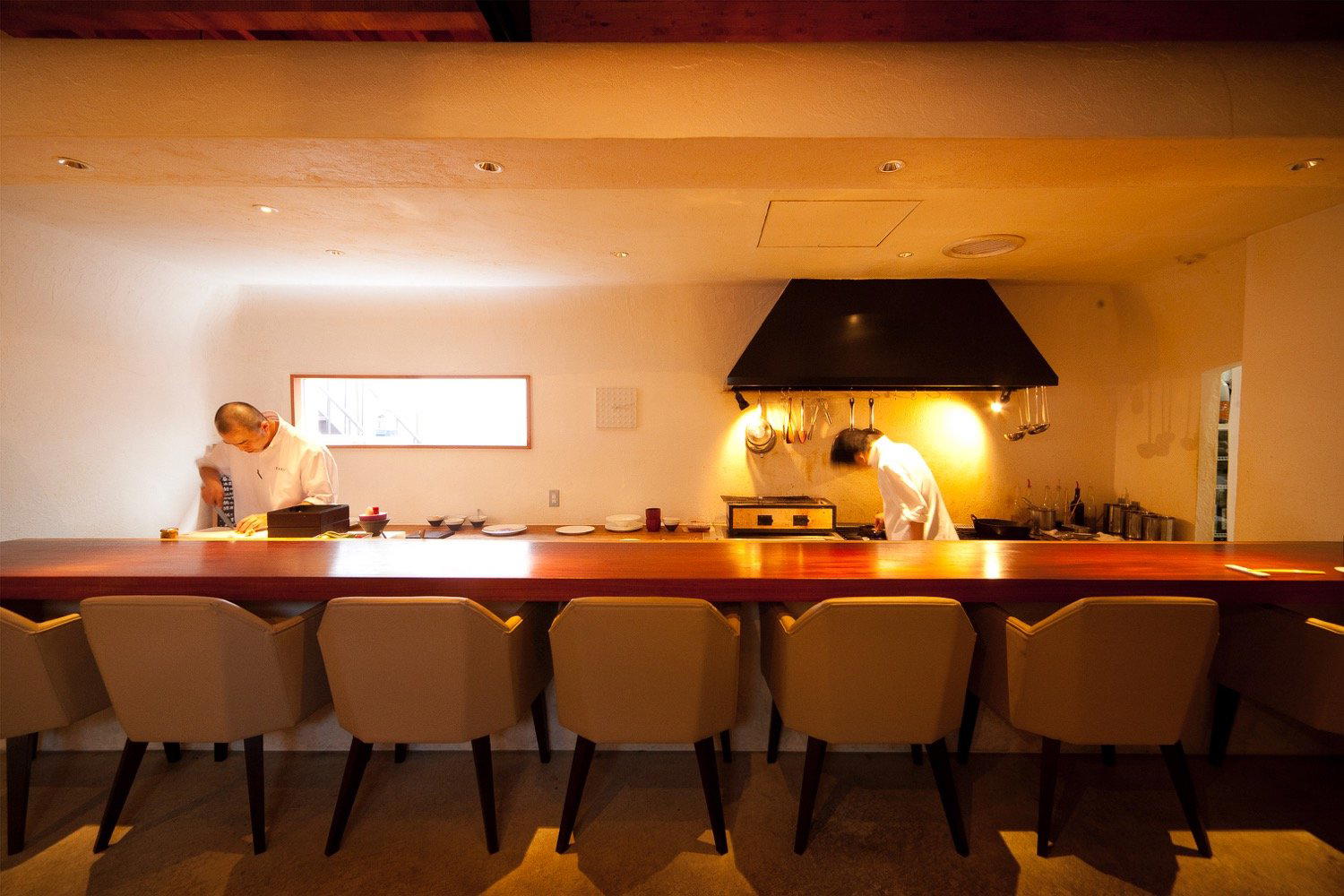
Bars in Sapporo
All bars in Sapporo →
Details
- Elegant
- Intimate
- Sophisticated
- Date Night
- Special Occasion
- Chefs Counter
- Local Sourcing
- Tasting Menu
Current opening hours
- Monday
- Closed
- Tuesday
- 5–10 PM
- Wednesday
- 5–10 PM
- Thursday
- 5–10 PM
- Friday
- 12–2:30 PM, 5–10 PM
- Saturday
- 12–2:30 PM, 5–10 PM
- Sunday
- 12–2:30 PM, 5–10 PM
Hours can change for holidays and private events. Hours as of .
Cozy and sophisticated with warm lighting, non-smoking environment praised for excellent service.