On Cara Lazara in central Kraljevo, MIRAGE occupies a position in a Serbian dining scene where locally sourced produce and regional culinary tradition increasingly define the conversation. The address places it within easy reach of the city's main thoroughfares, making it a practical anchor for anyone spending time in the Ibar valley region. For a fuller picture of the city's restaurant options, see our full Kraljevo restaurants guide.
Pearl is the En Primeur Club membership app — saves, bookings, and concierge access live there. Same editors, same standards.
- Address
- Cara Lazara 31, Kraljevo 36000, Serbia
- Phone
- +381653183191
- Website
- miragekv.com
- Directions
- Get directions
 Saves & bookings on Pearl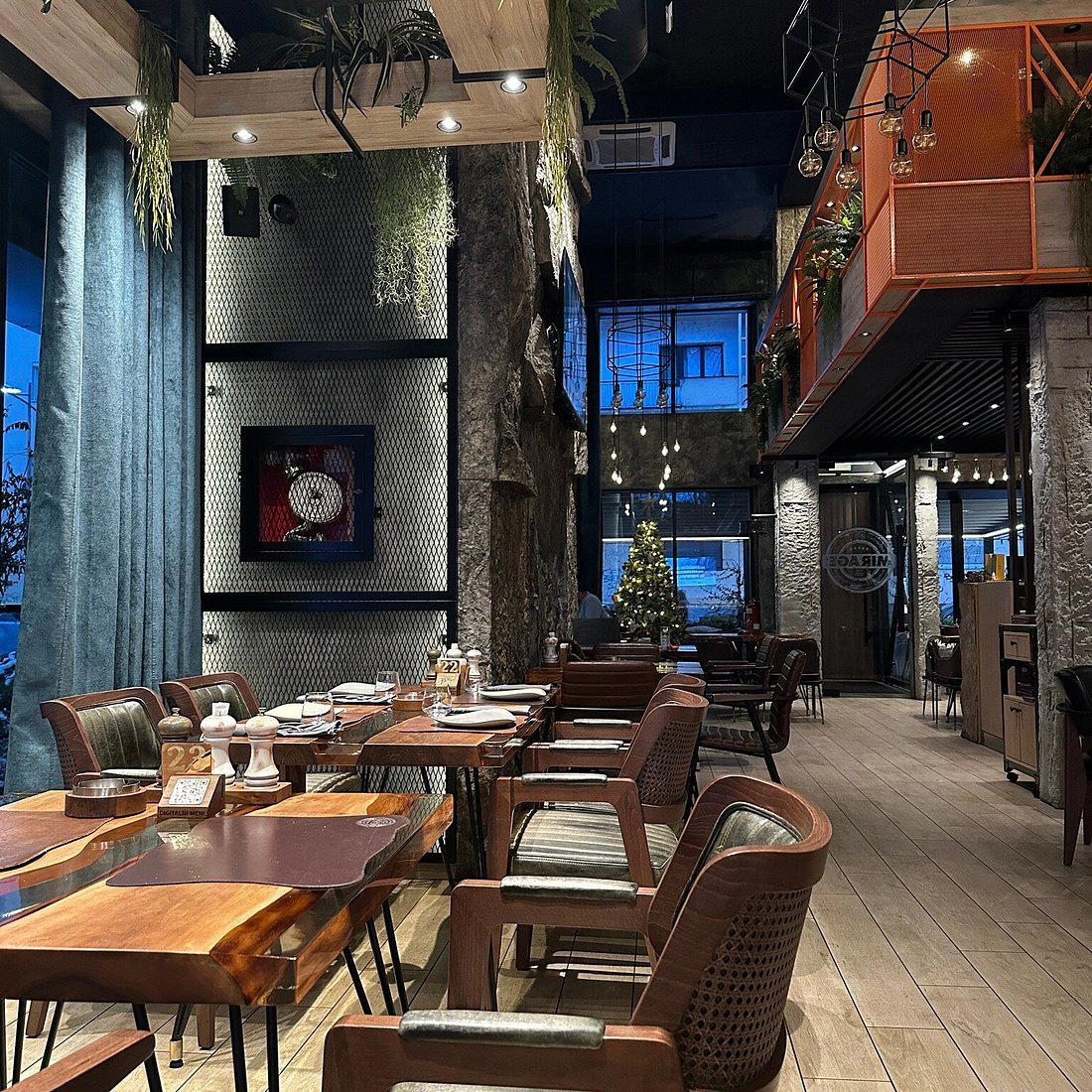
A Street Address in a City Finding Its Culinary Footing
Cara Lazara, one of Kraljevo's central arteries, runs through a city that sits at the confluence of the Ibar and Zapadna Morava rivers in central Serbia. The street itself is built in the pattern common to Serbian provincial centres: a mix of post-war architecture, ground-floor commercial activity, and the occasional older facade that survived 20th-century redevelopment. MIRAGE occupies number 31 on that stretch, which places it within the walkable core of a city of roughly 60,000 people that has so far attracted less international dining attention than Belgrade or Novi Sad.
The broader Serbian restaurant scene has been reshaping itself over the past decade. At one end, urban restaurants in Belgrade, such as Langouste in Belgrade, operate at a €€€€ price point with menus that draw on international technique. At the other, neighbourhood restaurants and kafanas across provincial towns serve as the practical backbone of daily eating, often at a single-euro price point. Kraljevo sits in the middle of that distribution, geographically and economically, and the restaurants that succeed here tend to do so by anchoring themselves to what the surrounding region actually produces rather than by chasing metropolitan trends.
What the Ibar Valley Puts on the Table
Central Serbia's larder is not a minor one. The Ibar valley and the broader Šumadija region produce lamb, freshwater fish from the Ibar and Morava rivers, smoked meats cured in the highland tradition, and seasonal vegetables that move through a distinct rhythm from spring alliums to autumn root crops. Cheese production in the surrounding villages, particularly white brined varieties made from sheep or cow milk, feeds into a regional food culture that predates any restaurant formality. Serbian cooking in this zone is also shaped by Ottoman-era technique, visible in slow-cooked preparations and spiced ground meat dishes, layered against a Balkan pastoral tradition that favours open-fire cooking and wood-smoked preservation.
This sourcing context matters for understanding any restaurant operating in Kraljevo. Credible dining here is rooted in the Ibar valley's actual produce, bringing local ingredients to the plate with minimal distance between field and table. That compression of supply chain is what gives central Serbian restaurants their competitive logic, and it is the framework within which MIRAGE should be read.
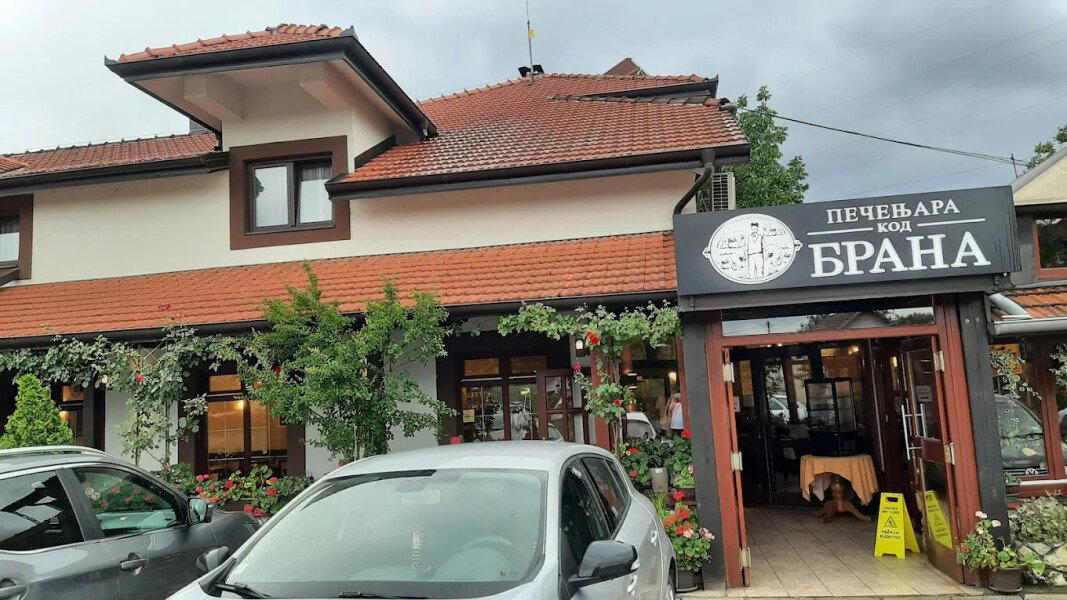
For points of comparison elsewhere in the region, Kod Brana in Cacak operates in a similar provincial context about 40 kilometres west, while Lovački dom in Valjevo and Kafana Studenac in Bajina Basta represent the ethno-restaurant tradition further into western Serbia. Each of these addresses its regional larder differently, and the variation across them maps the range of what Serbian provincial dining currently looks like.
The Ethno Tradition and Its Alternatives
Serbian provincial restaurants have bifurcated into two broad formats over the past fifteen years. The first is the ethno or kafana model, which wraps regional cooking in folk-decorative interiors, live music, and a format built around long table gatherings. Addresses like Etno Kuća Dinar in Vrsac, Kafana Pećinar Ljubiš in Cajetina, and ETNO PODRUM BRKA in Nis operate within that tradition, as does Koliba Etno Restoran in Leskovac. The second format is a more stripped-back urban restaurant model that preserves the regional ingredient logic but presents it without the folk theatre. The name MIRAGE does not signal the ethno register; it reads as a name chosen for a more contemporary urban address, though
What can be said with more confidence is that the Cara Lazara address places MIRAGE in a high-footfall zone of Kraljevo, accessible to both local residents and to visitors passing through on the route toward Kopaonik mountain, about 75 kilometres to the south. Grand **** in Kopaonik serves the ski resort market at that higher elevation; Kraljevo functions as a practical staging point on the way up or down, which gives its better restaurants a dual audience of locals and transit visitors.
Serbia's Provincial Dining in a Wider Frame
It is useful to situate Kraljevo's dining scene against the broader Serbian geography. The country's most discussed addresses cluster in Belgrade and, to a lesser extent, Novi Sad, where Kafe Restoran Maša operates in the northern city's more developed restaurant market. Provincial towns like Kraljevo, Cacak, and Pirot, where KAFANA DUKAT anchors the local scene, are less covered but not less interesting from a sourcing and tradition standpoint. In some respects, the distance from capital-city media attention has preserved a directness in the cooking that more scrutinised restaurants sometimes lose.
Further afield for reference points, Windmill in Pancevo, ČARDA ZLATNA KRUNA in Apatin, and Aleksandar Gold in Uzice all demonstrate how Serbian provincial restaurants develop distinct identities from their local geography, whether that is Pannonian river fish, Danubian carp, or highland meat preparations. Kod poštara in Aran Elovac represents the village-restaurant end of that spectrum. MIRAGE sits somewhere in this network, though its specific position within it requires confirmed data to pin precisely.
The quality signal here is the proximity of the kitchen to its sources, the freshness of the seasonal rotation, and the fidelity of the cooking to regional technique.
Planning a Visit
MIRAGE is located at Cara Lazara 31 in central Kraljevo, reachable from Belgrade in approximately two hours by road via the Ibar highway. Kraljevo has a railway connection, though road access is generally more practical for visitors coming from the capital.
A Quick Peer Check
Comparable venues nearby, for context on price, style, and recognition.
| Venue | Cuisine | Price | Notes |
|---|---|---|---|
| MIRAGEThis venue — the venue you are viewing | Modern European Grill | $$ | Not listed |
| Dvorište | Traditional Serbian with Pizza and Barbecue | $$ | Central Pančevo |
| Aigo.eat | Authentic Korean | $$ | Novi Belgrade |
| ZA DRUGA | Gourmet Serbian Countryside | $ | Belgrade center |
| Ferdinand knedle | Serbian Potato Dumplings (Knedle) | $$ | :null |
| Vinarija Tarpoš | Serbian Traditional with Local Wines | $$ | Aran Elovac |
Continue exploring
More in Kraljevo
Restaurants in Kraljevo
Browse all →

Bars in Kraljevo
Browse all →
Hotels in Kraljevo
Browse all →

At a Glance
- Modern
- Elegant
- Date Night
- Group Dining
- Casual Hangout
- Open Kitchen
- Terrace
- Extensive Wine List
- Street Scene
Current opening hours
- Monday
- 8 AM–12 AM
- Tuesday
- 8 AM–12 AM
- Wednesday
- 8 AM–12 AM
- Thursday
- 8 AM–12 AM
- Friday
- 8 AM–12 AM
- Saturday
- 8 AM–12 AM
- Sunday
- 8 AM–12 AM
Hours can change for holidays and private events. Last verified .
Imaginative interior with powerful design, creative details, and comfort in a two-level space.