On Bulevar Vuka Karadžića in central Čačak, Gallery caffe & restaurant occupies a position that reflects how mid-sized Serbian cities have built their own café-dining hybrid culture away from Belgrade's spotlight. The venue pairs a café format with a full restaurant offer, placing it in a category where ingredient sourcing and local produce connections tend to define quality more directly than imported fine-dining signals.
Pearl is the En Primeur Club membership app — saves, bookings, and concierge access live there. Same editors, same standards.
- Address
- Bulevar Vuka Karadžića 3, Čačak, Serbia
- Phone
- +38132400888
- Website
- gallery-caffe-restaurant.rs
- Directions
- Get directions
 Saves & bookings on Pearl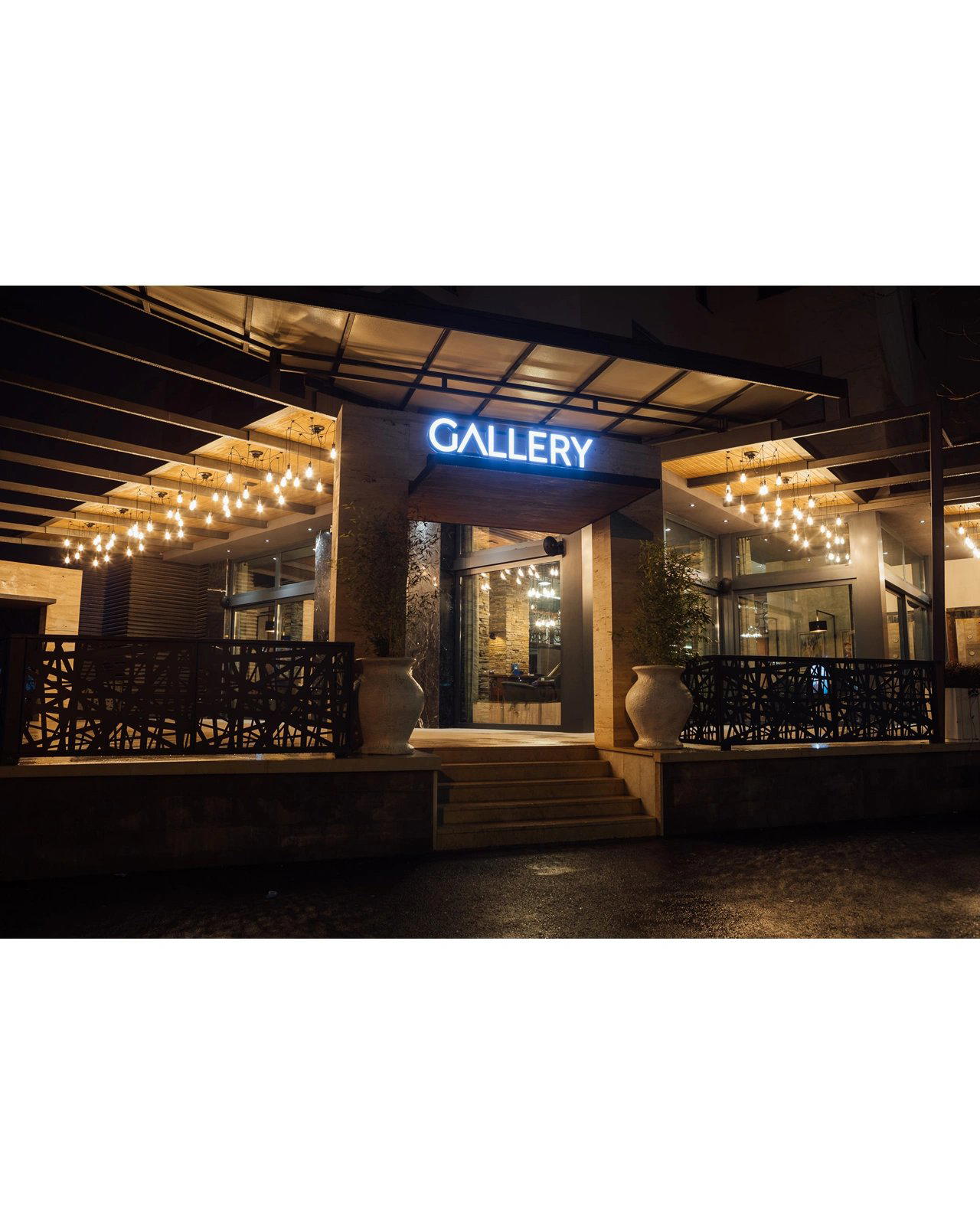
Where Čačak's Café-Dining Hybrid Takes Shape
Bulevar Vuka Karadžića runs through the commercial spine of Čačak, a city of roughly 115,000 people in the Morava River valley, approximately 140 kilometres south of Belgrade. The boulevard has the character of many Serbian town-centre streets: wide pavement, mixed-use buildings, and a rhythm of daily life that is neither tourist-facing nor self-consciously hip. It is precisely this kind of address that tends to produce one honest version of Serbian everyday dining, where a restaurant earns its regulars through consistency rather than novelty positioning. Gallery caffe & restaurant sits at number 3 on that boulevard, and its dual identity as both café and restaurant is worth taking seriously as a format.
In Serbian mid-sized cities, the caffe-restaurant format has become a distinct genre, different from the urban Belgrade model of separate specialised addresses. Here, the morning coffee crowd and the lunch clientele and the evening dining table often share the same room, which means the kitchen must anchor the offer across several dayparts. That structural demand tends to sharpen sourcing discipline: a kitchen running from early morning through dinner cannot rely on elaborate imported supply chains. It draws from what is close, what is seasonal, and what the Morava valley and the broader central Serbian agricultural belt produce reliably.
The Sourcing Logic of Central Serbia
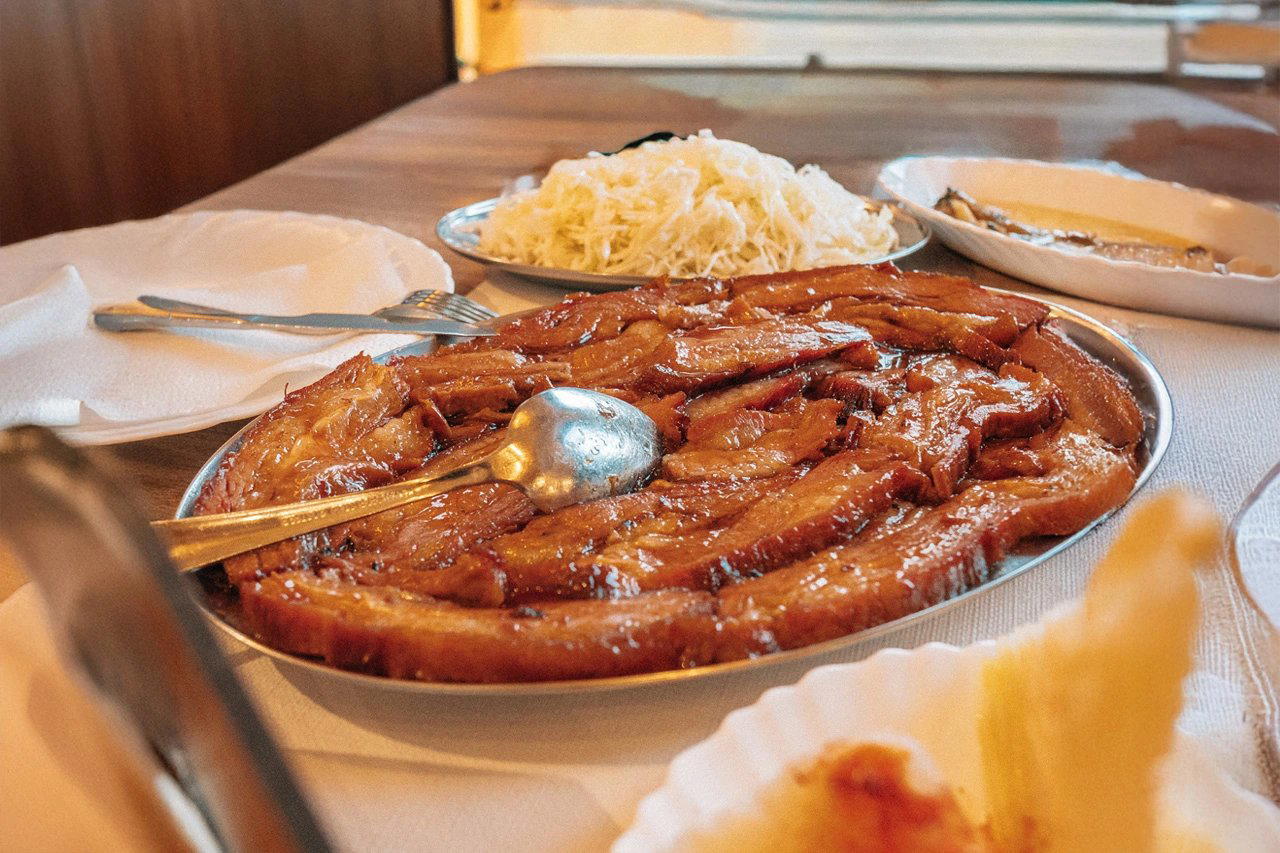
Central Serbia's position relative to food production is frequently underestimated by visitors who pass through rather than sit down. The Morava valley corridor runs through some of the country's most productive agricultural land. Pork from small household operations, river fish from tributaries of the Morava and Zapadna Morava, dairy from western Serbian farms, and seasonal vegetables from market gardens in the surrounding villages represent the backbone of this regional kitchen. For a restaurant on Bulevar Vuka Karadžića, proximity to that supply is structural, not aspirational.
This is the sourcing context that shapes Serbian restaurant culture at the local level. Compare that to venues like Langouste in Belgrade. In Čačak, the editorial story is different: the quality signal comes from proximity to raw material rather than from the complexity of what is done to it. That is not a lesser approach. It is a different one, and for readers who follow Serbian regional dining seriously, it is often the more interesting one.
The Atmosphere on Bulevar Vuka Karadžića
Approaching a venue on a central boulevard in a Serbian provincial city, the sensory register is distinct from anything you would find in a capital. Traffic moves at a deliberate pace. The pavement has a functional energy, locals running errands rather than performing leisure. The ground-floor commercial premises along this stretch carry a kind of unpretentious civic weight. A caffe-restaurant in this setting is less a destination in the tourism sense and more a fixture of urban daily life, which carries its own form of credibility.
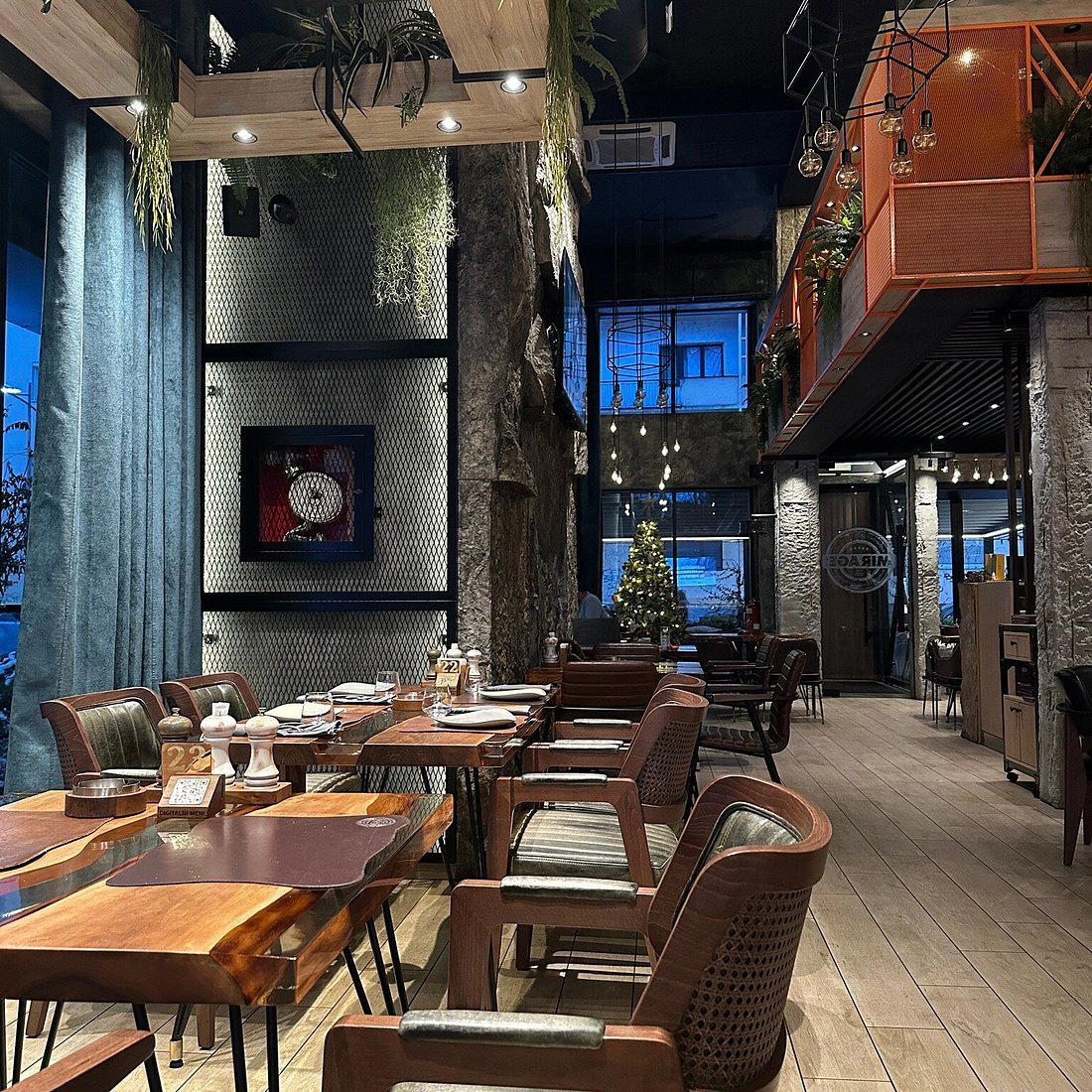
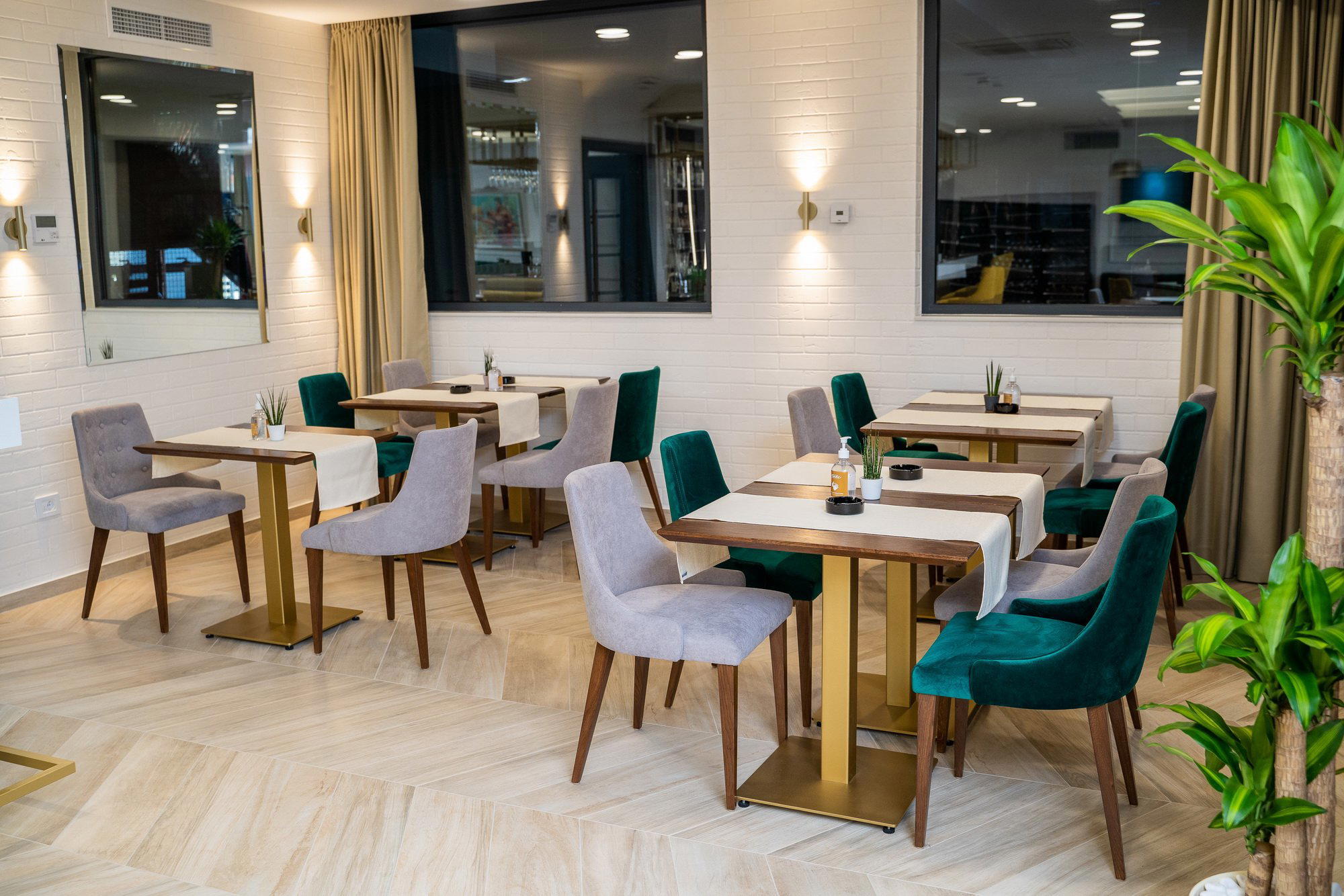
The dual caffe-restaurant format typically produces interiors that are comfortable without being designed, where the emphasis is on accommodating different occasions across the day rather than projecting a single mood. This is the atmospheric register that a visitor should expect: convivial, unhurried, and shaped more by the habits of local regulars than by any calculated concept. In the Serbian café-dining tradition, that is a feature rather than a limitation. For readers familiar with Cafe Boem in Pirot or ETNO PODRUM BRKA in Nis, the register will be familiar even if the specific details differ.
Čačak's Dining Scene in Brief
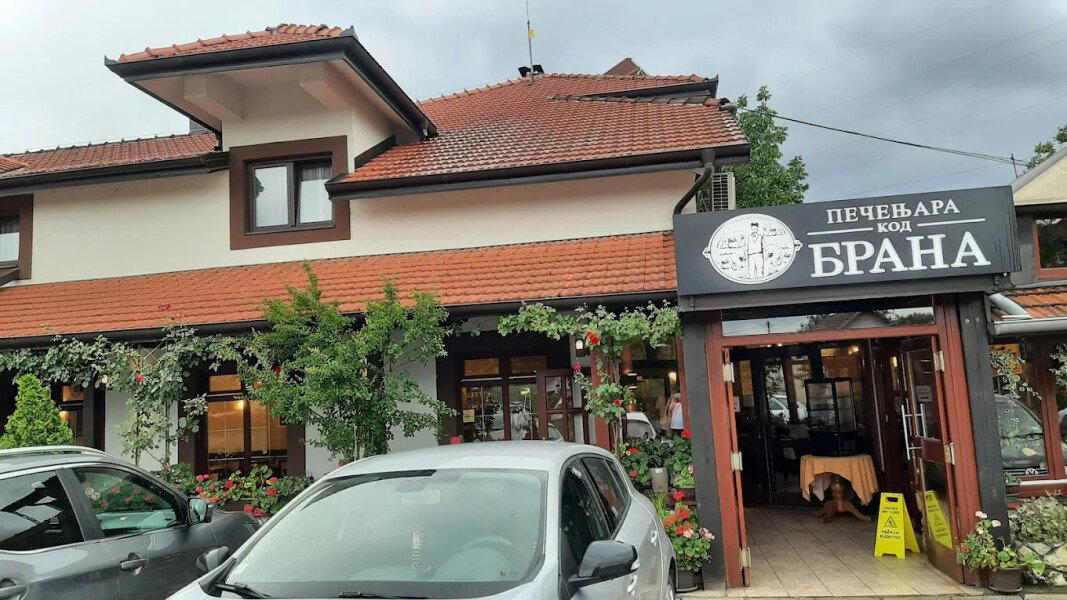
Čačak does not have the dining density of Novi Sad or Niš, but it has developed a coherent local restaurant culture centred on a handful of addresses that serve the city's professional and family population. Gostionica Mladost represents the older gostionica tradition, rooted in hearty Serbian home cooking. Kod Brana and Kod Nemca occupy slightly different positions in the local offer. Gallery sits within this comparable set as the entry that foregrounds the café format alongside the restaurant function, giving it a broader daypart reach than a pure dinner-focused address would have.
For visitors coming from outside Serbia, or those more accustomed to capital-city dining formats, the contrast with globally recognised addresses, whether Le Bernardin in New York City or Lazy Bear in San Francisco, is instructive precisely because it is so complete. Provincial Serbian dining operates on a different set of values, and the reader who understands that arrives better prepared.
Other Serbian venues worth cross-referencing for regional texture include Burrito Madre Big Pančevo in Pancevo, ČARDA ZLATNA KRUNA in Apatin, Etno Kuća Dinar in Vrsac, and etno restoran Gaziya in Novi Pazar, each of which reflects a different corner of the country's regional dining spectrum.
Planning Your Visit
Gallery caffe & restaurant is located at Bulevar Vuka Karadžića 3 in central Čačak, within walking distance of the city centre. As with most Serbian caffe-restaurant addresses at this level, the practical approach is to arrive without a reservation. The venue's boulevard position makes it easy to find on foot from most central accommodation options.
At-a-Glance Comparison
Comparable venues nearby, for context on price, style, and recognition.
| Venue | Cuisine | Price | Notes |
|---|---|---|---|
| Gallery caffe & restaurantThis venue — the venue you are viewing | Serbian Traditional with Pizza and International Options | $$ | Not listed |
| Kod Nemca | Traditional Serbian Kafana | $$ | Parmenac |
| Gostionica Mladost | Traditional Serbian Tavern | $$ | Čačak |
| Kod Brana | Traditional Serbian Grill & Roast House | $ | Bulevar Oslobođenja |
| Vinarija Tarpoš | Serbian Traditional with Local Wines | $$ | Aran Elovac |
| Viskonti | Authentic Serbian | $$ | Mokra Gora |
Continue exploring
More in Cacak
Restaurants in Cacak
Browse all →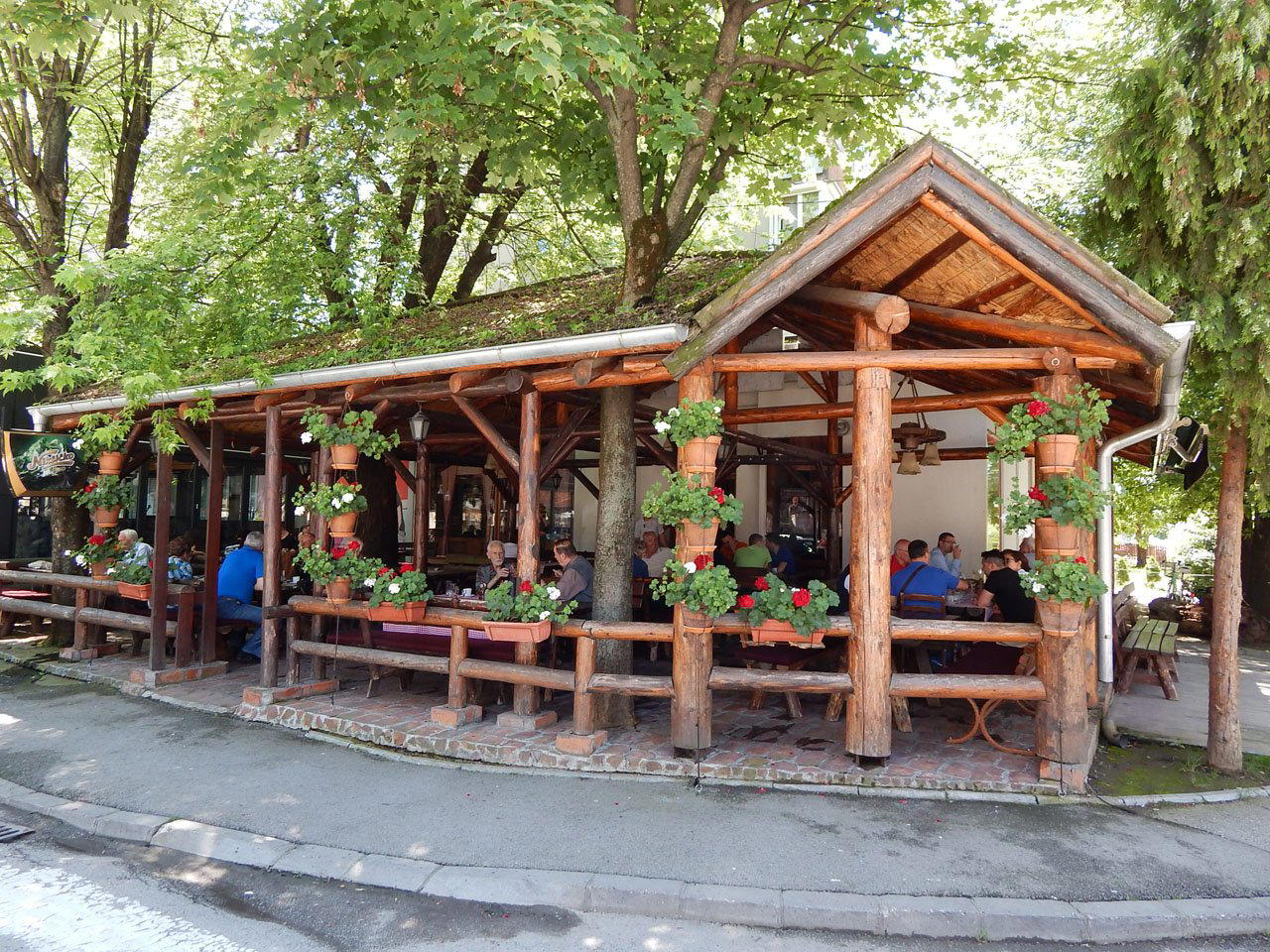

At a Glance
- Family
- Casual Hangout
Current opening hours
- Monday
- 7:30 AM–12 AM
- Tuesday
- 7:30 AM–12 AM
- Wednesday
- 7:30 AM–12 AM
- Thursday
- 7:30 AM–12 AM
- Friday
- 7:30 AM–12 AM
- Saturday
- 7:30 AM–12 AM
- Sunday
- 7:30 AM–12 AM
Hours can change for holidays and private events. Last verified .
Nice overall atmosphere suitable for family dinners with good service.