Vinarija Tarpoš
Vinarija Tarpoš occupies a working winery address on Orašački Put outside Aranđelovac, placing it within Serbia's Šumadija wine corridor rather than the tourist-facing strip. With minimal online presence and no published hours, it operates on the access terms common to small Serbian estate producers, visit by arrangement, discover through local networks. Pair any visit with the broader Aranđelovac dining scene for context.
 Discover on Pearl
Pearl is the En Primeur Club membership app — saves, bookings, and concierge access live there. Same editors, same standards.
- Address
- Orašački Put bb, Aranđelovac 34300, Serbia
- Phone
- +381692005020
- Website
- tarpos.rs
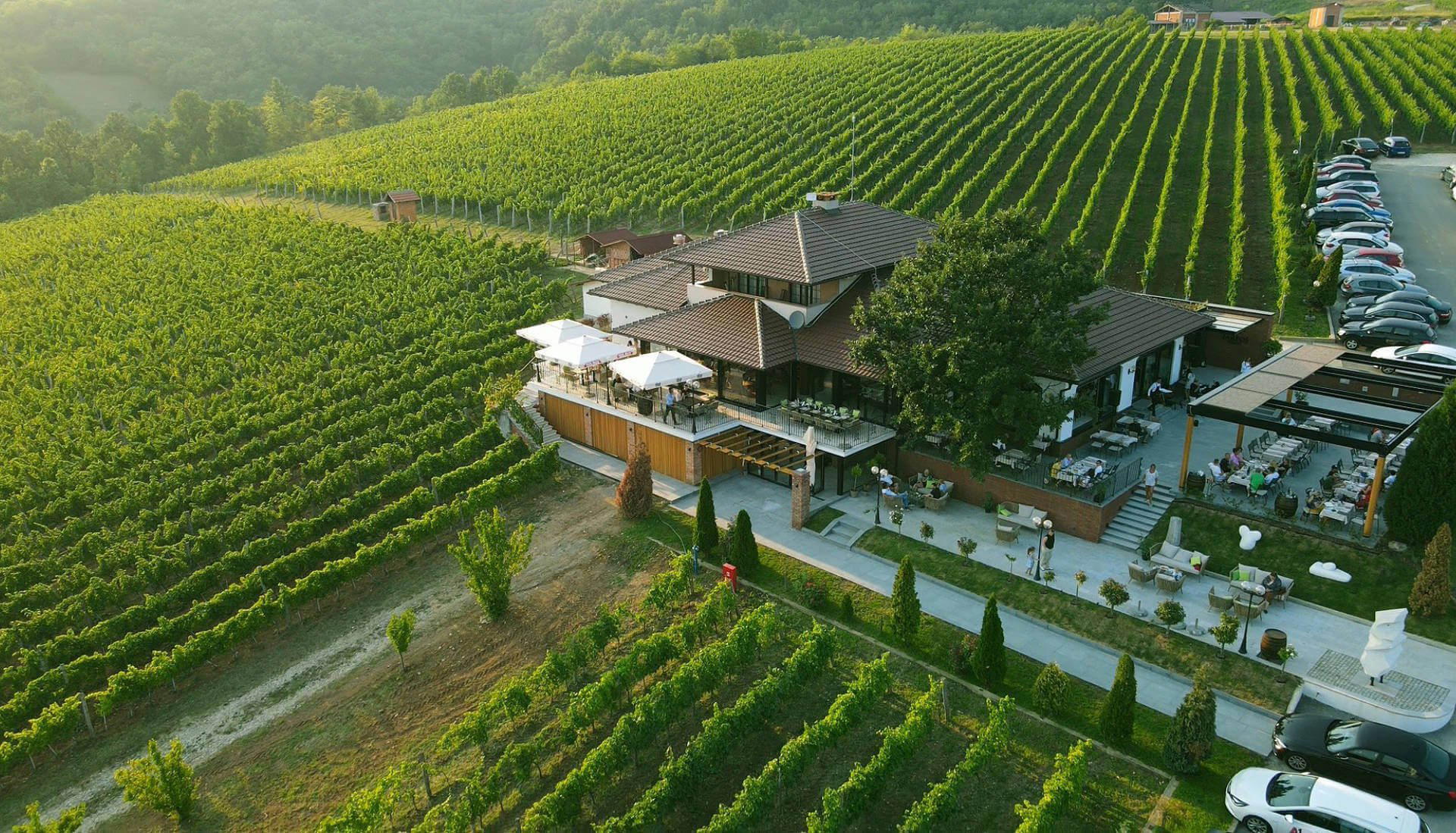
Where the Šumadija Countryside Meets the Working Winery
The approach to Orašački Put on the edge of Aranđelovac does not look like a wine destination in any conventional sense. There are no tasting pavilions fronting the road, no vineyard-view terraces designed for photographs. What you find instead is a working address embedded in the agricultural corridor that defines much of Šumadija, Serbia's central wine-producing heartland, where vines share the hillsides with orchards and fields, and where the distinction between family farm and winery is often a matter of degree rather than kind. Vinarija Tarpoš is a restaurant and winery at Orašački Put bb, Aranđelovac 34300, Serbia, serving Serbian Traditional with Local Wines at a moderate price tier.
Šumadija's Place in Serbian Wine Culture
Understanding Vinarija Tarpoš requires some grounding in what Šumadija actually represents in Serbian viticulture. The region sits in central Serbia, north of the Western Morava valley and south of Belgrade's commuter orbit, and it carries a long association with indigenous varieties, most prominently Prokupac, Serbia's signature red grape, but also Tamjanika (the local expression of Muscat Blanc à Petits Grains) and Smederevka, a white variety that has historically covered more Serbian vineyard surface than any other. These are not internationally traded names, and that is precisely the point: Šumadija's wine identity is built on grapes that have adapted over centuries to local soil and climate conditions, producing wines that read as regional rather than internationally styled.
The Serbian wine scene has undergone considerable structural change since the early 2000s, when the collapse of the old cooperative system pushed producers toward either commercial-scale modernisation or small-estate independence. The estates that emerged in the independent tier vary considerably in ambition and output, but the most coherent ones share a tendency to keep production volumes low, retain indigenous varieties, and sell primarily through local hospitality networks rather than export channels. Producers in the Šumadija and Western Morava appellation zone, one of Serbia's formally designated wine regions, operate within this framework, and Aranđelovac sits inside that geographic designation.
The Logic of Access at Serbian Estate Wineries
Vinarija Tarpoš publishes no phone number, no website, and no listed hours. Among smaller Serbian producers, this kind of minimal public profile is common and intentional. Sales flow through personal relationships, local restaurants, and regional markets rather than through direct booking infrastructure. The practical implication for visitors is that advance contact through local intermediaries, accommodation hosts, restaurant staff, and regional wine associations is typically more effective than approaching cold.
This operating model places Tarpoš in the same access category as a number of other Serbian estate producers: wineries where a visit is possible but requires some groundwork. Travellers already spending time in Aranđelovac are better positioned to make contact than those attempting to plan from abroad. The town itself, known historically for its spa tradition and its granite quarrying, draws enough domestic visitors to sustain a small hospitality sector, and local restaurateurs tend to have working knowledge of nearby producers. Starting there is the more reliable path.
Kod poštara, Lovachki Raj, and Pecenjara Mali Hrast each represent different registers of local Serbian cooking, from kafana-style hospitality to roast-meat specialists, and together they illustrate the food traditions that Šumadija wine is historically paired with.
Serbian Winemaking in Its Regional comparable set
Serbia's wine scene sits in an interesting comparative position relative to better-known Balkan producers. While Macedonian and Montenegrin wines have attracted some international press attention over the past decade, Serbia's estate sector has remained largely domestic in its distribution and reputation. That insulation from export pressure has had a mixed effect: it has preserved indigenous variety cultivation and traditional production styles.
The result is that Serbian wine discovery tends to happen through ground-level engagement rather than through research conducted at home. Visitors who have eaten at places like Langouste in Belgrade or worked through the wine lists at establishments such as Aleksandar Gold in Uzice will have encountered Serbian producers in a curated context. Moving from those restaurant lists toward the estates themselves is a natural next step, and Šumadija's proximity to Belgrade, roughly 80 kilometres south, makes it a feasible day trip or short extension for anyone already in the capital.
The tradition of rural Serbian table culture documented at places like Kafana Studenac in Bajina Basta, Kafana Pećinar Ljubiš in Cajetina, and Lovački dom in Valjevo reflects the broader food and drink culture within which small estate wine production makes sense. Šumadija wineries are not producing for fine-dining pairings with international cuisines; they are producing for Serbian tables, which means roast meats, fermented cheeses, bean soups, and seasonal vegetables preserved through autumn.
Planning a Visit
Aranđelovac is reachable by road from Belgrade in approximately 80 kilometres via the Ibarska magistrala or connecting routes through Mladenovac. The town has its own bus connections from the Belgrade BAS terminal, making it accessible without a private vehicle, though reaching the winery address on Orašački Put from the town centre would require a taxi or car. Given the absence of published hours and contact details, any visit to Vinarija Tarpoš should be treated as something to arrange on the ground, with local hospitality staff as the first point of inquiry.
Travellers with a broader appetite for Serbia's regional dining scene may find useful anchors at Kod Brana in Cacak to the southwest, Etno Kuća Dinar in Vrsac in the east, or ČARDA ZLATNA KRUNA in Apatin along the Danube. Each reflects a different geographic and culinary register within Serbia, and taken together they map a country where regional food identity is still meaningfully tied to place. For travellers across the region, the contrast with internationally profiled restaurants such as Le Bernardin in New York City or Atomix in New York City underlines how much Serbian dining operates on different terms, local, seasonal, and largely invisible to international wine and food press.
Price and Positioning
Comparable venues nearby, for context on price, style, and recognition.
| Venue | Cuisine | Price | Awards | Notes |
|---|---|---|---|---|
| Vinarija TarpošThis venue — the venue you are viewing | $$ | , | ||
| Lovachki Raj | Arandjelovac, Serbian Game Meat | $$ | , | |
| Pecenjara Mali Hrast | $$ | , | Arandjelovac, Serbian Roasted Pork Specialist | |
| Kod poštara | $ | , | Dragobraća, Kragujevac, Traditional Serbian Roasted Meats | |
| MALA ZVEZDARA | Zvezdara, Traditional Serbian | $$ | , | |
| Restoran Kolo | $$ | , | Belgrade Waterfront, Modern Serbian Balkan |
Continue exploring
More in Aran Elovac
Restaurants in Aran Elovac
Browse all →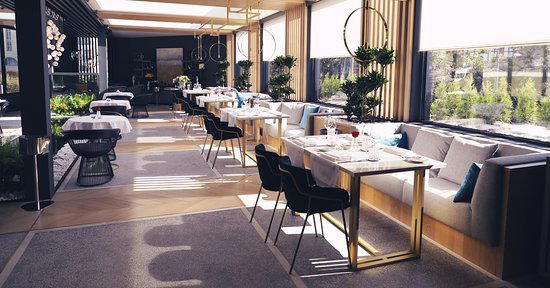
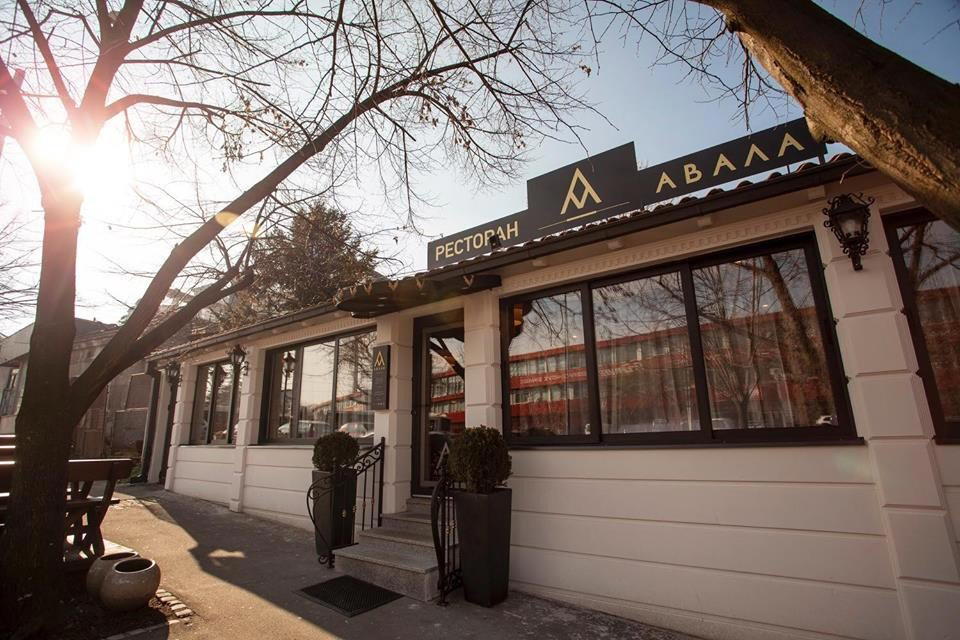
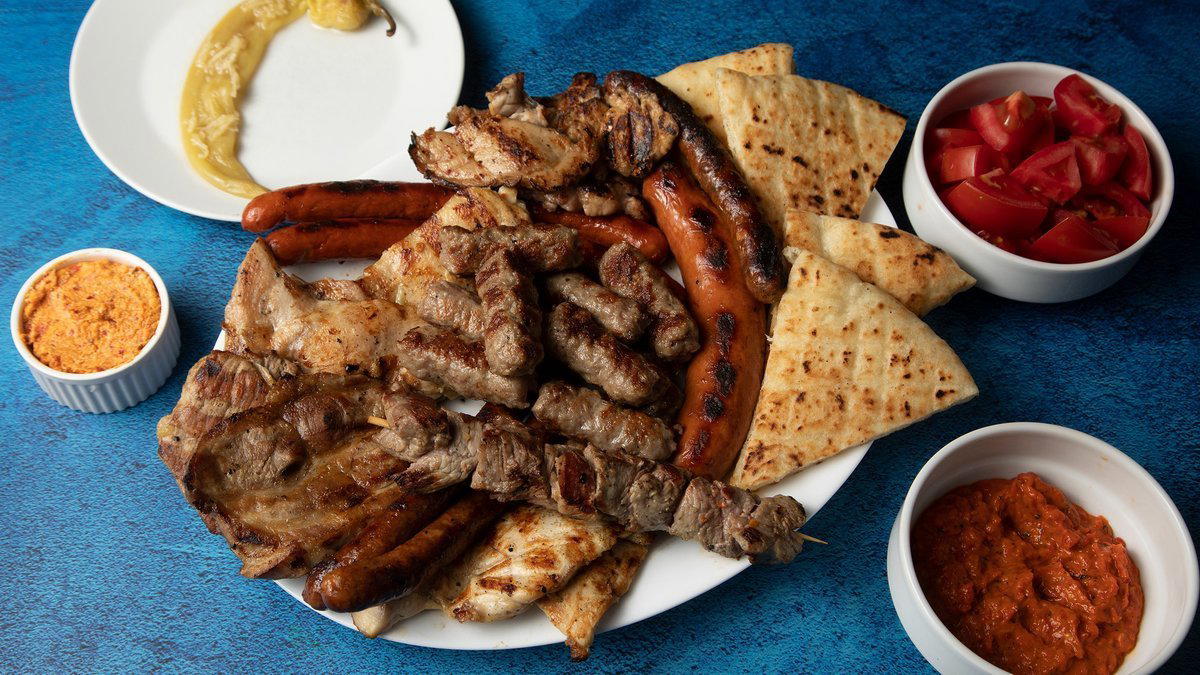
Bars in Aran Elovac
Browse all →
At a Glance
- Rustic
- Cozy
- Scenic
- Date Night
- Special Occasion
- Casual Hangout
- Wine Cellar
- Extensive Wine List
- Local Sourcing
- Vineyard
- Mountain
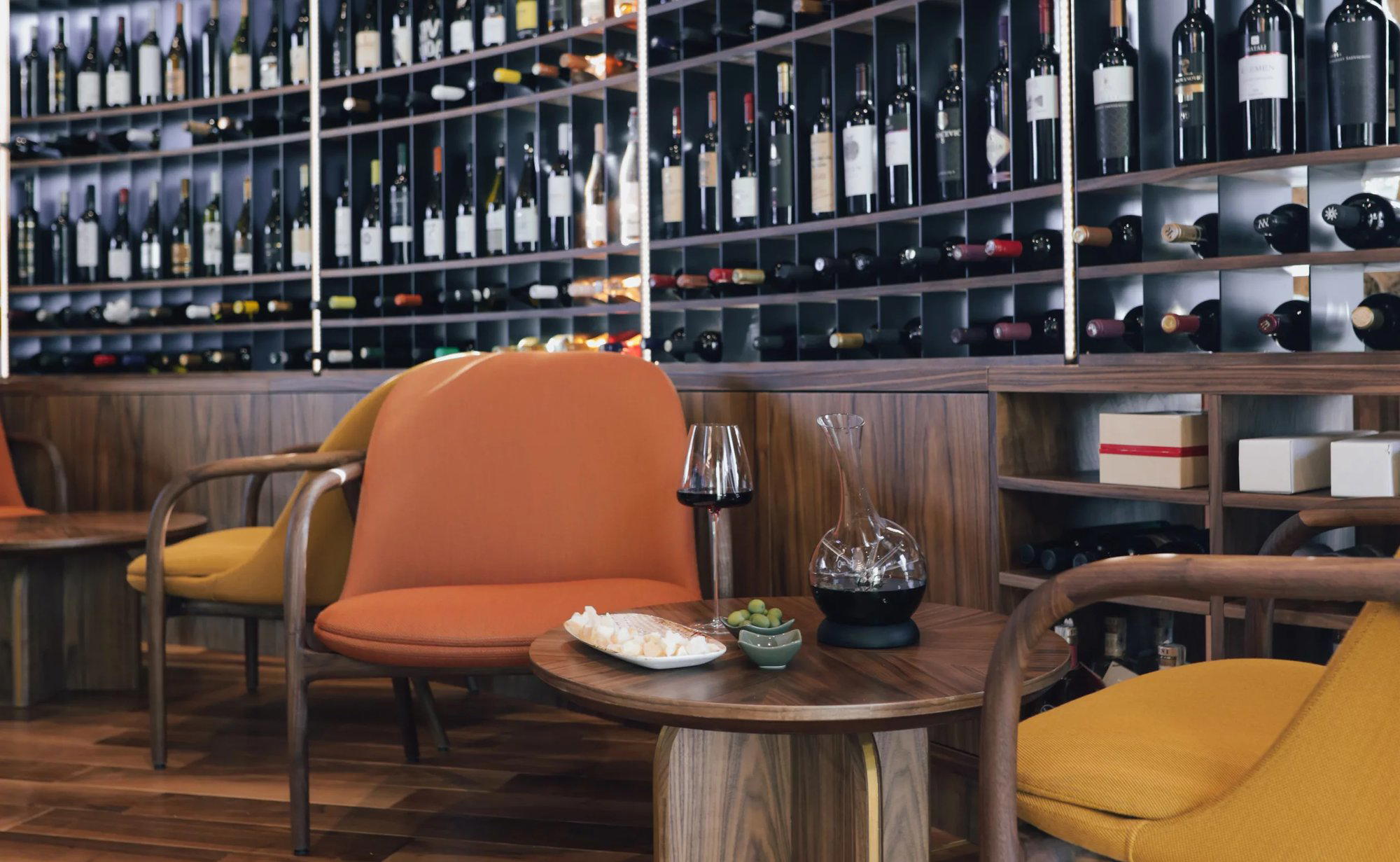
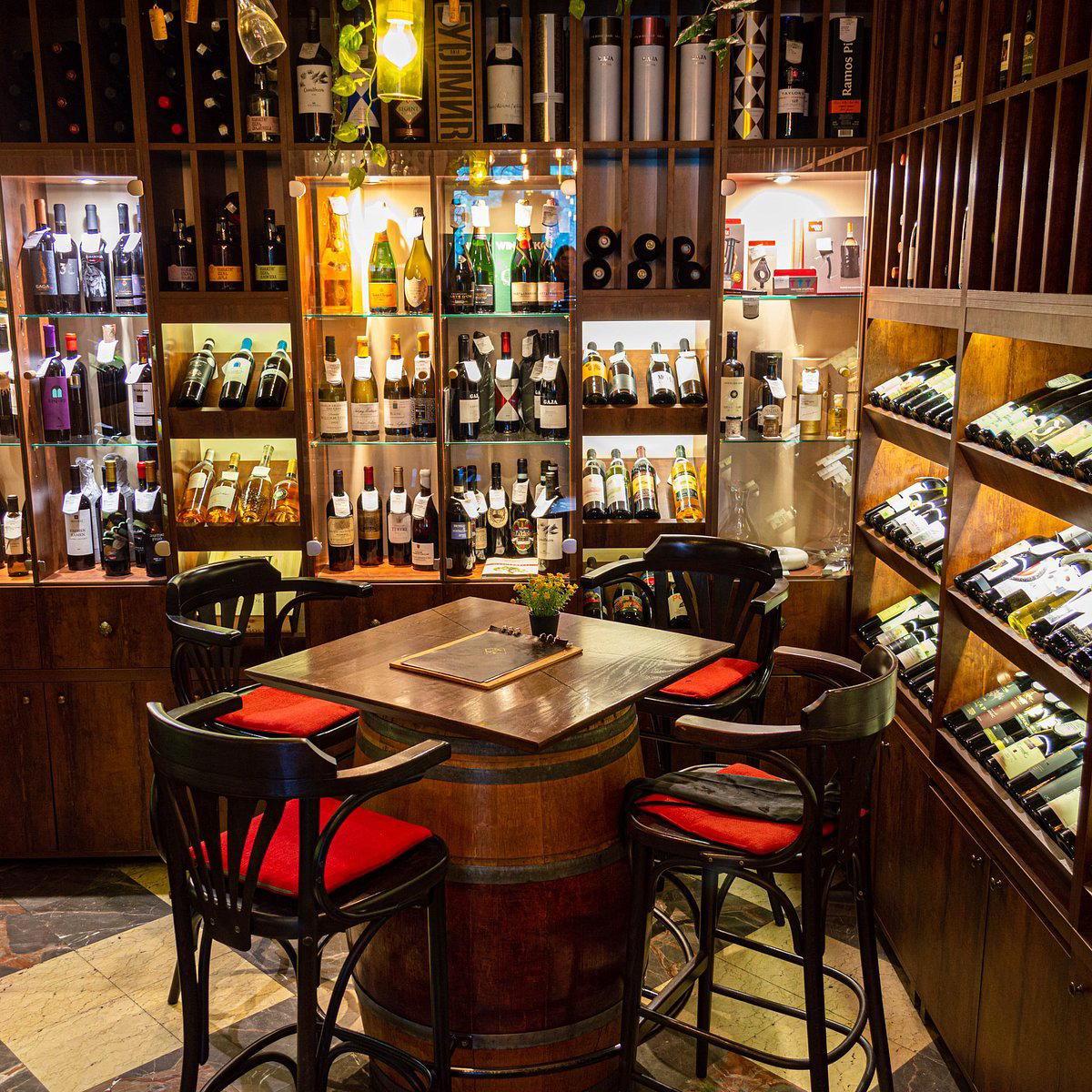
Rustic and cozy with dim lighting from candlelit tables in vaulted stone cellars, creating an intimate and traditional atmosphere.