Gočko
A local table in Serbia's most visited spa town, Gočko sits on Miška Erčevića and draws on the agricultural traditions of the Ibar valley. The cooking is grounded in the kind of ingredient logic that predates farm-to-table as a marketing concept: regional producers, seasonal availability, and preparations that reflect central Serbian cooking at its most direct. For visitors to Vrnjačka Banja seeking something beyond the resort-hotel circuit, it anchors a more grounded end of the local dining scene.
Pearl is the En Primeur Club membership app — saves, bookings, and concierge access live there. Same editors, same standards.
- Address
- Miška Erčevića bb, Vrnjačka Banja, Serbia
- Phone
- +381365614483
- Website
- etnokucagocko.rs
- Directions
- Get directions
 Saves & bookings on Pearl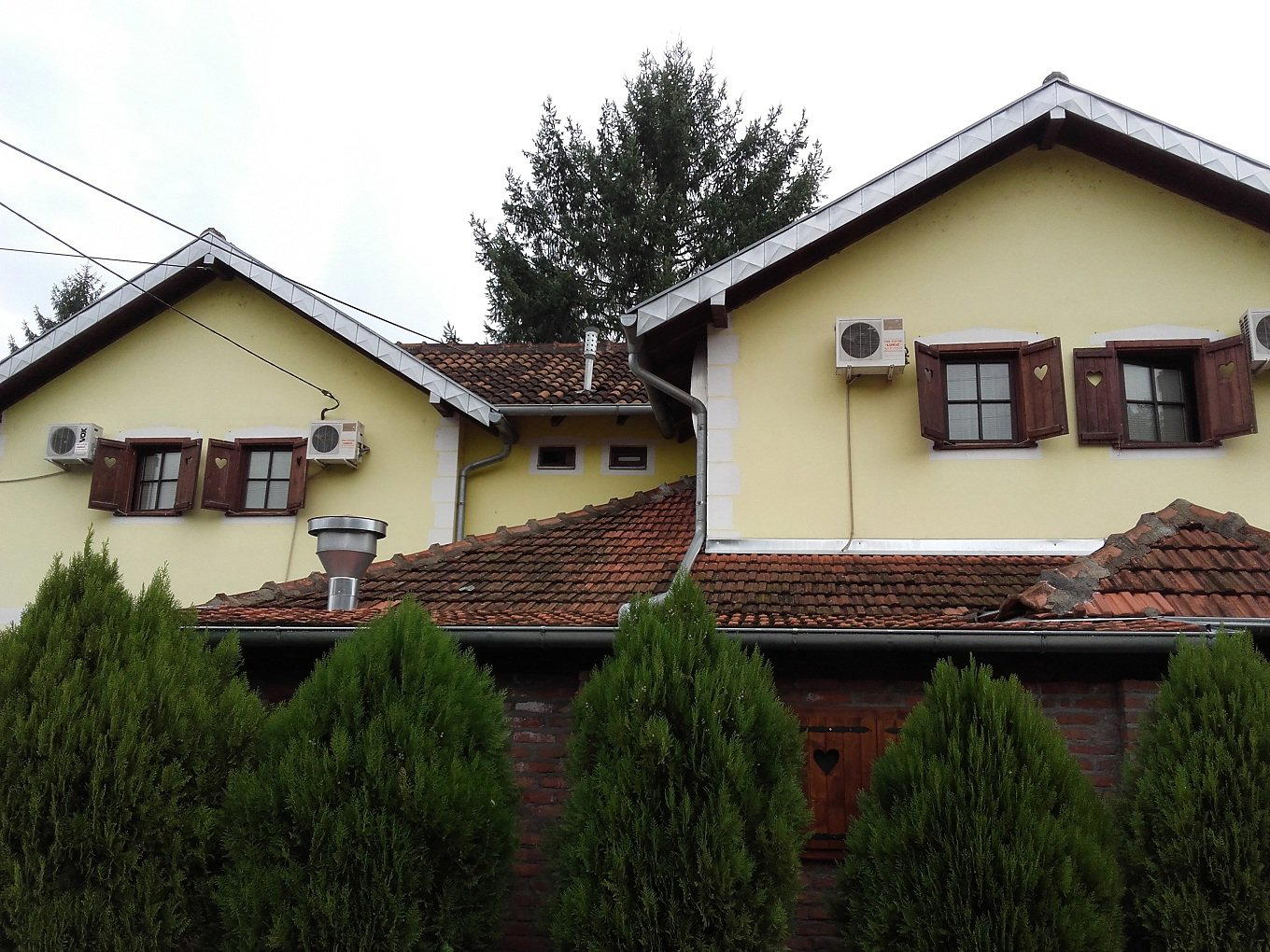
Where the Ibar Valley Arrives on the Plate
Vrnjačka Banja sits in a fold of the Western Morava corridor, surrounded by the kind of agricultural terrain that has supplied Serbian tables for centuries. The spa town's reputation draws visitors from across the country and the wider Balkans, but its dining scene has always divided between the resort-facing establishments designed for transient guests and the neighbourhood tables that feed a more local rhythm. Gočko is a casual Serbian Traditional BBQ restaurant at Miška Erčevića bb, Vrnjačka Banja, Serbia, and reservations are recommended. Approaching the address, the surroundings are quiet in the way that residential side streets in Serbian spa towns tend to be: unhurried, without the performance of the promenade strip, which makes the eventual arrival feel less like a destination and more like a find.
That physical modesty is partly the point. Central Serbia's strongest culinary tradition is not one of elaborate presentation or borrowed European frameworks. It is a tradition built around ingredients that are close, seasonal, and grown by people the cook can name. The Ibar valley, which runs southward from Vrnjačka Banja toward Raška and the Sandžak border, produces lamb that is grazed on upland meadows, dairy from small mixed farms, and river fish from streams cold enough to keep trout lean. These are not romanticised claims about terroir in the Burgundian sense. They are geographical facts that any restaurant in this part of Serbia with honest sourcing instincts can work with.
What Central Serbian Ingredient Logic Looks Like in Practice
The dominant influence on cooking in this part of Serbia is the wood-fire and slow-heat tradition that defines the inland Balkans: kazan lamb, spit-roasted pork, and the category of dishes loosely grouped under the term sač, where meat or vegetables are cooked under an inverted lid covered in embers. This is not a cuisine that rewards shortcuts in sourcing, because the techniques themselves are simple enough that poor-quality ingredients have nowhere to hide. A lamb shoulder cooked for several hours under embers will announce immediately whether the animal was pasture-raised or not. The same logic applies to the dairy products, fresh cheeses, and kajmak that appear across the central Serbian table as accompaniments rather than afterthoughts.
The seasonal structure of this cuisine is also more honest than the seasonal claims made by many European restaurants. In the Serbian interior, the gap between what grows in summer and what is available in winter is real and significant. Summer kitchens here work with fresh paprika, tomatoes, courgette, and young cheeses. Winter tables shift to preserved and smoked goods, dried meat, cured pork, and root vegetables stored from the autumn. A restaurant that sources from this system will naturally have a menu that looks different in July than it does in February, not because a marketing department decided seasonal menus were good for brand positioning, but because the supply chain is structured that way.
For visitors arriving in Vrnjačka Banja during the warmer months, when the town's thermal tourism peaks, the summer availability window is worth factoring into any meal decision. The shoulder seasons, April through early June and September through October, align well with both agricultural harvest rhythms and lighter visitor numbers at the town level.
Placing Gočko in the Serbian Dining Spectrum
Serbia's restaurant scene has developed a sharper internal hierarchy over the past decade. At the upper end, urban operators in Belgrade have built credibly modern programs: Langouste in Belgrade represents the fine-dining tier with a €€€€ price point, while mid-range contemporaries such as Fleur de Sel in Novi Slankamen and Aleksandar Gold in Uzice serve a more travelled Serbian audience with broader regional references. Below that, and in some ways more important for understanding how most Serbians actually eat, is a dense layer of locally rooted restaurants that operate on tight ingredient logic and low-cost structures.
Within that lower tier, the etno-restoran category has become a defined format across Serbian market towns and spa destinations. Places like Etno Kuća Dinar in Vrsac, ETNO PODRUM BRKA in Nis, Etno Restoran Fijaker in Sombor, and etno restoran Gaziya in Novi Pazar share a common emphasis on regional identity, local produce, and traditional preparation methods, even as they operate in quite different geographical and cultural contexts. This format has kept more culinary knowledge alive in provincial Serbia than any fine-dining program could. Gočko operates in this general neighbourhood, in a spa town where the expectations of visiting guests lean toward comfort and familiarity rather than novelty.
Restaurants anchored in river fish traditions form another relevant comparison class. ČARDA ZLATNA KRUNA in Apatin and Fish & Zeleniš in Novi Sad demonstrate how strongly the Danube and its tributaries shape Serbian table culture in the north. In the Ibar valley, freshwater fish traditions are quieter but present, and any kitchen in Vrnjačka Banja with sourcing connections to the surrounding waterways is drawing on a distinct, geographically specific ingredient story.
Further afield, Ananda in Novi Sad, Borkovac in Ruma, Burrito Madre Big Pančevo in Pancevo, Cafe Boem in Pirot, Gallery caffe & restaurant in Cacak, and GARDEN in Kopaonik represent the diversity of what Serbian provincial dining looks like once you leave the capital. The range in format, price point, and cuisine emphasis is wider than most international visitors expect. The Kopaonik connection is particularly relevant to Vrnjačka Banja visitors: the two destinations are close enough that serious diners sometimes combine a spa stay in the Banja with a mountain dining session further south.
For a sense of what Serbian cooking looks like when it is pushed further toward technical ambition, the contrast with restaurants such as Le Bernardin in New York City or Lazy Bear in San Francisco is instructive in its extremity. Those kitchens represent the opposite end of the restaurant spectrum: elaborate, urban, technique-driven, and priced accordingly. What a place like Gočko offers is not a lesser version of that ambition but a different one entirely, rooted in what the surrounding land produces rather than what global fine dining expects.
Planning a Visit
Vrnjačka Banja is accessible by road from Belgrade in roughly two and a half hours, with the town sitting south of Kruševac along the Ibar motorway corridor. The address on Miška Erčevića places Gočko away from the main spa promenade, which is worth factoring into navigation if arriving by car. Reservations are recommended. The town's peak season runs from May through September, when thermal visitor numbers are highest and local restaurants experience their busiest trading periods.
A Quick Peer Check
Comparable venues nearby, for context on price, style, and recognition.
| Venue | Cuisine | Price | Notes |
|---|---|---|---|
| GočkoThis venue — the venue you are viewing | Serbian Traditional BBQ | $$ | Not listed |
| RESTORAN TORO | Modern International with Serbian Influences | $$ | Sušica |
| Znak pitanja (?) | Traditional Serbian Kafana | $$ | Stari Grad |
| Vrelo | Traditional Serbian | $$ | Perucac |
| Potkovica | Traditional Serbian Horse Meat Barbecue | $$ | Savski venac |
| Petar at Tikas | Modern Serbian Cuisine | $$ | Palilula |
Continue exploring
More in Vrnjacka Banja
Restaurants in Vrnjacka Banja
Browse all →
Bars in Vrnjacka Banja
Browse all →
Hotels in Vrnjacka Banja
Browse all →

At a Glance
- Rustic
- Cozy
- Scenic
- Group Dining
- Family
- Garden
- Garden
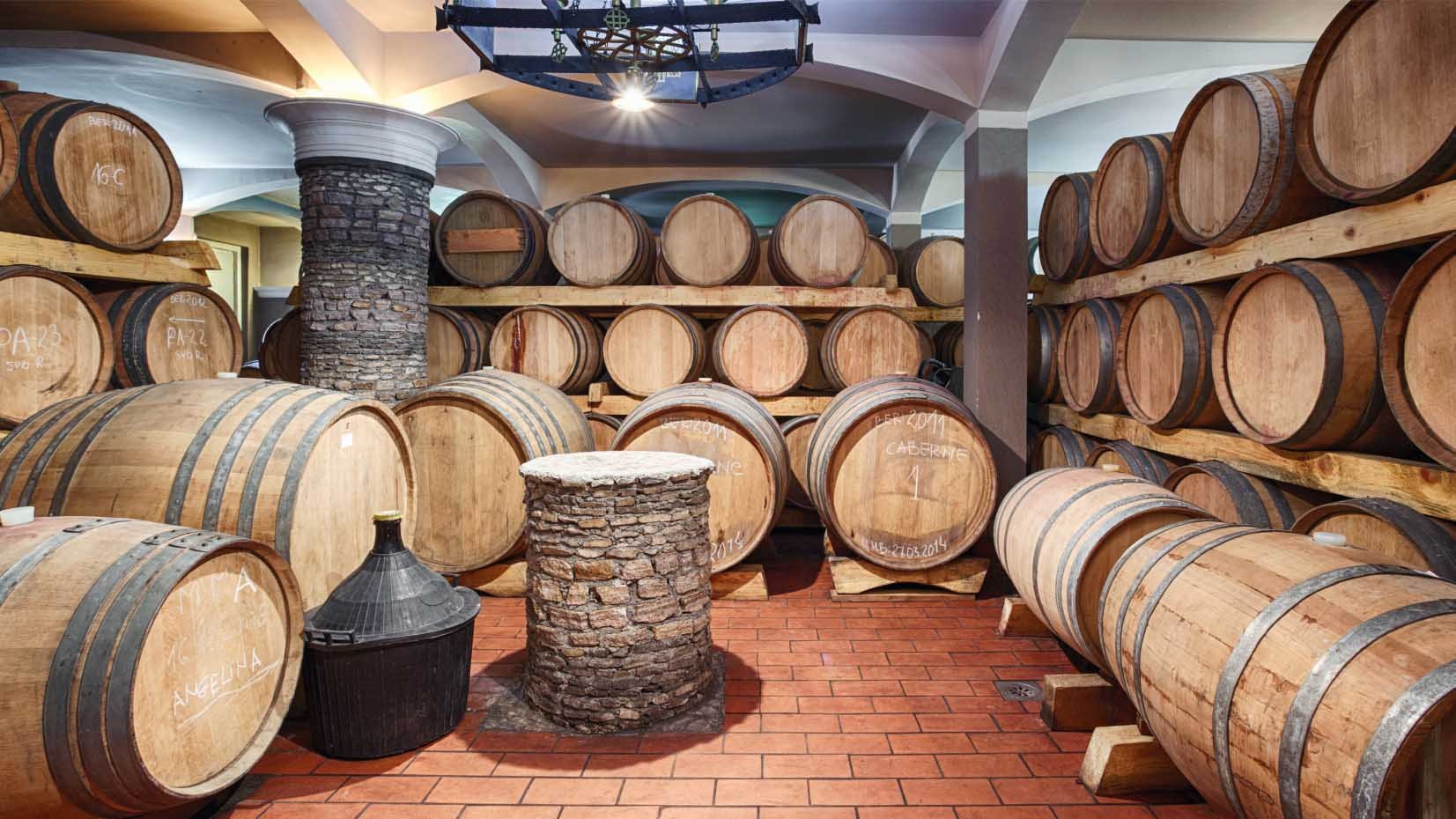
Cozy ethnic atmosphere with natural shade in beautiful Vrnjačka River surroundings.