Gostionica Mladost on Nemanjina Street is a traditional Serbian gostionica in central Čačak, the kind of address that draws locals rather than tourists. It sits within a city whose dining character is shaped by kafana culture and Šumadija culinary tradition. For visitors exploring central Serbia's restaurant scene, it offers a grounded entry point into the region's everyday food culture.
Pearl is the En Primeur Club membership app — saves, bookings, and concierge access live there. Same editors, same standards.
- Address
- Nemanjina 20, Čačak, Serbia
- Phone
- +38132348712
- Directions
- Get directions
 Saves & bookings on Pearl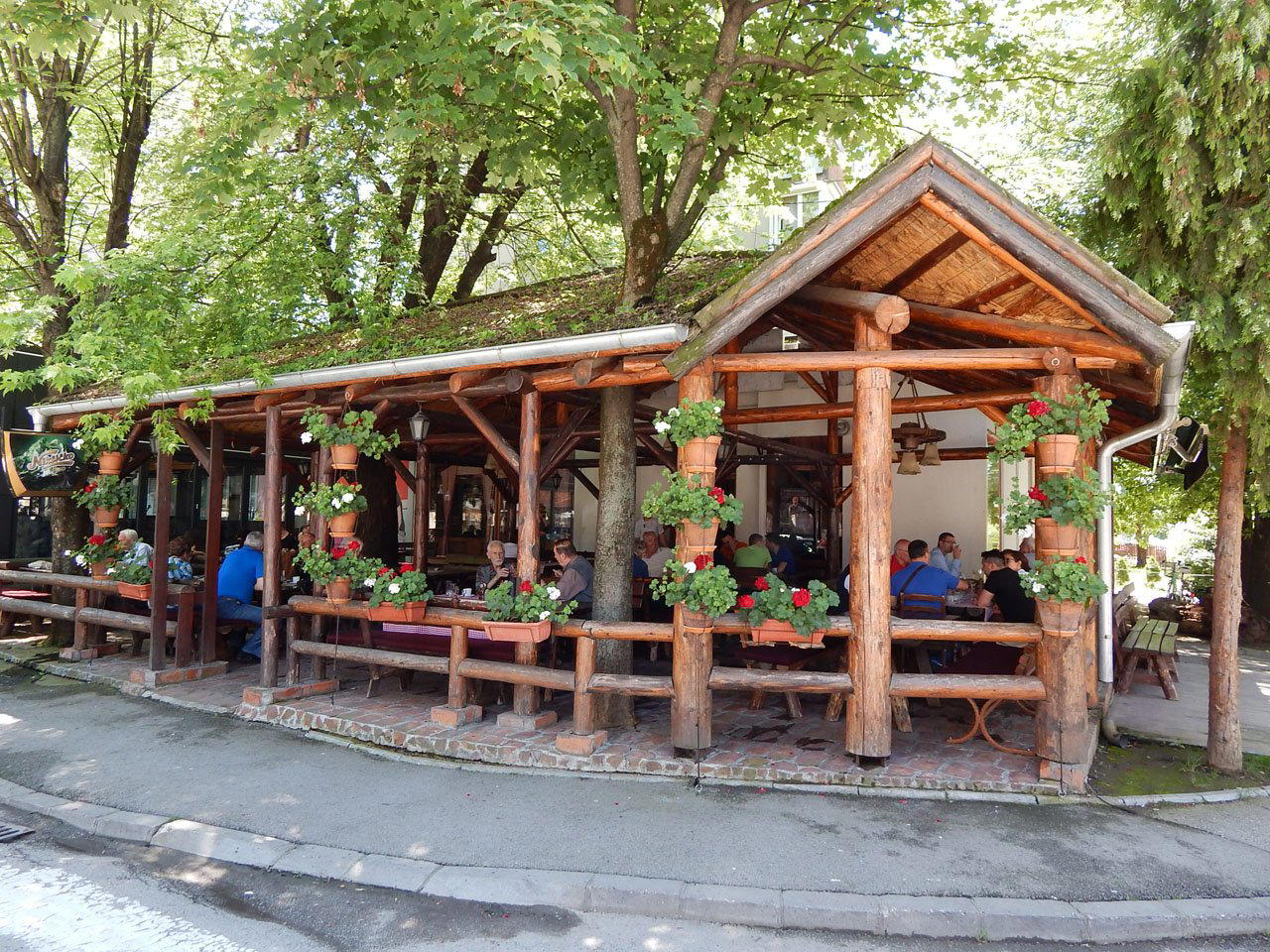
What a Gostionica Means in Central Serbia
The gostionica is one of Serbia's oldest restaurant formats, sitting somewhere between a tavern and a neighbourhood dining room. Unlike the kafana, which historically anchored its identity in live music and extended socializing, the gostionica prioritized the meal itself: grilled meats, slow-cooked bean dishes, domestic wines or rakija, and a room that did not ask you to perform. In Šumadija, the broad central Serbian region of which Čačak is the main urban hub, this format has shown more durability than elsewhere. The local appetite for plainly executed, seasonal food has kept the gostionica alive in cities where, in Belgrade, the equivalent spaces were long ago replaced by cafes or concept restaurants.
Gostionica Mladost is a restaurant at Nemanjina 20 in Čačak, Serbia, serving Traditional Serbian Tavern fare at an affordable price point. The address places it on one of the city's central streets, close enough to daily civic life that its clientele skews local. This is not incidental. In Serbian towns of Čačak's size, the restaurants that survive on a local clientele over years tend to calibrate their offer more carefully than those chasing visitors. The food has to be consistent, the pricing has to reflect local incomes, and the room has to feel like a continuation of ordinary life rather than a departure from it.
The Šumadija Table and What It Puts in Front of You
Central Serbian cooking is not a cuisine of elaboration. The Šumadija tradition draws on what the surrounding land produces: pork, lamb, freshwater fish from the Morava River system, cultivated vegetables in summer, preserved and dried goods through winter. Preparation tends toward direct heat and long time, and seasoning tends toward restraint. The Serbian table in this region communicates through quantity and freshness rather than technique complexity.
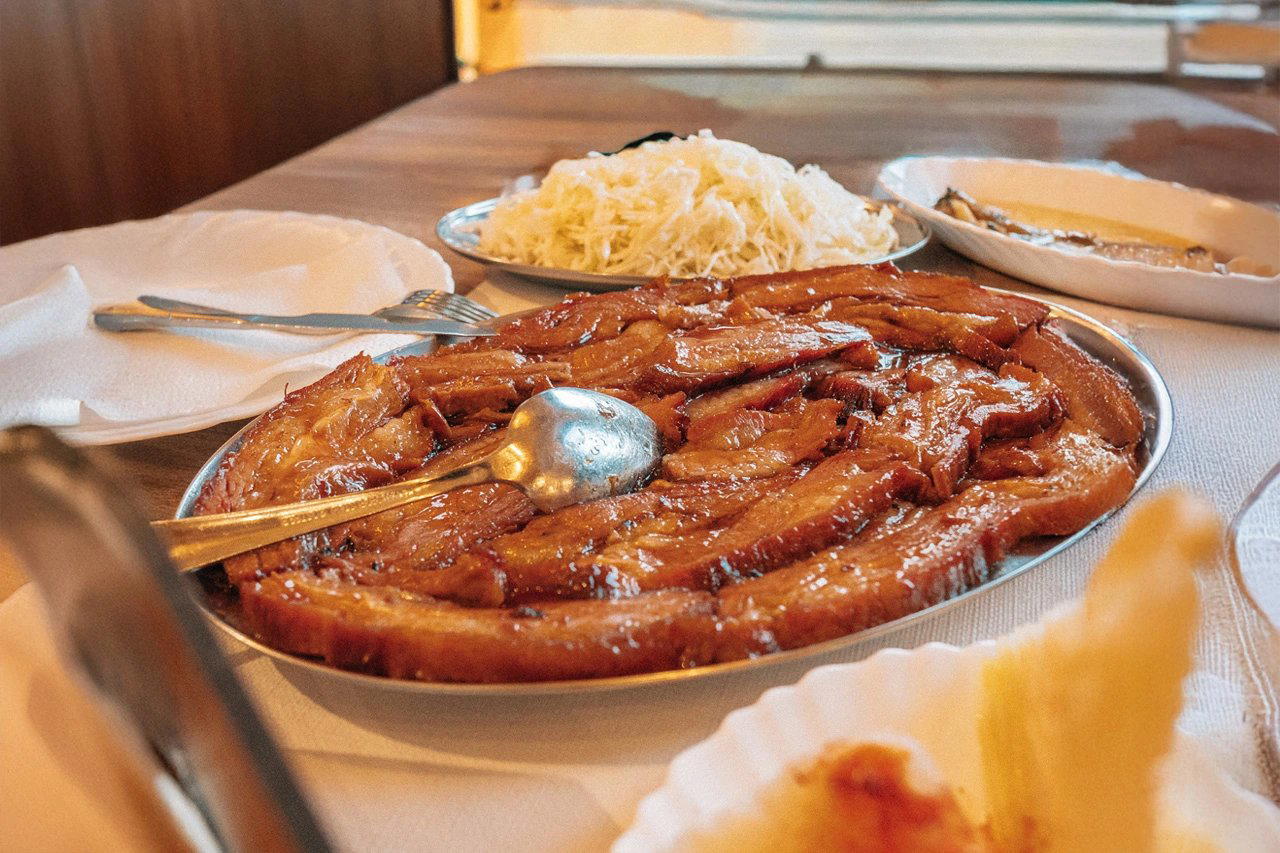
Within that framework, a gostionica like Mladost would be expected to anchor its menu around grilled meats, particularly mixed grill formats like the mešano meso, alongside bean soups, roasted peppers, and bread baked on premises or sourced locally. Domestic rakija from Šumadija's plum orchards is the regional aperitif, and house wine from Serbian producers sits at the lower price tier, consistent with the format's accessible positioning. The gostionica category in this region reliably operates within those parameters.
Čačak sits within one of the stronger fruit-growing zones in Serbia, which shapes both the rakija available locally and the seasonal produce that appears in kitchens at different points in the year. Visitors arriving in late summer or autumn will find that most traditional restaurants in the city, Gostionica Mladost included, are working with produce harvested nearby within weeks. It reflects the economic reality of a mid-sized Serbian city with active agricultural land on its outskirts.
Čačak's Restaurant Character and Where Mladost Fits
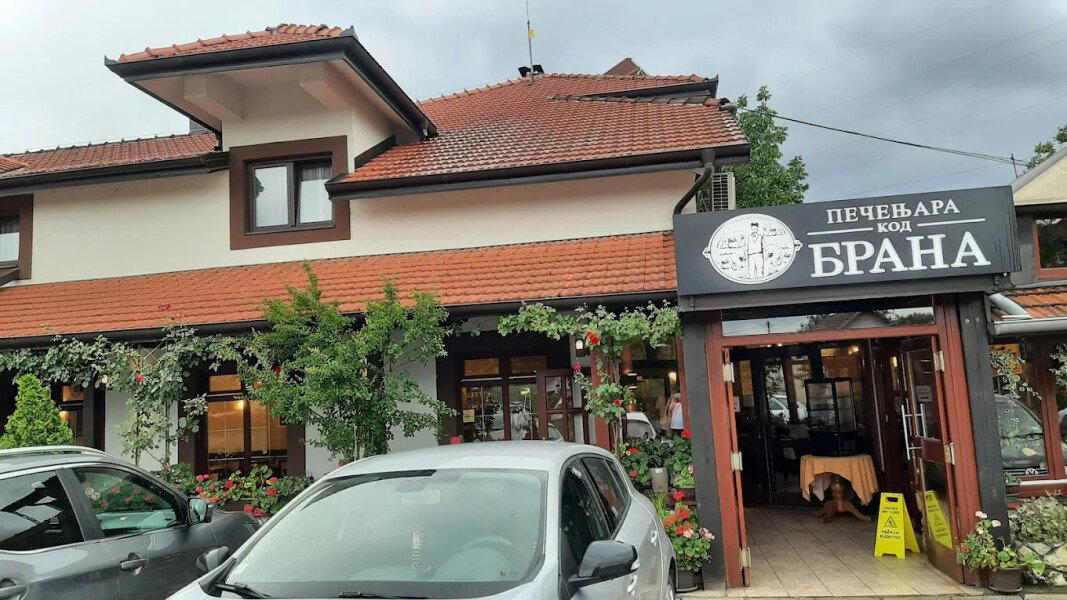
Čačak is not a dining destination in the way that Belgrade or Novi Sad functions as one, but it has a coherent restaurant culture shaped by local demand. The city runs on kafana and gostionica culture at the traditional end, with a growing number of café-restaurant hybrids that have emerged over the past decade to serve a younger demographic. For context on that wider spread, Gallery caffe & restaurant and Kod Nemca represent different points on that range, and Kod Brana sits closer to the traditional end.
Within Čačak's traditional segment, Gostionica Mladost occupies the kind of position that is sustained by repeat local visitors rather than destination seekers. The format is understood by its audience, which sets a different quality standard than a restaurant that has to explain itself to every new guest. This is a meaningful distinction. In central Serbian towns, a gostionica that has maintained local loyalty across years is demonstrating something about consistency that formal awards systems rarely capture.
Lovački dom in Valjevo and Kafana Studenac in Bajina Basta are regional peers that share the same Šumadija-adjacent culinary logic. Kafana Pećinar Ljubiš in Cajetina and Etno Kuća Dinar in Vrsac illustrate how other Serbian towns have approached the same traditional format with different emphases. KAFANA DUKAT in Pirot and ČARDA ZLATNA KRUNA in Apatin show how regional identity inflects traditional Serbian hospitality differently depending on geography. For visitors moving between regions, Aleksandar Gold in Uzice and Windmill in Pancevo provide additional reference points. And for those comparing Serbia's traditional dining culture against its most formally recognized end, Langouste in Belgrade represents the distance between the gostionica format and the capital's upper tier. Kafe Restoran Maša in Novi Sad, Grand **** in Kopaonik, and Kod poštara in Aran Elovac each occupy distinct niches within Serbia's broader dining spread.
Planning a Visit
The restaurant is at Nemanjina 20, Čačak, which places it on one of the city's main central arteries and accessible on foot from the town centre. The restaurant is open daily from 7 AM to 12 AM, and it is walk-in friendly. In the gostionica format, walk-in dining is the norm. Pricing is affordable, with an estimated cost of about $12 per person.
Budget Reality Check
Comparable venues nearby, for context on price, style, and recognition.
| Venue | Cuisine | Price | Notes |
|---|---|---|---|
| Gostionica MladostThis venue — the venue you are viewing | Čačak, Traditional Serbian Tavern | $$ | Not listed |
| Gallery caffe & restaurant | Not listed | $$ | Central Cacak, Serbian Traditional with Pizza and International Options |
| Kod Nemca | Parmenac, Traditional Serbian Kafana | $$ | Not listed |
| Kod Brana | Not listed | $ | Bulevar Oslobođenja, Traditional Serbian Grill & Roast House |
| Rubin | Košutnjak, Traditional Serbian Grill | $$ | Not listed |
| Petar at Tikas | Palilula, Modern Serbian Cuisine | $$ | Not listed |
Continue exploring
More in Cacak
Restaurants in Cacak
Browse all →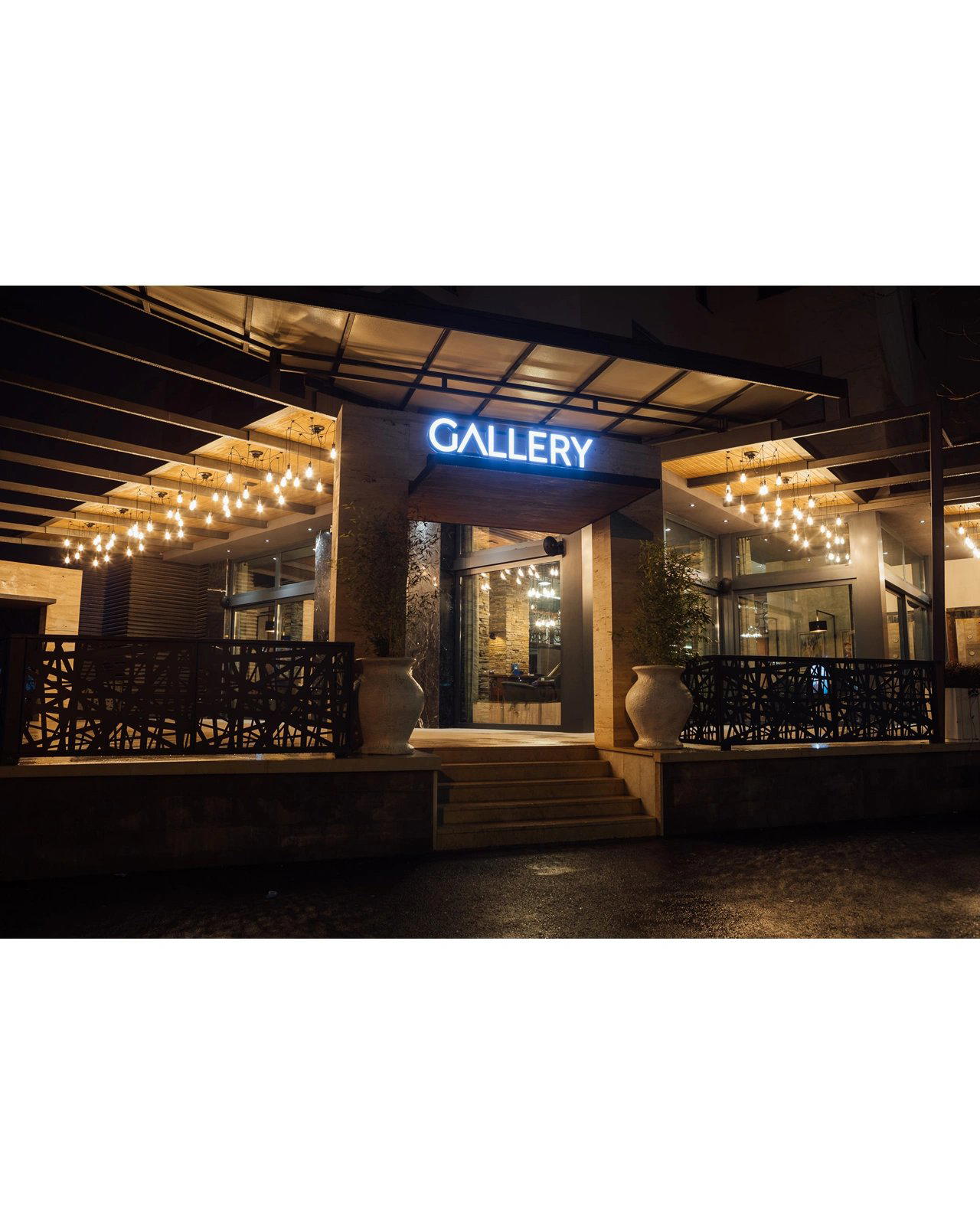

At a Glance
- Rustic
- Classic
- Cozy
- Casual Hangout
- Group Dining
- Family
- Garden
- Standalone
- Garden
Current opening hours
- Monday
- 7 AM–12 AM
- Tuesday
- 7 AM–12 AM
- Wednesday
- 7 AM–12 AM
- Thursday
- 7 AM–12 AM
- Friday
- 7 AM–12 AM
- Saturday
- 7 AM–12 AM
- Sunday
- 7 AM–12 AM
Hours can change for holidays and private events. Last verified .
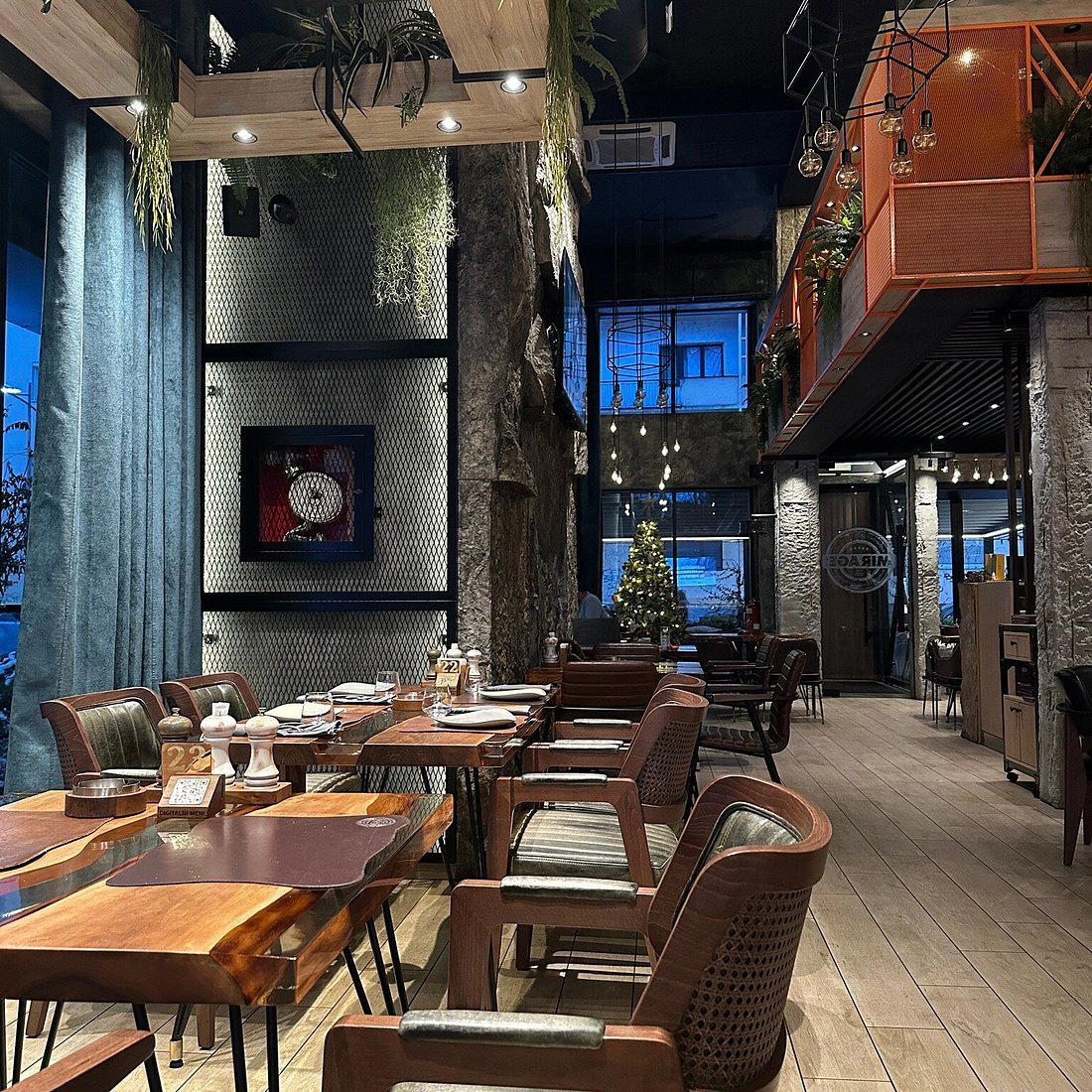
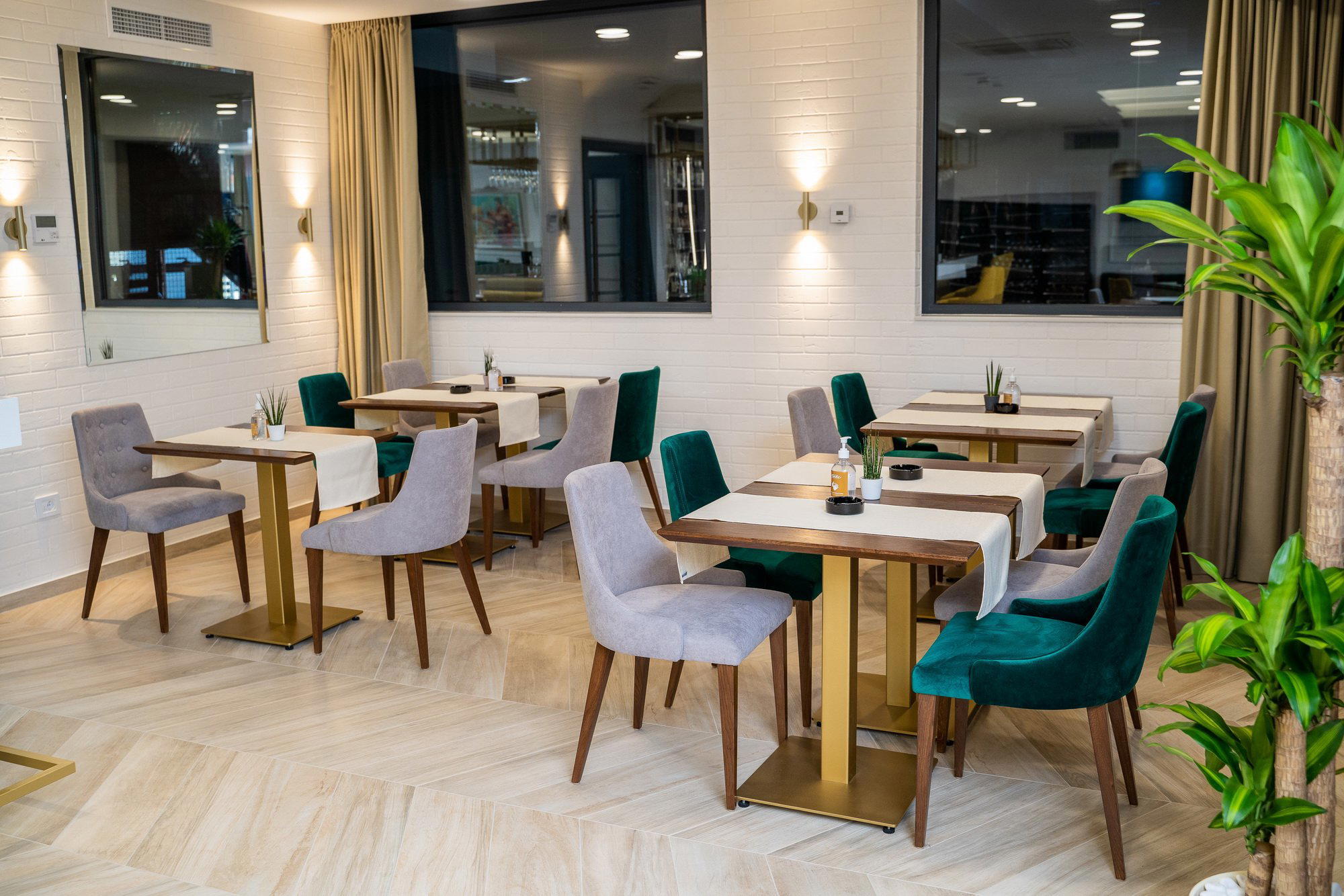
Warm and welcoming neighborhood gathering place with a casual, unpretentious atmosphere favored by local residents.