Mendokoro Honda occupies a specific position in Tokyo's specialist ramen and noodle counter scene, where format discipline and space design carry as much weight as the bowl itself. The physical environment, counter seating, deliberate pacing, minimal distraction, shapes the experience before the first course arrives. For visitors mapping Tokyo's serious noodle culture, it sits alongside the city's most considered smaller-format operators.

Pearl is the En Primeur Club membership app — saves, bookings, and concierge access live there. Same editors, same standards.
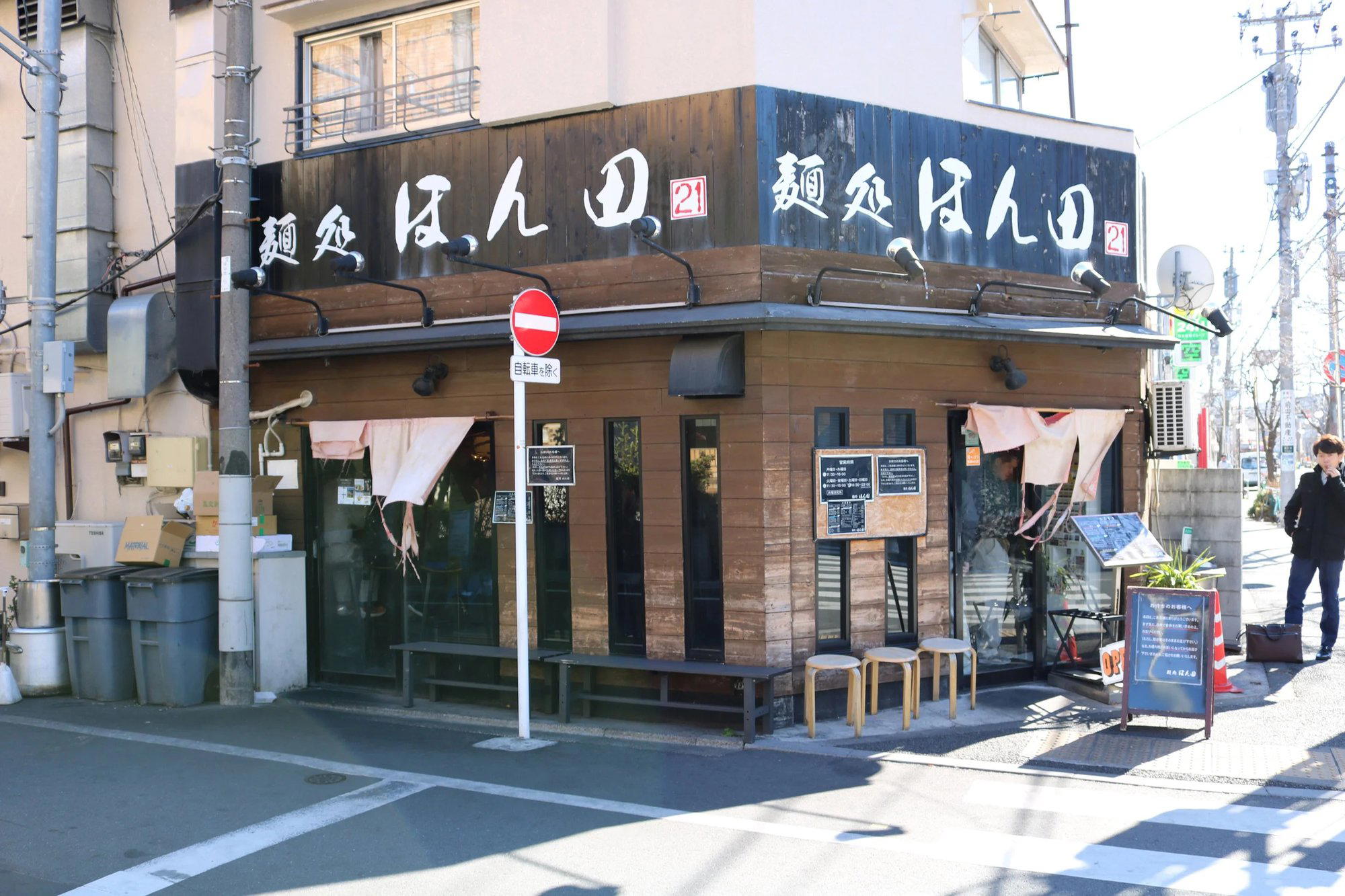
The Counter as Architecture: How Tokyo's Serious Noodle Rooms Are Built
In Tokyo's most considered dining rooms, the physical container is not backdrop, it is argument. The city's specialist noodle and ramen counters have increasingly moved toward formats where seating geometry, sightlines to the kitchen, and the deliberate minimisation of noise and distraction are treated as part of the culinary proposition. Mendokoro Honda belongs to this cohort: a Tokyo restaurant specializing in shoyu ramen where the spatial logic of the room communicates something about the seriousness of what arrives in the bowl. The name itself, mendokoro, a term for a noodle house or noodle-making place, signals an orientation toward craft over spectacle.
This is a city where the relationship between room design and dining intention is unusually legible. Counter seating, deployed correctly, does two things simultaneously: it removes the social performance of table dining and it places the guest in a direct relationship with the preparation. Tokyo's better specialist counters understand this. The distance between diner and kitchen at a well-designed noodle counter is a deliberate editorial choice, not a space-saving compromise.
Tokyo's Noodle Counter Tier: Where Considered Formats Sit
Tokyo's noodle culture operates across an enormous range, from high-volume ramen chains where efficiency is the point, to specialist counters where the queue outside is shorter but the bowl is more precisely calibrated. Mendokoro Honda occupies the latter territory. In a city where Harutaka has defined the ceiling of the sushi omakase counter format and where RyuGin has extended Japanese seasonal cooking into an internationally recognised register, the more recessive noodle counter occupies a different but complementary cultural space: less mediated by international critical infrastructure, more legible to a local audience that understands the weight of a particular broth or the discipline of a hand-cut noodle.
The competitive set for an operation like Mendokoro Honda is not the tourist-facing ramen bar with English menus and QR codes for overseas visitors. It is the smaller cohort of Tokyo noodle specialists where the room is quiet, the host-to-guest ratio is high relative to a chain, and the sourcing conversation, about flour, about dashi, about the provenance of tare, is part of the implicit contract with the diner. This is a format that rewards prior knowledge and punishes impatience.
Spatial Logic: What the Room Tells You Before the Bowl Arrives
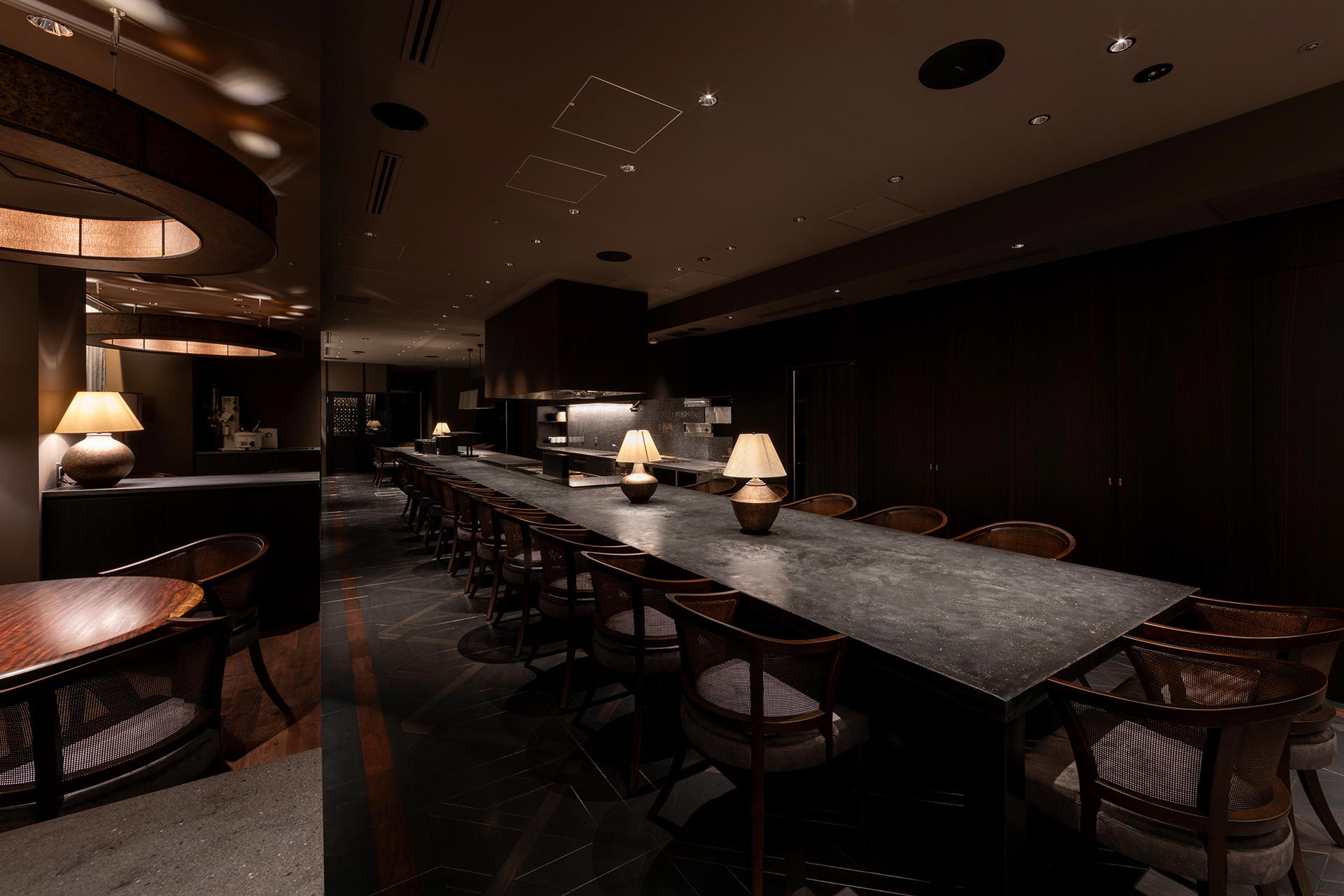
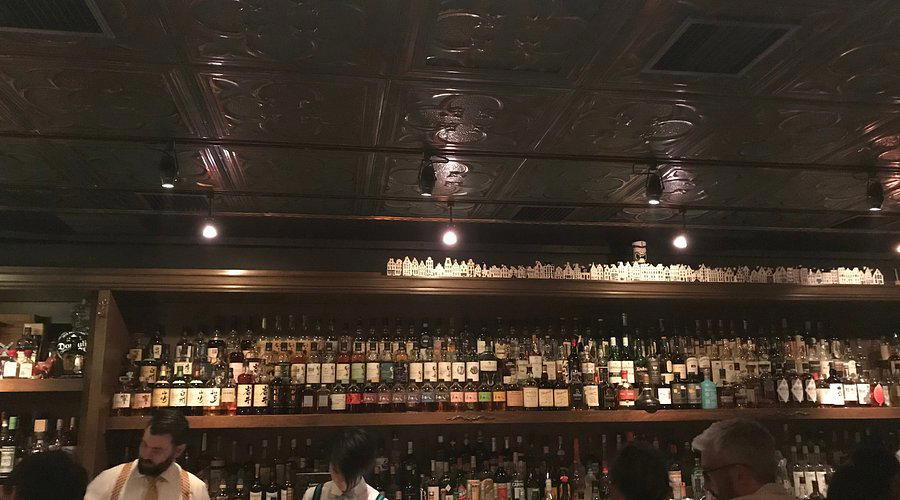
The design vocabulary of Tokyo's serious small-format dining rooms tends toward compression and focus. Fewer seats mean the kitchen is never cooking at scale, which in practice means more precise heat management and more consistent execution across a service. The absence of large tables, background music at the wrong volume, or over-furnished walls is not austerity for its own sake, it is the room calibrated to a specific kind of attention. At counters in this register, the visual plane is kept low and horizontal: the bowl, the placement, the steam.
This approach to space has broader precedents in Tokyo dining. The city's sushi counters codified a version of it decades ago, and the logic has migrated into kaiseki, into tempura, and more recently into the more considered reaches of noodle culture. The question is always the same: what does the room ask the guest to pay attention to? At the restaurant, the spatial answer is: the food, and nothing competing with it.
For visitors who have spent time at L'Effervescence or Sézanne, where the French-in-Tokyo format operates at a different price tier but shares a commitment to controlled environment, the shift to a noodle counter of this type requires a recalibration of expectations. The price point drops significantly, the menu is narrower, the interaction more compressed. But the underlying logic of the designed experience is recognisable: a room built to serve the food rather than the other way around.
Japan's Broader Noodle Geography: Context Beyond Tokyo
Tokyo is not Japan's only serious noodle city, but it is the one with the densest concentration of specialist operators and the developed critical culture around them. Osaka's dining scene, anchored by operations like HAJIME at the haute end, has its own noodle traditions that run parallel to Tokyo's without converging. Kyoto's approach, visible through the precision of restaurants like Gion Sasaki, tends toward dashi-led restraint. Further afield, Goh in Fukuoka operates in a city where tonkotsu is structural to local identity, not a single restaurant's proposition.
What distinguishes Tokyo's specialist noodle counter from these regional expressions is the degree to which the format itself, the physical room, the pacing, the counter layout, has become a critical object. In Fukuoka, the broth is the argument. In Tokyo's considered noodle rooms, the broth and the room both carry weight. This is also true, in different registers, of international operations: Le Bernardin in New York and Atomix demonstrate that the designed dining environment is a critical instrument in any serious restaurant's proposition, regardless of cuisine type. The noodle counter is simply a more compressed expression of the same principle.
Japan's regional specialist operations, from akordu in Nara to operations in Nanao and Sapporo, offer further calibration of how regional Japan treats the relationship between room design and dining intention.
Planning Your Visit
Reservations: the restaurant is walk-in friendly. Dress: Counter-format noodle dining in Tokyo is typically casual to smart-casual; the room design does not imply dress code formality. Budget: Relative to Tokyo's ¥¥¥¥ sushi and kaiseki counters, such as Harutaka or RyuGin, specialist noodle counters of this type typically operate at a substantially lower per-head cost, though they sit above mass-market ramen in both price and format discipline. Timing: Lunch service at Tokyo's more considered noodle operations tends to be the primary format; evening availability, where it exists, often books faster. Visiting outside peak tourist seasons, avoiding late December through early January and the Golden Week window in late April and early May, generally means shorter waits and a calmer room.
Similar Picks
Comparable venues nearby, for context on price, style, and recognition.
| Venue | Cuisine | Price | Notes |
|---|---|---|---|
| Mendokoro HondaThis venue — the venue you are viewing | Shoyu Ramen Specialist | $$ | Not listed |
| Toda Wataru no Okonomiyaki Santekan | Osaka-style Okonomiyaki & Teppanyaki | $$ | Minato |
| Mahakala | Kushikatsu Izakaya | $$ | Meguro |
| Hassho | Hiroshima-style okonomiyaki | $$ | Setagaya |
| Nemurian | Traditional Soba & Sake Izakaya | $$ | Chiyoda |
| Iriya Kishimojin Monzen no Daya | Japanese Unagi | $$ | Taitō |







At a Glance
- Cozy
- Casual Hangout
- Sake Program
Casual counter-style ramen shop under railway tracks with lively atmosphere from daily lines and organized ticket system.