.png)
Among Budapest's €€€€ modern tasting-menu restaurants, Mák occupies a particular position: vaulted brick ceilings and a relaxed atmosphere that sits closer to a well-worn neighbourhood room than a formal dining hall, while the cooking operates at the level of its more ceremony-conscious peers. Seasonal sourcing from artisan suppliers shapes a set menu where preserved and aged techniques carry as much weight as fresh ingredients.
 Discover on Pearl
Pearl is the En Primeur Club membership app — saves, bookings, and concierge access live there. Same editors, same standards.
- Address
- Budapest, Vigyázó Ferenc u. 4, 1051 Hungary
- Phone
- +36 20 926 7837
- Website
- mak.hu
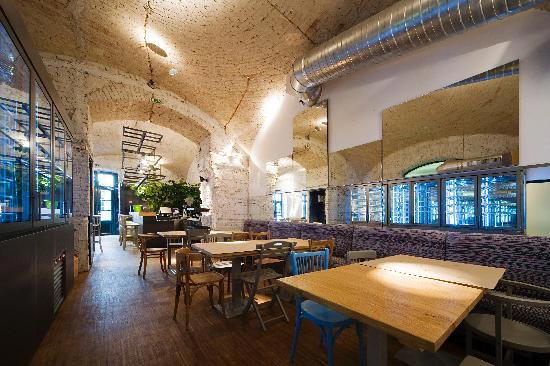
A Room That Sets Its Own Terms
Mák is a restaurant in Budapest serving modern Hungarian fine dining at about $70 per person, with a room that trusts the plate to carry the weight. Mák, on Vigyázó Ferenc utca in the 5th district, belongs firmly to the second category. The vaulted brick ceiling and the general informality of the room create a context where the meal is allowed to breathe rather than perform. Entering, there is no sense of ceremony being imposed on you before a dish has arrived, the space does its work quietly and then steps aside.
That physical register matters because it shapes what the meal asks of you. A set-menu restaurant with a more formal dining room codes the experience as occasion-dining: you arrive at a certain level of attention, you hold it for the duration, and the service team manages the pacing at arm's length. At Mák, the informality invites a different relationship with the ritual. The meal is still structured, the longer format set menu is the object of this kitchen's full attention, but the atmosphere encourages a degree of ease that is rarer at this price point than it should be.
How the Meal Is Constructed
The format is set menu only, and the longer version is the one worth booking for. This is a kitchen where the logic of the meal accumulates across courses: the decisions made early, around preserved ingredients and vegetable preparation, only read clearly when you've seen how they resolve later in the sequence. Shortening the meal is technically possible, but it cuts across the kitchen's intentions in a way that a more interchangeable à la carte format would not.
Seasonality is the governing principle, and it is pursued at the supply level rather than just reflected in the menu language. The menu responds to what those producers have rather than what a procurement system has sourced at scale. In practice, this produces a set menu that changes not just season to season but as individual ingredients move through their growing and preservation cycles. Dishes documented from the kitchen include grey catfish with buckwheat and duck with celery and pine, combinations that reflect both the Hungarian larder and a broader central European preservation logic.
Vegetables receive the same treatment as proteins throughout the menu, which is a more meaningful commitment than it sounds at a restaurant operating at this price tier. Curing, pickling, and ageing are applied consistently across the menu rather than confined to secondary courses, so the textural and flavour complexity you'd normally associate with aged meat or cured fish turns up in vegetable preparations as well. The result is a kind of lateral richness: no single course is asked to be the obvious centrepiece, and the meal's logic depends on the full sequence.
Where Mák Sits in the Budapest Modern Dining Field
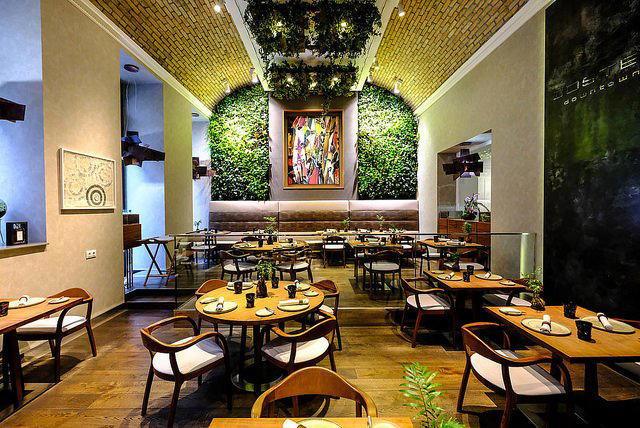
The €€€€ modern tasting-menu tier in Budapest includes a small number of restaurants operating with genuine precision. Babel and Costes operate in the same bracket and bring significant international recognition to the field. Stand and essência add further reference points. Within that set, Mák is distinguished by the deliberate informality of its physical environment and by a supply-chain approach that sits closer to the producer-visit model you find at ingredient-led restaurants in Scandinavia or the Austrian countryside than to the more urban-facing profiles of some Budapest peers.
For comparison outside the capital, the producer-sourcing logic Mák applies has parallels at Pajta in Őriszentpéter and Platán Gourmet in Tata, both of which operate in regional Hungary with similarly close supplier relationships. 42 Restaurant in Esztergom, 67 Sigma in Székesfehérvár, and A Konyhám Stúdió 365 in Fonyód represent the broader Hungarian regional fine dining field that Budapest's leading tables are in conversation with, even if they operate in very different contexts. Further afield, the seasonal-tasting-menu model Mák practices has recognisable counterparts in northern European restaurants like De Librije in Zwolle and De Bokkedoorns in Overveen, which similarly treat preservation techniques as structural rather than incidental to their cooking. Alkimista Kulináris Műhely in Szeged and Salt complete the local picture of where this style of cooking is being practiced seriously in Hungary.
The Service Tempo
Pacing is one of the markers that separates a kitchen operating with real confidence from one that is simply producing technically correct food. At Mák, the service has been consistently noted for its unobtrusiveness and accuracy of tempo, courses arrive at a rate that allows the meal to develop rather than accumulate. This is harder to sustain at the informal end of the €€€€ tier, where a more relaxed room can slide into erratic timing. The discipline of the service at Mák is what makes the informality of the room a choice rather than an accident.
Google review data from 1,217 reviews gives the restaurant a 4.7 rating. At the €€€€ price point in Budapest, this kind of review depth is a meaningful signal about reliability over time, not just peak performance on a well-staffed Saturday.
Planning Your Visit
Mák is located at Vigyázó Ferenc u. 4 in Budapest's 5th district, within walking distance of the Danube embankment and the central city hotel cluster. The restaurant operates at the €€€€ price tier, placing it in the same spend bracket as Budapest's other serious tasting-menu rooms. Given the set-menu format and the sourcing model, which means the kitchen is working with limited, seasonally specific supply, booking in advance is advisable, particularly for evenings later in the week. Reservations are recommended, and the restaurant is open Wednesday from 6 to 10 p.m., Thursday to Saturday from 12 to 3 p.m. and 6 to 10 p.m., with Monday, Tuesday, and Sunday closed.
For a broader view of where Mák sits in the city's dining options,
At a Glance
Comparable venues nearby, for context on price, style, and recognition.
| Venue | Cuisine | Price | Notes |
|---|---|---|---|
| MákThis venue — the venue you are viewing | Varhegy, Modern Hungarian Fine Dining | $$$ | |
| St. Andrea | Terézváros, Modern Hungarian Fine Dining | $$$ | |
| 21 Restaurant | Varhegy, Modern Hungarian Bistro | $$$ | |
| Café Gerbeaud | Varhegy, Hungarian Café & Pastries | $$$ | |
| Mezzo Music Restaurant | $$$ | Buda, Modern European with Hungarian Classics | |
| N28 Wine and Kitchen | Terézváros, Modern Hungarian Bistro | $$$ |
Continue exploring
More in Budapest
Restaurants in Budapest
Browse all →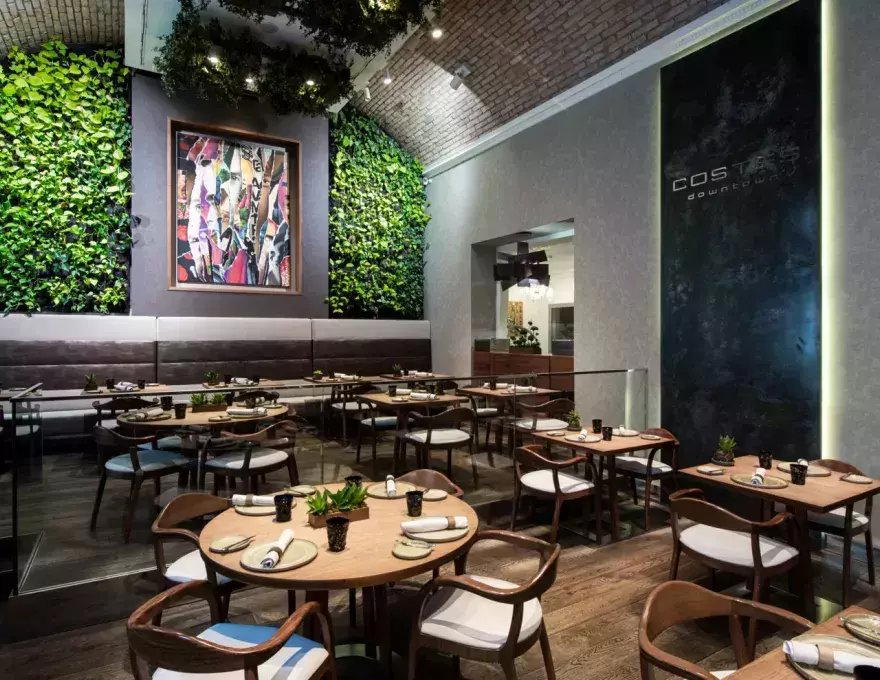
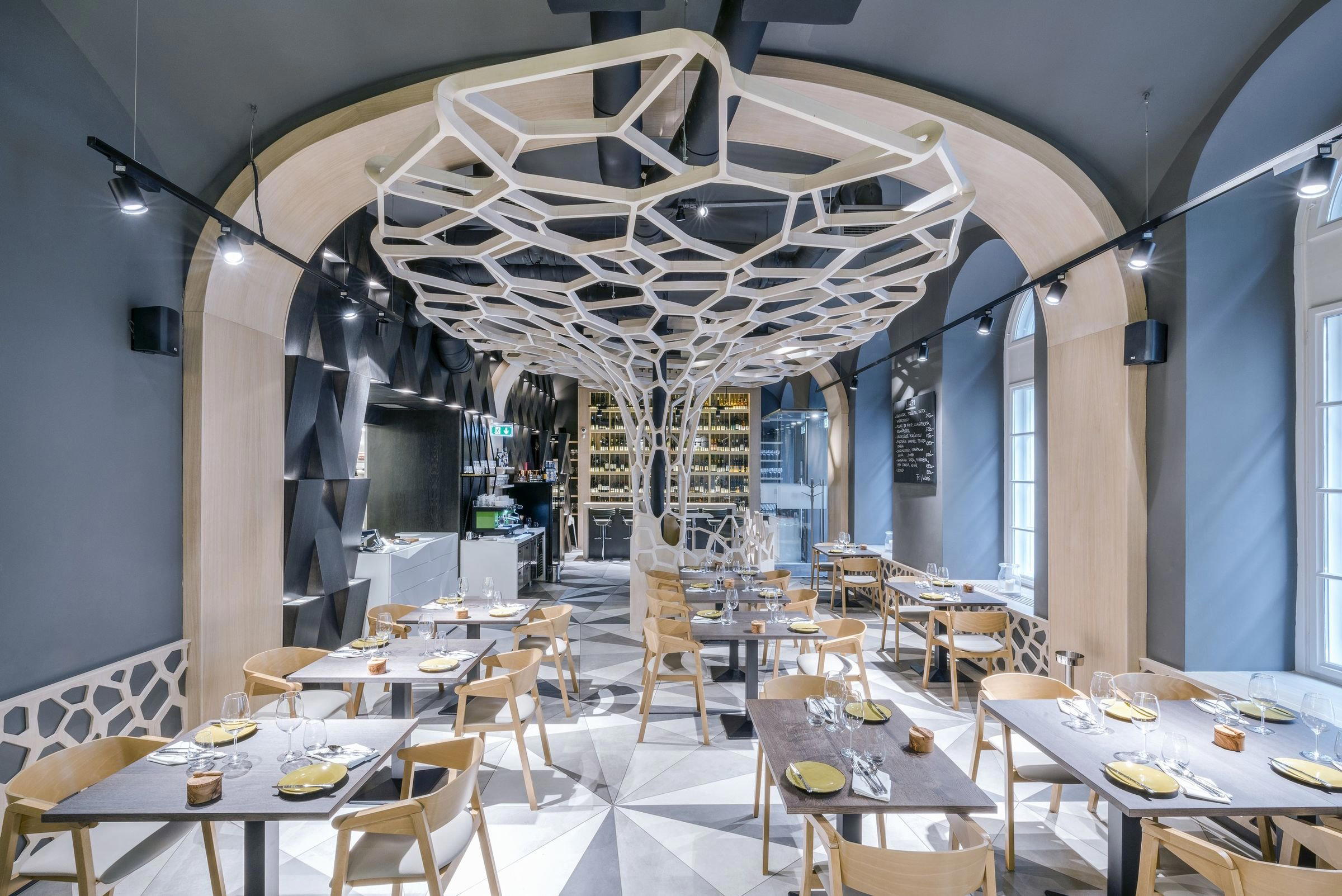
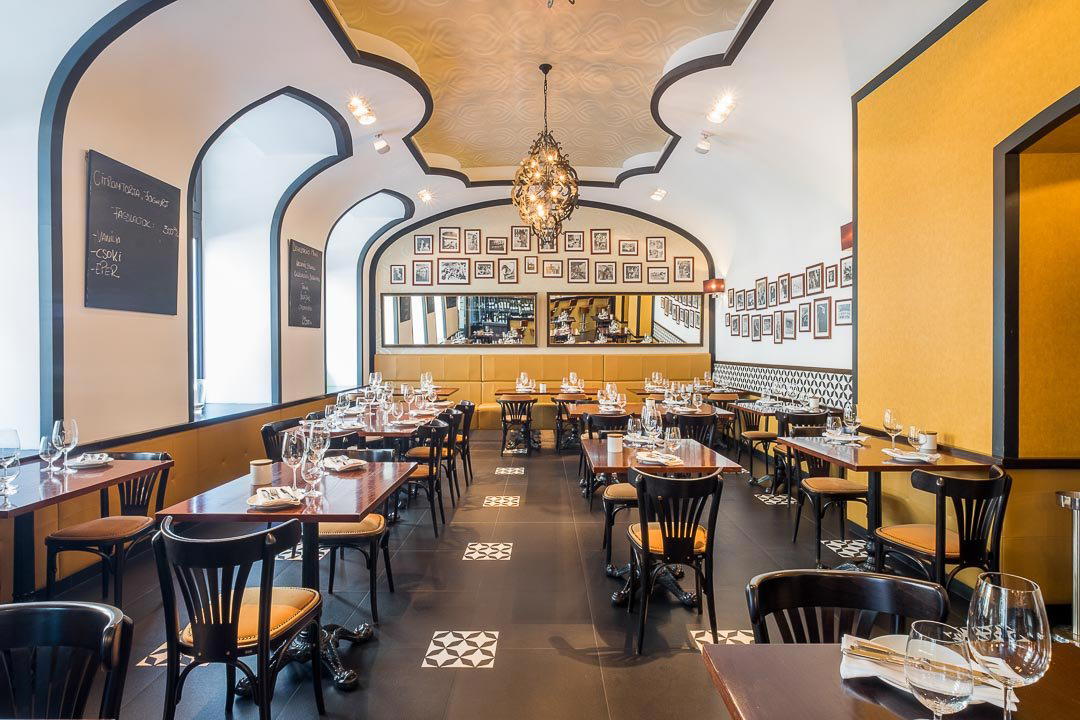
Bars in Budapest
Browse all →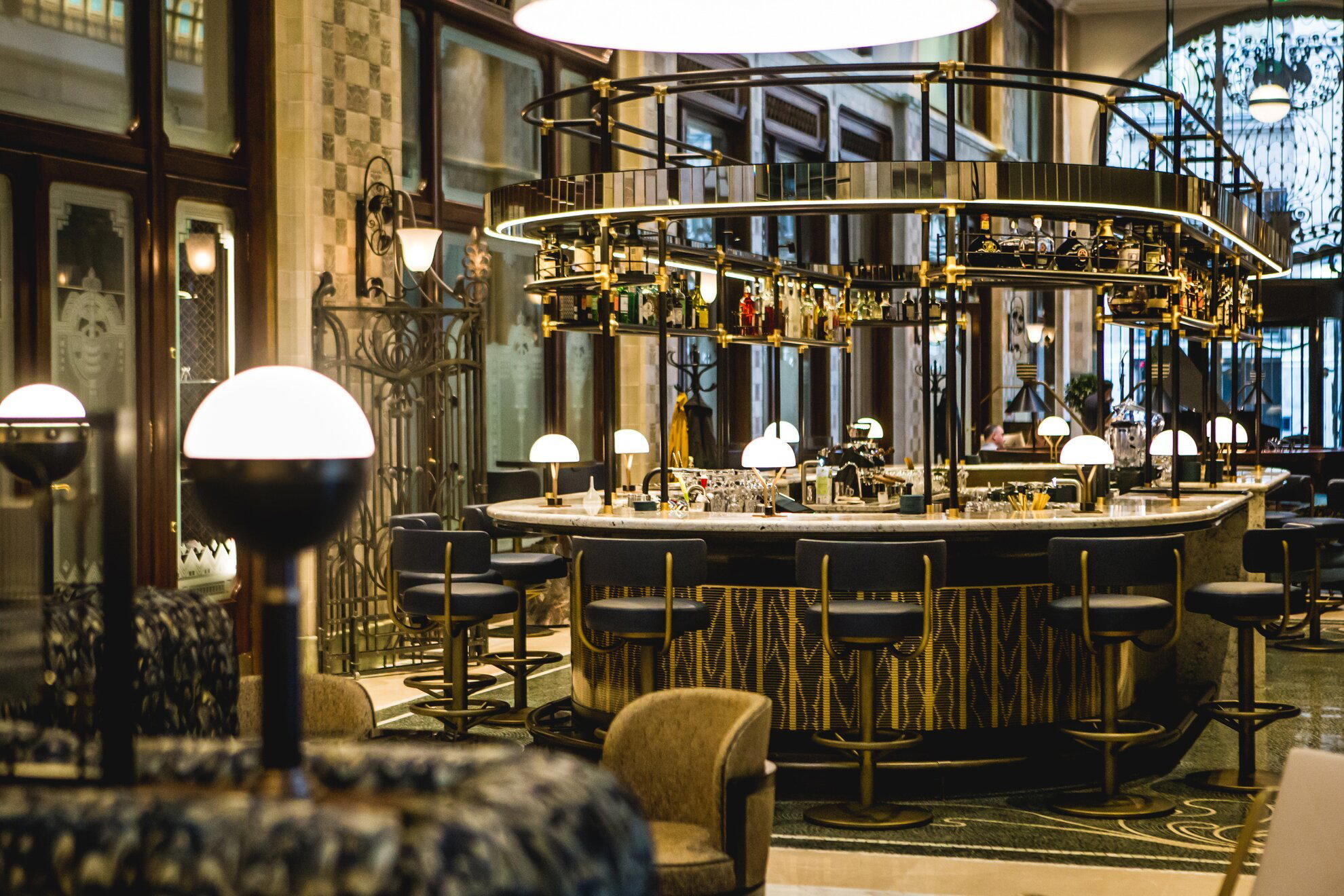
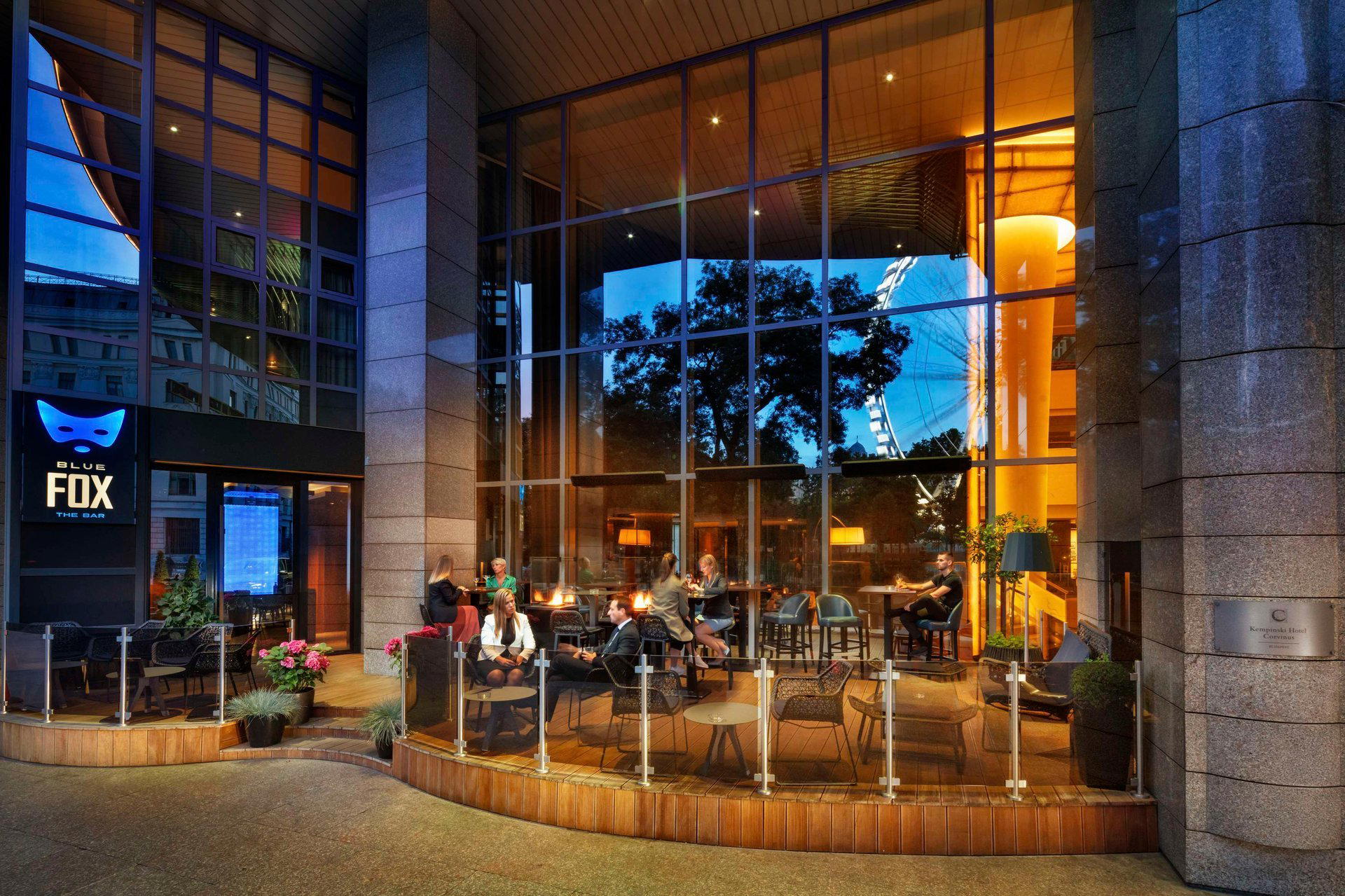
Hotels in Budapest
Browse all →
At a Glance
- Rustic
- Cozy
- Modern
- Elegant
- Intimate
- Date Night
- Special Occasion
- Celebration
- Open Kitchen
- Extensive Wine List
- Farm To Table
- Local Sourcing
Rustic charm with exposed brick walls, vaulted ceilings, high ceilings, modern yet cozy and inviting decor, stylish and welcoming.