




1 Michelin Star · Tabelog 100 #64 · We're Smart World 2 Radishes
Our verdict
Kyoto’s innovative dining tier has moved beyond imitation kaiseki, with fire, vegetables, fish, wine, and cocktail pairings forming a more international grammar. LURRA° belongs in that conversation through chef Jacob Kear’s nature-led cooking, Tabelog Bronze 2025 recognition, Tabelog 100 Innovative / Creative Cuisine 2025 selection, and OAD Recommended status for Japan in 2026.

Pearl is the En Primeur Club membership app, where members save venues, book tables and use the concierge.
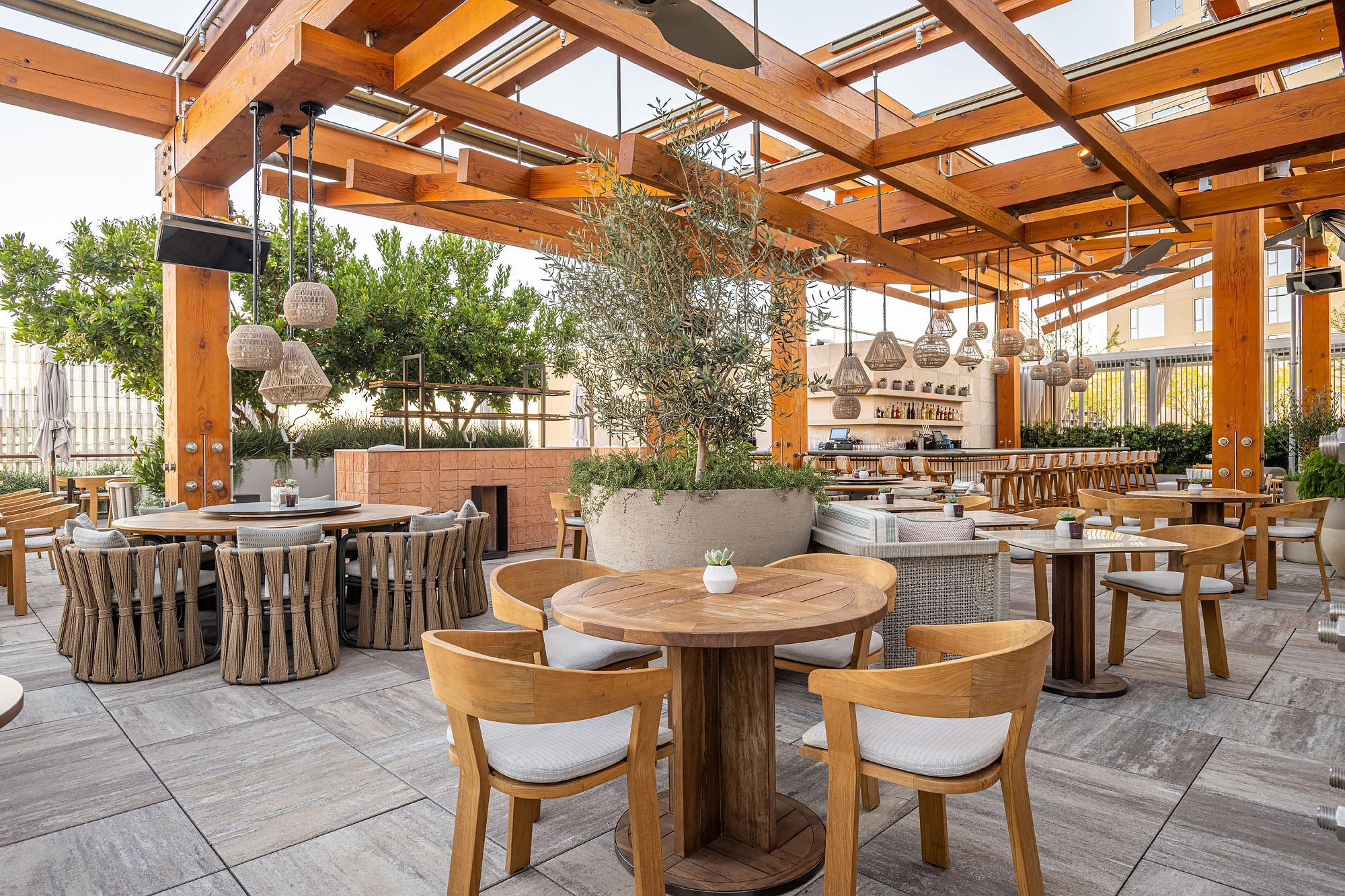
Higashiyama sets a particular tone before dinner begins: low residential streets, temple approaches, and the sense that Kyoto’s dining culture is never far from ceremony, even when the food is not kaiseki. In that setting, the city’s newer creative restaurants have learned to work with restraint rather than spectacle. Firewood, vegetables, fish, fermentation, and beverage pairings can read as international signals elsewhere; in Kyoto, they are judged against a deeper local discipline of season, proportion, and silence.
LURRA° sits inside that newer Kyoto category, not as a break from tradition but as a test of how far a restaurant can move from formal Japanese structure while remaining credible in the city. The room’s format, with counter seating and a small table section, places it closer to contemporary chef-led dining than to the private-room kaiseki model. That distinction matters. Kyoto already has the classical register covered by places such as Suzue and Higashiyama Tsukasa; the more interesting question is how creative restaurants make seasonality feel current without turning it into theatre.
Firewood and vegetables in Kyoto's creative dining tier
The cooking here is classified as innovative, but the useful lens is narrower: Kyoto’s creative dining scene has become a conversation between product and method. Tabelog’s description points to Japan’s seasons and culture shown through firewood flames, with attention to vegetables and fish. That puts the restaurant in a different lane from casual Japanese dining such as 3TOKU6MI Shijo karasuma ten or city staples like 551蓬莱, where the pleasure is more direct and the contract with the diner is clearer.
Recognition helps define the tier. The restaurant holds the Tabelog Award 2025 Bronze and was selected for Tabelog 100 Innovative / Creative Cuisine 2025, with a Tabelog score listed at 3.94. OAD also includes it as Recommended in its 2026 Japan Top Restaurants list. Those signals do not make the cooking conservative; they show that the format has entered Japan’s serious-dining conversation, where precision, pacing, and ingredient logic are scrutinised more heavily than concept.
The vegetable emphasis is especially telling. Kyoto has long valued produce through temple cuisine, home cooking, and kaiseki, but contemporary restaurants now use vegetables as a structural force rather than garnish. The We’re Smart Green Guide notes the strength of the vegetable dishes while stopping short of calling the restaurant a vegetable restaurant. That is the right distinction: this is not a plant-based manifesto, but a kitchen where vegetables and fish appear to share the centre of gravity.
Jacob Kear's angle is international, but the pressure is local
Chef Jacob Kear gives the restaurant its clearest narrative hook, yet the story is less about biography than translation. Kyoto is not an easy city for an international creative restaurant: diners can read seasonal references, craft cues, and service tempo with unusual fluency. A chef working here has to do more than import a global tasting-menu vocabulary. The cooking has to absorb local expectations about season and restraint while keeping enough distance from kaiseki to justify its own category.
That is where LURRA° becomes more useful as a marker of Kyoto’s current dining mood. The name itself draws from Luna and Terra, moon and earth, and the restaurant’s public identity leans toward nature, locality, and future-facing creativity. In weaker hands, those words flatten into dining-room abstraction. Here, the external recognition suggests a firmer read: a small-format creative restaurant using nature as a framework, not as decoration.
For travellers building a Kyoto dining map, the comparison should not be limited to other high-budget meals. The city’s range is better understood by contrast: [ki:] and Abbesses show other ways Kyoto absorbs outside technique, while Aburi Mochi Honke Nemoto Kazariya represents an older, highly specific food tradition that needs no tasting-menu frame. The point is not to rank them; it is to see how Kyoto rewards restaurants that know exactly which tradition they are entering.
How to place it in a Kyoto itinerary
This is a dinner for travellers who want Kyoto without defaulting to kaiseki every night. It suits an itinerary that pairs one classical Japanese meal, one creative counter, and one simpler local stop. Tan, with its Japanese cooking at a lower price bracket, belongs to a different decision set; Suzue and Higashiyama Tsukasa pull diners toward the kaiseki axis. LURRA° is for the evening when the question is what Kyoto’s contemporary language sounds like when fire, vegetables, fish, wine, and cocktails are all part of the grammar.
The practical reading is simple: small rooms with set-course ambitions reward planning, and this one operates with a reservation-only structure, two seating sessions, and a format that is not built for casual drop-ins. The listed average dinner spend sits in the JPY 40,000 to JPY 49,999 range, with a service charge noted separately. Dietary flexibility is also narrower than at many à la carte restaurants because seasonal ingredients drive the course structure. That is not a flaw; it is the operating logic of this tier.
Kyoto rewards breadth as much as precision, so this meal makes more sense when surrounded by contrasting addresses. For city-wide context, use Our full Kyoto restaurants guide, then plan the rest of the trip through Our full Kyoto hotels guide, Our full Kyoto bars guide, Our full Kyoto wineries guide, and Our full Kyoto experiences guide. Travellers extending the food map beyond Kyoto can compare the city’s precision with -Grilled beef Sukiyaki- KAMAKURA TANUKIAN 鎌倉 たぬき庵 in Kamakura. 鮪と炭火焼き うお炭 秋葉原店 in Tokyo.cafe in Osaka.know in Kumamoto, (Shoku) Vietnam in Kawasaki, [Curry Senmon Ten] Maruyama Kyoju. in Sapporo, Jōdo Saké Bar in Los Angeles, and Onigiri Time in Pasadena.
The editorial case is strongest for diners who already understand Kyoto’s classical dining codes and want to see them refracted through a more contemporary lens. LURRA° does not need to be treated as an alternative to tradition. Its value lies in showing how Kyoto’s creative restaurants can operate under the same seasonal pressure as kaiseki while speaking in a different accent.
Frequently asked questions
What are LURRA°'s hours?
Hours at LURRA°: Tue, Wed, Thu, Fri, Sat 17:30 - 20:00 20:30 - 23:00.
How do I find LURRA°?
LURRA° is located in Kyoto.
Is LURRA° chef-led?
The chef associated with LURRA° is Jacob Kear.
What is LURRA° known for?
LURRA° is known for innovative dining in Kyoto’s Higashiyama Ward, with a Tabelog Bronze award in 2025 and selection for Tabelog 100 - Innovative / Creative cuisine the same year. The room is small, with 18 seats, counter seating, and two dinner sessions on Tue–Sat.
Can LURRA° accommodate dietary restrictions?
Vegetarian options are listed, and the kitchen is tied to Jacob Kear’s creative approach in Kyoto.
Side-by-Side Snapshot
Nearby venues at a similar price tier for orientation.
| Venue | Cuisine | Price | Awards | Notes |
|---|---|---|---|---|
| LURRA°This venue (the venue you are viewing) | Modern Nordic-Influenced Fusion | $200–300 | 1 Michelin Star · Tabelog 100 #64 | Not listed |
| Cainoya | Modern Japanese-Western Fusion | Not listed | Tabelog 100 #45 | Ukyō |
| Gion Endo | Kyoto-style Tempura Kaiseki | $200–300 | Tabelog Bronze #84 | Higashiyama |
| Konno | Modern Japanese Omakase | $150–200 | Michelin Plate | Higashiyama |
| Chef’s Table by Katsuhito Inoue @Ritz Carlton | Modern Japanese-Italian Fusion Kaiseki | $200–300 | We're Smart World 4 Radishes | Nakagyō |
| Nihonryori Fujii | Shizuoka Kaiseki | Not listed | Not listed | Sakyō |
Recognition history
Dated appearances from independent guides and award organizations, with the underlying list record or original source where available.
Michelin 1 Star
Michelin
Opinionated About Dining Top Restaurants in Japan Recommended
Opinionated About Dining
Tabelog 100 #64 · No. 64
Tabelog · Tabelog 100 - Innovative / Creative cuisine - 2025
The Best Chef One Knife
The Best Chef
We're Smart World 2 Radishes
We're Smart World
Full recognition history (6 entries)
Tabelog Bronze
Tabelog
Continue exploring
More in Kyoto
Restaurants in Kyoto
All restaurants in Kyoto →
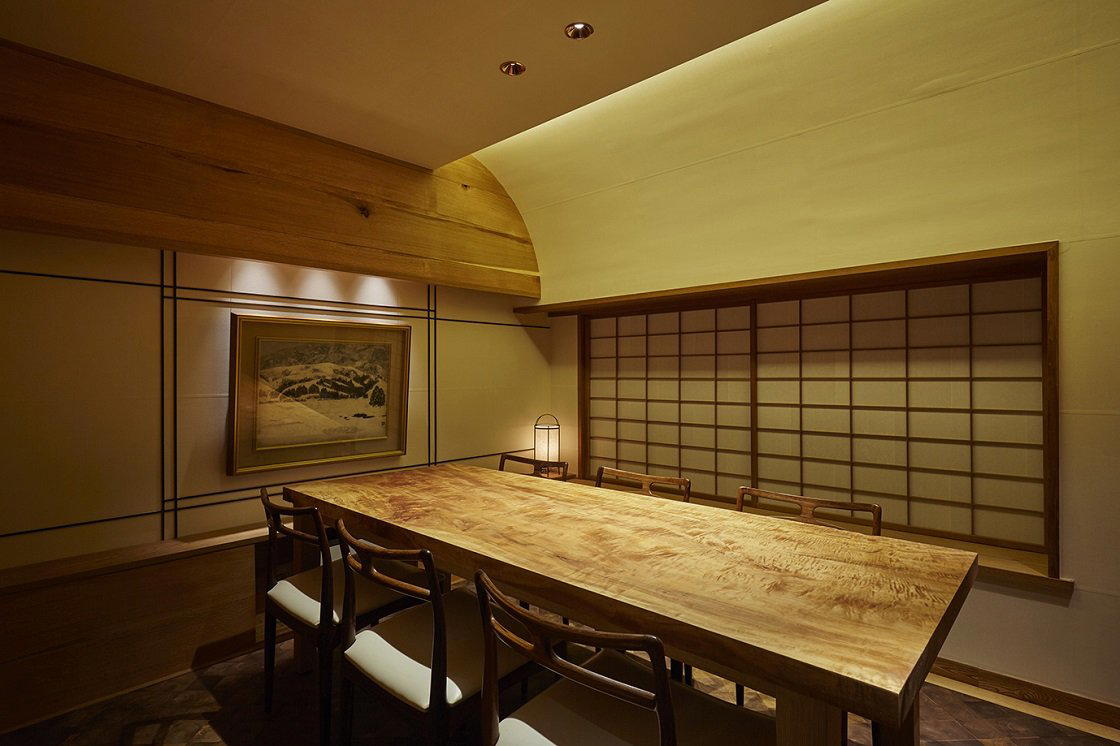
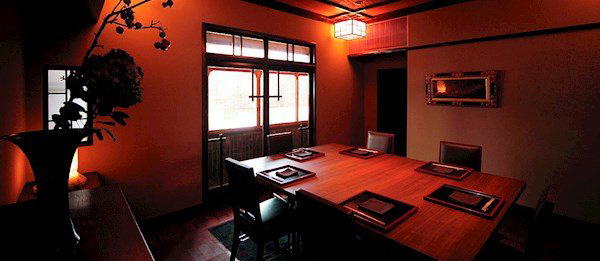
Bars in Kyoto
All bars in Kyoto →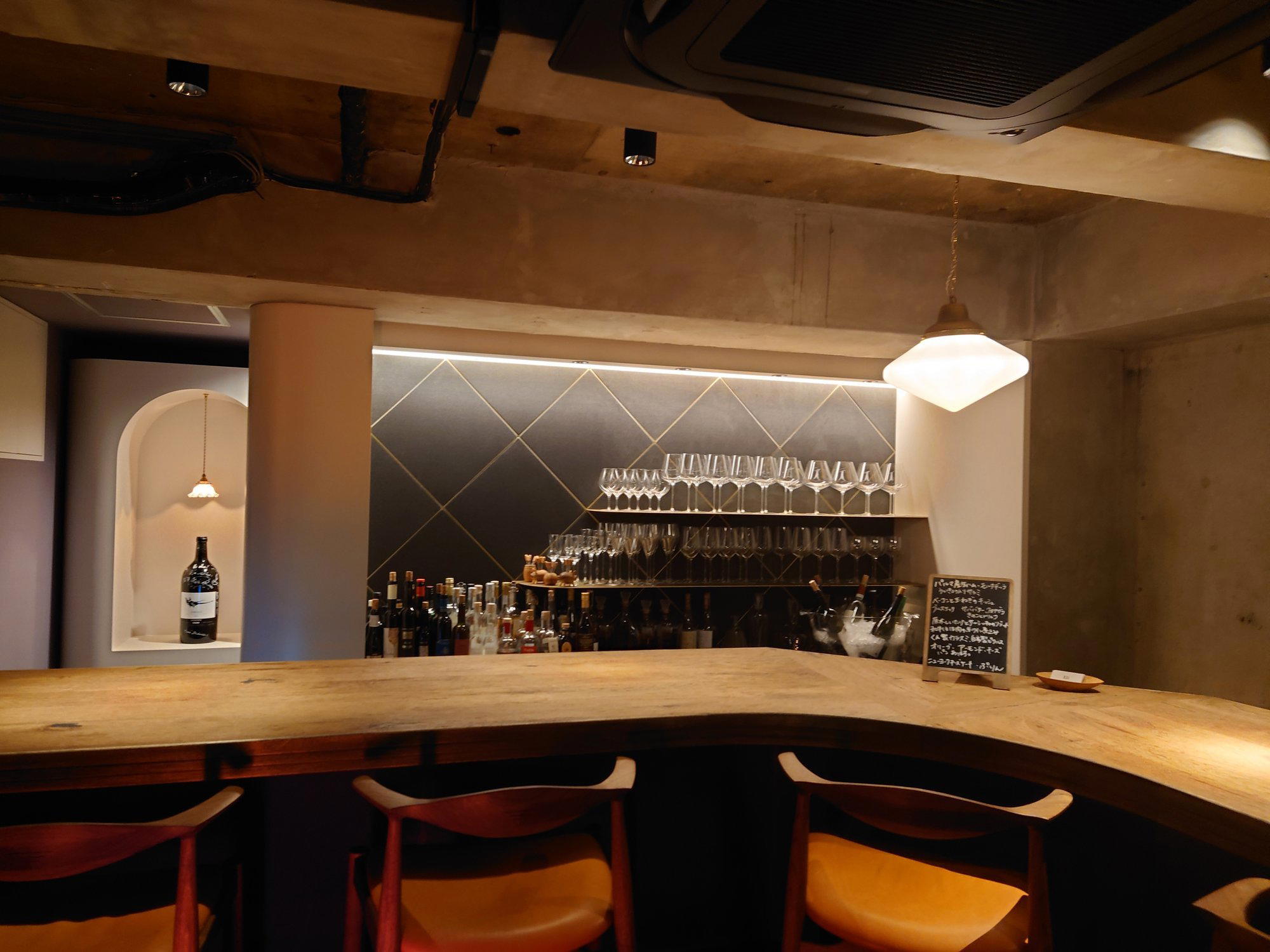
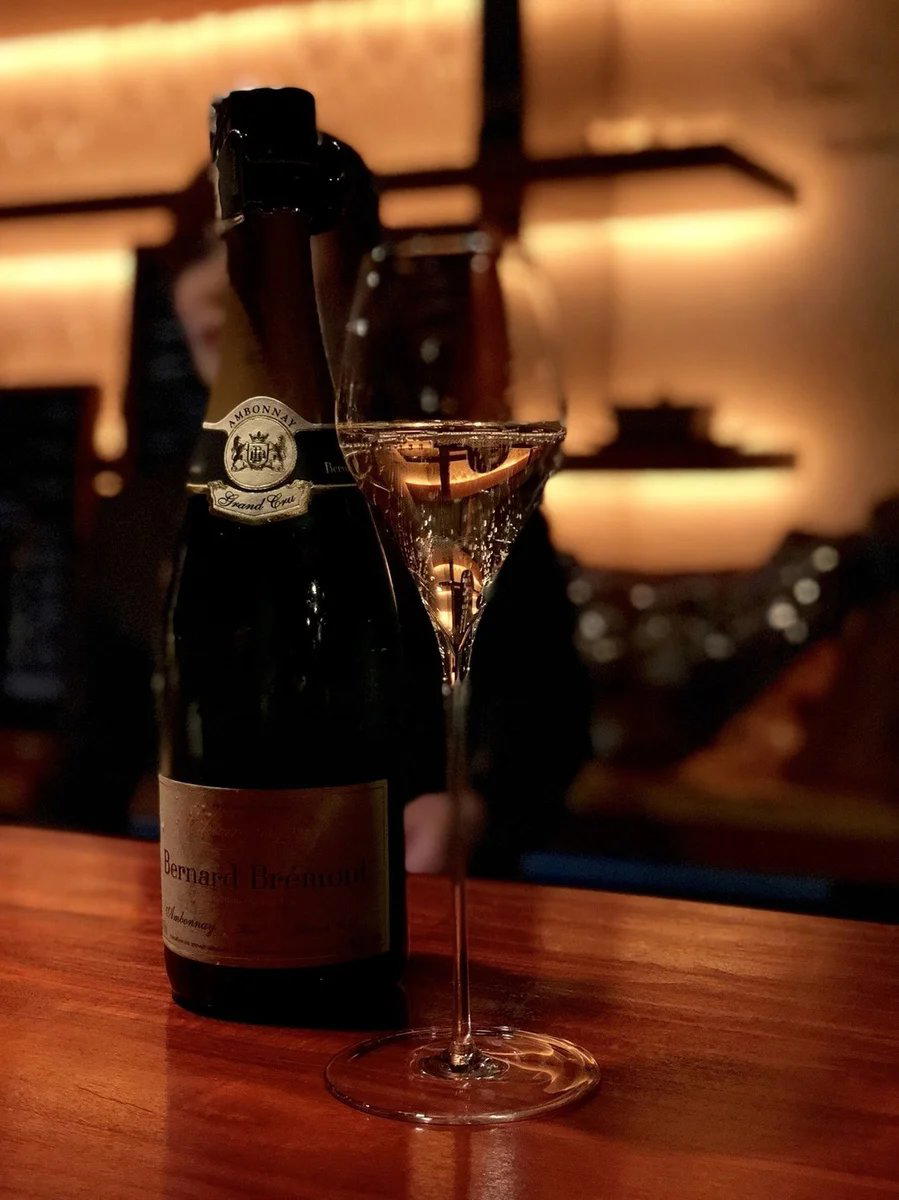
Hotels in Kyoto
All hotels in Kyoto →
Wineries in Kyoto
Browse all →
Details
- Intimate
- Cozy
- Elegant
- Modern
- Sophisticated
- Date Night
- Special Occasion
- Chefs Counter
- Open Kitchen
- Historic Building
- Natural Wine
- Sake Program
- Local Sourcing
- Tasting Menu
- Counter Dining
- Vegetarian Friendly
- Pescatarian Friendly
Current opening hours
- Monday
- Closed
- Tuesday
- 5–9 PM
- Wednesday
- 5–9 PM
- Thursday
- 5–9 PM
- Friday
- 5–9 PM
- Saturday
- 5–9 PM
- Sunday
- Closed
Hours can change for holidays and private events. Hours as of .
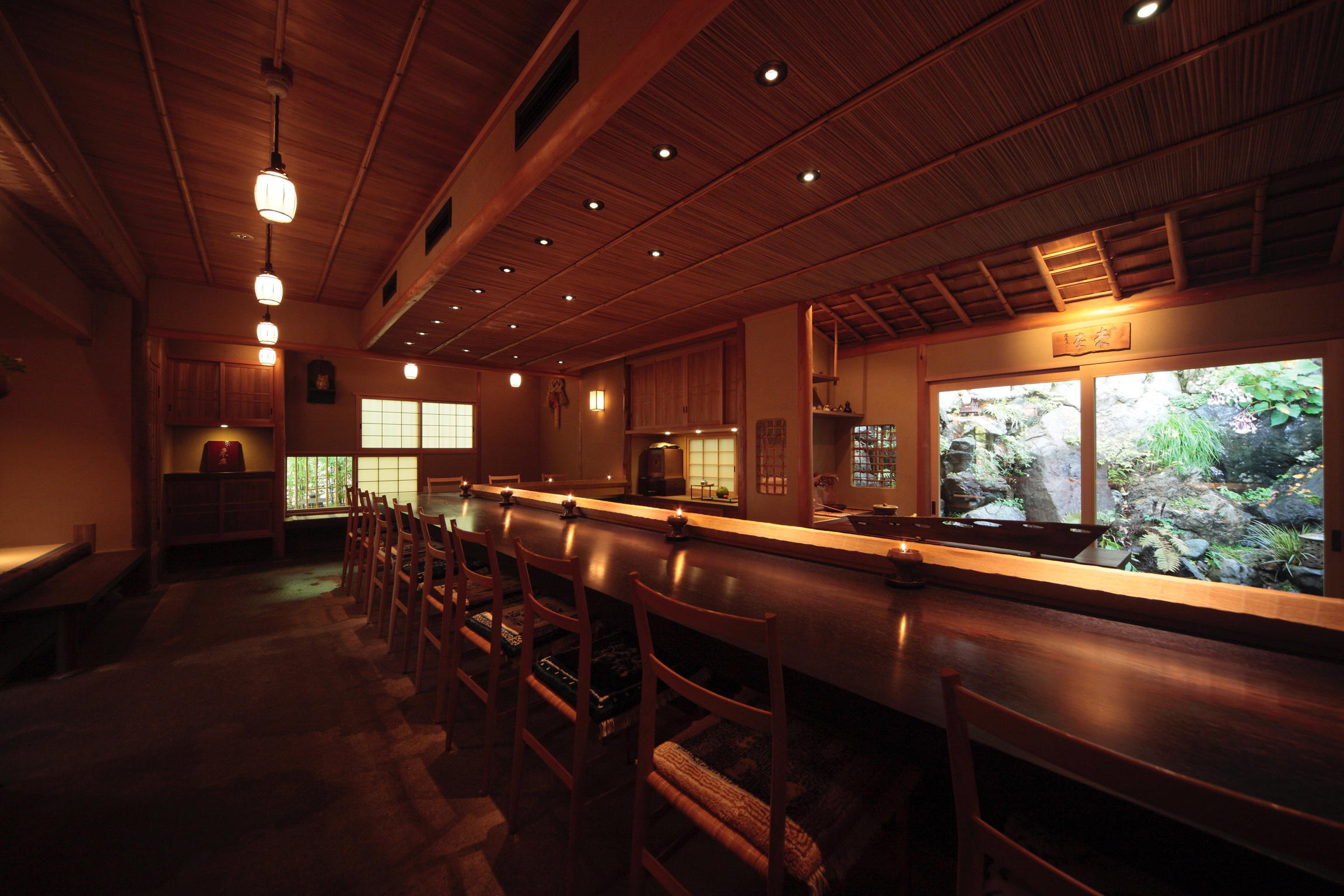
Intimate counter seating around a warm wood-fired open kitchen in a beautifully renovated traditional machiya with mood lighting and cozy, home-party atmosphere.