
Michelin Plate
Our verdict
Plaiga TOKYO sits in Marunouchi's Nippon Life Garden Tower, bringing a Michelin Plate-recognised French menu that tracks Japan's four seasons through sustainable sourcing and discarded-glass vessels. The ¥¥¥ pricing places it below Tokyo's top-tier French houses while maintaining a comparable commitment to seasonal produce. For French cuisine framed around environmental philosophy, it occupies a distinct position in the city's dining scene.

Pearl is the En Primeur Club membership app — saves, bookings, and concierge access live there. Same editors, same standards.
- Address
- Japan, 〒100-0005 Tokyo, Chiyoda City, Marunouchi, 1 Chome−1−3 日本生命丸の内ガーデンタワー M2F
- Phone
- +81 3-3284-0030
- Hours
- Mon 11:30 AM–3 PM, 5:30–11 PMTue–Wed ClosedThu–Sun 11:30 AM–3 PM, 5:30–11 PM
- Website
- plaigatokyo.jp
- Directions
- Get directions
- Booking
- Book on TableCheck
A Menu Built Around the Calendar, Not the Chef
French cuisine in Tokyo has long operated on a spectrum between two poles: the grand European formalism of houses like Château Restaurant Joël Robuchon and the Japan-inflected naturalism practised at addresses like L'Effervescence or Sézanne. Plaiga TOKYO, which opened in the Nippon Life Marunouchi Garden Tower complex, operates firmly within the second tradition. The menu's stated architecture is the Japanese agricultural year: four seasons, each delivering a distinct set of ingredients, and French technique deployed as the means of articulating them rather than as the point of the exercise. That framing is more than marketing copy. It is a structural decision that shapes every course from sourcing to plating.
The concept's formal declaration, that the kitchen pursues 'French cuisine on a journey through Japan's four seasons,' signals how the restaurant has chosen to sequence and justify its menu. Where many French restaurants in Tokyo use seasonal produce opportunistically, inserting it into a broadly fixed format, Plaiga positions the season as the organising logic of the entire programme. The practical effect is a menu that rotates substantially rather than making incremental adjustments, a commitment that places heavier demands on the kitchen but delivers a materially different experience across visits.
What the Menu Architecture Reveals
The most telling detail in Plaiga's approach concerns what enters the kitchen in the first place. The programme includes vegetables that have been rejected by Japan's grading system, produce excluded not because of flavour or nutritional quality but because of shape, size, or surface irregularities that fall outside strict commercial standards. That sourcing decision is not a minor footnote. It resets the supply logic of the kitchen, connecting the restaurant directly with growers whose yields are otherwise commercially stranded, and it means the menu is shaped partly by what the agricultural system discards rather than what it selects.
This is a structurally different position from most French restaurants in Tokyo, including technically comparable peers such as ESqUISSE or Florilège, which engage with Japanese produce but within conventional supply chains. Plaiga's sourcing methodology introduces a degree of menu unpredictability that is either a constraint or an asset depending on how the kitchen handles it. Given the Michelin Plate recognition in both 2024 and 2025, the inspectors have judged the execution to be consistently at a standard worth noting.
The plating dimension reinforces the sourcing logic. Vessels are produced from discarded glass, materials that have been processed and reimagined rather than produced to specification. The effect is tableware that carries a material history the diner can read, even without being told it. This kind of circularity, applied to both food and object, is still relatively rare in Paris or London; in Tokyo's French dining scene, where refined tableware is taken seriously as a component of the experience, it amounts to a deliberate counter-statement about what the table should look like.
Position in Tokyo's French Dining Tier
At ¥¥¥ pricing, Plaiga sits one bracket below the top tier of Tokyo French restaurants, which generally operate at ¥¥¥¥. That tier includes the likes of L'Effervescence and Sézanne, both of which carry Michelin stars. Plaiga's Michelin Plate designation, awarded for two consecutive years, places it in the recognised tier below starred restaurants without implying a shortfall in ambition or execution. The Plate is awarded to restaurants serving food of good quality, and its consistency here suggests the kitchen delivers reliably rather than variably.
The ¥¥¥ price point also means Plaiga occupies a different consideration set for the diner. It is not competing directly against the starred houses for the same reservations. Instead it offers French cuisine with a coherent environmental framework at a price that removes some of the occasion-only barrier that the ¥¥¥¥ tier carries. For readers who have already eaten at the top tier and are looking for something with a distinct argument rather than incrementally better technique, Plaiga provides that argument clearly. For those building a broader picture of Japan's French dining tradition beyond Tokyo, comparable frameworks are visible at HAJIME in Osaka and, at a different register, akordu in Nara.
Marunouchi as a Dining Address
Marunouchi's dining scene has shifted considerably over the past decade. What was primarily a business-lunch district has absorbed a broader range of serious restaurants as the tower developments in Chiyoda have expanded. The Nippon Life Marunouchi Garden Tower, where Plaiga occupies a mezzanine-level space designated as M2F, sits within this newer generation of commercial developments that have positioned food and beverage as a component of the building's identity rather than a tenant service. That context matters because it shapes the clientele and the atmosphere. Marunouchi draws a mix of Tokyo professionals, business visitors, and travellers based in the central hotels of the area, a different mix from the residential-neighbourhood restaurants of Ebisu or Minami-Aoyama. The register at Plaiga is likely to reflect that, leaning towards composed formality rather than the relaxed energy of some of the restaurant's philosophical peers in other parts of the city.
For a broader map of Tokyo dining across all categories, our full Tokyo restaurants guide covers the city's key neighbourhoods and cuisines. Those planning a wider Japan itinerary will find relevant references at Gion Sasaki in Kyoto, Goh in Fukuoka, 1000 in Yokohama, and 6 in Okinawa. For French restaurants with a comparable commitment to provenance in other parts of Asia, Les Amis in Singapore and, in Europe, Hotel de Ville Crissier represent the tradition at its most codified.
Planning a Visit
| Venue | Cuisine | Price | Michelin | Location |
|---|---|---|---|---|
| Plaiga TOKYO | French (seasonal Japan) | ¥¥¥ | Plate (2024, 2025) | Marunouchi, Chiyoda |
| L'Effervescence | French | ¥¥¥¥ | Starred | Nishi-Azabu |
| Sézanne | French | ¥¥¥¥ | Starred | Chiyoda (Four Seasons) |
| ESqUISSE | French | ¥¥¥¥ | Starred | Ginza |
| Florilège | French | ¥¥¥¥ | Starred | Minami-Aoyama |
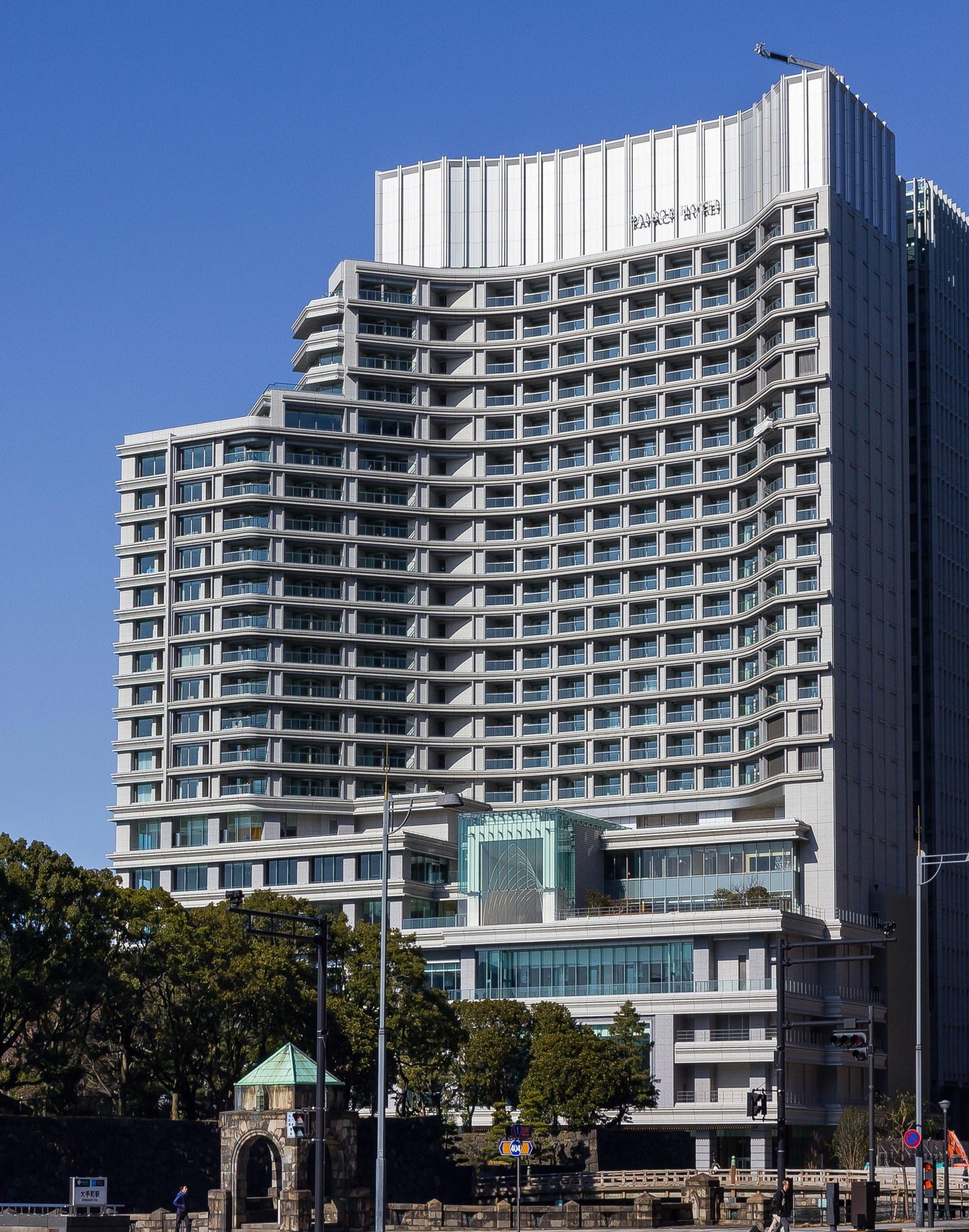
Plaiga TOKYO is located at 1-1-3 Marunouchi, Chiyoda-ku, Tokyo, in the Nippon Life Marunouchi Garden Tower at mezzanine level (M2F). The address is a short walk from Marunouchi's central station connections. For accommodation near the restaurant, our Tokyo hotels guide covers the central and business-district options. Readers seeking broader evening programming in the area can consult our Tokyo bars guide, our Tokyo wineries guide, and our Tokyo experiences guide.
Frequently asked questions
What kind of setting is Plaiga TOKYO?
Plaiga TOKYO occupies a mezzanine-floor space within the Nippon Life Marunouchi Garden Tower in Chiyoda City, one of Tokyo's central business districts. The address places it among the newer wave of serious restaurants integrated into commercial tower developments in Marunouchi, rather than in a freestanding neighbourhood building. At ¥¥¥ pricing with two consecutive Michelin Plate awards (2024 and 2025), the setting is formally pitched but positioned a bracket below the starred French houses concentrated in Ginza, Nishi-Azabu, and the luxury hotel corridor.
at Plaiga TOKYO?
The kitchen's argument is built around seasonal produce, specifically ingredients sourced outside Japan's conventional commercial grading system, treated with French technique and served on vessels made from repurposed glass. Given that the menu rotates substantively with each season rather than making marginal adjustments, the most considered approach is to visit without fixed expectations about specific dishes and to follow whatever the current season's programme leads with. Michelin Plate recognition across two years indicates the execution across the menu has been consistently solid rather than concentrated in one or two signature preparations.
In Context: Similar Options
| Venue | Cuisine | Price | Awards | Notes |
|---|---|---|---|---|
| Plaiga TOKYOThis venue — the venue you are viewing | Modern French with Japanese Seasonal Ingredients | $150–200 | Michelin Plate | Not listed |
| Harutaka | Edo-Style Omakase Sushi | $200–300 | 3 Michelin Stars · World's 50 Best #76 | Sushi |
| RyuGin | Modern Kaiseki | $500+ | 3 Michelin Stars · World's 50 Best #41 | Kaiseki, Japanese |
| L'Effervescence | Modern French with Japanese Influences | $200–300 | 3 Michelin Stars · World's 50 Best #69 | French |
| HOMMAGE | Modern French with Japanese Influences | $150–200 | 2 Michelin Stars · World's 50 Best #78 | Innovtive French, French |
| MAZ | Innovative Peruvian-Japanese Fusion | $150–200 | 2 Michelin Stars · World's 50 Best #28 | Innovative |
Recognition history
Dated appearances from independent guides and award organizations, with the underlying list record or original source where available.
Michelin Plate
Michelin
Full recognition history (3 entries)
Michelin Plate
Michelin
Michelin Plate
Michelin








Plaiga TOKYO
The wine
- Wine program
- Curated wine list
- Extensive wine list
- Sake program
Details
- Elegant
- Sophisticated
- Intimate
- Modern
- Date Night
- Special Occasion
- Business Dinner
- Private Dining
- Sake Program
- Extensive Wine List
- Local Sourcing
- Street Scene
- Tasting Menu
- Wine Pairing
Current opening hours
- Monday
- 11:30 AM–3 PM, 5:30–11 PM
- Tuesday
- Closed
- Wednesday
- Closed
- Thursday
- 11:30 AM–3 PM, 5:30–11 PM
- Friday
- 11:30 AM–3 PM, 5:30–11 PM
- Saturday
- 11:30 AM–3 PM, 5:30–11 PM
- Sunday
- 11:30 AM–3 PM, 5:30–11 PM
Hours can change for holidays and private events. Last verified .
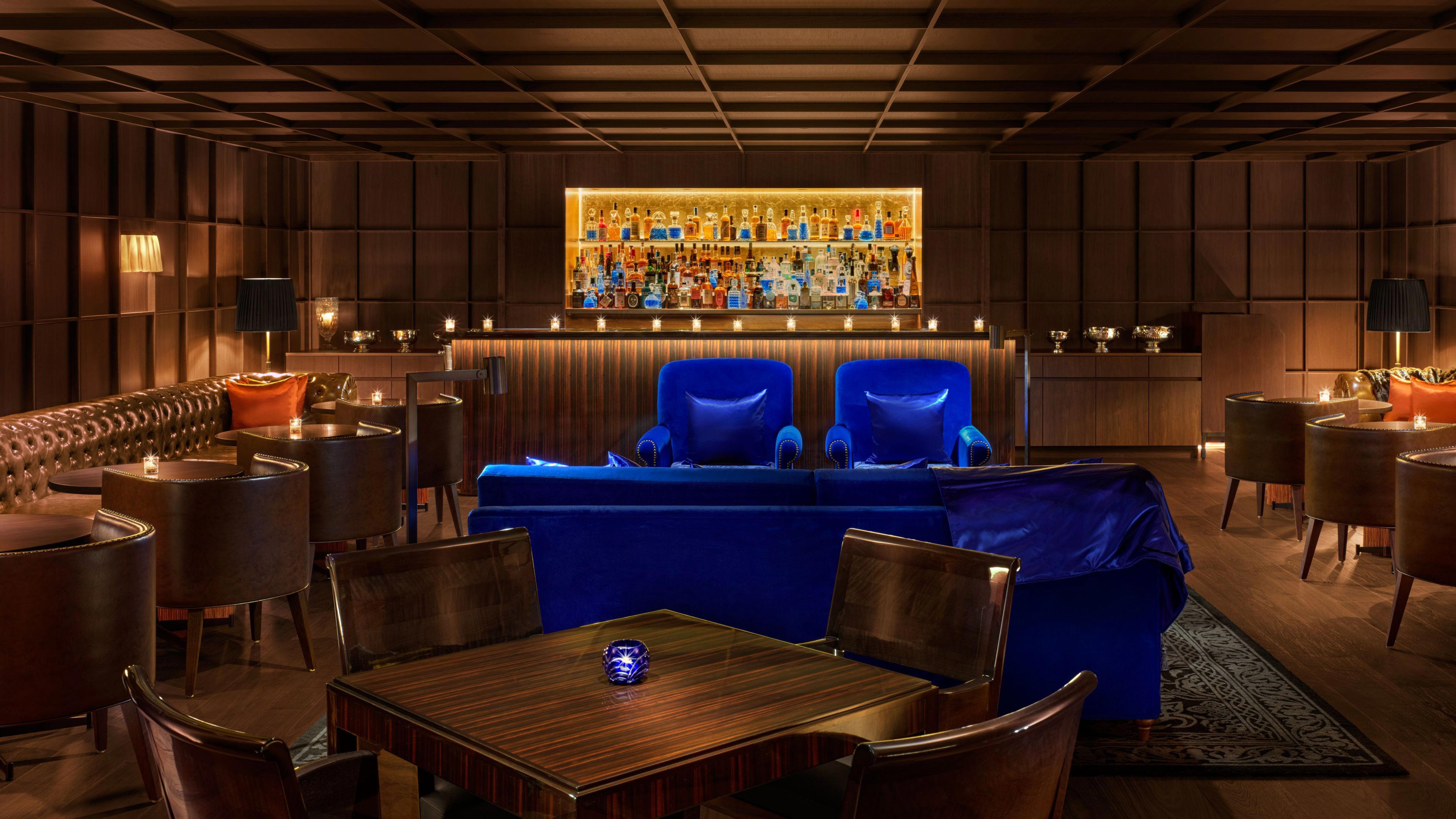
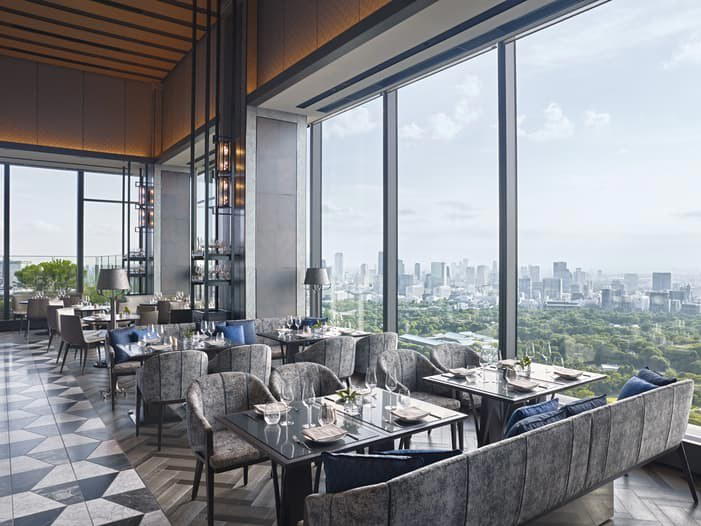
Refined and intimate with generously spaced tables, white tablecloths, carpeted floors, and upholstered seats, offering a sophisticated atmosphere overlooking the Imperial Palace moat.