
Tabelog 100 #68
Our verdict
In Hakodate's Kashiwagicho district, L'oiseau par Matsunaga represents the French-Japanese fine dining register that Hokkaido's ingredient wealth makes possible. The address places it among a small tier of destination restaurants drawing visitors who have already worked through Hakodate's seafood counters and want something more composed. Booking ahead is advisable for any serious visit to the city.

Pearl is the En Primeur Club membership app, where members save venues, book tables and use the concierge.
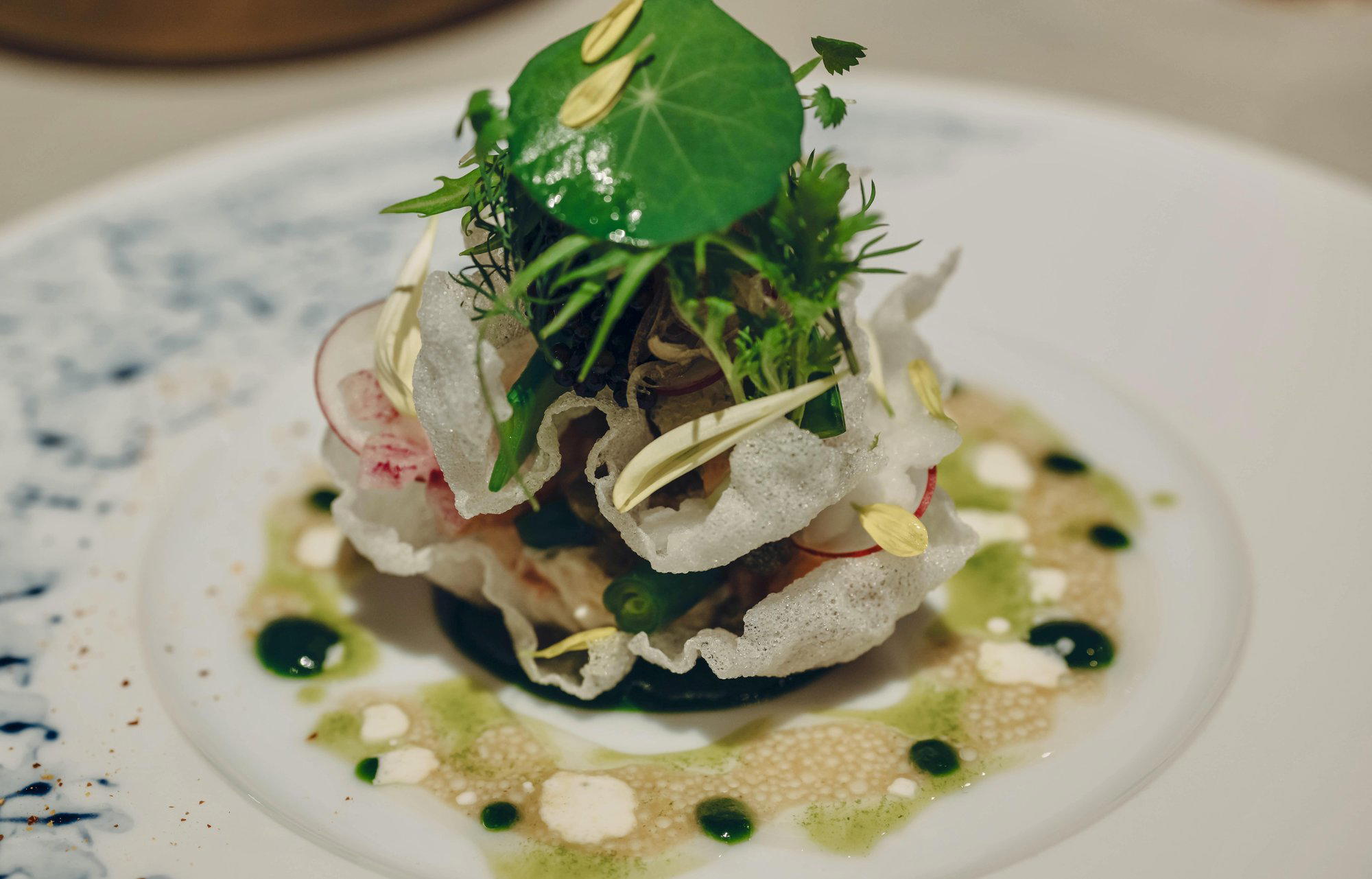
The menu
What to order
- Sashimi Platter
- Miso Glazed Black Cod
- Wagyu Beef Steak
Where Hokkaido's Larder Meets French Discipline
Hakodate occupies a particular position in Japan's food geography. It sits at the southern tip of Hokkaido, the island that supplies much of Japan's finest cold-water seafood, dairy, and livestock, yet it operates as a port city with direct historical exposure to Western trade and influence. That combination produces a dining culture distinct from both the refined kaiseki traditions of Kyoto and the intensity of Sapporo's urban restaurant scene. French technique applied to Hokkaido ingredients is not a novelty here; it is a logical outcome of where the city sits and what it has access to.
L'oiseau par Matsunaga, addressed at 4-5 Kashiwagicho in Hakodate's Hokkaido 042-0942 postal district, belongs to this particular tradition. The French name and the Matsunaga attribution together signal a format recognisable across Japan's regional fine dining tier: a chef-identified house practising French or French-adjacent cuisine, drawing on local produce rather than imported prestige ingredients, and positioning itself as a destination rather than a neighbourhood fixture. This is the format that allows a city like Hakodate to support serious fine dining without the population density of Tokyo or Osaka.
The Ingredient Logic of a Hokkaido Kitchen
French cooking in Hokkaido holds a structural advantage that French cooking in Tokyo cannot replicate in the same way. The island's dairy production is among the most developed in Japan; its scallops, sea urchin, and crab are harvested from waters cold enough to concentrate flavour; its beef and lamb have a provenance story that resonates with the farm-to-table framing that European fine dining has been retrofitting onto its own supply chains for two decades. A kitchen at this latitude does not need to argue for its sourcing credentials. They exist by geography.
Hakodate's seafood culture is particularly well documented. The morning market near the waterfront has supplied restaurants and direct retail for generations, and the city's position as a transit point between Honshu and Hokkaido gives its kitchens access to produce moving in both directions. For a French-format restaurant like L'oiseau par Matsunaga, that market proximity matters: the gap between harvest and plate is short in a way that coastal French kitchens once took for granted and now spend considerable effort to simulate. Venues like Uni Murakami (Uni) in the same city demonstrate the depth of Hakodate's seafood commitment at the specialist end; L'oiseau par Matsunaga operates in a different register, one where that same ingredient quality passes through a composed, multi-course framework.
Reading the Hakodate Fine Dining Field
Hakodate's premium restaurant tier is small relative to the city's overall visitor numbers. The concentration of serious dining options in Kashiwagicho and the surrounding districts reflects a pattern seen in other mid-sized Japanese cities with strong food identities: a handful of chef-led addresses doing precision work for a local and visiting audience, surrounded by a much larger volume of casual and specialty restaurants serving the broader market. This structure means that the top tier in Hakodate competes less with itself than with the traveller's decision about whether to spend a night in the city at all, or to move through it quickly on the way to Sapporo or back to Tokyo.
Against the national field, the relevant comparisons are regional fine dining houses elsewhere in Japan: Goh in Fukuoka, akordu in Nara, and at the upper end of the French-Japanese register, HAJIME in Osaka. Each of those addresses anchors itself in regional produce logic while operating within a European structural framework; L'oiseau par Matsunaga fits that pattern at Hakodate's scale.
For travellers who have built itineraries around Japan's highest-profile fine dining counters, including Harutaka in Tokyo or Gion Sasaki in Kyoto, a Hakodate address like this represents a different proposition: the same ingredient seriousness in a city where the competition for tables is lower and the connection to source is arguably shorter.
Planning a Visit
Hakodate became significantly more accessible from Tokyo with the extension of the Hokkaido Shinkansen to Shin-Hakodate-Hokuto station, placing the city within four hours of Tokyo Station. From Shin-Hakodate-Hokuto, the local train to Hakodate itself takes around twenty minutes, making the city a realistic overnight stop rather than a long-haul commitment. That access shift has increased visitor numbers among the kind of traveller who plans itineraries around restaurant reservations, which in turn has tightened availability at the city's smaller, serious dining addresses. Approaching any of Hakodate's destination restaurants without a reservation, particularly during the summer and autumn peak seasons, carries meaningful risk. Our full Hakodate restaurants guide covers the broader dining picture across price points and styles.
Travellers moving through Hokkaido more broadly will find useful regional context in addresses like 夕仙山乃 in Sapporo and 湖畔庵 in Takashima, as well as the more rural end of the Tohoku and Sea of Japan corridor represented by 三本松川島 in Nanao and 奥羽路 in Nishikawa Machi. For reference points further afield, Birdland in Sakai illustrates a different regional Japan fine dining model, while Le Bernardin in New York City and Atomix in New York City offer the international frame against which serious ingredient-driven tasting menus are now measured.
Frequently asked questions
Is L'oiseau par Matsunaga child-friendly?
L'oiseau par Matsunaga operates in the premium dining tier within Hakodate's Kashiwagicho district, where the format and pace of service are oriented toward adults seeking a focused meal. Families with younger children would likely find the environment better suited to older teenagers comfortable with a formal French dining setting. Confirming directly with the restaurant before booking is advisable.
What is the atmosphere like at L'oiseau par Matsunaga?
Located at 4-5 Kashiwagicho in Hakodate, the restaurant occupies the concentrated fine dining pocket of a city better known for its morning markets and harbour views. Expect the measured quiet of a French kitchen's dining room: composed, attentive, and without the theatrical noise associated with larger urban venues. The setting reflects the discipline of the cooking rather than competing with it.
How does L'oiseau par Matsunaga's Hakodate location shape the French menu?
Hakodate sits at the southern tip of Hokkaido, which supplies much of Japan's dairy production, cold-water shellfish, and premium produce. A French kitchen operating from 4-5 Kashiwagicho has direct access to that supply chain in a way that Sapporo or Tokyo counterparts working with secondary distribution cannot match. The result is a French menu whose ingredient logic is genuinely local rather than aspirationally imported.
What dish is L'oiseau par Matsunaga famous for?
The menu is best understood as an expression of Hokkaido's larder through French technique.
Where exactly is L'oiseau par Matsunaga?
L'oiseau par Matsunaga is located at 4-5 Kashiwagicho, Hakodate, Hokkaido 042-0942, Japan, Hakodate.
Do I need a reservation for L'oiseau par Matsunaga?
Hakodate's premium restaurant tier is small relative to the city's visitor numbers, and L'oiseau par Matsunaga sits at the serious end of that short list. Advance reservations are strongly advisable, particularly during peak travel periods such as summer and the autumn foliage season.
What's the standout thing about L'oiseau par Matsunaga?
The restaurant's address in Hakodate's Kashiwagicho positions it at the intersection of two underappreciated facts: Hokkaido produces a disproportionate share of Japan's butter, cheese, and cold-water seafood, and French technique is structurally suited to that larder in ways that restaurants sourcing from Tokyo's wholesale markets cannot replicate. In a city with a short list of serious dining options, L'oiseau par Matsunaga represents the clearest expression of that geographic advantage.
Comparable Venues
Comparable venues nearby, for context on price, style, and recognition.
| Venue | Cuisine | Price | Awards | Notes |
|---|---|---|---|---|
| L'oiseau par MatsunagaThis venue (the venue you are viewing) | French-Japanese Fusion Fine Dining | $150–200 | Tabelog 100 #68 | Not listed |
| Lela | Innovative French | $100–150 | Not listed | Goryokakucho |
| 鮨処 木はら | Hakodate-Style Omakase Sushi | $150–200 | Not listed | Yunokawa |
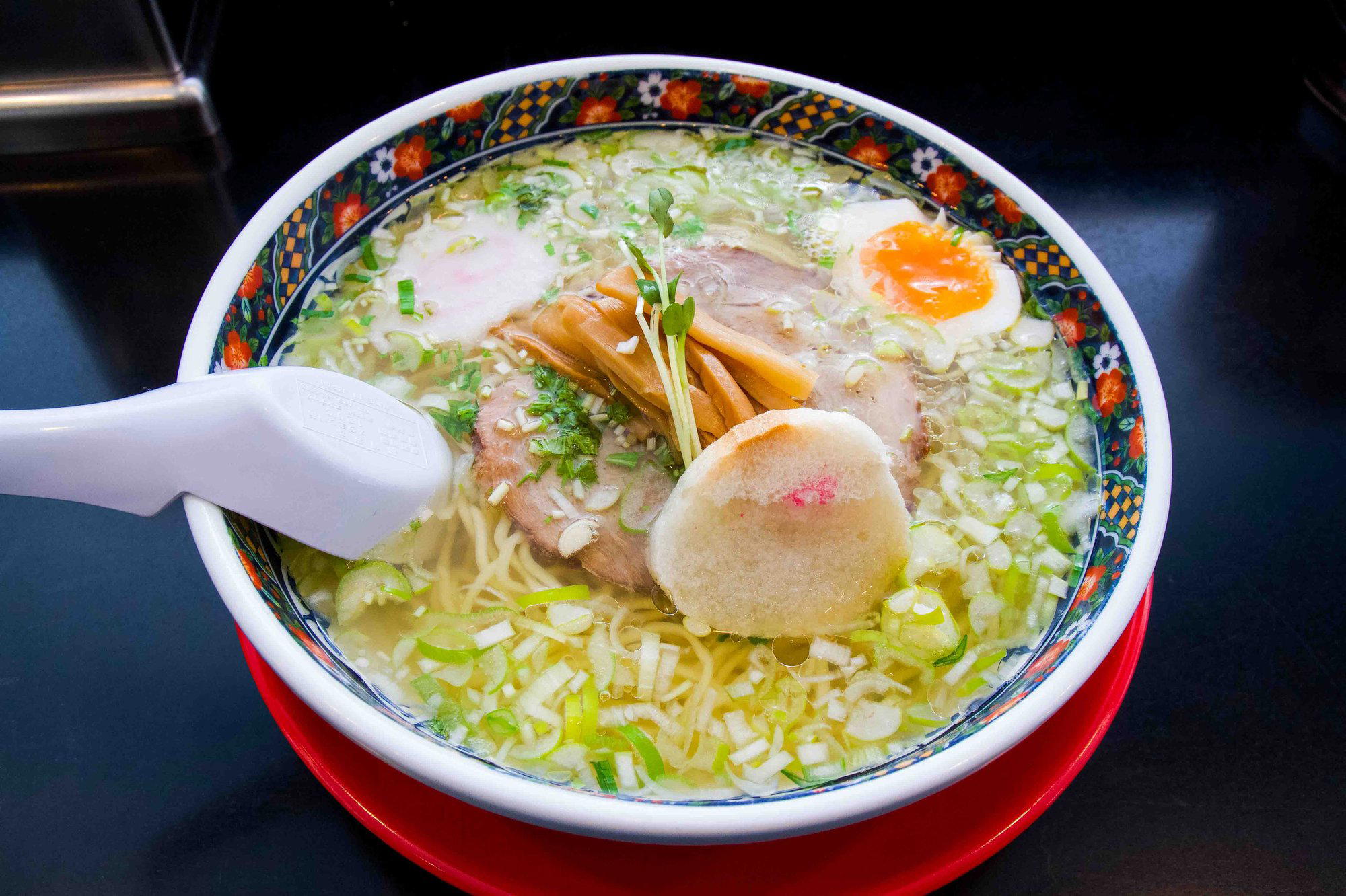
| 函館麺厨房あじさい 本店 | Hakodate shio ramen | $10–20 | Tabelog 100 #11 | 五稜郭 |
| Sushi Dokoro Minami | Traditional Sushi Omakase | $150–200 | Tabelog 100 #91 | Suehirocho |
| Kira | Creative Japanese Kaiseki | $20–30 | Not listed | Sumiyoshi-cho |
Recognition history
Dated appearances from independent guides and award organizations, with the underlying list record or original source where available.
Tabelog 100 #68 · No. 68
Tabelog · Tabelog 100 - French - EAST - 2025
Continue exploring
More in Hakodate
Restaurants in Hakodate
All restaurants in Hakodate →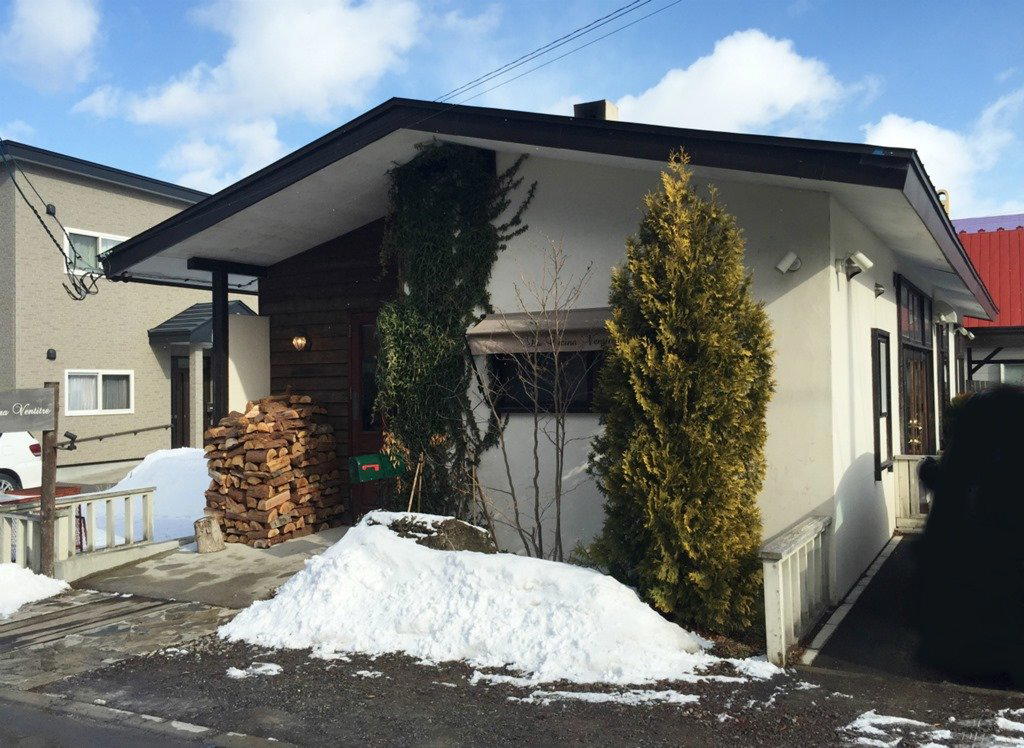
Hotels in Hakodate
All hotels in Hakodate →
Details
- Elegant
- Sophisticated
- Intimate
- Modern
- Date Night
- Special Occasion
- Private Dining
- Sake Program
- Extensive Wine List
- Local Sourcing
Current opening hours
- Monday
- 12–3 PM
- Tuesday
- Closed
- Wednesday
- 6–10 PM
- Thursday
- 6–10 PM
- Friday
- 6–10 PM
- Saturday
- 12–3 PM, 6–10 PM
- Sunday
- 12–3 PM, 6–10 PM
Hours can change for holidays and private events. Hours as of .
Intimate and refined atmosphere in a small husband-and-wife run restaurant, emphasizing artistry in presentation and Japanese hospitality.