Our verdict
Kira serves creative Japanese kaiseki in Hakodate, with sake, a panoramic view, and quiet formal service for a leisurely lunch or dinner.

Pearl is the En Primeur Club membership app, where members save venues, book tables and use the concierge.
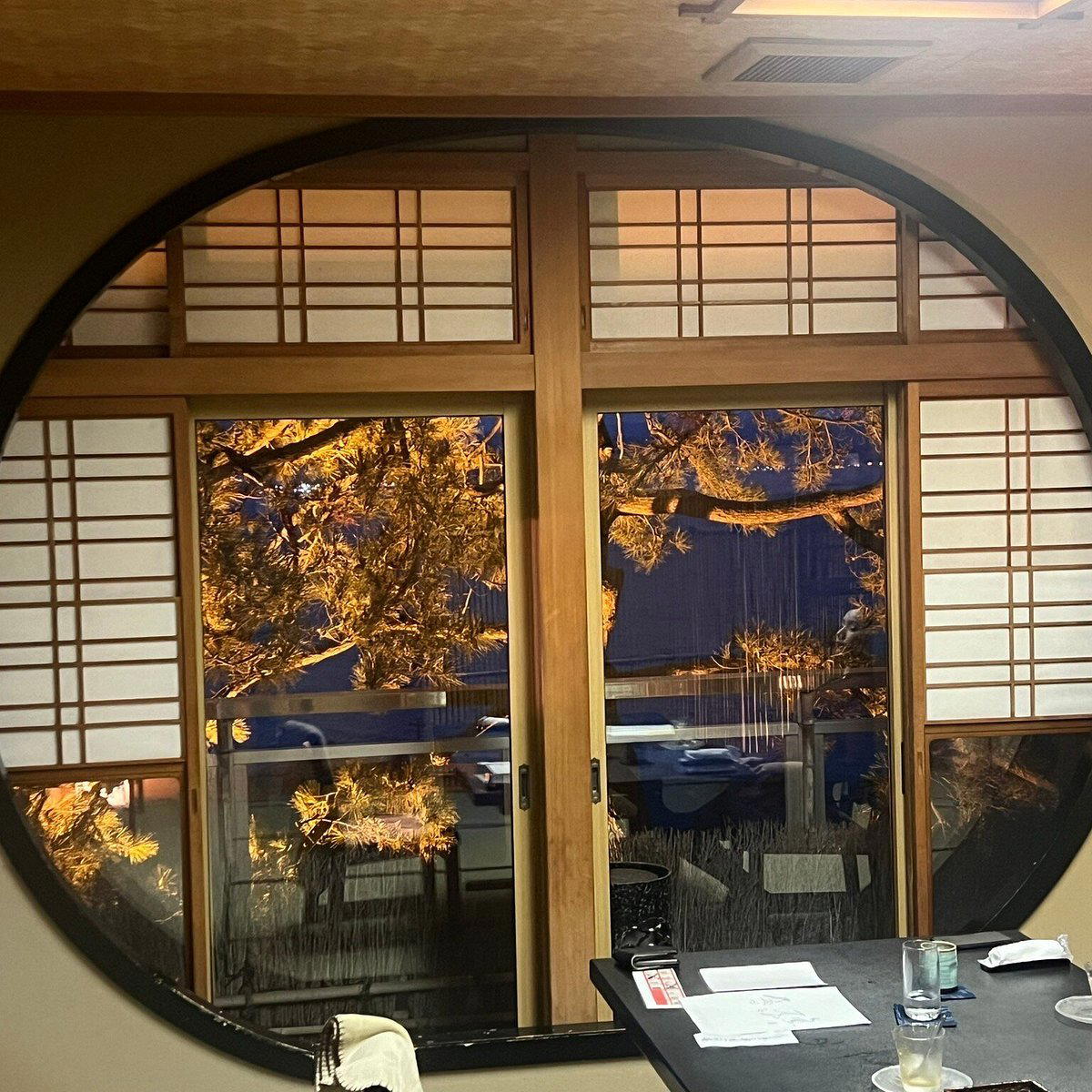
Sumiyoshicho After Dark: How Hakodate Eats When It Means It
The streets of Sumiyoshicho carry a particular quality in the evening hours. The fishing port's industrial rhythm quiets, the last tourist coaches clear the bay-facing promenades, and what remains is the city as its residents actually inhabit it: deliberate, unhurried, oriented toward the table. Kira sits inside this neighbourhood logic, on a residential stretch of Sumiyoshicho that requires some intention to find. That friction is not incidental. In Hakodate's better dining rooms, the absence of foot-traffic convenience tends to signal that a kitchen is cooking for an audience that has already decided to be there.
The Shape of the Meal
Hakodate occupies a distinct position in Japan's northern dining conversation. It is not Sapporo, which draws volume and critical mass; it is not a destination that registers easily on Tokyo-centric food media. What it has is geography: the Tsugaru Strait running cold and deep past its port, Hokkaido's agricultural interior at its back, and a fishing culture that gives local kitchens access to product that counters in other cities source at a considerable premium. Uni Murakami, which has built its reputation specifically around Hokkaido sea urchin served in its most direct form, represents one pole of how Hakodate kitchens approach that proximity to ingredient. Kira represents a different register: a smaller, more interior dining experience in which the ritual of the meal, rather than the spectacle of a single ingredient, does the structural work.
In this kind of format, the pacing of service carries as much meaning as the food itself. Japan's tradition of the set-course meal, whether kaiseki-rooted or contemporary in its references, is built on the idea that a dinner should have shape: a beginning that orients the palate, a middle that develops it, an ending that resolves without exhausting. Restaurants in Hakodate that operate in this mode tend to run intimate seat counts by design, which keeps the kitchen's attention calibrated and prevents the kind of timing drift that degrades tasting-format dining at scale. Given Kira's address in a residential quarter rather than a high-traffic dining zone, that intimacy of format is the reasonable inference.
Reading the Room: Etiquette and Expectation
Dining in this tier of Japanese restaurant comes with an implicit contract between kitchen and guest. Arrival time matters; showing up late in a small room disrupts the sequencing for the entire service. Engagement with the meal, a posture of attention rather than passive consumption, is part of what the format is designed to reward. This is not uniqueness to Kira: it is a condition of the style of dining that the address and apparent format suggest. Those familiar with how rooms like Gion Sasaki in Kyoto or Harutaka in Tokyo structure their service will recognise the rhythm immediately. For guests newer to the format, the investment in understanding the pacing before arrival pays dividends at the table.
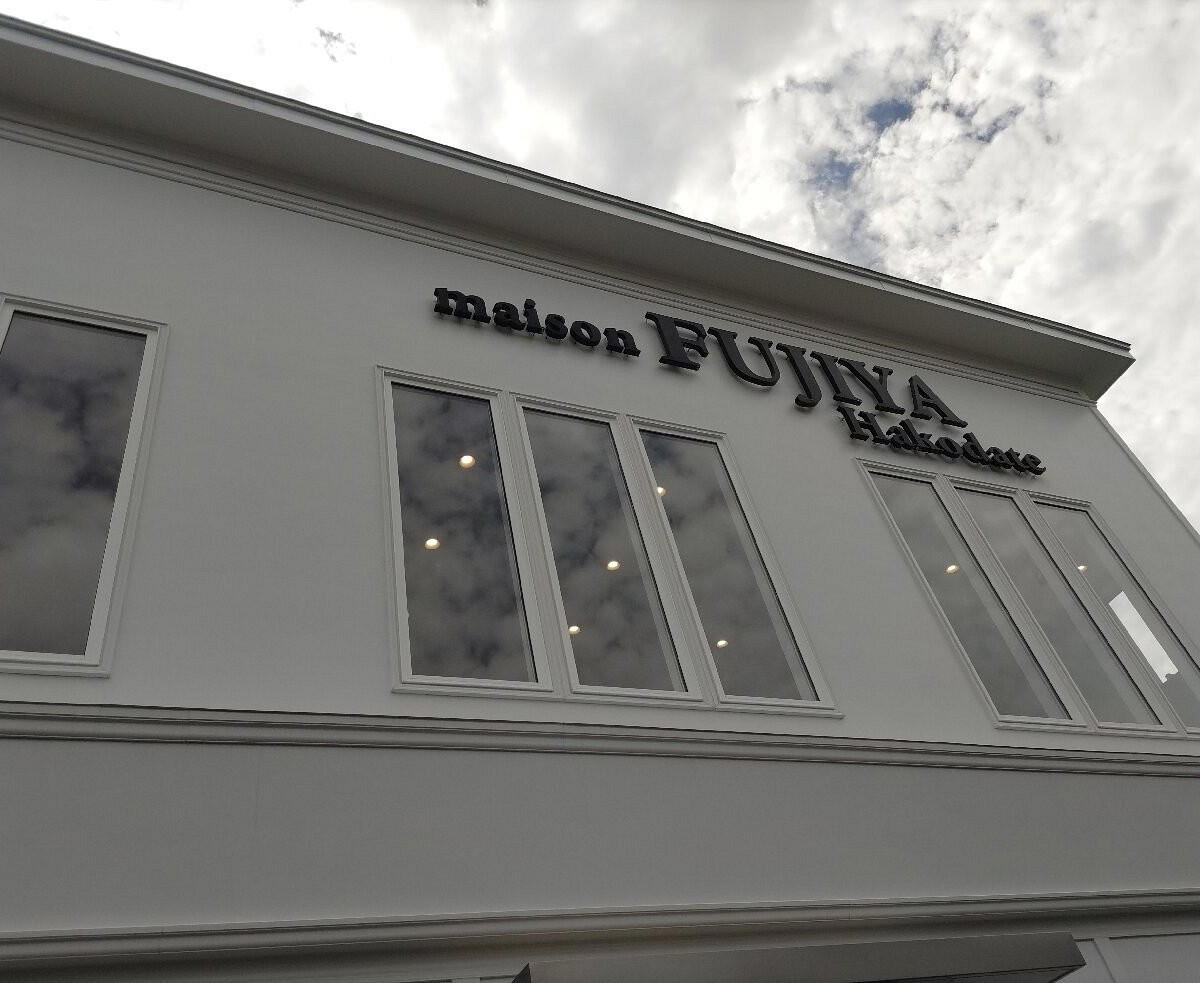
The Hakodate dining circuit, while smaller than those of Japan's major cities, contains several rooms worth placing alongside Kira for a multi-night visit. L'oiseau par Matsunaga works the Franco-Japanese intersection that Hokkaido kitchens have long found fertile ground for. Enoteca La Ricolma approaches the city's ingredient wealth from an Italian-influenced wine-and-food angle. maison FUJIYA Hakodate and Lela each represent distinct points on the city's contemporary dining range. Taken together, these rooms sketch a city that punches above its tourist-circuit weight in dining terms, with Kira occupying a quieter, more residential frequency within that set.
Northern Japan's Dining Context
Hokkaido's restaurant culture has grown considerably in critical visibility over the past decade. Sapporo carries most of the formal recognition, with kitchens like 夕仙山乃 drawing attention to the island's capacity for serious dining. But the prefecture's geography distributes good cooking more broadly than the award concentration suggests. Rooms in secondary cities from Hakodate to smaller coastal towns operate with the ingredient advantage of the north without the noise of metropolitan competition. This makes them, in some ways, the more interesting subject: cooking at a remove from the pressure to perform for critics, calibrated instead for a local audience with high standards and limited patience for artifice.
The same pattern holds across Japan's more considered regional dining. Goh in Fukuoka, akordu in Nara, and HAJIME in Osaka each demonstrate that Japan's most coherent culinary statements often come from kitchens operating outside the capital's centripetal pull. Hakodate fits that frame, and Kira, with its Sumiyoshicho address and evident commitment to a format-driven rather than spectacle-driven approach, is a reasonable extension of that argument. For a broader view of what the city's dining offers across price points and styles, the full Hakodate restaurants guide maps the scene in more detail.
Planning a Visit
Hakodate is accessible from Sapporo by express train (roughly three and a half hours) and from Honshu via the Hokkaido Shinkansen, which enters the island through the Seikan Tunnel. The city is compact enough that Sumiyoshicho is reachable on foot from the central tram network. For a room operating at this kind of quiet residential address, booking well ahead is the standard discipline; smaller kitchens in Japan at this tier rarely hold walk-in capacity, and peak summer and autumn foliage periods tighten availability further. Dress expectations at Japanese restaurants of this format lean toward smart-casual at minimum, with the understanding that the room's tone generally reflects the formality of the meal structure itself.
Frequently asked questions
Where exactly is Kira?
Kira is located at Japan, 〒040-0045 Hokkaido, Hakodate, Sumiyoshicho, 17−1 割烹ç , Hakodate.
How does Kira's Hakodate location compare to dining in Sapporo for a Hokkaido food trip?
Hakodate and Sapporo serve different purposes on a Hokkaido itinerary. Sapporo concentrates the island's formal recognition, with multiple Michelin-listed addresses and a denser restaurant circuit, while Hakodate offers direct access to Tsugaru Strait seafood at the point of landing rather than after transit. Kira's Sumiyoshicho address places it within the port quarter's evening rhythm, which is a different proposition from Sapporo's urban dining density. The Hokkaido Shinkansen connects Honshu to Hakodate directly, making the city a viable first stop rather than a detour.
What do regulars order at Kira?
In Hakodate, restaurants operating at this kind of intimate format in Sumiyoshicho tend to let the kitchen dictate the direction, with the day's haul from the port shaping what arrives at the table. Expect the progression to reflect whatever Hakodate's waters are offering that week.
Is Kira reservation-only?
Kira sits in a residential section of Sumiyoshicho, the kind of address that functions by appointment rather than footfall. Walk-in availability is unlikely at a venue of this format and location.
What's the signature at Kira?
Hakodate's clearest ingredient advantage over other Japanese cities is its proximity to the Tsugaru Strait and the Sea of Japan, which supply squid, sea urchin, and snow crab at a quality that kitchens in Tokyo and Osaka have to import at considerable cost. A kitchen in Sumiyoshicho working at this tier would almost certainly anchor its identity in that proximity.
Can Kira handle vegetarian requests?
Japanese set-course formats in this category are typically built around fish and seafood as the structural core, which limits straightforward vegetarian substitution. If this matters, communicate the requirement at the time of reservation rather than on arrival.
Is Kira worth it?
What the Sumiyoshicho address and apparent format suggest is a kitchen operating outside Hokkaido's more commercially visible dining circuit, where cover counts are low and the ingredient sourcing is local in a way that Sapporo's higher-profile rooms cannot replicate at the same proximity to the catch.
Category Peers
Comparable venues nearby, for context on price, style, and recognition.
| Venue | Cuisine | Price | Awards | Notes |
|---|---|---|---|---|
| KiraThis venue (the venue you are viewing) | Creative Japanese Kaiseki | $20–30 | Not listed | Not listed |
| Shunsai Shungyo Tajima | Seasonal Japanese Izakaya with Omakase | $30–50 | Tabelog 100 #26 | Tomiokacho |
| Yakidango Gingetsu | Traditional Japanese dango & sweets shop | $1–10 | Tabelog 100 #21 | Yunokawa Onsen |
| 函館麺厨房あじさい 本店 | Hakodate shio ramen | $10–20 | Tabelog 100 #11 | 五稜郭 |
| Jiyoken | Traditional Hakodate shio ramen | $1–10 | Tabelog 100 #32 | Matsukaze-cho / Daimon area |
| Ganso Indian Curry Koike | Traditional Japanese curry (Indian-style) | $10–20 | Tabelog 100 #54 | Horaicho |
Continue exploring
More in Hakodate
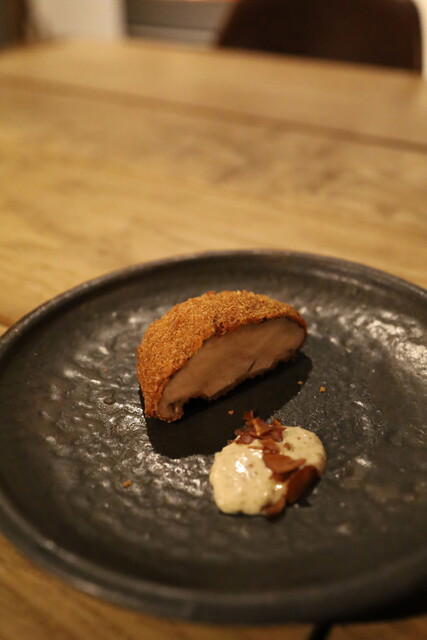
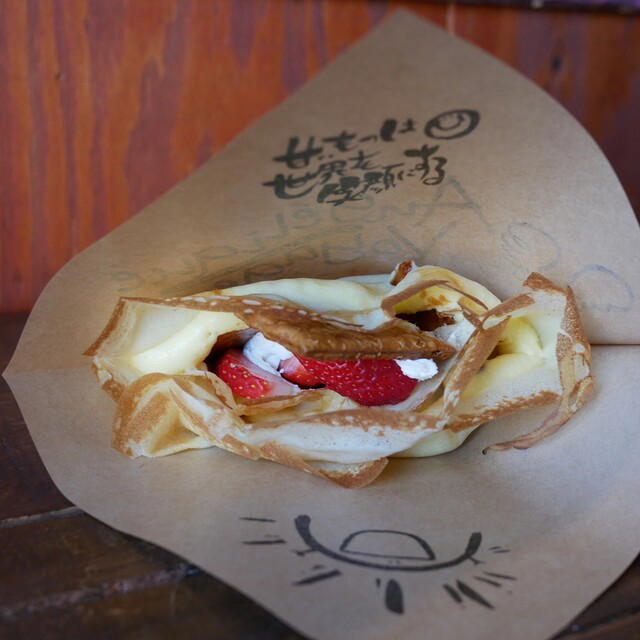
Restaurants in Hakodate
All restaurants in Hakodate →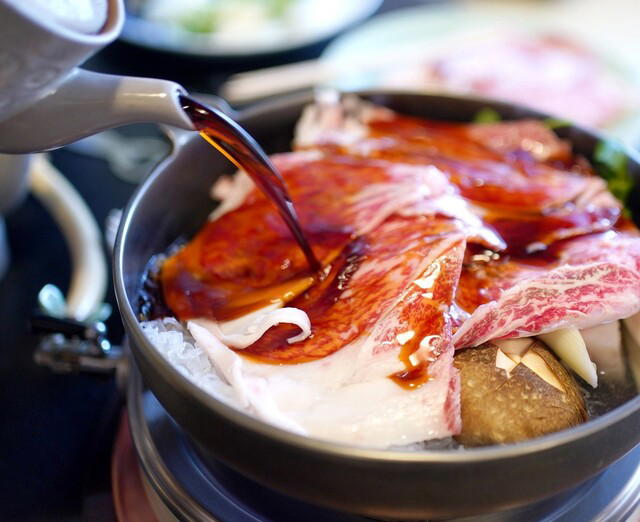
Hotels in Hakodate
All hotels in Hakodate →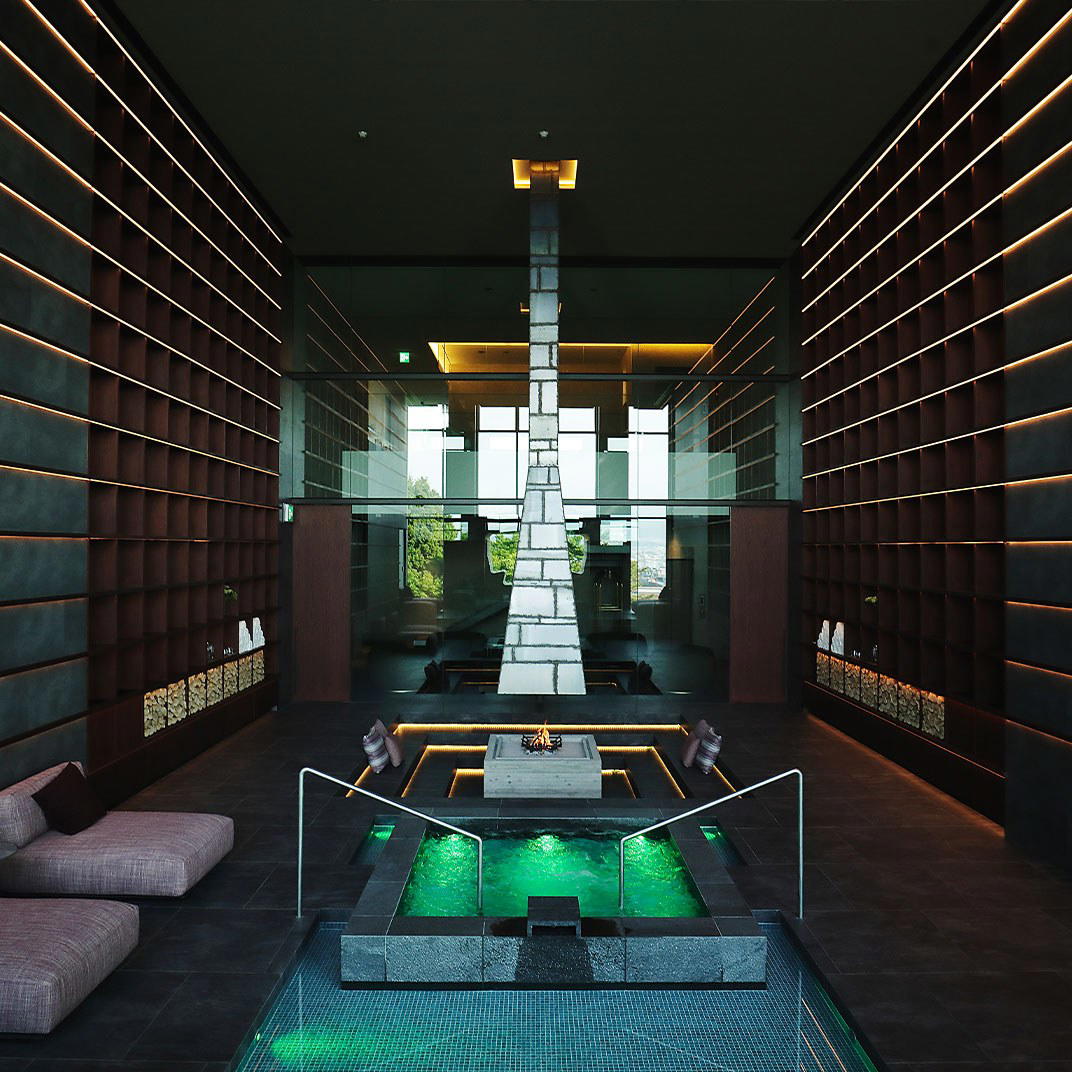
Details
- Elegant
- Scenic
- Sophisticated
- Special Occasion
- Date Night
- Celebration
- Panoramic View
- Sake Program
- Local Sourcing
- Street Scene
Current opening hours
- Monday
- 11:30 AM–3 PM, 5:30–9 PM
- Tuesday
- 11:30 AM–3 PM, 5:30–9 PM
- Wednesday
- Closed
- Thursday
- 11:30 AM–3 PM, 5:30–9 PM
- Friday
- 11:30 AM–3 PM, 5:30–9 PM
- Saturday
- 11:30 AM–3 PM, 5:30–9 PM
- Sunday
- 11:30 AM–3 PM, 5:30–9 PM
Hours can change for holidays and private events. Hours as of .
Elegant Japanese-style building with sophisticated atmosphere, featuring beautiful night and ocean views.