Our verdict
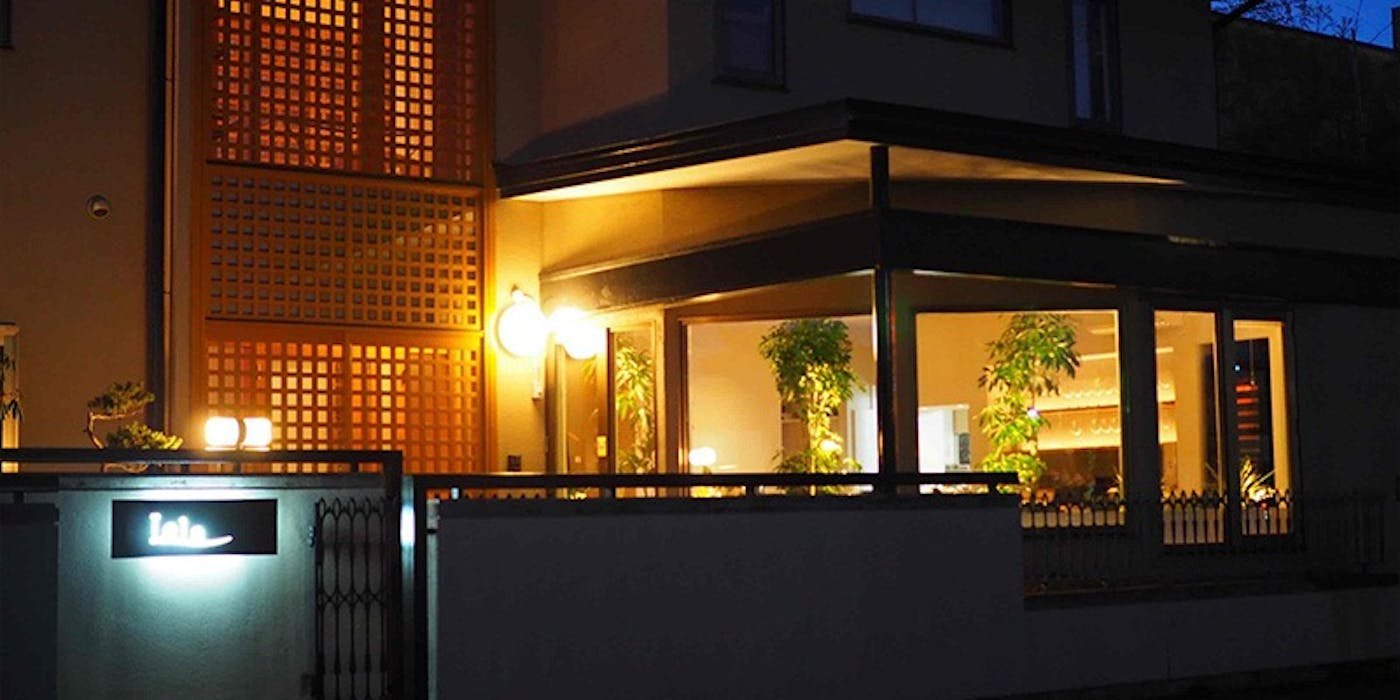
Lela sits in the Goryokaku district of Hakodate, a city whose cold-water seafood and position at the southern tip of Hokkaido make it one of Japan's more compelling regional dining destinations.

Pearl is the En Primeur Club membership app, where members save venues, book tables and use the concierge.
Goryokaku and the Hakodate Dining Context
Hakodate occupies a particular position in Hokkaido's food geography. The city sits at the island's southern edge, where the Tsugaru Strait delivers cold, nutrient-rich water and the fishing grounds produce squid, crab, sea urchin, and salmon at a quality that draws serious eaters from across Japan. The Goryokaku district, home to Lela at 25-12 Goryokakucho, sits just inland from the port and morning market, in a neighbourhood that has developed a concentration of independent restaurants alongside the area's more touristic pull from the star-shaped Goryokaku fort.
Hakodate's dining scene splits roughly into two traditions: the seafood-led counters and market restaurants that lean into the city's fishing identity, and a quieter layer of chef-driven rooms that draw on both Hokkaido's larder and broader Japanese or European culinary frameworks. The Goryokaku district tends to hold more of the latter. Venues like L'oiseau par Matsunaga and Enoteca La Ricolma operate in this register, using Hokkaido produce within European frameworks, while places like Uni Murakami anchor the city's reputation for direct, product-focused seafood dining.
What the Address Tells You
Location in Hakodate's Goryokaku area carries its own contextual weight. The district draws a different visitor from the morning market crowds near the waterfront: one more likely to have booked ahead, more interested in a structured dining experience than a quick bowl of kaisendon. Restaurants that anchor themselves here are, in general, pitching to that audience. The fort and its surrounding park bring seasonal foot traffic, particularly in spring when cherry blossoms line the moat, but the better dining rooms in the area operate on their own calendars and their own loyal customer bases rather than purely on tourist timing.
For visitors coming from Sapporo, Hakodate is roughly three and a half hours by conventional train or just over an hour by shinkansen since the Hokkaido extension opened, a connection that has gradually increased the city's accessibility to weekend travellers from the island's capital. Restaurants in this neighbourhood benefit from that shift. Venues like Kira and maison FUJIYA Hakodate occupy the same general orbit as Lela, giving the area something close to a coherent dining circuit for a committed traveller spending two or three nights in the city.
Hokkaido's Produce as Culinary Foundation
Whatever format Lela operates in, the raw material context of Hakodate is worth understanding. Hokkaido's southern coastal waters produce some of Japan's most sought-after sea urchin, particularly the Murasaki and Bafun varieties that peak in summer months. The region's squid arrives at a quality that has made Hakodate specifically famous within Japan for ikameshi and fresh squid preparations. Beyond seafood, southern Hokkaido supplies dairy, lamb, and root vegetables that have become significant in Japan's broader restaurant culture, appearing on menus in Kyoto, Tokyo, and Osaka as premium regional ingredients.
In the broader range of Japan's serious regional dining, Hakodate sits in an interesting position. It lacks the density of award recognition found in Sapporo or the major Honshu cities, but that relative quietness is precisely what makes its better restaurants interesting. Venues like HAJIME in Osaka, Harutaka in Tokyo, and Gion Sasaki in Kyoto represent the kind of formal recognition that the major cities carry; Hakodate's better rooms offer something different, a more direct relationship between ingredient, setting, and table that comes with lower booking pressure and a more local atmosphere. akordu in Nara and Goh in Fukuoka represent a comparable model in their own cities: serious cooking in places where the dining culture hasn't yet been fully mapped by international critics.
Planning a Visit
The city's better independent restaurants often operate on small covers and may close on irregular days, so verifying hours in advance is advisable regardless of the venue.
For those building a broader Hakodate itinerary, our full Hakodate restaurants guide maps the city's dining options across categories and neighbourhoods. Hakodate rewards a two-night minimum: the morning market and port area are leading visited early, and the Goryokaku district dining scene is better suited to evening hours when the fort is lit and the area quietens from its daytime tourist rhythm.
Japan's regional dining circuit beyond Hokkaido includes comparable off-the-radar rooms worth cross-referencing: 一本木 石川割烹 in Nanao, 奥仙山乃 in Sapporo, 湖畔荘 in Takashima, and 鳥羽屋 in Nishikawa Machi each offer a version of this regional-serious dining model. Further afield, Birdland in Sakai and internationally Le Bernardin in New York City and Atomix in New York City show how seafood-intensive dining traditions translate across very different cultural and commercial contexts.
Frequently asked questions
How would you describe the vibe at Lela?
Lela sits at 25-12 Goryokakucho, a residential-leaning part of Hakodate that attracts a different crowd from the waterfront morning market corridor. The Goryokaku district trends toward local regulars and purposeful visitors rather than day-trippers, which tends to shape the atmosphere of the restaurants within it toward something quieter and more considered.
Where do I go for Lela?
Lela is located at 25-12 Goryokakucho, Hakodate, Hokkaido 040-0001, Japan, Hakodate.
Is Lela in Hakodate's Goryokaku area walkable from the main tourist sites?
Lela's address at 25-12 Goryokakucho places it in the Goryokaku district, within the neighbourhood that surrounds the star-shaped fort park of the same name. The area is roughly a 20-minute tram ride from Hakodate Station and the morning market, making it a short but intentional journey rather than a casual walk from the central tourist cluster. That separation from the waterfront zone is part of what defines the district's character as a local dining area.
What should I eat at Lela?
Hakodate's position as one of Hokkaido's primary southern port cities means the surrounding waters supply squid, sea urchin, and Pacific saury at volumes and freshness levels that define the region's cooking. Any serious independent restaurant in the Goryokaku area would have access to that supply chain, though what Lela specifically does with it remains unconfirmed.
How hard is it to get a table at Lela?
Hakodate's more committed independent restaurants in the Goryokaku district frequently operate on limited covers, and some require reservations days or weeks in advance. Because no website or phone number is publicly indexed for Lela, contacting the venue through the hotel concierge or a local dining intermediary is the most practical approach.
What makes Lela worth seeking out?
The Goryokaku address positions Lela within a cluster of Hakodate restaurants that operate for a local and intentional visitor base rather than high foot-traffic tourism. That distinction matters in Hakodate, where the morning market area concentrates venues oriented toward volume and short dwell times. Independent operations in this district tend to reflect a more deliberate relationship with Hokkaido's produce and with their guests.
Can Lela accommodate dietary restrictions?
Independently operated Japanese restaurants, particularly those running set or tasting formats, typically require advance notice of dietary needs at the time of reservation. Given that no direct booking channel is publicly indexed, raising any restrictions early through whichever contact method is used is the safest course.
Price and Positioning
Comparable venues nearby, for context on price, style, and recognition.
| Venue | Cuisine | Price | Awards | Notes |
|---|---|---|---|---|
| LelaThis venue (the venue you are viewing) | Innovative French | $100–150 | Not listed | Not listed |
| L'oiseau par Matsunaga | French-Japanese Fusion Fine Dining | $150–200 | Tabelog 100 #68 | Kashiwagi Cho, French-Japanese Fusion Fine Dining |
| maison FUJIYA Hakodate | Neo-Classical French with Hokkaido Ingredients | $100–150 | Tabelog Bronze #248 | Motomachi, Neo-Classical French with Hokkaido Ingredients |
| Uni Senmon Ten Yoichiya Hakodate asaichi ten | Hokkaido uni and seafood donburi | $50–100 | Tabelog 100 #66 | Hakodate Asaichi (Morning Market) / near Hakodate Station, Hokkaido uni and seafood donburi |
| Shunsai Shungyo Tajima | Seasonal Japanese Izakaya with Omakase | $30–50 | Tabelog 100 #26 | Tomiokacho, Seasonal Japanese Izakaya with Omakase |
| ラ クチーナ ヴェンティトレ | Hakodate Italian with Local Ingredients | $50–100 | Tabelog 100 #4 | Yanagimachi, Hakodate Italian with Local Ingredients |
Continue exploring
More in Hakodate
Restaurants in Hakodate
All restaurants in Hakodate →
Hotels in Hakodate
All hotels in Hakodate →
Details
- Intimate
- Elegant
- Cozy
- Modern
- Special Occasion
- Date Night
- Standalone
- Sake Program
Current opening hours
- Monday
- 6–11 PM
- Tuesday
- 6–11 PM
- Wednesday
- 6–11 PM
- Thursday
- 12–2 PM, 6–11 PM
- Friday
- 12–2 PM, 6–11 PM
- Saturday
- 12–2 PM, 6–11 PM
- Sunday
- Closed
Hours can change for holidays and private events. Hours as of .
Relaxed and cozy atmosphere in a modern Japanese house with a dramatic wooden table, accommodating only 4-5 guests per evening.