
Le Cucina Ventitre belongs to Hokkaido’s smaller Italian serious-dining circuit, where pasta, wine and a controlled multi-course rhythm matter more than spectacle. Selection for Tabelog Italian EAST “Tabelog 100” in 2023 and 2025 gives it a clear trust signal, while the house-restaurant format and compact 18-seat scale place it in the intimate, reservation-led tier.
Pearl is the En Primeur Club membership app — saves, bookings, and concierge access live there. Same editors, same standards.
- Address
- 北海道函館市柳町14-23
- Phone
- +81138317856
- Website
- share.google
 Saves & bookings on Pearl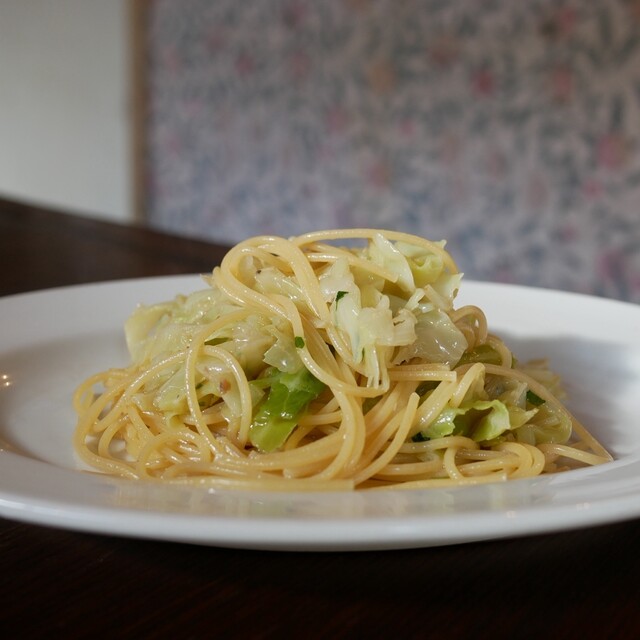
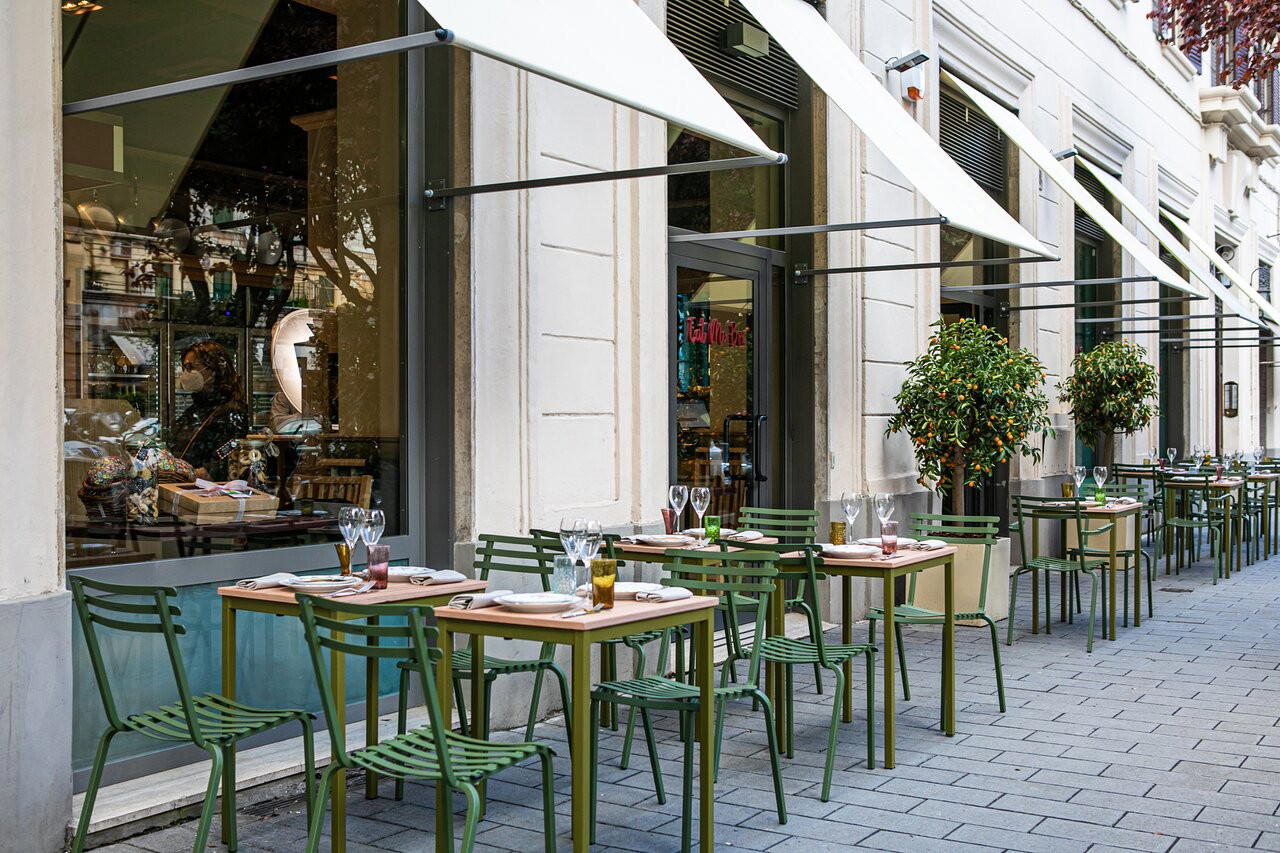
Approach this Hokkaido Italian room and the mood is quieter than urban dining shorthand suggests. The signal is not a grand entrance or theatrical counter, but house-restaurant scale: compact dining room, counter seating, private rooms, open terrace, and a pace for a meal that unfolds rather than rushes. In a region many travellers know for ramen, seafood markets and dairy, Italian cooking has developed a serious parallel identity, especially when pasta, local produce and wine organise the evening.
Le Cucina Ventitre sits in that narrower lane. Its selection for Tabelog Italian EAST “Tabelog 100” in 2023 and 2025 matters because the list separates it from casual pasta shops and places it among restaurants judged in a broader eastern Japan Italian category. Its public score, 3.67, is not the whole argument, but in Japan’s restaurant culture it is meaningful when paired with repeat award selection. This is not a generic neighbourhood Italian address; read it as Hokkaido Italian with fixed progression, wine as part of the frame, and a room small enough for sequencing to matter.
Hokkaido Italian works when the meal has a clear arc
The strongest Italian dining in Japan resists two weak temptations: copying Italy too literally, or burying pasta under local luxury cues. The persuasive version uses Italian structure as grammar and lets the region supply the accent. In Hokkaido, that means a colder-climate pantry, strong dairy culture, seafood proximity and a dining public that understands everyday noodles and formal tasting formats. A restaurant in the Italian and pasta category can work on several levels: familiar enough for comfort, structured enough for occasion, and ingredient-led without announcing every idea as innovation.
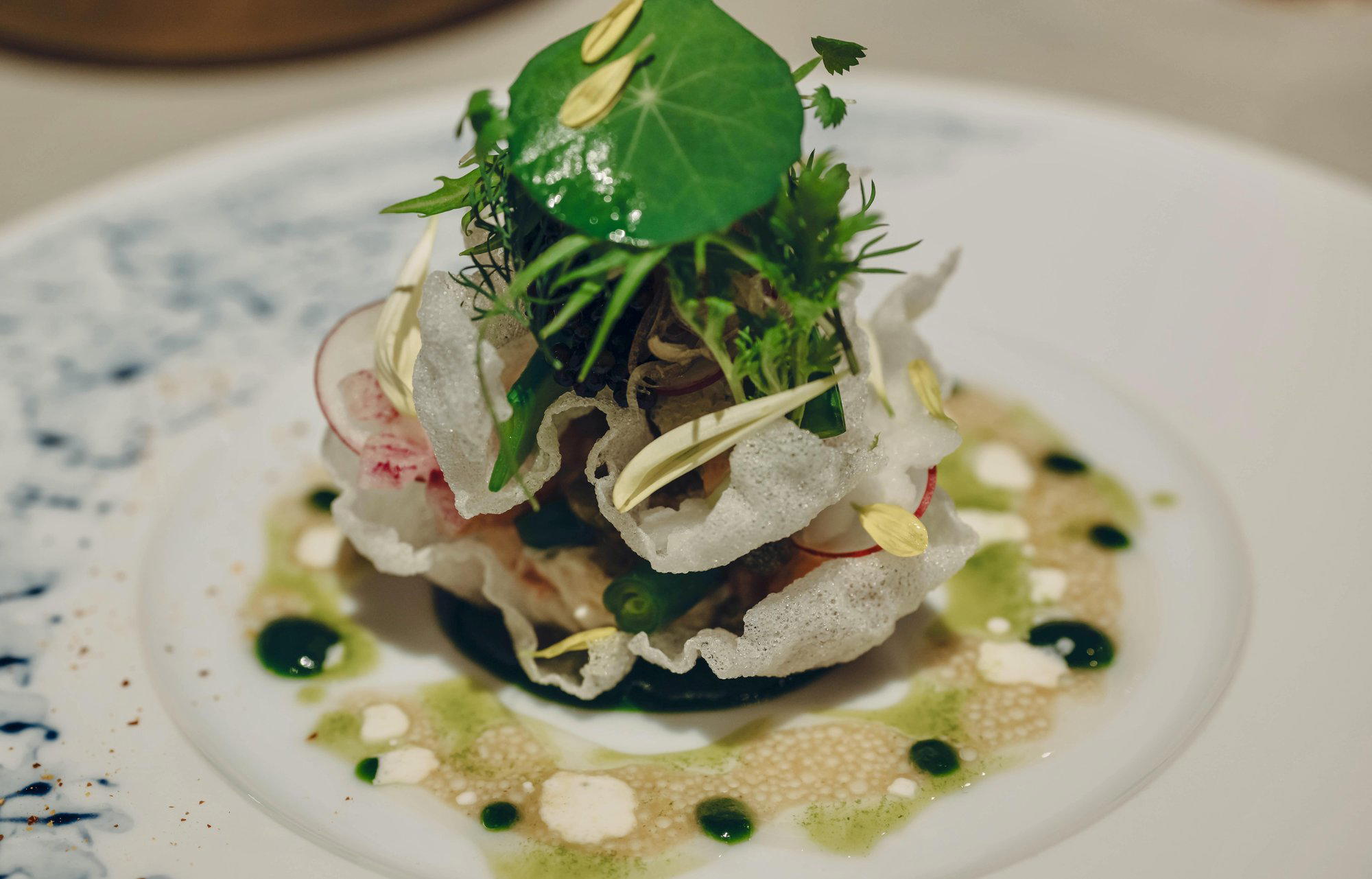
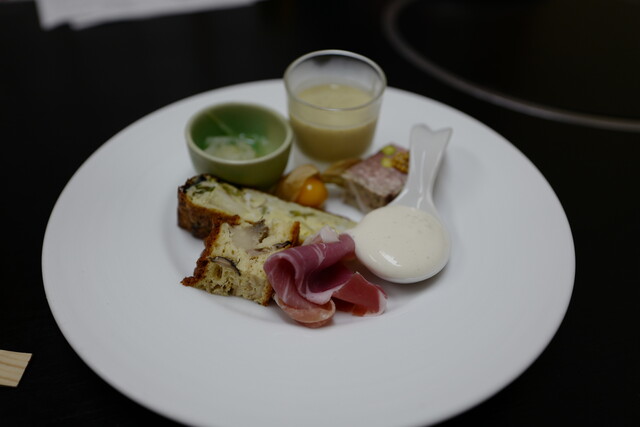
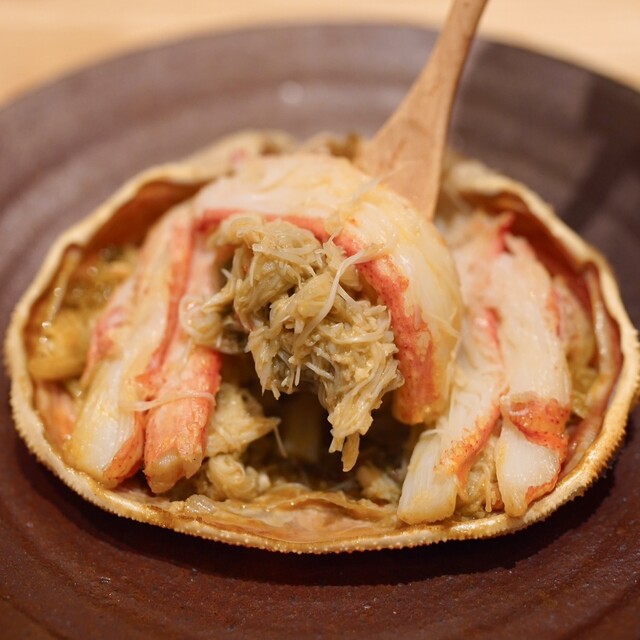
The tasting progression is the useful way to read Le Cucina Ventitre. The public category points to Italian and pasta, while the wine emphasis suggests a meal designed around movement rather than single-dish impact. In this tier, pasta is rarely just a midpoint carbohydrate. It becomes the hinge between opening plates and later savoury depth, testing texture, sauce weight and portion scale. A compact restaurant helps: courses can arrive with tighter pacing, and wine service can support the arc without turning the meal into a catalogue.
That matters in Hokkaido because visitors often arrive with a checklist: miso ramen, soup curry, seafood bowls, lamb, dairy desserts. Those forms define much popular eating culture, but not the region’s full dining range. Italian restaurants such as this occupy a different decision point: for travellers who have covered the obvious local staples and want to see Hokkaido ingredients inside a European sequence. For a broader map, Our full Sapporo restaurants guide is the better starting point, with casual and serious formats side by side.
The small-room format changes the stakes
Eighteen seats create pressure unlike a large dining room. The kitchen cannot hide behind volume, and the guest cannot treat the meal as anonymous. Private rooms for four and six people point to small-group dining rather than banquet energy, while counter seating keeps the meal close to the cooking. The restaurant is non-smoking and does not allow children, clarifying the tone: adult, meal-focused, and better for a composed lunch or dinner than a flexible family stop.
Payment details shape the audience more than many travellers expect. Cash-only policies remain common at smaller Japanese restaurants, but for overseas visitors they change planning. A one-month reservation window reflects a calendar-driven operation rather than a long-range concierge battlefield. The result is not scarcity theatre, but practical discipline around timing, group size and payment that fits the experience: controlled, small-scale, and not built for walk-in spontaneity.
Within the comparison set, the contrast is useful. Ajisai Honten, around JPY 1,000 to JPY 1,999, belongs to casual Hokkaido eating; Nidaime Saheiji, around JPY 4,000 to JPY 4,999, sits in another bracket. Le Cucina Ventitre’s dinner range of JPY 10,000 to JPY 14,999 places it in a deliberate occasion tier, while lunch at JPY 2,000 to JPY 2,999 offers a lower-risk read on the kitchen. L'oiseau par Matsunaga and Restaurant Basque are more relevant as formal European-reference points than direct substitutes. The point is not that one category replaces another; Hokkaido dining rewards travellers who separate quick regional staples from full-sequence restaurants.
How to place it in a Sapporo-led itinerary
For travellers using Sapporo as base, the question is not whether Italian belongs on a Hokkaido itinerary. It does. The better question is when. A multi-course Italian meal has more value after the region’s casual canon, because the contrast becomes clearer. Pair ramen or curry lunches with a composed Italian dinner, rather than stacking rich, long-format meals. 175°DENO Tantanmen Sapporo kitaguchi ten, [Curry Senmon Ten] Maruyama Kyoju., Ajanta Indo Curry Ten and Ajanta Sohonke show the everyday spice-and-noodle side of the city’s appetite; Aigues Vives points to a different artisanal rhythm.
Le Cucina Ventitre also reminds that “Sapporo dining” often means a wider Hokkaido circuit. Serious travellers should think regionally, not just by station radius. Hotels, bars, wineries and experiences complete the planning frame: Our full Sapporo hotels guide, Our full Sapporo bars guide, Our full Sapporo wineries guide and Our full Sapporo experiences guide help separate where to sleep, drink and build time around the meal.
Readers comparing Japanese dining formats beyond Hokkaido can use national contrasts to sharpen the decision. -Grilled beef Sukiyaki- KAMAKURA TANUKIAN 鎌倉 たぬき庵 in Kamakura,. 鮪と炭火焼き うお炭 秋葉原店 in Tokyo,.cafe in Osaka,.know in Kumamoto, (Shoku) Vietnam in Kawasaki and [ki:] in Kyoto show how category, city and occasion change the meaning of a meal. For readers planning from the United States, Jōdo Saké Bar in Los Angeles and Onigiri Time in Pasadena provide the opposite lens: Japanese food culture translated outward, rather than Hokkaido ingredients interpreted through Italian form.
Fast Comparison
Comparable venues by category and price.
| Venue | Cuisine | Price | Awards | Notes |
|---|---|---|---|---|
| Le Cucina VentitreThis venue — the venue you are viewing | Seasonal Italian Trattoria | $$$ | , | |
| マガーリ | Innovative Italian with Hokkaido Ingredients | $$$ | , | Chūō |
| TRATTORIA DA OKUMURA | Intimate Italian trattoria & pasta bar | $$$ | , | Chūō |
| リストランテ カノフィーロ | Italian Fine Dining with Hokkaido Ingredients | $$$ | , | Chūō |
| PARCO FIERA | Piedmont-Inspired Italian with Hokkaido Ingredients | $$$ | Teine | |
| テアトロ ディ マッサ | Modern Italian Regional with Hokkaido Ingredients | $$$ | , | Chūō |
At a Glance
- Cozy
- Intimate
- Sophisticated
- Hidden Gem
- Date Night
- Business Dinner
- Group Dining
- Special Occasion
- Standalone
- Private Dining
- Local Sourcing
A compact, reservation-friendly dining room with counter seating and a private table room, creating an intimate and focused atmosphere centered on seasonal local ingredients.