
Sushi Dokoro Minami belongs to Hakodate’s serious sushi tier: a seven-seat counter in Suehirocho, selected for Tabelog Sushi EAST “Tabelog 100” 2025, with dinner pricing in the JPY 20,000–29,999 bracket. The draw is less theatre than sourcing logic: Hokkaido seafood, sake, and a reservation-only format that keeps the room small and focused.
Pearl is the En Primeur Club membership app — saves, bookings, and concierge access live there. Same editors, same standards.
- Address
- 北海道函館市末広町9-5
- Phone
- +81138266176
- Website
- hakodate-minami.com
 Saves & bookings on Pearl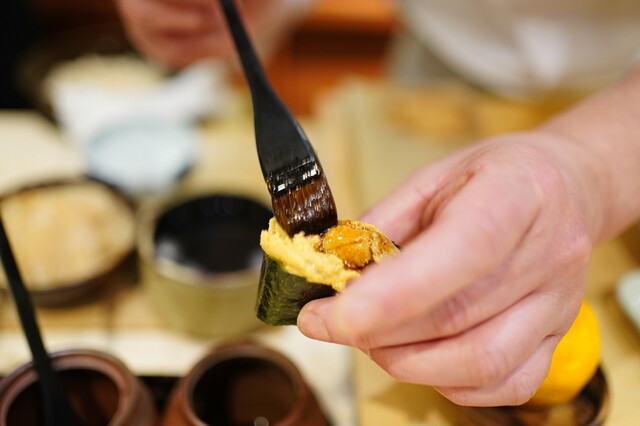
Approaching Suehirocho, Hakodate feels less like a restaurant district than a port city still arranged around weather, tramlines, and the day’s catch. Sushi Dokoro Minami fits that scale: seven counter seats, no private rooms, and a room built for close attention rather than spectacle. In a city where seafood is the default promise, the higher sushi tier has to argue through selection, handling, and restraint. The 2025 Tabelog Sushi EAST “Tabelog 100” selection places this counter inside a broader eastern Japan sushi conversation, but the local logic matters more: Hakodate’s identity is maritime before it is metropolitan.
Hakodate sushi judged by fish, not theatre
Hokkaido sushi is often flattened into a tourist shorthand: crab, uni, scallop, salmon roe, generous cuts. The serious counters work differently. They are judged by how tightly they edit abundance. Sushi Dokoro Minami’s public positioning is explicit about being particular with fish, and that matters in Hakodate, where proximity to seafood can be both advantage and trap. A port city gives access; it does not automatically give judgment.
The counter format reinforces that point. Seven seats put the meal closer to a small specialist workshop than a celebratory dining room, and the absence of private rooms keeps attention on the sequence rather than social display. Sake is the natural pairing language here, especially in Hokkaido, where cold-water seafood often rewards clean structure over heavy embellishment. Nothing in the format suggests a sprawling luxury production. The signal is narrower: fish, rice, pacing, and a room small enough that service cannot hide behind scale.
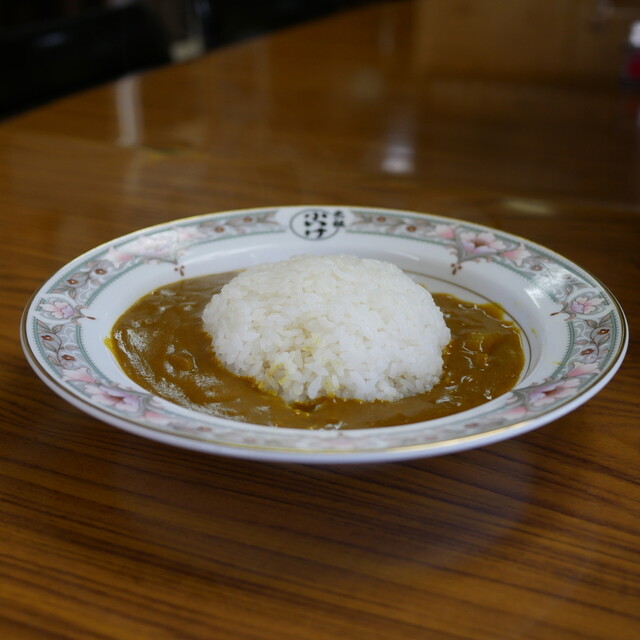
That price bracket also clarifies the audience. Dinner at JPY 20,000–29,999 puts the restaurant well above Hakodate’s everyday dining tier and above local addresses such as Asari Honten and Ganso Indian Curry Koike, while sitting beyond the casual lunch-and-dinner rhythm represented by Colz. The useful comparison is not cuisine-for-cuisine, but occasion-for-occasion: this is the city’s small-capacity, seafood-led spending tier, not a flexible drop-in meal.
Where the city's port character meets a reservation-only counter
Hakodate’s dining appeal is unusually legible. The morning market, the slopes below Motomachi, the tram corridor, and the old port districts all keep the city tied to ingredients and movement rather than polished urban density. Sushi counters in this setting carry a different expectation from Tokyo’s Ginza model. There is less pressure to perform scarcity as status, and more pressure to translate local supply into a coherent evening.
Sushi Dokoro Minami is in Suehirocho, close to the Jujigai tram stop, which places it in the older western side of the city rather than the station-front crush. That geography suits the format. The restaurant is reservation-only, with bookings required by the previous day, and the counter seats only seven guests. Those facts change how to plan the meal: it belongs in the fixed part of an itinerary, not as a flexible option after sightseeing. The scheduled hours run Tuesday through Sunday in the evening, with Monday closed and year-end holiday closures noted, so the practical window is narrower than a normal city restaurant.
The rating and recognition add context without settling the matter. A Tabelog score of 3.70 and inclusion in the 2025 Sushi EAST “Tabelog 100” list give the counter a measurable signal among Japanese diners. In Hakodate, that signal carries weight because the city has many seafood restaurants competing on freshness alone. Recognition at this level suggests a venue being assessed on the craft of sushi rather than the easier promise of local fish.
How to place it in a Hakodate food itinerary
For travellers, the sharper decision is sequencing. Hakodate rewards range: shio ramen at Ajisai Honten, long-running local sukiyaki culture at Asari Honten, European-leaning dining at Colz, and wine-focused Italian cooking at Enoteca La Ricolma. A seven-seat sushi counter in the JPY 20,000–29,999 band should not be treated as the seafood checkbox for the trip. It is the focused dinner around which looser meals can be arranged.
The broader city guide should do the rest of the planning work. For the full restaurant map, use Our full Hakodate restaurants guide; for where to stay, see Our full Hakodate hotels guide. Drinking and after-dinner planning sit in Our full Hakodate bars guide, while regional drinks context belongs in Our full Hakodate wineries guide. Cultural pacing, markets, and port-city movement are covered in Our full Hakodate experiences guide.
Readers building a wider Japan itinerary can contrast Hakodate’s ingredient-led sushi culture with beef-focused cooking at -Grilled beef Sukiyaki- KAMAKURA TANUKIAN 鎌倉 たぬき庵 in Kamakura, seafood-and-charcoal dining at. 鮪と炭火焼き うお炭 秋葉原店 in Tokyo, café culture at.cafe in Osaka, regional dining at.know in Kumamoto, Vietnamese cooking at (Shoku) Vietnam in Kawasaki, and curry specialization at [Curry Senmon Ten] Maruyama Kyoju. in Sapporo. For a transpacific sake comparison, Jōdo Saké Bar in Los Angeles and Onigiri Time in Pasadena show how Japanese formats read outside Japan. Against that wider field, Sushi Dokoro Minami is compelling because it stays small, local, and disciplined: Hakodate seafood interpreted through a counter that has little room for excess.
A Quick Peer Check
Comparable venues by cuisine and price in the same metro.
| Venue | Cuisine | Price | Awards | Notes |
|---|---|---|---|---|
| Sushi Dokoro MinamiThis venue — the venue you are viewing | Traditional Sushi Omakase | $$$ | , | |
| Uni Senmon Ten Yoichiya Hakodate asaichi ten | Hokkaido uni and seafood donburi | $$$ | , | Hakodate Asaichi (Morning Market) / near Hakodate Station |
| Asari Honten | Traditional Sukiyaki in Historic House | $$$ | , | Horaicho |
| ラ クチーナ ヴェンティトレ | Hakodate Italian with Local Ingredients | $$$ | , | Yanagimachi |
| Jiyoken | Traditional Hakodate shio ramen | $ | , | Matsukaze-cho / Daimon area |
| Jiyouken (滋養軒) | Hakodate-Style Salt Ramen | $ | , | Daimon (大門) |
At a Glance
- Intimate
- Hidden Gem
- Classic
- Cozy
- Special Occasion
- Date Night
- Solo
- Business Dinner
- Chefs Counter
- Standalone
- Design Destination
- Sake Program
- Local Sourcing
- Sustainable Seafood
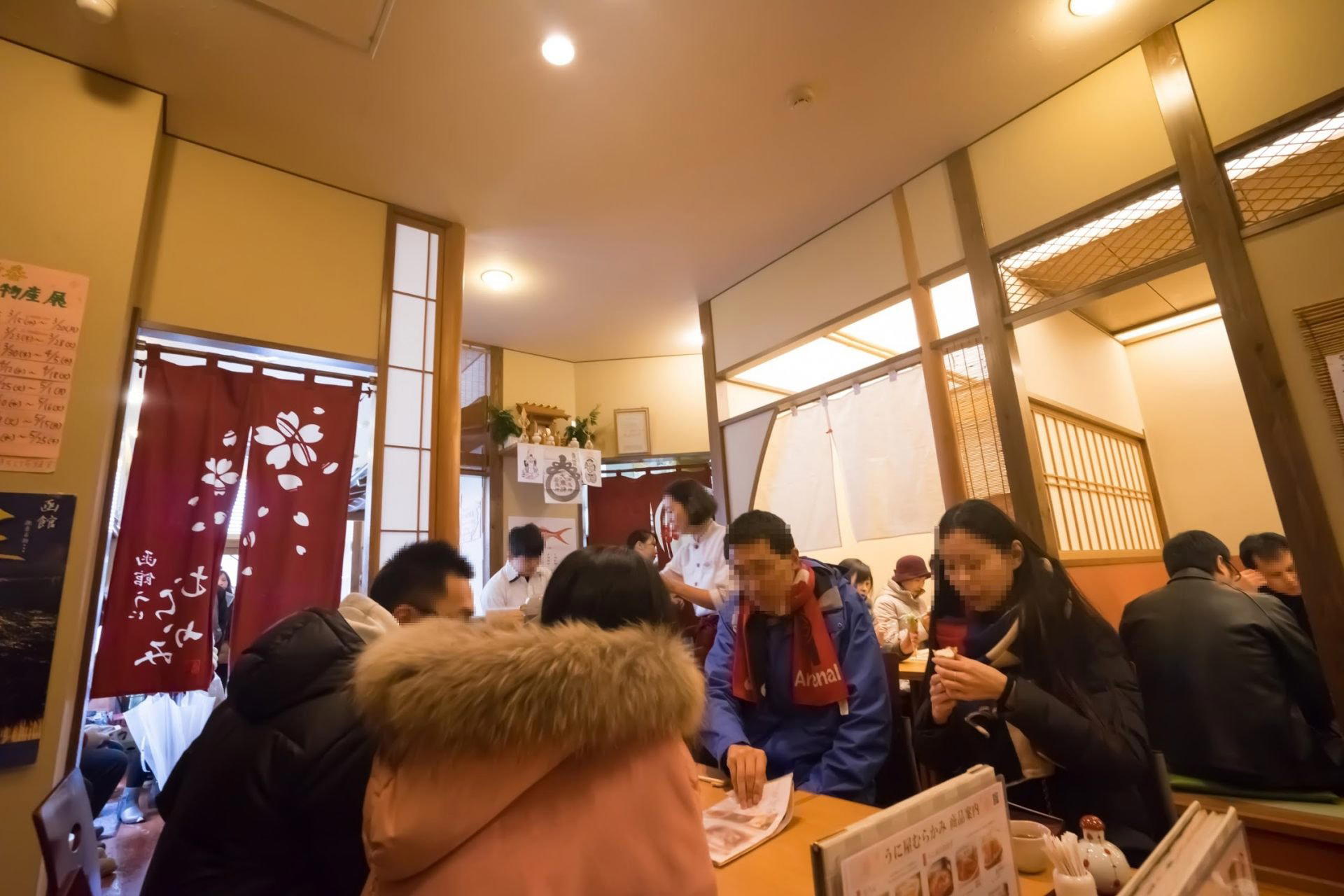
A small, quiet counter-only space with just seven seats, where guests sit close to the chef and watch precise, traditional sushi preparation; the mood is calm, reserved, and focused on the food rather than decor or buzz, often described as a hidden, classic sushi haven.