
Hakodate’s izakaya culture makes sense when seafood is treated as the anchor rather than a luxury add-on. Shunsai Shungyo Tajima sits in that fish-led lane, with Tabelog 100 Izakaya EAST selection in 2024 and 2025, a compact 35-seat format, private rooms, counter seating, and a sake-focused drinks list that suits a city built around the morning market and working port.
Pearl is the En Primeur Club membership app — saves, bookings, and concierge access live there. Same editors, same standards.
- Address
- 北海道函館市富岡町3-36-1
- Phone
- +81138837448
- Website
- tabelog.com
 Saves & bookings on Pearl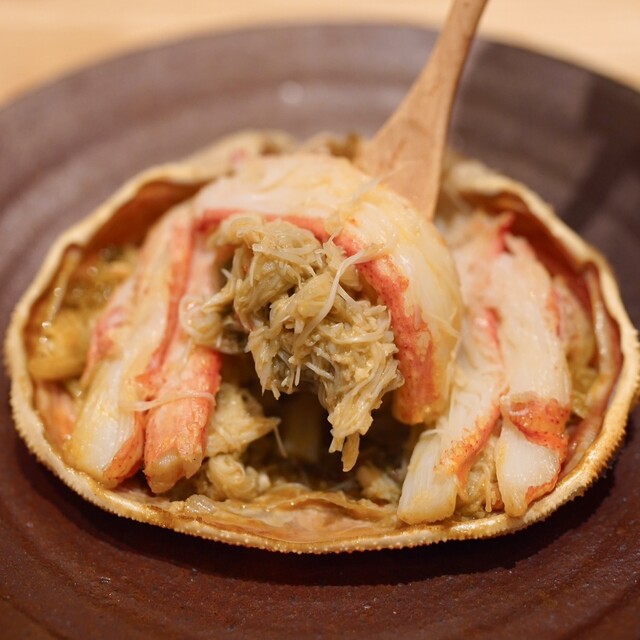
Approaching a serious Hakodate izakaya, the expectation is not theatre. The room should feel practical: counter seats for close attention, private rooms for groups, enough space for a long dinner, and a menu structure that puts fish before flourish. That is the useful frame for Shunsai Shungyo Tajima, a 35-seat izakaya in Tomiokacho where the signal is clear: seasonal seafood, sake, shochu and wine, with the kind of local confidence that does not need a chef mythology to explain itself.
Hakodate is not a city where seafood is an abstract premium category. It is civic infrastructure. The morning market, squid culture, and Hokkaido’s cold-water supply chain shape what diners expect from an evening table. In that context, an izakaya that is “particular about fish” is not making a vague claim; it is entering a demanding local conversation. Fish-led cooking has to justify itself against everyday access, not against tourist novelty. Shunsai Shungyo Tajima belongs in that conversation because its recognition comes from the izakaya category rather than from fine-dining repositioning.
Fish-led izakaya cooking in a port city that knows the difference
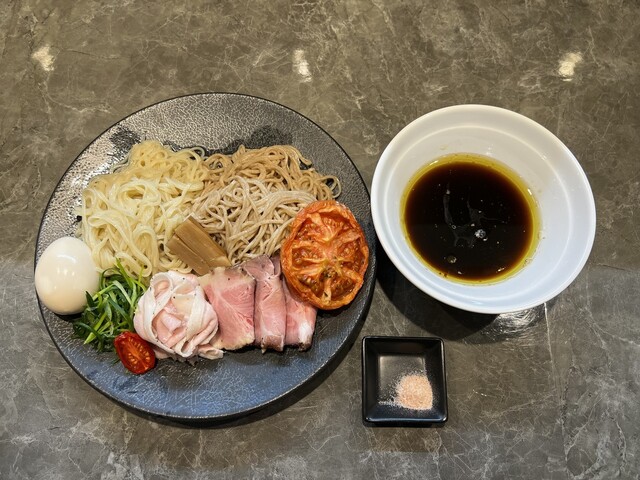
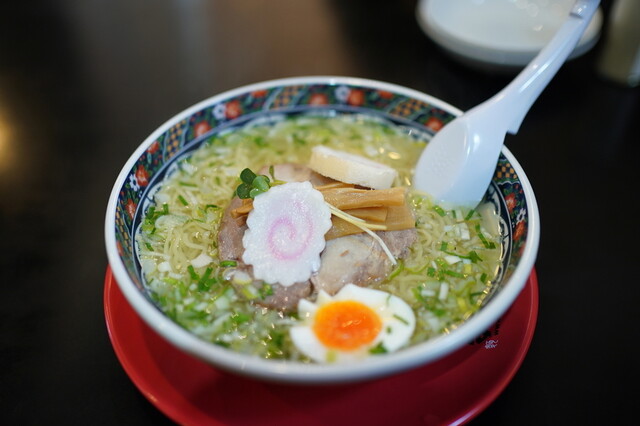
Hakodate dining often splits into two easy visitor tracks: quick regional staples and longer dinners built around local product. Ajisai Honten represents the ramen route, while Enoteca La Ricolma and Colz point toward the city’s quieter European-influenced dining tier. The izakaya lane is different. It is less about genre purity than sequencing: fish, drinks, rice or noodles if needed, and enough flexibility for a table to move between appetite and conversation.
That flexibility matters in Hokkaido. Seafood restaurants can easily become single-product destinations, but an izakaya has to work across several kinds of evening: a family meal, a group dinner, a counter session, or a slower sake-led night. The useful detail here is not a named signature dish, because none is needed to understand the format. The stronger signal is the combination of fish emphasis, sake focus, counter seating, private rooms and selection for Tabelog 100 Izakaya EAST in both 2024 and 2025. Those facts place the restaurant in a competitive regional category without forcing it into the formality of kaiseki or sushi omakase.
The price band also tells part of the story. Hakodate has casual ramen rooms in the JPY 1,000 to JPY 1,999 range, including Ajisai Honten and RAMEN ROOM 18, but fish-led izakaya dining sits higher because the meal is longer and the drinking component matters. Nidaime Saheiji appears in the same JPY 4,000 to JPY 4,999 dinner bracket, which makes the category comparison more useful than any cross-genre ranking. For a traveller, the decision is not whether this replaces ramen or curry; it is whether one evening in Hakodate should be spent in the city’s seafood-and-sake register rather than its quick-meal register.
The room format matters as much as the menu category
Japanese izakaya quality is often misread by visitors as a question of noise, informality or abundance. In regional cities, the better test is structure. Can the room handle couples, families and groups without turning dinner into a scramble? Is there counter seating for solo diners or pairs who want a tighter rhythm? Is the drinks list built for local fish rather than treated as an afterthought? Shunsai Shungyo Tajima answers those questions through format: 35 seats, counter seating, private rooms in several party sizes, non-smoking policy, children welcome, and drinks that include sake, shochu and wine, with special attention to nihonshu.
That set-up is why the restaurant reads as more than a neighbourhood convenience. Tabelog’s Hyakumeiten lists are category-specific, and the 2025 Izakaya EAST selection puts this Hakodate address into a wider eastern Japan field rather than only a local directory. The listed Tabelog score of 3.73 gives another measurable signal, though the award selection carries more editorial weight because it identifies the restaurant within a defined dining type. For EP Club readers, that distinction matters: this is not positioned as a luxury splurge, but as a disciplined izakaya choice in a city where fish sourcing is part of the local grammar.
The absence of a public-facing chef narrative is not a weakness. Izakaya culture has never depended on the solo-genius model in the way high-end sushi counters sometimes do. Here, credibility comes from repeatable decisions: what to buy, how to pace a table, how to keep fish and sake in balance, and how to make a room work for both locals and travellers. The restaurant opened in December 2022, so the 2024 and 2025 Tabelog 100 selections arrived early in its life. That timing is a useful marker in a city where established habits can be hard to shift.
How to fit it into a Hakodate dining itinerary
Hakodate rewards variety more than repetition. A tight itinerary might use Ganso Indian Curry Koike or a ramen stop for a low-commitment meal, then reserve a longer evening for fish and sake. Asari Honten speaks to another old-city comfort tradition, while an izakaya dinner gives a clearer read on how contemporary Hakodate handles local seafood after dark. Travellers comparing city options can start with Our full Hakodate restaurants guide, then build around hotels, bars, wineries and experiences through Our full Hakodate hotels guide, Our full Hakodate bars guide, Our full Hakodate wineries guide and Our full Hakodate experiences guide.
For broader Japan planning, the useful comparison is not only within Hokkaido. Beef-led dining such as -Grilled beef Sukiyaki- KAMAKURA TANUKIAN 鎌倉 たぬき庵 in Kamakura, casual seafood-and-charcoal formats such as. 鮪と炭火焼き うお炭 秋葉原店 in Tokyo, café culture at.cafe in Osaka, contemporary regional dining at.know in Kumamoto, Vietnamese cooking at (Shoku) Vietnam in Kawasaki, and curry specialists such as [Curry Senmon Ten] Maruyama Kyoju. in Sapporo all show how category-specific Japan dining can be. For sake context beyond Japan, Jōdo Saké Bar in Los Angeles offers a different lens; for rice-based casual formats, Onigiri Time in Pasadena sits at another end of the spectrum. Against that spread, Shunsai Shungyo Tajima’s value is precise: a Hakodate izakaya where the city’s fish culture remains the point.
Fast Comparison
Comparable venues by cuisine and price in the same metro.
| Venue | Cuisine | Price | Awards | Notes |
|---|---|---|---|---|
| Shunsai Shungyo TajimaThis venue — the venue you are viewing | Seasonal Japanese Izakaya with Omakase | $$$ | , | |
| Uni Murakami | Sea Urchin Specialty Japanese | $$$$ | Otemachi | |
| Hakodate Shio Ramen Shinano | Hakodate Salt Ramen | $ | , | Wakamatsucho / Hakodate Station area |
| Yakidango Gingetsu | Traditional Japanese dango & sweets shop | $ | , | Yunokawa Onsen |
| 函館麺厨房あじさい 本店 | 函館塩ラーメン | $$ | , | 五稜郭 |
| Enoteca La Ricolma | Modern Italian with Hokkaido Ingredients | $$$ | Tomiokacho |
At a Glance
- Modern
- Cozy
- Intimate
- Hidden Gem
- Date Night
- Special Occasion
- Business Dinner
- Group Dining
- Solo
- Chefs Counter
- Standalone
- Design Destination
- Sake Program
- Beer Program
- Local Sourcing
- Sustainable Seafood
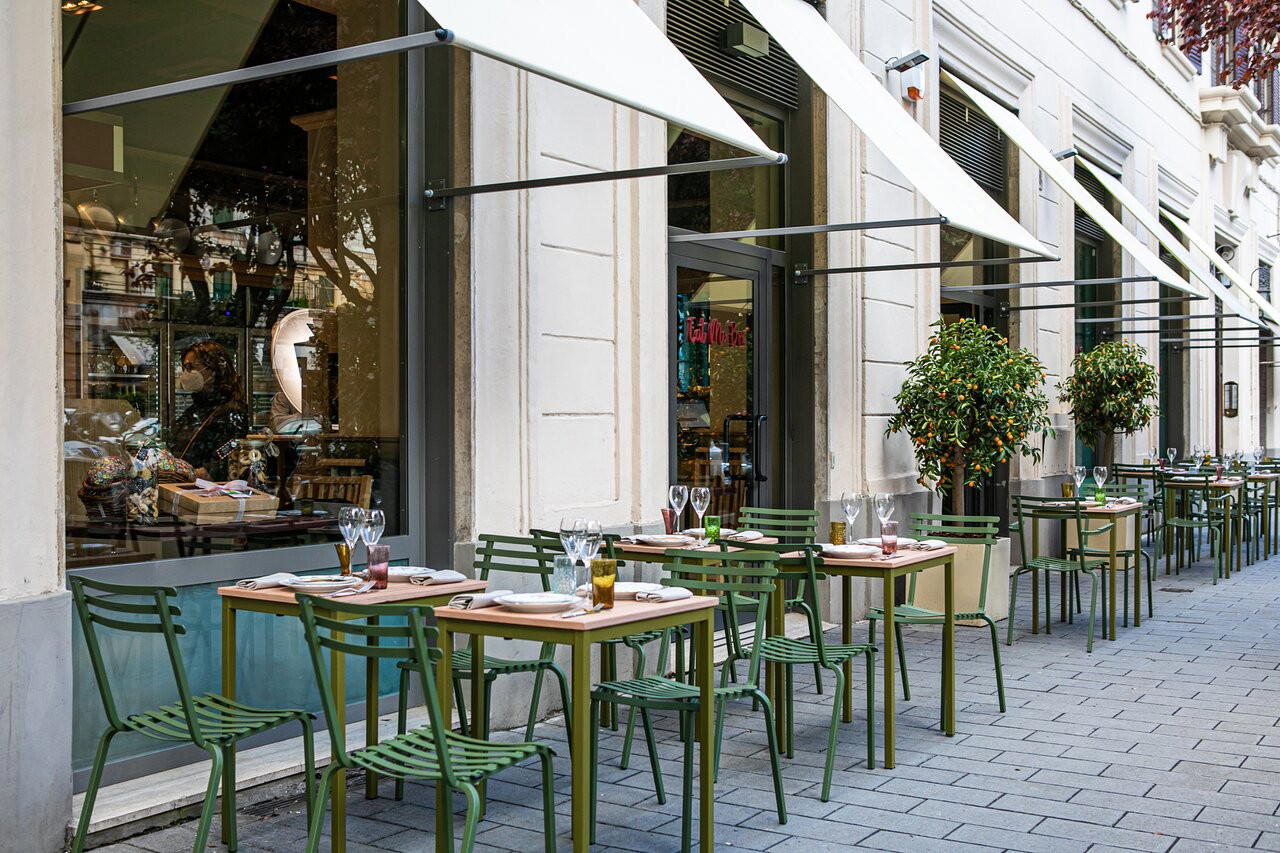
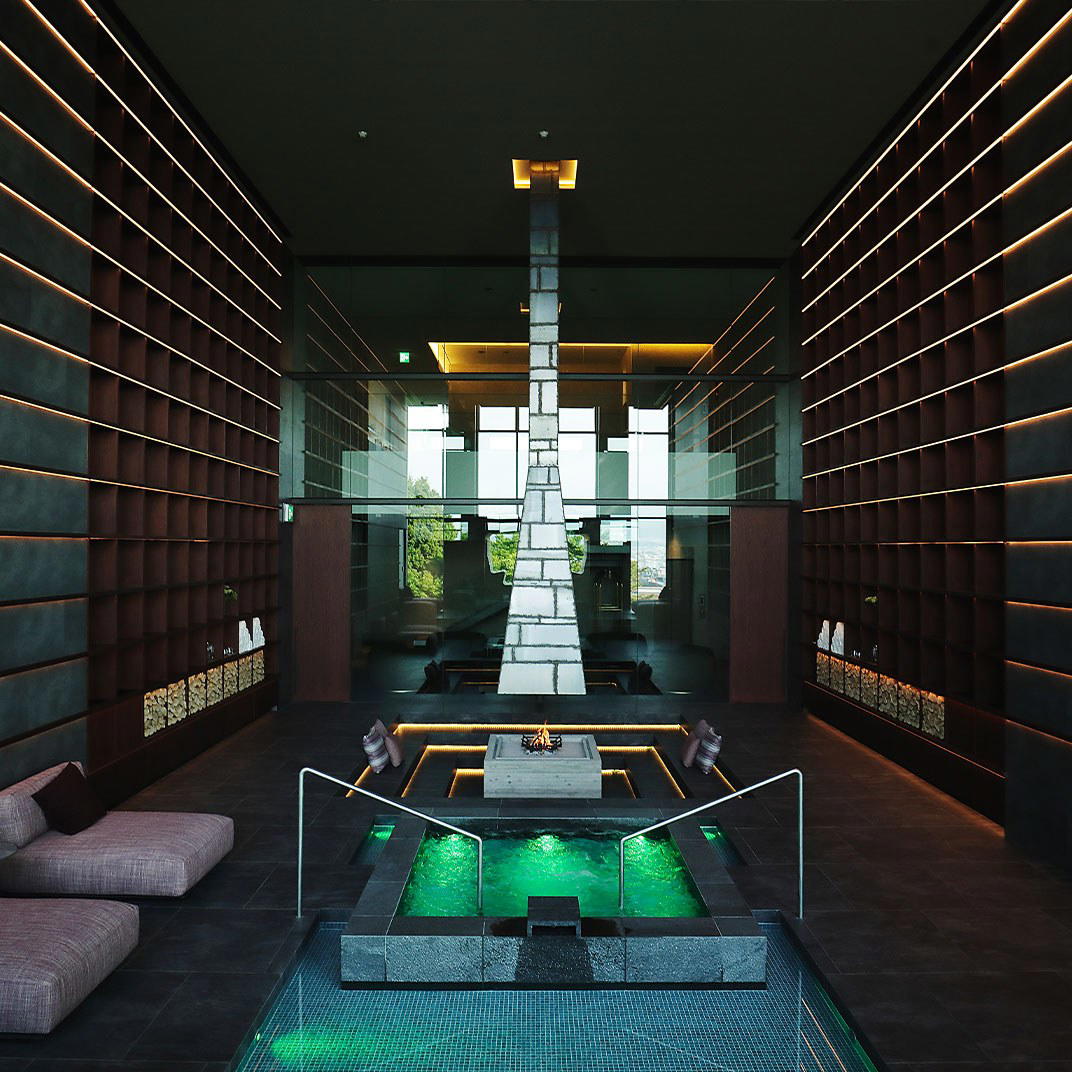
Traditional yet modern izakaya atmosphere with spacious counter and table seating, non-smoking environment, and a relaxed, conversational vibe suited to lingering over seasonal dishes and drinks.