
Tabelog Bronze #248
Our verdict
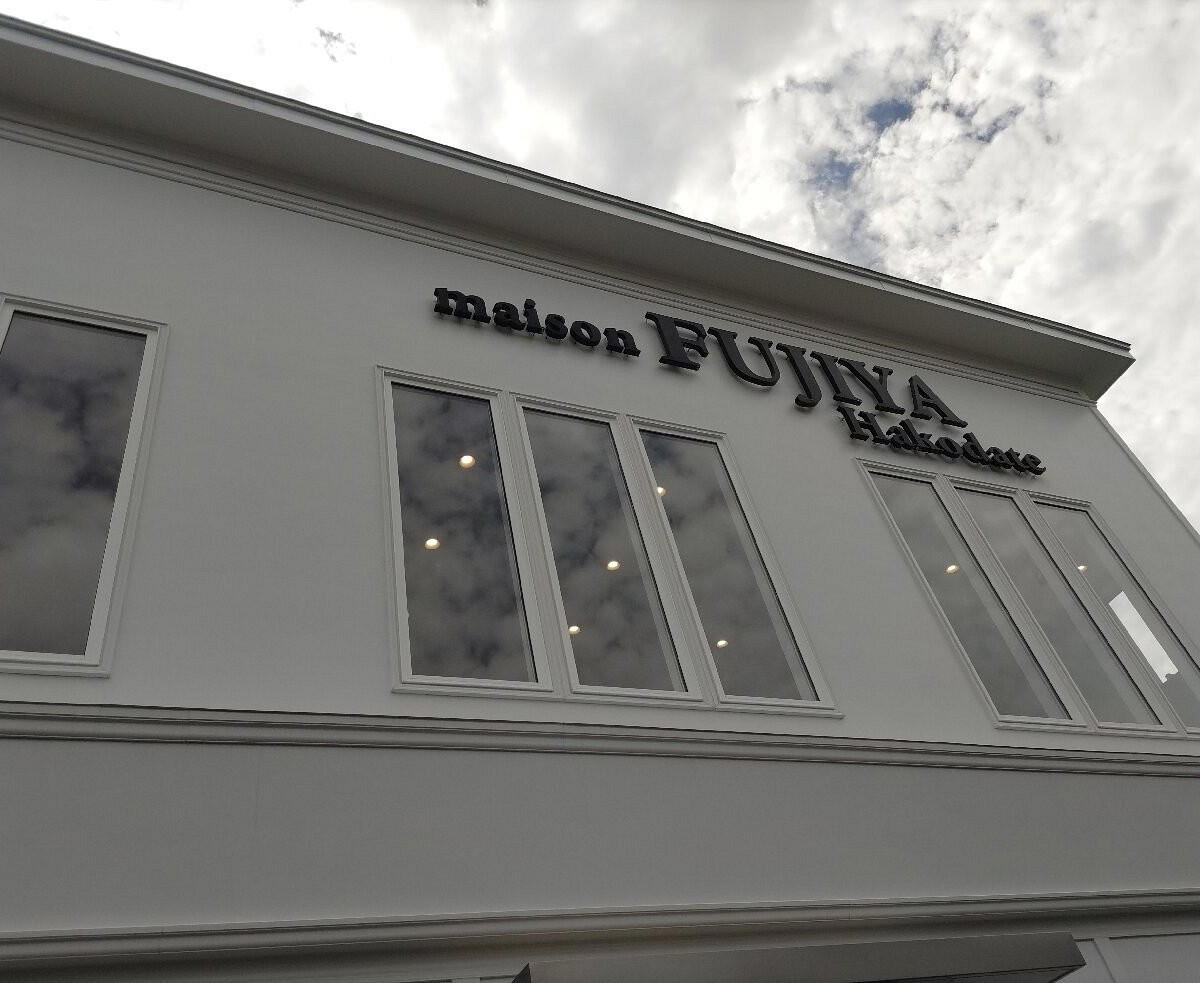
Hakodate’s serious French conversation is inseparable from Hokkaido produce, and maison FUJIYA Hakodate places that idea in a polished Motomachi setting rather than a metropolitan dining room. Tabelog Bronze recognition in 2024, 2025, and 2026, plus selection for Tabelog 100 French EAST in 2023 and 2025, puts it in a rare regional bracket for French cooking in northern Japan.

Pearl is the En Primeur Club membership app, where members save venues, book tables and use the concierge.
The menu
What to order
- Stingray cheek (Kasube)
- Hairy crab with apple
Motomachi changes the terms of a French meal before the first course arrives. The slope, the old port-city architecture, and the view toward Hakodate’s water make the dining room feel less like an imported Parisian idea than a Hokkaido argument: French technique has value here when it can clarify what the region already grows, lands, and ferments. maison FUJIYA Hakodate belongs to that school of cooking, where the point is not theatrical reinvention but a disciplined translation of southern Hokkaido ingredients into a French grammar.
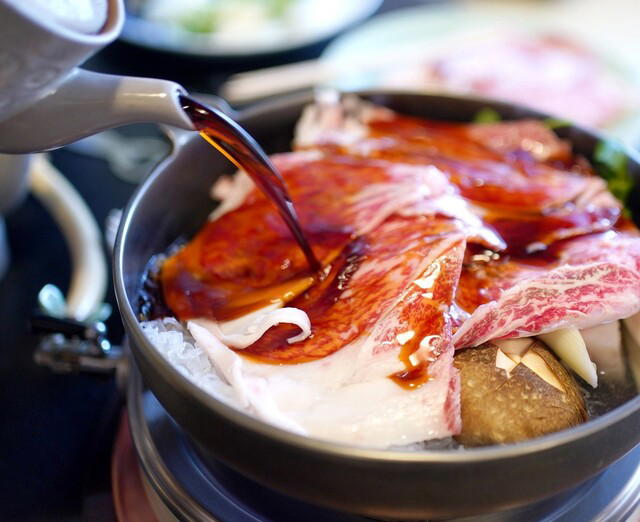
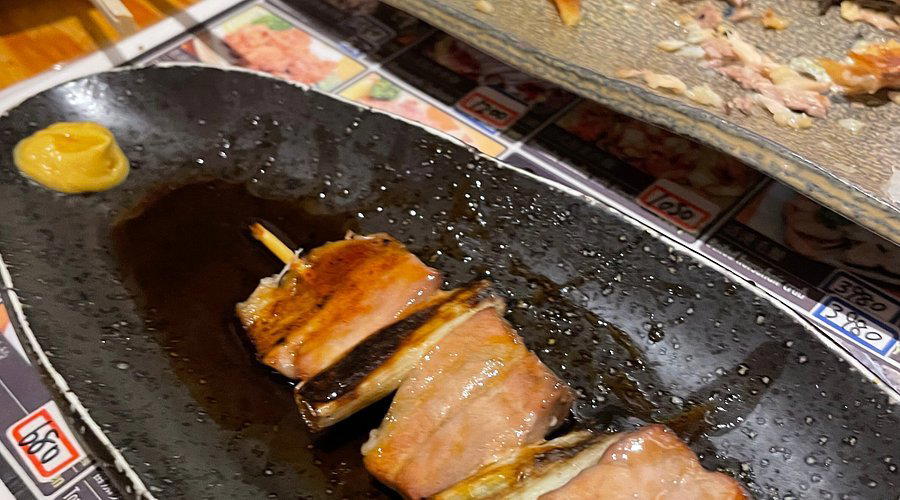
That matters in Hakodate because the city’s dining identity is usually read through seafood, ramen, curry, and long-running local houses before anyone starts discussing fine French. The useful comparison is not Tokyo luxury dining, where cost and scarcity often dominate the conversation, but Hakodate’s own range. Ajisai Honten anchors the ramen side of the city; Asari Honten sits in a meat-and-sukiyaki lane with a more casual price spread; Ganso Indian Curry Koike shows the city’s older appetite for curry-shop specificity. Against that backdrop, French dining in Motomachi reads as a smaller, more deliberate category.
Hokkaido ingredients, French structure, and the Motomachi context
Regional French restaurants in Japan often succeed when they stop treating the countryside as scenery and start treating it as supply. Hakodate gives that approach unusually strong material: cold-water seafood, dairy from wider Hokkaido, vegetables from a short but intense growing season, and a port culture that has long absorbed outside influence. The restaurant’s own public positioning is French, with a stated emphasis on fish and wine, which places the kitchen closer to ingredient-led neo-classical cooking than to a nostalgia exercise in heavy sauces and table-side formality.
The Tabelog signal is not incidental. A 4.13 score, Tabelog Award Bronze recognition for 2026, and earlier Bronze listings in 2024 and 2025 put the restaurant in a small national group of highly rated dining rooms rather than merely a local recommendation. Its selection for Tabelog 100 French EAST in 2023 and 2025 is more useful still for readers, because that list places it inside an eastern Japan French category, where regional restaurants are judged against a broader field than Hakodate alone.
Within the city, the closer culinary comparison is Colz, another higher-spend European-format restaurant, and Enoteca La Ricolma, which points toward Hakodate’s Italian and wine-driven side. The distinction here is the French frame: sauce work, pacing, wine service, and a tasting-menu sensibility built around Hokkaido product rather than a broad à la carte urban format. For the wider city map, Our full Hakodate restaurants guide gives the better read on how these categories sit next to ramen counters, sushi rooms, cafés, and long-running neighborhood addresses.
Where it sits in Hakodate's dining hierarchy
Hakodate is not a city where premium dining needs to mimic Tokyo to make sense. Its strongest tables tend to work because they remain legible to the place: fish handled with restraint, dairy used with confidence, and rooms that understand the slower rhythm of a port city rather than the compressed energy of a capital. maison FUJIYA Hakodate fits the upper tier of that hierarchy through format and recognition, but its appeal is sharper when read as a regional French restaurant with access to northern ingredients, not as a substitute for a Ginza counter or a hotel dining room.
Price positioning reinforces that role. Dinner sits in a higher bracket than everyday Hakodate dining, while lunch offers a lower point of entry into the same French category. Compared with Sushi Dokoro Minami’s higher sushi spend, or Asari Honten’s more moderate lunch-to-dinner spread, this is the city’s polished French option for travelers who want Hokkaido product without defaulting to sushi or seafood bowls. It is a strong choice for a planned meal in Motomachi, especially for diners who care about wine service and a composed room.
The restaurant’s 26-seat scale also matters editorially. Small regional fine-dining rooms often carry the burden of doing several things at once: serving locals on anniversaries, giving domestic travelers a reason to stay for dinner rather than return to Sapporo, and providing international visitors with a meal that reads as both Japanese and French without slipping into cliché. The presence of a sommelier and the stated focus on wine move the experience beyond simple produce showcase; they suggest a room built around pacing, pairing, and occasion.
How to build the rest of a Hakodate trip around it
A meal here pairs naturally with Motomachi rather than with a rushed station-area itinerary. The neighborhood’s hills, churches, consulates, and water-facing views give context to the city’s history as one of Japan’s early international ports, which is exactly why French cooking feels plausible here rather than decorative. For sleep strategy, Our full Hakodate hotels guide is the practical companion; for after-dinner drinking, Our full Hakodate bars guide helps separate hotel lounges from more local bar rooms. Travelers building a wider food-and-drink itinerary can also scan Our full Hakodate wineries guide and Our full Hakodate experiences guide for the region beyond dinner.
The broader Japan context is useful only if it sharpens the decision. Meat specialists such as -Grilled beef Sukiyaki- KAMAKURA TANUKIAN 鎌倉 たぬき庵 in Kamakura, casual urban rooms like. 鮪と炭火焼き うお炭 秋葉原店 in Tokyo, cafés such as.cafe in Osaka, regional modern addresses like.know in Kumamoto, and specialist casual spots including (Shoku) Vietnam in Kawasaki and [Curry Senmon Ten] Maruyama Kyoju. in Sapporo all serve different travel needs. Outside Japan, Jōdo Saké Bar in Los Angeles and Onigiri Time in Pasadena show how Japanese food culture fragments abroad. Hakodate’s French table is narrower and more place-bound: go for the northern ingredient story, the Motomachi setting, and the evidence that regional French dining in Japan can compete beyond its own postcode.
Frequently asked questions
Is maison FUJIYA Hakodate child-friendly?
Those details are not published. What is clear is the 26-seat French restaurant in Motomachi, Hakodate, with reservations available and a 10% service charge. Check the venue's official channels for the latest details.
Is maison FUJIYA Hakodate formal or casual?
It reads more formal than casual: there is a dress code note asking men to avoid shorts and sandals, and the room is described as a stylish house restaurant in Hakodate. The tone fits French dining rather than an easygoing bistro.
What are the opening hours for maison FUJIYA Hakodate?
Hours at maison FUJIYA Hakodate: Mon, Tue, Thu, Fri, Sat, Sun 12:00 - 15:00 L.O. 13:00 18:00 - 22:00 L.O. 19:30.
What is maison FUJIYA Hakodate known for?
maison FUJIYA Hakodate is primarily known for its core concept and execution in Hakodate.
Comparison Snapshot
Comparable venues nearby, for context on price, style, and recognition.
| Venue | Cuisine | Price | Awards | Notes |
|---|---|---|---|---|
| maison FUJIYA HakodateThis venue (the venue you are viewing) | Neo-Classical French with Hokkaido Ingredients | $100–150 | Tabelog Bronze #248 | Not listed |
| Lela | Innovative French | $100–150 | Not listed | Goryokakucho |
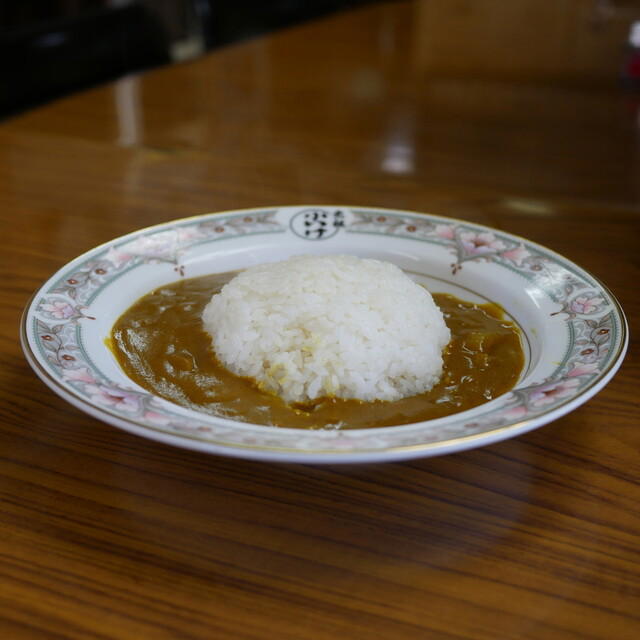
| Ganso Indian Curry Koike | Traditional Japanese curry (Indian-style) | $10–20 | Tabelog 100 #54 | Horaicho |
| 五島軒本店 レストラン雪河亭 | Traditional Japanese-Western Yoshoku | $20–30 | Not listed | 末広町 |
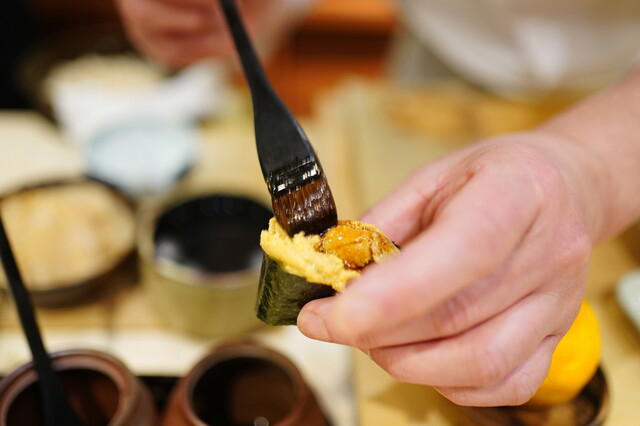
| Uni Murakami | Sea Urchin Specialty Japanese | $50–100 | Not listed | Otemachi |
| Sushi Dokoro Minami | Traditional Sushi Omakase | $150–200 | Tabelog 100 #91 | Suehirocho |
Recognition history
Dated appearances from independent guides and award organizations, with the underlying list record or original source where available.
Tabelog Bronze #248
Tabelog
Full recognition history (3 entries)
Tabelog Bronze
Tabelog
Tabelog 100 #12 · No. 12
Tabelog · Tabelog 100 - French - EAST - 2025
Continue exploring
More in Hakodate
Restaurants in Hakodate
All restaurants in Hakodate →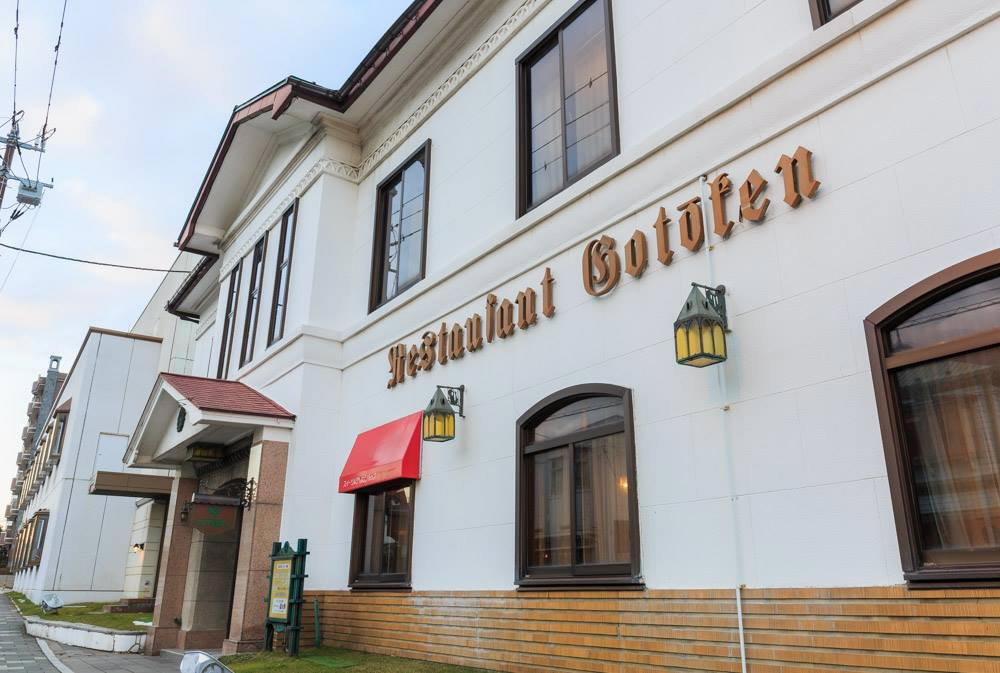
Hotels in Hakodate
All hotels in Hakodate →
maison FUJIYA Hakodate
The wine
- Wine program
- Deep wine list
- Extensive wine list
- Sommelier-led
- Sake program
Details
- Romantic
- Elegant
- Cozy
- Sophisticated
- Date Night
- Special Occasion
- Celebration
- Standalone
- Private Dining
- Open Kitchen
- Extensive Wine List
- Sake Program
- Sommelier Led
- Local Sourcing
- Street Scene
- Tasting Menu
- Wine
- Vegetarian Friendly
Current opening hours
- Monday
- 12–1 PM, 6–10 PM
- Tuesday
- 12–1 PM, 6–10 PM
- Wednesday
- Closed
- Thursday
- 12–1 PM, 6–10 PM
- Friday
- 12–1 PM, 6–10 PM
- Saturday
- 12–1 PM, 6–10 PM
- Sunday
- 12–1 PM, 6–10 PM
Hours can change for holidays and private events. Hours as of .
Cozy with traditional Japanese decor elements blended into a stylish, romantic atmosphere overlooking cobblestone streets, warm lighting for intimate fine dining.