
Nidaime Saheiji belongs to Hakodate’s serious izakaya tier: a compact Goryokakucho address where seafood-city instincts meet a drink program oriented toward sake and shochu. Tabelog selected it for the Izakaya EAST 100 in 2024 and 2025, which matters in a city where casual formats often carry the more revealing local cooking.
Pearl is the En Primeur Club membership app — saves, bookings, and concierge access live there. Same editors, same standards.
- Address
- Japan, 〒040-0001 Hokkaido, Hakodate, Goryokakucho, 4−13 五洋ビル
- Phone
- +81 138-51-3939
- Website
- ameblo.jp
 Saves & bookings on Pearl
Goryokakucho’s dining rhythm is quieter than the market-facing Hakodate many visitors expect. Here the port identity turns practical: counter seats, tatami rooms, bottles chosen for food rather than display, and cooking that makes sense after dark. Nidaime Saheiji fits that register. Its category is izakaya, but in Hokkaido the word carries more weight than the English “tavern”: a format where seafood, preserved things, grilled things, rice, sake, and shochu meet without kaiseki ceremony or sushi’s single-product focus.
Hakodate’s better casual restaurants often split into two camps. One serves visitors quickly and clearly through ramen, curry, market bowls, or inherited staples. Ajisai Honten sits in the ramen conversation at a lower spend, while Asari Honten belongs to another everyday tradition. The other camp asks for a longer evening and broader appetite. That is where izakaya culture helps a traveller find Hakodate beyond one bowl, crab display, or morning-market set piece.
Hakodate's ingredient logic works better in izakaya form than on a postcard menu
The city’s food reputation rests on proximity: cold-water seafood, Hokkaido produce, dairy, beef, and a port history that makes outside influences feel ordinary rather than imported. Izakaya cooking suits that mix because it needs no rigid sequence. A good evening can move from raw or lightly handled seafood to fried, grilled, simmered, or rice-based dishes, with sake and shochu doing more work than formal wine pairing. The point is not breadth itself, but letting ingredients appear in the form that suits them.
Nidaime Saheiji’s public signals point to that food-and-drink relationship. The listing identifies it as an izakaya and notes particular attention to nihonshu and shochu, useful in a city where the difference between casual and serious often comes down to how drinks are chosen. Tabelog’s Izakaya EAST 100 selections in 2024 and 2025 add confidence. The award is category-specific, so it says more than a generic popularity badge: the restaurant is being read within the izakaya field, not just as another Hakodate dinner address.
That distinction matters. Hakodate has enough visitor-facing restaurants that a competent meal is easy, but the sharper question is where the city’s ingredients behave naturally. Formal Italian-leaning rooms such as Colz and Enoteca La Ricolma frame Hokkaido produce through European structure. Ganso Indian Curry Koike shows another Hakodate appetite, practical and local rather than ceremonial. Izakaya sits between those worlds: less scripted than a tasting menu, more revealing than a quick specialty stop.
The room belongs to the social side of serious Japanese eating
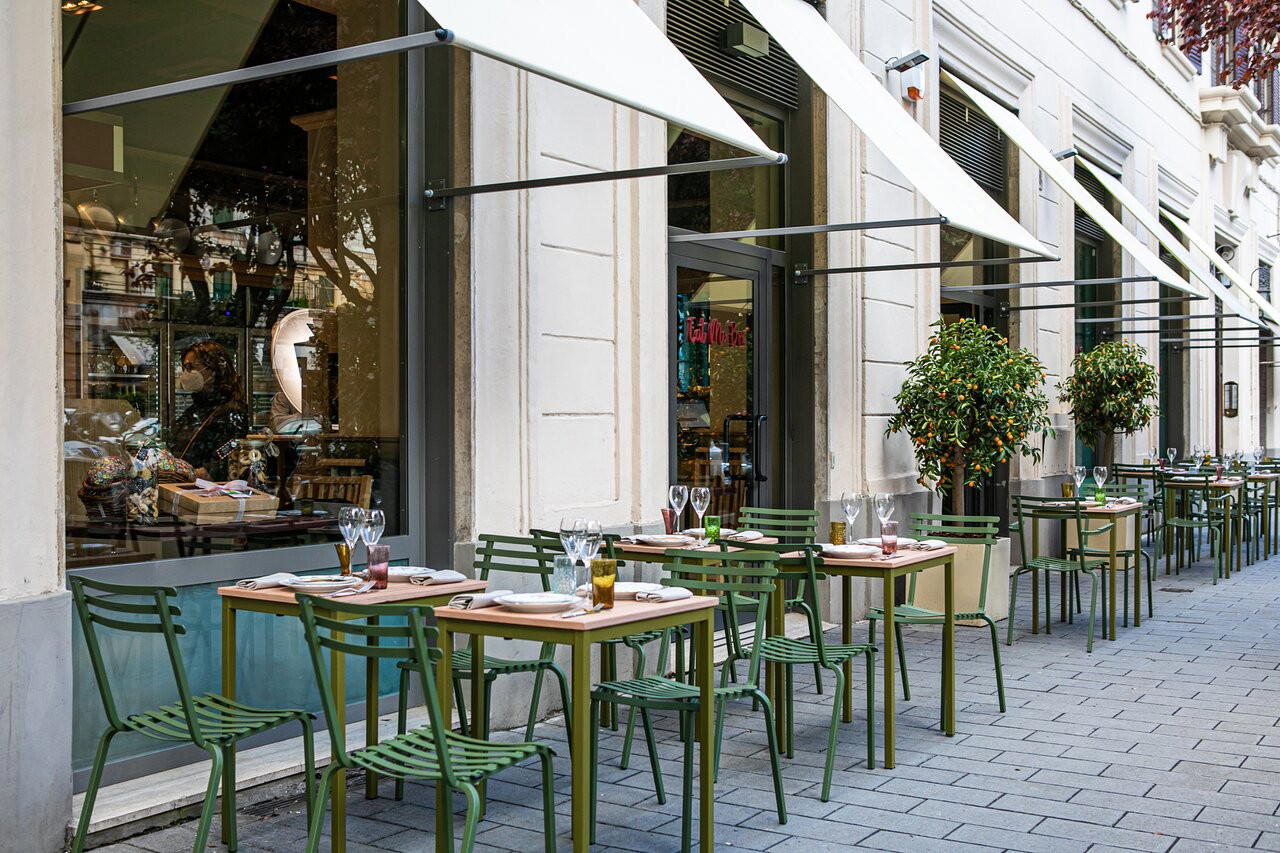
The format is compact, not anonymous. Counter seating and tatami rooms create two nights: one close to the kitchen’s rhythm, the other for groups who intend to stay. Private rooms are listed for small parties and larger gatherings, placing the restaurant between neighbourhood regularity and planned dinner. It is not the hushed temple model overseas visitors sometimes mistake for the only serious Japanese dining mode. In Hakodate, a 34-seat izakaya can carry as much local meaning as a counter-only sushi room.
The case for choosing this address is comparative, not decorative. A traveller could build a Hakodate itinerary from single-category stops and leave with a fragmented city. The izakaya evening makes variety coherent. Sake and shochu anchor the meal; the kitchen moves across textures and cooking methods; the room accepts conversation. That is why the category remains central to Japanese dining culture even as international attention drifts toward omakase counters and tasting-menu rooms.
For a wider Hakodate stay, the restaurant works as the dinner counterpoint to focused daytime eating. Use our full Hakodate restaurants guide for the city’s broader dining spread, then pair it with our full Hakodate hotels guide if the evening depends on the Goryokakucho side of town. Drinking routes, sake bars, and late-evening formats sit in our full Hakodate bars guide, while our full Hakodate wineries guide and full Hakodate experiences guide keep the trip from becoming only a restaurant crawl.
Where it sits in a broader Japan dining map
Japan’s casual dining excellence is often regional before national. Hakodate is not Tokyo, Osaka, or Sapporo, and that is the appeal: the meal need not have metropolitan polish to persuade. In a larger city, an izakaya with category recognition competes against hundreds of ambitious rooms. In Hakodate, the same recognition identifies a local address that has crossed from neighbourhood usefulness into destination-level relevance without losing its social function.
That wider map matters. Beef-focused dining in Kamakura, such as -Grilled beef Sukiyaki- KAMAKURA TANUKIAN 鎌倉 たぬき庵 in Kamakura, tells a different story about specialization. Tokyo’s dense casual field includes places like. 鮪と炭火焼き うお炭 秋葉原店 in Tokyo, where tuna and charcoal set the frame. In Osaka,.cafe in Osaka belongs to another urban pattern, while.know in Kumamoto and (Shoku) Vietnam in Kawasaki show how local scenes absorb outside references. Hokkaido’s casual idiom is different again: ingredient-led, weather-conscious, and often more direct.
Within Hokkaido, comparisons need care. [Curry Senmon Ten] Maruyama Kyoju. in Sapporo speaks to the prefecture’s appetite for focused comfort cooking, but an izakaya evening in Hakodate asks for a wider lens. Internationally, sake-led casual formats have found audiences at places such as Jōdo Saké Bar in Los Angeles, while rice-centered Japanese comfort travels through addresses like Onigiri Time in Pasadena. The point holds: when drinks, rice, seafood, and room align, informality carries serious cultural information.
Nidaime Saheiji is the Hakodate dinner to choose when the goal is not a trophy meal but a clearer reading of the city after dark. The awards supply external validation, the compact format keeps the experience grounded, and the ingredient logic belongs to Hokkaido rather than a generic Japanese restaurant script. For a traveller who understands that izakaya can be an exacting category, that is the reason to pay attention.
Quick Comparison
Comparable venues by cuisine and price in the same metro.
| Venue | Cuisine | Price | Awards | Notes |
|---|---|---|---|---|
| Nidaime SaheijiThis venue — the venue you are viewing | Japanese-French Izakaya | $$ | , | |
| Shunsai Shungyo Tajima | Seasonal Japanese Izakaya with Omakase | $$$ | , | Tomiokacho |
| Jiyoken | Traditional Hakodate shio ramen | $ | , | Matsukaze-cho / Daimon area |
| 函館麺厨房あじさい 本店 | 函館塩ラーメン | $$ | , | 五稜郭 |
| Jiyouken (滋養軒) | Hakodate-Style Salt Ramen | $ | , | Daimon (大門) |
| ラ クチーナ ヴェンティトレ | Hakodate Italian with Local Ingredients | $$$ | , | Yanagimachi |
At a Glance
- Cozy
- Hidden Gem
- Intimate
- Classic
- Casual Hangout
- Group Dining
- After Work
- Standalone
- Sake Program
- Local Sourcing
Small, reservation-oriented izakaya atmosphere with a focused, intimate feel and a drink-centered dining rhythm.