In the village of Cadenet in the Luberon, Les L du Moulin occupies an address that puts it squarely within one of Provence's most produce-rich corridors. The surrounding countryside shapes what ends up on the table here, connecting the kitchen to a regional tradition where sourcing is the culinary argument. A quieter alternative to the Luberon's more publicised dining rooms, it rewards visitors who seek out local character over destination spectacle.
Pearl is the En Primeur Club membership app — saves, bookings, and concierge access live there. Same editors, same standards.
- Address
- 4 Rue Viala, 84160 Cadenet, France
- Phone
- +33490776827
- Website
- lesldumoulin.fr
- Directions
- Get directions
 Saves & bookings on Pearl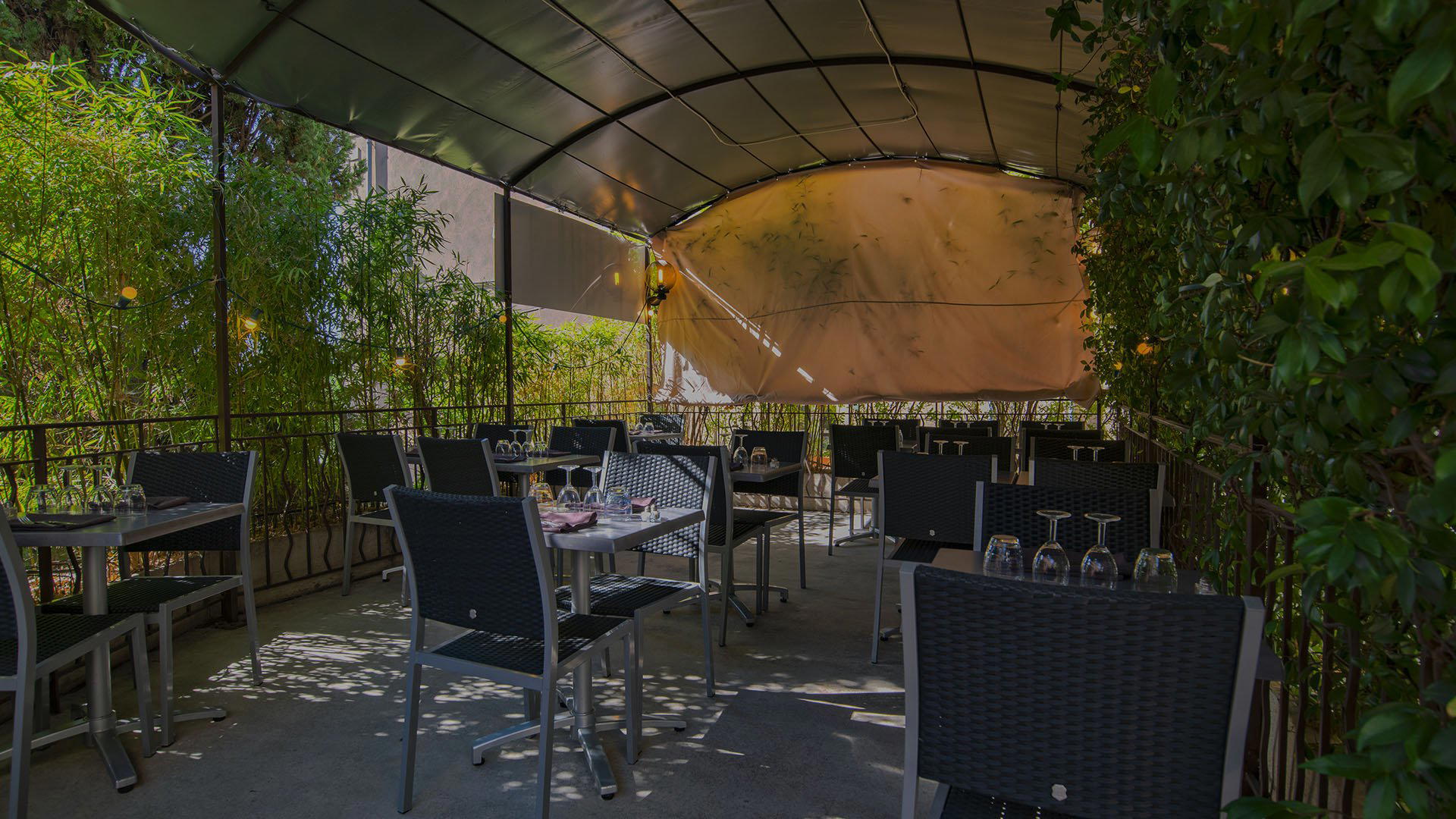
Where Provence Feeds the Plate
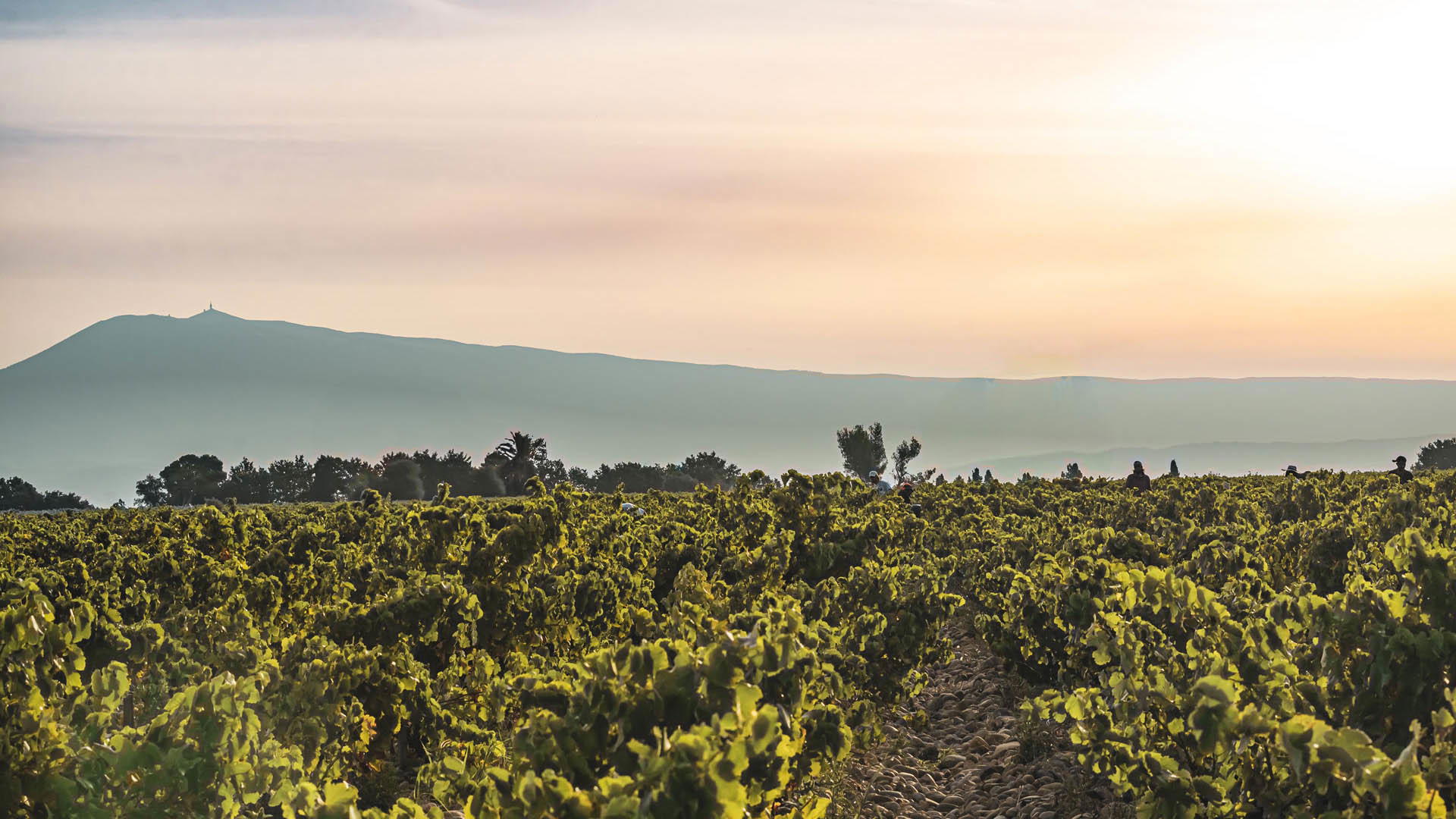
Cadenet sits at the southern edge of the Luberon massif, a stretch of Provence where the agricultural calendar still dictates daily rhythm. Market gardens, olive groves, and lavender fields ring the town; cherry orchards run along the valley floor toward the Durance river. In this part of the Vaucluse, the connection between farm and table is not a concept, it is simply geography. Restaurants in villages like Cadenet draw from this supply almost by default, and the better ones build their menus around what the surrounding land produces at any given week. Les L du Moulin, a Refined French Bistro at 4 Rue Viala, Cadenet, sits inside that tradition.
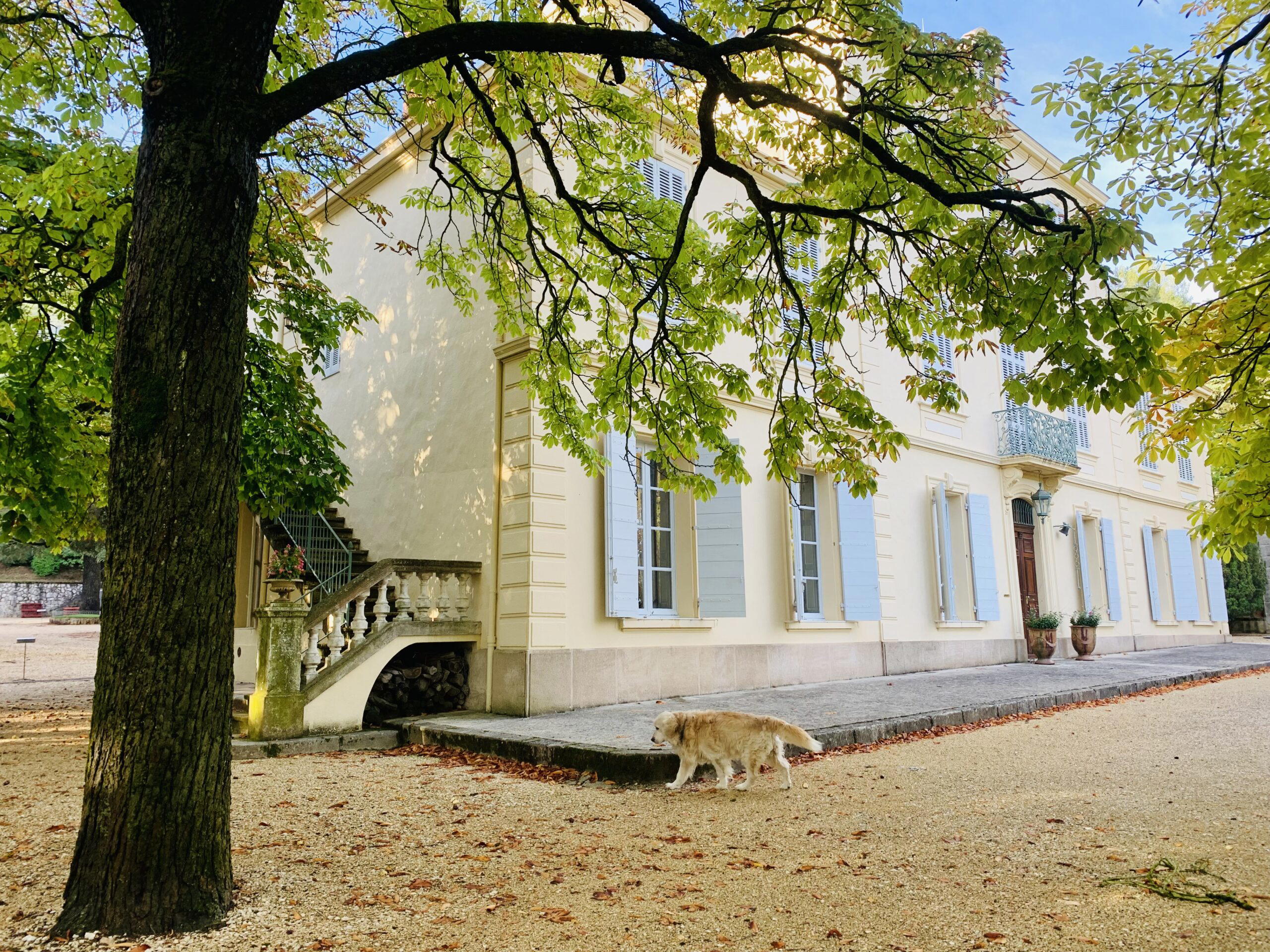
The address places it in the older quarter of the village, near the remnants of the mill structures that once processed grain from the valley. Stone-built and low, the street runs close to the centre but away from the main through-road, which keeps the approach quiet. Arriving here on foot from the market square, you move through a part of Cadenet that feels continuous with its own history rather than dressed up for visitors. That texture, unhurried, matter-of-fact, tends to carry into the rooms where people eat.
The Luberon's Produce Logic
To understand what a kitchen in this corner of Provence is working with, it helps to know the supply chain. The Luberon and the Durance valley together form one of France's most concentrated zones of fruit and vegetable production. Asparagus from the flatlands near Pertuis, truffles from the oak forests above Bonnieux, strawberries from the market gardens around Cheval-Blanc, courgette flowers and tomatoes from smallholdings that have supplied Apt and Pertuis markets for generations, the raw material available within a short radius is, by any regional standard, notable in its range and quality. Restaurants in larger Provençal towns pay significant premiums to source from the same suppliers. In villages like Cadenet, the proximity is built in.
This is the context that defines ingredient-led cooking in the southern Luberon. The argument for eating locally here is not ideological, it is economic and logistical. A kitchen that turns over its menu with the season is responding to what arrives from nearby farms, not constructing a philosophy around a distant trend. Across France, the restaurants that have attracted sustained critical attention in recent decades, from Mirazur in Menton to Bras in Laguiole, have placed sourcing at the centre of their identity. Both operate in regions where specific terroir shapes the ingredients available to them, and both have built reputations partly on that proximity. The same principle applies, at a different scale, to village restaurants in produce-rich zones like the Vaucluse.
For context on what that top tier of French regional cooking looks like, Auberge du Vieux Puits in Fontjoncouse and L'Oustau de Baumanière in Les Baux represent the Michelin-decorated end of Provençal sourcing-driven cooking. Les L du Moulin operates well below that level of recognition and formality, but it exists within the same regional agricultural system.
Cadenet's Dining Scene in Frame
Cadenet is not a dining destination in the way that nearby Lourmarin or Bonnieux have become. It draws fewer tourists, hosts fewer second-home weekenders, and its restaurants operate for a mix of local regulars and visitors who arrive at the Luberon's southern approach rather than its more photographed northern ridge. That mix tends to produce a different kind of restaurant culture: less performative, more rooted in the habits of people who eat out frequently rather than occasionally.
The village's most notable restaurant in terms of broader recognition is Le Goût du Bonheur - La Fenière, a creative kitchen that has attracted national attention and sits in a clearly defined fine-dining tier. Les L du Moulin occupies a different position in the local offer. The two restaurants serve different purposes within the same small town, and the presence of a more recognised address nearby does not diminish the case for the other, it simply clarifies that Cadenet's dining scene has more depth than its population size might suggest. Our full Cadenet restaurants guide maps the options in more detail.
For those oriented toward France's higher-profile addresses, the reference points are worth naming: Alléno Paris au Pavillon Ledoyen, Flocons de Sel in Megève, Troisgros in Ouches, Auberge de l'Ill in Illhaeusern, Paul Bocuse in Collonges-au-Mont-d'Or, AM par Alexandre Mazzia in Marseille, Assiette Champenoise in Reims, Au Crocodile in Strasbourg, Christopher Coutanceau in La Rochelle, and Georges Blanc in Vonnas anchor the decorated end of the French regional spectrum. Internationally, Le Bernardin in New York City and Atomix in New York City represent the kind of sourcing-focused precision cooking that has become a global benchmark. The restaurant is not competing in that register, but understanding where it sits relative to that spectrum helps calibrate expectations accurately.
Planning a Visit
Cadenet is accessible from Aix-en-Provence in under 40 minutes by road, and from the TGV station at Aix-en-Provence TGV a hire car makes the village reachable in a similar window. The village's market runs on weekdays and Saturday mornings; arriving around market day gives the clearest picture of what the local supply looks like and what a kitchen in this environment is likely working with that week. Booking is recommended, and the restaurant is typically open Monday and Tuesday from 12 to 1:30 PM and 7:30 to 9:30 PM, Thursday from 7:30 to 9:30 PM, Friday and Saturday from 12 to 1:30 PM and 7:30 to 9:30 PM, and Sunday from 12 to 1:30 PM; it is closed Wednesday. The Luberon's high season runs from late May through September, when demand across the region's restaurants increases sharply; earlier or later visits tend to find more relaxed conditions.
Comparison Snapshot
Comparable venues nearby, for context on price, style, and recognition.
| Venue | Cuisine | Price | Awards | Notes |
|---|---|---|---|---|
| Les L du MoulinThis venue — the venue you are viewing | Refined French Bistro | $$$ | Not listed | Not listed |
| Le Goût du Bonheur - La Fenière | Creative Gluten-Free Provençal Fine Dining | $$$$ | Michelin 1 Star | Cadenet |
| Le Petit Canard | Traditional French Duck Bistro | $$$ | Not listed | 9th arrondissement |
| Maison Blanche | Modern French Fine Dining | $$$ | Not listed | 8th arrondissement |
| Saturne | Modern French with Nordic Influences | $$$ | Not listed | 2nd Arrondissement |
| L'Oustau de la Mar | Traditional French Mediterranean Bistro | $$$ | Not listed | Port |
Continue exploring
More in Cadenet
Restaurants in Cadenet
Browse all →
Bars in Cadenet
Browse all →
Hotels in Cadenet
Browse all →
At a Glance
- Rustic
- Cozy
- Elegant
- Intimate
- Date Night
- Special Occasion
- Historic Building
- Terrace
- Extensive Wine List
- Local Sourcing
Current opening hours
- Monday
- 12–1:30 PM, 7:30–9:30 PM
- Tuesday
- 12–1:30 PM, 7:30–9:30 PM
- Wednesday
- Closed
- Thursday
- 7:30–9:30 PM
- Friday
- 12–1:30 PM, 7:30–9:30 PM
- Saturday
- 12–1:30 PM, 7:30–9:30 PM
- Sunday
- 12–1:30 PM
Hours can change for holidays and private events. Last verified .
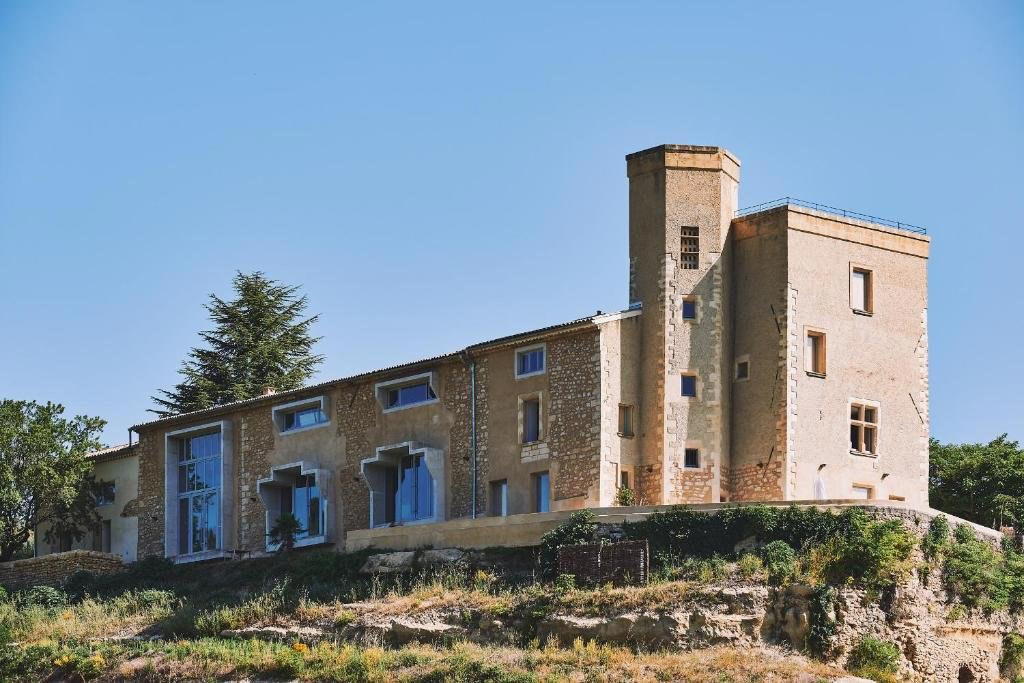
Rustic yet modernized space with exposed stones from the village's old ramparts, creating an intimate and charming atmosphere.