



A 17th-century Luberon estate converted into an 18-room luxury hotel, Domaine de Fontenille earns 91.5 points from La Liste (2026) and two Michelin Keys for combining genuine historical fabric with a thoroughly contemporary approach to hospitality. The property produces its own wine, runs a gastronomic restaurant alongside a bistro, and sits 25 minutes from Aix-en-Provence at rates from US$387 per night.
Pearl is the En Primeur Club membership app — saves, bookings, and concierge access live there. Same editors, same standards.
- Address
- 1681 Rte de Roquefraiche, 84360 Lauris
- Phone
- +33 4 13 98 00 00
- Directions
- Get directions
 Saves & bookings on Pearl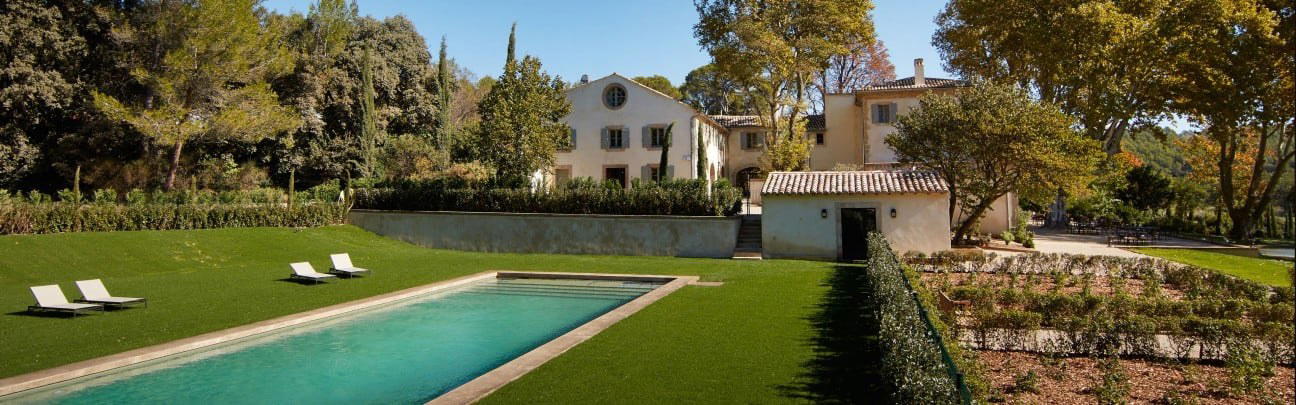
Stone, Vine, and a Deliberate Kind of Restraint
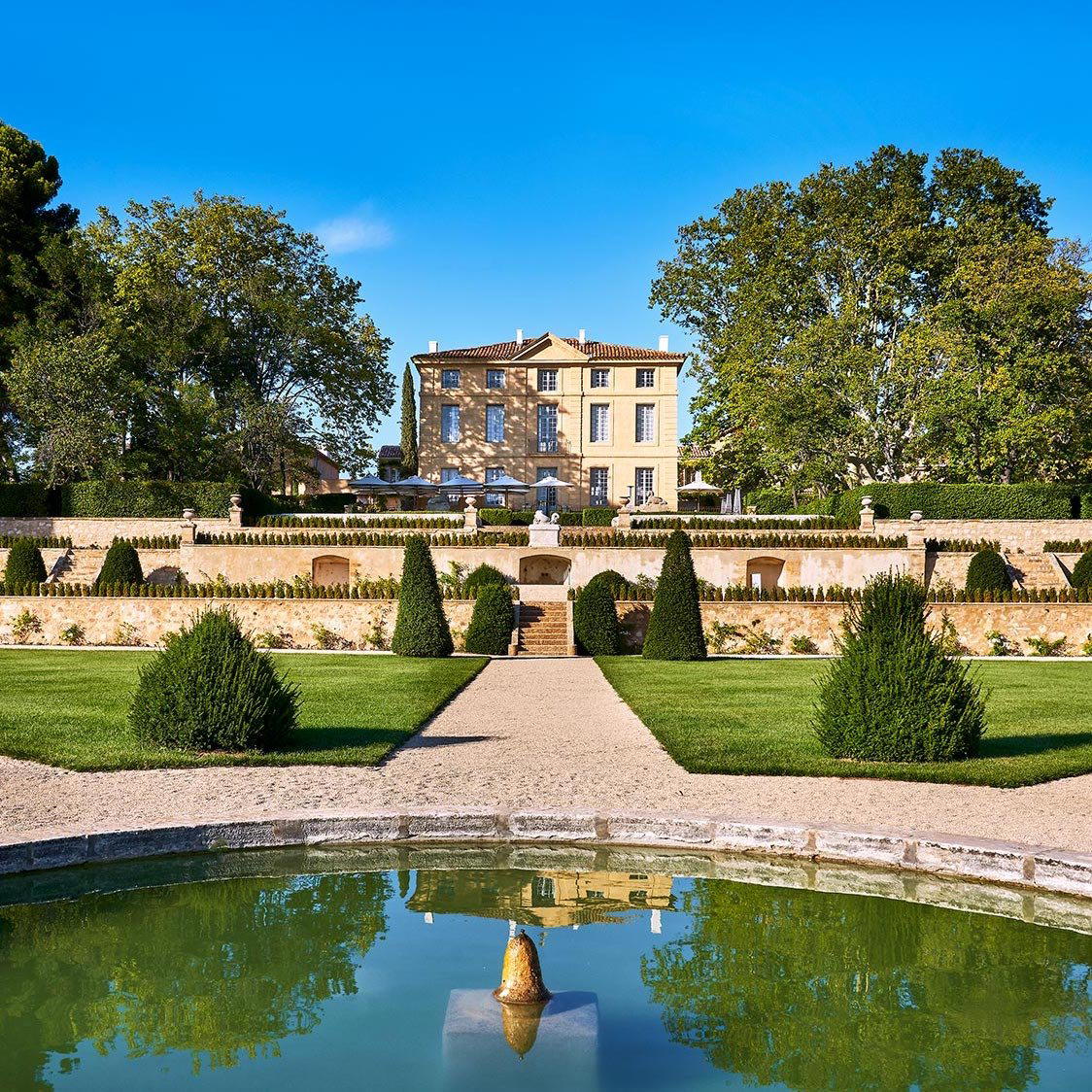
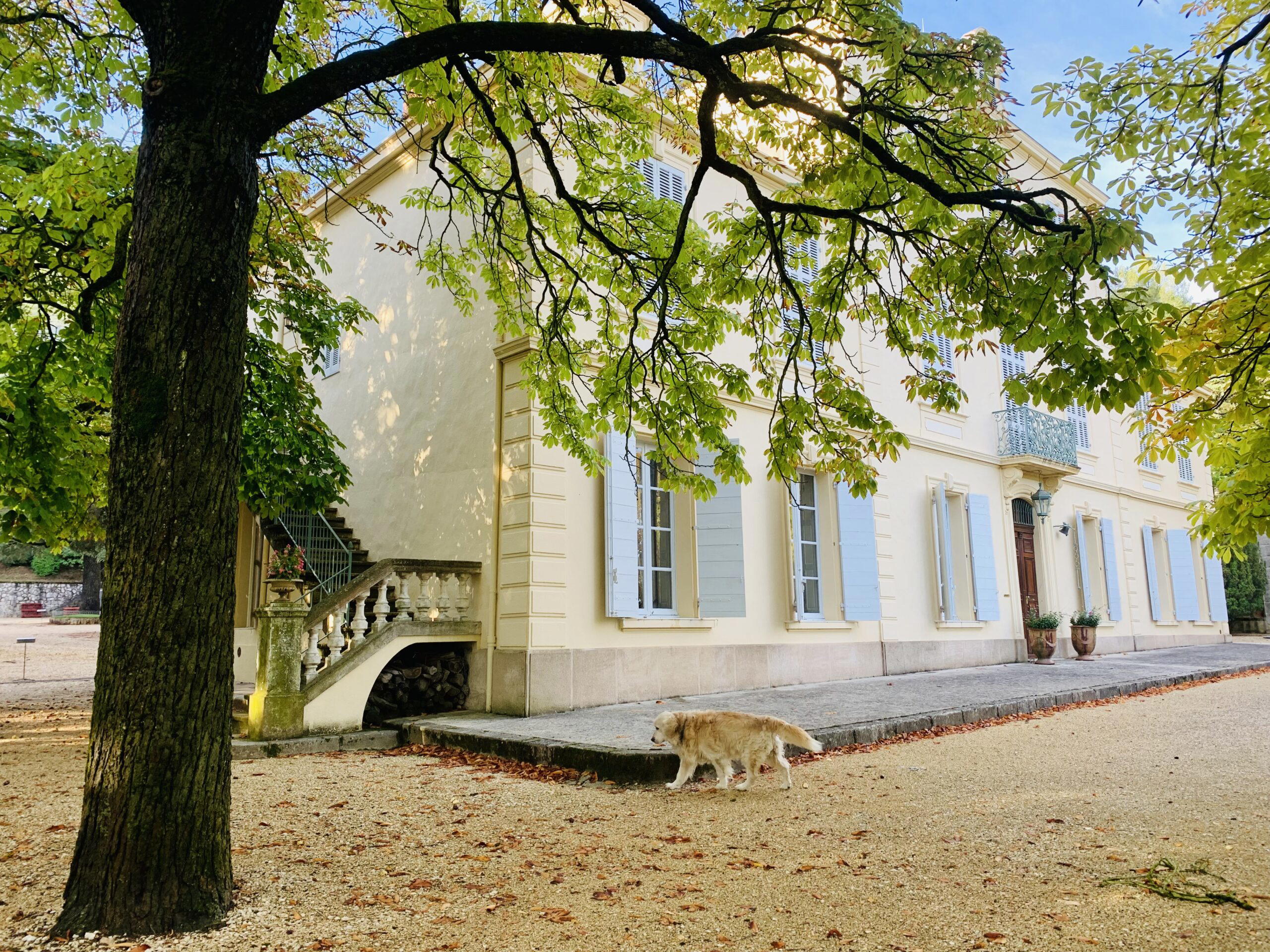
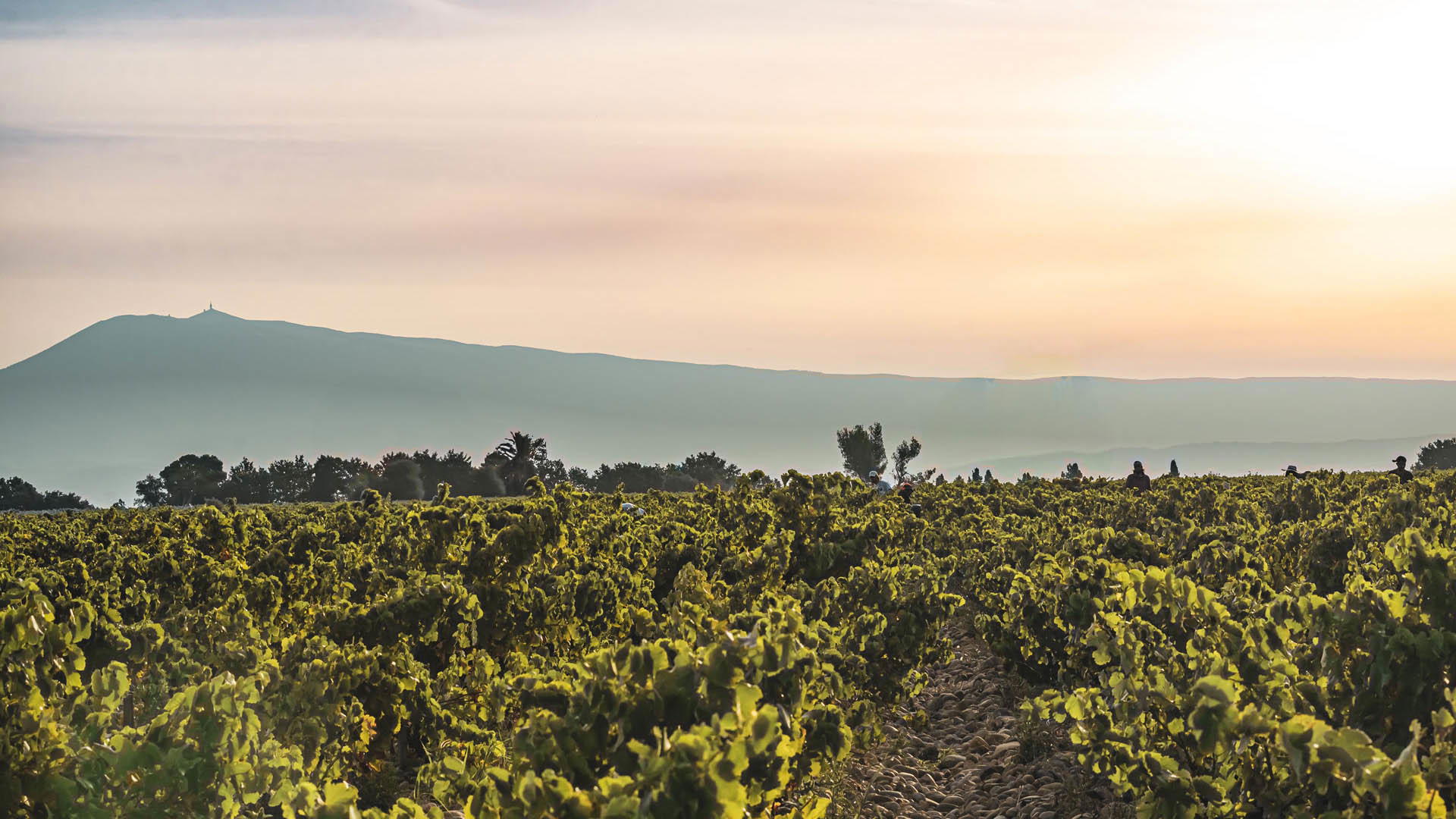
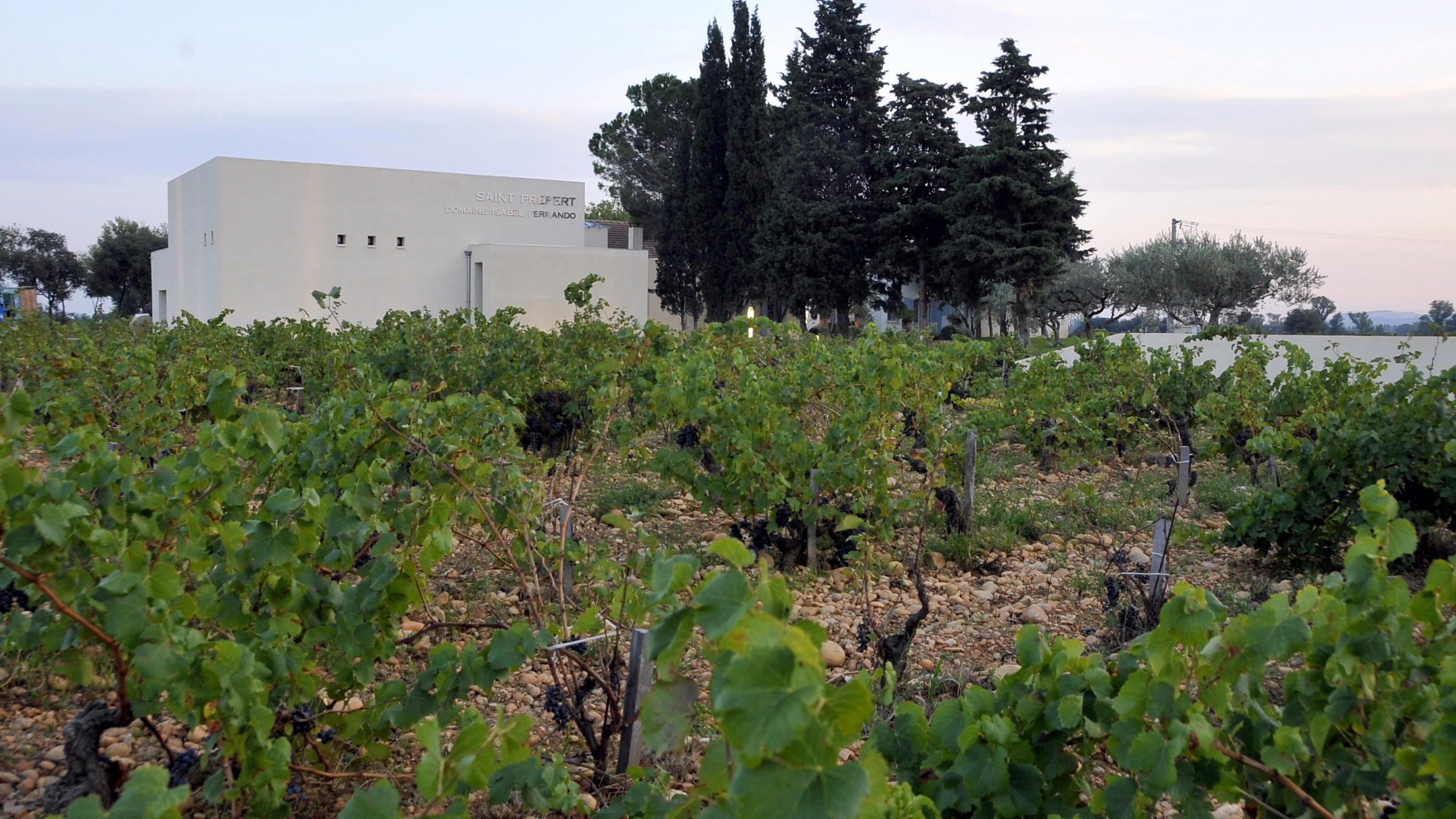
The road into Lauris from the Luberon plateau arrives at Domaine de Fontenille through agricultural land that has looked more or less the same for several centuries. That continuity is not incidental to the experience here: it is the experience. The estate's foundation dates to 1638, the main mansion to the 18th century, and the physical fabric of both still carries the weight of that chronology in its proportions, its stonework, and its relationship to the surrounding vineyards. What changed, in the property's current incarnation as a luxury hotel, is everything layered on top of that structure.
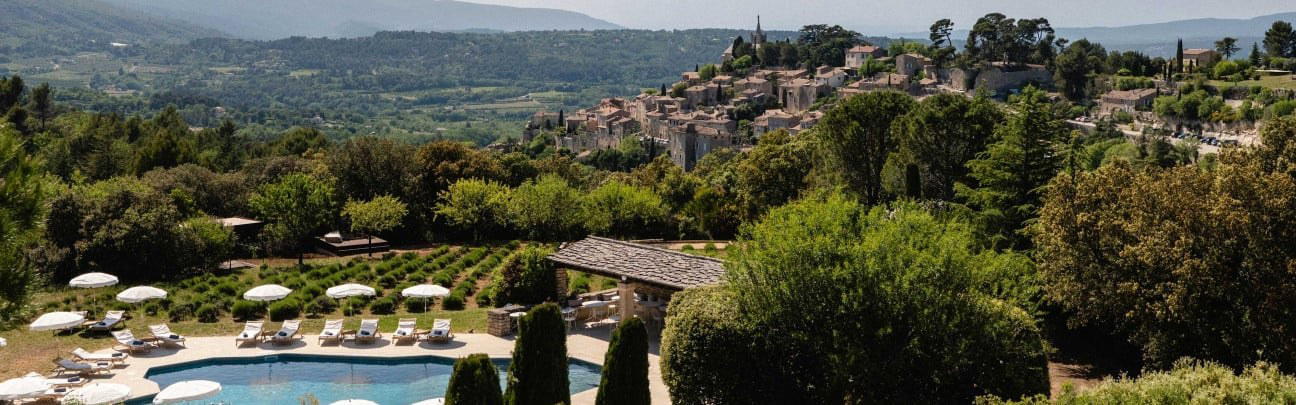
The Luberon has become one of Provence's more competitive terrains for high-end rural hotels. Properties like La Bastide de Gordes operate from hilltop village positions with commanding panoramas, while Villa La Coste in Le Puy-Sainte-Réparade has built its identity around a contemporary art park grafted onto a wine estate. Domaine de Fontenille occupies a different register: quieter in profile, more architecturally anchored in agricultural Provence, and deliberate about not overstating its own drama. That restraint, in this context, reads as confidence.
What the Architecture Actually Does
French estate hotels in this category tend to split between two approaches. The first leans into period authenticity, preserving the interior as a kind of liveable museum. The second uses the exterior shell as a neutral container for contemporary interior design, effectively divorcing the aesthetic inside from the history outside. Domaine de Fontenille does neither cleanly, which is what makes it worth attention.
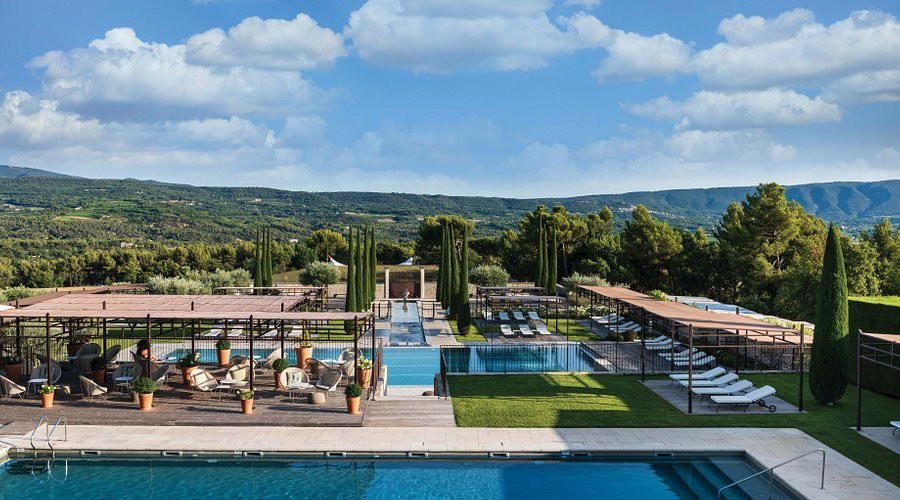
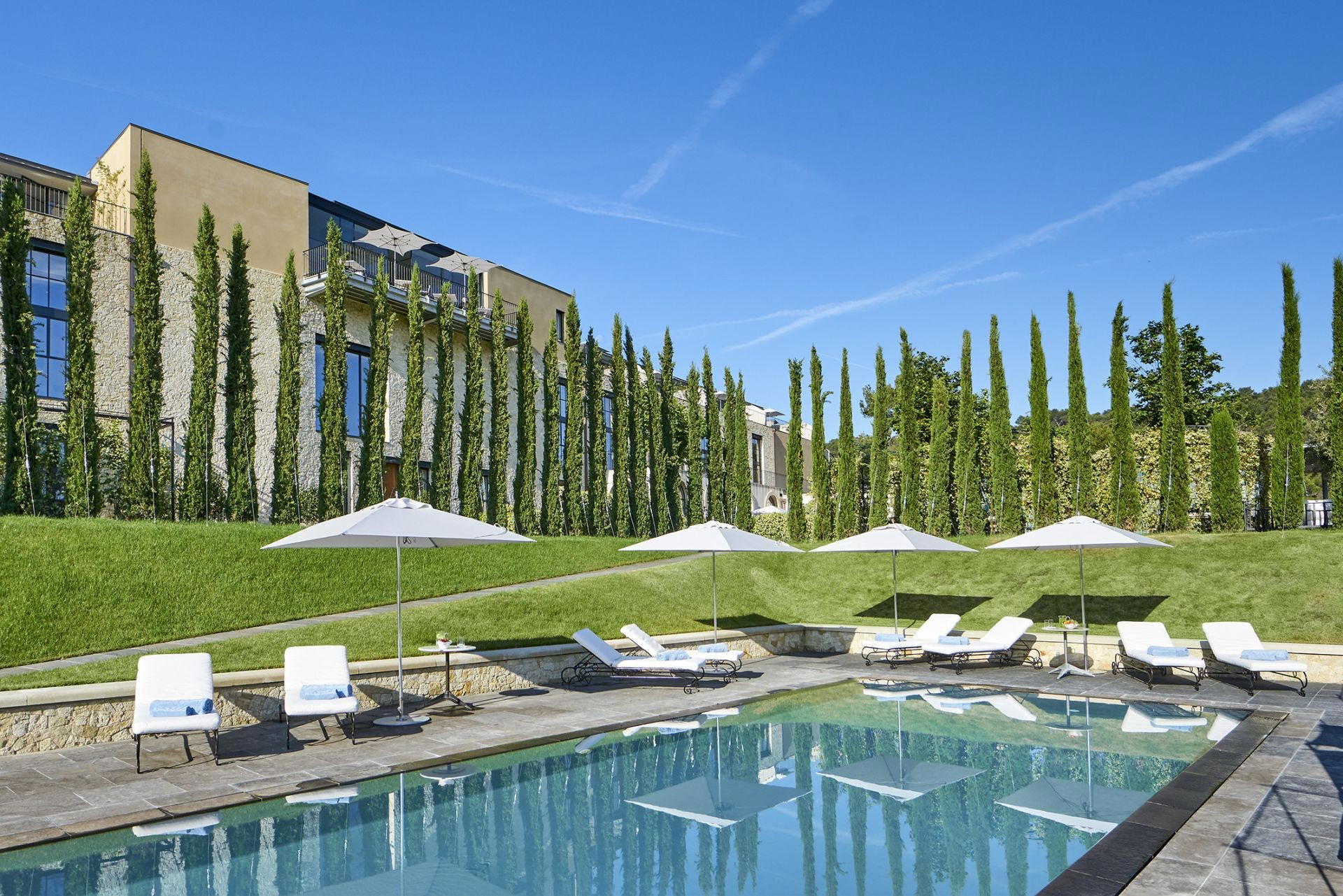
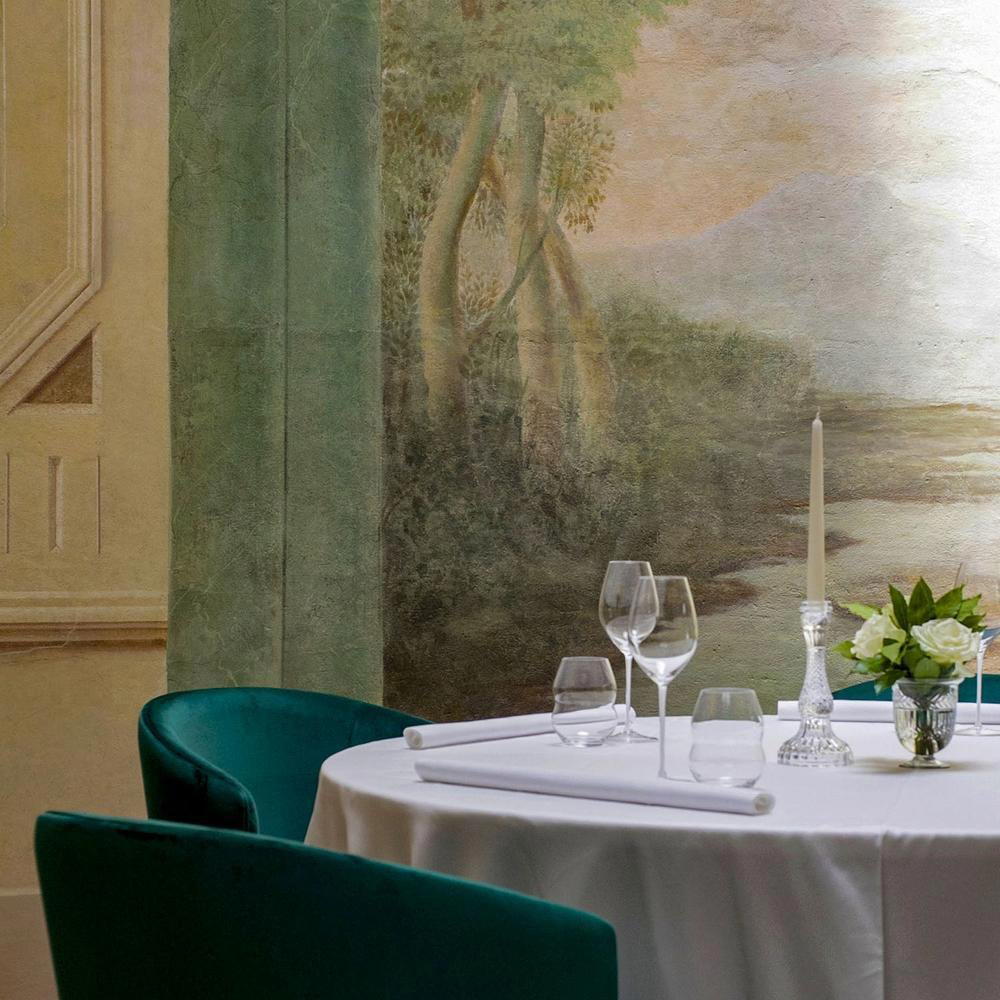
The décor carries a contemporary sheen without stripping out the architectural character of an 18th-century Provençal mansion. Stone walls and original proportions remain legible; they are simply not fetishized. Technology sits in rooms without announcing itself. Contemporary art appears across the property in a way that signals curatorial intent rather than decorative afterthought. The effect across 18 rooms is closer to a large, exceptionally well-appointed private house than to a hotel operating at scale, and that compression matters. At 18 keys, the property cannot function like a resort; every spatial decision has to carry more weight per square metre.
That scale also places Domaine de Fontenille in a specific competitive tier within French rural luxury. Compare it to Domaine Les Crayères in Reims, which operates at a similar intimacy with a pronounced Belle Époque architectural identity, or Château du Grand-Lucé in the Loire, where the 18th-century framework is the entire story. What distinguishes Fontenille from those peers is its agricultural embeddedness: the vineyards are not backdrop, they are productive land whose output ends up in the cellars and on the tables.
The Wine Estate Dimension
Among French estate hotels that produce their own wine, a handful have built serious reputations around that dual identity. Les Sources de Caudalie in Bordeaux is the clearest reference point: a wine hotel whose vineyard credentials predate and underpin its hospitality profile. Château Lafaurie-Peyraguey in Sauternes follows a similar logic of estate-as-hotel, where the wine and the accommodation share a single institutional identity.
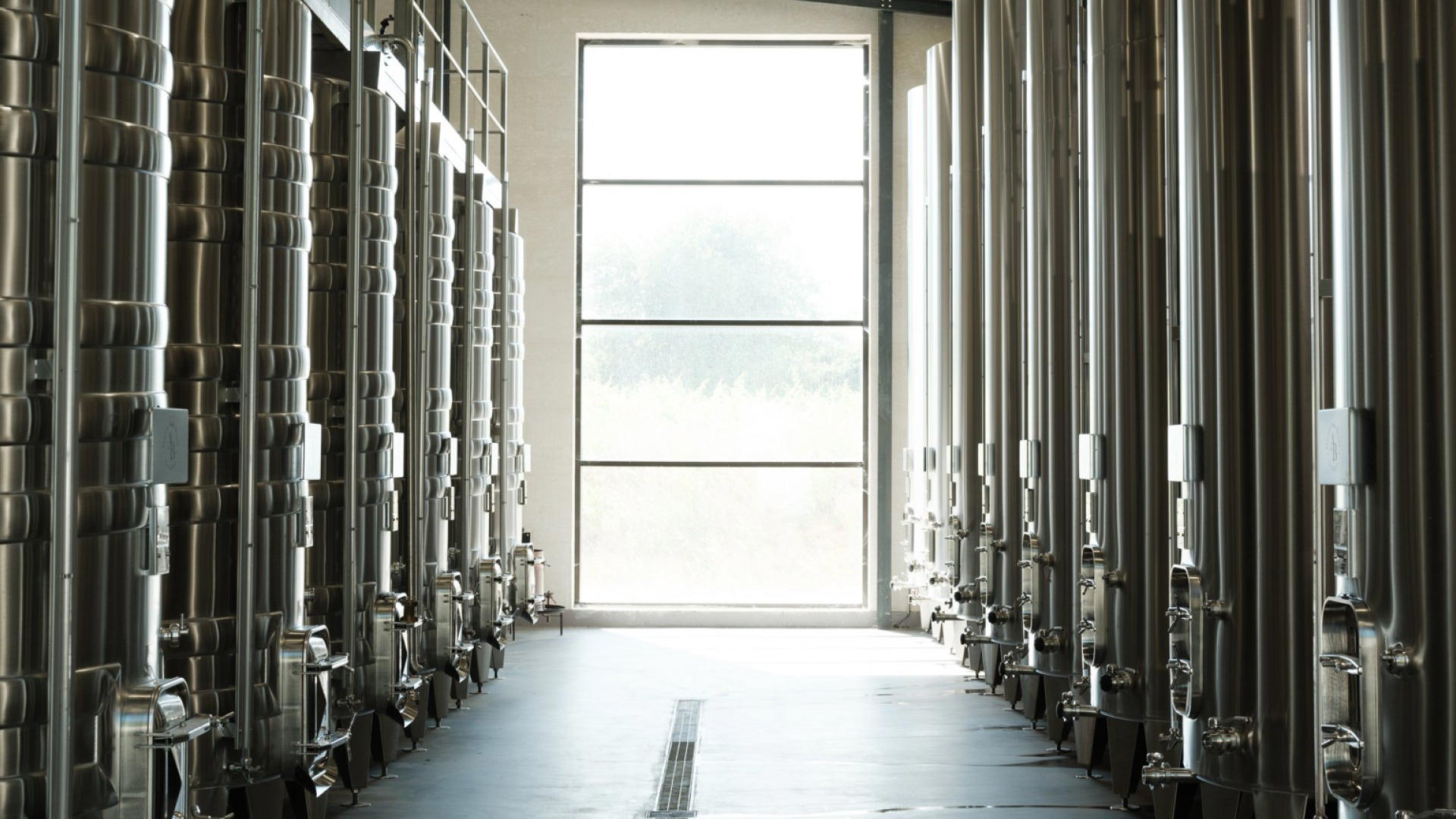
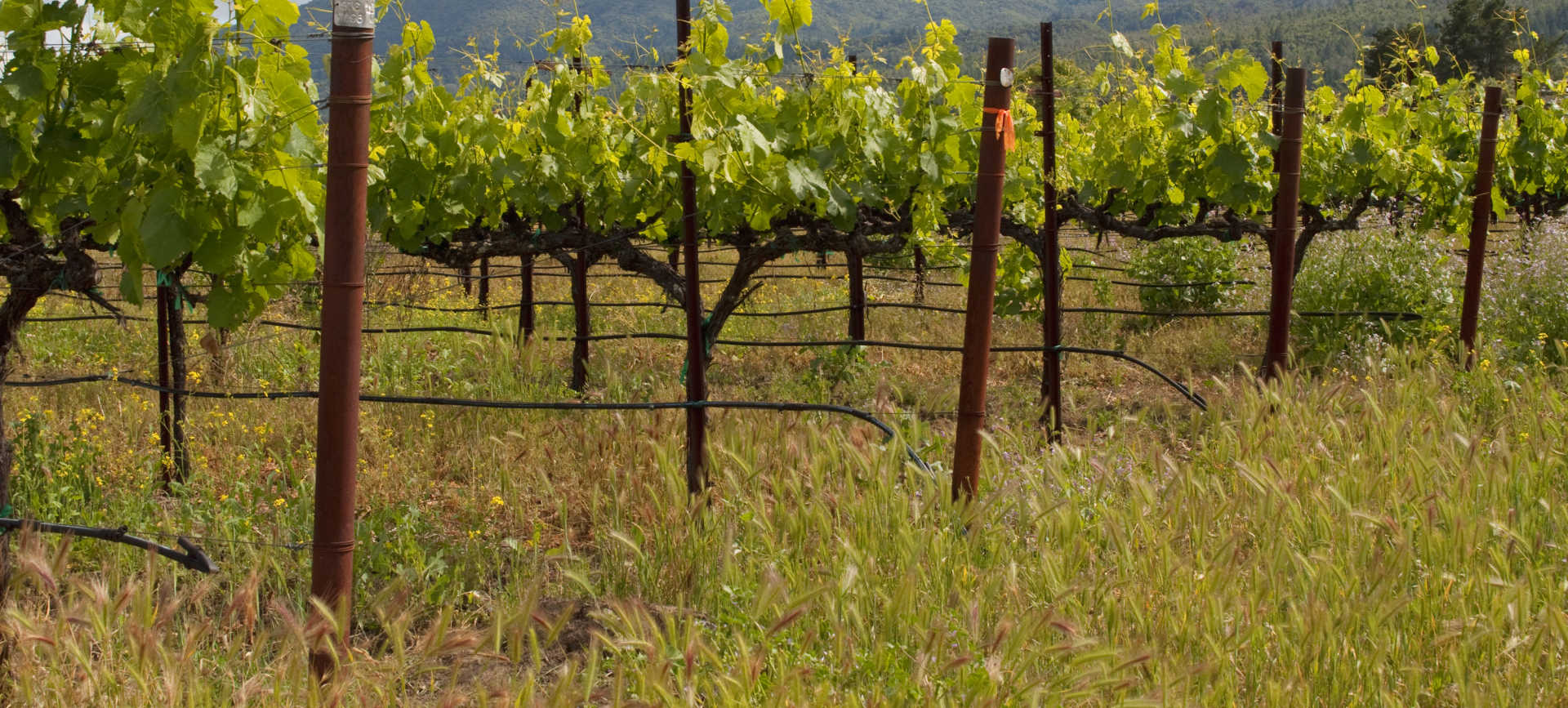
At the hotel, the vineyards are a physical presence that guests move through rather than simply look at. The paths crossing the estate's grounds trace the same terrain that produces the wines stocked in the cellars alongside other labels. Whether that production reaches the quality thresholds of the Bordeaux or Burgundy wine-hotel comparisons is a separate question, but the integration of viticulture into the daily spatial experience is genuine, not decorative.
Food and the Two-Room Logic
Running both a gastronomic restaurant and a bistro under the same roof reflects a calculation that increasingly characterises serious provincial hotels in France. A single fine-dining room creates a pressure to perform at every meal; a bistro alongside it offers flexibility for guests who want to eat well without the full ceremonial weight of a tasting menu evening. Baumanière Les Baux-de-Provence operates a comparable two-tier dining structure, with its flagship Michelin-starred restaurant sitting above more accessible daily dining options.
The hotel received two Michelin Keys in 2024, a recognition that applies to the hotel as a whole rather than to the restaurant specifically, but which implies a consistent standard across food, service, and accommodation. The property's La Liste Leading Hotels score of 91.5 points in the 2026 edition places it in a tier of recognised quality within France's estate hotel category, a segment where scores in the 88 to 93 range represent serious competitive positioning without reaching the absolute apex occupied by properties like Cheval Blanc Paris.
Spa, Gardens, and the Question of Pace
Properties of this scale in Provence have learned that the non-dining hours matter as much as the table. The spa, pool, and gardens at the hotel are the infrastructure for a particular kind of stay: one structured around physical decompression rather than itinerary density. The Luberon's hiking terrain and the estate's own grounds give guests reasons to remain on-property, which is exactly the commercial logic behind this format. A hotel that keeps guests engaged within the estate recaptures revenue that might otherwise disperse into local restaurants and attractions.
For guests thinking about other Provence or French Riviera properties at a similar level, the comparison set extends to La Réserve Ramatuelle, Hôtel and Spa du Castellet, and Château de Montcaud in Sabran. Each occupies a different register: coastal drama, motor-circuit adjacency, and Gard countryside respectively. The hotel's argument is agricultural Provence at close range, with neither the altitude drama of Gordes nor the coastal spectacle of the Riviera. It is, in that sense, particularly internally focused of those options.
Planning a Stay
The hotel is a 17th-century wine estate hotel in Lauris, France, with Michelin 2 Keys recognition and rates from US$387 per night. Rates begin at US$387 per night for 18 rooms, which positions the property in the mid-upper tier of Provençal estate hotels, below the absolute ceiling set by larger resort-scaled competitors but comfortably above the village mas category.
For comparable French experiences in different settings, Royal Champagne Hotel and Spa in Champillon offers the vineyard-hotel format against a Champagne-region backdrop, while Château de la Gaude in Aix-en-Provence brings a similar estate sensibility with closer urban access. Further afield, Château de la Chèvre d'Or in Èze, The Maybourne Riviera, and Hotel du Cap-Eden-Roc represent the coastal alternative for guests weighing interior Provence against the Mediterranean edge. Those considering international comparisons in the design-led small-estate format might look at Casadelmar in Porto-Vecchio or Castelbrac in Dinard as properties with similarly deliberate aesthetic identities at contained scale.
Fast Comparison
Comparable venues nearby, for context on price, style, and recognition.
| Venue | Cuisine | Price | Awards | Notes |
|---|---|---|---|---|
| Domaine de FontenilleThis venue — the venue you are viewing | Hotel | Not listed | Michelin 2 Key | Not listed |
| La Bastide de Marie | Restored 18th-century Provençal bastide with authentic regional character and contemporary luxury amenities, part of the prestigious Maisons & Hotels Sibuet collection. | $$$ | Michelin 1 Key | Ménerbes |
| Villa Gallici | 18th-century Provençal country estate with palatial opulence | $$$$ | Michelin 1 Key | Les Hauts D'Aix |
| Le Petit Nice | Neo-Greek villa with contemporary interiors | $$$$ | Michelin 1 Key | Endoume |
| Hôtel Le Kaïla | Contemporary alpine luxury with ski-in/ski-out access | $$$$ | Michelin 1 Key | Les Allues |
| Hôtel Restaurant Origines par Adrien Descouls | Contemporary luxury hotel seamlessly integrated with medieval castle ruins, emphasizing modern minimalism and local heritage. | $$$$ | Michelin 1 Key | Le Broc |
Recognition history
Dated appearances from independent guides and award organizations, with the underlying list record or original source where available.
La Liste Top Hotels
La Liste
Mr & Mrs Smith Smith Seal of Approval
Mr & Mrs Smith
Relais Chateaux Award
Relais Chateaux
Vogue 2026 Vogue Best Hotels in Provence
Vogue
Michelin 2 Keys
Michelin
Michelin 2 Keys
Michelin
Continue exploring
More in Lauris
Hotels in Lauris
Browse all →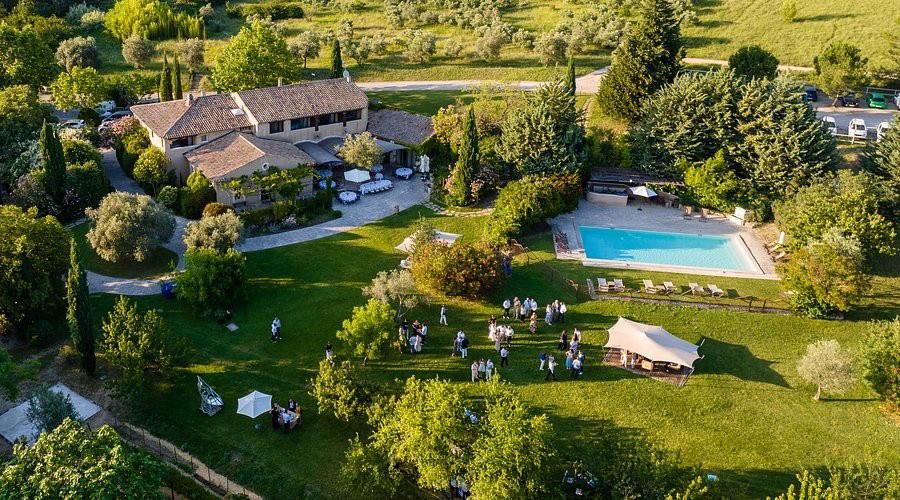
Bars in Lauris
Browse all →
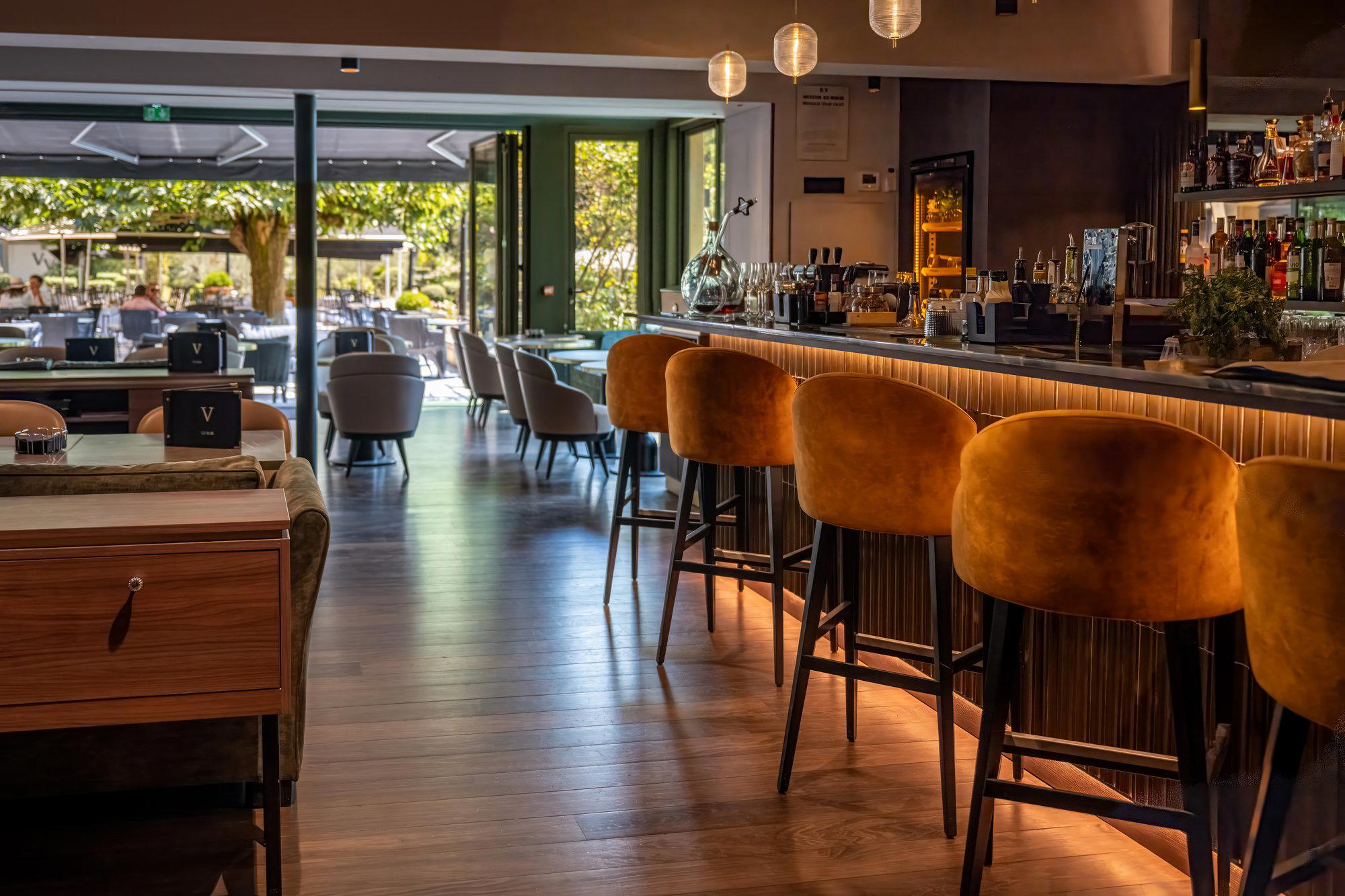
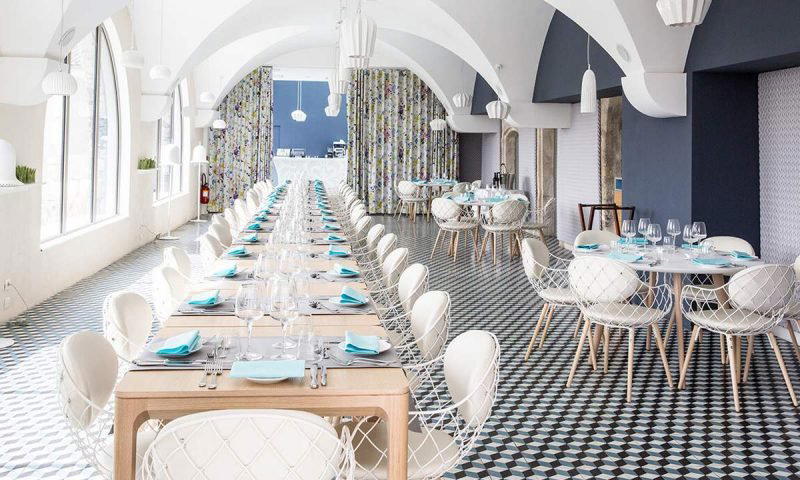

Restaurants in Lauris
Browse all →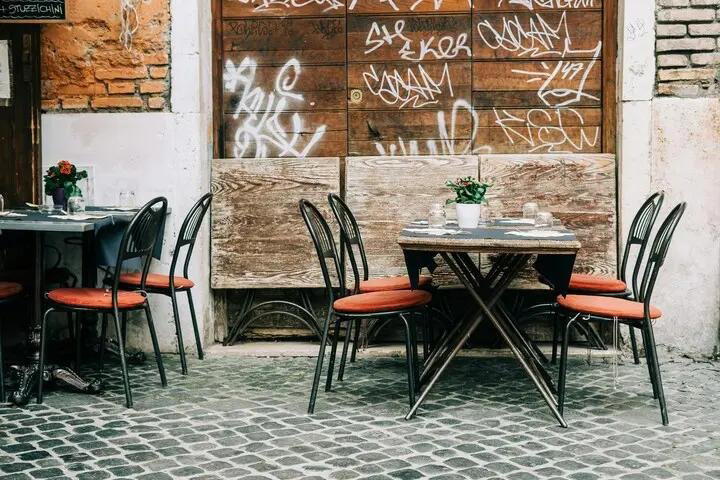
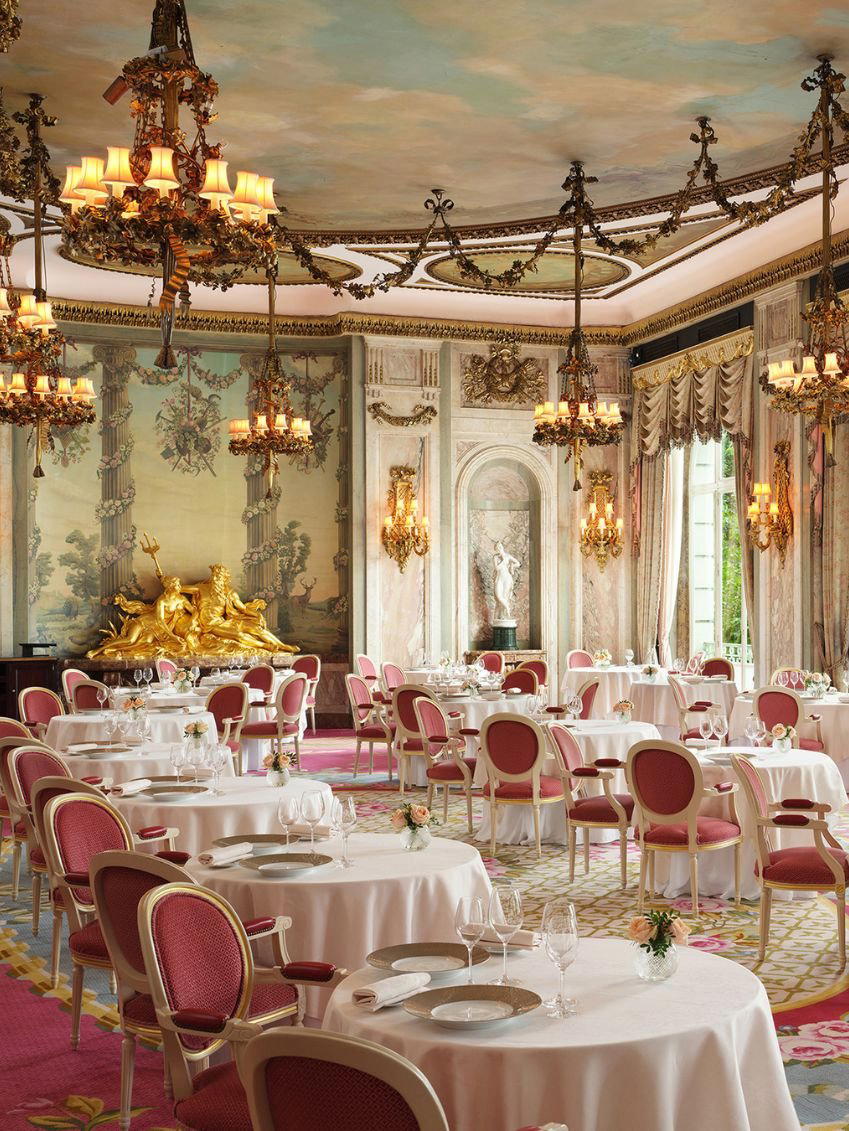
At a Glance
- Elegant
- Quiet
- Scenic
- Sophisticated
- Classic
- Romantic
- Romantic Getaway
- Anniversary
- Weekend Escape
- Wellness Retreat
- Celebration
- Group Retreat
- Historic Building
- Garden
- Terrace
- Private Dining
- Pool
- Spa
- Restaurant
- Bar
- Concierge
- Room Service
- Garden
- Mountain
- Vineyard
- Pool
- Spa
- Restaurant
- Bar
- Concierge
- Room Service
Elegant, understated, and quiet, with a refined country-house atmosphere set among vineyards, gardens, and historic Provençal architecture.