Domaine de la Janasse
Domaine de la Janasse has been producing wine in Courthézon, in the southern Rhône, since its first vintage in 1973. The domaine sits on the Chemin du Moulin and represents one of the more carefully watched addresses in the appellation for Grenache-driven wines.
Pearl is the En Primeur Club membership app — saves, bookings, and concierge access live there. Same editors, same standards.
- Address
- 29 Chem. du Moulin, 84350 Courthézon
- Phone
- +33 4 90 70 86 29
- Website
- lajanasse.com
- Directions
- Get directions
 Saves & bookings on Pearl
The Southern Rhône at Its Most Considered
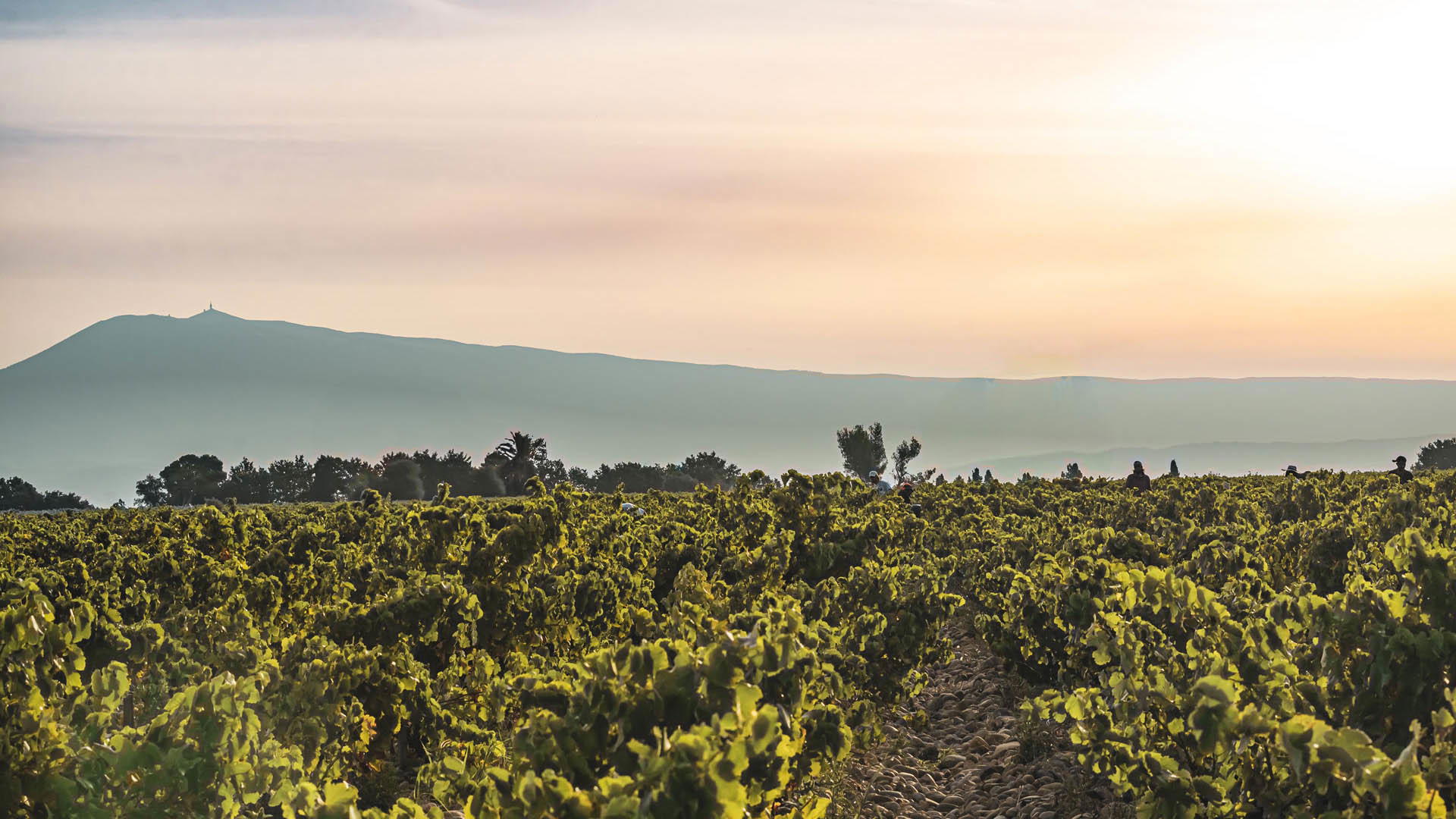
Courthézon sits on the eastern edge of Châteauneuf-du-Pape, close enough to the appellation's limestone and clay soils to share their character, yet distinct enough to carry its own identity. Vines here are planted across a range of soil types, galets roulés, sand, and clay-limestone, and that variation is precisely what makes the southern Rhône such a rewarding zone for producers willing to work parcel by parcel. Domaine de la Janasse, at 29 Chem. du Moulin in Courthézon, is a winery known for Châteauneuf-du-Pape bottlings under winemaker Christophe Sabon.
In the southern Rhône, that consistency is harder to achieve than elsewhere: the appellation's heat, mistral wind patterns, and irregular rainfall mean that the gap between a skilled producer and an average one shows up clearly in the glass. Domaine de la Janasse's positioning within that recognition framework is evidence of sustained technical discipline, not a one-vintage aberration.
Isabelle Sabon and the Winemaking Approach
The southern Rhône has historically been family-dominated, with estates passing through generations and accumulating appellation knowledge across decades. Christophe Sabon's role as winemaker at Domaine de la Janasse fits that pattern: the domaine's identity is shaped by long institutional memory and a commitment to working with what the appellation provides, rather than imposing a formulaic international style. That approach has become more relevant, not less, as Châteauneuf-du-Pape's profile has risen globally and the temptation toward over-extraction or excessive new oak has grown alongside the prices premium cuvées command.
Grenache, the dominant grape across most serious Châteauneuf estates, is a variety that punishes overworking. Its thin skins bruise easily during sorting and pressing, and its naturally high sugar accumulation requires careful monitoring to preserve freshness and aromatic complexity. The leading southern Rhône producers treat it with a light hand in the cellar, shorter maceration windows, judicious use of older wood, and blending decisions made vineyard by vineyard rather than by formula.
For context, the southern Rhône's premium tier now includes estates working in a range of styles: those favouring concentration and structured tannins, and those aiming for freshness and aromatic precision. The winery, with its first vintage dating to 1973, operates with the kind of historical depth that allows for comparison across climatic eras, a real analytical advantage as the region deals with warmer growing seasons.
A Region in Conversation with Itself
The Rhône Valley's prestige wineries are frequently placed in conversation with peers from other great French appellations, and that comparison illuminates what makes each distinctive. While Albert Boxler in Niedermorschwihr works with Alsace's Riesling and Gewurztraminer on steep granite and gneiss slopes, and Château Bastor-Lamontagne in Preignac operates within Sauternes' botrytis-dependent sweet wine tradition, Janasse sits in the Grenache-dominant southern Rhône where blending skill and terroir reading, across galets, sand, and clay, define the producer's identity.
Elsewhere in the French wine hierarchy, estates like Château Bélair-Monange in Saint-Emilion operate within strictly regulated limestone-plateau appellations, while Château Batailley in Pauillac and Château Branaire Ducru in St-Julien are locked into the Médoc's Cabernet Sauvignon-led tradition. The southern Rhône's blend-driven, multi-terroir model is fundamentally different: Grenache, Syrah, Mourvèdre, Cinsault, and a range of permitted white varieties offer winemakers a palette that rewards compositional thinking. The winery has long made those compositional decisions in a region where the leading cuvées often reflect accumulated parcel knowledge.
Janasse's identity is more complex, sitting across multiple cuvées and soil types within a single appellation, which makes the winemaker's interpretive work more visible in the product range.
The Estate's Position in the Appellation
Châteauneuf-du-Pape's critical hierarchy has become more granular over the past two decades, driven partly by the rising influence of American critics who mapped individual cuvées closely, and partly by a generation of European collectors who began treating the appellation's leading names with the same allocation seriousness applied to Burgundy. Within that context, estates with multiple terroir-specific cuvées, produced from old vines planted across different soil profiles, operate at an advantage. They can demonstrate range and precision across the same appellation, rather than producing a single blend that averages out their terroir.
For comparison, other producers working across southern Rhône's broad terroir mix include those with comparable longevity and similar multi-cuvée approaches: the benchmark estates that collectors and critics cite when describing Châteauneuf at its most site-specific. Producers like Château Boyd-Cantenac in Cantenac, Château Cantemerle in Haut-Médoc, and Château Clinet in Pomerol hold analogous positions in their respective appellations, recognised by critics, operating with historical depth, and building identity through consistency rather than spectacle.
Planning a Visit to Courthézon
Courthézon is a small commune in the Vaucluse department, roughly five kilometres east of the town of Châteauneuf-du-Pape itself, and easily accessible by road from Avignon, approximately twenty kilometres to the south. The estate address at 29 Chemin du Moulin is on the village's outskirts, accessible by car. Those planning a broader Rhône visit would do well to sequence Courthézon alongside the appellation's other key villages, or extend into Provence's wine corridor, which includes estates like Château d'Esclans further south. For those building a cellar-door itinerary across French appellations, Chartreuse in Voiron to the north and Château d'Arche in Sauternes in the Bordeaux southwest offer useful context for how different French production traditions operate at the prestige tier. Château Dauzac in Labarde and Aberlour in Aberlour add further range to any extended French premium-producer tour.
Price and Recognition
Comparable venues nearby, for context on price, style, and recognition.
| Venue | Cuisine | Price |
|---|---|---|
| Domaine de la JanasseThis venue — the venue you are viewing | Courthézon, Grenache, Syrah | $$$ |
| Château d'Esclans | La Motte, Grenache, Rolle | $$$$ |
| Domaine du Clos Saint Jean | Châteauneuf-du-Pape, Grenache, Syrah | $$$ |
| Domaine de la Mordorée | Tavel, Grenache, Syrah | $$$ |
| Château de Ferrand | Saint-Hippolyte, Merlot, Cabernet Franc | $$$ |
| Domaine Pierre Usseglio | Châteauneuf-du-Pape, Grenache, Syrah | $$$ |
Continue exploring
More in Courthézon
Wineries in Courthézon
Browse all →
Bars in Courthézon
Browse all →
Restaurants in Courthézon
Browse all →
At a Glance
- Rustic
- Classic
- Elegant
- Wine Education
- Solo Exploration
- Cave Tasting
- Vineyard Tour
- Sustainable
- Vineyard
- Châteauneuf Du Pape AOC
- Grenache
- Syrah
- Mourvèdre
- Roussanne
- Cinsault
- Carignan
- Still Red
- Still White
- Cave Tasting
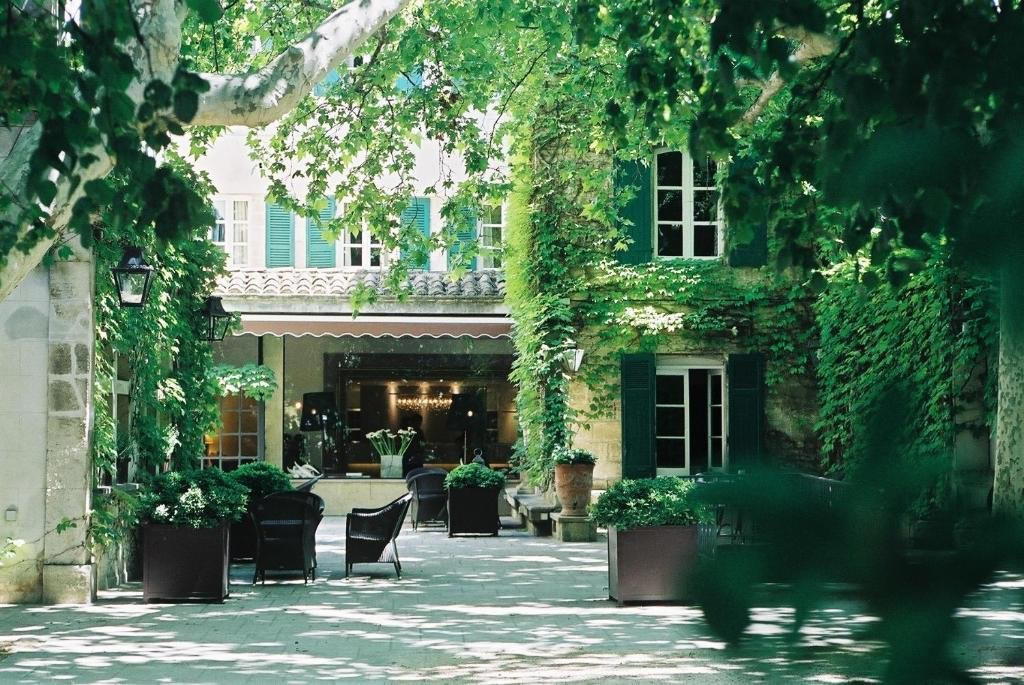
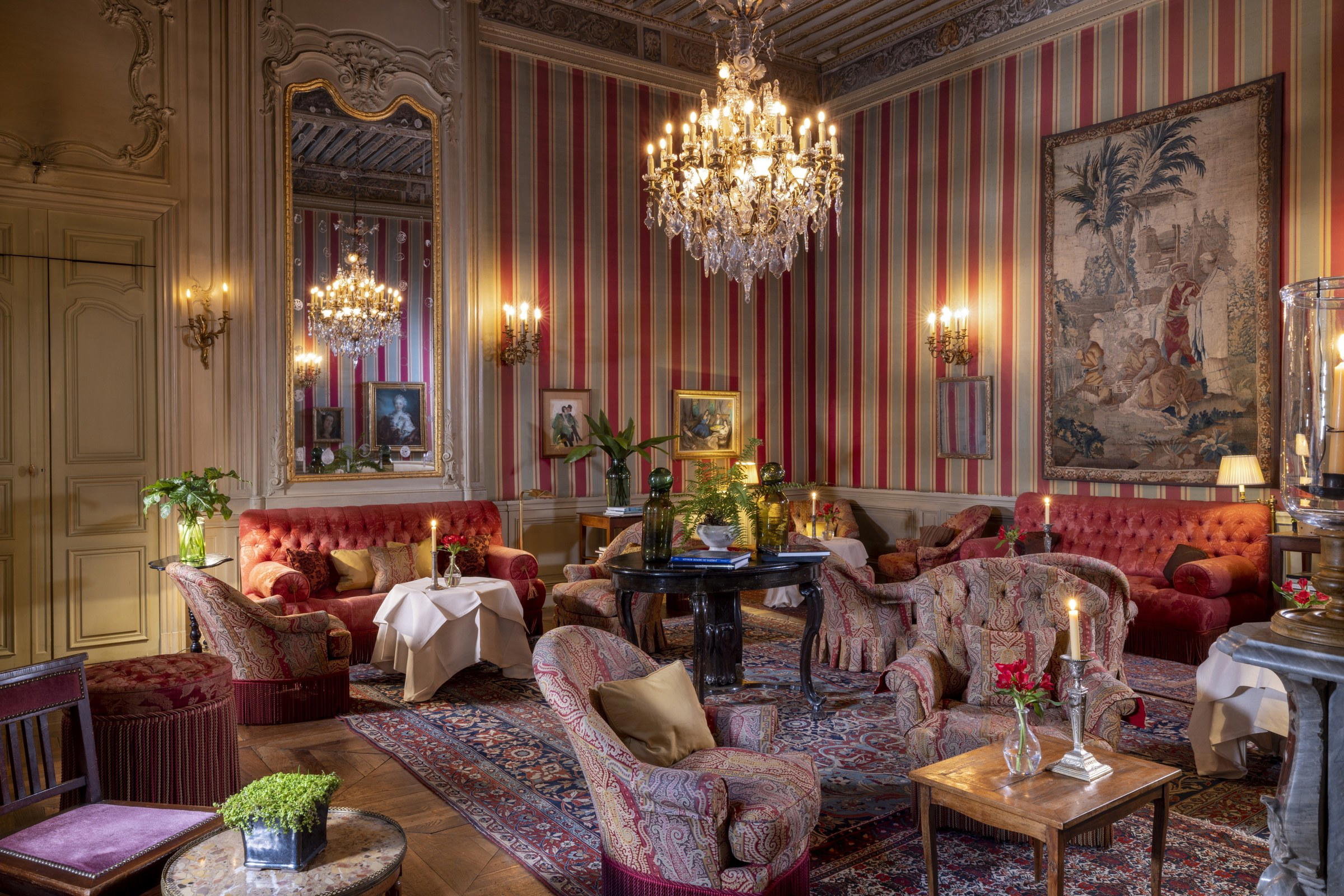
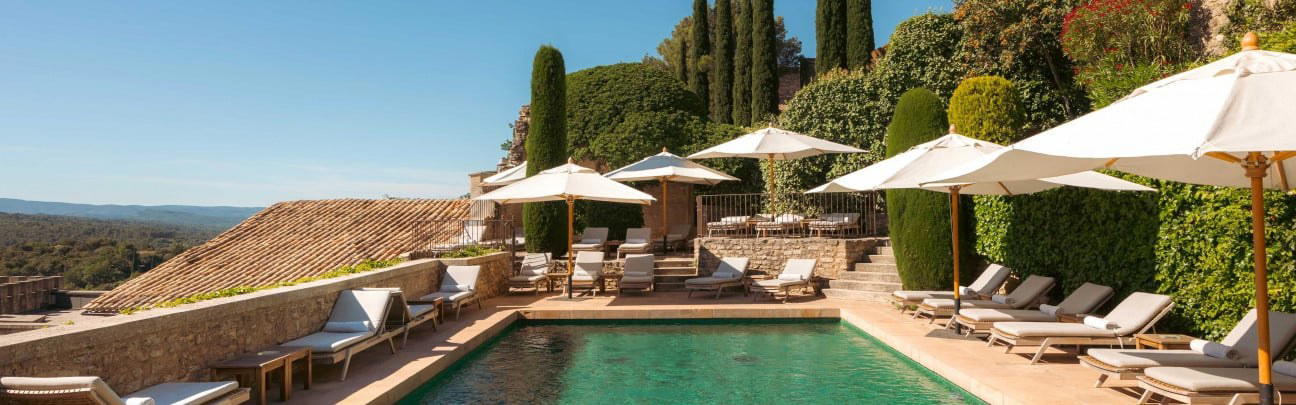
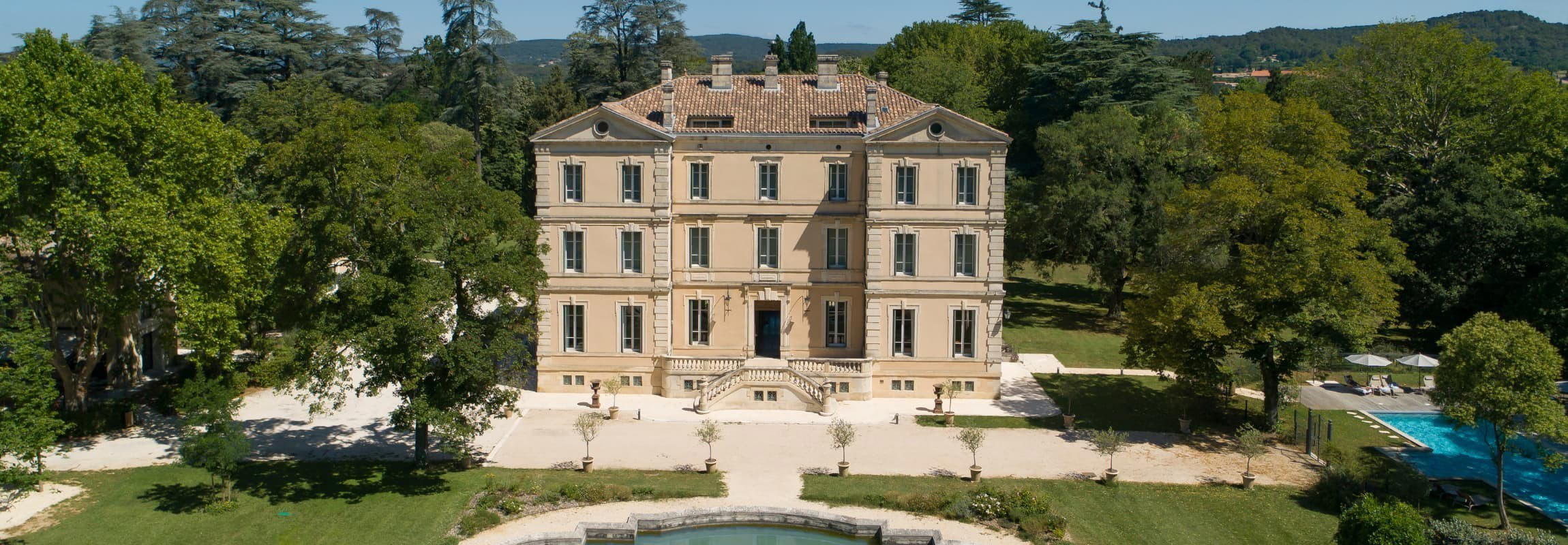
Traditional winery atmosphere focused on terroir expression with meticulous vineyard care and thoughtful vinification.