



In the Grand Luberon village of Cadenet, La Fenière has become one of Provence's most discussed addresses for a specific reason: Nadia Sammut's kitchen operates entirely without gluten, refined sugar, or dairy, yet holds a Michelin star and ranked #379 on Opinionated About Dining's Classical in Europe list in 2024. This is ingredient-driven southern French cooking with structural ambition, not dietary compromise.
Pearl is the En Primeur Club membership app — saves, bookings, and concierge access live there. Same editors, same standards.
- Address
- 1680 Rte de Lourmarin, 84160 Cadenet, France
- Phone
- +33 4 90 68 11 79
- Website
- aubergelafeniere.com
 Saves & bookings on Pearl
A Kitchen That Rewrote Its Own Rules
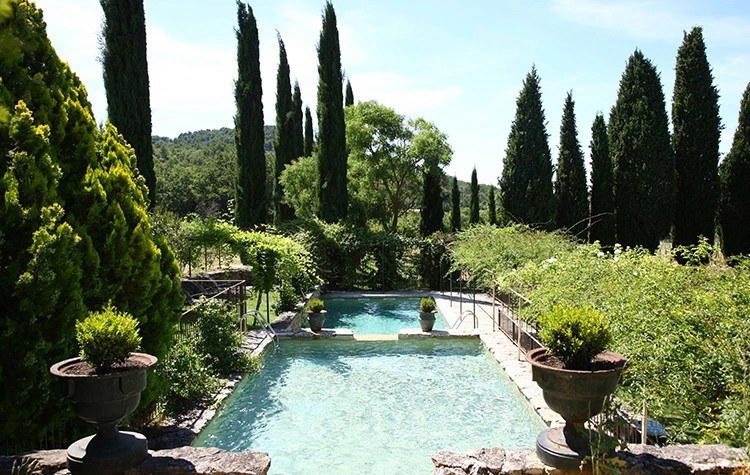
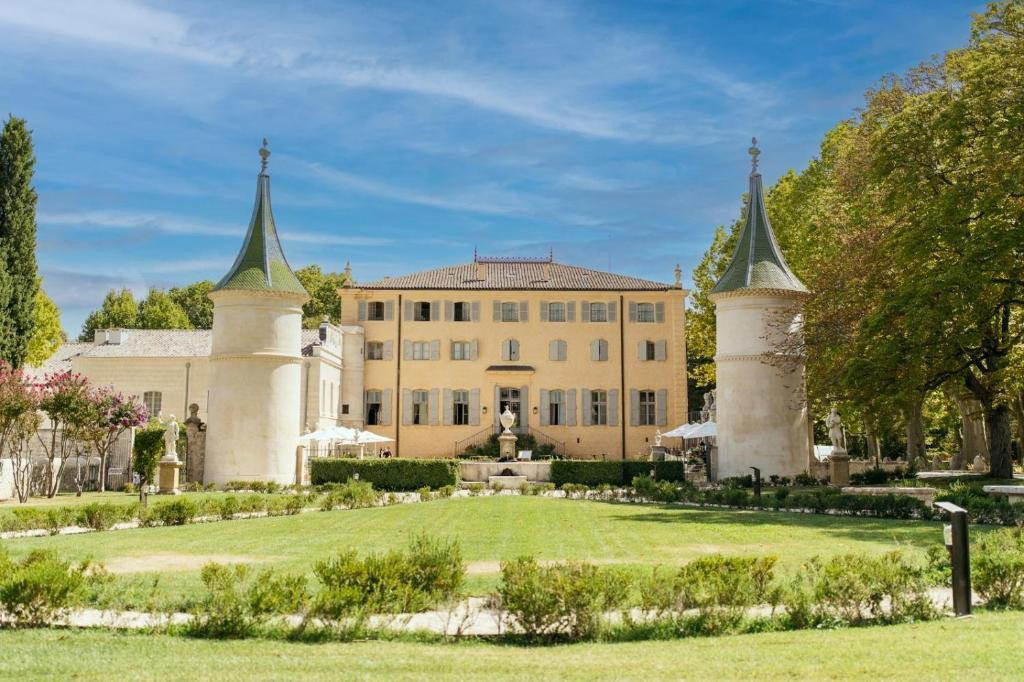
La Fenière in Cadenet is a one-Michelin-star restaurant serving Creative Gluten-Free Provençal Fine Dining at about $130 per person. La Fenière, on the road between Cadenet and Lourmarin at 1680 Route de Lourmarin, sits precisely in that tradition, and then departs from it sharply. The approach through the Grand Luberon countryside sets expectations of classical Provençal hospitality.
Among starred restaurants in southern France, a region that includes addresses like Mirazur in Menton and AM par Alexandre Mazzia in Marseille, La Fenière occupies a distinct position. It is not urban, not minimalist in the international sense, and not chasing technical spectacle. Instead, it operates from a deeply regional premise: the Luberon's own produce, the Mediterranean's historical pantry, and a dietary framework that has pushed the kitchen into flour and sweetener combinations that most French restaurants have never considered. The result earned Nadia Sammut a Michelin star.
Cuisine Libre: What the Framework Actually Means
The term Sammut uses is "Cuisine Libre", a free kitchen, one liberated from gluten, refined white sugar, and dairy. In France, where the foundational sauces are butter-based and wheat flour is a structural assumption in everything from bread service to pastry, this is not a minor adjustment. It is a wholesale renegotiation of technique. Sammut's kitchen has built its own internal logic around alternative flours, fructose, and plant-forward composition, arriving at a menu that reads as southern French cooking while operating under entirely different rules.
The comparison is less to conventional restaurants and more to the approach taken at addresses like Bras in Laguiole, where Michel and Sébastien Bras built a decades-long identity around vegetables and the Aubrac landscape rather than around classical French protein hierarchy. La Fenière's project is in that territory: a kitchen that has decided what it believes in and constructed its entire method around those beliefs.
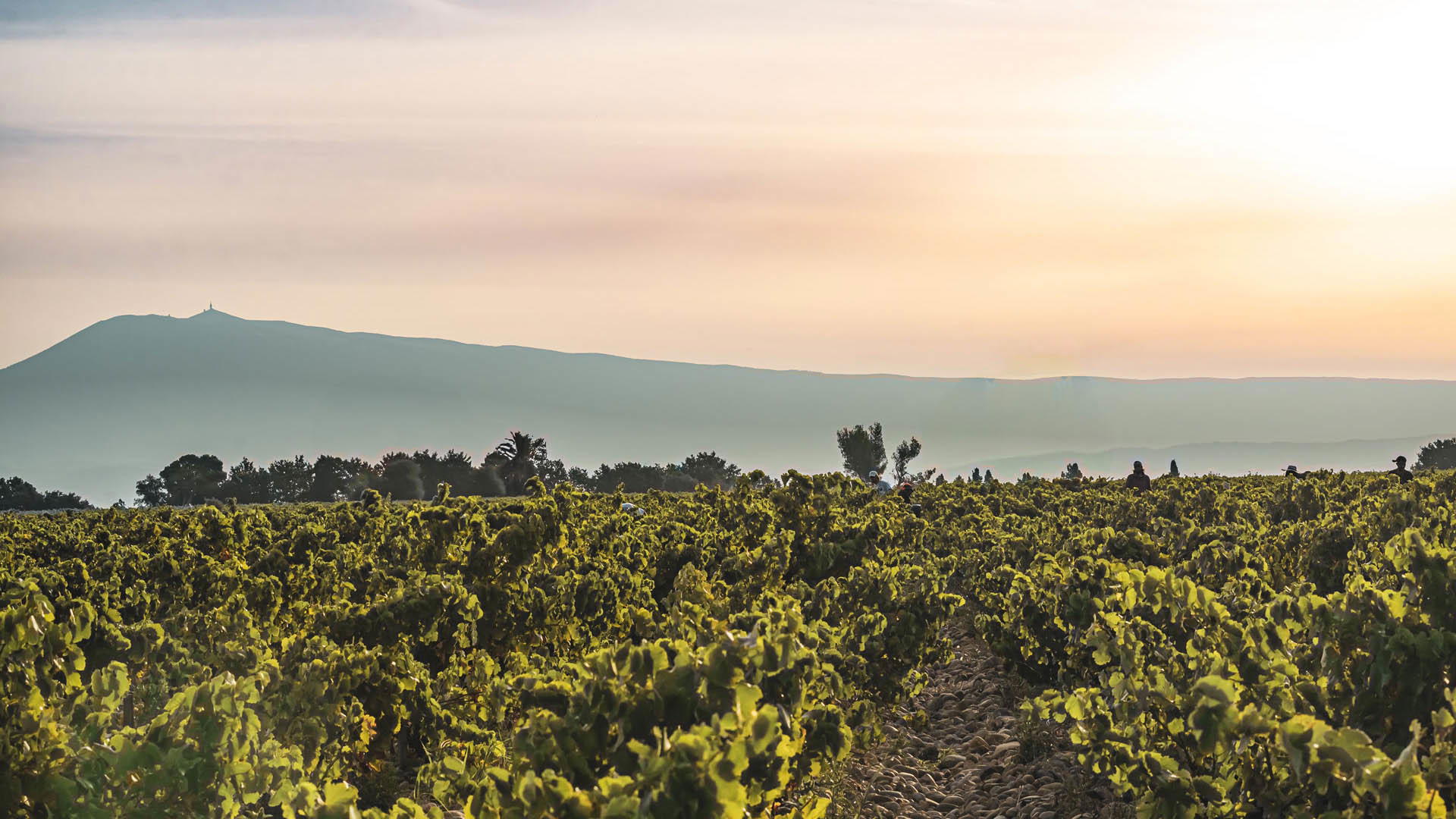
The kitchen grows its own vegetables, herbs, fruit, and flowers, grounding the menu in seasonal and biodynamic cycles. The organic and biodynamic sourcing is not incidental to the flavour logic, it is the flavour logic. A warm salad of vegetable beans, broad beans, truffle, potato foam, cashew nuts and petals is a signature dish, combining textures and temperatures with confidence. Dishes like this require the kitchen to achieve richness and complexity without the emulsifying and thickening tools most French kitchens rely on automatically.
The Mediterranean Roots and the Regional Pull
Sammut's cooking traces clearly to Mediterranean tradition: a cuisine historically built around olive oil, legumes, herbs, and vegetables rather than the cream and butter of the north. That inheritance makes the Cuisine Libre framework less of a departure than it might appear from the outside. The Luberon's market produce, its tomatoes, courgettes, artichokes, and the truffle harvest of the Vaucluse, are the same ingredients that have defined Provençal cooking for generations. What changes is the precision with which they are handled and the ambition brought to their composition.
The menu's focus on vegetables and regional history means that eating here is an exercise in reading the landscape on the plate. This is a different project from the grand classical houses of France, the Paul Bocuse auberge in Collonges-au-Mont-d'Or, the Auberge de l'Ill in Illhaeusern, or the Troisgros table in Ouches, and the comparison is not intended as a ranking. La Fenière operates in a different register entirely: smaller scale, deeply local, and defined by a specific culinary argument rather than a legacy of classical technique.
Wine, Fish, and the Partner's Role
The beverage side of La Fenière reflects the same philosophy of sourcing specificity. Ernest, Sammut's partner, selects and matures fish slaughtered according to the ikejime method, the Japanese technique of immediate neural destruction that preserves flesh quality and flavour through precise handling rather than stress-induced glycogen depletion. In a southern French context, this is a notable adoption: it signals a kitchen willing to borrow precision tools from outside its own tradition when the result supports the broader quality argument. Ernest also handles the wine selection, which at the €€€€ price point presumably draws from the Luberon and Rhône's considerable cellar depth as well as further afield.
Where La Fenière Sits in the Broader Creative Tier
At the €€€€ price bracket, La Fenière prices against France's broader creative fine dining tier, addresses like Alléno Paris au Pavillon Ledoyen, Flocons de Sel in Megève, Assiette Champenoise in Reims, and Au Crocodile in Strasbourg, while offering something those urban and resort addresses do not: a working farm property in the Luberon with a kitchen philosophy that has spent years developing its own technical language. Against international creative peers like Enrico Bartolini in Milan or JAN in Munich, the distinctiveness of the Cuisine Libre project becomes even clearer.
The Opinionated About Dining ranking, a scoring system that aggregates critic and industry opinion across European restaurants, places La Fenière in the "Remarkable" category, a tier that implies consistent quality at a high level rather than peak-performance occasional brilliance. The improvement from #379 in 2024 to #448 in 2025 reflects expanding recognition rather than decline; OAD's list grows as more voices contribute scores, meaning a higher number can accompany wider acknowledgement. The Michelin star, confirmed in 2024, represents the more conventional validation of the kitchen's technical level.
Planning a Visit
La Fenière is a destination-worthy address, which means the surrounding Cadenet and Lourmarin area warrants time beyond the meal itself. The village of Lourmarin, a ten-minute drive, has its own considerable appeal, and the Grand Luberon walking routes are accessible from the property's immediate surroundings. For those building a wider Cadenet itinerary, the full range of local options is covered in our Cadenet restaurants guide, alongside hotels, bars, wineries, and experiences in the area.
At the €€€€ tier with a tasting menu format, advance booking is essential, particularly in the Luberon's high summer season.
Arriving from the north via the D943, the landscape approaching Cadenet gives way to valley views and the limestone escarpments of the Luberon. The setting is not incidental to the meal: a kitchen rooted this specifically in its own territory is best understood in context, which means arriving with time to absorb the surroundings before sitting down to a menu that is, in the most precise sense of the phrase, the produce of this exact ground.
In Context: Similar Options
Comparable venues nearby, for context on price, style, and recognition.
| Venue | Cuisine | Price | Awards | Notes |
|---|---|---|---|---|
| Le Goût du Bonheur - La Fenière | Creative Gluten-Free Provençal Fine Dining | $$$$ | Michelin 1 Star | Cadenet |
| Les L du Moulin | Refined French Bistro | $$$ | , | Cadenet |
| La Mirande | Modern Provençal Fine Dining | $$$$ | Michelin 1 Star | near Palais des Papes |
| La Bastide | Modern Provençal Fine Dining | $$$$ | Michelin 1 Star | Bonnieux |
| L'Aupiho - Domaine de Manville | French Author Cuisine | $$$$ | Michelin 1 Star | Les Baux-de-Provence |
| La Palme d'Or | Modern Mediterranean Fine Dining | $$$$ | Michelin 1 Star | ['Croisette-Palm-Beach'] |
Continue exploring
More in Cadenet
Restaurants in Cadenet
Browse all →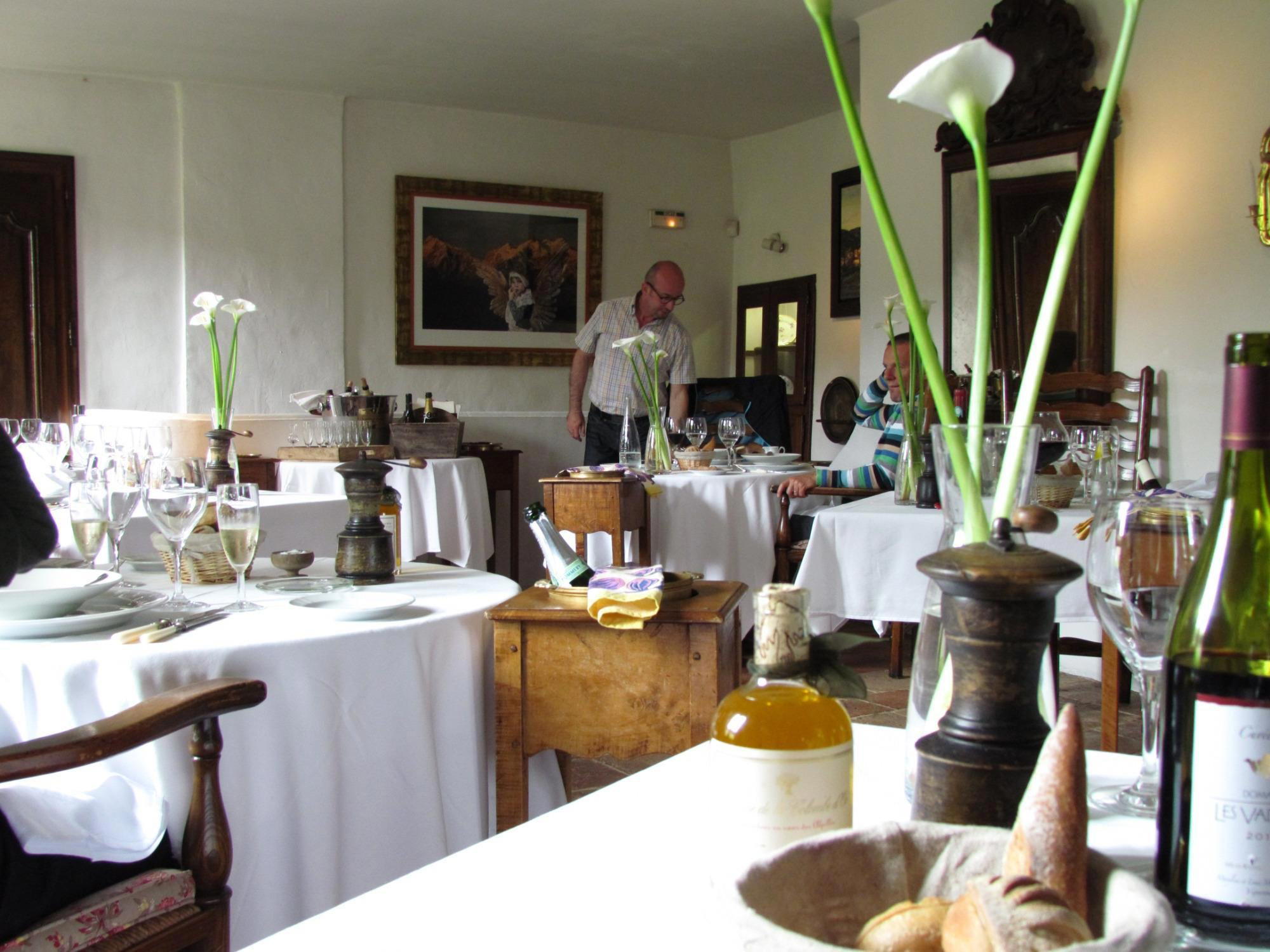
Bars in Cadenet
Browse all →
Hotels in Cadenet
Browse all →
At a Glance
- Elegant
- Rustic
- Cozy
- Intimate
- Sophisticated
- Special Occasion
- Date Night
- Celebration
- Garden
- Private Dining
- Extensive Wine List
- Sommelier Led
- Farm To Table
- Local Sourcing
- Garden
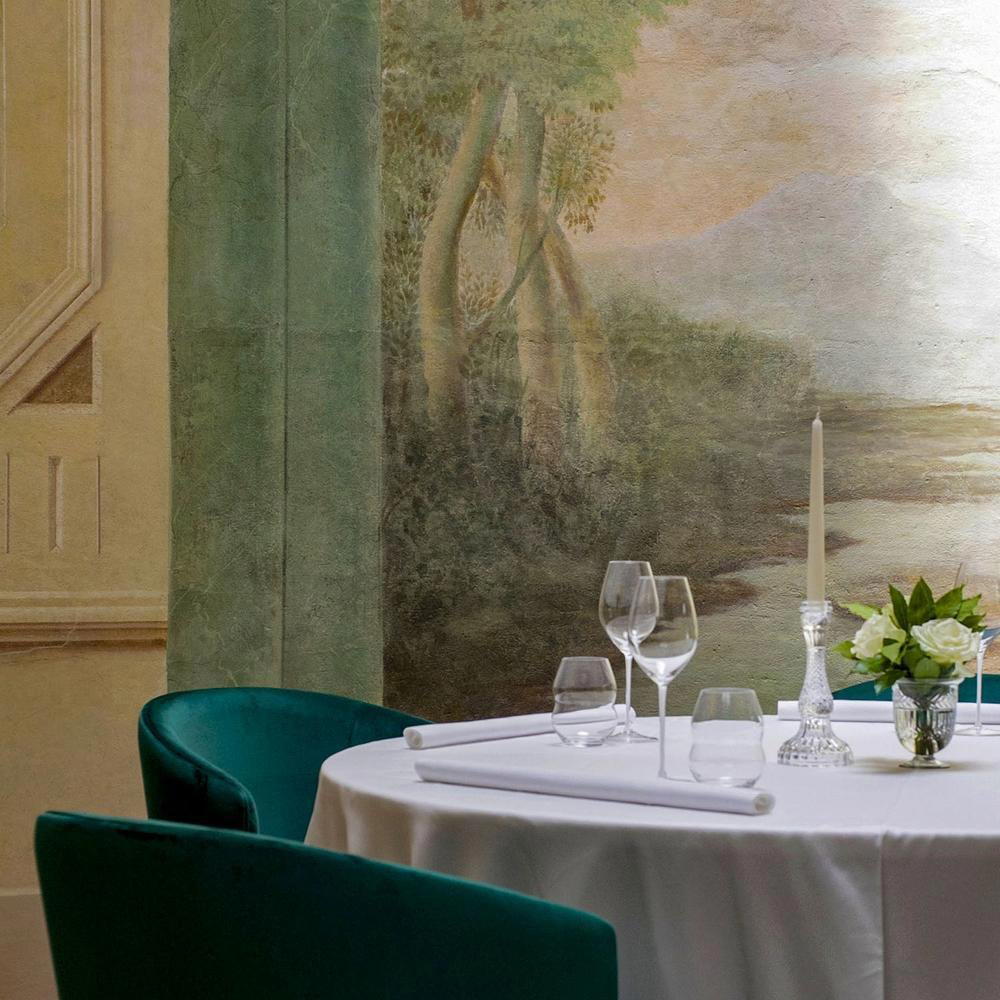
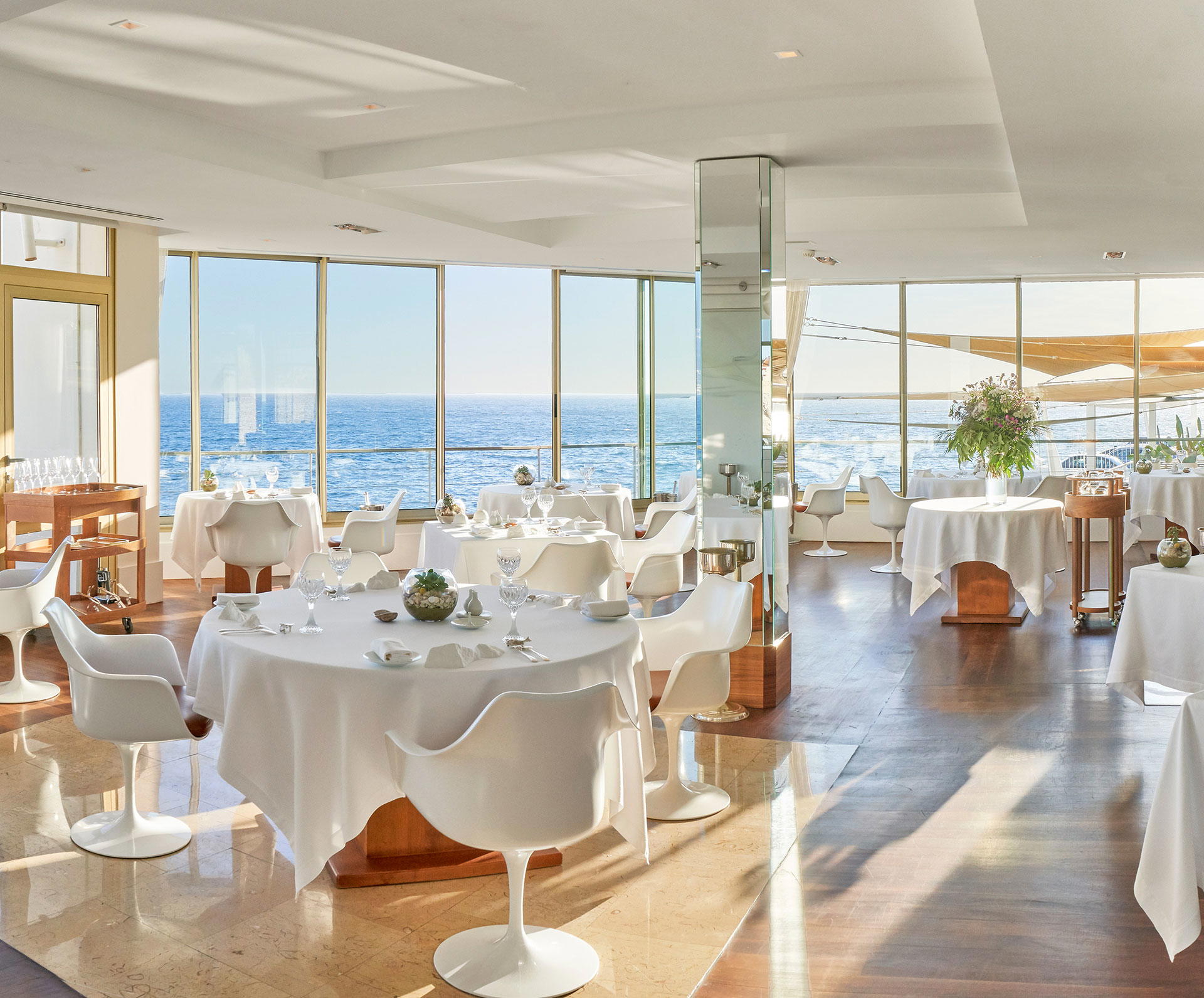
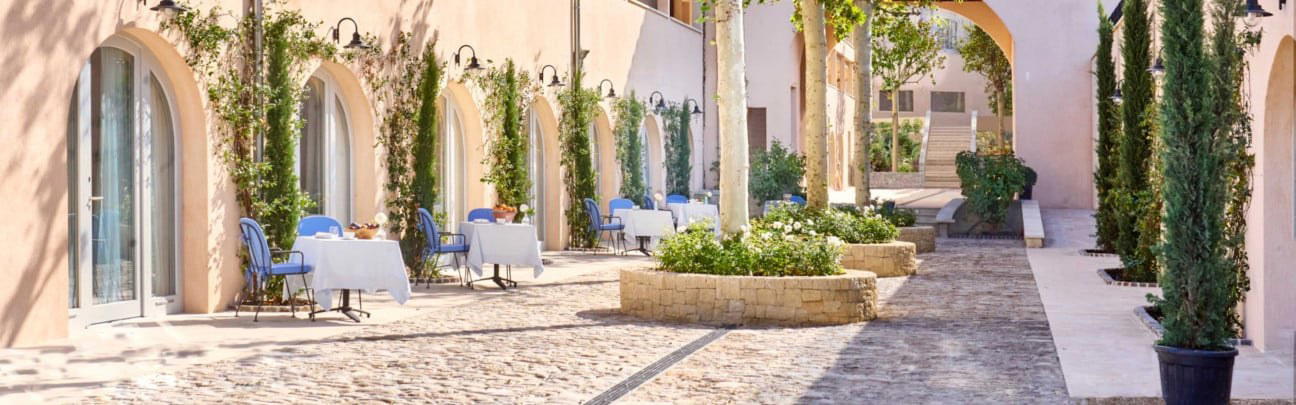
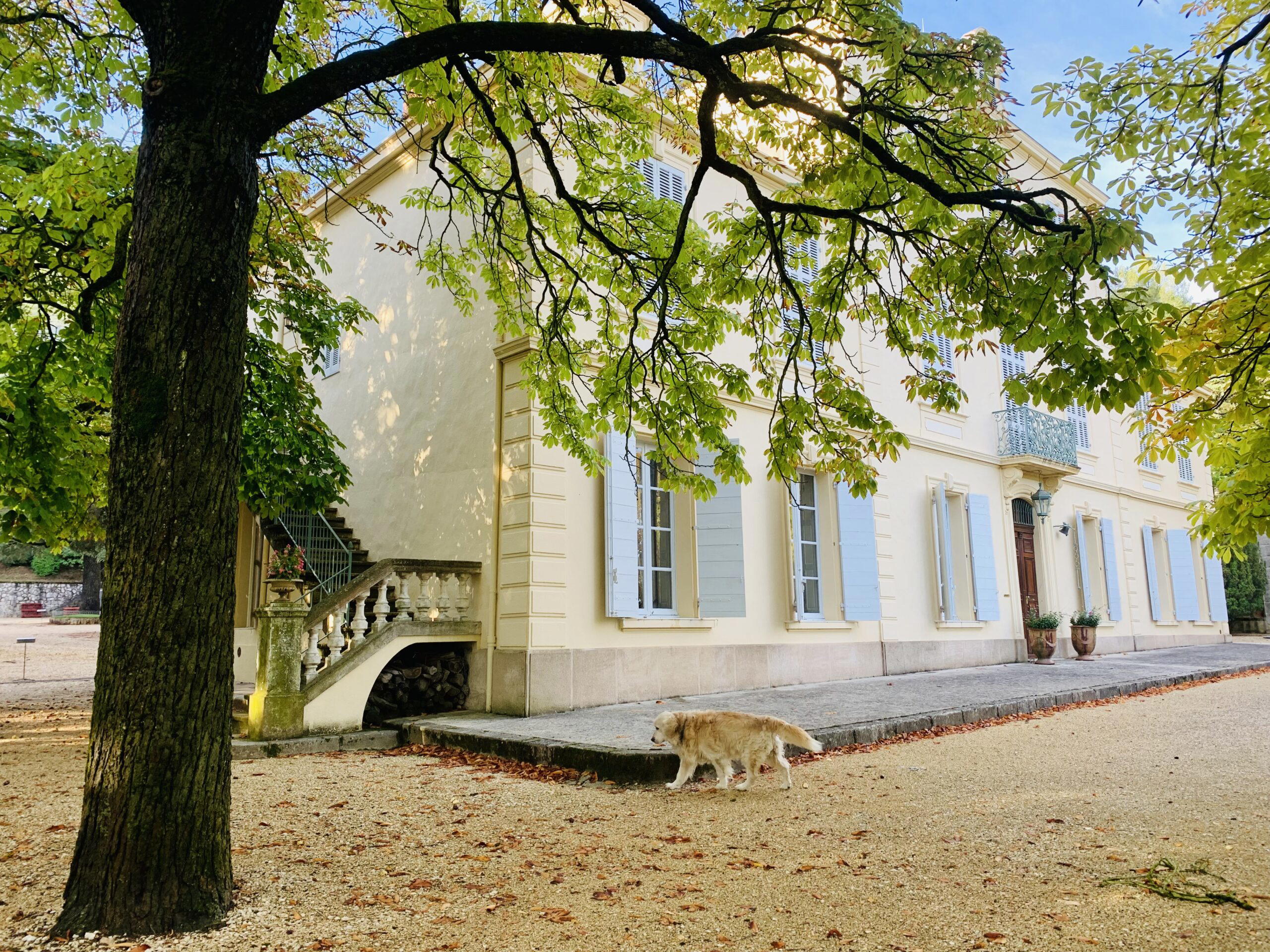
Cultivated serenity with linen-draped tables, soft Provençal light, and warm welcoming atmosphere amid lovely gardens.