Domaine du Cayron sits at the foot of the Dentelles de Montmirail in Gigondas, where three generations of the Faraud family — Delphine, Roselyne, and Cendrine — produce Grenache-driven reds that speak directly to the appellation's limestone and clay soils.

Pearl is the En Primeur Club membership app — saves, bookings, and concierge access live there. Same editors, same standards.
- Address
- Mnt des Hospices, 84190 Gigondas
- Phone
- +33 4 90 65 87 46
- Website
- domaineducayron.com
- Directions
- Get directions
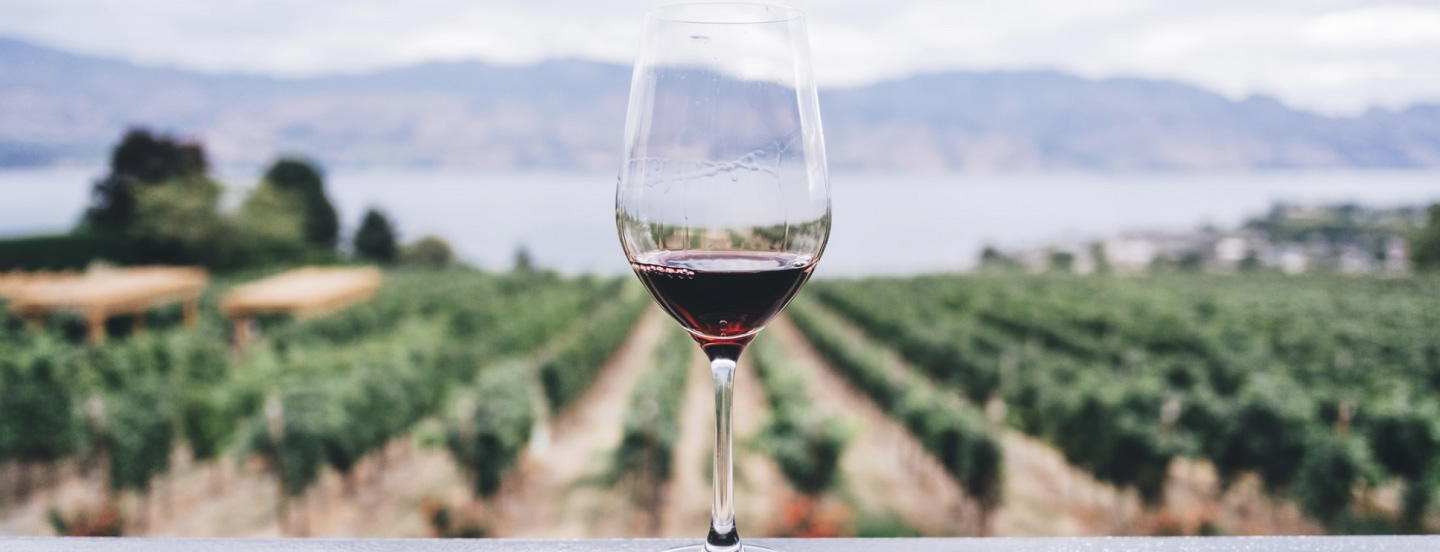
Where the Dentelles Begin
The road up to Gigondas narrows before it arrives anywhere meaningful, threading past dry-stone walls and garrigue scrub until the village appears against the serrated limestone ridges of the Dentelles de Montmirail. This is not an appellation that announces itself. The vineyards sit between 200 and 600 metres, distributed across slopes where soil composition shifts from sandy alluvials near the valley floor to the clay-limestone terraces that climb toward the rock faces. That range of altitude and geology is the defining fact of Gigondas wine, and it is what separates the appellation's serious producers from those simply working within its legal boundaries.
Domaine du Cayron, addressed on the Mnt des Hospices in Gigondas itself, has long occupied a reference position in that conversation. With Delphine, Roselyne, and Cendrine Faraud working across generations, the domaine reflects a pattern common to the Southern Rhône's most coherent estates: continuity of stewardship over the same parcels, accumulating an understanding of how specific sites perform across variable vintages.
Grenache and the Logic of the Terroir
Gigondas built its appellation identity on Grenache, and the variety's behaviour here differs markedly from how it reads in Châteauneuf-du-Pape to the south or in Roussillon further along the Mediterranean arc. At altitude, on limestone-heavy soils with good drainage, Grenache retains more natural acidity than it accumulates at lower elevations. The warm, dry summers that characterise the southern Rhône are tempered by elevation and by the cooling influence of the Mistral, which reduces disease pressure and concentrates the grape's aromatic compounds without stripping freshness. The result, in the hands of producers who manage yields carefully, is red wine with structure that outlasts the fruit — a characteristic that has historically made serious Gigondas underestimated in its youth.
The clay-limestone soils that cover much of the Cayron parcels add a mineral thread to that structural profile. Clay retains enough moisture to sustain the vines through the dry season without irrigation; limestone contributes the chalky mineral character that marks wines from this part of the Rhône Valley's eastern flank. The interplay between those two soil types, across the altitudinal spread of the appellation, is what gives producer-level differences their texture. A domaine farming higher, stonier parcels will produce something tighter and longer-lived than one drawing from the valley floor, even if both are making Grenache-dominant blends under the same appellation rules.
A Three-Generation Estate in a Family-Dominated Appellation
Gigondas functions differently from many of France's better-known appellations. There is no single classified growth or famous château name that concentrates the narrative. Instead, the appellation's reputation rests on a collection of family estates, many of which have farmed the same vineyards across several generations. That pattern produces something specific: a kind of parcel-level knowledge that does not transfer easily to new ownership or outside management. The Faraud family's multi-generational presence at Domaine du Cayron places it within that dominant model, and the three-woman stewardship — Delphine, Roselyne, and Cendrine, is consistent with how Southern Rhône estates have managed succession without disrupting institutional knowledge.
For context, this model differs from estates in more commercially pressured appellations. Compare the trajectory of, say, Château Batailley in Pauillac or Château Branaire Ducru in St-Julien, where classified growth status invites ongoing scrutiny and investment cycles. Gigondas estates like Domaine du Cayron operate outside that circuit; there is no classification to defend or improve.
How Gigondas Compares to Its Southern Rhône Neighbours
Gigondas received its own appellation status in 1971, separating from Côtes du Rhône and establishing itself as the Southern Rhône's first named cru after Châteauneuf-du-Pape. That sequencing matters. It positioned Gigondas as the serious, slightly austere counterpart to Châteauneuf's power and visibility. Where Châteauneuf carries international name recognition and significant price stratification at the leading, Gigondas remains more compressed: there is less distance between the appellation's reference producers and its competent mid-tier. That structure rewards producers who work at the leading without demanding the investment profile associated with a Pomerol estate like Château Clinet or a Saint-Émilion grand cru such as Château Bélair-Monange.
The appellation also benefits from proximity. Gigondas sits within the broader Provence corridor, which has seen sustained international attention in recent years, partly driven by rosé demand from estates like Château d'Esclans in Courthézon. That visibility has not dramatically inflated Gigondas prices, but it has brought more visitors to the region, making the village and its estates more accessible to wine travellers than they were a decade ago.
Visiting the Domaine and the Village
Gigondas is a small village that functions primarily as a wine destination rather than a tourist centre. There are no large hotels, and accommodation runs to chambres d'hôtes and small gîtes. The village sits roughly 30 kilometres northeast of Avignon, making it a practical day trip from Avignon or from accommodation in nearby Vaison-la-Romaine, which has more lodging options. Arriving by car is the only realistic option from major transport hubs; the village is not served by rail.
Domaine du Cayron's address on the Mnt des Hospices places it within or adjacent to the village centre, consistent with how several Gigondas estates operate direct sales from cellar doors rather than by appointment only. Our full Gigondas restaurants guide covers the broader village context for visitors combining wine and food stops.
For perspective across French wine regions, the same prestige band includes estates operating in very different contexts: Albert Boxler in Niedermorschwihr for Alsace Riesling and Gewurztraminer; Château Bastor-Lamontagne in Preignac for Sauternes; and Château Cantemerle in Haut-Médoc for classified Bordeaux.
Further afield, the 2025 prestige cohort also includes Château Boyd-Cantenac in Cantenac, Château d'Arche in Sauternes, Chartreuse in Voiron, Aberlour in Aberlour, and Accendo Cellars in St. Helena. Across those references, what holds is a common thread: producers whose work is shaped by a specific place, rather than by category trends or commercial scale.
Domaine du Cayron earns its position in that company through exactly the characteristics the Gigondas terroir rewards: altitude-tempered Grenache, clay-limestone soils that build structure over years, and a family continuity that keeps the interpretation consistent from vintage to vintage.
Quick Comparison
Comparable venues nearby, for context on price, style, and recognition.
| Venue | Cuisine | Price | Awards | Notes |
|---|---|---|---|---|
| Domaine du CayronThis venue — the venue you are viewing | Grenache, Syrah | Not listed | Not listed | Not listed |
| Domaine Santa Duc | Grenache, Mourvèdre | $30–50 | Not listed | Gigondas |
| Château de Ferrand | Merlot, Cabernet Franc | $30–50 | Falstaff Winery - Listed | Saint-Hippolyte |
| Clos Des Papes | Grenache, Mourvèdre | Not listed | Falstaff Winery - Listed | Châteauneuf-du-Pape |
| Domaine Pierre Usseglio | Grenache, Syrah | $30–50 | Not listed | Châteauneuf-du-Pape |
| Domaine Charvin | Grenache, Syrah | Not listed | Not listed | Châteauneuf-du-Pape |
Continue exploring
More in Gigondas
Wineries in Gigondas
Browse all →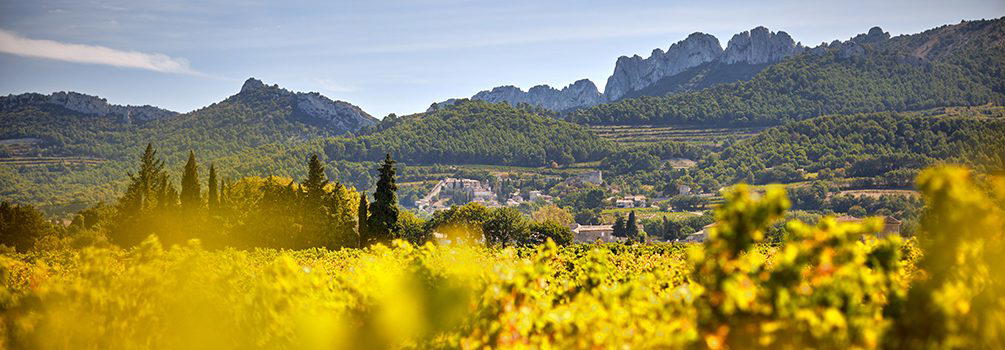
Bars in Gigondas
Browse all →
Restaurants in Gigondas
Browse all →
Details
- Rustic
- Classic
- Scenic
- Intimate
- Wine Education
- Solo Exploration
- Vineyard Tour
- Estate Grounds
- Sustainable
- Vineyard
- Mountain
- Grenache
- Syrah
- Cinsault
- Mourvedre
- Still Red
- Cave Tasting
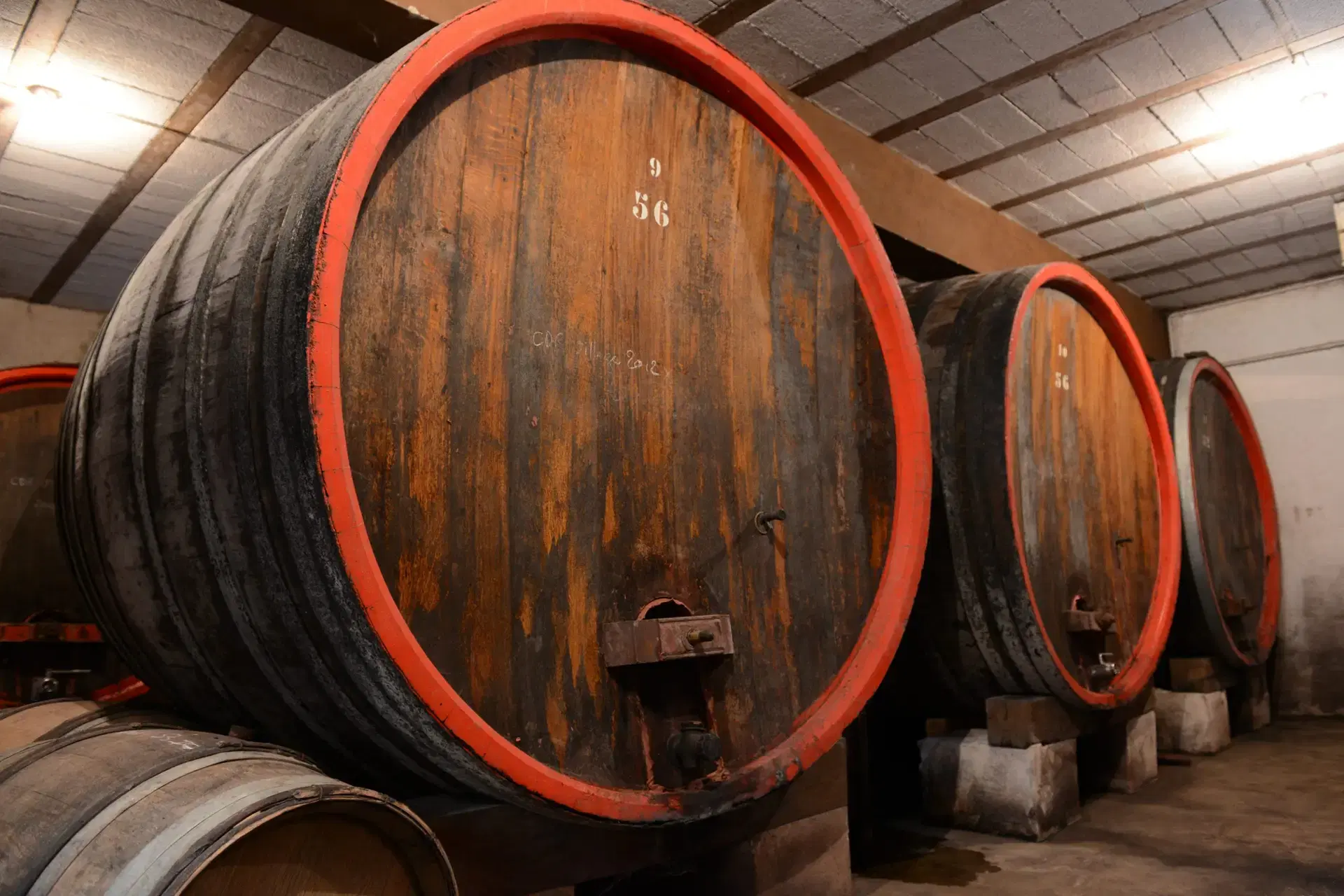
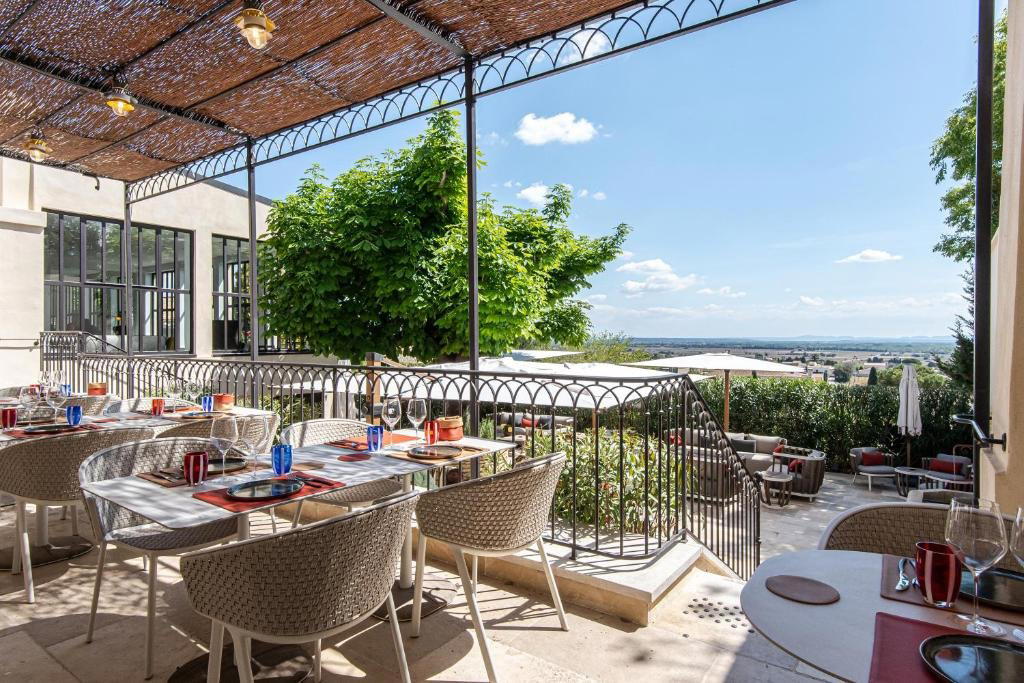
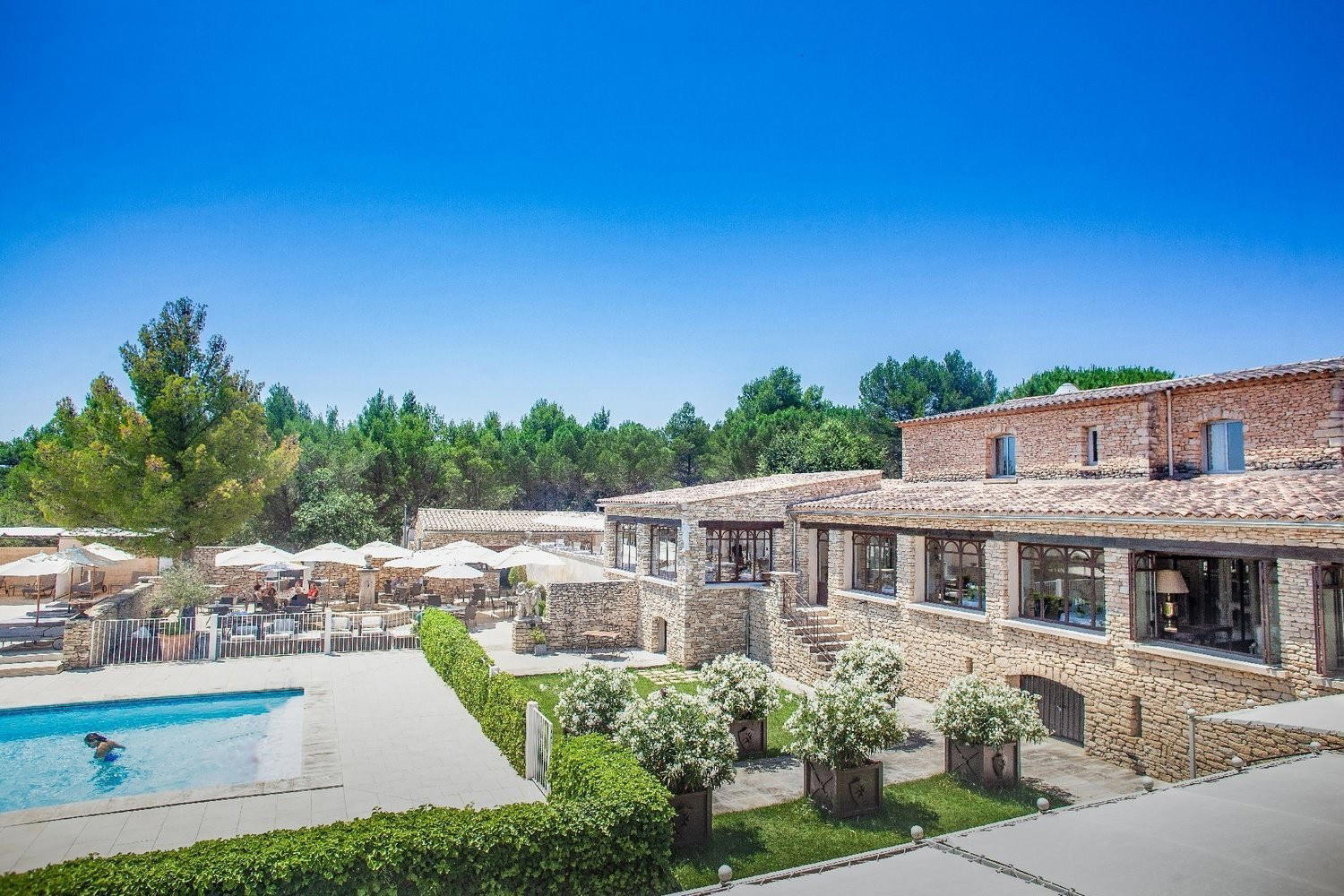
Traditional rustic atmosphere in a tiny garage-sized winery with concrete vats and old oak foudres, evoking timeless Gigondas terroir.