Auberge du Vieux Puits





3 Michelin Stars · La Liste Top Restaurants · Les Grandes Tables du Monde Member
Our verdict
In the remote Corbières hills of southern France, Auberge du Vieux Puits has held three Michelin stars since 2010 and scored 98 points on La Liste in both 2025 and 2026. Chef Gilles Goujon's creative cooking draws from the Languedoc terroir in a village of fewer than 200 people, making this one of the most geographically isolated addresses in French fine dining at the highest tier.

Pearl is the En Primeur Club membership app, where members save venues, book tables and use the concierge.
The menu
What to order
- Œuf poule carrus 'pourri' de truffe melanosporum
- Vrai faux citron de Menton
A Village at the End of the Road
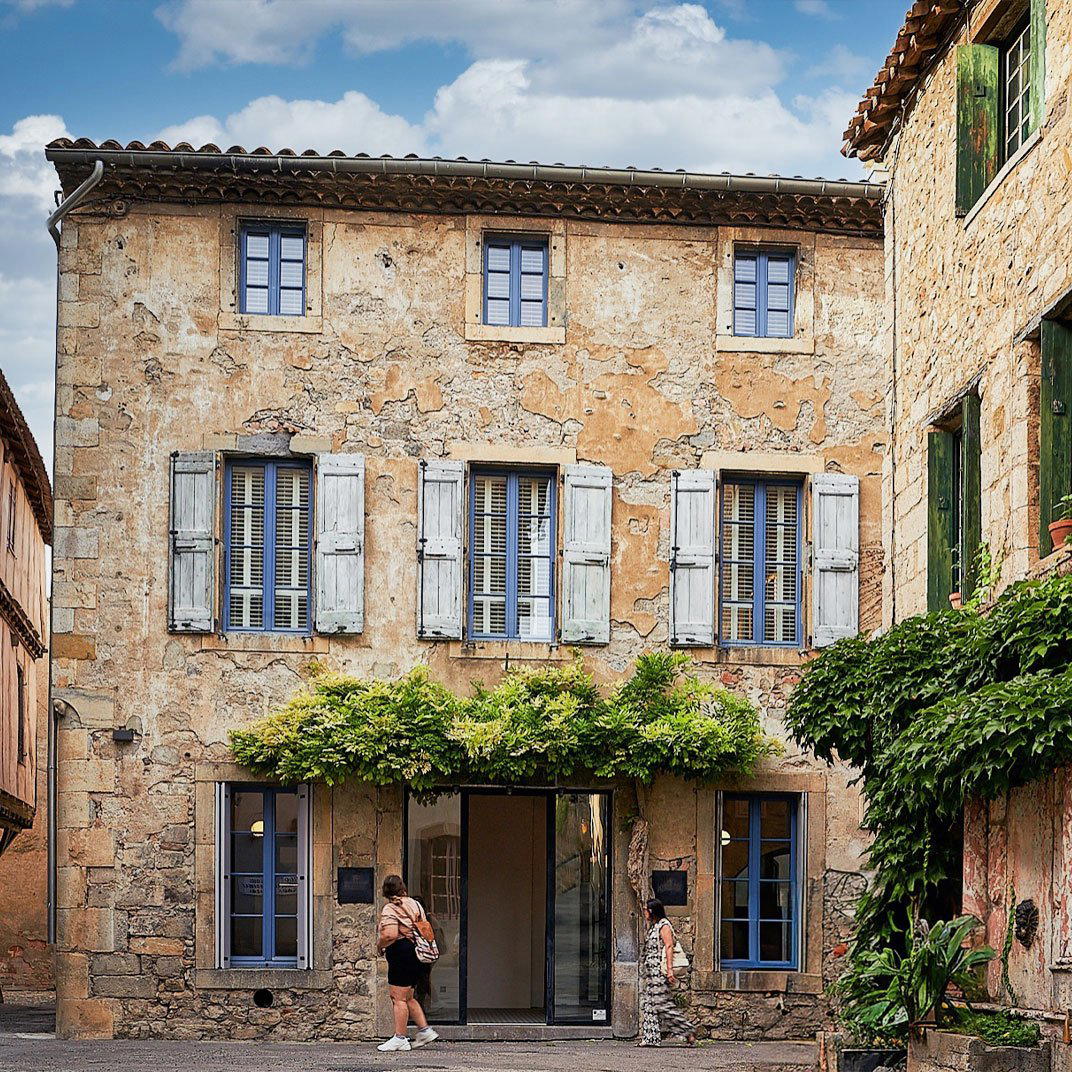
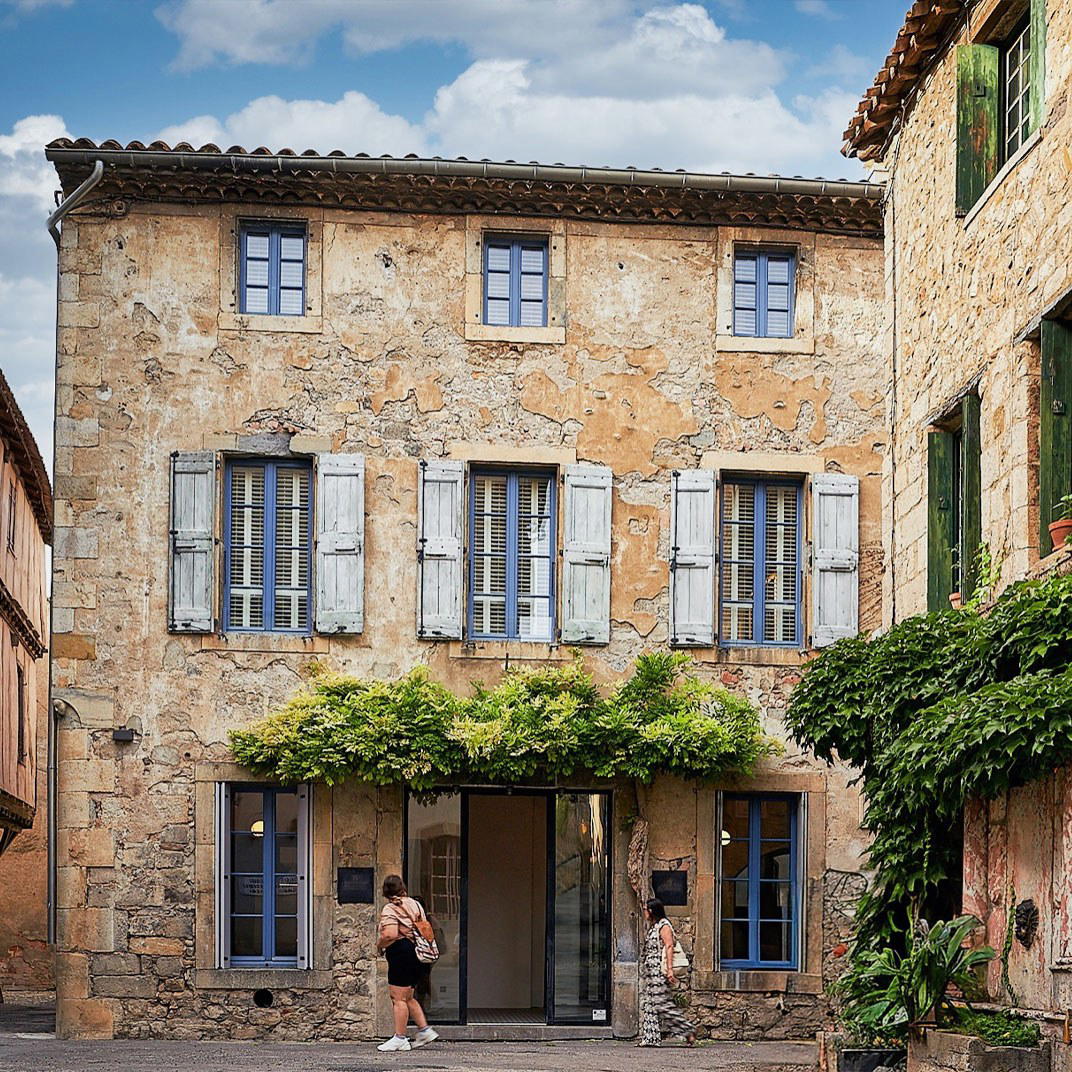
The Corbières is not a region that eases visitors toward its restaurants. The D212 through the garrigue scrubland south of Carcassonne narrows as it climbs, and Fontjoncouse, population under 200, no train line within practical reach, announces itself without ceremony: a water tower, a church, stone houses the colour of dry earth. That a three-Michelin-star table operates here, and has done so with consistent recognition for over a decade, sits at the core of what makes this address worth understanding. Among France's highest-decorated restaurants, the overwhelming majority occupy Paris arrondissements or well-serviced resort towns. The geographic isolation of Auberge du Vieux Puits is not incidental to its identity; it is the defining fact around which everything else organises.
France's three-star cohort, which includes Alléno Paris au Pavillon Ledoyen, Mirazur in Menton, and Troisgros in Ouches, contains a handful of deeply rural addresses, including Bras in Laguiole and Auberge de l'Ill in Illhaeusern. These restaurants share a logic: the journey is part of the proposition. Arriving requires intention, and that intention shapes the experience before a single dish reaches the table. Vieux Puits operates inside that tradition, but at a latitude and in a landscape, the hot, herbal, mineral Languedoc, that sets it apart from the cooler, wetter terroirs where most rural French fine dining has historically concentrated.
The Weight of the Awards Record
The recognition attached to this address is not modest. Three Michelin stars have been in place since 2010, a tenure now running fifteen years. La Liste, the Paris-based ranking that aggregates hundreds of global review sources and applies its own analytical weighting, assigned Auberge du Vieux Puits 98 points in both 2025 and 2026, placing it in its "Exceptional" category. The Opinionated About Dining classical Europe ranking, which draws from a large pool of informed frequent diners rather than a small corps of anonymous inspectors, placed the restaurant second in its 2023 edition and third in 2024. In 2025, the table received the Les Grandes Tables du Monde award. Each of these recognition systems measures slightly different things: inspector assessment, aggregated critical consensus, peer and enthusiast opinion. Auberge du Vieux Puits scores at the highest tier across all three simultaneously, which is unusual and tells you something substantive about consistency rather than peak-moment performance.
For context, scoring 98 on La Liste places this Corbières auberge in the company of addresses like Arpège in Paris and ahead of many better-known metropolitan names. The OAD classical Europe leading three is a narrow field; second and third in consecutive years, with what that ranking measures being depth of classical technique applied with creative intelligence, signals a kitchen operating at a level that the broader awards record confirms rather than contradicts. Google's 4.8 rating across over 1,000 reviews adds a further data point: the gap between critic assessment and diner experience is small.
Training, Terroir, and the Creative Register
France's creative three-star tier, as distinct from the classically French houses like Paul Bocuse in Collonges-au-Mont-d'Or or the contemporary-leaning Assiette Champenoise in Reims, tends to be rooted in a specific geography rather than in a universal French culinary grammar. This is what connects Vieux Puits to Flocons de Sel in Megève (alpine terroir) or AM par Alexandre Mazzia in Marseille (Mediterranean sensory intensity): the kitchen's creative vocabulary is anchored to a place, not derived purely from French culinary canon.
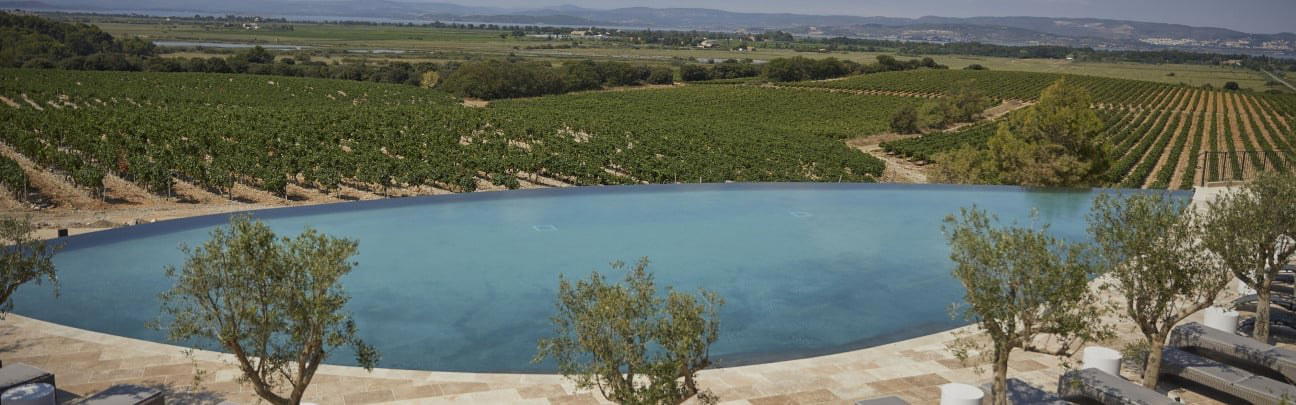
Goujon arrived in Fontjoncouse in 1992 and received his third star in 2010 after a long, methodical ascent that mirrors the pattern seen at other rural French addresses where the chef and the location become inseparable over time. The Corbières provides what the Aubrac provides for Bras or the Rhine valley provides for Au Crocodile in Strasbourg: a specific local ingredient vocabulary, a recognisable seasonal rhythm, and a culinary identity that cannot be relocated without fundamental change. At Vieux Puits, the Languedoc's wild herbs, seafood from the Gulf of Lion, and the region's own viticultural tradition form the raw material. The creative label in the cuisine classification signals that this material is interpreted rather than simply presented, but the interpretation remains tethered to the southern French setting rather than drifting toward a globalised luxury-restaurant aesthetic.
That combination, deep French classical foundation shaped by sustained training in the industry's serious houses, applied over three decades to a single hyperlocal terroir, explains the OAD classical ranking position as well as anything. The creativity is not ornamental; it operates within a disciplined frame. This is closer to the model of Cocina Hermanos Torres in Barcelona, creativity structured by regional identity, than to the more free-floating technical experimentalism of some contemporary tasting-menu formats.
Getting There and Planning the Visit
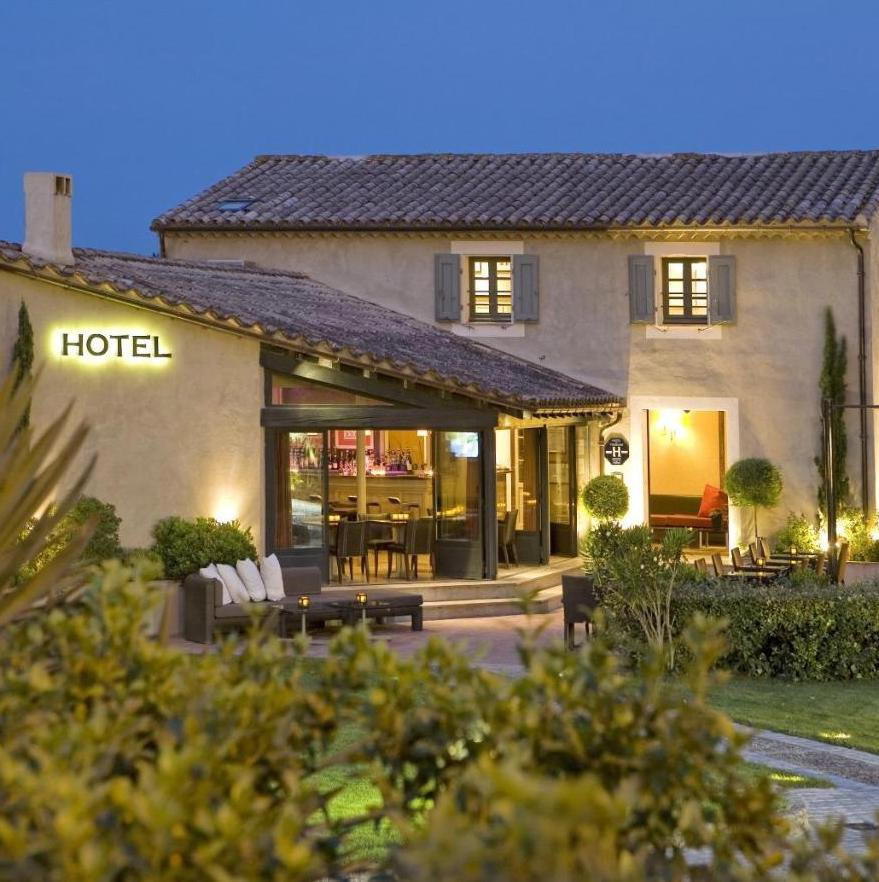
Fontjoncouse sits in the Aude département, roughly 25 kilometres southeast of Narbonne and around 70 kilometres from Carcassonne, both of which have TGV connections. The drive from Narbonne is the standard approach: approximately 30 minutes on roads that become progressively more rural. There is no practical public transport option to the village itself. Carcassonne Airport handles a limited number of European routes; Montpellier and Toulouse are larger hubs at roughly 90 and 150 kilometres respectively. The auberge operates hotel accommodation on-site, which is the most rational choice: a tasting menu at this level typically extends well into the evening, the surrounding roads require attention in the dark, and staying allows the meal to exist within the landscape rather than in competition with a return journey. For those spending more time in the Languedoc, accommodation options in Fontjoncouse are limited but the wider region offers considerably more. The broader Fontjoncouse restaurant context, local bar options, wineries in the area, and experiences around Fontjoncouse round out a multi-day itinerary anchored on this address.
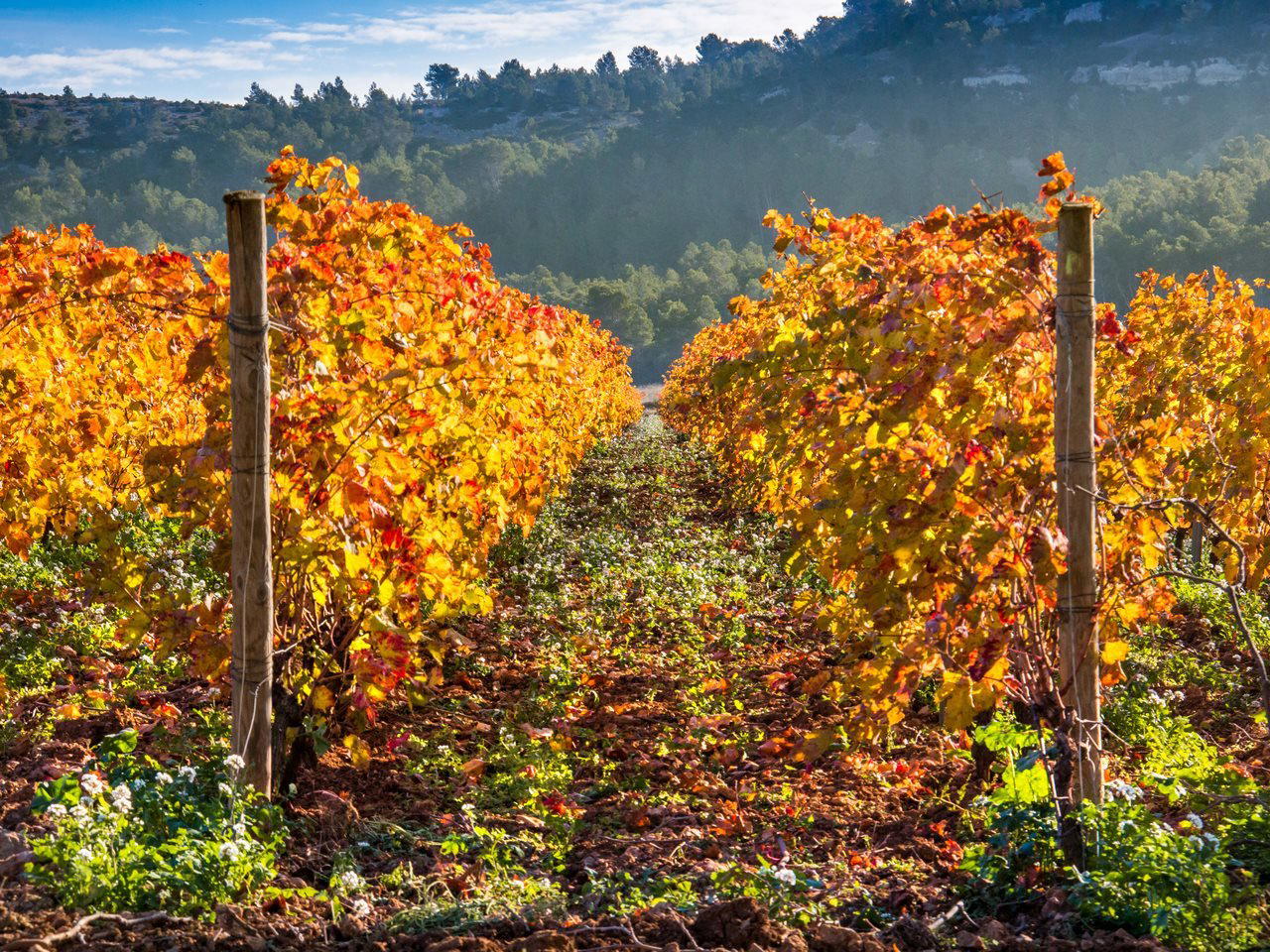
Reservations at a three-star table of this profile typically require planning several months in advance, particularly for weekend dates and peak summer season. The Languedoc summer is hot and long, and the Corbières in July and August operates under an intensity of light and heat that makes the region's cuisine feel entirely logical. Autumn, when the garrigue is dry and aromatic and the local grape harvest is underway, is an alternative window worth considering. Price range is at the €€€€ tier, consistent with the French three-star category generally.
Frequently asked questions
Is Auberge du Vieux Puits expensive?
Pricing at Auberge du Vieux Puits is listed as €€€€.
Where do I go for Auberge du Vieux Puits?
Auberge du Vieux Puits is located at 5 Av. Saint-Victor, 11360 Fontjoncouse, France, Fontjoncouse.
In Context: Similar Options
| Venue | Cuisine | Price | Awards | Notes |
|---|---|---|---|---|
| Auberge du Vieux PuitsThis venue (the venue you are viewing) | Three Michelin-Starred French Fine Dining | $200–300 | 3 Michelin Stars · La Liste Top Restaurants | Not listed |
| Alléno Paris au Pavillon Ledoyen | Modern French Fine Dining | $150–200 | 3 Michelin Stars · World's 50 Best #79 | Creative |
| Kei | Contemporary French, Modern Cuisine | Not listed | Michelin 3 Star | Not listed |
| L'Ambroisie | Classic French Haute Cuisine | $300–500 | 2 Michelin Stars · World's 50 Best #23 | French, Classic Cuisine |
| Le Cinq - Four Seasons Hôtel George V | Modern French Fine Dining | $300–500 | 3 Michelin Stars · World's 50 Best #24 | French, Modern Cuisine |
| Plénitude | Modern French Sauce-Led Fine Dining | $300–500 | 3 Michelin Stars · World's 50 Best #14 | Contemporary French |
Recognition history
Dated appearances from independent guides and award organizations, with the underlying list record or original source where available.
Michelin 3 Stars
Michelin
La Liste Top Restaurants
La Liste
Les Grandes Tables du Monde Member
Les Grandes Tables du Monde
Gault & Millau Exceptional Restaurant
Gault & Millau
Opinionated About Dining Classical in Europe Ranked #3
Opinionated About Dining
Full recognition history (9 entries)
La Liste Top Restaurants
La Liste
Michelin 3 Stars
Michelin
Michelin 3 Stars
Michelin
Opinionated About Dining Classical in Europe Ranked #2
Opinionated About Dining
Continue exploring
More in Fontjoncouse
More from Chef Gilles Goujon
Browse all →
Restaurants in Fontjoncouse
All restaurants in Fontjoncouse →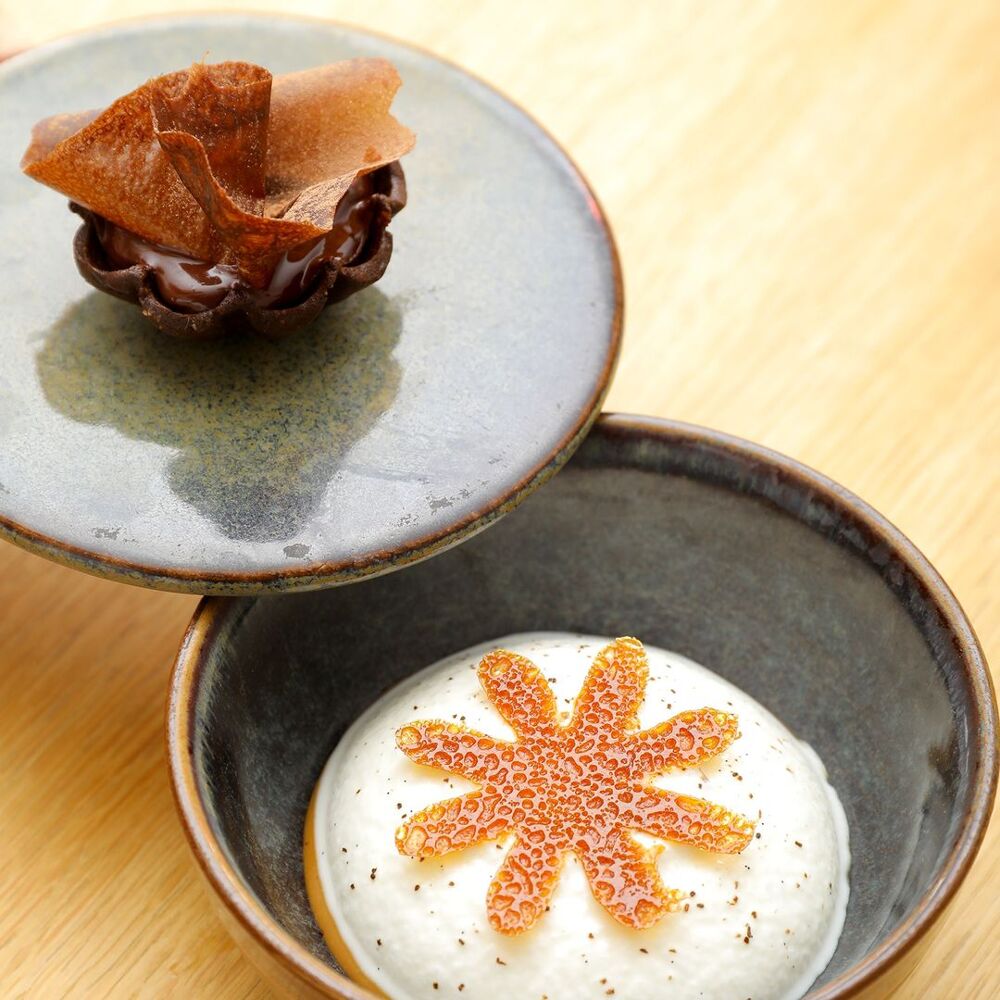
Hotels in Fontjoncouse
All hotels in Fontjoncouse →
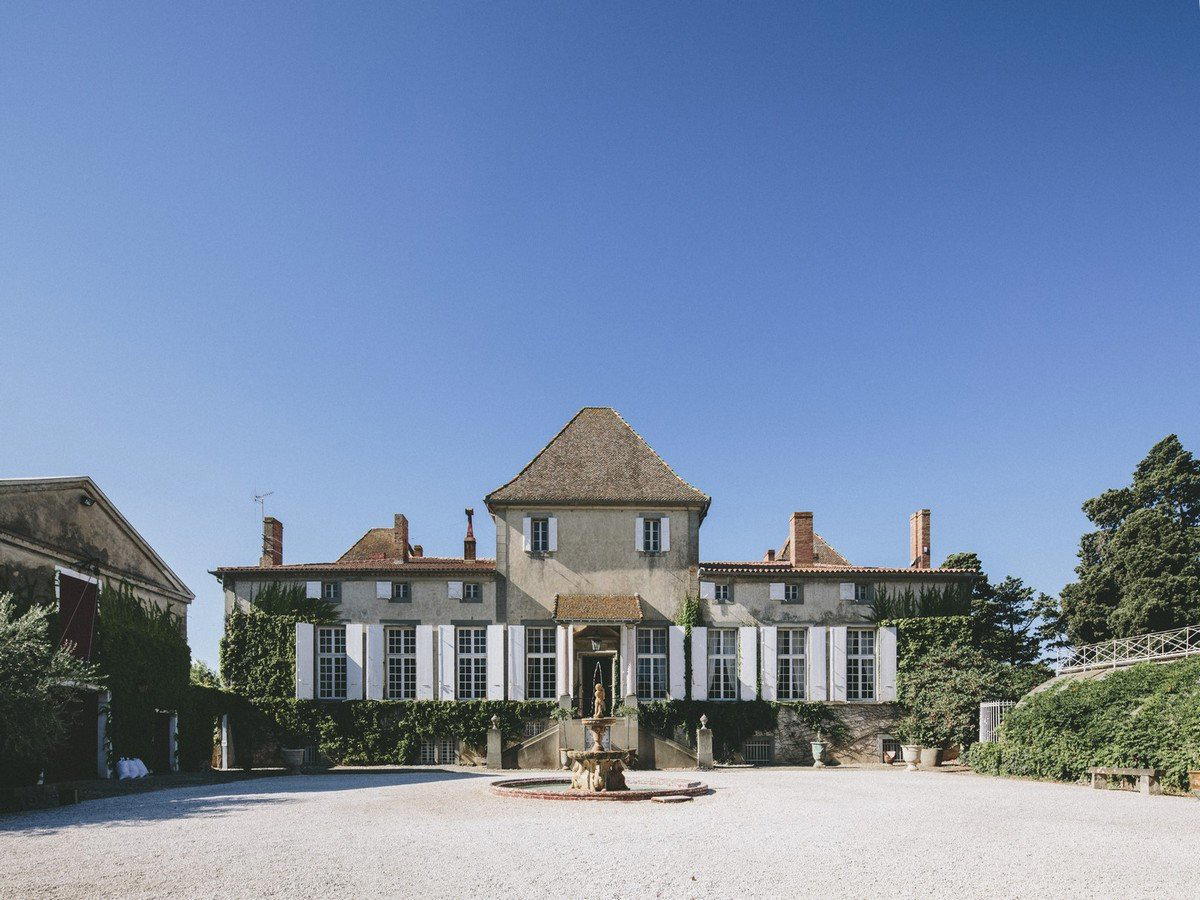
Auberge du Vieux Puits
The wine
- Wine program
- Deep wine list
- Extensive wine list
- Sommelier-led
Details
- Elegant
- Romantic
- Sophisticated
- Intimate
- Special Occasion
- Date Night
- Celebration
- Private Dining
- Extensive Wine List
- Sommelier Led
- Local Sourcing
- Tasting Menu
- Vegetarian Friendly
- Gluten Free Options
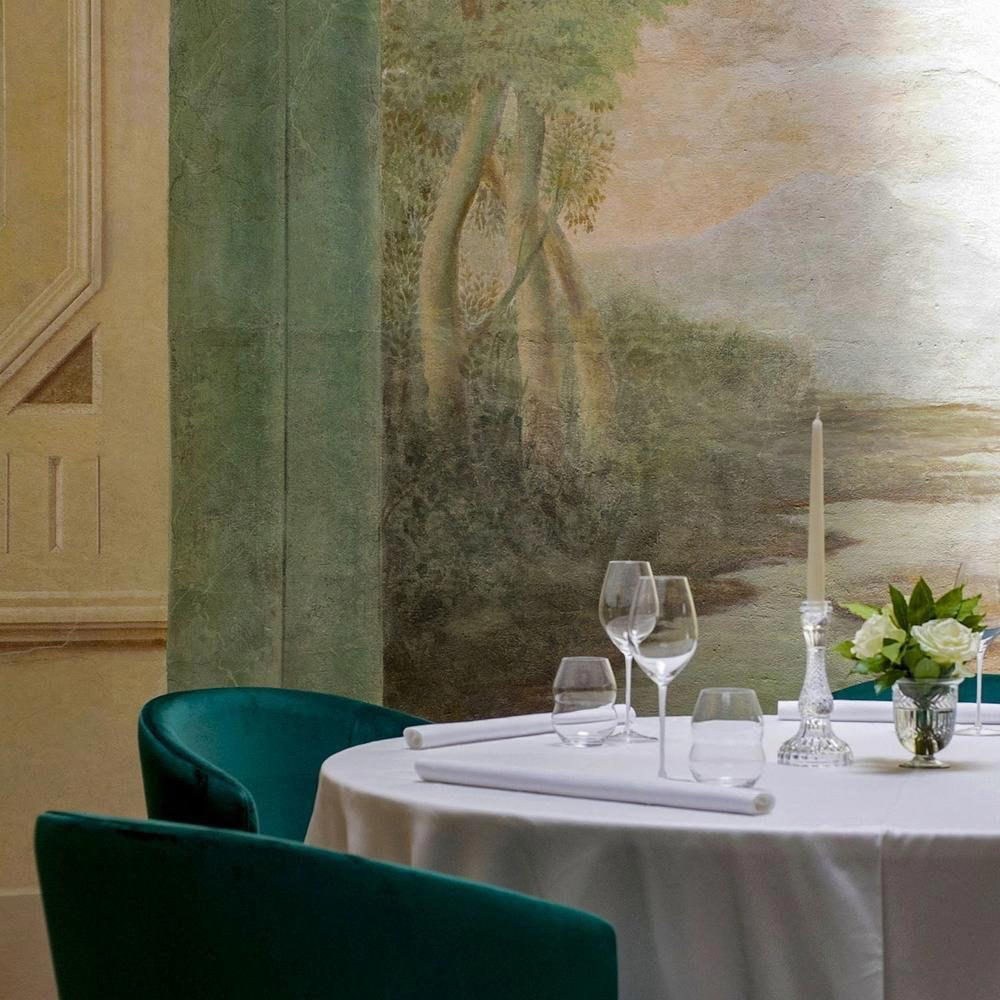
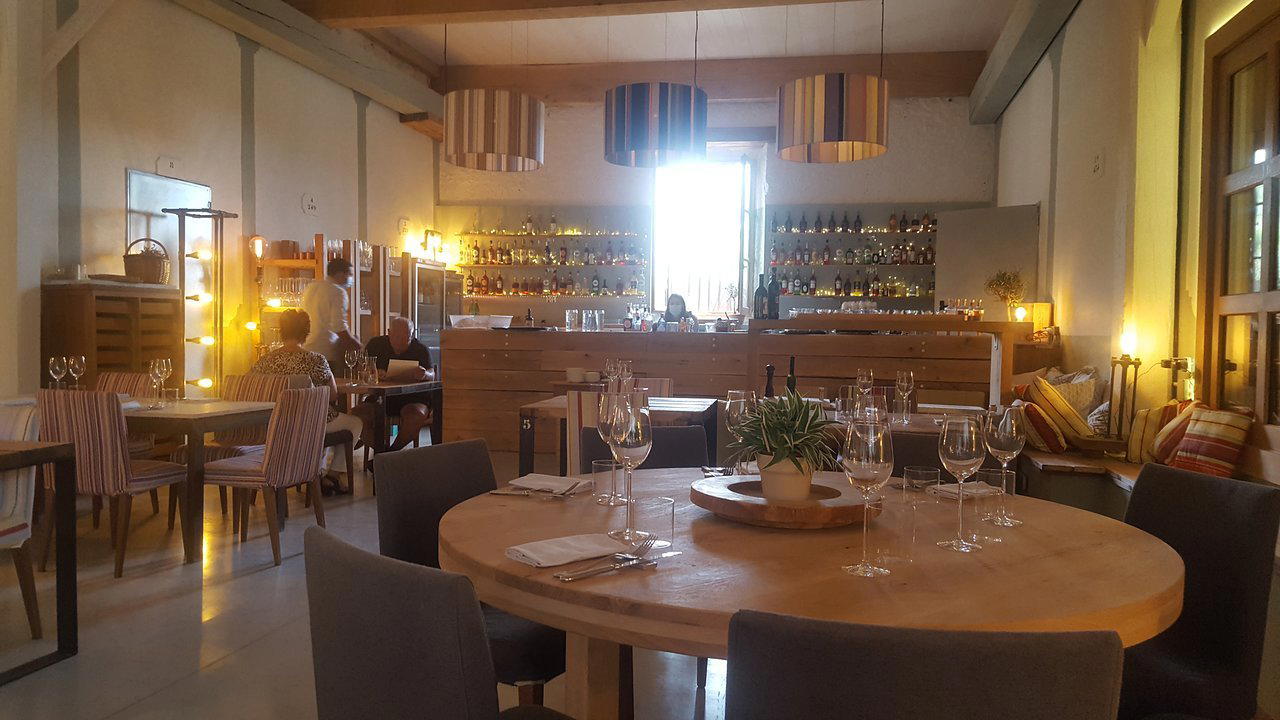
Elegant dining room blending modern and rustic elements with warm, attentive service infused with humor and conviviality.