
Auberge La Fenière in Cadenet transforms a former Provençal hayloft into France's pioneering Michelin-starred gluten-free restaurant and intimate boutique hotel, where three generations of the Sammut family have created the Luberon's most distinctive culinary destination through innovative "cuisine libre" and authentic country inn hospitality.
Pearl is the En Primeur Club membership app — saves, bookings, and concierge access live there. Same editors, same standards.
- Address
- 1680 Rte de Lourmarin, 84160 Cadenet
- Phone
- +33 4 90 68 11 79
- Website
- aubergelafeniere.com
 Saves & bookings on Pearl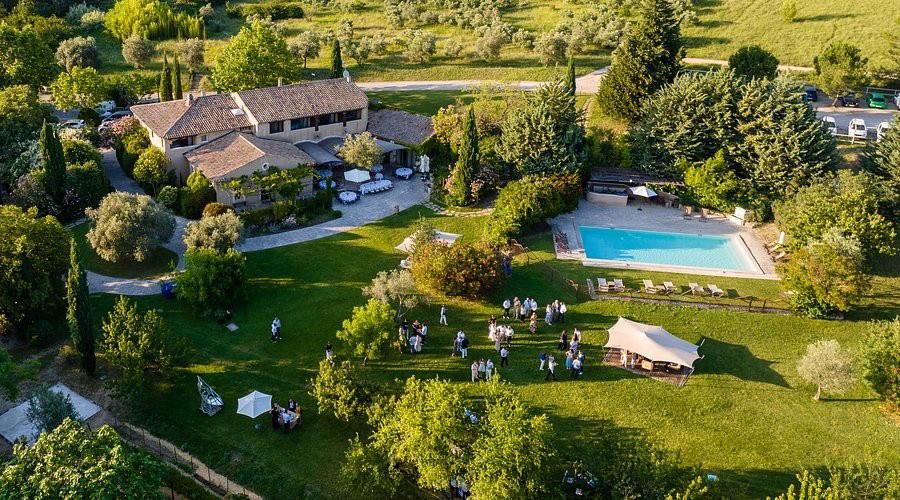
Where the Luberon Slows Down: Auberge La Fenière in Context
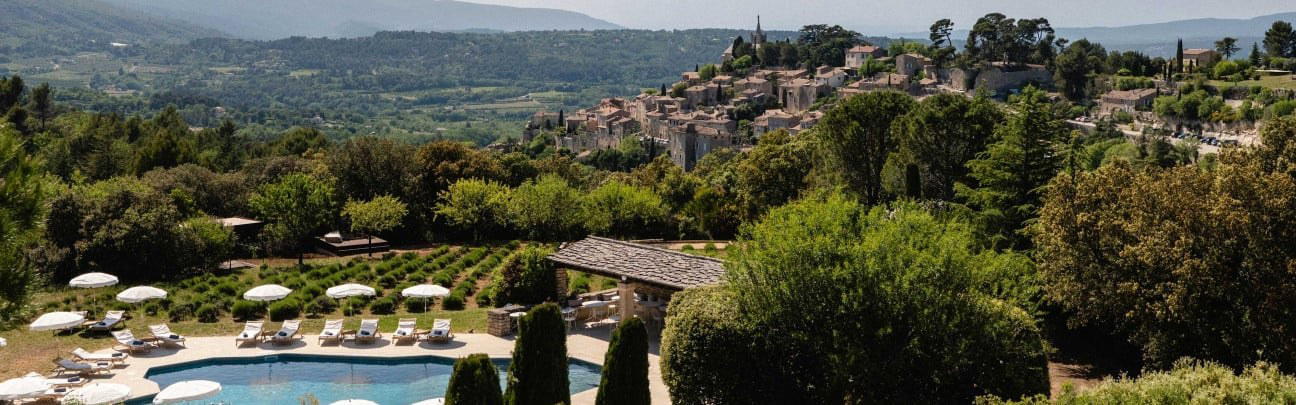
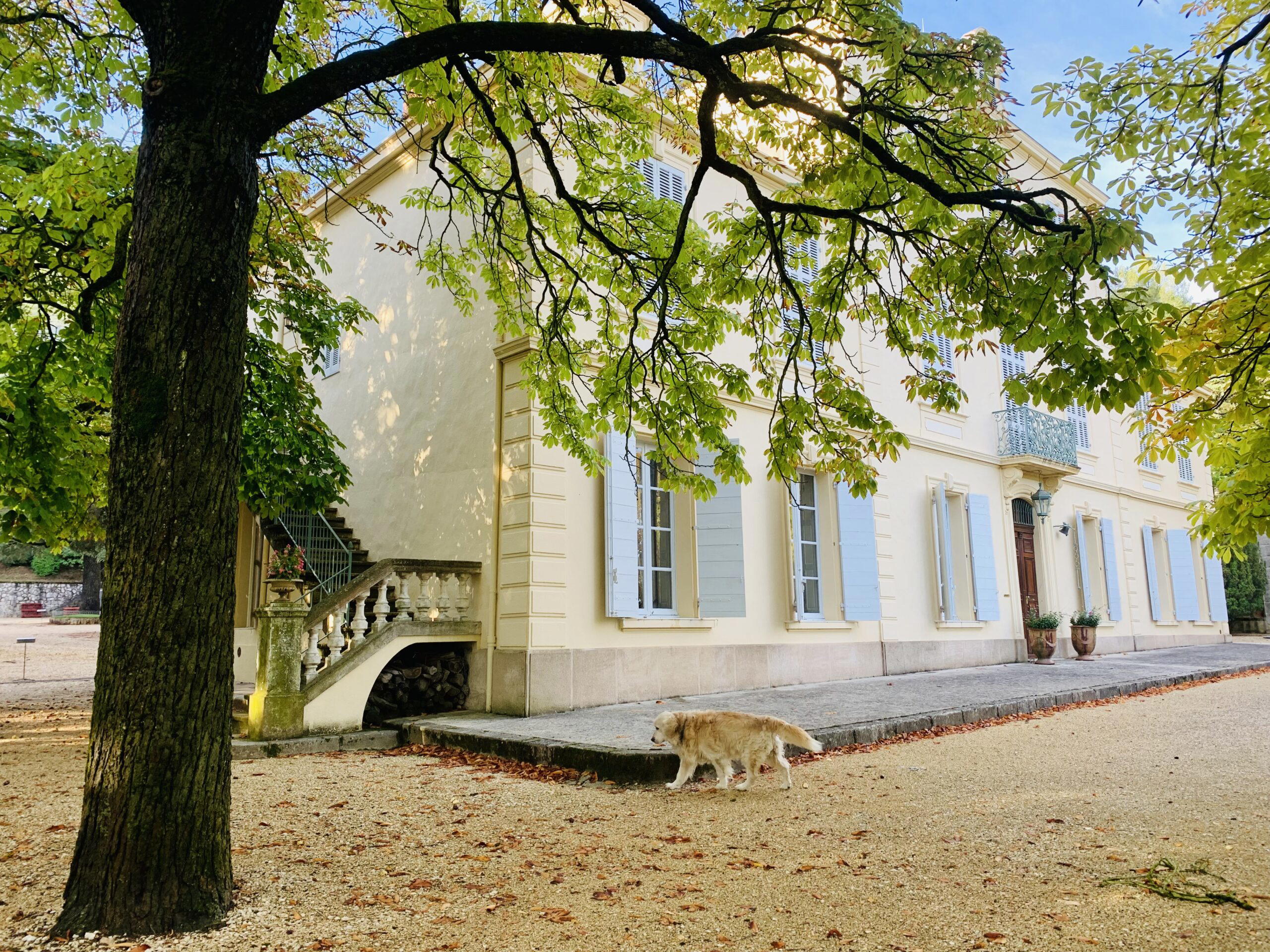
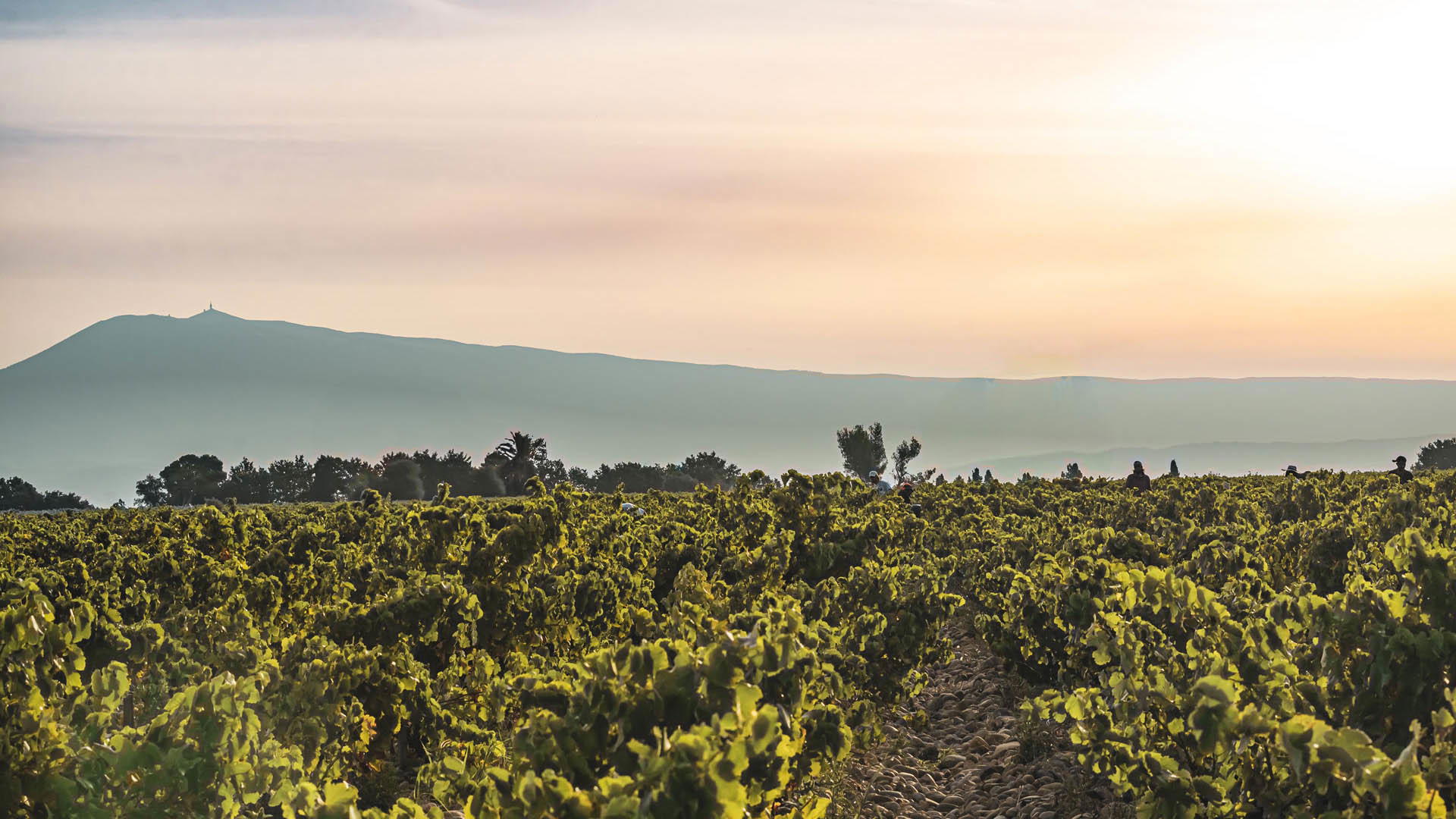
The road into Cadenet from Lourmarin passes through a range of terraced vineyards and dry-stone walls that have been defining the visual character of the Luberon for centuries. Among the small-scale auberges and working farmsteads that punctuate the route, Auberge La Fenière occupies a position that is quietly set apart: a 16-room property carrying a Michelin 1 Key (awarded 2024), at a nightly rate of $235. That combination places it in a narrow tier of French provincial hospitality where serious cooking and genuine lodging converge without the scale or ceremony of larger Provençal estates. For a point of comparison, properties such as La Bastide de Gordes or Baumanière Les Baux-de-Provence command significantly higher tariffs and far larger room counts. La Fenière operates at a different register: compact, focused, and grounded in a specific philosophy that runs from the kitchen through to the gardens.
The Physical Language of the Property
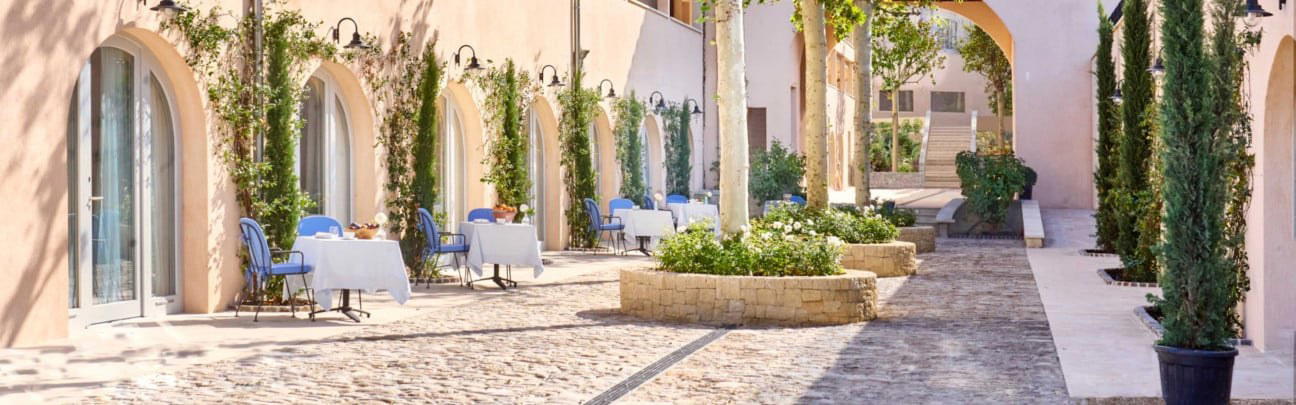
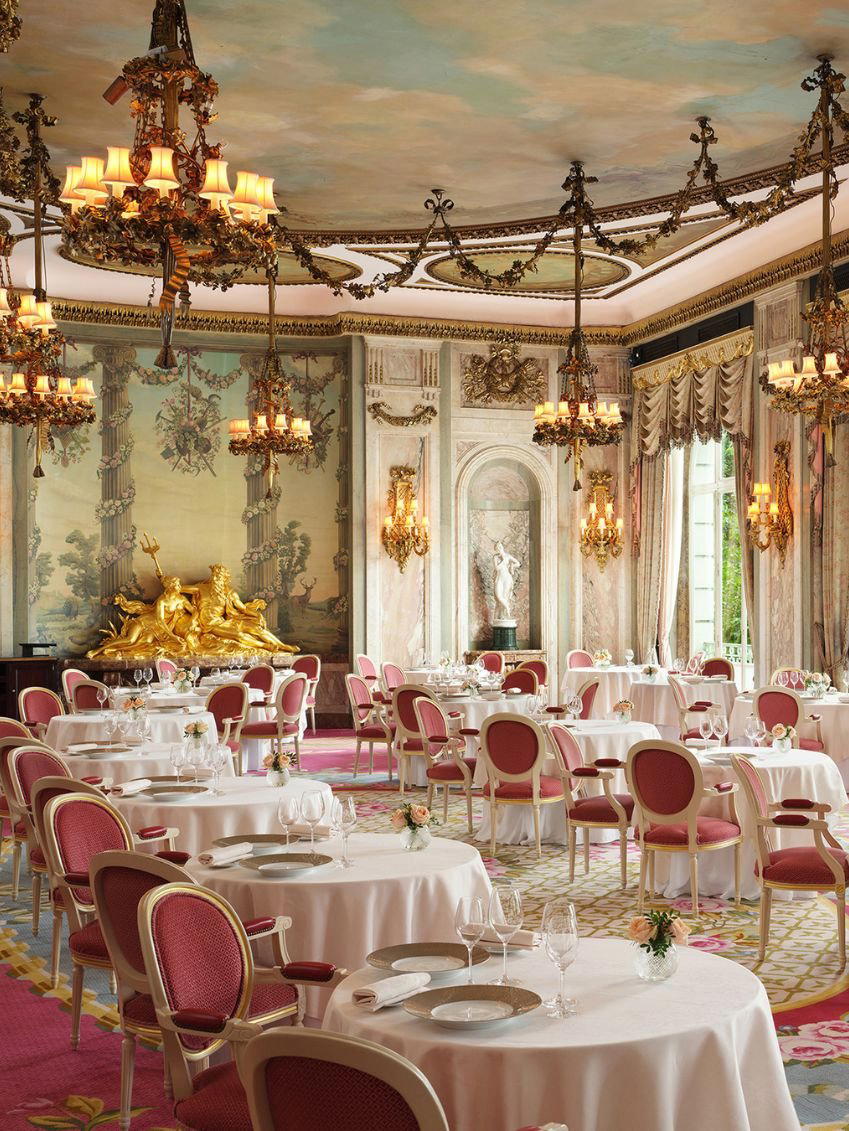
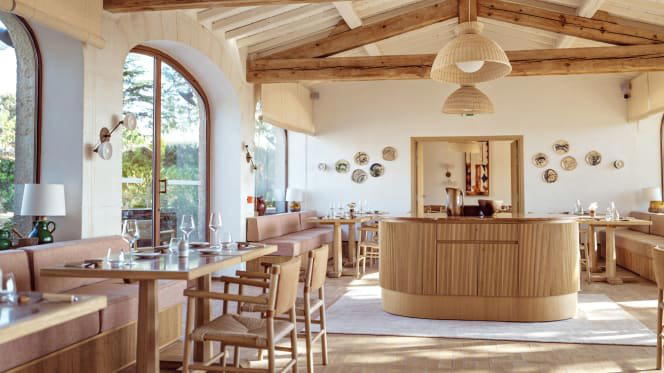
The design at La Fenière reads as minimalist-chic within a Provençal shell. The six original rooms (of a total 16 on the property) are decorated with restraint: clean lines, organic materials, and a palette that references the surrounding olive groves rather than competing with them. Most rooms face outward toward the gardens and swimming pool, so that the immediate view from almost every window is greenery and the particular quality of Luberon light in the late afternoon. This is not incidental. The orientation of the space is deliberate, turning the physical environment of the Luberon into a continuous visual backdrop rather than a postcard framed behind glass.
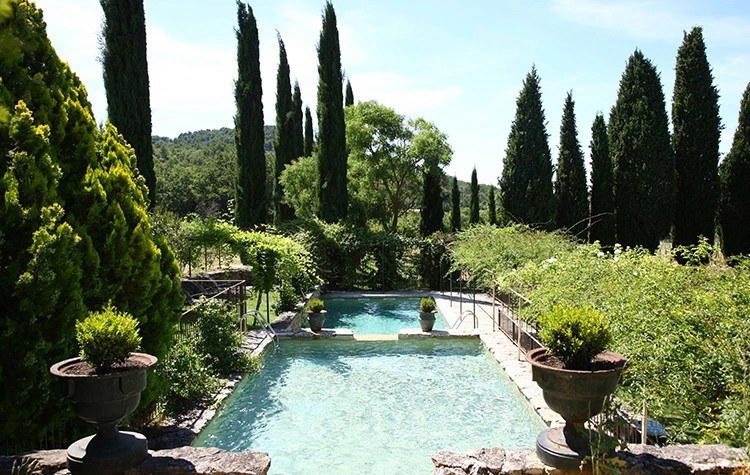
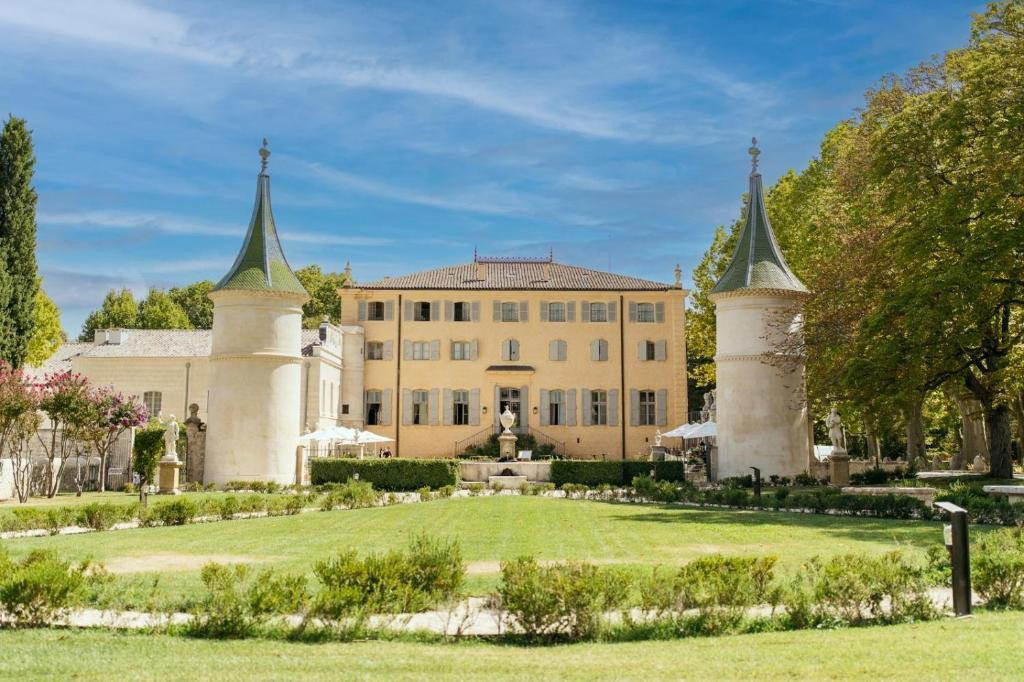
In the French tradition of the auberge, the boundary between indoors and outdoors is managed loosely, and La Fenière maintains that quality without rendering it self-conscious. The gardens are not simply decorative; they function as part of the property's wider commitment to environmental stewardship and organic production. The architecture does not announce itself. It defers to the site, which, in the Luberon, is generally the right instinct. Neighbouring properties across the region, from Villa La Coste to Château de la Gaude, have pursued different design vocabularies while navigating the same essential tension between architectural ambition and Provençal vernacular. La Fenière resolves it by stepping back rather than asserting forward.
Le Goût du Bonheur: The Restaurant as Argument
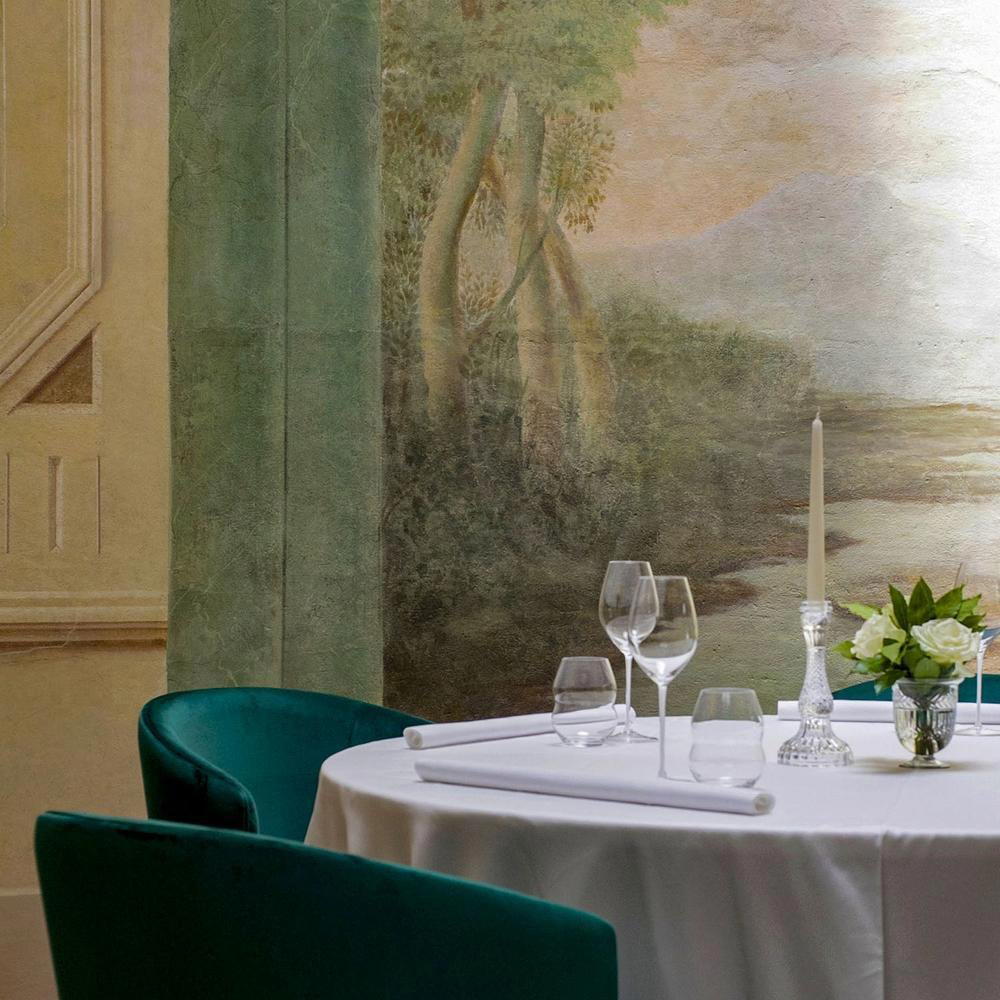
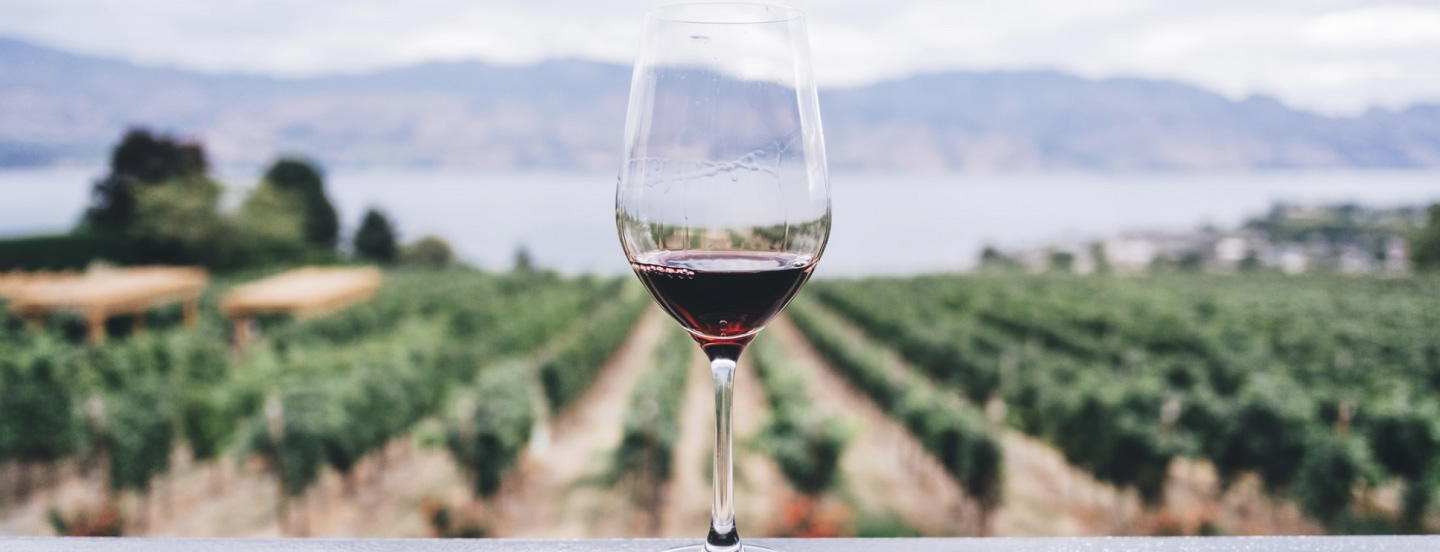
The restaurant, Le Goût du Bonheur, functions as the intellectual centre of the property. Its kitchen operates entirely without gluten or dairy, a constraint that in lesser hands produces menus that feel apologetic or compensatory. Here, the approach is described as producing flavours that are vegetal and marine, accompanied by natural and biodynamic wines selected to complement rather than to ornament. This matters as an editorial point because gluten-free fine dining is a category that has historically struggled to escape the aesthetic of the medical diet, and kitchens that manage to sidestep that framing without theatrics are genuinely rare.
Nadia Sammut oversees a kitchen that has maintained its Michelin recognition across two generations of family stewardship. In the context of French provincial restaurant culture, where single-generation success is already difficult to sustain, this continuity is a meaningful credential. The Michelin 1 Key designation, awarded in 2024, extends the recognition beyond the restaurant to the property as a whole, reflecting the degree to which the hospitality program is considered coherent rather than ancillary to the cooking.
A Place of Life: The Operational Philosophy in Architectural Terms
La Fenière frames itself explicitly as a Place of Life, a designation that encompasses health, environmental stewardship, and education alongside cooking and lodging. This is not uncommon rhetoric in contemporary hospitality, but the physical expression of it at La Fenière is more legible than at most properties that deploy similar language. The gardens serve a functional purpose. The organic materials in the rooms reflect procurement choices rather than styling decisions. The biodynamic wine selection in the restaurant connects to a broader agricultural position rather than a simple preference for natural labels.
Properties that achieve this kind of coherence between stated values and physical form are a small subset of the French hospitality market. At the more capital-intensive end, estates such as Les Sources de Caudalie or Château Lafaurie-Peyraguey achieve similar alignment between wine, food, and environment, but at price points and scales that produce a different kind of experience. La Fenière does it at 16 rooms and roughly $146 a night, which repositions the question of what premium hospitality requires in material terms. For travellers moving across France and comparing notes with properties in other regions, the same design-led, low-key-count model appears at places like Castelbrac in Dinard or Château de Montcaud in Sabran, each finding a different regional inflection of the same proposition.
Practical Planning
Cadenet sits in the Luberon valley, roughly equidistant between Aix-en-Provence and Apt, making it accessible from Marseille-Provence Airport without significant difficulty. At 16 rooms, capacity is genuinely limited, and the combination of lodging and dining means the property fills on both sides simultaneously. The $146 room rate places La Fenière at the accessible end of the Provençal hotel spectrum relative to comparators like La Réserve Ramatuelle or Hotel Du Cap-Eden-Roc, but the small room count means availability should be confirmed well in advance, particularly during the Luberon high season from late May through September. The restaurant operates independently of the hotel for reservations, so guests staying on property should confirm table bookings separately.
Where La Fenière Sits in the Wider French Hotel Scene
France's premium hospitality tier has bifurcated clearly in recent years between large-brand properties with comprehensive amenity stacks and design-led independents with small key counts and strong culinary identities. La Fenière belongs firmly to the latter group. It does not offer the breadth of amenity that a property like Cheval Blanc Paris or Four Seasons Megève provides, nor does it price against that tier. Its competitive set is closer to the smaller, chef-driven maison hotels of provincial France, where the kitchen is the primary draw and the rooms exist in genuine service of that proposition rather than as an afterthought. The Michelin 1 Key award in 2024 is a signal that the hospitality side of the operation has reached the standard where it merits recognition independently. That is a meaningful distinction in a category where restaurant and hotel quality often diverge sharply on the same property. For international comparisons in the low-key-count, design-led segment, properties like Aman Venice or Casadelmar in Porto-Vecchio occupy adjacent territory in terms of philosophy, though at considerably higher price points and with different culinary contexts.
Fast Comparison
Comparable venues nearby, for context on price, style, and recognition.
| Venue | Cuisine | Price | Awards | Notes |
|---|---|---|---|---|
| Auberge La Fenière | rustic Provençal farmhouse with contemporary suites | $$$$ | Michelin 1 Key | Luberon |
| Le Mas les Eydins | Intimate 18th-century Provençal mas with panoramic countryside views and luxurious, personalized hospitality. | $$$$ | Michelin 1 Key | Bonnieux |
| Sainte-Victoire | Modern luxury boutique facing Mont Sainte-Victoire | $$$$ | Michelin 1 Key | Vauvenargues |
| Les Lodges Sainte-Victoire | Elegant 18th-century Provençal estate with modern luxury. | $$$$ | Michelin 1 Key | Le Tholonet |
| Le Vieux Castillon | Authentic medieval village hotel blending Renaissance architecture with contemporary luxury, preserving historical character while offering modern comfort. | $$$$ | Michelin 1 Key | Castillon-du-Gard |
| Le Phébus | Converted Provençal stone farm buildings with modern comforts | $$$$ | Michelin 1 Key | Joucas |
Continue exploring
More in Cadenet
Hotels in Cadenet
Browse all →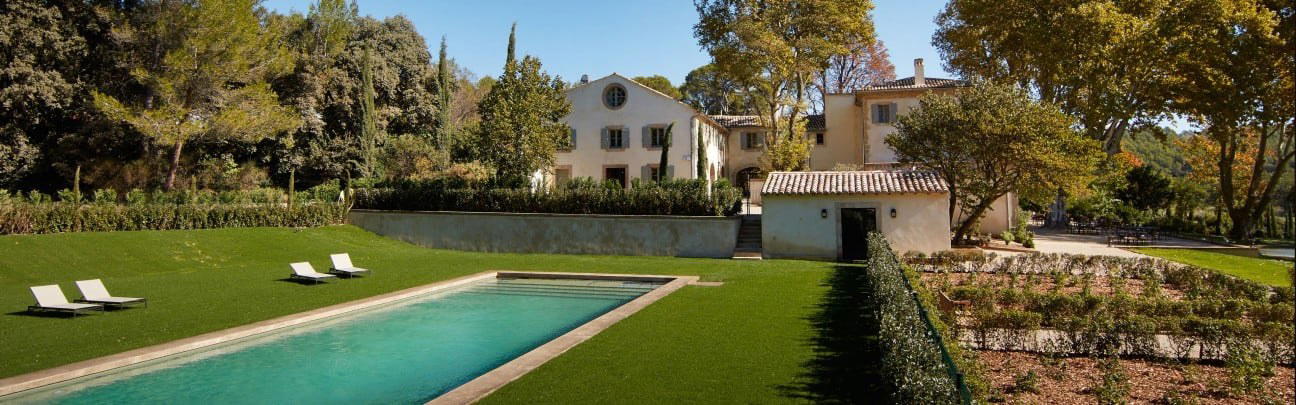
Bars in Cadenet
Browse all →
Restaurants in Cadenet
Browse all →
At a Glance
- Rustic
- Romantic
- Scenic
- Cozy
- Elegant
- Romantic Getaway
- Wellness Retreat
- Weekend Escape
- Garden
- Historic Building
- Wifi
- Pool
- Spa
- Restaurant
- Garden
- Concierge
- Massage
- Garden
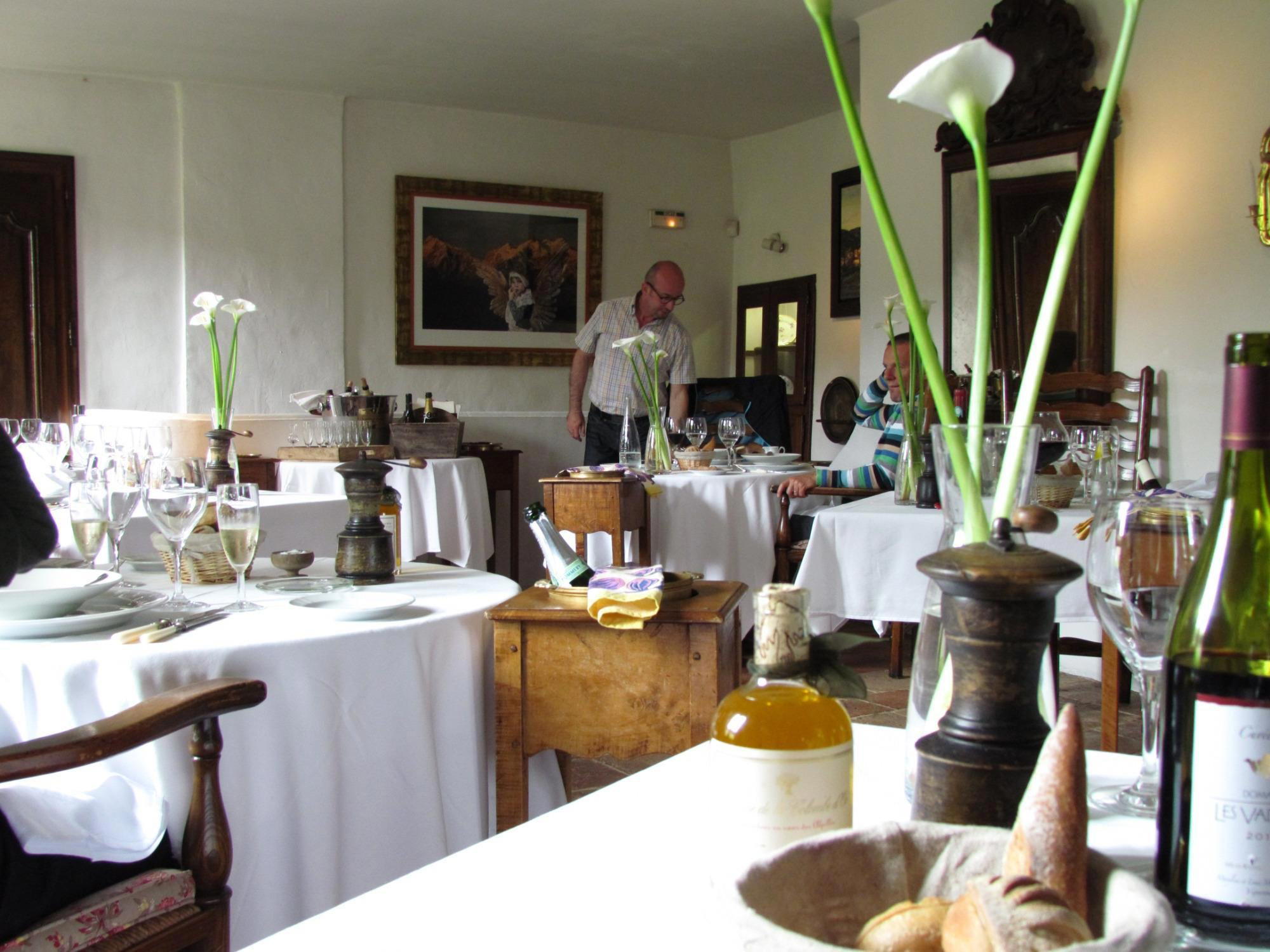
Rustic Provençal charm with lush gardens, relaxed outdoor poolside lounging, and a warm, nature-inspired atmosphere.