Falstaff Wine Bar - Listed
Our verdict
On Boulevard Baille in Marseille's 5th arrondissement, La Cave de Baille operates within a city that takes its food seriously and its wine even more so. The address places it away from the tourist-facing port and inside a residential quarter where locals set the room's temperature. For visitors tracking Marseille's neighbourhood dining scene rather than its Michelin circuit, this is a useful coordinate.

Pearl is the En Primeur Club membership app, where members save venues, book tables and use the concierge.
The menu
What to order
- Burger du vendangeur
- Parmentier de haddock
The Neighbourhood Before the Venue
Boulevard Baille runs through the 5th arrondissement, a district that functions as one of Marseille's more grounded residential quarters. The port is a taxi ride away. The tourist density that defines much of the Vieux-Port and Panier neighbourhoods drops sharply here, replaced by pharmacies, bakeries, and the kind of corner businesses that survive on repeat custom rather than passing trade. Dining rooms along this stretch tend to reflect that social contract: they are built for regulars, not occasions.
This matters for understanding what kind of experience La Cave de Baille represents. Marseille's dining identity has always split between the theatrical and the deeply local. At one end sit the Michelin-starred addresses AM par Alexandre Mazzia, Le Petit Nice, and Une Table, au Sud, properties that function as destination dining for France's broader culinary geography. At the other end sit the neighbourhood addresses that sustain daily life in a city of nearly 900,000 people. La Cave de Baille occupies the Boulevard Baille address that places it firmly within that second register.
Marseille's Cave Culture and the Role of the Wine Bar
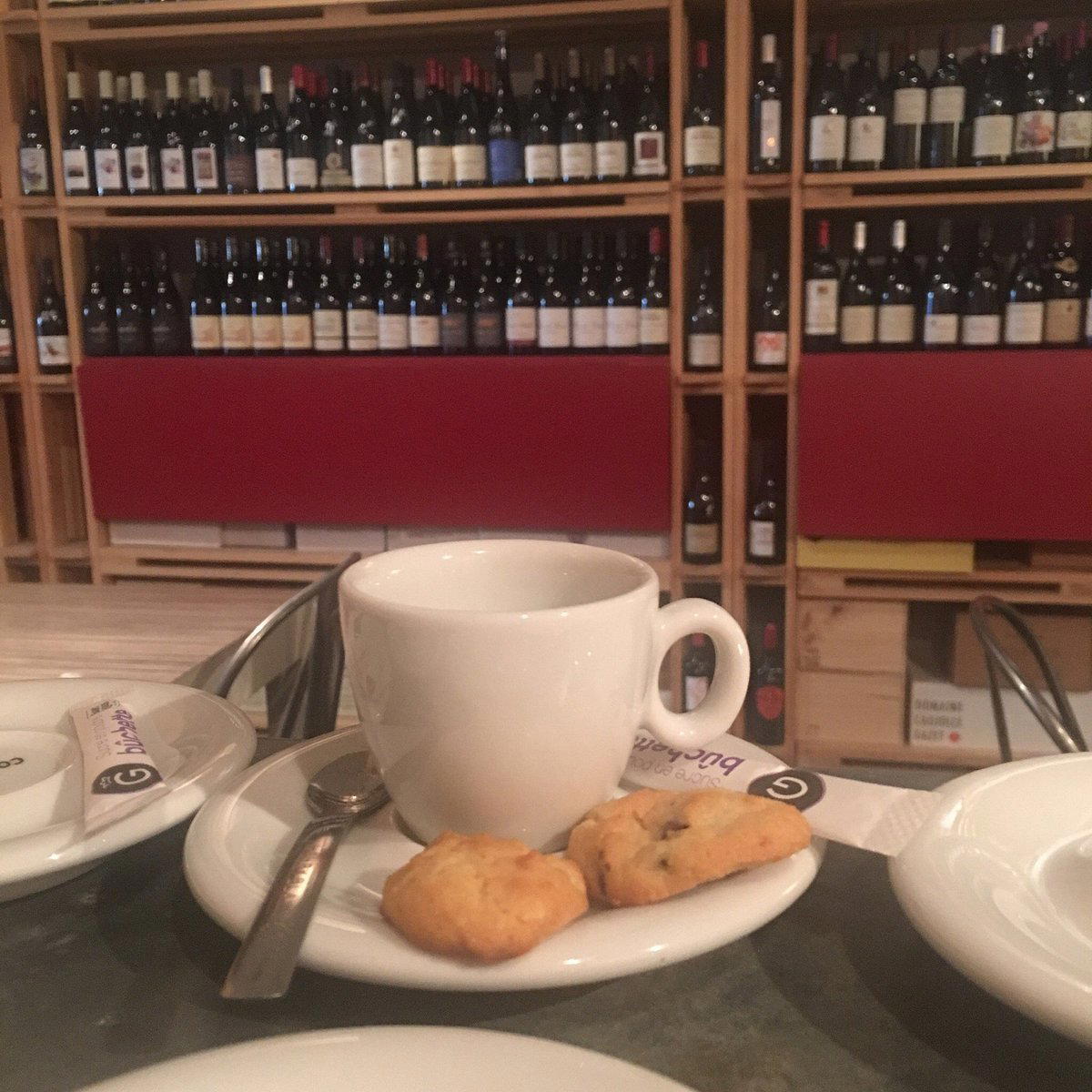
The cave à manger format, a wine-forward space where food and bottle share equal billing, has deep roots in French provincial culture, and in Marseille it carries particular resonance. The city's position at the edge of three major wine regions (the Rhône Valley, Languedoc-Roussillon, and Provence itself) means that wine literacy here is less aspirational and more habitual. Locals in Marseille do not treat wine as an occasion luxury the way some northern French cities do; it arrives at the table as a default accompaniment, with house pours at bistros and caves often sourced from within a few hours' drive.
The cave format also carries a specific set of social expectations. The room tends to be informal, the selection typically weighted toward discovery rather than prestige labels, and the interaction between front-of-house and guest usually more collaborative than transactional. Where a formal restaurant might present a wine list as a document to be approved, a cave à manger more often presents it as a conversation to be started. That dynamic defines a different kind of evening than the tasting-menu formats at 1860 Le Palais or the Mediterranean-forward plates at Alivetu.
France's broader wine-bar revival, visible in Paris, Lyon, and now in secondary cities, has given the format a contemporary vocabulary without entirely replacing its older neighbourhood function. The tension between those two registers, the discovered and the habitual, is where many of the country's more interesting cave addresses operate today. See our full Marseille restaurants guide for a broader map of where these formats cluster across the city.
Where La Cave de Baille Fits in the Marseille Dining Map
Marseille's culinary identity is often discussed through its bouillabaisse tradition or through the handful of high-profile kitchens that have brought the city international visibility. But the daily dining reality of most Marseillais involves neither. It involves neighbourhood addresses, shared carafes, and plates calibrated for repeatable pleasure rather than singular impact. La Cave de Baille's address on Boulevard Baille positions it within that majority experience rather than the showcase minority.
For visitors already familiar with Marseille's upper tier, the three-star precision of Alexandre Mazzia's room, or the cliffside seafood at Le Petit Nice, a stop at a neighbourhood cave offers the counterweight that makes any serious food city legible. The contrast is useful, not as a compromise but as context. France's most formally recognised restaurants, whether Mirazur in Menton, Troisgros in Ouches, or Paul Bocuse in Collonges-au-Mont-d'Or, exist within a culinary culture that is sustained at its base by exactly the kind of neighbourhood dining that Boulevard Baille represents. The starred rooms at Auberge de l'Ill, Bras in Laguiole, or Assiette Champenoise in Reims are the visible peaks of a much wider French dining culture, one whose depth is felt in addresses like these.
Planning a Visit
La Cave de Baille sits at 133 Boulevard Baille in the 5th arrondissement. The address is accessible from the city centre by public transport or a short taxi from the Vieux-Port area. As with most neighbourhood cave addresses in France, it is worth arriving without the fixed expectations you might carry to a tasting-menu restaurant. Booking ahead is advisable for weekend evenings, when local demand at well-regarded neighbourhood addresses in Marseille tends to fill rooms quickly. Prices, hours, and current format details are best confirmed directly, as these details shift at independent addresses without advance notice.
Those building a broader Marseille itinerary around serious eating can use La Cave de Baille as one coordinate in a longer route that moves between the neighbourhood and the destination: from the local wine-bar format here, to the contemporary French plates at Une Table, au Sud, or further afield to France's reference addresses like Alléno Paris au Pavillon Ledoyen, Flocons de Sel in Megève, Auberge du Vieux Puits in Fontjoncouse, or Au Crocodile in Strasbourg. For a transatlantic reference, the wine-forward editorial precision at Le Bernardin in New York or the tasting discipline at Atomix represent how different cities construct their own versions of the serious dining experience.
Frequently asked questions
Is La Cave de Baille okay with children?
La Cave de Baille sits on Boulevard Baille in the 5th arrondissement, a residential quarter where neighbourhood restaurants tend to run at a relaxed pace. The cave à manger format is wine-forward rather than family-oriented, but the 5th's community character makes it less formal than a destination dining room. Confirming suitability directly with the venue before visiting with young children is advisable.
What's the vibe at La Cave de Baille?
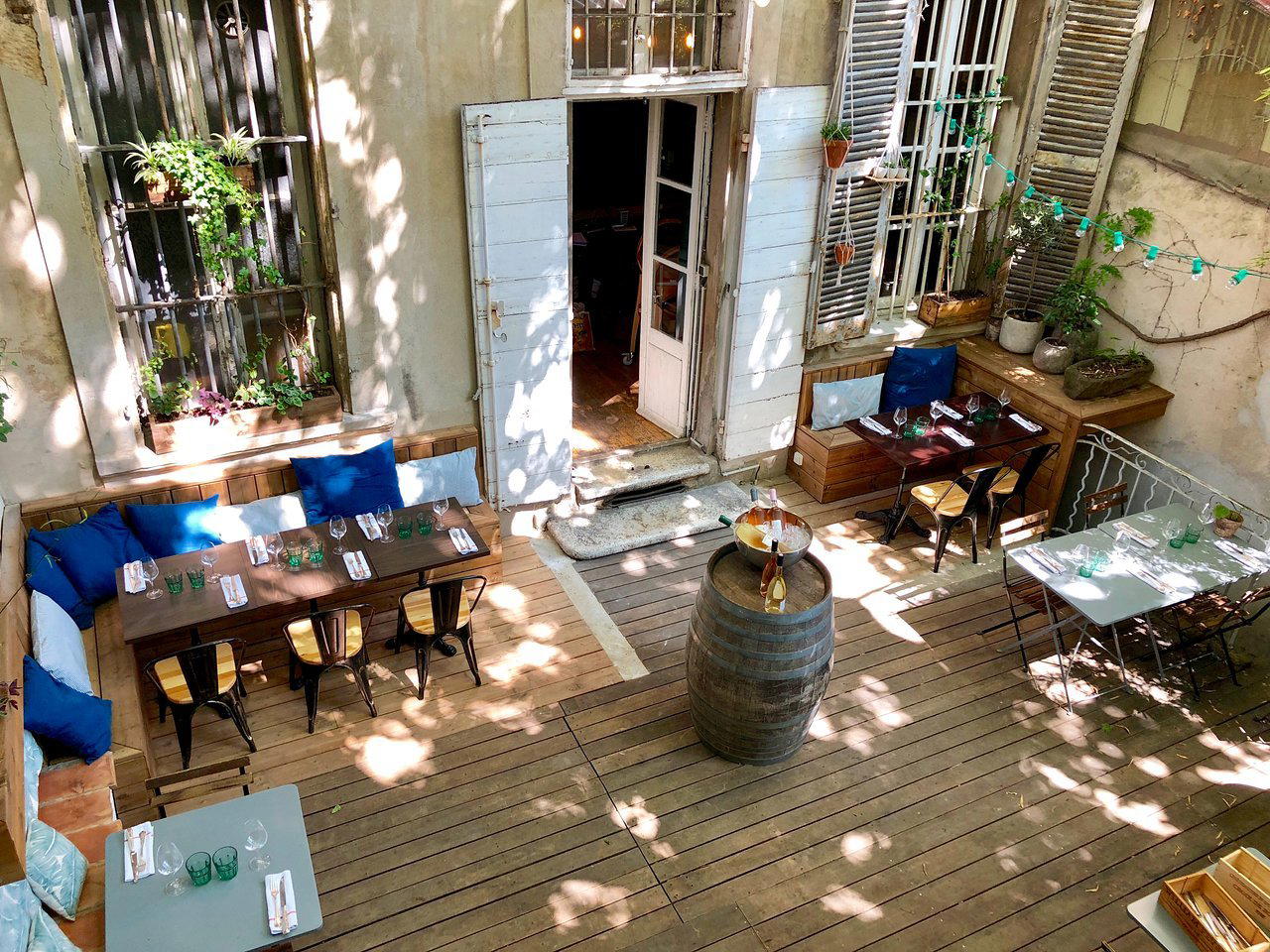
The cave à manger format puts wine and food on equal footing, producing a convivial, unhurried atmosphere closer to a well-stocked Parisian cave than a conventional restaurant. Boulevard Baille's residential character reinforces that register, this is a neighbourhood address in Marseille's 5th arrondissement, not a port-side tourist circuit. Expect local regulars alongside visitors who have done their homework.
Is La Cave de Baille a good option for wine exploration in Marseille's southern neighbourhoods?
The cave à manger format that La Cave de Baille operates within is one of France's most wine-focused dining structures, placing bottle selection at the centre of the meal rather than treating it as an afterthought. Its position on Boulevard Baille in Marseille's 5th arrondissement puts it away from the port's tourist pull, meaning the clientele skews toward locals who take the wine list seriously. For visitors building an itinerary around Provençal and southern French producers, it represents a geographically and conceptually logical stop.
What do people recommend at La Cave de Baille?
What the cave à manger format consistently centres on is the bottle selection paired with seasonal plates, and venues at 133 Boulevard Baille in this neighbourhood tend to reflect Marseille's proximity to Provence, the Rhône, and Languedoc wine country. Visiting with an open brief and asking the team for pairings is the standard approach.
What's La Cave de Baille's location?
La Cave de Baille is located at 133 Bd Baille, 13005 Marseille, France, Marseille.
How hard is it to get a table at La Cave de Baille?
Neighbourhood cave à manger spots in Marseille's 5th arrondissement often fill quickly on weekday evenings when local regulars claim their usual tables. Arriving early or making contact through the venue directly at 133 Boulevard Baille is the practical course.
At-a-Glance Comparison
Comparable venues nearby, for context on price, style, and recognition.
| Venue | Cuisine | Price | Awards | Notes |
|---|---|---|---|---|
| La Cave de BailleThis venue (the venue you are viewing) | French Bistro | $20–30 | Falstaff Wine Bar - Listed | Not listed |
| BASKAWAÏ | Basque Cuisine | $20–30 | Not listed | Notre Dame Du Mont |
| Bistrot Mimi | Provençal & Mediterranean Bistro | $20–30 | Not listed | Hotel De Ville |
| Le Relais Corse | Authentic Corsican | $30–50 | Not listed | Lodi |
| Emile 1933 | Classic French Brasserie | $20–30 | Not listed | Le Rouet |
| Chicoulon | French Bistronomic | $30–50 | Falstaff Wine Bar - Listed | Opera |
Recognition history
Dated appearances from independent guides and award organizations, with the underlying list record or original source where available.
Falstaff Wine Bar - Listed
Falstaff