Villa La Coste





Awarded Michelin 3 Keys (2024), La Liste Top Hotels 97pts (2026), and Gault & Millau 5pts (2025), Villa La Coste sits within the 600-acre biodynamic Château La Coste estate between Aix-en-Provence and the Luberon. Its 28 Villa Suites combine Provençal materials with modernist architecture, while a dining programme anchored by Francis Mallmann's first European restaurant and a winery designed by Jean Nouvel sets it in a category of its own in the south of France. Rates from $1,162 per night.
Pearl is the En Primeur Club membership app — saves, bookings, and concierge access live there. Same editors, same standards.
- Address
- 2750 Route de la Cride, 13610 Le Puy-Sainte-Réparade
- Phone
- +33 4 42 50 50 00
- Website
- villalacoste.com
- Directions
- Get directions
 Saves & bookings on Pearl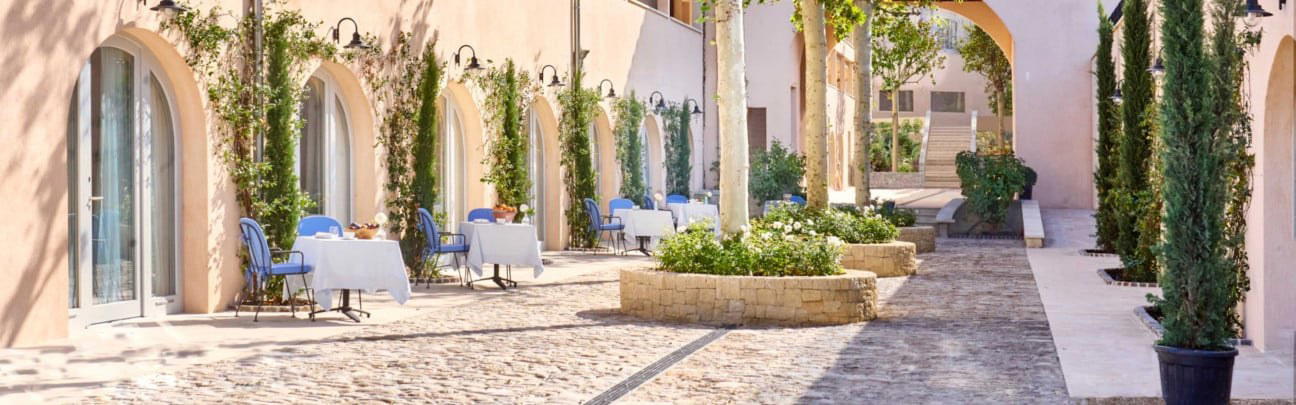
Where a Biodynamic Estate Becomes a Hotel
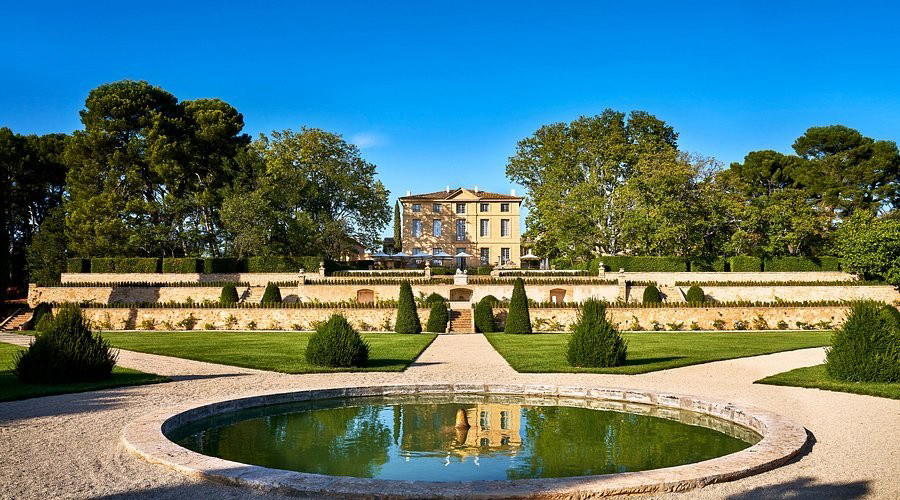
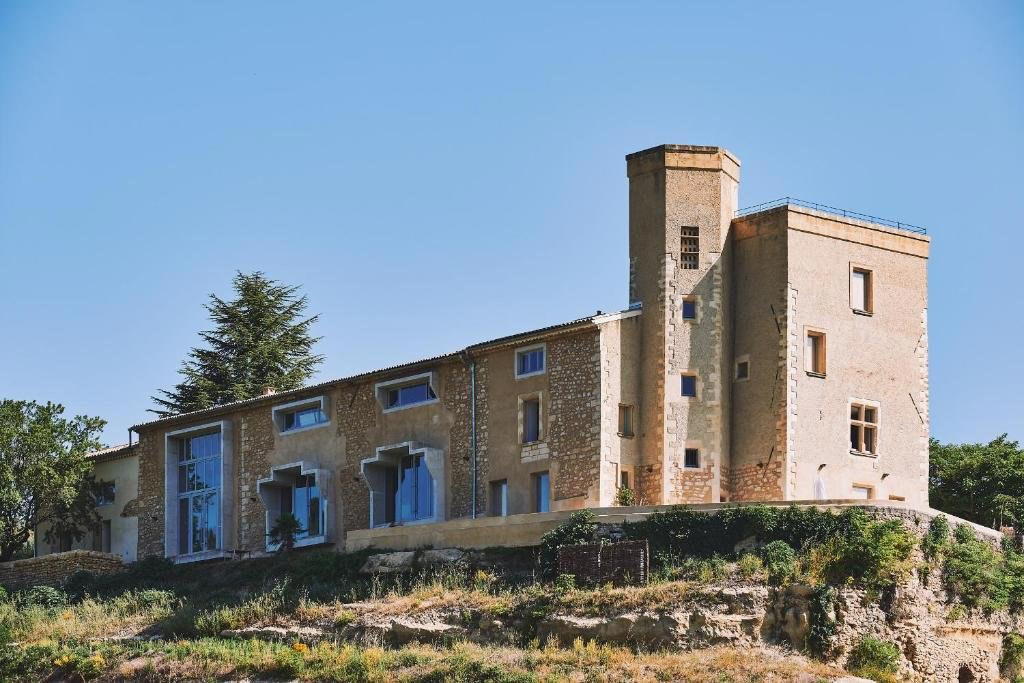
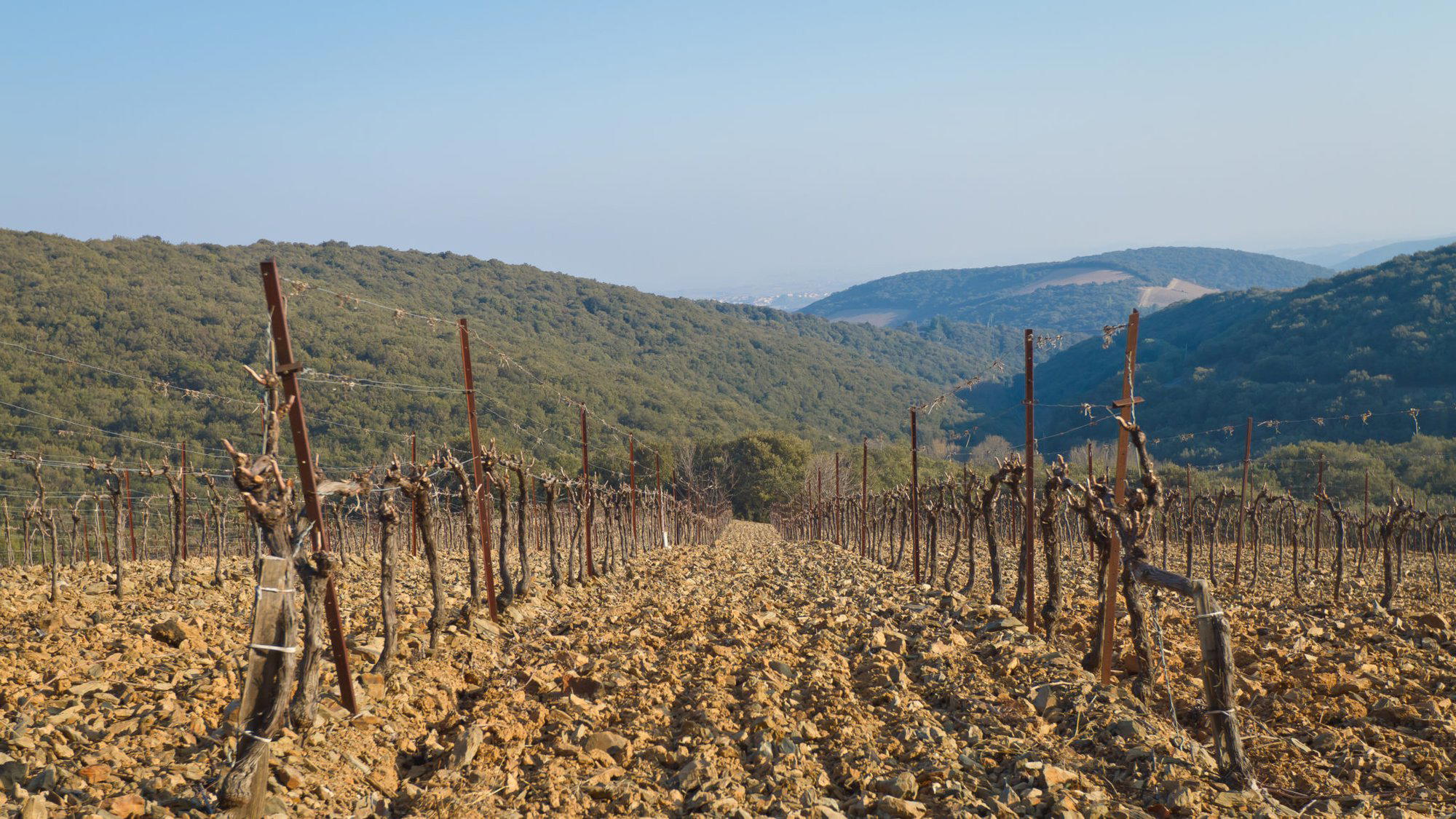
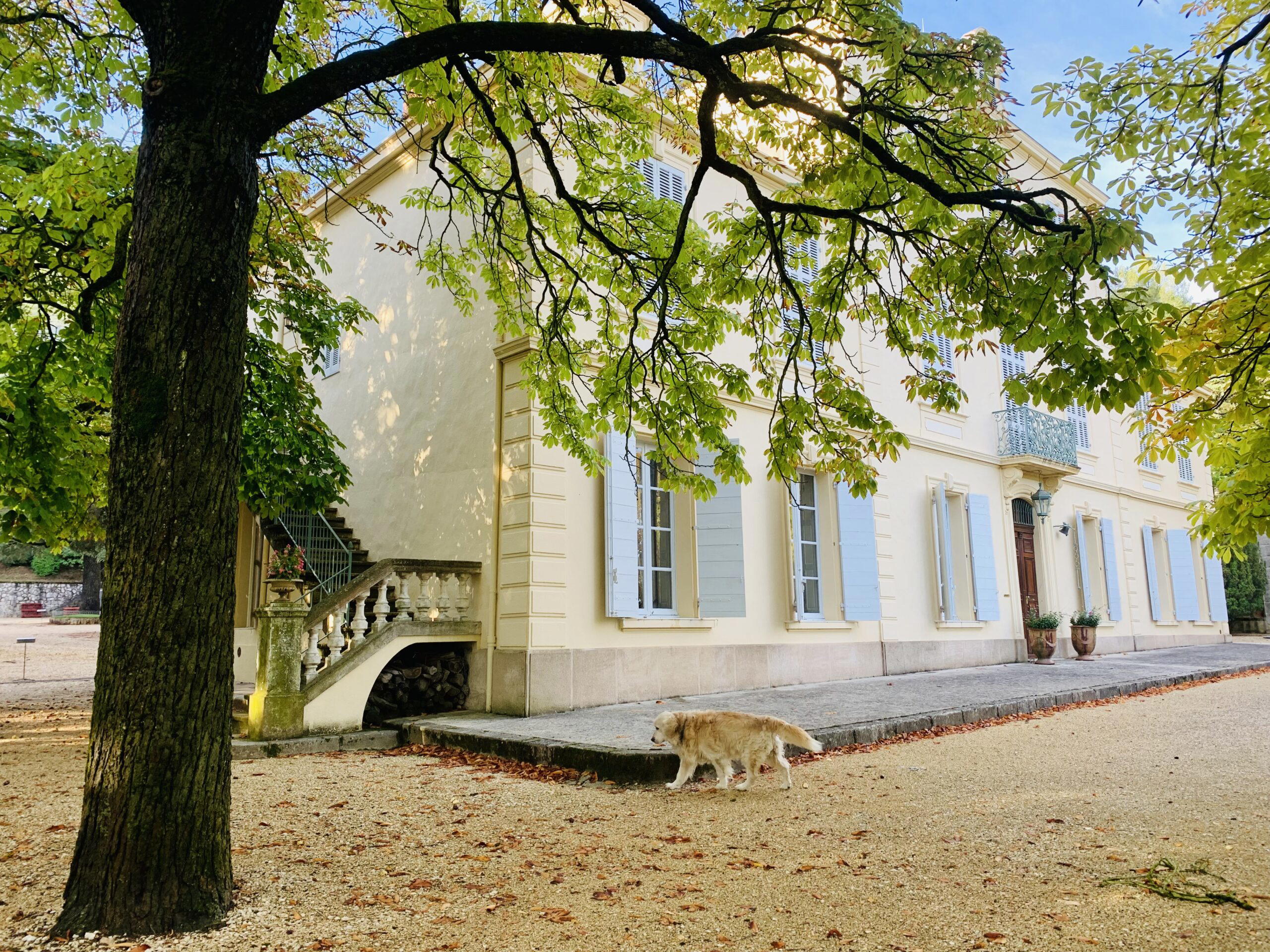
The approach to Villa La Coste reads less like a hotel arrival and more like entering a private domain that happens to accommodate guests. The 600-acre Château La Coste estate unfolds in graduated layers: biodynamic vines run along the lower slopes, terraced gardens climb toward stone buildings, and then the contemporary architecture appears, deliberate and composed against the Provençal hillside. This is not the conventional bastide hotel — the restored farmhouse, the lavender-framed pool, the regional charm held carefully at arm's length. Villa La Coste began with a 17th-century farmhouse but has grown into something that places it in a different competitive conversation entirely, closer to estate-as-institution than hotel-as-accommodation.
Geographically, the estate sits between Aix-en-Provence to the south and the Luberon Nature Park to the north, which in practical terms means guests have access to two of Provence's most compelling zones within a short drive. For context on the wider Le Puy-Sainte-Réparade hospitality scene, our full Le Puy-Sainte-Réparade restaurants guide maps the broader area. The neighbouring Château de Fonscolombe represents the area's more classically Provençal hospitality register; Villa La Coste argues for something considerably more architecturally ambitious.
The Dining Programme: Francis Mallmann and the Logic of the Outdoor Kitchen
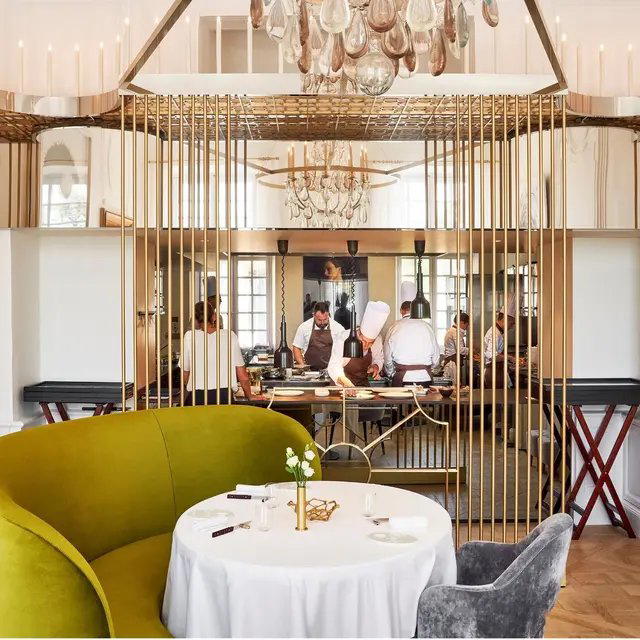
The food and drink offering at Villa La Coste is where the estate makes its most specific editorial argument. The property houses Francis Mallmann's first European restaurant — a credential that positions it differently from the many Provence hotels that rely on capable but anonymous seasonal kitchens. Mallmann's reputation rests on a career built around live-fire cooking, South American asado traditions, and a philosophy that treats the outdoor kitchen as a serious culinary environment rather than a theatrical gesture. Bringing that sensibility to a Provençal wine estate, where lamb from the garrigue, local vegetables, and wood smoke are all natural partners, is a coherent idea rather than a celebrity import.
The pairing of an Argentine fire-cooking tradition with a biodynamic Provençal estate deserves some context. Across France's luxury hotel tier, celebrity chef affiliations have become a standard differentiator. Properties like Cheval Blanc Paris in Paris and Baumanière Les Baux-de-Provence in Les Baux each anchor their culinary identity around recognised figures; Villa La Coste's choice of Mallmann, specifically his first European address, signals a willingness to import a culinary tradition not typically associated with this region, while letting the estate's own ingredients provide the local rootedness. A second fine-dining restaurant completes the on-site programme, giving guests a range that many comparable properties in Provence cannot match.
Estate's winery, designed by Jean Nouvel, reinforces the point that Château La Coste treats architecture and food production as parallel disciplines rather than separate amenities. Guests who arrive for the dining programme are simultaneously inside a working biodynamic vineyard, which means the wine served alongside Mallmann's cooking has been made on the same land they are walking through. That kind of vertical coherence, from vine to glass to table, within one estate, is relatively rare in French luxury hospitality. Les Sources de Caudalie in Bordeaux offers a comparable estate-and-wine integration in a Bordeaux context; in Provence, Villa La Coste holds that position largely alone at this price point.
Architecture as Programme: The Art and Building Collection
Luxury hotels routinely claim art collections as a guest amenity, but the scale and ambition of the Château La Coste estate's art and architecture programme sits in a different tier. Frank Gehry, Oscar Niemeyer, and Tadao Ando have all contributed built structures to the estate. Permanent installations by Richard Serra and Ai Weiwei are sited across the grounds. Works by Tracey Emin, Hiroshi Sugimoto, and Louise Bourgeois appear within the suites themselves. The result is less a hotel with art on the walls and more an institution that uses hospitality as a framework for something closer to a private museum.
This distinction matters when positioning Villa La Coste against French peers. Properties in this price bracket typically offer design coherence and occasionally commission site-specific works, but the breadth of internationally recognised names across Villa La Coste's estate is a different order of commitment. The Château de la Gaude in Aix-en-Provence represents the region's high-design hotel approach; Villa La Coste operates at a scale of cultural infrastructure that goes considerably further. For guests interested in comparing this model with other French château hotel formats, Château du Grand-Lucé in Le Grand-Lucé and Domaine Les Crayères in Reims show how the category operates in other French regions.
The 28 Suites: Materials, Light, and Scale
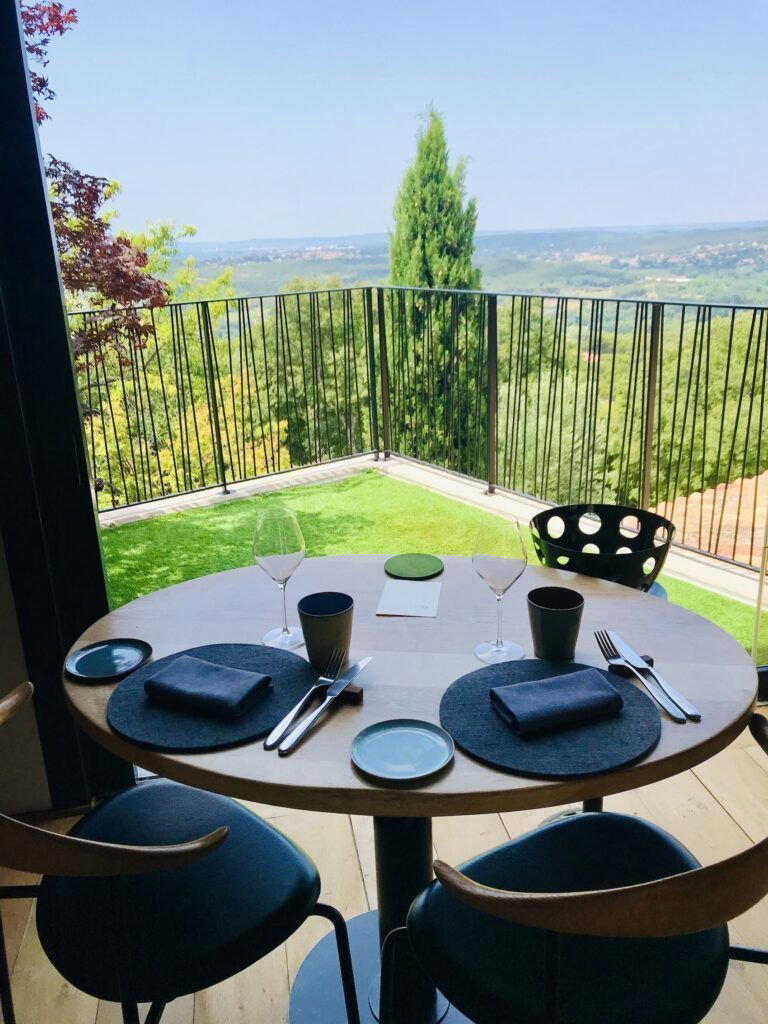
The property holds 28 Villa Suites. The suites use light oak, marble, and natural stone, materials that connect them to the regional palette without retreating into pastiche Provençal decoration. Each suite opens onto a private terrace with views across the vines and valley below; the hillside position of the property means those views extend toward Mont Ventoux and the Luberon, which are among the most legible Provençal panoramas available from a hotel room in this corridor.
The interior approach reads as residential rather than conventionally hotelier. Art books, original works by estate artists, and furnishings arranged for habitation rather than display give the suites a character closer to a well-equipped private house than a managed room. The bathrooms are, by the property's own account, the point at which restraint is set aside, which is consistent with how the wider estate balances measured exterior architecture against moments of deliberate excess.
At rates from $1,162 per night, Villa La Coste prices into the upper band of French regional luxury hotels, above comparable Provençal properties and broadly in line with the coastal properties on the Riviera at peak season. Hotel Du Cap-Eden-Roc in Cap d'Antibes, La Réserve Ramatuelle in Ramatuelle, and The Maybourne Riviera in Roquebrune-Cap-Martin occupy similar price territory on the coast. The inland location means Villa La Coste does not compete on beach access, but the 600-acre estate, full-service spa, and dining depth constitute a self-contained programme that makes the comparison with coastal properties reasonable.
Awards and External Validation
The property holds Michelin 3 Keys (2024), a rating in La Liste's Leading Hotels at 97 points (2026), and a Gault & Millau Exceptional Hotel designation at 5 points (2025). These three signals, from three distinct evaluative frameworks, confirm consistent recognition across the categories that matter to this tier of traveller.
Other French luxury hotel formats worth cross-referencing for travellers comparing European property types: Château Lafaurie-Peyraguey in Lieu-dit Peyraguey for another winery-anchored hotel, Royal Champagne Hotel & Spa in Champillon for a comparable vineyard-view property in a different French wine region, and Hôtel & Spa du Castellet in Le Castellet for a Provence alternative. For travellers considering how this model translates to other European estate settings, Aman Venice in Venice and Casadelmar in Porto-Vecchio represent comparable small-format luxury properties with strong cultural identities in their respective locations.
Planning a Stay
Villa La Coste is located at 2750 Route de la Cride, 13610 Le Puy-Sainte-Réparade, roughly equidistant between Aix-en-Provence and the Luberon, making it a workable base for either. Aix-en-Provence has a TGV connection to Paris, and Marseille Provence Airport is the nearest international hub. The estate's scale and self-contained programme favour stays of at least two nights; the art and architecture trail alone warrants extended time, and the dining across two restaurants is not a single-sitting experience. Given the 28-suite count and the level of external recognition the property holds, advance booking is advisable, particularly for summer and early autumn when Provence draws peak visitor numbers. The spa, pool areas, and gardens extend the on-property time well beyond dining and sleeping.
How Villa La Coste Le Puy-Sainte-Réparade: Worth It? compares with similar nearby venues.
| Venue | Awards |
|---|---|
| Villa La Coste | Michelin 3 Keys |
Recognition history
Dated appearances from independent guides and award organizations, with the underlying list record or original source where available.
La Liste Top Hotels
La Liste
Mr & Mrs Smith Smith Seal of Approval
Mr & Mrs Smith
Virtuoso Luxury Hotel Partner
Virtuoso
Vogue 2026 Vogue Best Hotels in Provence
Vogue
Gault & Millau Exceptional Hotel
Gault & Millau
Michelin 3 Keys
Michelin
Michelin 3 Keys
Michelin
Continue exploring
More in Le Puy-Sainte-Réparade
Hotels in Le Puy-Sainte-Réparade
Browse all →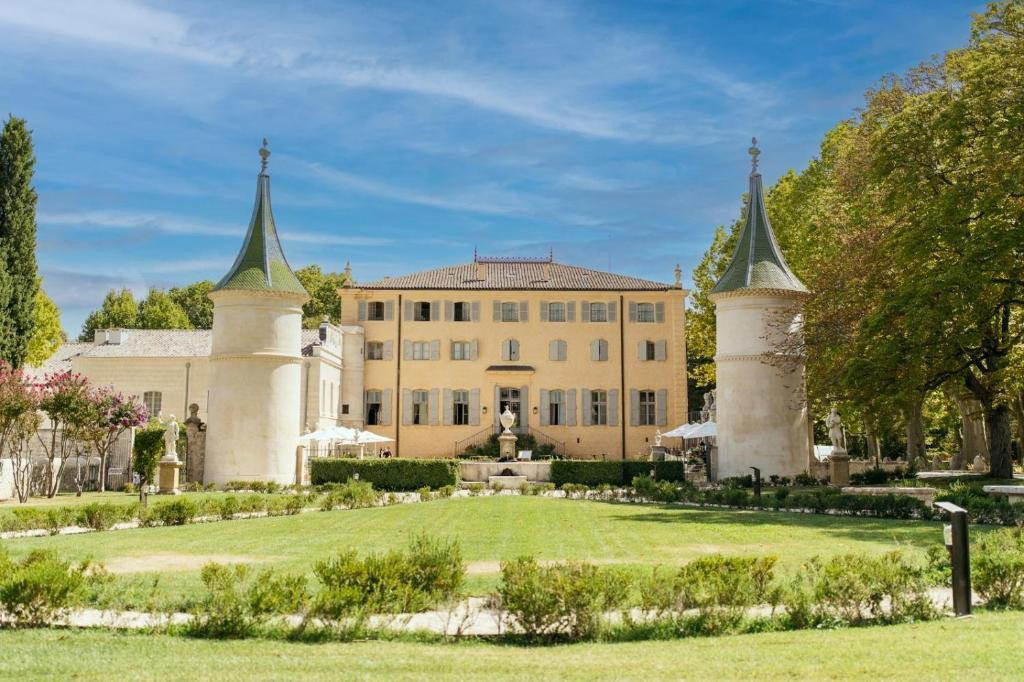
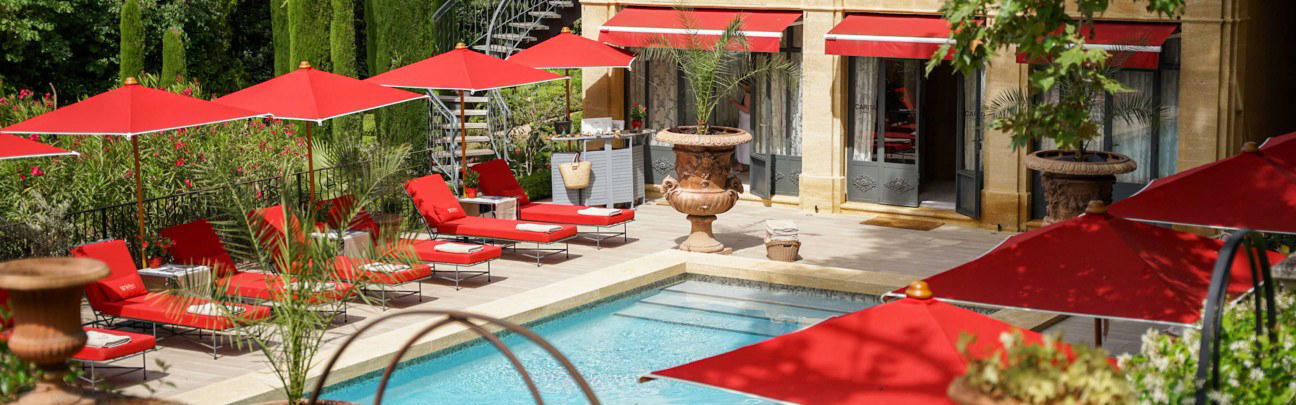
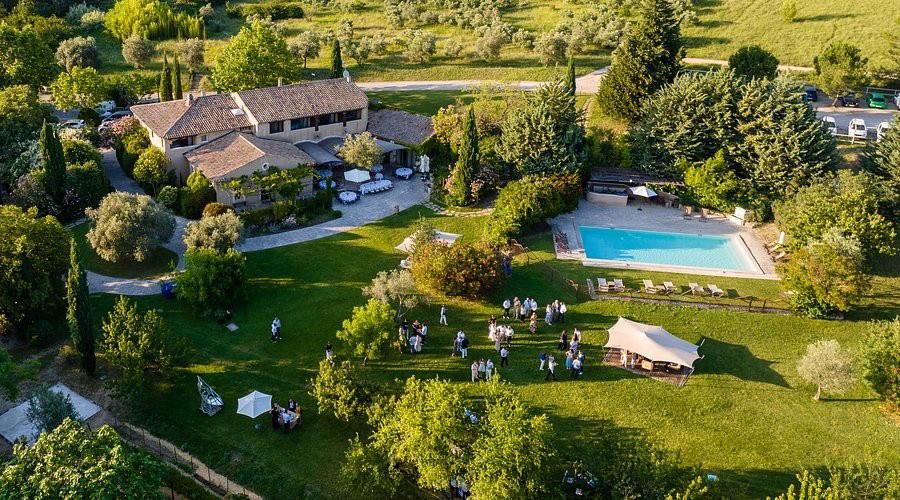
Bars in Le Puy-Sainte-Réparade
Browse all →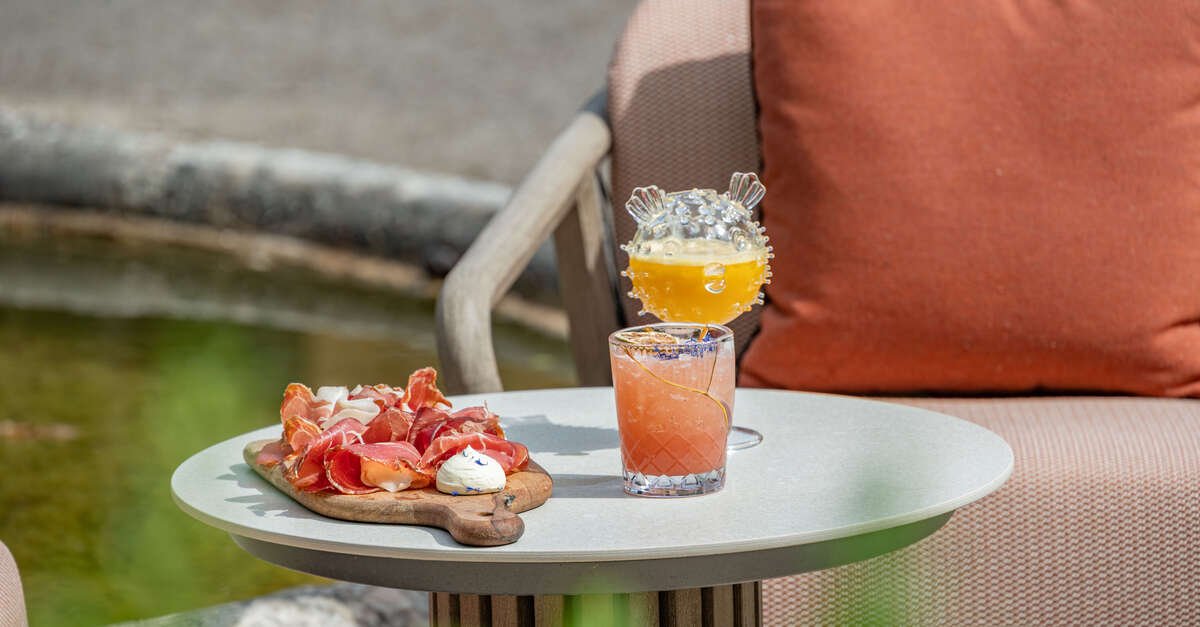
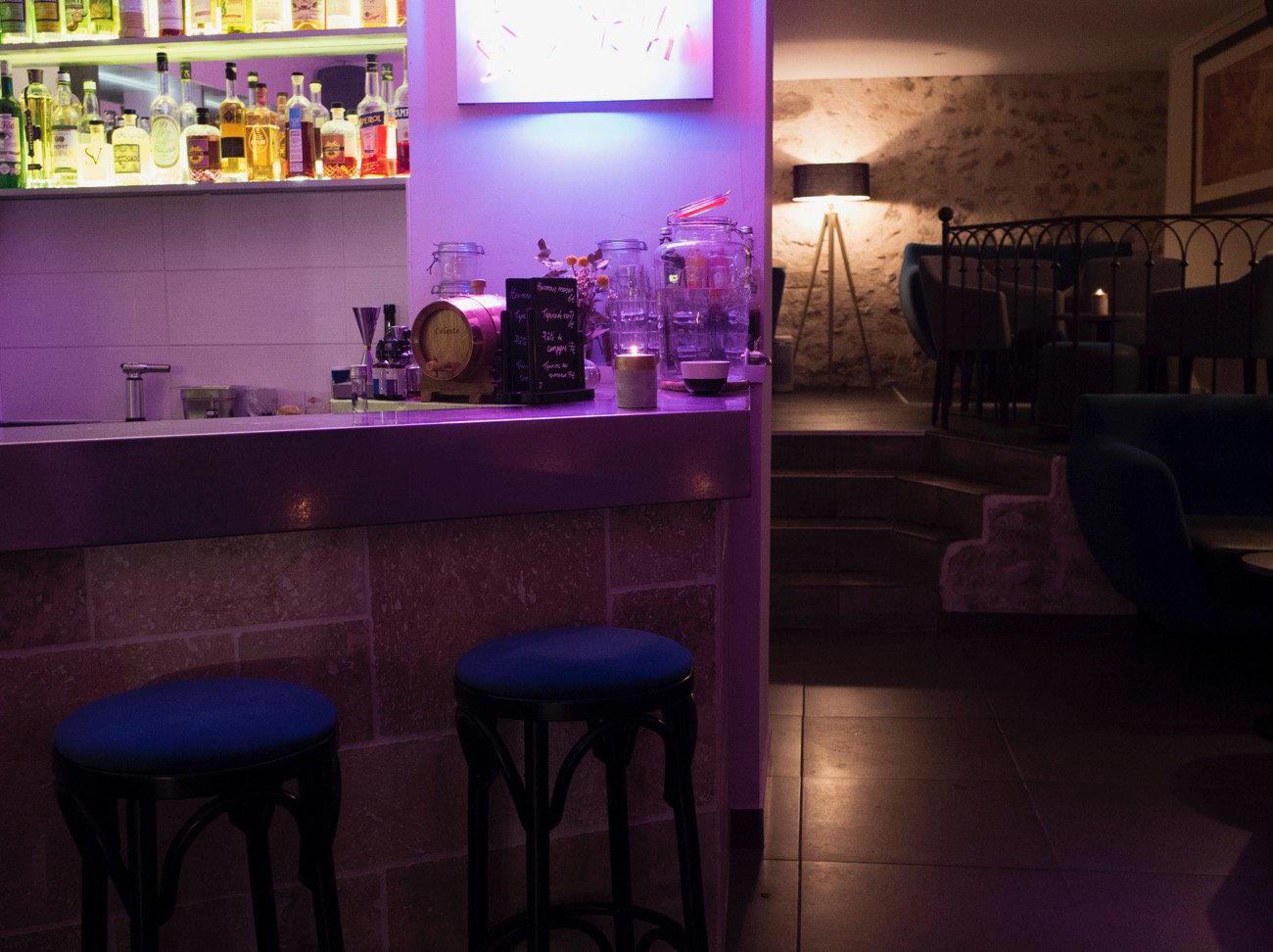
Restaurants in Le Puy-Sainte-Réparade
Browse all →

At a Glance
- Elegant
- Scenic
- Sophisticated
- Romantic
- Intimate
- Romantic Getaway
- Honeymoon
- Wellness Retreat
- Anniversary
- Weekend Escape
- Panoramic View
- Pool
- Spa
- Wi Fi
- Room Service
- Concierge
- Fitness Center
- Sauna
- Restaurant
- Vineyard
- Mountain
- Garden
- Pool
- Spa
- Wi Fi
- Room Service
- Concierge
- Fitness Center
- Sauna
- Restaurant
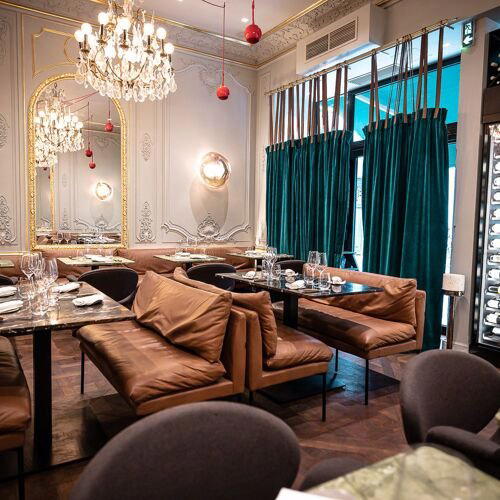
Sleek contemporary Provençal style with natural light-filled spaces, art-integrated decor, serene lighting, and dramatic vineyard and valley views creating a sophisticated, tranquil retreat.
Know Before You Go
- Getting there
- 2750 Route de la Cride, 13610 Le Puy-Sainte-Réparade