La Table de l'Orangerie - Château de Fonscolombe



1 Michelin Star · Relais Chateaux Award · We're Smart World 2 Radishes
Our verdict
Holding a Michelin star in both 2024 and 2025, La Table de l'Orangerie operates within the grounds of Château de Fonscolombe, one of the Luberon foothills' most architecturally distinguished estates. Chef Marc Fontanne's plant-forward menu 'De la Fourche à la Fourchette' draws on hyper-local, seasonal produce, placing this restaurant in the same Provençal fine-dining tier as neighbouring €€€€ addresses while charting a distinctly agricultural course.

Pearl is the En Primeur Club membership app — saves, bookings, and concierge access live there. Same editors, same standards.
- Address
- Rte de Saint-Canadet, 13610 Le Puy-Sainte-Réparade, France
- Phone
- +33 4 42 21 13 13
- Website
- fonscolombe.fr
- Directions
- Get directions
- Booking
- Book on the venue's website
A Château Setting and What It Demands of a Kitchen
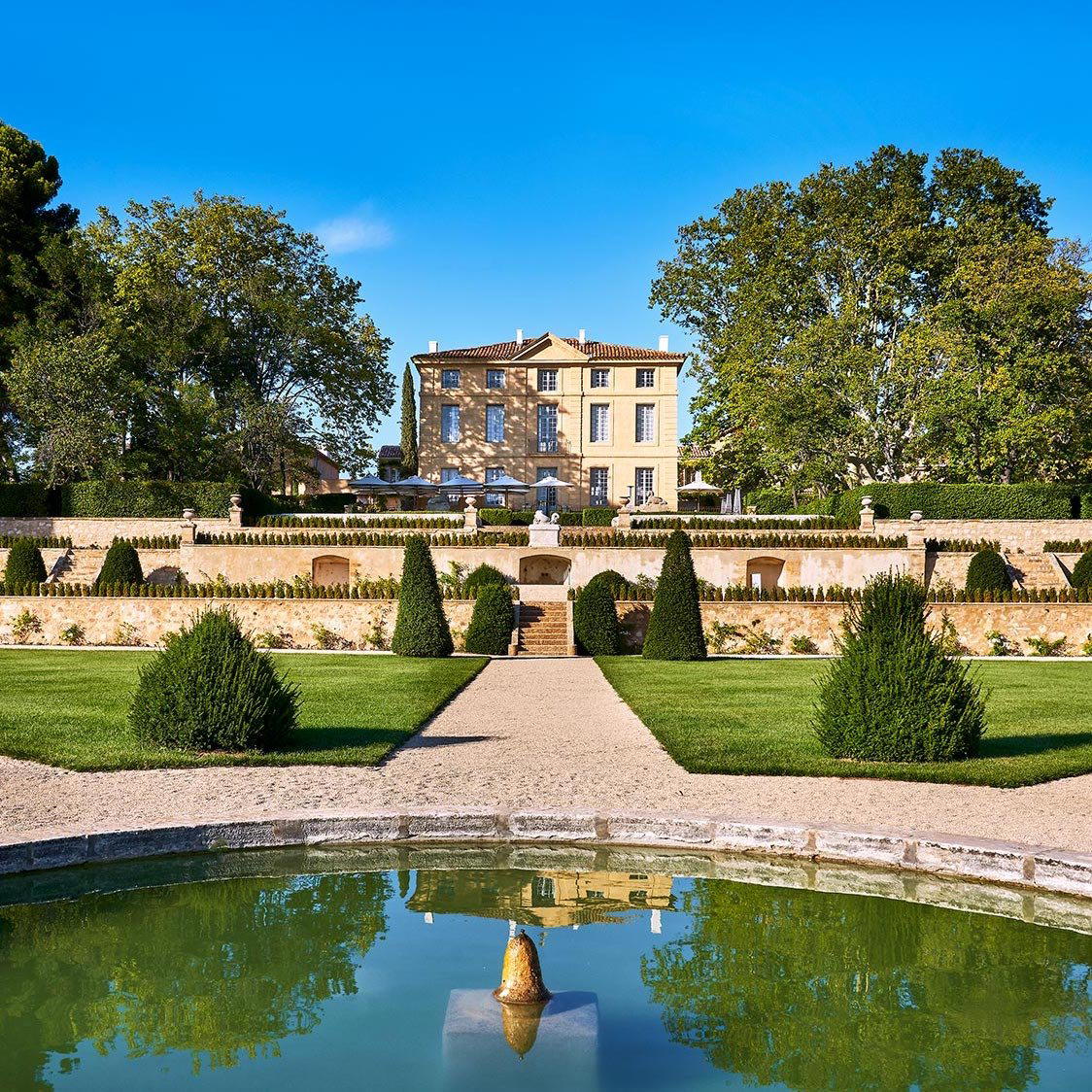
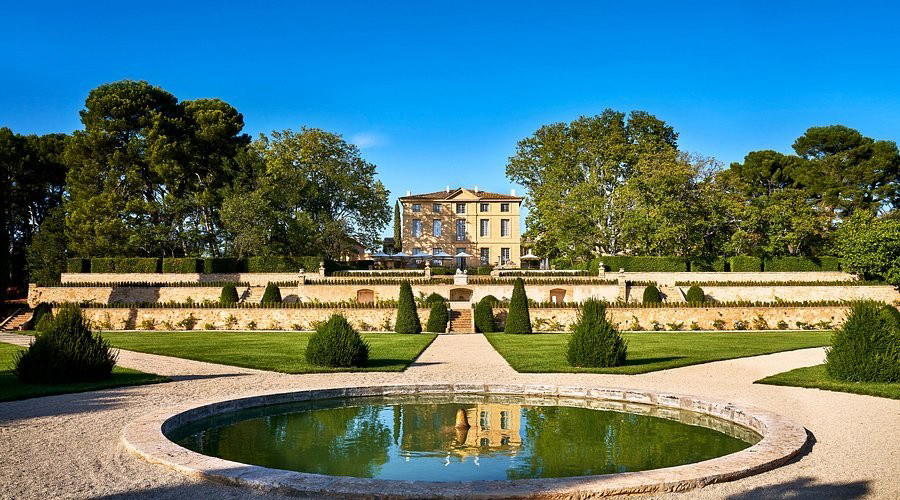
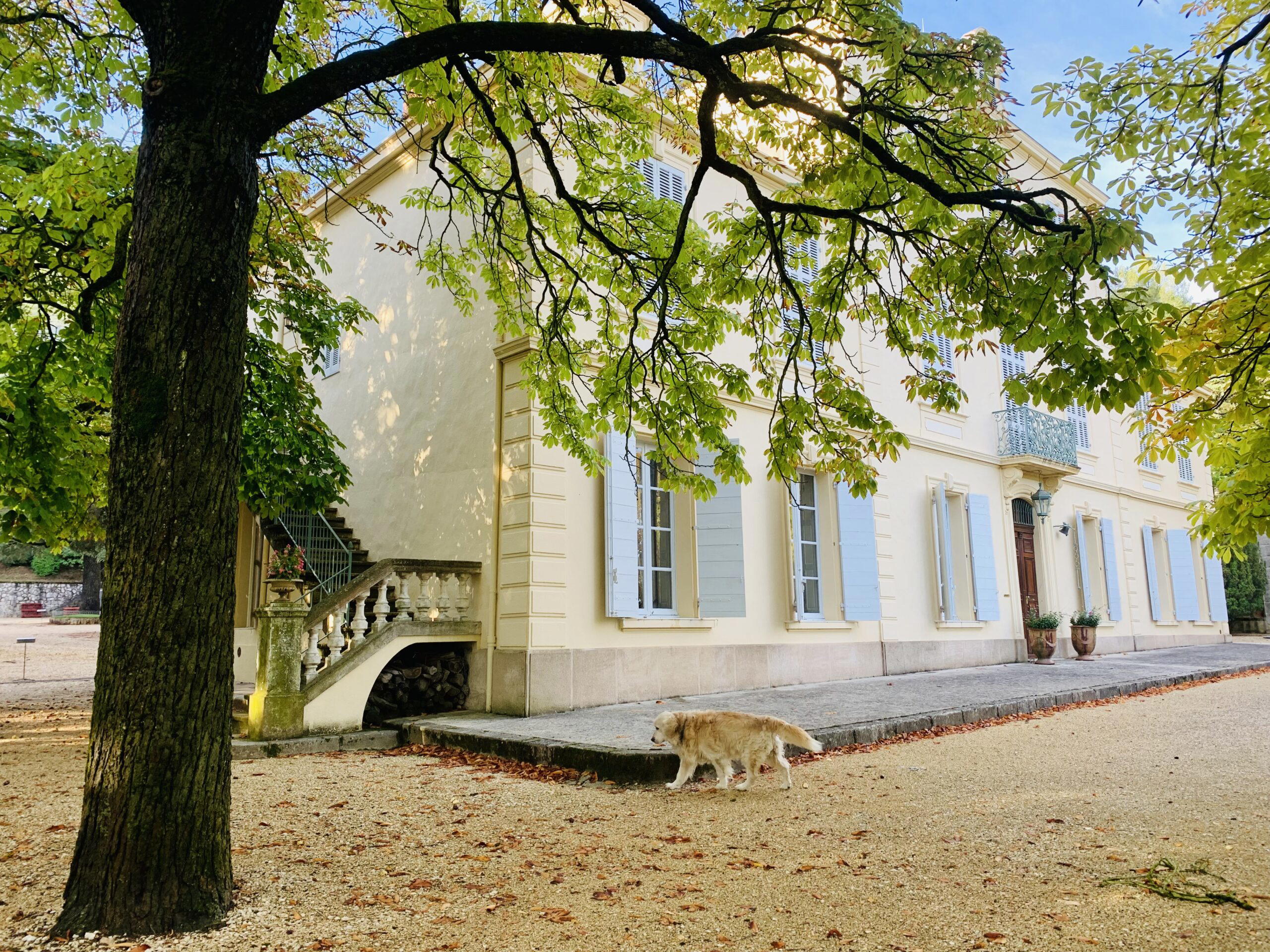
Approaching Château de Fonscolombe along the Route de Saint-Canadet, the estate announces itself through avenue plantings and a formal park before any building comes into view. The orangerie itself — the glass-and-stone structure that gives La Table its name — sits within a working domaine where the garden is not decorative backdrop but operational supply chain. That relationship between ground and plate is the organising logic of everything that follows inside.
Within Le Puy-Sainte-Réparade's increasingly competitive fine-dining cluster, La Table de l'Orangerie occupies a specific position: Michelin-starred Provençal cooking anchored to estate-grown and locally sourced ingredients, priced at the €€€€ tier alongside Hélène Darroze à Villa La Coste and Francis Mallmann au Château La Coste, while its culinary identity diverges sharply from both. Where Darroze works within a contemporary French idiom and Mallmann around live fire and meat, Fontanne's programme tilts toward vegetables, plants, and the kind of agricultural transparency that Provençal terroir, with its market gardens, wild herbs, and olive groves, is particularly well placed to support.
The village of Le Puy-Sainte-Réparade has, over the past decade, become an unlikely concentration of ambitious restaurant projects. The Château La Coste estate draws international names; the Fonscolombe estate counters with a resident chef given the latitude to develop a house identity. For a broader picture of where La Table de l'Orangerie fits within the area's options, see our full Le Puy-Sainte-Réparade restaurants guide.
The 'De la Fourche à la Fourchette' Menu and Its Logic
France's farm-to-table vocabulary can be gestural, a mention of a nearby farm on the menu header, produce that may or may not have arrived that morning. The menu title here, 'De la Fourche à la Fourchette' (from the pitchfork to the fork), makes a more pointed claim: that the distance between harvest and service is short enough to trace. In the Provençal context, where the growing season runs long, the wild garrigue provides aromatics year-round, and market produce changes with genuine seasonal speed, this framing is easier to honour than in many northern French kitchens.
Michelin awarded a star in 2024 and retained it for 2025, noting creative cooking as a highlight. That sustained recognition over consecutive years matters more than a single-year award; it suggests the kitchen is operating with consistency rather than performing for inspection. The Michelin guide's commentary specifically references the plant menu and the tranquility of outdoor dining as distinguishing elements, an acknowledgment that format and setting are considered part of the experience being assessed, not merely a pleasant bonus.
Among the area's Michelin-starred addresses, La Table de l'Orangerie sits alongside Le Temps Suspendu - Château de Fonscolombe, the estate's second restaurant operating at the €€€ price point. The two addresses share a property but appear to target different dining registers, with La Table de l'Orangerie carrying the higher price point and the starred recognition. For visitors weighing between the two, the distinction is likely formality, menu structure, and the degree of culinary elaboration on the plate.
The Wine Angle: Provence, the Domaine, and What the Cellar Should Be Doing
A château restaurant in the Luberon foothills carries an implied obligation to its wine programme. Provence has moved considerably in the past fifteen years, the rosé export boom is well documented, but the more interesting development for a table like this is the growing credibility of Provençal whites and the quiet improvement among red producers working with Grenache and Syrah in the Aix-en-Provence appellation. A cellar at this price tier and with this estate context should be drawing on that local depth rather than defaulting to a Loire-and-Burgundy list with token regional additions.
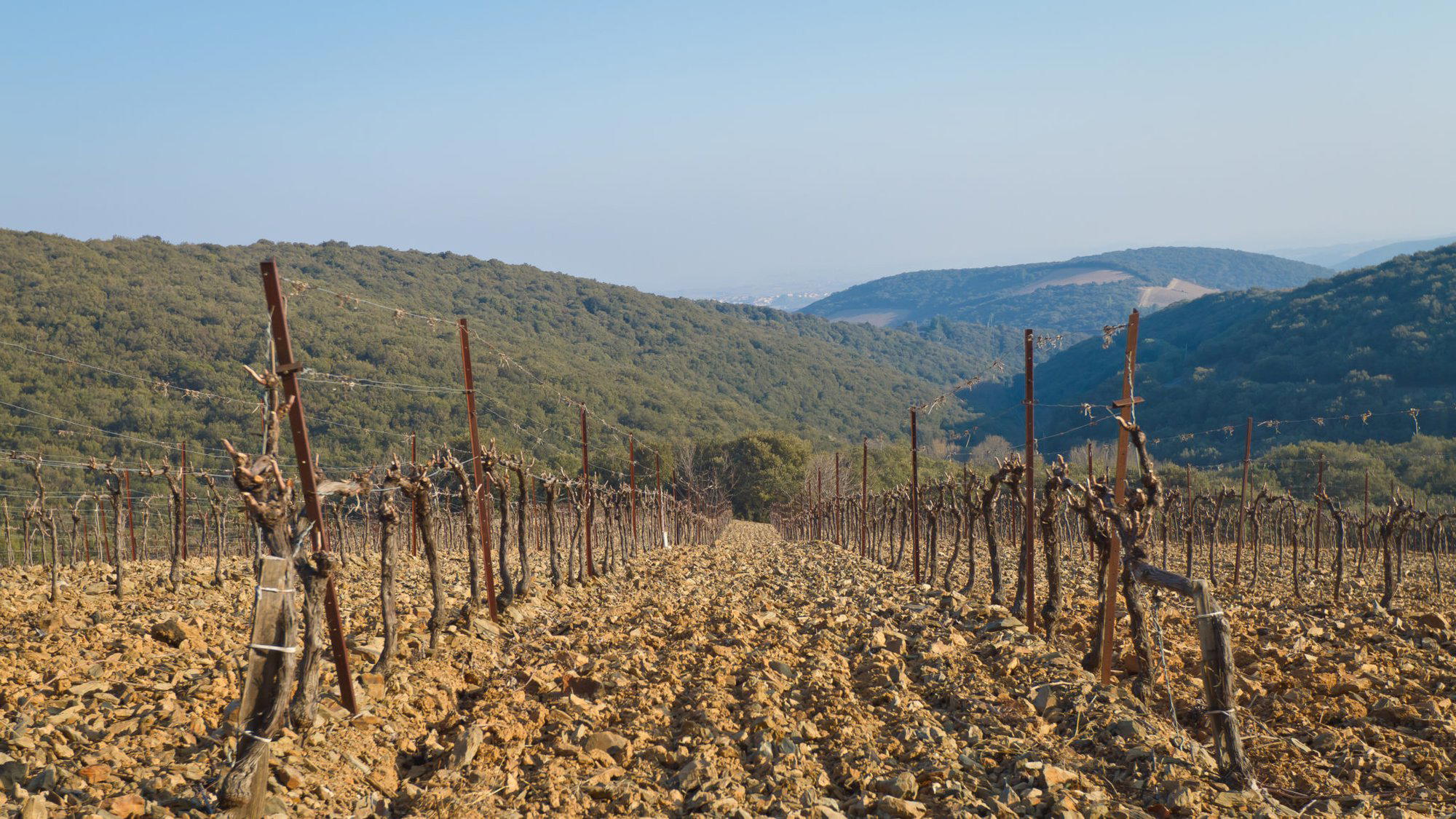
Fonscolombe itself is a wine-producing domaine, the estate's agricultural identity includes viticulture, which creates a natural alignment between the wine programme and the food philosophy. Whether the cellar leans heavily into Fonscolombe's own production or curates across the broader Coteaux d'Aix-en-Provence and neighbouring appellations is the kind of detail that determines whether the wine experience reinforces the 'pitchfork to fork' premise or operates independently of it. The best-case scenario at a venue like this is a sommelier who treats Provence's smaller, less-distributed producers the way the kitchen treats its market growers: as primary sources rather than filler between better-known names.
For context, France's most decorated dining addresses, from Alléno Paris au Pavillon Ledoyen to Mirazur in Menton, have consistently used their wine programmes as editorial extensions of their culinary identities. Regional specificity in the cellar tends to sharpen the overall experience rather than limit it. At Bras in Laguiole, the Aveyron focus in both kitchen and cellar creates a coherence that a more globe-spanning list would dilute. The same principle applies here: a Provençal wine programme with genuine depth is a stronger pairing for Fontanne's plant-forward cooking than a prestige list assembled for trophy names.
Visitors who want to extend the wine conversation beyond the restaurant should consult our full Le Puy-Sainte-Réparade wineries guide for the broader appellation context around the estate.
Outdoor Dining and the Provençal Case for It
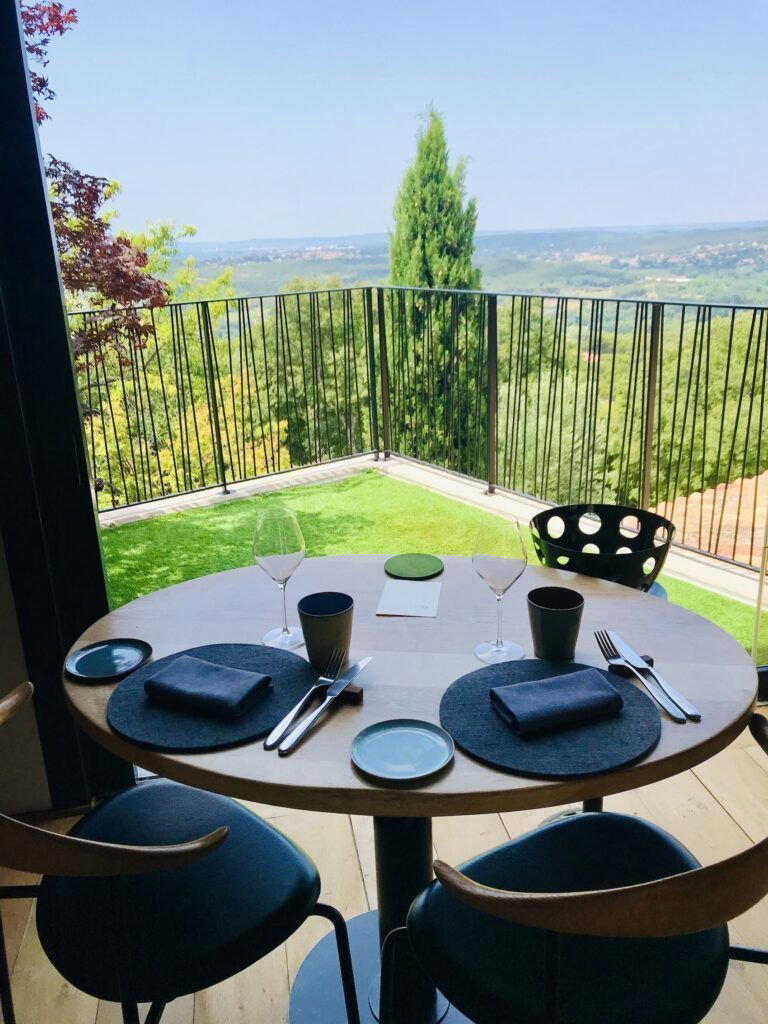
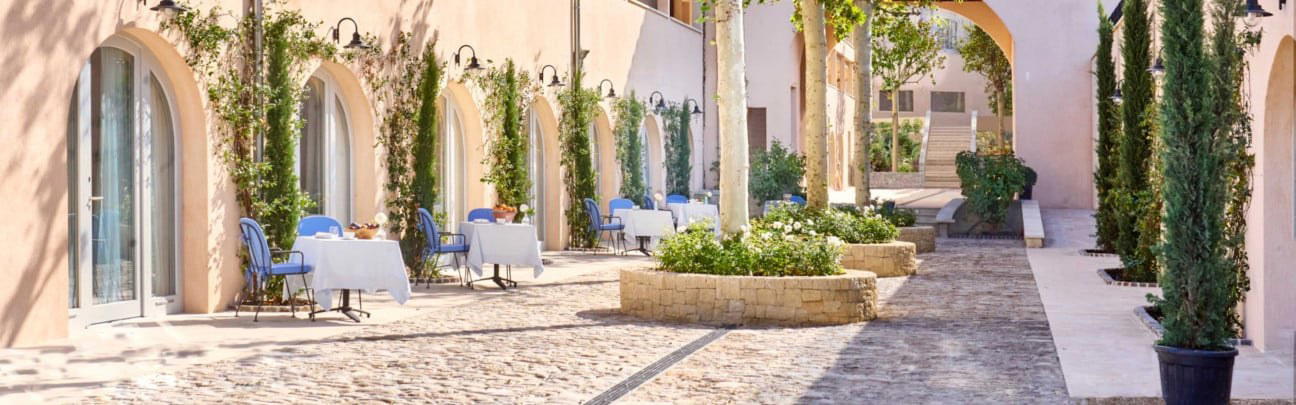
Provence's summer light arrives hard and specific, the kind that makes a shaded terrace feel architecturally considered rather than merely pleasant. The Michelin commentary calls outdoor dining at Fonscolombe an 'absolute must,' which is unusual language for a guide that typically focuses on the plate. The recommendation is a signal that the château grounds contribute something the interior cannot replicate: scale, silence, the particular quality of Provençal evening light through established trees. Seasonal timing matters. The outdoor experience that justifies that language is likely concentrated in the late spring and summer months, with shoulder-season visits carrying more variability.
The outdoor terrace also changes the rhythm of a long tasting menu. When the space around you is a working estate rather than a city dining room, the pacing between courses becomes less about table management and more about inhabiting a place. That shift in register is part of what distinguishes château restaurant dining from urban fine dining, and it's a distinction that restaurants in more transient settings, however accomplished, cannot easily replicate. For comparisons with similarly place-specific French fine dining, Flocons de Sel in Megève and Auberge de l'Ill in Illhaeusern both demonstrate how strong a role physical setting plays in the total experience of eating well in France.
Planning a Visit
La Table de l'Orangerie sits within the Château de Fonscolombe estate at Route de Saint-Canadet, 13610 Le Puy-Sainte-Réparade. At the €€€€ price point with a current Michelin star, advance reservation is advisable, the combination of limited château-setting capacity and sustained press attention typically means demand exceeds walk-in availability, particularly across the summer terrace season. The estate is located approximately 25 kilometres north of Aix-en-Provence, making it accessible as a day excursion from Aix or as part of a longer stay in the area. For accommodation options in the vicinity, our full Le Puy-Sainte-Réparade hotels guide covers the relevant properties. Visitors building a wider itinerary around the area can also consult our Le Puy-Sainte-Réparade bars guide and experiences guide for complementary options.
For those weighing the local fine-dining tier more carefully, La Petite Verrière offers a lower entry point at €€ for visitors who want to explore the area's cooking without committing to back-to-back €€€€ evenings. The range from La Petite Verrière at one end to La Table de l'Orangerie and the Château La Coste addresses at the other gives the area a more complete dining ecology than its size might suggest.
For context on how this kitchen compares within the broader French fine-dining conversation, the contrast with Troisgros - Le Bois sans Feuilles or Paul Bocuse - L'Auberge du Pont de Collonges is instructive: those addresses represent the weight of multigenerational French culinary tradition; La Table de l'Orangerie represents a younger, more agriculturally grounded direction that the current Michelin cohort is actively rewarding.
Frequently asked questions
What's the signature dish at La Table de l'Orangerie - Château de Fonscolombe?
No individual signature dish is documented in the public record for La Table de l'Orangerie. What is confirmed is that the kitchen's defining programme is the 'De la Fourche à la Fourchette' plant menu, which uses local and seasonal produce from the estate and surrounding area. Michelin's recognition specifically highlights the creative cooking format and the plant-forward menu as the distinguishing elements. Chef Marc Fontanne has built a regional reputation, and the consecutive Michelin stars for 2024 and 2025 confirm the kitchen's consistency. For visitors seeking dish-level specifics before booking, contacting the restaurant directly is the only reliable route. See also the Le Temps Suspendu - Château de Fonscolombe page for the estate's second restaurant, and Atomix in New York City or Le Bernardin in New York City for comparative fine-dining reference points at the starred level.
The Quick Read
| Venue | Cuisine | Price | Awards | Notes |
|---|---|---|---|---|
| La Table de l'Orangerie - Château de FonscolombeThis venue — the venue you are viewing | Michelin-Starred Provençal Fine Dining | $200–300 | 1 Michelin Star · Relais Chateaux Award | Not listed |
| Hélène Darroze à Villa La Coste | Modern Provençal Fine Dining | $150–200 | 1 Michelin Star | Modern Cuisine |
| La Petite Verrière | Seasonal Provençal Bistro | $30–50 | Michelin Bib Gourmand | Modern Cuisine |
| Francis Mallmann au Château La Coste | Argentine Fire Cooking | $100–150 | Michelin Plate | Meats and Grills |
| Le Temps Suspendu - Château de Fonscolombe | Bistronomic Provençal French | $50–100 | Michelin Plate · Relais Chateaux Award | Modern Cuisine |
Recognition history
Dated appearances from independent guides and award organizations, with the underlying list record or original source where available.
Michelin 1 Star
Michelin
Relais Chateaux Award
Relais Chateaux
We're Smart World 2 Radishes
We're Smart World
Full recognition history (6 entries)
Michelin 1 Star
Michelin
Relais Chateaux Award
Relais Chateaux
Michelin 1 Star
Michelin
Continue exploring
More in Le Puy-Sainte-Réparade
Restaurants in Le Puy-Sainte-Réparade
Browse all →
Bars in Le Puy-Sainte-Réparade
Browse all →
Hotels in Le Puy-Sainte-Réparade
Browse all →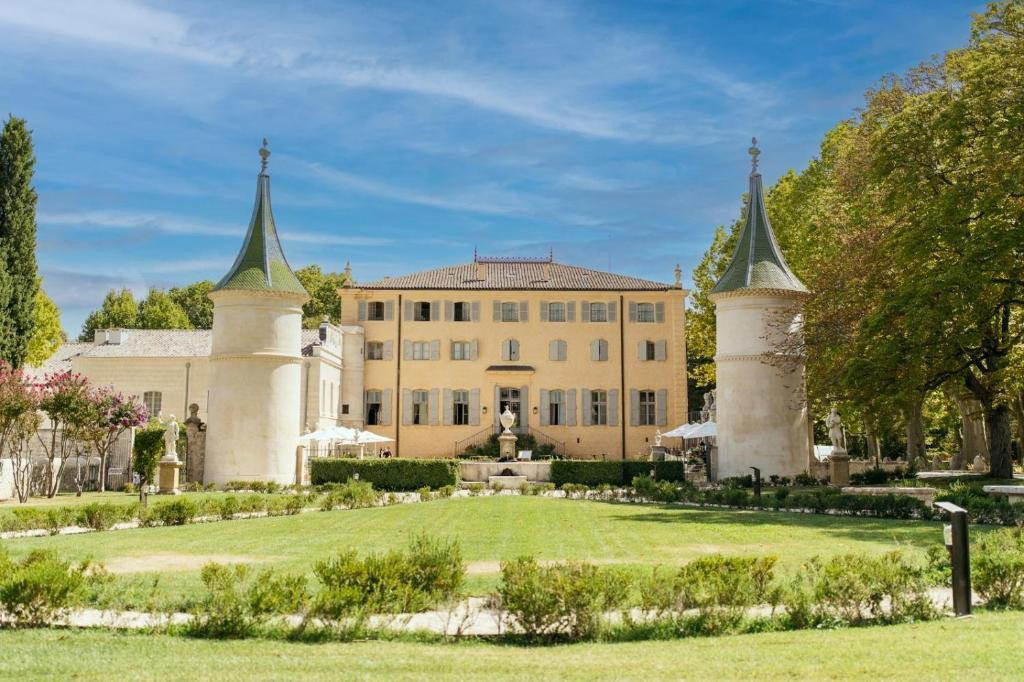

Details
- Romantic
- Elegant
- Sophisticated
- Classic
- Date Night
- Special Occasion
- Hotel Restaurant
- Terrace
- Garden
- Historic Building
- Local Sourcing
- Garden
- Tasting Menu
- Vegetarian Friendly
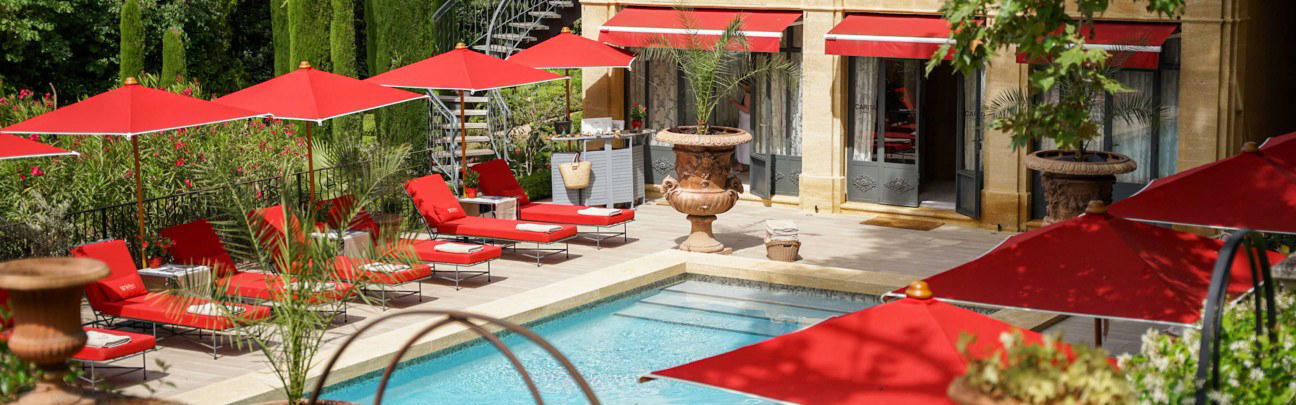
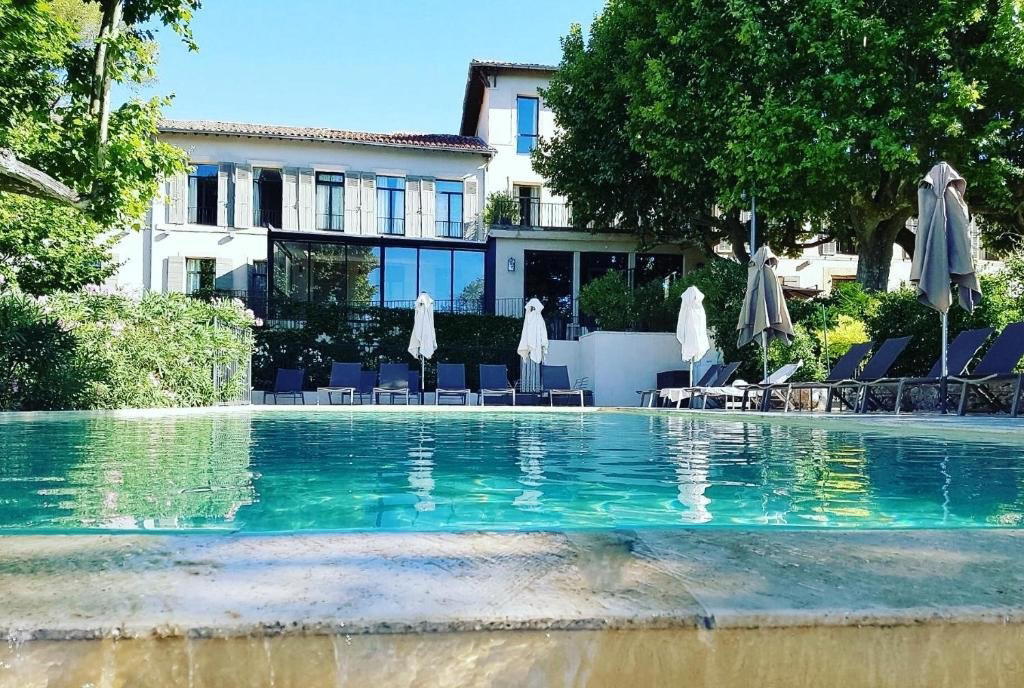
Refined and romantic atmosphere under Provence's golden light in historic setting.