Au Crocodile




1 Michelin Star · Relais Chateaux Award · Gault & Millau Remarkable Restaurant
Our verdict
A Strasbourg institution with a three-star history and a current Michelin star, Au Crocodile sits at the intersection of Alsatian heritage and modern classical French technique. Service runs Tuesday through Saturday, evenings only except for Thursday–Saturday lunch.

Pearl is the En Primeur Club membership app, where members save venues, book tables and use the concierge.
The menu
What to order
- Saint-Jacques
- Sole with main de bouddha
- Escargots d’Ebersheim
Where Alsatian Memory Meets the Modern French Table
Strasbourg occupies a particular position in the French fine dining conversation. Historically one of the country's most decorated provincial cities for classical cooking, it built its reputation across decades of Michelin recognition that placed it alongside Lyon and Bordeaux as a serious destination outside Paris. That legacy weighs differently now. The question for any kitchen in the city's top tier is not whether to acknowledge the tradition, but how to negotiate it: which techniques to carry forward, which presentations to rethink, and how to speak to a contemporary diner without erasing the specificity that makes Alsatian cuisine worth preserving. At Au Crocodile on the Rue de l'Outre, that negotiation is the defining project of the kitchen.
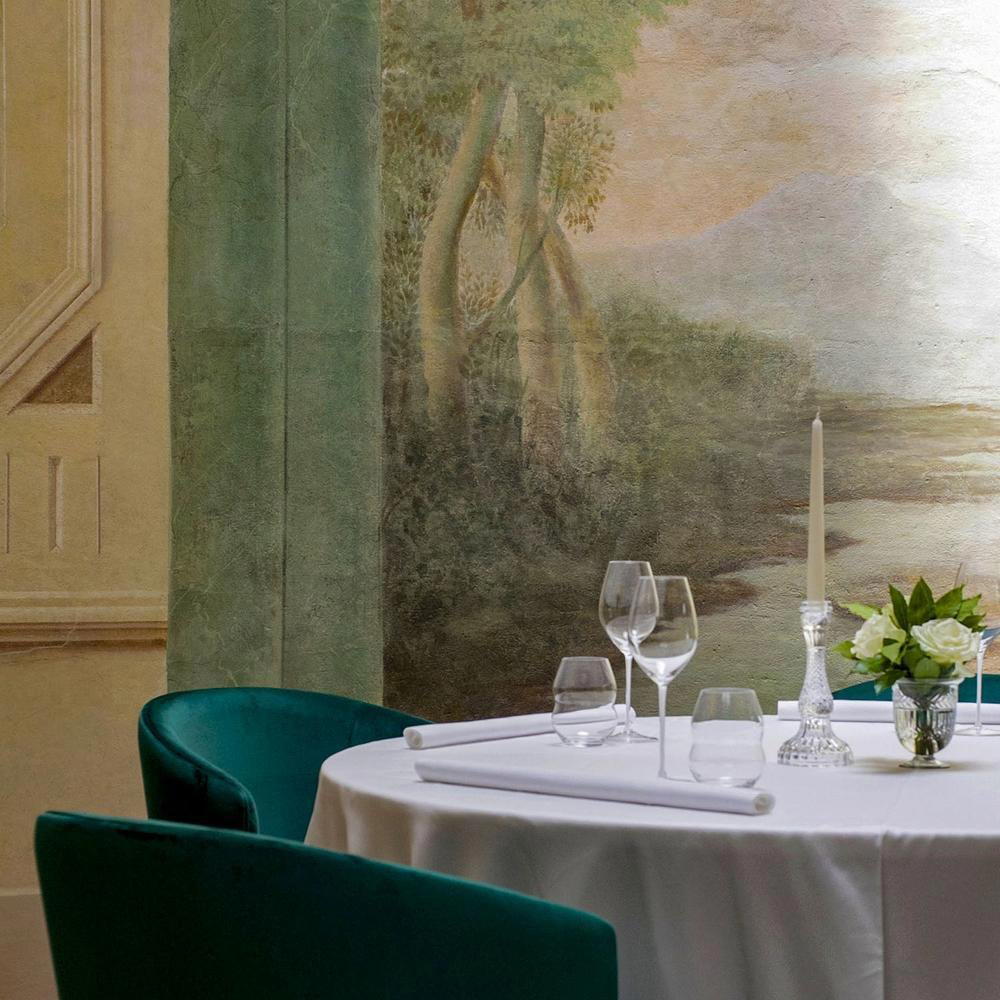
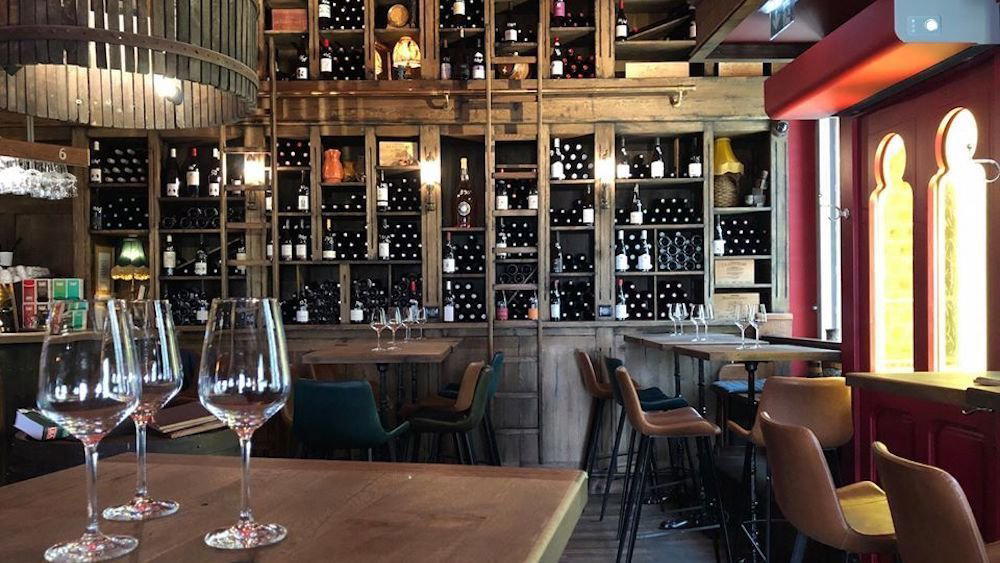
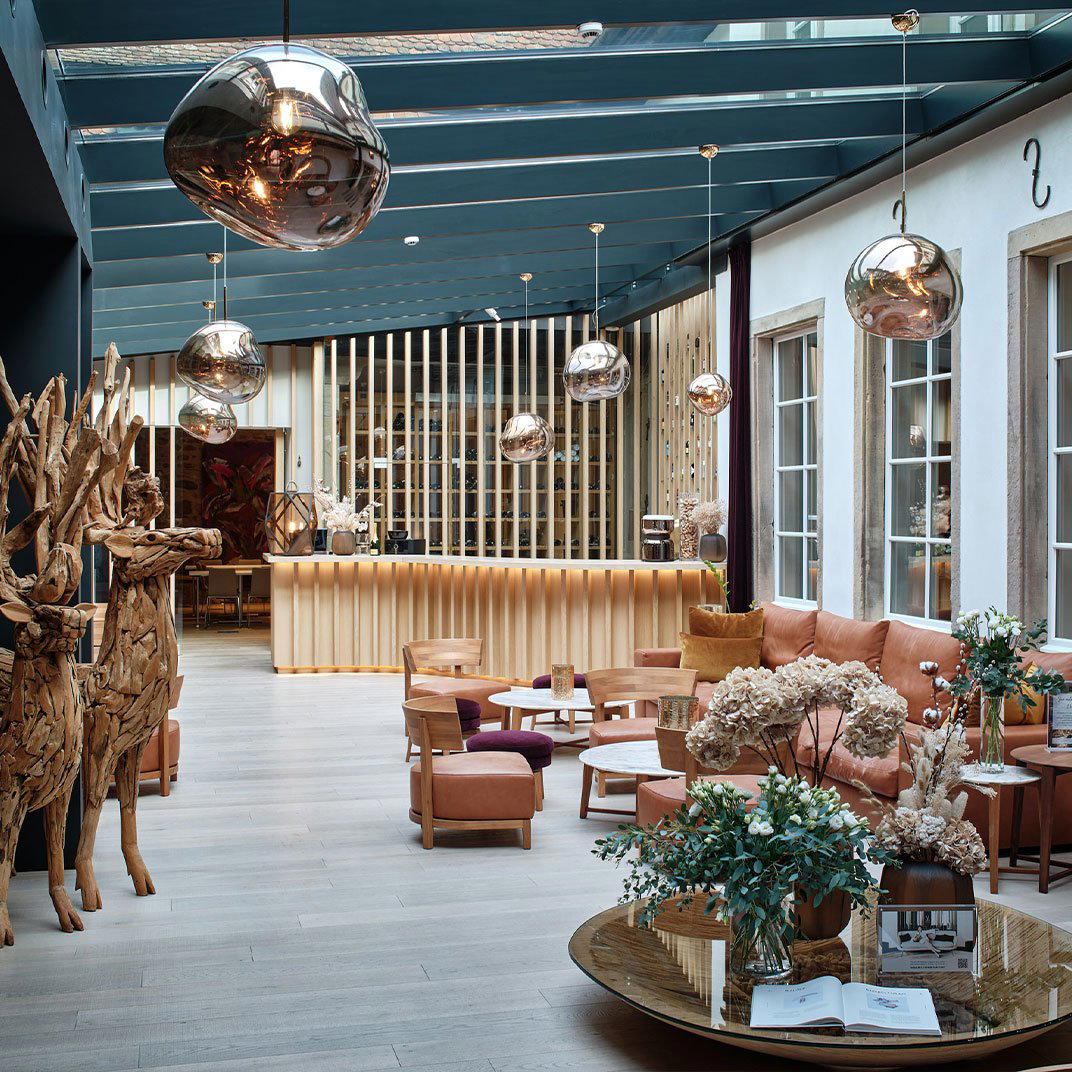
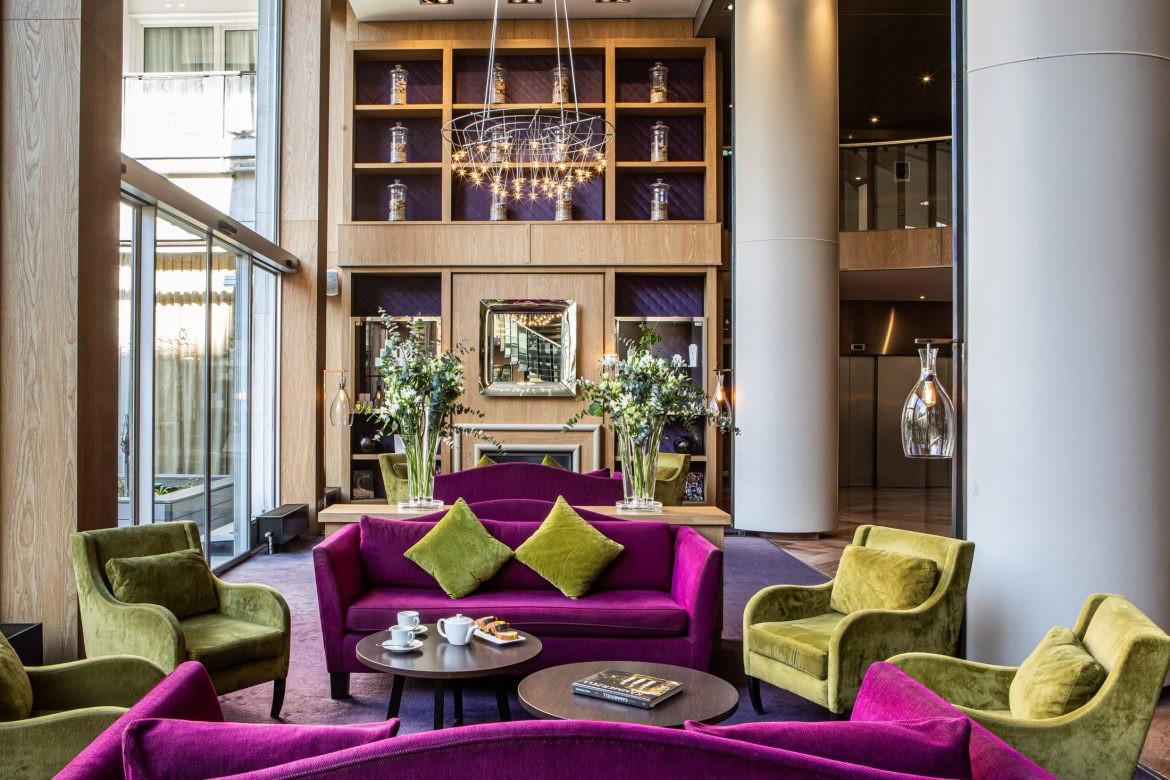
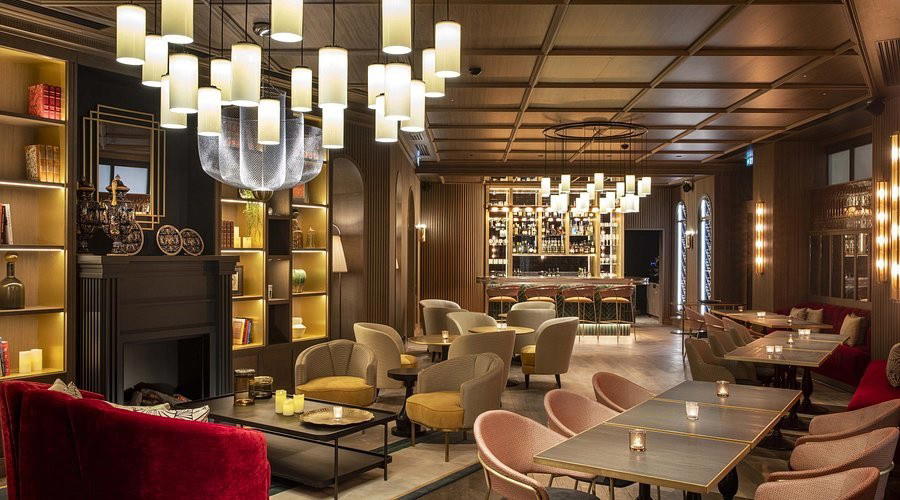
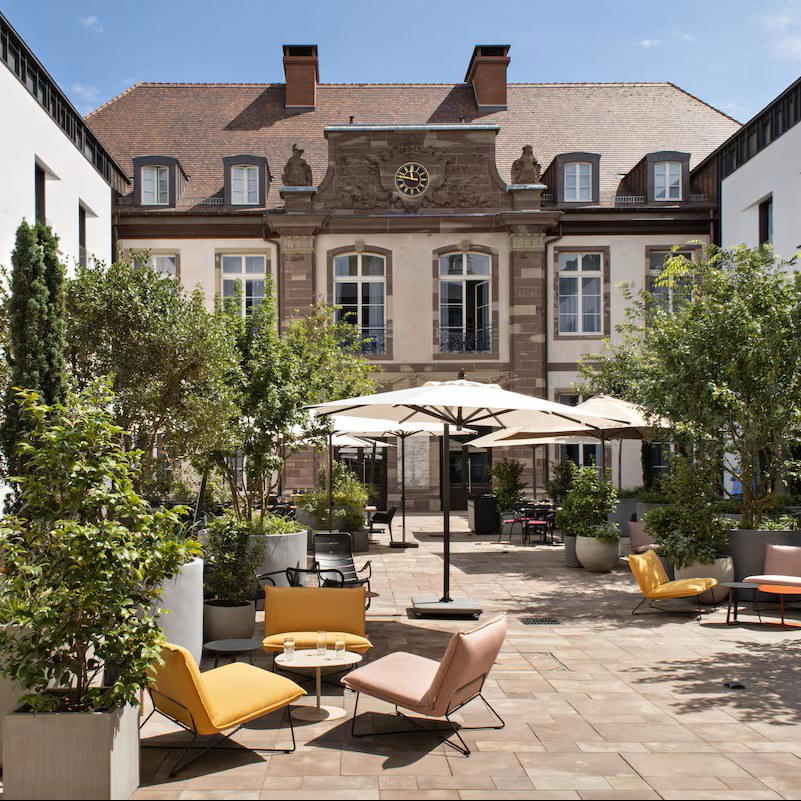
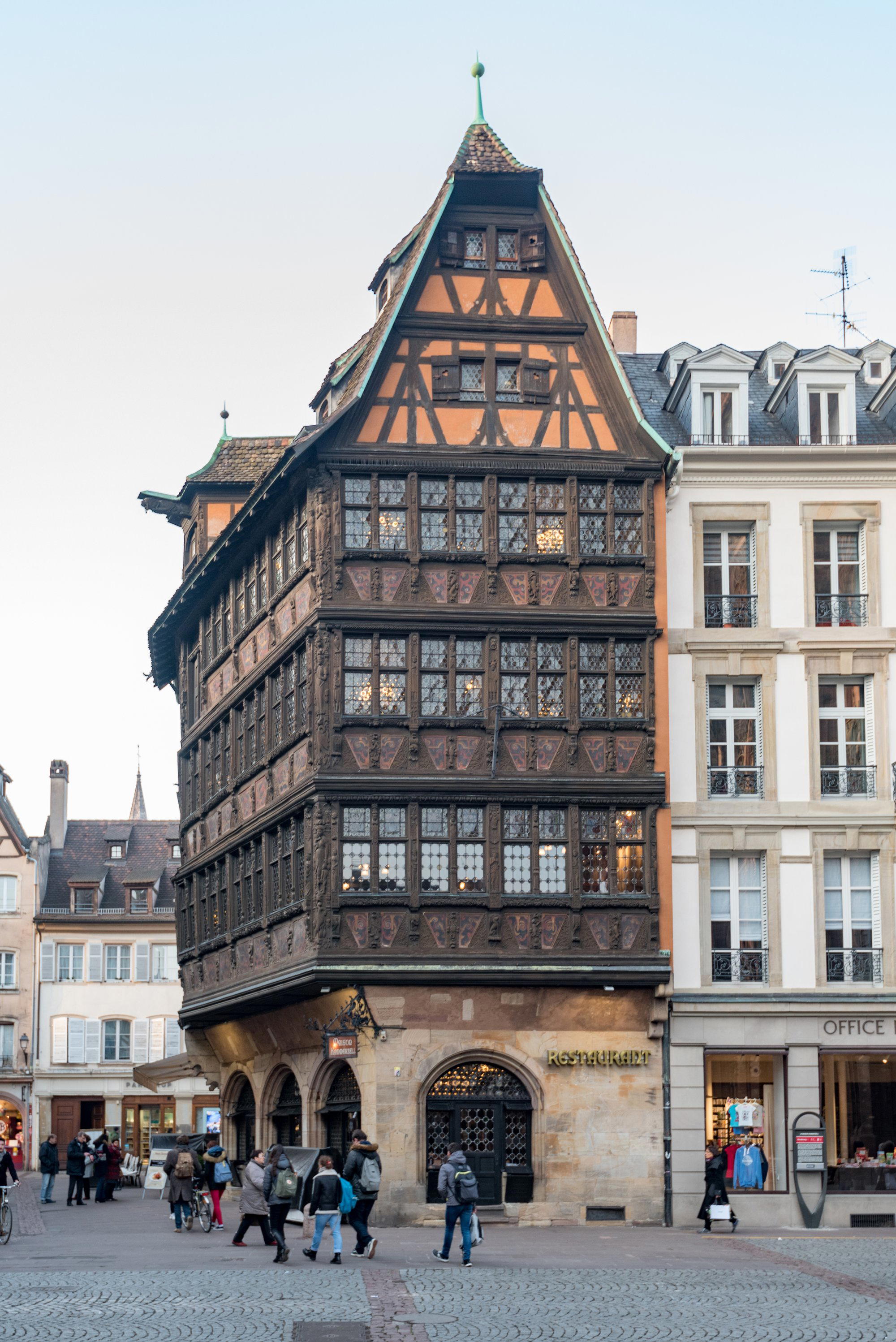
The room itself signals the seriousness of that negotiation before a dish arrives. The establishment's most famous object, a stuffed crocodile mounted in the window, was brought from Egypt by a Napoleonic-era soldier, and it has anchored the address's identity ever since. A full refurbishment has updated the space while preserving the atmosphere that accumulated over generations of service. What comes through is not nostalgia preserved in amber but a setting calibrated to carry weight: high ceilings, considered lighting, the spatial formality that tells a diner they are sitting somewhere with a position to defend.
Three Stars Behind It, One Star Ahead
The historical context matters more than usual here. Au Crocodile held three Michelin stars under chef Émile Jung, placing it in the company of France's most formally recognised kitchens during its peak decades. That is not simply a biographical footnote. It sets the peer group against which the current address is measured, and it explains why the restaurant's trajectory since that era has drawn continued critical attention. The current Michelin star, awarded in 2024, sits inside a longer arc of institutional significance. Opinionated About Dining has tracked it across three consecutive years of their Classical Europe rankings: #139 in 2023, #97 in 2024, and #106 in 2025, a result that reflects consistent critical engagement rather than a single strong year.
That ranking trajectory places Au Crocodile in a different competitive conversation than the newer Strasbourg addresses working in creative or fusion registers. de:ja and 1741, both Michelin-starred and priced at the same €€€€ tier, pursue more contemporary editorial identities. Buerehiesel, in the Orangerie park, works in a comparable Alsatian-classical register and is the closest peer in terms of cuisine category and price point. The distinction at Au Crocodile is its institutional depth: the crocodile in the window has been there longer than most of the city's other ambitious kitchens have existed.
The Technique at the Centre
The editorial angle that applies to French classical cooking in the 2020s is the tension between inheritance and reinvention. Across France's serious provincial kitchens, from Auberge de l'Ill in the nearby Alsatian village of Illhaeusern to Troisgros in Ouches and Bras in Laguiole, the defining critical question is how a kitchen with classical foundations handles the pressure to modernise without losing the coherence that made its tradition worth inheriting. Au Crocodile is a clear case study in this dynamic. Chef Ludovic Kientz works within a kitchen that previously operated at the very best of the classical French hierarchy, with a lineage traceable through Gilles Goujon's former kitchen and a distant familial connection to Brillat-Savarin, the nineteenth-century gastronome whose name has become shorthand for a certain intellectual seriousness about food.
That context shapes the approach visible in the documented cooking. Scallop presented as ravioli with a cream of the trimmings alongside squash is a dish that preserves classical technique (the ravioli form, the sauce made from what would otherwise be waste) while reframing the ingredient in a contemporary presentation mode. Dover sole with buddha's hand, root vegetables, and shellfish is a comparable move: the fish itself is one of the most classically French of all choices, but the citrus element introduces a register that no brigade cooking in the Jung era would have reached for. These are not revolutionary gestures. They are calibrated ones, which is exactly what a kitchen operating in this institutional position requires.
This approach aligns with what the better French classical kitchens elsewhere have concluded: that the path forward is not a complete break with technique but a disciplined expansion of reference. Flocons de Sel in Megève and Alléno Paris au Pavillon Ledoyen both demonstrate versions of this in different register and geography. Even international addresses like Le Bernardin in New York City or Atomix operate from the same underlying premise: that formal cooking traditions survive by absorbing new references precisely rather than wholesale. Mirazur in Menton offers another point of comparison, working French coastal produce through a more explicitly avant-garde lens. Au Crocodile's answer is more conservative and, given its specific institutional inheritance, more appropriate.
Strasbourg's Fine Dining Field
Strasbourg's position as both an Alsatian city and a seat of European institutions creates an unusual dining public. The city draws French, German, and international diners with professional and political affiliations, many of whom have extensive comparative dining experience. That audience rewards seriousness and punishes pretension. The restaurants that hold ground here over time tend to do so through consistency and substance rather than concept novelty.
The broader Strasbourg fine dining scene offers alternatives at different points on the formality and creativity spectrum. Les Funambules and Umami represent the more contemporary modern cuisine tier at lower price points. For those building a multi-day itinerary around the city's serious restaurants, the combination of Au Crocodile with Buerehiesel gives the fullest account of what Alsatian classical cooking looks like at its most formal. Visitors with more time can extend that picture by driving to Illhaeusern, where Auberge de l'Ill continues the regional tradition in a different key.
Planning a Visit
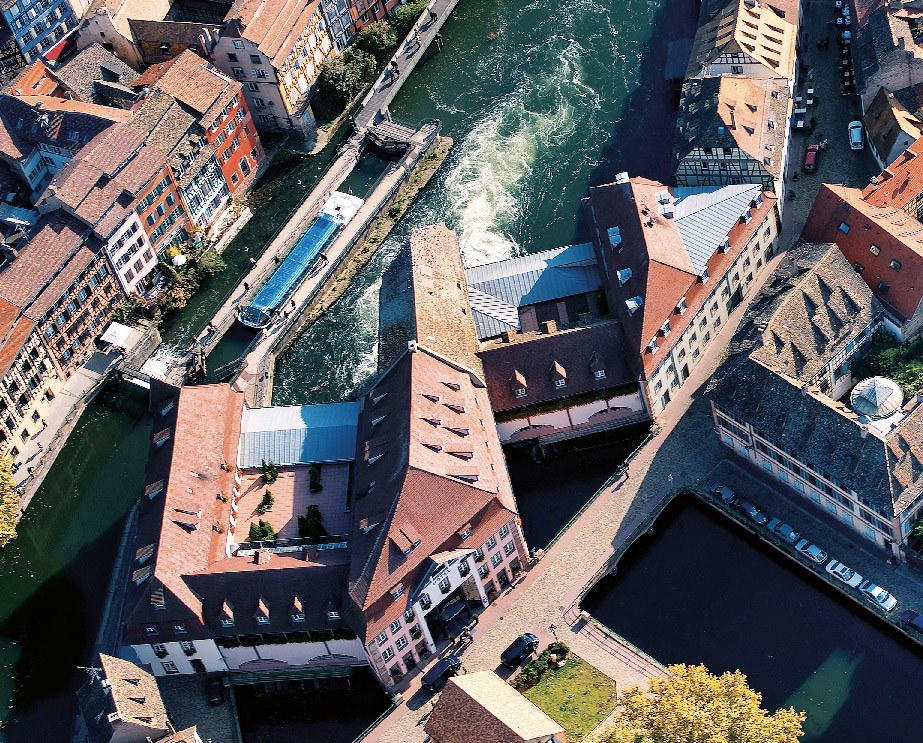
Au Crocodile is at 10 Rue de l'Outre in central Strasbourg, within walking distance of the cathedral quarter. The Relais et Châteaux affiliation provides a booking channel through that network's reservation infrastructure, and the email address crocodile@relaischateaux.com is the primary contact point. The kitchen is open Tuesday and Wednesday evenings only, from 19:00 to 21:00, with lunch added on Thursday, Friday, and Saturday from 12:00 to 13:00, followed by the evening service. The restaurant is closed on Mondays and Sundays. The restricted service windows, particularly the tight lunch sittings of a single hour, mean that booking ahead is not a precaution but a practical necessity. The price range sits at the top of the Strasbourg market, comparable to Buerehiesel and 1741 at the €€€€ tier. For those using the trip as an opportunity to cover the region more broadly, our full Strasbourg restaurants guide, hotels guide, bars guide, wineries guide, and experiences guide cover the wider field.
Frequently asked questions
How much does it cost to eat at Au Crocodile?
Pricing at Au Crocodile is listed as €€€€.
Cuisine-First Comparison
| Venue | Cuisine | Price | Awards | Notes |
|---|---|---|---|---|
| Au CrocodileThis venue (the venue you are viewing) | Classic French Fine Dining with Alsatian Influences | $100–150 | 1 Michelin Star · Relais Chateaux Award | Not listed |
| Buerehiesel | Alsatian Haute French Fine Dining | $100–150 | Michelin Plate · Star Wine List | French - Alsatian, Modern Cuisine |
| Colbert | Modern French Bistro | $50–100 | Michelin Plate | French Brasserie, Modern Cuisine |
| Ondine | Modern Plant-Based French Fine Dining | $100–150 | Michelin Plate | Seafood, Modern Cuisine |
| 1741 | Modern French Fine Dining | Not listed | 1 Michelin Star | Modern Cuisine |
| de:ja | Modern Alsatian Fine Dining | $150–200 | 1 Michelin Star | Creative |
Recognition history
Dated appearances from independent guides and award organizations, with the underlying list record or original source where available.
Michelin 1 Star
Michelin
Opinionated About Dining Classical in Europe Ranked #99
Opinionated About Dining
Relais Chateaux Award
Relais Chateaux
Gault & Millau Remarkable Restaurant
Gault & Millau
Full recognition history (9 entries)
Michelin 1 Star
Michelin
Opinionated About Dining Classical in Europe Ranked #106
Opinionated About Dining
Michelin 1 Star
Michelin
Opinionated About Dining Classical in Europe Ranked #97
Opinionated About Dining
Opinionated About Dining Classical in Europe Ranked #139
Opinionated About Dining
Continue exploring
More in Strasbourg
Restaurants in Strasbourg
All restaurants in Strasbourg →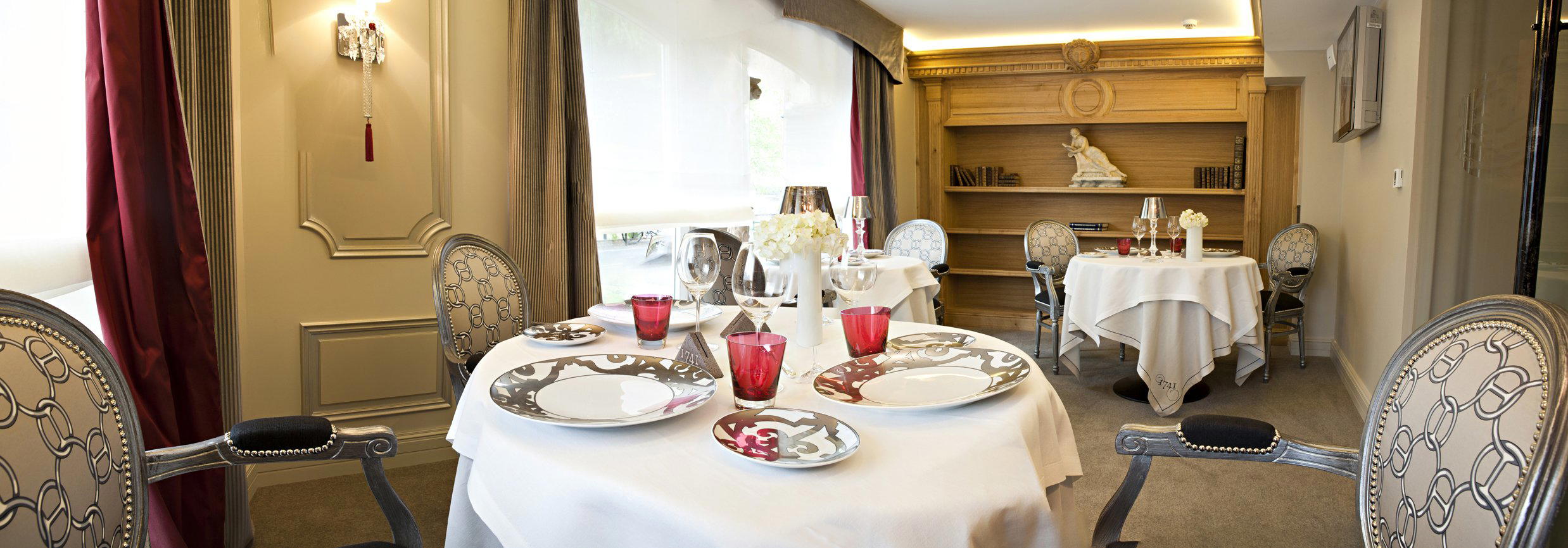
Bars in Strasbourg
All bars in Strasbourg →

Au Crocodile
The wine
- Wine program
- Deep wine list
- Extensive wine list
- Sommelier-led
Details
- Romantic
- Elegant
- Classic
- Sophisticated
- Well Known
- Date Night
- Special Occasion
- Business Dinner
- Historic Building
- Private Dining
- Extensive Wine List
- Sommelier Led
- Local Sourcing
- Tasting Menu
- A La Carte
- Wine
- Vegetarian Friendly
Current opening hours
- Monday
- Closed
- Tuesday
- 7–9 PM
- Wednesday
- 7–9 PM
- Thursday
- 12–1 PM, 7–9 PM
- Friday
- 12–1 PM, 7–9 PM
- Saturday
- 12–1 PM, 7–9 PM
- Sunday
- Closed
Hours can change for holidays and private events. Hours as of .
Refined and romantic historic setting with elegant lighting, sumptuous floral displays, and a focal painting of village festivities, creating a serene, sophisticated atmosphere praised for its warmth and comfort.