L'Oustau de Baumanière











Set against the limestone escarpments of Les Baux-de-Provence, L'Oustau de Baumanière occupies a position that few French country restaurants can claim: decades of Michelin recognition anchored to one of Provence's most dramatic natural settings. The kitchen draws from the surrounding Alpilles landscape, placing it firmly in a tradition of terroir-driven southern French cooking that rewards the journey from Marseille or Arles.
Pearl is the En Primeur Club membership app — saves, bookings, and concierge access live there. Same editors, same standards.
- Address
- Baumanière D27, Mas de, 13520 Les Baux-de-Provence, France
- Phone
- +33490543307
- Website
- baumaniere.com
- Directions
- Get directions
 Saves & bookings on Pearl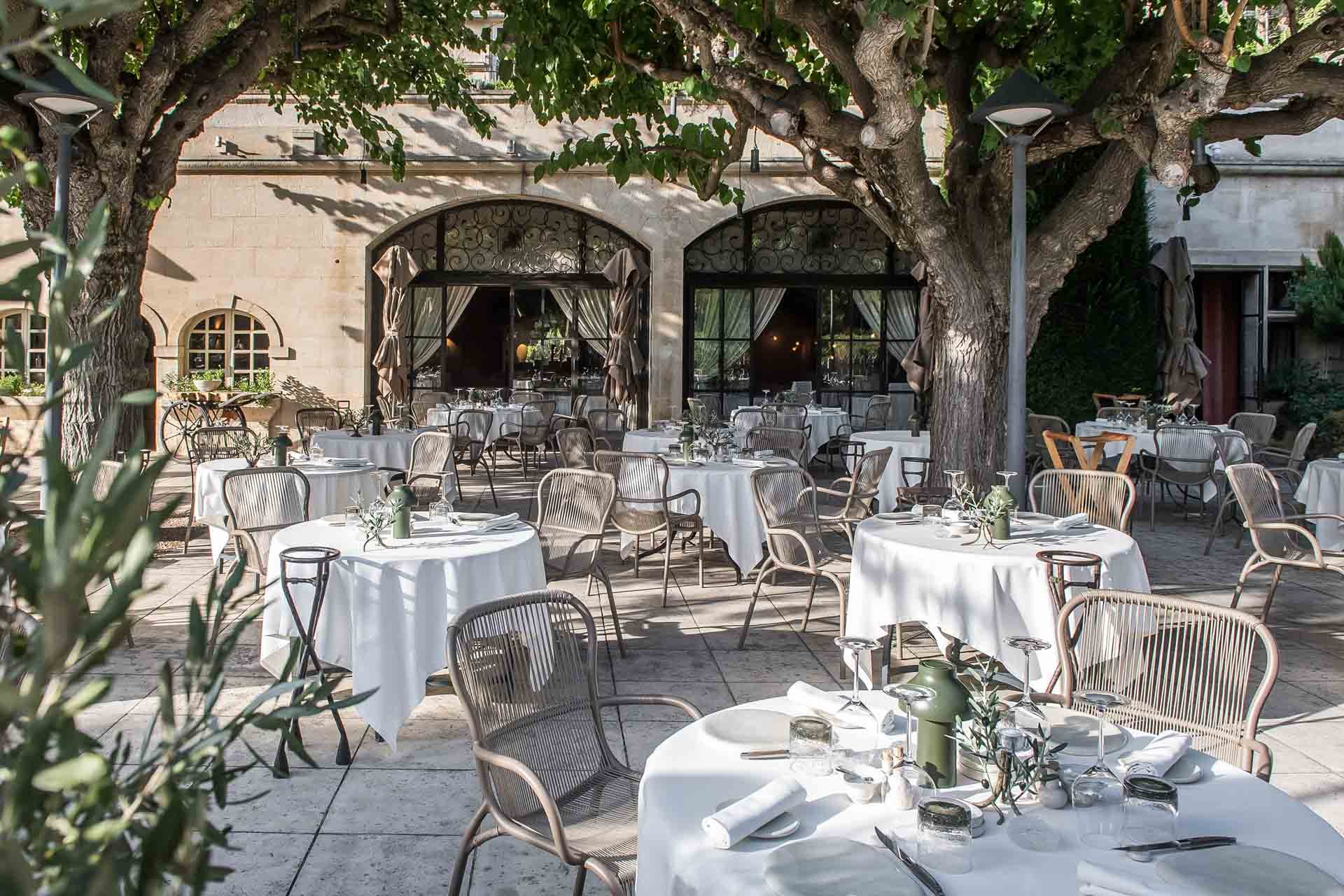
Where the Alpilles Reach the Table
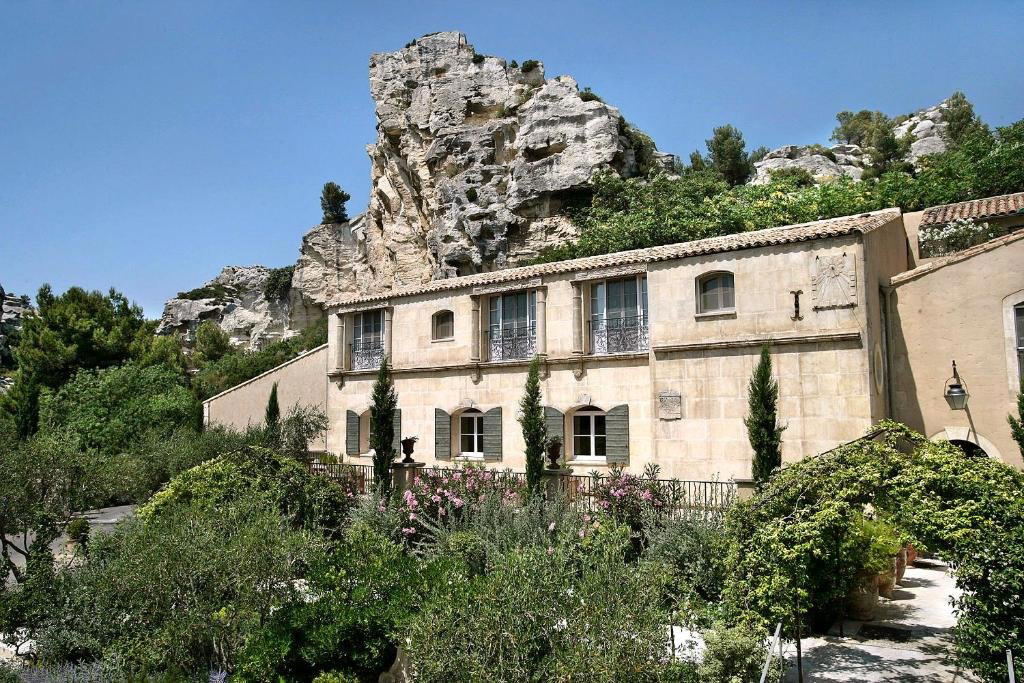
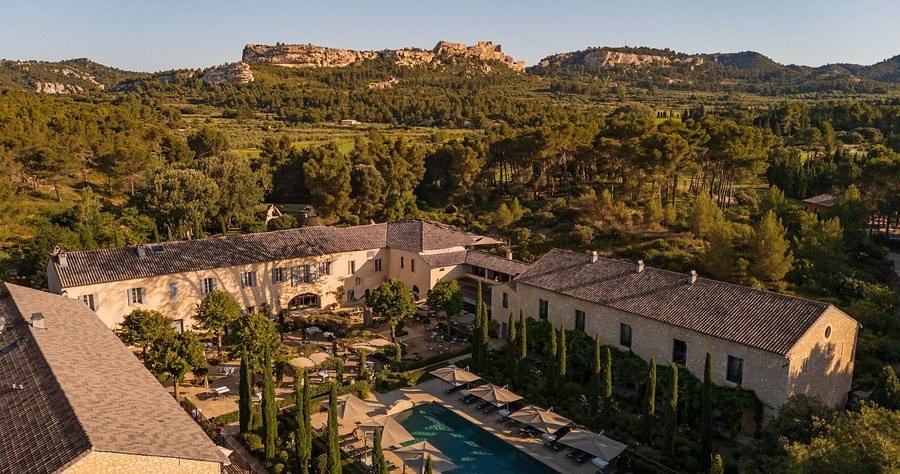
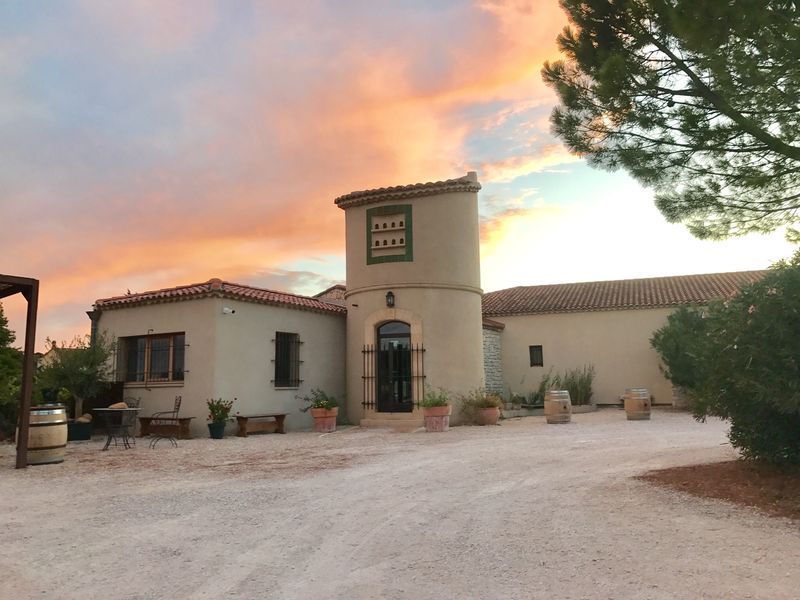
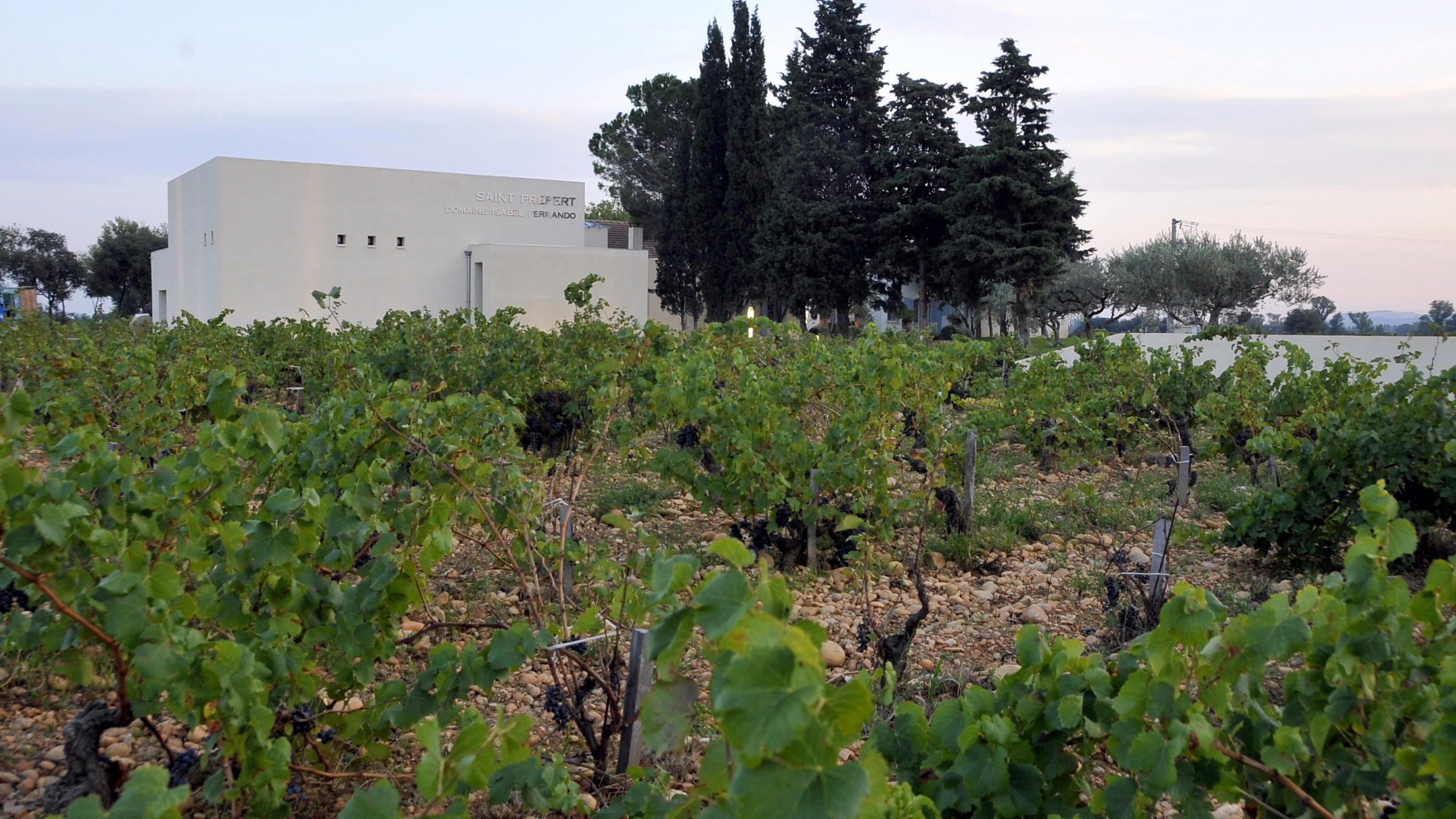
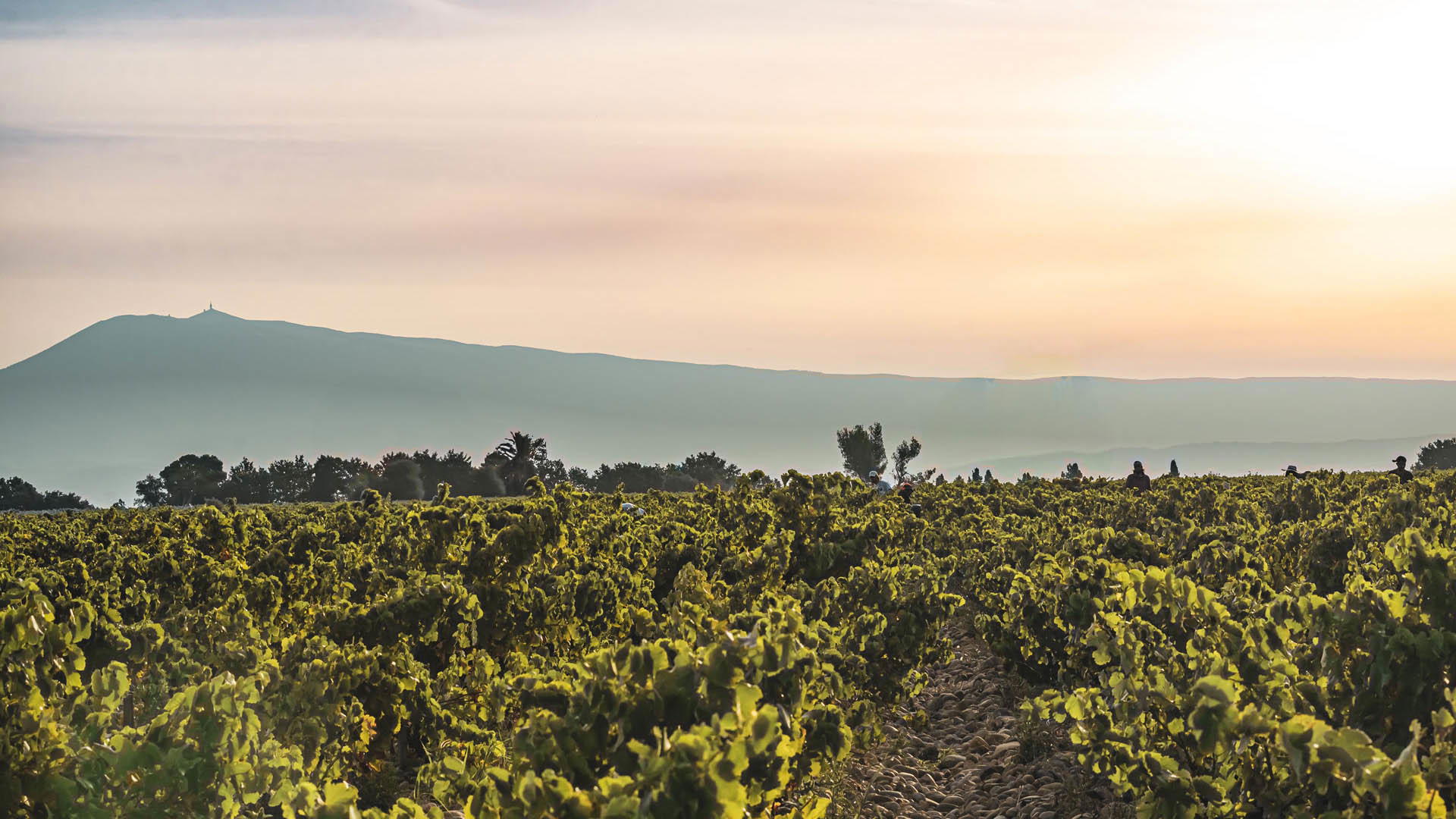
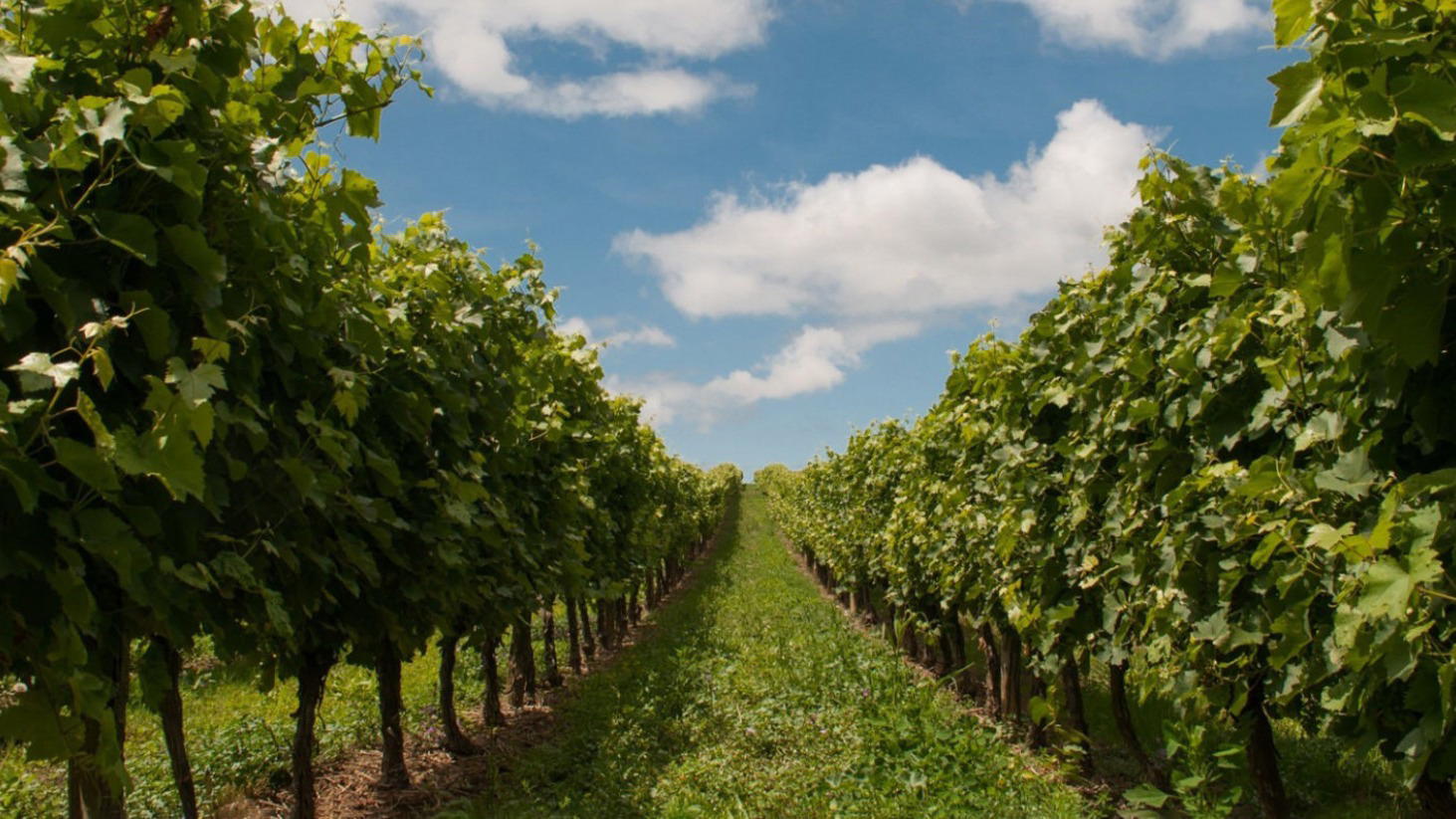
Arriving at Les Baux-de-Provence by the D27 requires a commitment. The village sits on a spur of the Alpilles, the small limestone range that divides the Camargue from the Luberon, and the road narrows as the white rock closes in overhead. That geological drama is not incidental to L'Oustau de Baumanière: the mas-style property sits at the foot of the cliffs, surrounded by olive groves and dry-stone walls, and the landscape that frames the approach is the same landscape that has shaped what appears on the plate for generations. In Provence, terroir is not a winemaker's abstraction, it is a physical fact that serious kitchens either engage with or ignore. Baumanière has never ignored it.
This is a restaurant with deep roots in the French fine dining tradition. Opened in 1945 by Raymond Thuilier, it became a destination for heads of state, artists, and anyone willing to make the detour from the main Provençal routes. That kind of longevity places it in a specific cohort of French restaurants, alongside Auberge de l'Ill in Illhaeusern, Georges Blanc in Vonnas, and Paul Bocuse - L'Auberge du Pont de Collonges in Collonges-au-Mont-d'Or, houses where the question is not simply what is cooked, but how a culinary identity survives and adapts across generations without losing the specificity that gave it meaning in the first place.
Sourcing as Structure: How the Alpilles Feed the Kitchen
The editorial angle on Baumanière that holds up under scrutiny is not the dining room or the awards history, it is where the food comes from. Southern Provence produces some of France's most characterful ingredients: wild herbs from the garrigue, lamb from flocks that graze the Alpilles scrubland, olives pressed in mills that have operated for centuries, and vegetables that benefit from the region's intense summer light and cool nights. A kitchen positioned here has access to a supply chain that more urban three-star restaurants cannot replicate regardless of budget or buying power.
The lamb of the Alpilles deserves particular attention as a reference point. Raised on thyme, rosemary, and wild grasses, it carries a herbal quality that distinguishes it clearly from Atlantic or upland breeds. For a kitchen at Baumanière, serving this lamb is not a sourcing decision so much as a geographic obligation, to ignore it would be to misrepresent the place. This is the logic that separates terroir-anchored restaurants from those that apply fine technique to globally interchangeable produce. Compare this approach with what Bras in Laguiole does with the Aubrac plateau, or what Auberge du Vieux Puits in Fontjoncouse achieves by sourcing within a tight Corbières radius: the principle is the same, and it points toward a strand of French gastronomy that treats geography as the primary ingredient.
Olive oil, too, functions differently at this latitude than it does in Parisian kitchens. The Vallée des Baux holds AOC status for its olive oil, one of only a handful of French designations for the product, and the mills around Les Baux produce oils that range from delicate and buttery to intensely peppery depending on variety and harvest timing. A kitchen operating within this landscape can use olive oil not as a neutral fat but as a flavour-carrying element with its own seasonal variation, the kind of ingredient decision that connects the plate directly to the year and the place.
Placing Baumanière in the Broader French Fine Dining Map
France's three-star tier has contracted and evolved significantly since the mid-twentieth century. The current cohort of recognised southern French fine dining destinations includes Mirazur in Menton and AM par Alexandre Mazzia in Marseille, both operating with different registers: Mirazur as a garden-to-table coastal property, AM as an intensely personal urban tasting format. Baumanière occupies neither of those positions. Its identity is rooted in the grand country house tradition, a property where the restaurant is inseparable from the landscape, and where the pace of a meal is calibrated to an afternoon rather than an hour.
That tradition has its own internal logic. Country house fine dining in France assumes that the guest is travelling to reach the table, which shifts the entire hospitality frame. You are not fitting dinner into an urban evening; you are organising a day around a place. This is the same logic that applies to Flocons de Sel in Megève or Troisgros - Le Bois sans Feuilles in Ouches, restaurants where the setting is not background scenery but an active part of what you are paying for. In that sense, Baumanière is best understood not against the Parisian palace restaurant tier (see Alléno Paris au Pavillon Ledoyen or Assiette Champenoise in Reims for that register) but against a cohort of destination restaurants where the journey and the place are part of the proposition.
Les Baux-de-Provence itself contributes to the equation. The village above the property is among the more frequently visited sites in Provence, but most visitors arrive, walk the ruins, and leave. The dining room at Baumanière draws a different kind of attention: people who have organised the trip specifically around the meal. Within the village's immediate dining options, Camille Ô Baux and Oustaù de Baumanière offer alternative entry points to the local table, but Baumanière itself operates at a different scale and with a different level of expectation.
Planning Your Visit
Les Baux-de-Provence sits approximately 30 kilometres northeast of Arles and around 25 kilometres from Saint-Rémy-de-Provence, reachable by car via the D17 and D27. There is no meaningful public transport to the village, and the road approach is narrow in sections, arrival by taxi from Arles or a hired car is the practical choice for those not driving. Given the property's profile and the relatively small scale of Provençal fine dining at this level, reservations should be made well in advance, particularly for summer months when the Alpilles fills with visitors and the dining room operates at capacity.
For travellers combining this with a broader south-of-France itinerary, Christopher Coutanceau in La Rochelle and Au Crocodile in Strasbourg anchor other regional traditions that complete a picture of French fine dining outside Paris. And for those whose reference point is transatlantic, Le Bernardin in New York City or Atomix in New York City, the contrast with Baumanière's rooted, landscape-dependent format is instructive about what European fine dining at its most place-specific actually looks like.
In Context: Similar Options
Comparable venues nearby, for context on price, style, and recognition.
| Venue | Cuisine | Price | Notes |
|---|---|---|---|
| L'Oustau de BaumanièreThis venue — the venue you are viewing | Modern Provençal Fine Dining | $$$$ | Not listed |
| Oustaù de Baumanière | Modern Provençal Fine Dining | $$$$ | Les Baux-de-Provence |
| Benvengudo | Modern Provençal French | $$$$ | Les Baux-de-Provence |
| Camille Ô Baux | French Bistro with Vegetarian & Vegan Options | $$ | Les Baux-de-Provence |
| L'Inédit | Modern French Bistro | $$$$ | Lunel-Viel |
| Le Panier des Chefs | Provencal Chef's Counter Experience | $$$$ | old town |
Recognition history
Dated appearances from independent guides and award organizations, with the underlying list record or original source where available.
Falstaff Restaurant - 99 Falstaff Points
Falstaff
La Liste Top Restaurants
La Liste
Les Grandes Tables du Monde Member
Les Grandes Tables du Monde
Michelin 3 Stars
Michelin
Opinionated About Dining Classical in Europe Ranked #38
Opinionated About Dining
Relais Chateaux Award
Relais Chateaux
Star Wine List
Star Wine List
Gault & Millau Exceptional Restaurant
Gault & Millau
La Liste Top Restaurants
La Liste
Michelin 3 Stars
Michelin
Opinionated About Dining Classical in Europe Ranked #39
Opinionated About Dining
Relais Chateaux Award
Relais Chateaux
The Best Chef Two Knives
The Best Chef
We're Smart World 5 Radishes
We're Smart World
We're Smart World Top 100 #9
We're Smart World
Wine Spectator Best of Award of Excellence
Wine Spectator
Michelin 3 Stars
Michelin
Opinionated About Dining Classical in Europe Ranked #39
Opinionated About Dining
Opinionated About Dining Classical in Europe Ranked #52
Opinionated About Dining
Continue exploring
More in Les Baux-de-Provence
Restaurants in Les Baux-de-Provence
Browse all →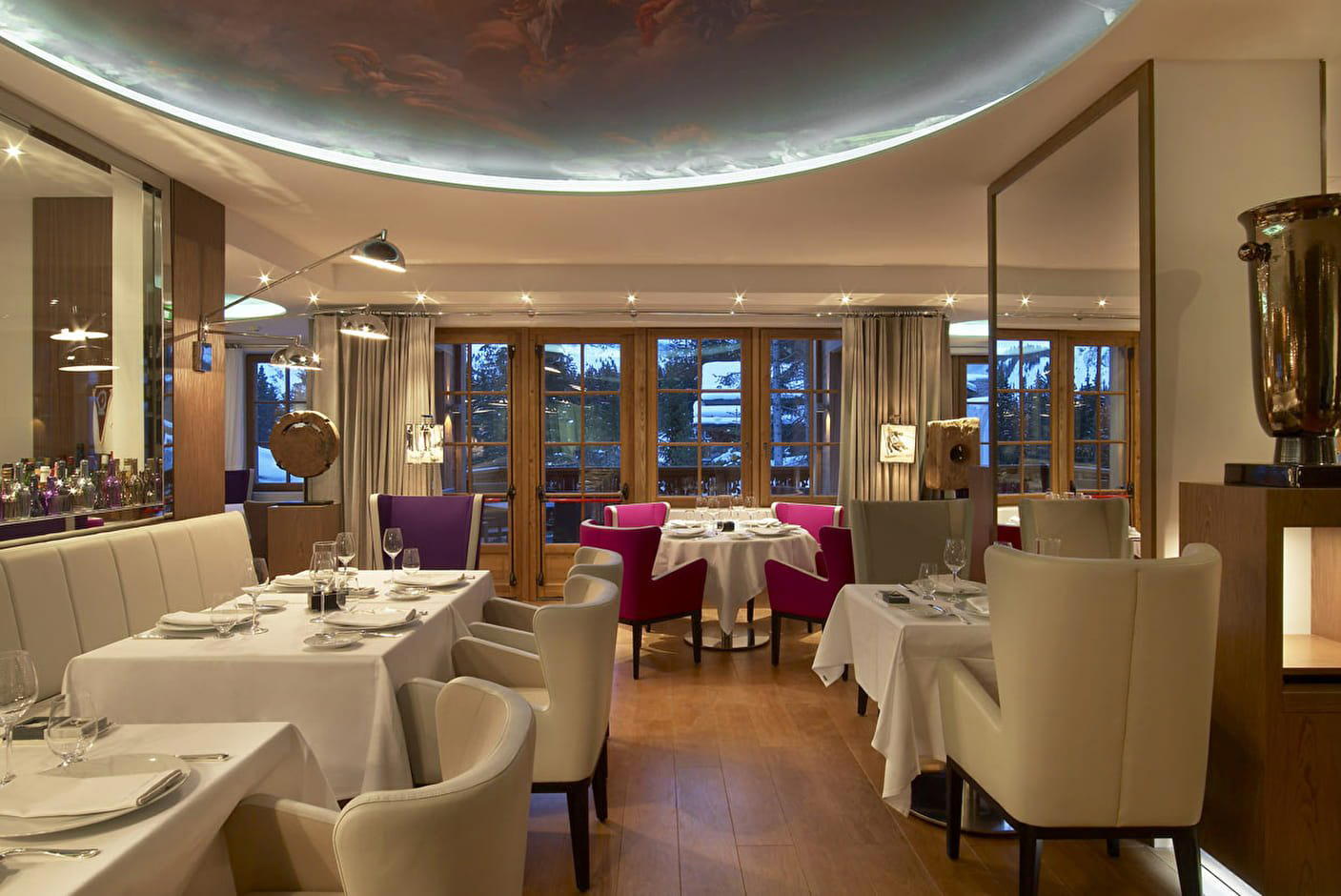
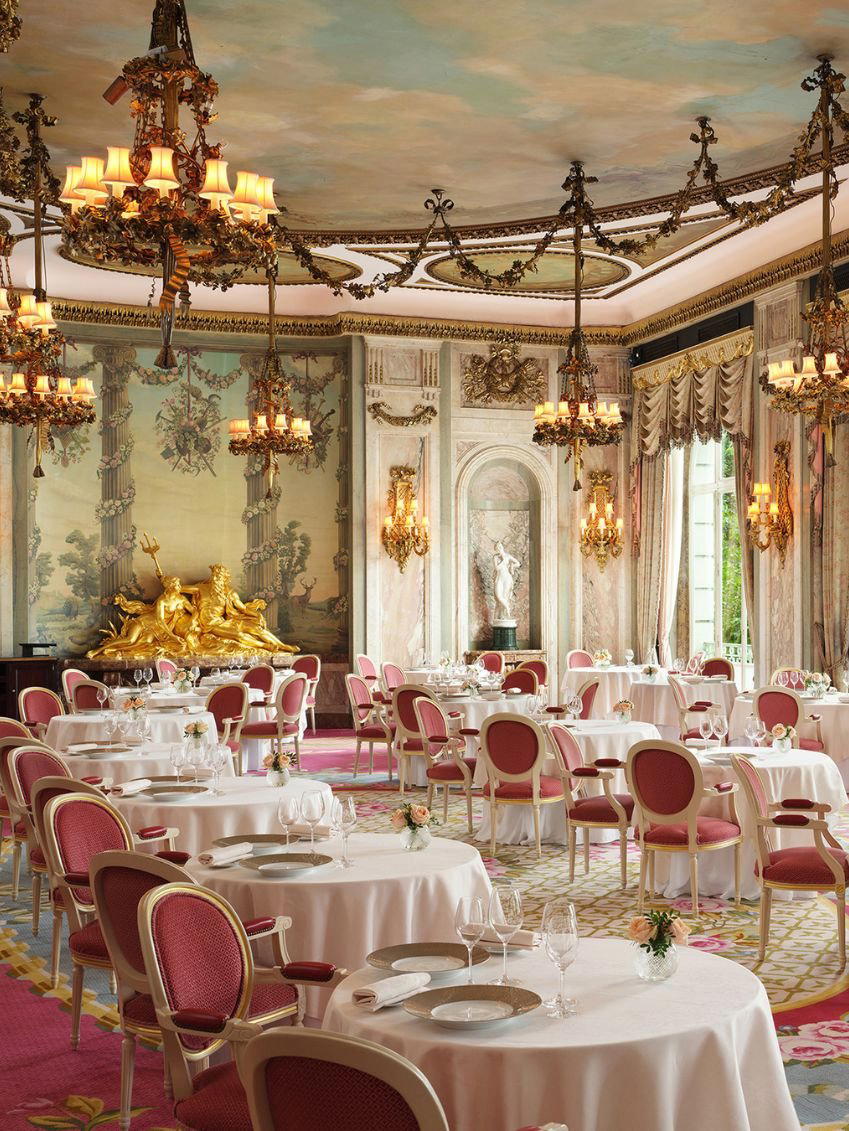
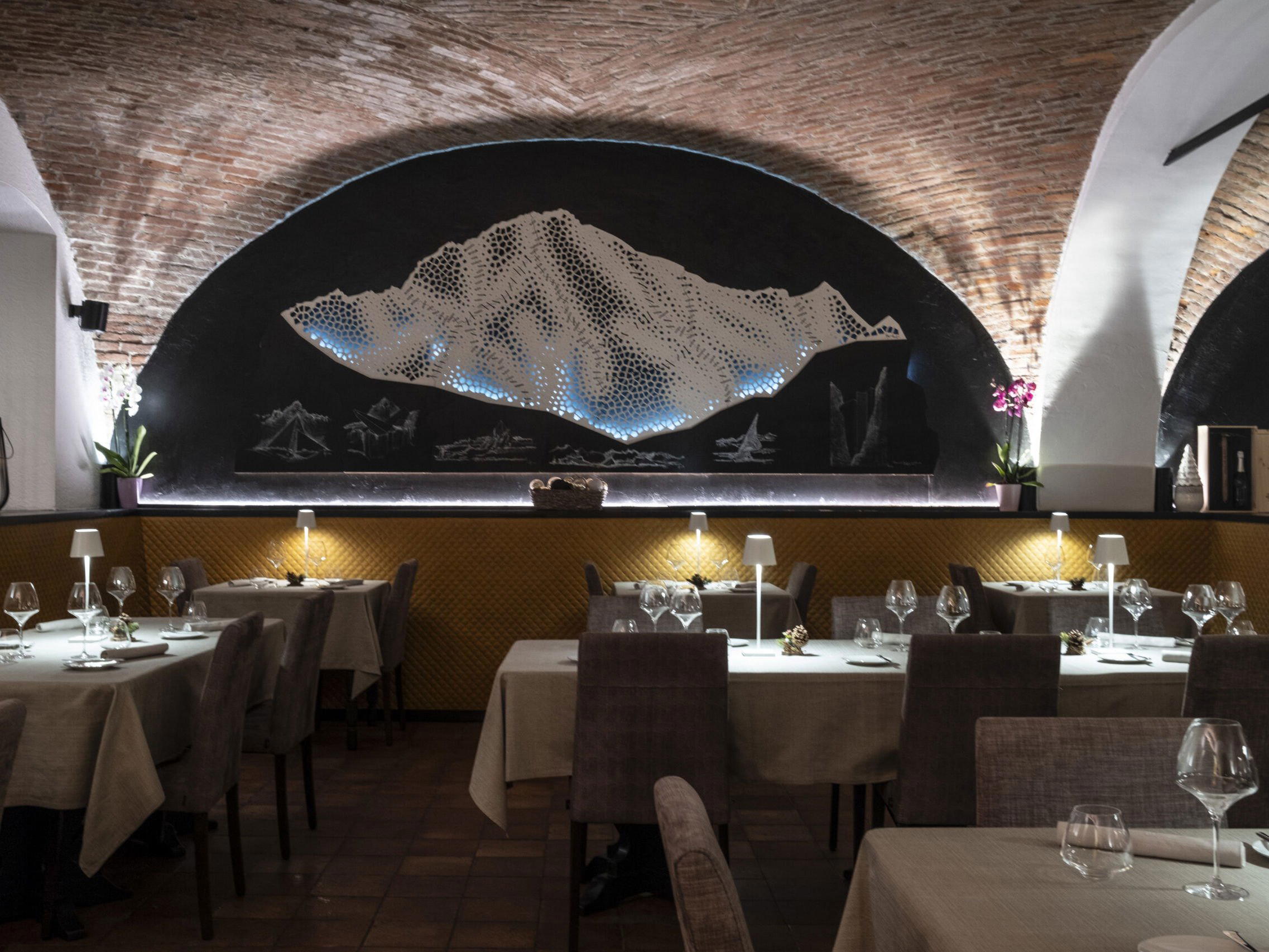
Bars in Les Baux-de-Provence
Browse all →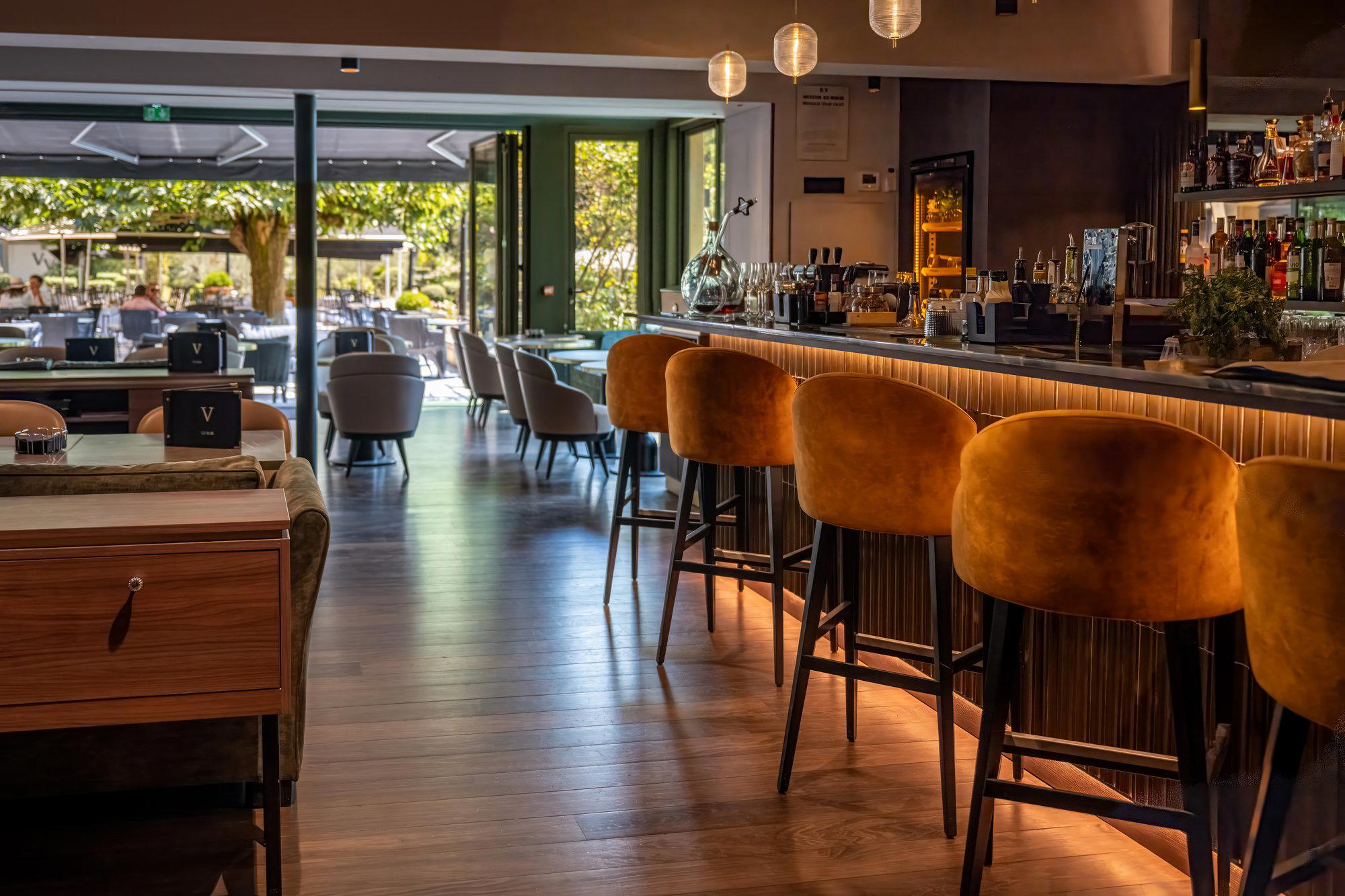
Hotels in Les Baux-de-Provence
Browse all →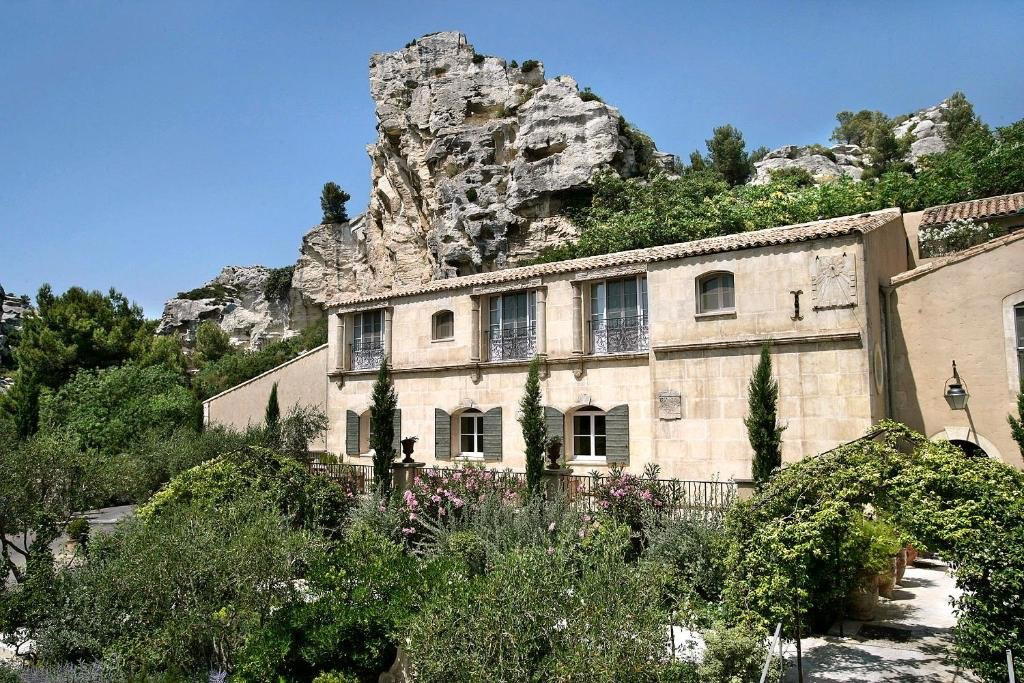
At a Glance
- Romantic
- Elegant
- Classic
- Scenic
- Sophisticated
- Special Occasion
- Date Night
- Celebration
- Historic Building
- Hotel Restaurant
- Terrace
- Extensive Wine List
- Sommelier Led
- Local Sourcing
- Organic
- Mountain
- Garden
Current opening hours
- Monday
- 12–2 PM, 7:30–9 PM
- Tuesday
- 12–2 PM, 7:30–9 PM
- Wednesday
- Closed
- Thursday
- Closed
- Friday
- 12–2 PM, 7:30–9 PM
- Saturday
- 12–2 PM, 7:30–9 PM
- Sunday
- 12–2 PM, 7:30–9 PM
Hours can change for holidays and private events. Last verified .
Superb dining room with softness and finesse, set in a lovely, picturesque valley surrounded by dramatic rock formations, providing an elegant and unhurried atmosphere.