This listing is retired after a June 2026 status audit found the place inactive at its stored address.
- Address
- 15 avenue Montaigne, 75008 Paris
- Directions
- Get directions
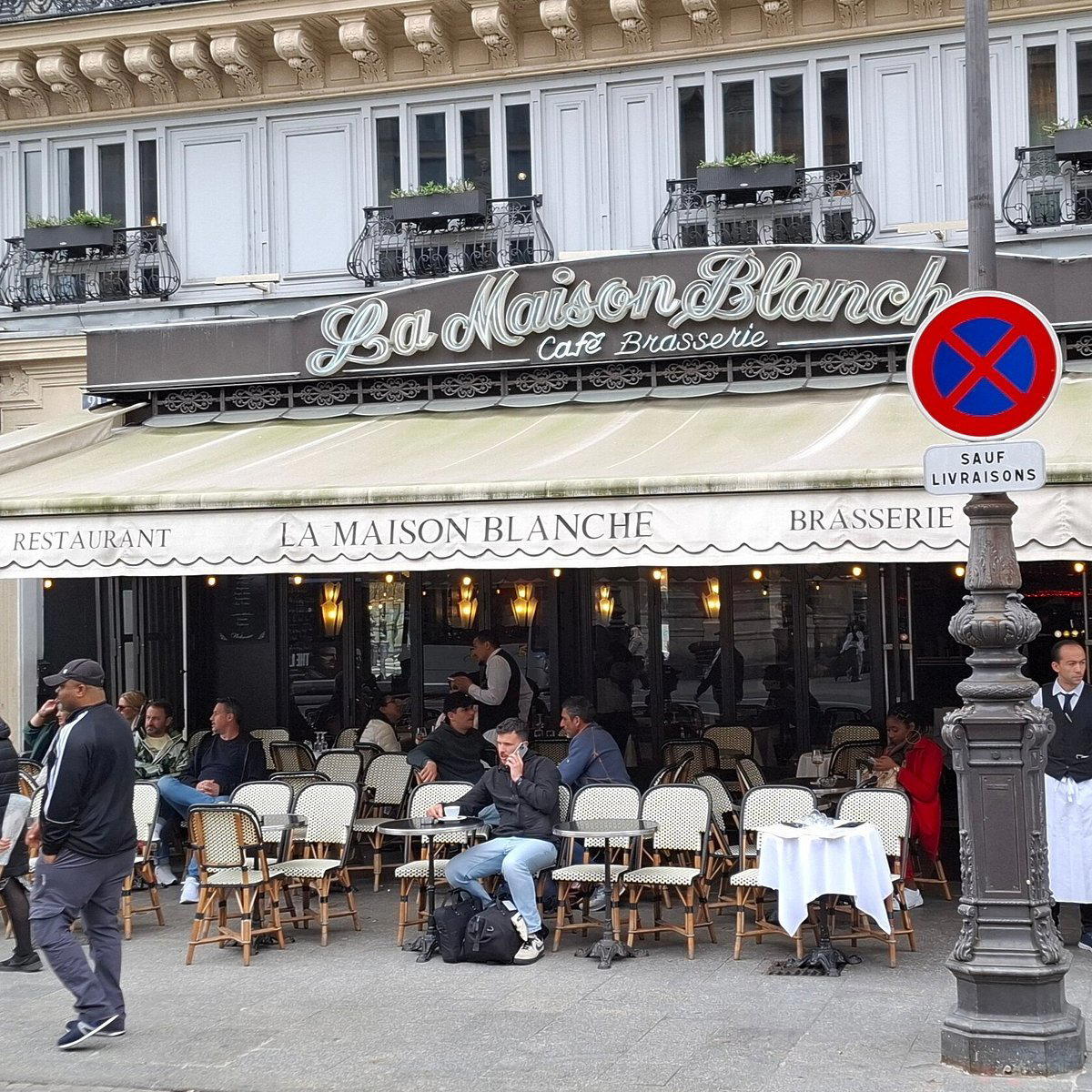
Avenue Montaigne and the Weight of Its Address
Avenue Montaigne carries a particular kind of pressure. The 8th arrondissement street that runs from the Seine toward the Champs-Élysées is lined with couture houses, grand hotels, and restaurants where the bill arrives with the same quiet formality as everything else. Dining here is not a casual proposition. The street situates any restaurant within a competitive set that includes Le Cinq at the Four Seasons Hôtel George V just blocks away, and the broader cluster of Right Bank fine dining that has defined Parisian gastronomy for decades. Maison Blanche, at number 15, sits inside that geography and inherits its expectations. It is a modern French fine-dining restaurant in Paris, with a price point of about $110 per person.
Paris's fine-dining scene has split more sharply in recent years between two modes: the progressive tasting counter, where a single chef's creative arc drives the entire experience, and the grand-room restaurant, where the room itself, the cellar, and the orchestration of service are as significant as what arrives on the plate. Avenue Montaigne aligns naturally with the latter tradition. The dining rooms that have endured in this part of the city tend to be those where the wine list and the front-of-house program carry weight independent of any single kitchen moment.
The Wine Program as the Central Argument
At this tier of Parisian dining, the sommelier's cellar is not a supporting feature. It is frequently the reason a table is booked in the first place. Paris's most serious Right Bank dining rooms have long maintained wine lists where the depth of vertical holdings, the breadth across appellations, and the quality of guidance available at the table function as a statement of intent. This is the tradition Maison Blanche operates within.
The great cellars of Paris tend to be measured against two standards: range across French regions, and the depth of Bordeaux and Burgundy verticals in particular. Both Champagne and Rhône selections have become increasingly important markers, as has the quality of sourcing from smaller producers whose allocations are not available through standard distribution. Restaurants at this address-tier are expected to hold all of these simultaneously, and to have sommeliers capable of navigating across them without reverting to the familiar names on every recommendation.
For context, the wine programs at houses like Alléno Paris au Pavillon Ledoyen and L'Ambroisie on the Place des Vosges set the benchmark against which serious Parisian cellars are measured. These are institutions with decades of accumulation behind their lists.
Classic French Dining in Its Current Form
French haute cuisine has been in active negotiation with itself since at least the 1970s, when nouvelle cuisine dismantled the assumptions of Escoffier-derived service and portion architecture. What remains in the current generation of Paris grand rooms is a style that has absorbed those revisions while retaining the formal structure, the brigade, the tableside ritual, the cheese trolley, the progression from amuse through mignardise, that distinguishes this mode from the more austere tasting counters that have proliferated since the 2010s.
Kitchens operating in the classic French tradition, even those that have modernized their technique, tend to anchor their menus in product sourcing and sauce work rather than in the conceptual framing that characterizes places like Arpège or Kei. The logic of the meal is guided by season and by a commitment to French primary ingredients: the Bresse chicken, the Brittany fish, the Périgord truffle in its brief window between December and February. These are the materials that define the category, and the mark of a kitchen operating at this level is in what it does with them, not in how dramatically it departs from the canon.
France's broader fine-dining geography offers useful comparison points. The regional houses that have sustained serious reputations over long periods, from Auberge de l'Ill in Alsace to Troisgros in the Loire, share a characteristic: their identities are built around accumulated culinary language rather than a single chef's current project. Paris's enduring grand rooms operate on similar logic. The address and the room create a continuity that outlasts any individual tenure.
The contrast with France's more idiosyncratic voices is instructive. Bras in Laguiole and AM par Alexandre Mazzia in Marseille are defined by singular creative perspectives rooted in specific landscapes and personal histories. Auberge du Vieux Puits in Fontjoncouse and Flocons de Sel in Megève draw their identity from place and altitude in ways that a Paris address cannot replicate. The avenue Montaigne dining room trades in a different currency: prestige of location, quality of room, and the accumulated expectation that comes with operating in France's most internationally visible dining district.
International comparisons further clarify the category. Le Bernardin in New York City demonstrates how a French fine-dining template can sustain decades of consistent reputation by anchoring itself in a single strong product identity, in that case, seafood executed with technical precision. The lesson Paris's long-standing grand rooms offer is similar: clarity of purpose, sustained over time, tends to outlast novelty.
Booking, Arrival, and What to Expect
The practical reality of dining on avenue Montaigne is that the address itself sets a register. Guests arriving at restaurants in this corridor arrive in a particular frame of mind, and the rooms are built to receive them accordingly. Smart casual is the understood baseline rather than a posted rule at this tier.
Reservations at this category of Parisian restaurant are recommended.
Reservations are recommended. Dress code: smart casual. Location: 15 avenue Montaigne, 75008 Paris.
Cost and Credentials
Comparable venues nearby, for context on price, style, and recognition.
| Venue | Cuisine | Price | Notes |
|---|---|---|---|
| Maison BlancheThis venue — the venue you are viewing | Not listed | $$$ | Not listed |
| Porte 12 | Not listed | $$$ | 10e, Modern Neo-Bistro |
| Brasserie l'Émil | Not listed | $$$ | 1er arrondissement, French Brasserie with Mediterranean Accents |
| Aux Crus de Bourgogne | Not listed | $$$ | Montorgueil, Classic French Bistro with Burgundian Specialties |
| Colère | Not listed | $$$ | 9th arrondissement, Spicy Modern French |
| Bistro L'Olivier | Montmartre, French Mediterranean Bistro | $$$ | Not listed |
Continue exploring
More in Paris
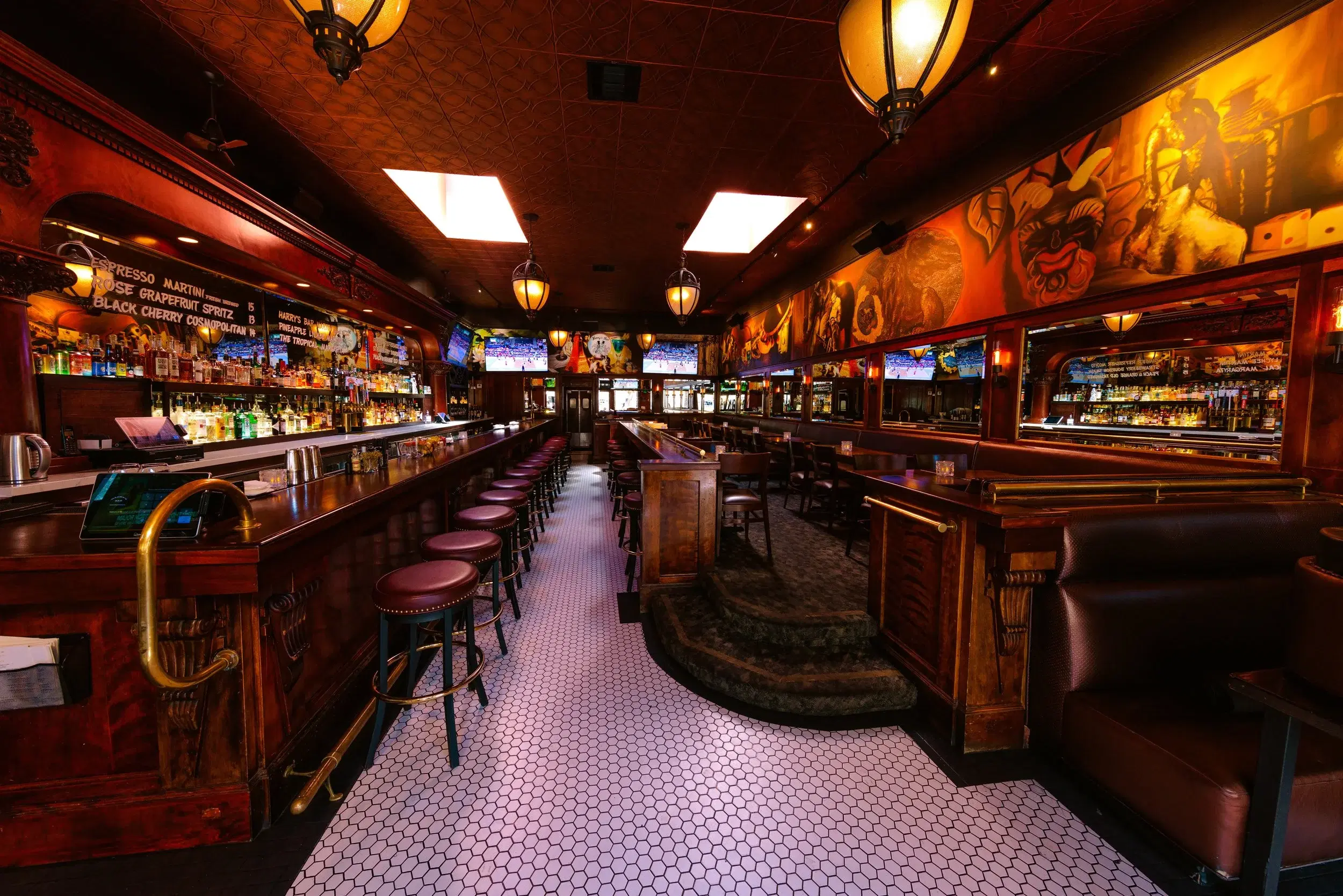
Restaurants in Paris
Browse all →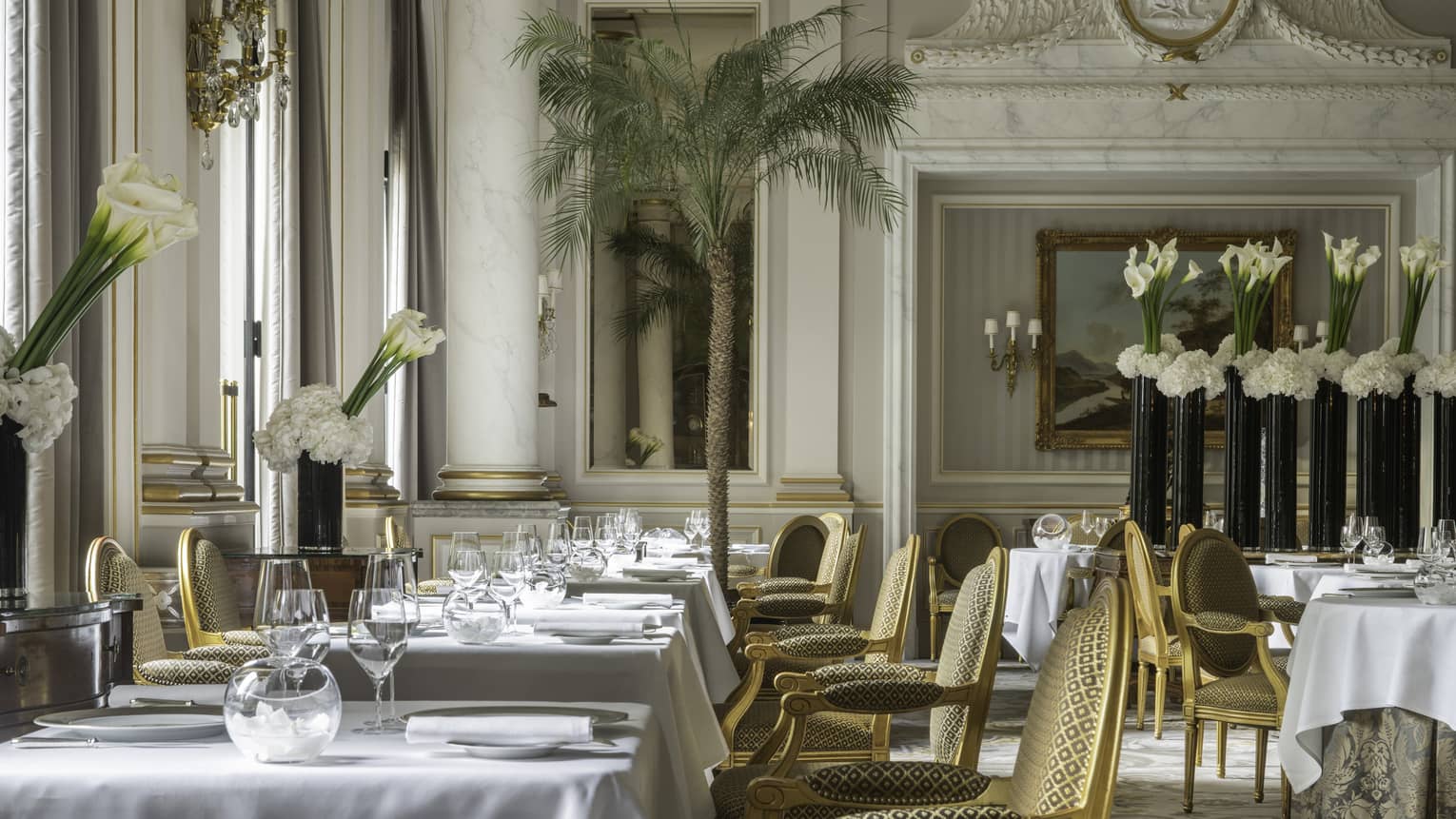
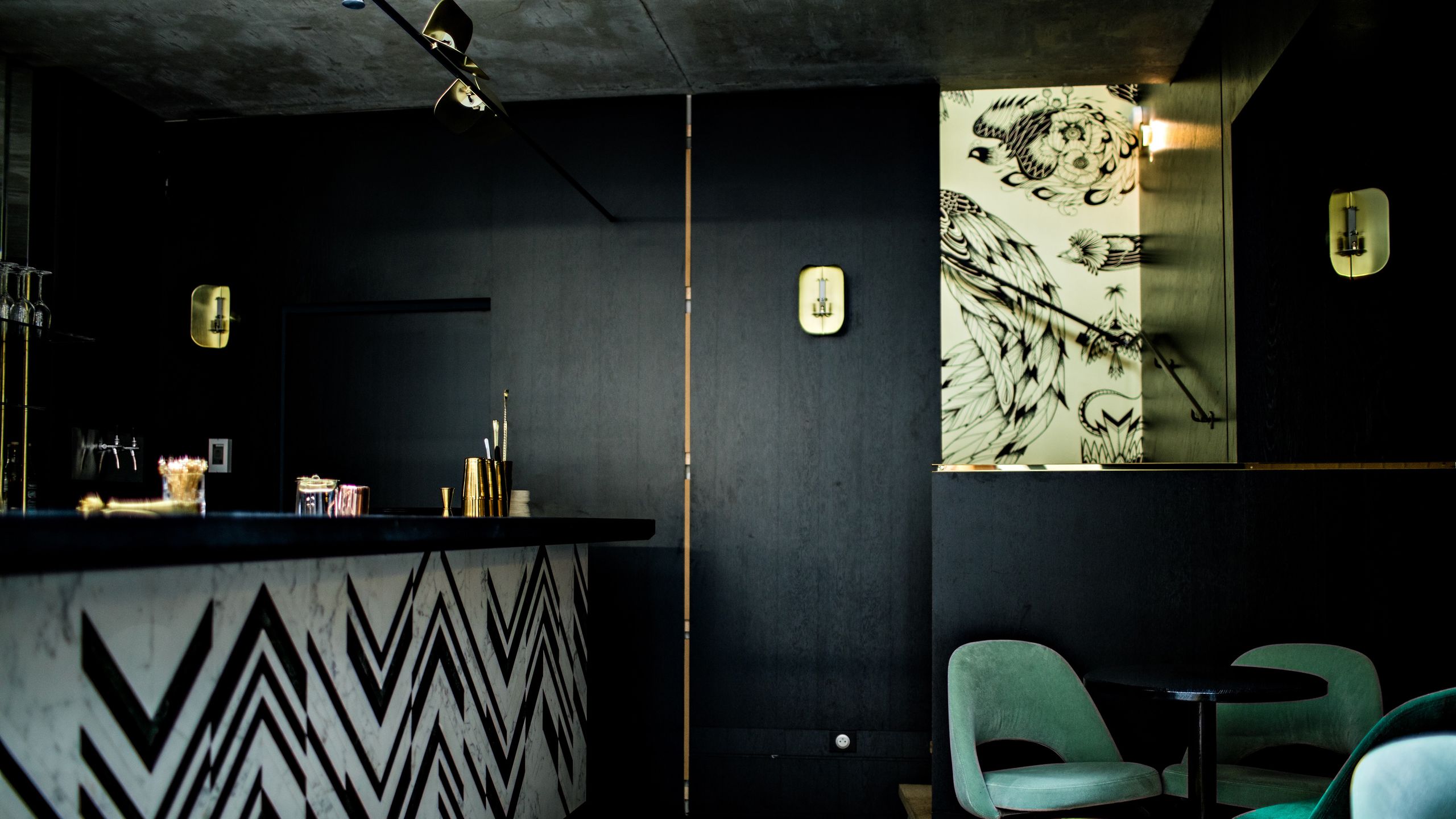
Bars in Paris
Browse all →
Hotels in Paris
Browse all →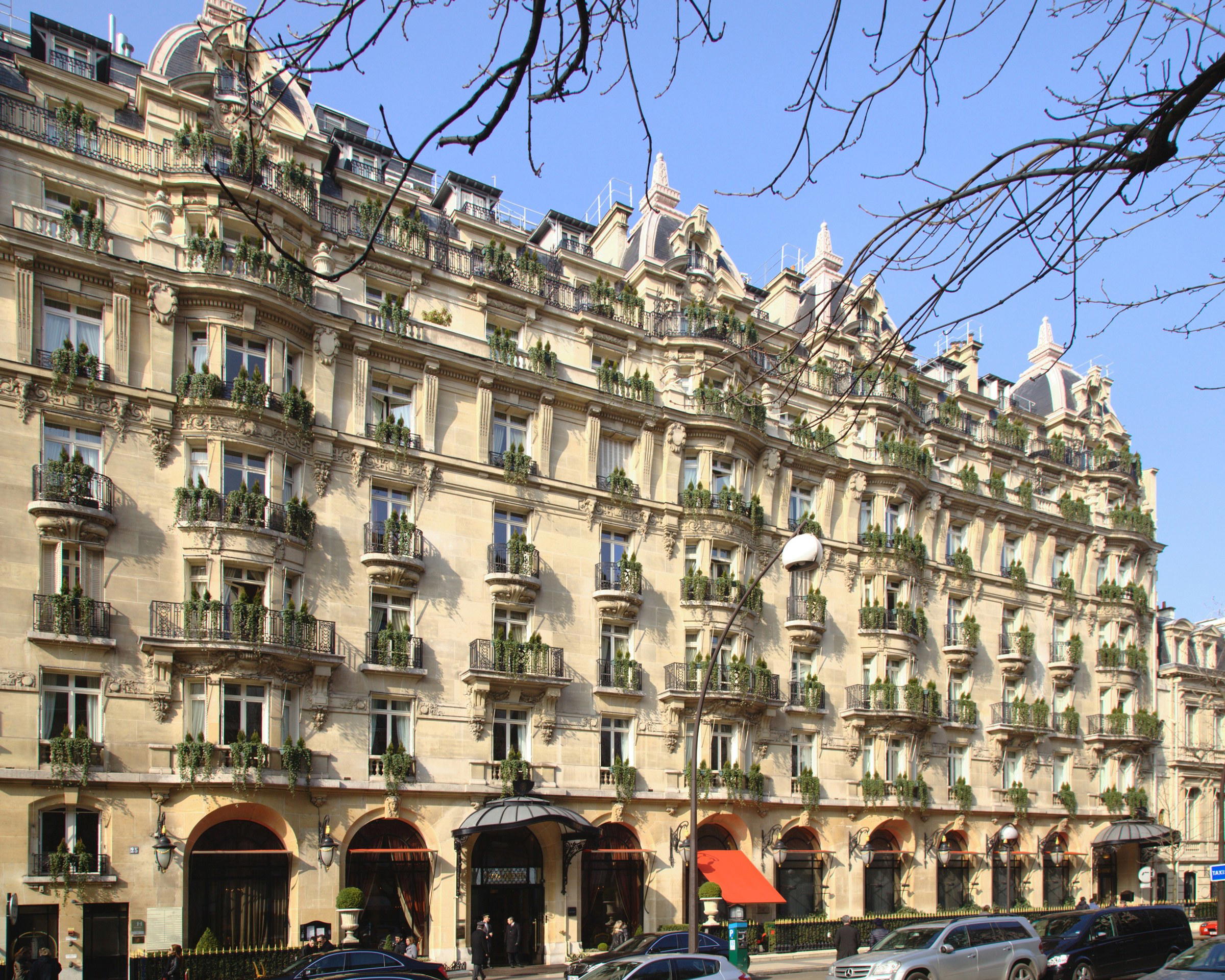



At a Glance
- Elegant
- Sophisticated
- Romantic
- Scenic
- Date Night
- Business Dinner
- Special Occasion
- Rooftop
- Terrace
- Panoramic View
- Historic Building
- Extensive Wine List
- Skyline