





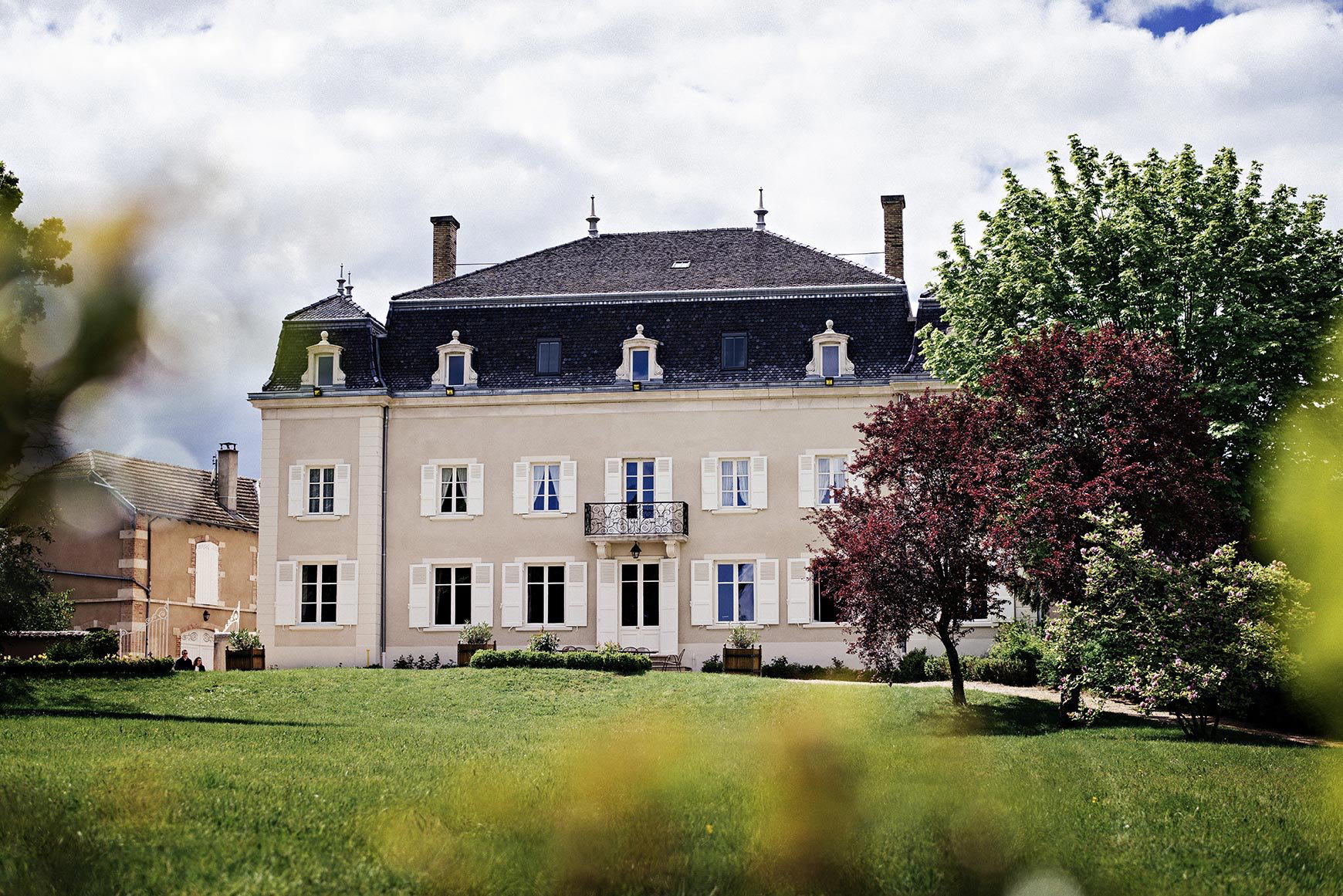
Georges Blanc is a restaurant on Place du Marché in Vonnas, France.
Pearl is the En Primeur Club membership app — saves, bookings, and concierge access live there. Same editors, same standards.
- Address
- 1 Pl. du Marché, 01540 Vonnas, France
- Phone
- +33 4 74 50 90 90
- Website
- georgesblanc.com
- Directions
- Get directions
 Saves & bookings on Pearl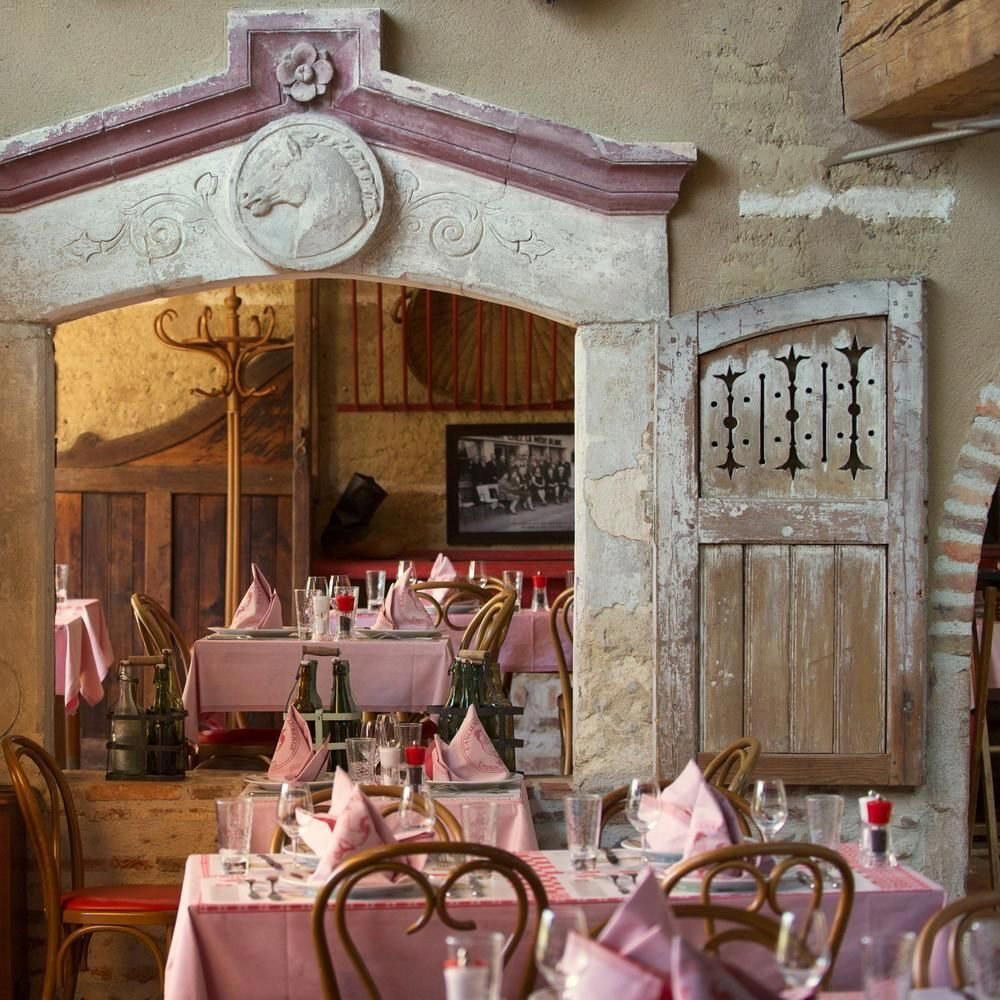
A Village Built Around a Table
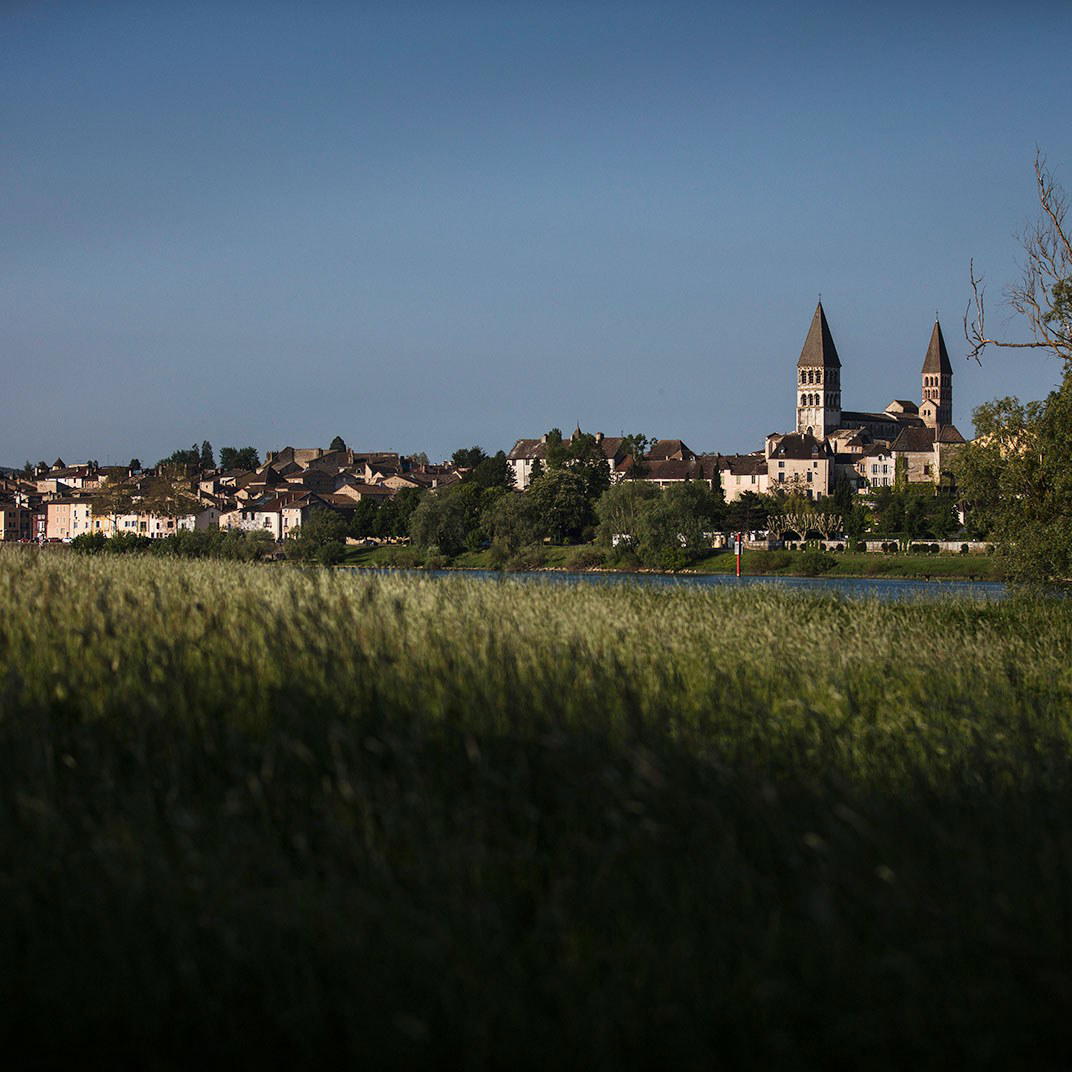
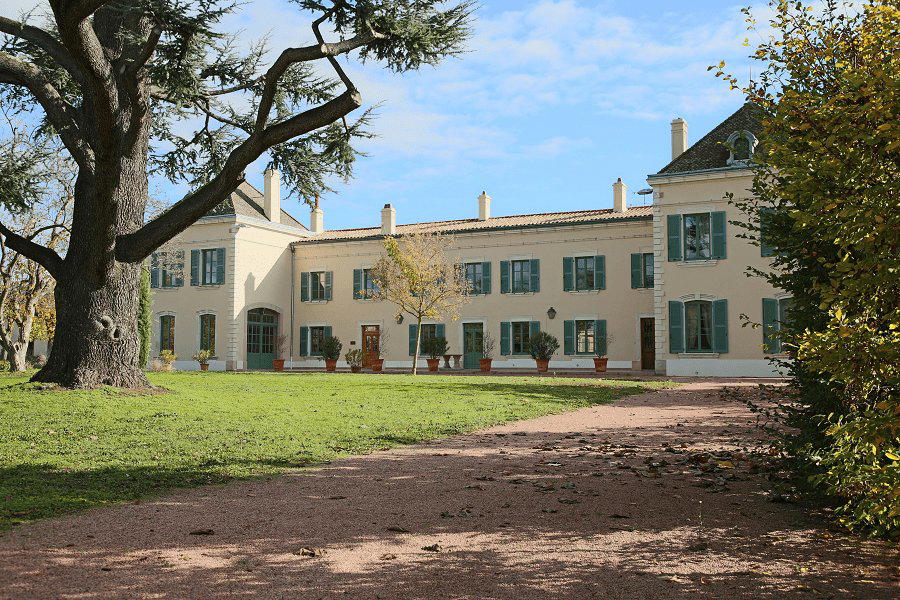
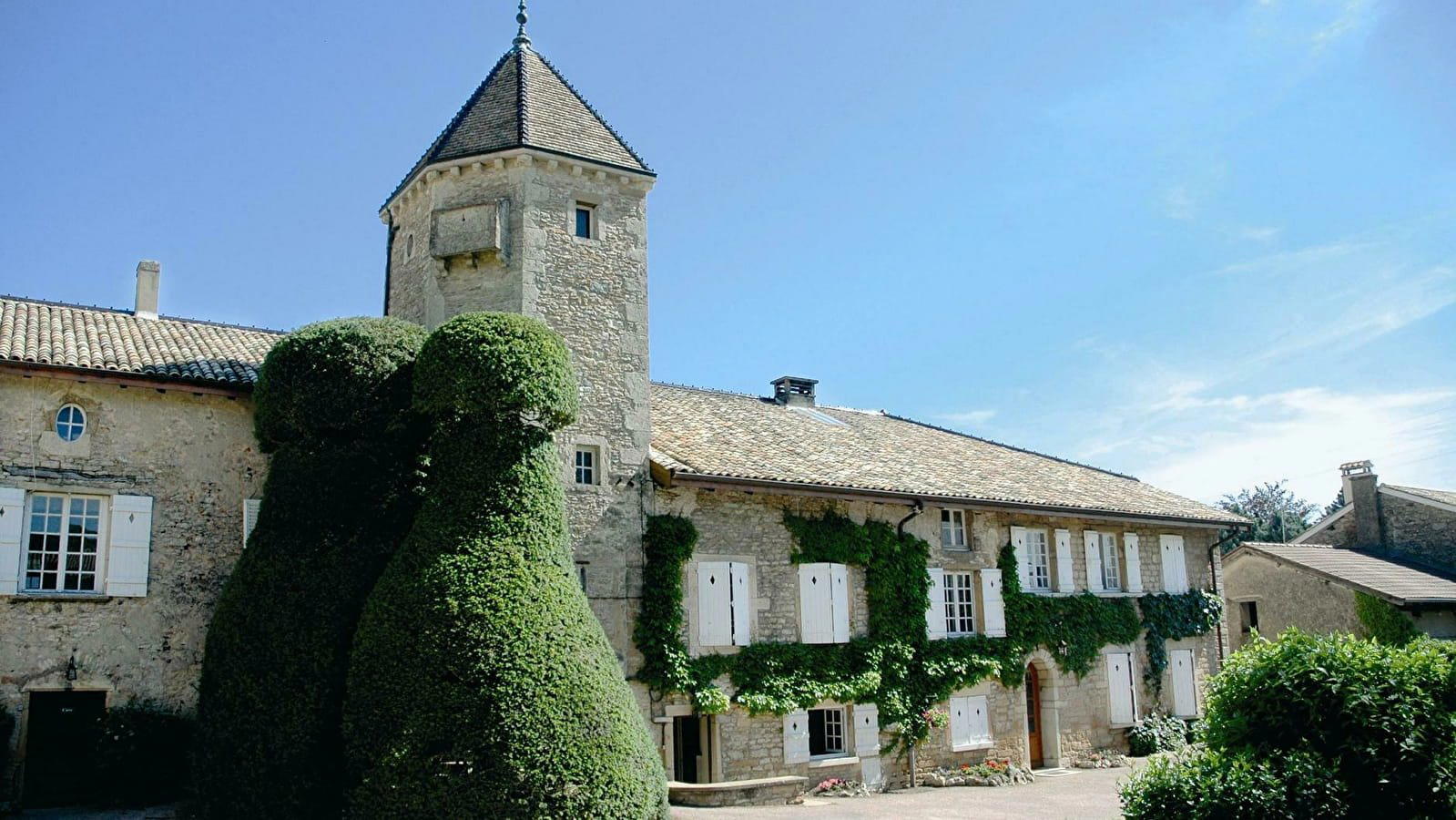
Vonnas is a small market town in the Ain département, roughly equidistant between Lyon and Bourg-en-Bresse, and its Place du Marché is not a typical address for a two-Michelin-starred kitchen. Yet that is precisely the point. French classical cuisine at this level did not always concentrate in Paris arrondissements or Alpine resort towns. Some of its most enduring expressions took root in agricultural heartland, where proximity to the raw material was the original competitive advantage. Georges Blanc sits on that square, its façade part village inn, part institution.
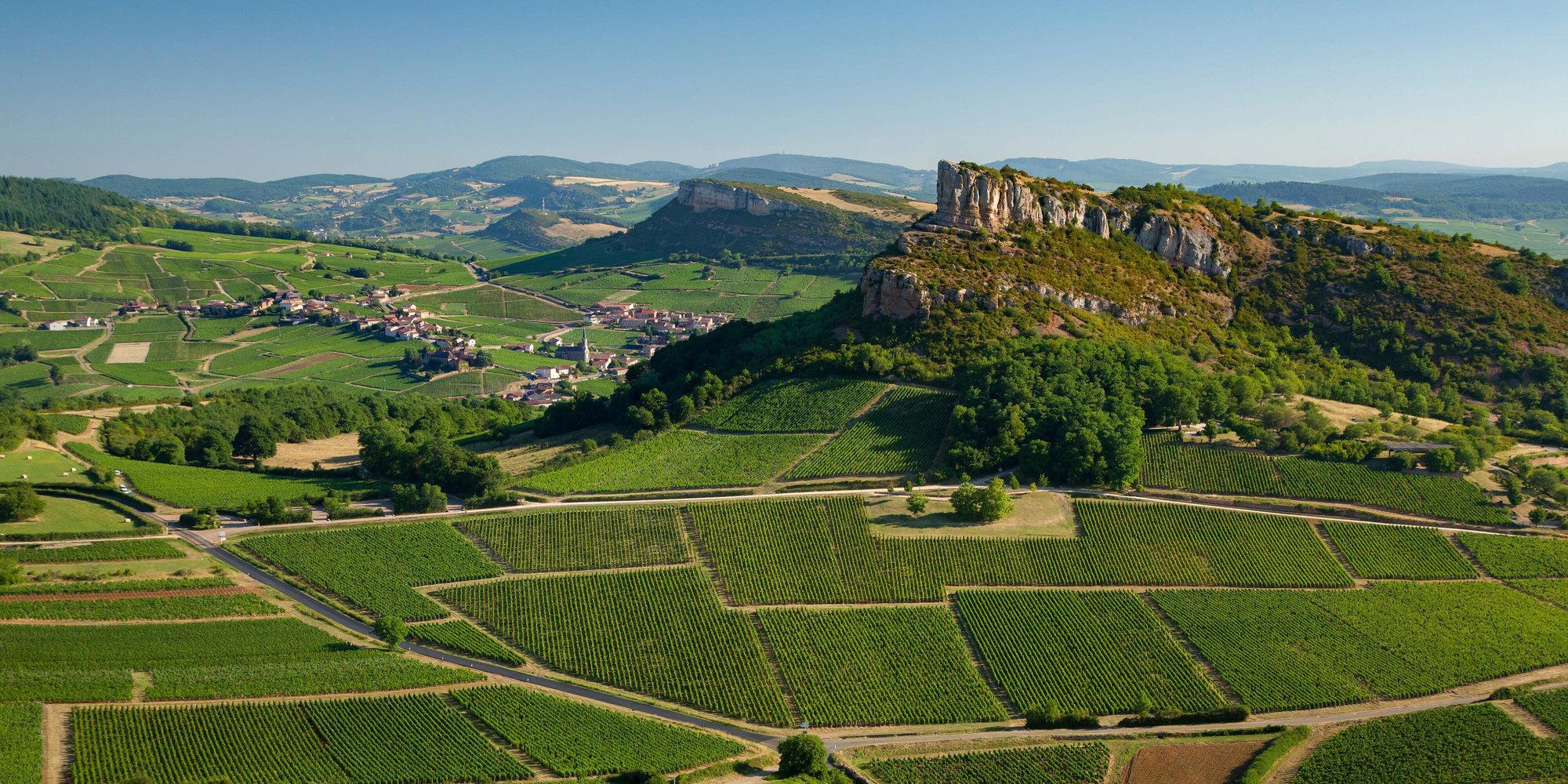
The Bresse region surrounding Vonnas is among the more codified agricultural zones in France. Poulet de Bresse, the only chicken in the world to hold an AOC designation, is raised on strict protocol within a defined geographic boundary that includes the fields within sight of the restaurant. The Dombes plateau to the south supplies freshwater fish from its thousand-odd étangs. The broader Ain corridor connects to truffle markets, wild game in season, and a dairy tradition that underpins the cream- and butter-led sauces central to this kitchen's register. For a restaurant whose editorial angle is terroir and provenance, Vonnas is not incidental, it is the argument.
Where Classical Cuisine Stands in 2025
The critical standing of French classical cuisine has undergone a complicated decade. Internationally, the critical gravity shifted toward innovation-led and produce-focused formats. In France itself, the generational debate between tradition and reinvention occasionally threatened to leave classical kitchens categorized as nostalgic rather than authoritative. That context matters when reading Georges Blanc's current awards profile.
La Liste, which aggregates critical opinion across multiple sources globally, placed Georges Blanc at 98.5 points in its 2025 edition, then 96 points in 2026. Michelin awarded two stars in 2025, a recalibration from three stars in 2024, while Opinionated About Dining, a peer-reviewed platform weighted toward classical European cooking, ranked the table at number 88 in its 2024 European classical list and number 93 in 2023. Les Grandes Tables du Monde, whose membership criteria emphasize culinary heritage alongside current performance, also lists the restaurant in its 2025 cohort. That collective recognizes a kitchen that continues to earn placement across different evaluative frameworks simultaneously.
For context within France's classical tier, peer tables at the same register include L'Ambroisie in Paris, Auberge de l'Ill in Illhaeusern, Les Prés d'Eugénie in Eugénie-les-Bains, and Paul Bocuse, L'Auberge du Pont de Collonges. These are tables where the continuity of a regional culinary tradition is as much the subject as the food on any given evening. The comparison is not accidental: all sit outside major metropolitan centres, all derive authority partly from agricultural geography, and all have operated across multiple generations of critical assessment.
Terroir on the Plate: The Kitchen's Provenance Logic
Chef Frédéric Blanc leads a kitchen that operates within the classical French framework, techniques built on sauce-making, precision timing, and an understanding of how ingredient quality determines dish architecture. The Bresse AOC chicken, when it appears on the menu, arrives as a direct argument about what designation-controlled farming produces at table: a bird with fat distribution, flavour depth, and texture that commodity poultry cannot replicate. Regional freshwater fish from the Dombes, perch, pike, eel in season, allows the kitchen to work with ingredients that have no meaningful substitute and cannot be flown in from elsewhere. That specificity is what separates a terroir-driven classical table from a classically trained kitchen with a generic supply chain.
The wine cellar at a table of this standing typically reflects the same geographical logic: Burgundy, the Rhône, and local Ain producers would align with the kitchen's sourcing priorities. Diners arriving with an interest in matching Bresse produce to its natural wine geography will find the sommelier pairing function as central to the meal as the kitchen itself.
For those interested in a less formal expression of the same regional pantry, L'Ancienne Auberge, also in Vonnas, operates within the same culinary tradition at a different price point and formality level. The juxtaposition is instructive: classical Bresse cooking has a range of registers, and Vonnas offers access to more than one of them.
The Broader French Classical Conversation
Placing the restaurant within contemporary French gastronomy requires acknowledging the range of directions that serious French cooking has taken. At one end, tables like Mirazur in Menton and Alléno Paris au Pavillon Ledoyen push toward invention and extraction-based technique. At another, Bras in Laguiole pursues a terrain-driven minimalism where the Aubrac plateau is the text and the kitchen the translation. Flocons de Sel in Megève and Troisgros, Le Bois sans Feuilles in Ouches occupy different positions within modern French creative cooking. AM par Alexandre Mazzia in Marseille represents the creative personal-expression pole of contemporary French cuisine.
The restaurant belongs to none of those categories. It operates in the smaller and more pressured position of the classical French maison: cooking that takes inherited technique seriously, works within a defined regional provenance, and justifies its price point through ingredient quality and execution depth rather than novelty. Tables in this bracket, including Assiette Champenoise in Reims and Au Crocodile in Strasbourg, constitute a specific and shrinking cohort of French fine dining that the awards infrastructure has continued to recognize even as critical taste shifted.
Planning the Visit
Vonnas is accessible by car from Lyon in under an hour, or from Geneva in approximately ninety minutes. The price range sits at €€€€.
How It Stacks Up
Comparable venues nearby, for context on price, style, and recognition.
| Venue | Cuisine | Price | Awards | Notes |
|---|---|---|---|---|
| Georges BlancThis venue — the venue you are viewing | Classic French Fine Dining with Bresse Specialties | $$$$ | Michelin 3 Star | Not listed |
| L'Ancienne Auberge | Traditional Bresse Cuisine | $$$ | Michelin Plate | Vonnas |
| Le 1947 à Cheval Blanc | Modern French Fine Dining | $$$$ | Michelin 3 Star | Courchevel (Commune Non Irisée) |
| Assiette Champenoise | Modern French Fine Dining | $$$$ | Michelin 3 Star | Tinqueux |
| AM par Alexandre Mazzia | Avant-Garde French with African Influences | $$$$ | Michelin 3 Star | Saint Giniez |
| Epicure | Contemporary French Fine Dining | $$$$ | Michelin 3 Star | Faubourg Saint-Honoré |
Recognition history
Dated appearances from independent guides and award organizations, with the underlying list record or original source where available.
Falstaff Restaurant - 100 Falstaff Points
Falstaff
La Liste Top Restaurants
La Liste
Les Grandes Tables du Monde Member
Les Grandes Tables du Monde
Michelin 2 Stars
Michelin
Opinionated About Dining Classical in Europe Ranked #97
Opinionated About Dining
Relais Chateaux Award
Relais Chateaux
La Liste Top Restaurants
La Liste
Michelin 2 Stars
Michelin
Opinionated About Dining Classical in Europe Ranked #124
Opinionated About Dining
Relais Chateaux Award
Relais Chateaux
Michelin 3 Stars
Michelin
Opinionated About Dining Classical in Europe Ranked #88
Opinionated About Dining
Opinionated About Dining Classical in Europe Ranked #93
Opinionated About Dining
Continue exploring
More in Vonnas
Restaurants in Vonnas
Browse all →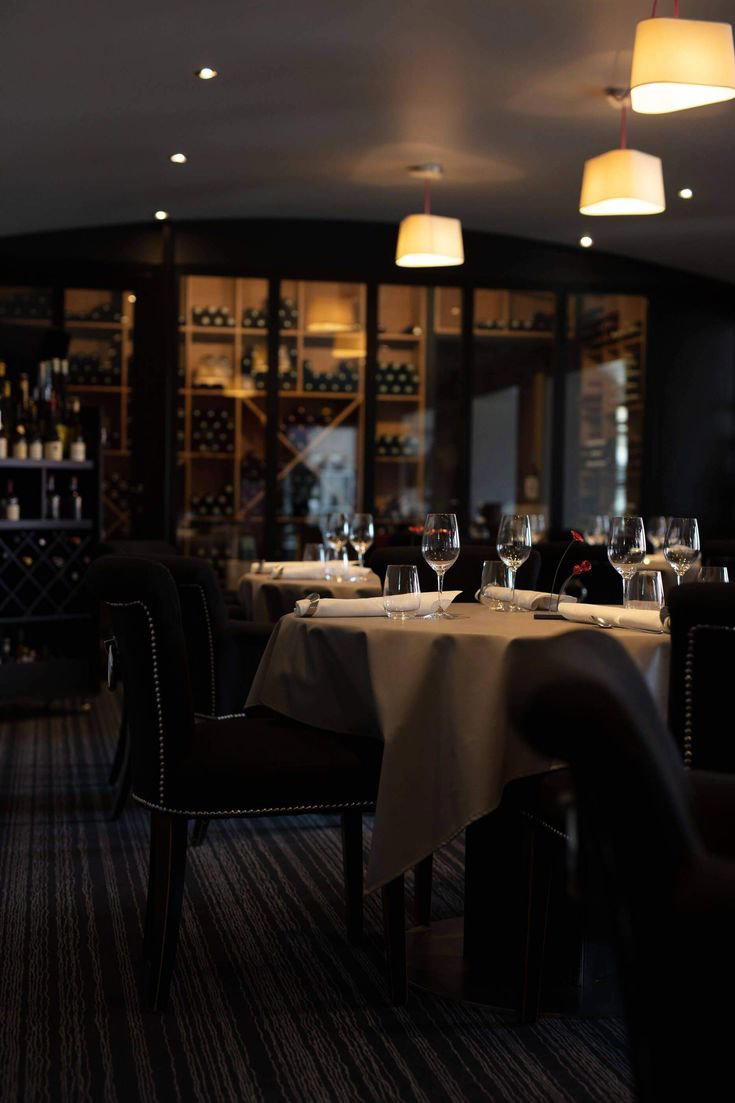
Bars in Vonnas
Browse all →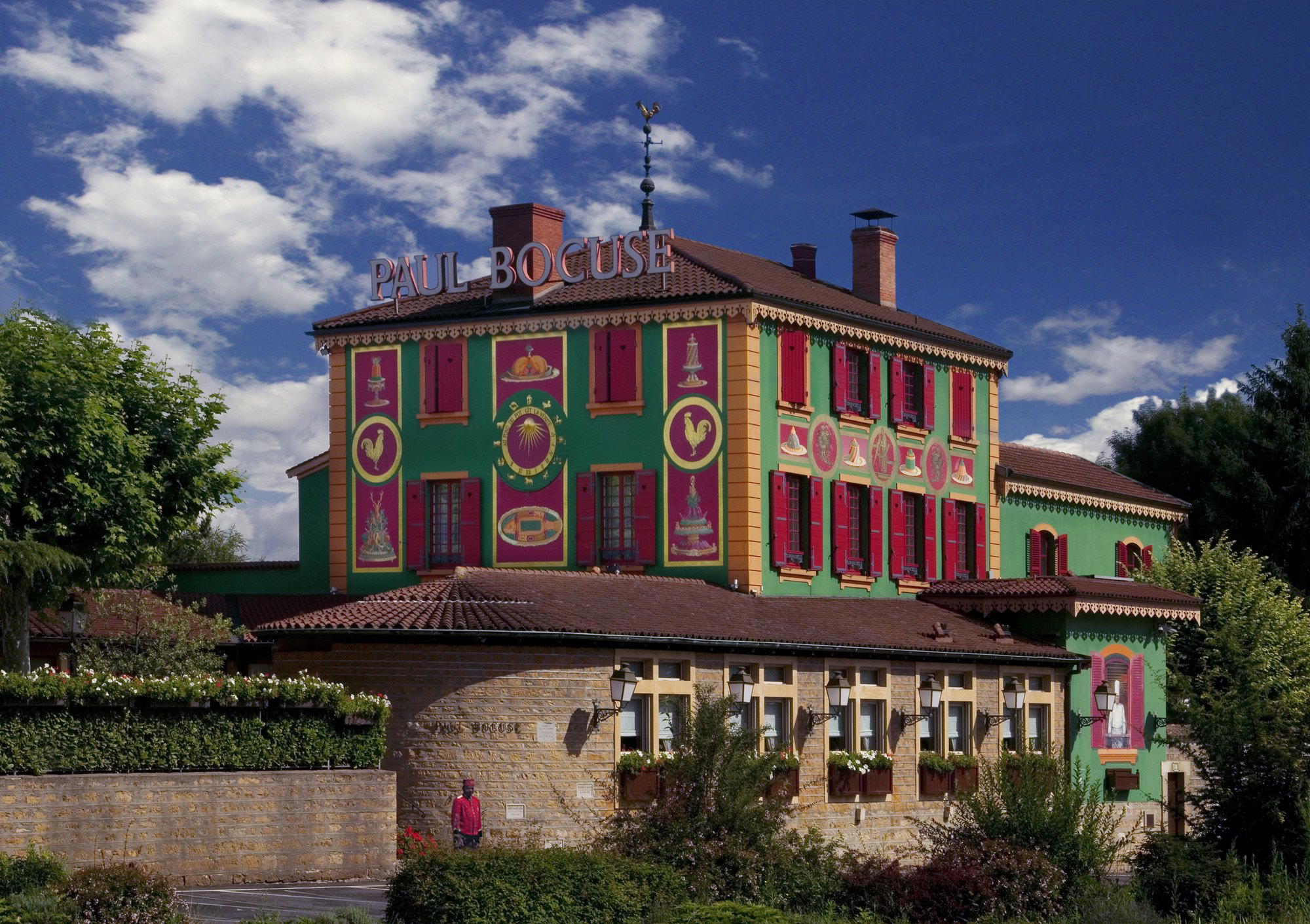
Hotels in Vonnas
Browse all →
At a Glance
- Classic
- Elegant
- Sophisticated
- Intimate
- Special Occasion
- Celebration
- Historic Building
- Private Dining
- Extensive Wine List
- Sommelier Led
- Local Sourcing
- Garden
Current opening hours
- Monday
- Closed
- Tuesday
- Closed
- Wednesday
- Closed
- Thursday
- 7:15–8:30 PM
- Friday
- 12:15–1:30 PM, 7:15–8:30 PM
- Saturday
- 12:15–1:30 PM, 7:15–8:30 PM
- Sunday
- 12:15–1:30 PM, 7:15–8:30 PM
Hours can change for holidays and private events. Last verified .
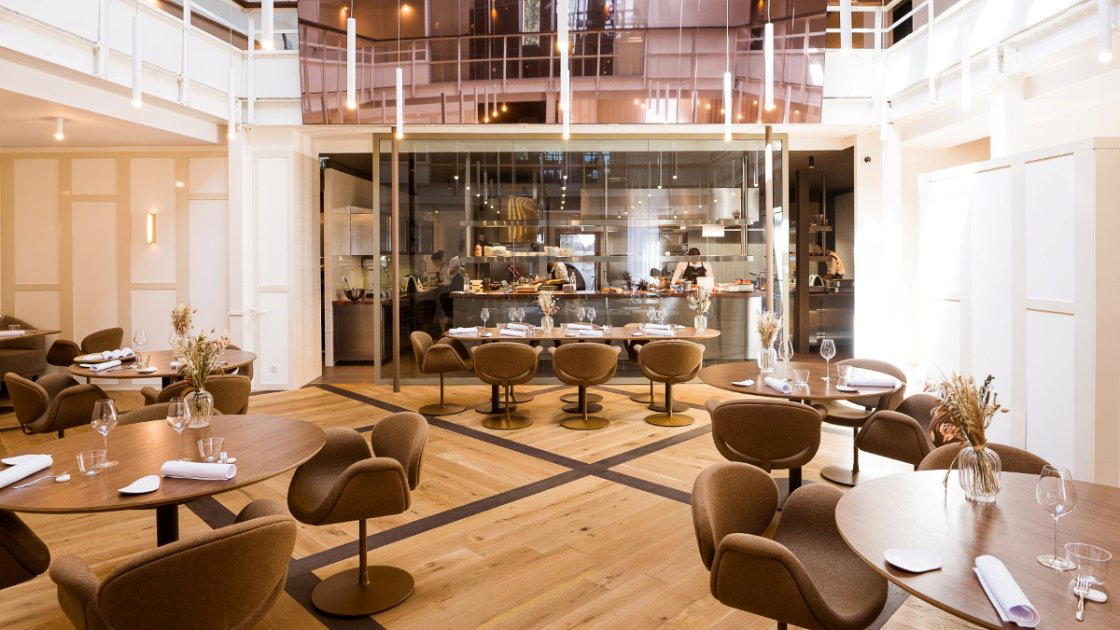
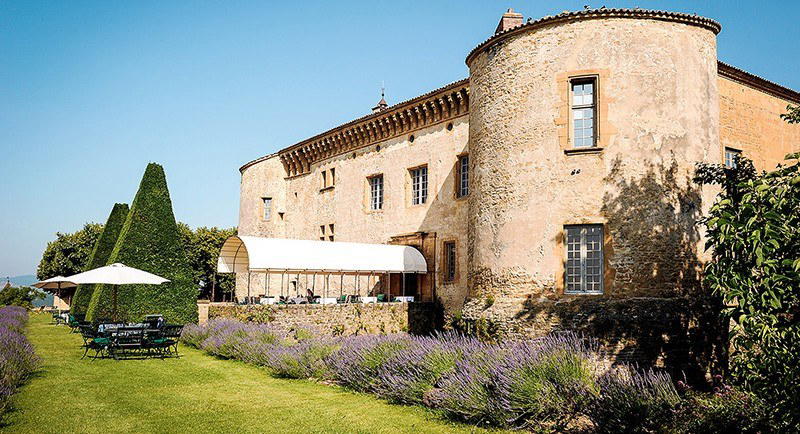
Cozy and benevolent atmosphere with atmospheric lighting of village gardens and houses, classic French setting with beautifully set tables.