Positioned on Rue des Banques in the heart of Marrakesh's medina, Le Salama occupies a riad-style setting that places it squarely within the city's tradition of atmospheric Moroccan dining. Where comparable venues at the Royal Mansour or in newer hotel developments trade on brand architecture, Le Salama draws its identity from the old city itself, making its address as much a part of the experience as what arrives at the table.
Pearl is the En Primeur Club membership app — saves, bookings, and concierge access live there. Same editors, same standards.
- Address
- 40 Rue des Banques, Marrakech 40000, Morocco
- Phone
- +212675480018
- Website
- lesalamamarrakech.com
- Directions
- Get directions
 Saves & bookings on Pearl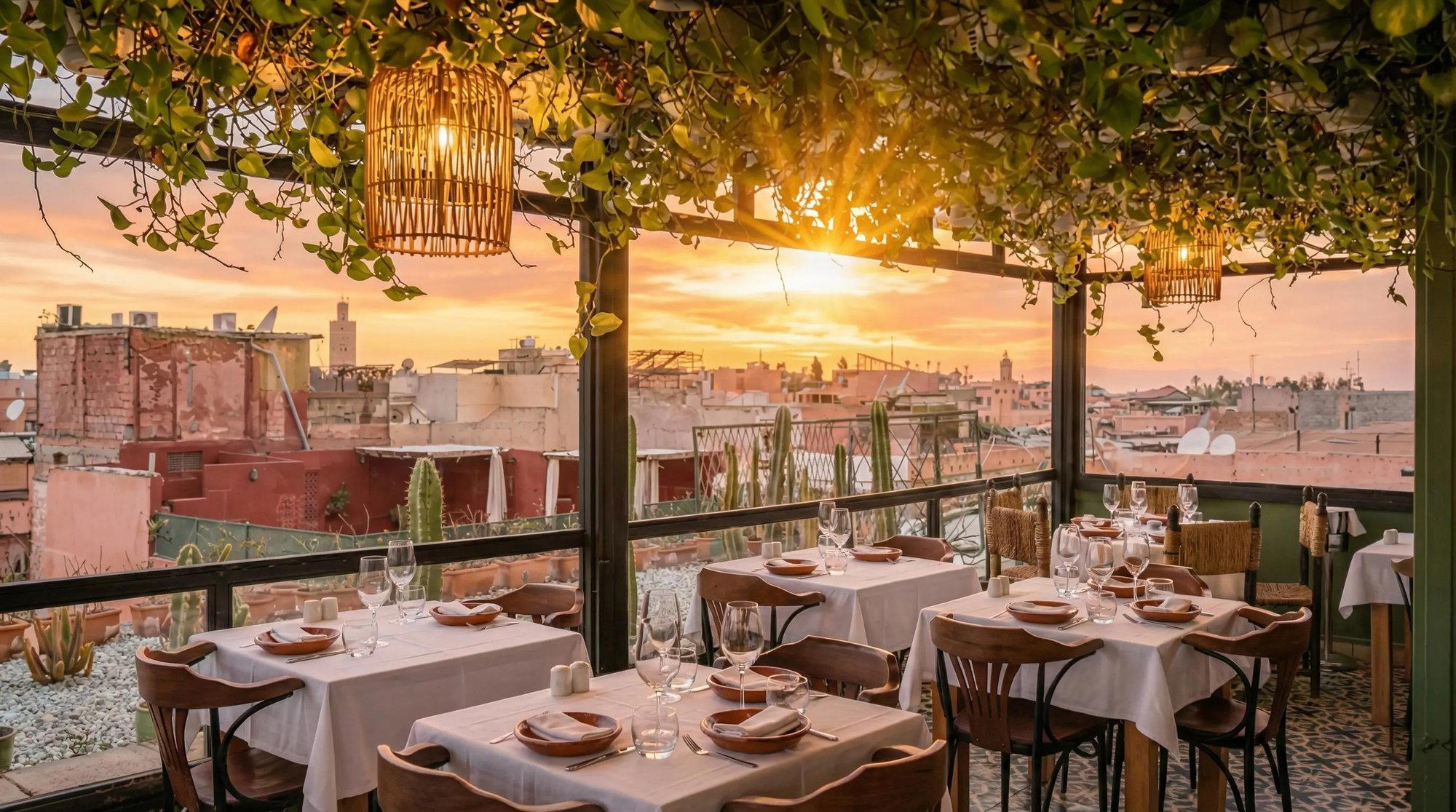
Address as Identity: What the Medina Does to a Dining Experience
Rue des Banques runs through one of the older arteries of Marrakesh's medina, a street where the urban grain hasn't been smoothed over for visitors. Coming from the Djemaa el-Fna, the route narrows steadily, the noise of the square giving way to something more layered: merchants, residential doorways, the occasional lantern. By the time you reach number 40, the city has already done considerable work on your expectations. This is the particular advantage Le Salama holds: the medina itself is the approach, and the approach is part of the meal.
That framing matters in Marrakesh more than in almost any other city. The dining scene here divides along a clear axis. On one side sit the grand institutional tables: La Grande Table Marocaine at the Royal Mansour operates behind among the more protected addresses in the city, and La Grande Brasserie by Helene Darroze brings a calibrated French-Moroccan hybrid sensibility. On the other side are the medina-embedded establishments that trade on neighbourhood rather than brand, places where the architecture is riad rather than resort, and where the dining room feels earned rather than constructed. Le Salama belongs to this second category, which in Marrakesh has historically been the more interesting one.
The Riad Format and What It Demands of a Dining Room
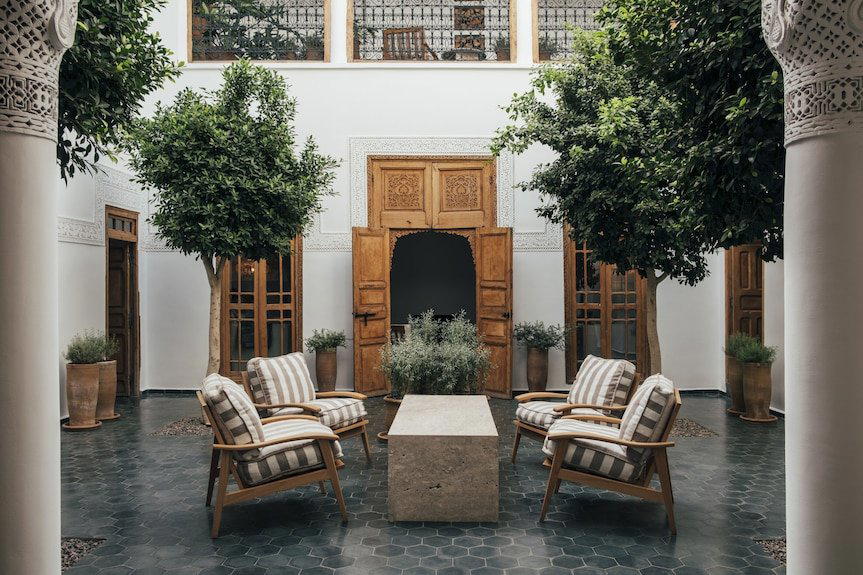
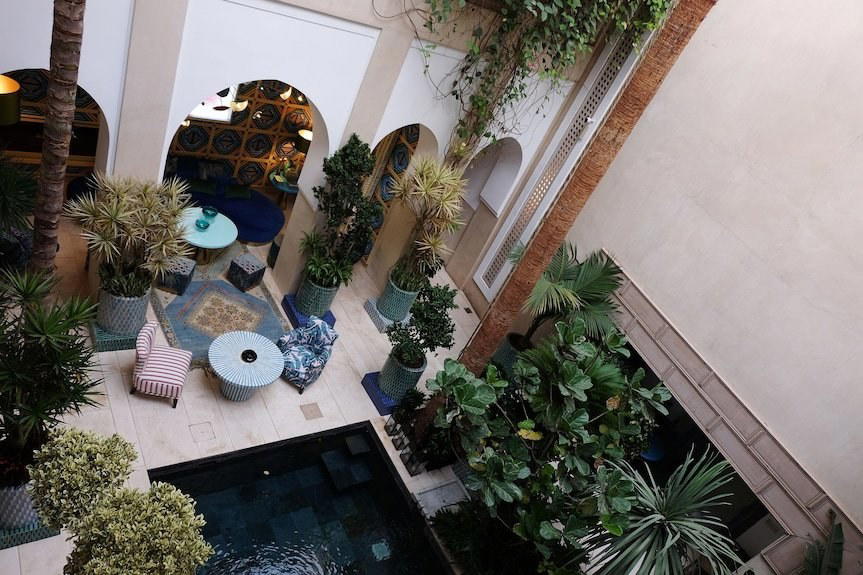
The riad structure, built around a central courtyard, organised vertically across multiple levels, screened from the street, creates conditions that a purpose-built restaurant cannot easily simulate. Acoustics are softer. Natural light arrives from above rather than from windows facing traffic. Transitions between spaces, from a ground-floor salon to an upper terrace, carry temperature and texture shifts that change the mood between courses in a way that flat, single-level rooms simply don't allow.
In Marrakesh's established dining scene, this format has produced some of the city's more memorable rooms. The challenge, consistently, is whether the kitchen can match the architecture. When it does, as at the better riad-dining addresses in the medina, the result is a coherence that hotel restaurants tend to lack: the space and the food belong to the same logic. When it doesn't, the room does compensatory work, and guests remember the lanterns more clearly than anything they ate.
Le Salama's position on Rue des Banques places it within a pocket of the medina that has attracted serious dining for decades. This is not the tourist-adjusted zone around the Djemaa el-Fna where menus have been translated and prices calibrated for the coach-tour market. It is closer to the working core of the old city, and that distinction registers in the clientele and the atmosphere the venue generates.
Moroccan Dining Tradition and Where This Venue Sits Within It
Moroccan cuisine at the restaurant level has been undergoing a gradual reassessment. For much of the past two decades, the country's best-known dishes, tagine, pastilla, couscous, were presented either in folkloric settings aimed at international visitors or in modernised versions inside five-star hotels where Moroccan identity was signalled rather than actually engaged with. A smaller cohort of establishments has operated differently, treating the cuisine's complexity, its layering of preserved ingredients, aromatic spice sequences, and long-cook techniques, as something worth presenting seriously without theatrical packaging.
Al Fassia has occupied that space for years, holding a reputation for traditional preparation that reviewers return to repeatedly. Sesamo approaches the city's dining from a different angle entirely. Le Salama operates in a register closer to the former: an address that draws its authority from place and tradition rather than from culinary innovation or hotel affiliation. For visitors comparing options in this bracket, the distinction worth making is between restaurants that use Moroccan cuisine as an aesthetic and those that take it as a serious culinary discipline. The medina address, and the particular seriousness that long-established venues in that location tend to accumulate, puts the restaurant in the latter camp.
Across Morocco more broadly, this pattern repeats. Berrada in Fes occupies a comparable position in the northern imperial city, an embedded address with a kitchen that takes the Fassi culinary tradition seriously. La Sqala: Café Maure in Casablanca operates within a historic fortification, again using architecture and location as primary credentials. Heure Bleue Palais in Essaouira extends the riad-dining model to the Atlantic coast. What these venues share is a refusal to let the room do all the work, each earns its standing through kitchen consistency as much as through atmosphere.
For a broader view of where the restaurant sits within Marrakesh's dining options, the full Marrakesh restaurants guide maps the city's current scene across price tiers and neighbourhood zones. Other options in the medina bracket include Le Palace in Marrakech and, for visitors interested in the contemporary end of Moroccan-adjacent dining, +61, which operates with a quite different culinary logic.
Planning a Visit: What to Know Before You Go
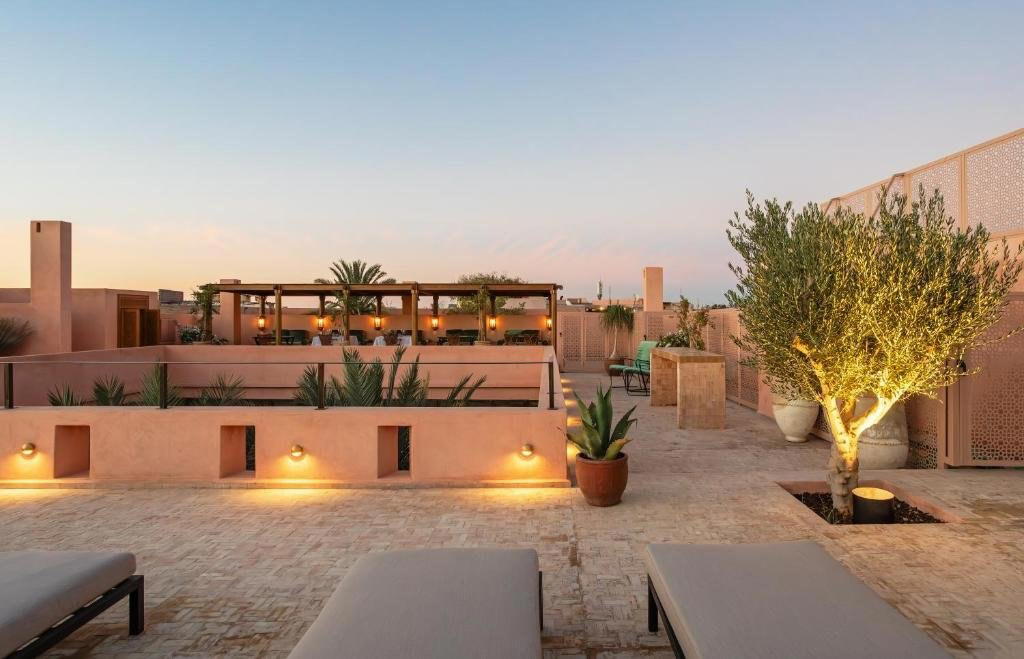
Rue des Banques, Marrakesh 40000 is the address, and it rewards arriving on foot from the medina rather than by car, both for practical reasons, the street is not easily accessible by vehicle, and because the walk through the old city is genuinely part of what the venue offers. Evenings in the medina cool quickly by Moroccan standards, particularly between October and March, so upper terrace seating is more reliably comfortable from April through September. Given the venue's position and reputation within the medina dining scene, booking ahead is advisable for dinner, particularly on weekends and during peak travel months in spring and autumn.
Azurita in Tangier represents the northern coast's distinct culinary character. L'Araignée Gourmande in Oualidia is the reference address for seafood on the Atlantic. Cocoa Café in Casablanca and Dar Dada in Sidi Belyout cover different registers of the coastal urban scene. For those whose travel extends to wine, Château Roslane in the Meknes region offers a serious look at Moroccan viticulture. And for reference points from entirely different culinary traditions, Le Bernardin in New York City and Atomix in New York City illustrate how tasting-format precision operates at the summit of the global market, a useful comparison when assessing how Moroccan fine dining positions itself internationally, and how much ground venues like Le Salama have covered in making the medina's culinary heritage legible to a global audience without diluting it.
- Pastilla Royale
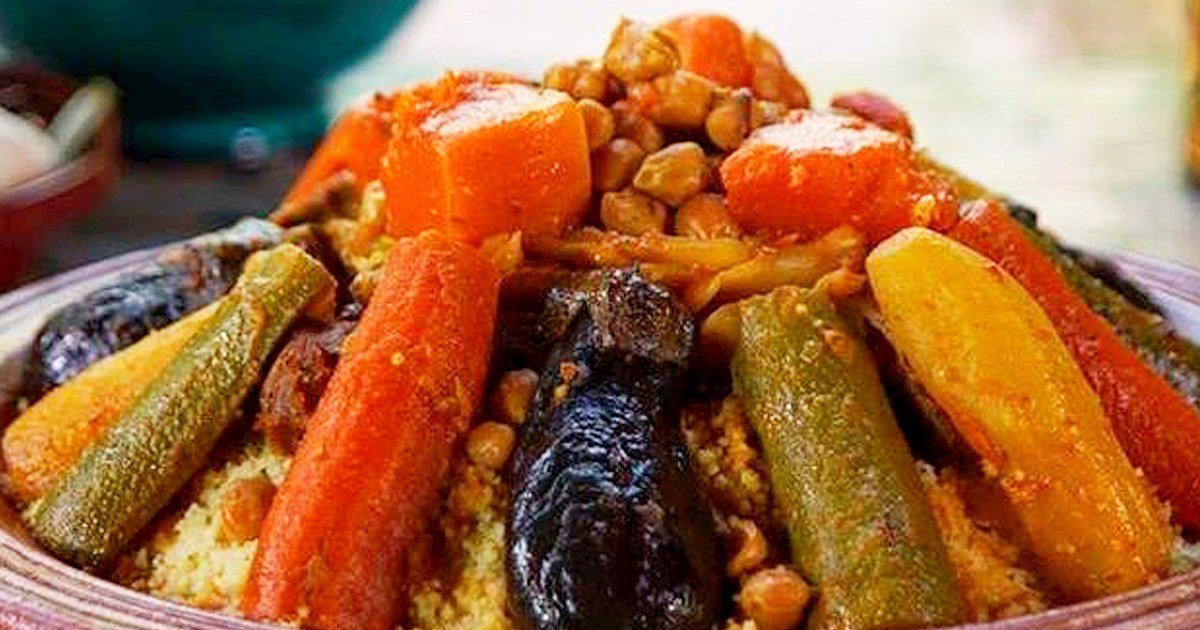
- Royal Couscous
- Lamb Mechoui
- Tagine Royale
- Tanjia Marrakchia
- Whole Roasted Pigeon
At a Glance
Comparable venues nearby, for context on price, style, and recognition.
| Venue | Cuisine | Price | Notes |
|---|---|---|---|
| Le SalamaThis venue — the venue you are viewing | Not listed | $$$ | Not listed |
| Pool House | Not listed | $$ | Casual Poolside Mediterranean & International |
| Farasha Farmhouse-Mouton Noir | Not listed | $$$$ | Route to Fez, Mediterranean Farm-to-Table |
| La Famille | Not listed | $$ | Marrakech-Médina, Fresh Vegetarian Mediterranean |
| Eloomm | Not listed | $$ | Méchouar-Kasba, Mediterranean with Moroccan Influences |
| Le Palace | Gueliz, French-Moroccan Fine Dining | $$$$ | Not listed |
Continue exploring
More in Marrakech
Restaurants in Marrakech
Browse all →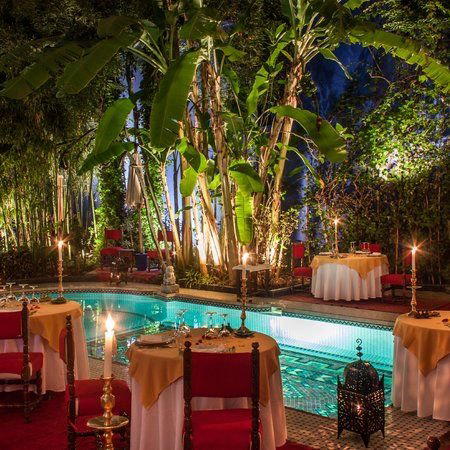
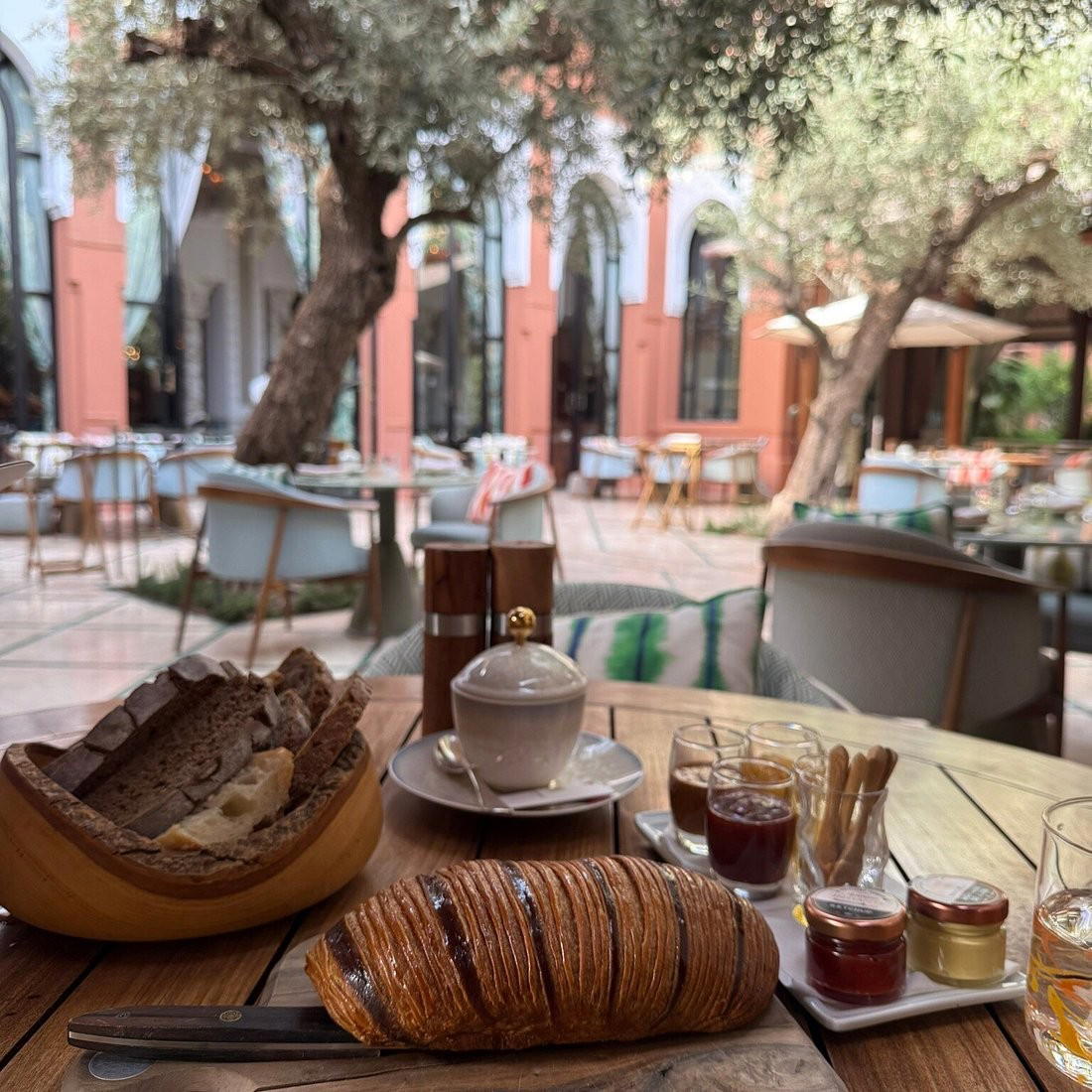
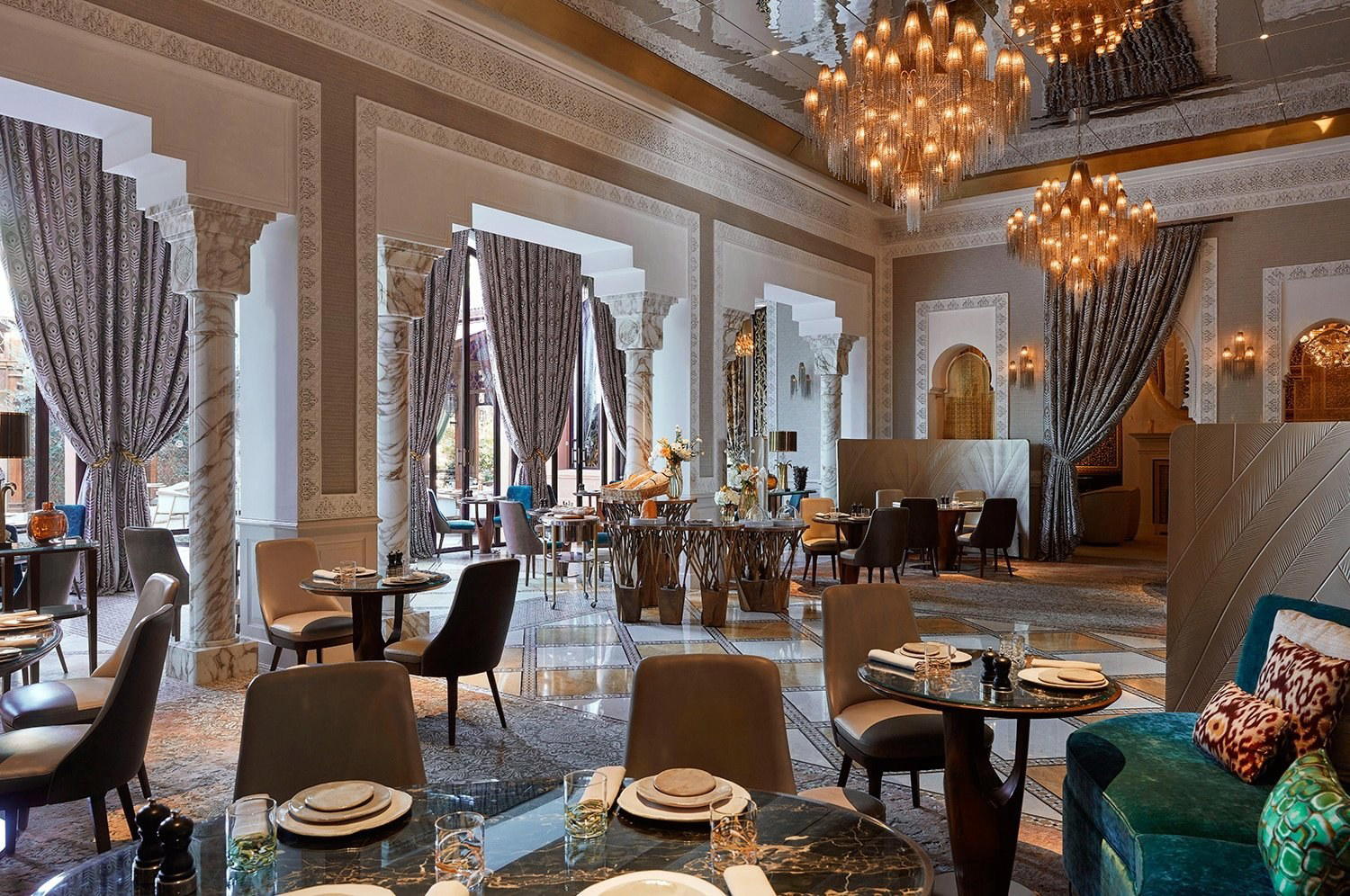
Bars in Marrakech
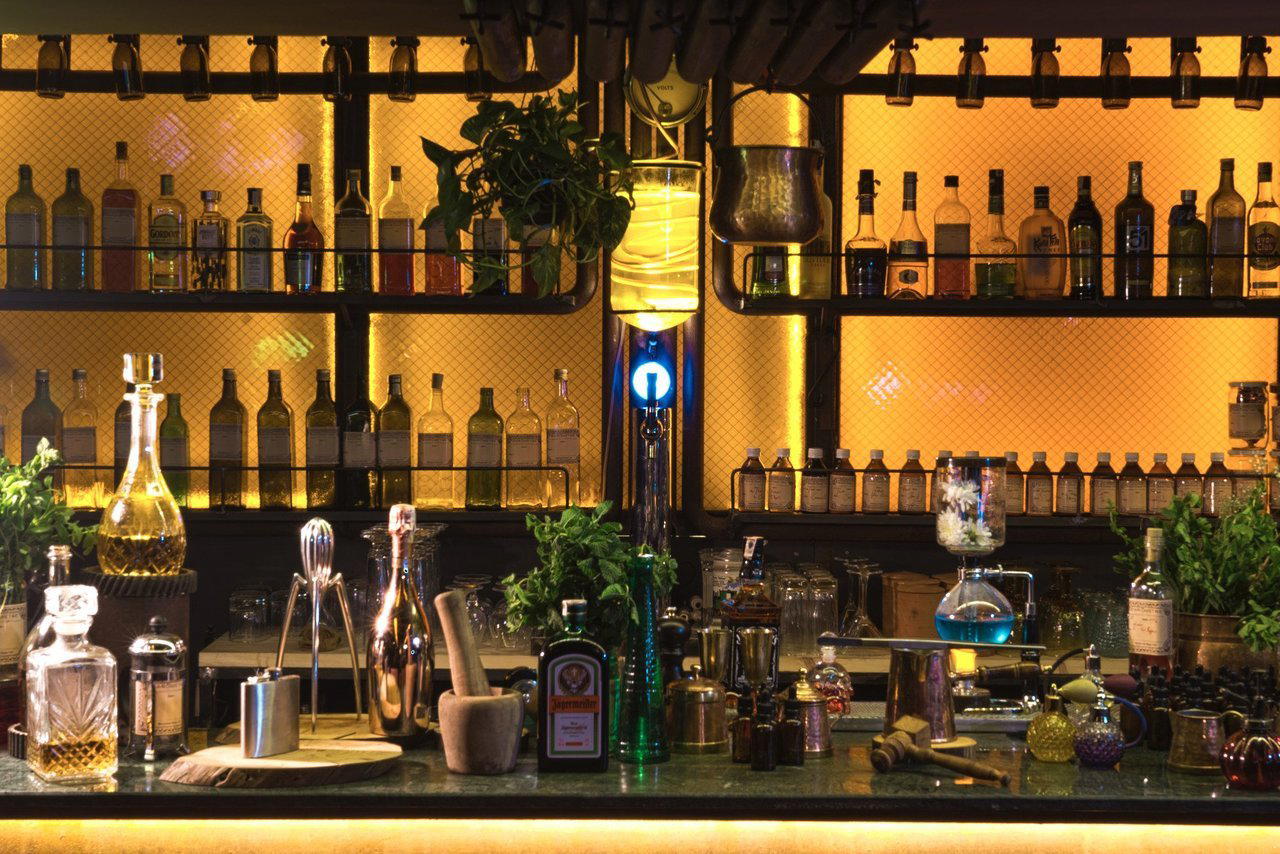
Browse all →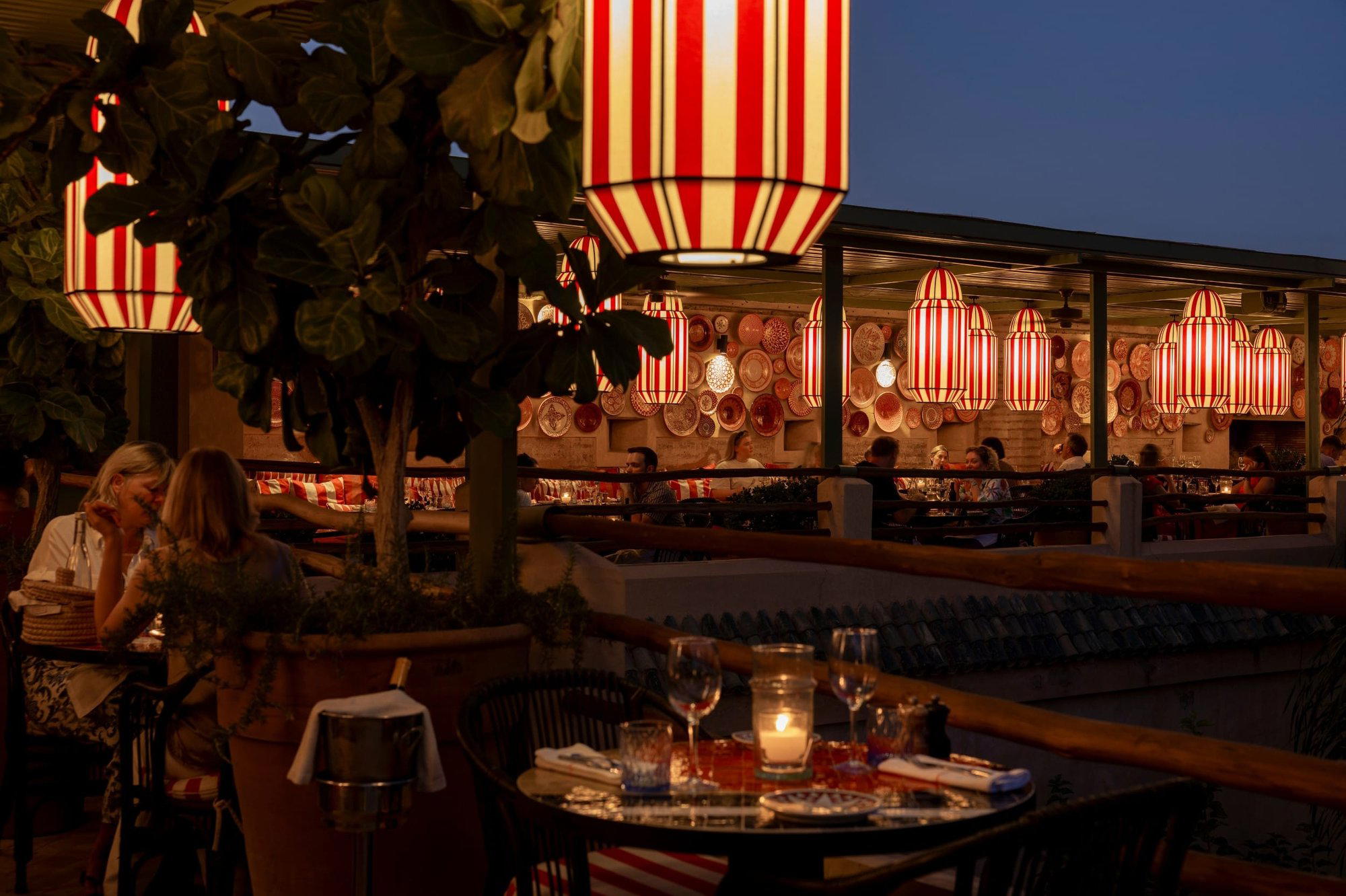
At a Glance
- Romantic
- Lively
- Elegant
- Scenic
- Sophisticated
- Ornate
- Date Night
- Business Dinner
- Group Dining
- Celebration
- Special Occasion
- Late Night
- Rooftop
- Live Music
- Panoramic View
- Terrace
- Historic Building
- Extensive Wine List
- Craft Cocktails
- Beer Program
- Local Sourcing
- Mountain
- Street Scene
Current opening hours
- Monday
- 10 AM–2 AM
- Tuesday
- 10 AM–2 AM
- Wednesday
- 10 AM–2 AM
- Thursday
- 10 AM–2 AM
- Friday
- 10 AM–2 AM
- Saturday
- 10 AM–2 AM
- Sunday
- 10 AM–2 AM
Hours can change for holidays and private events. Last verified .
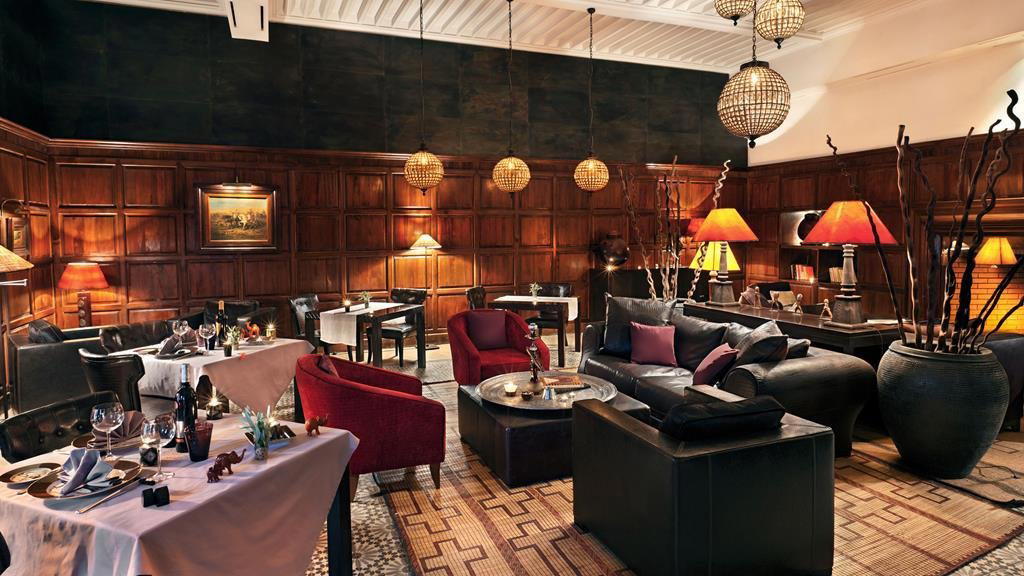
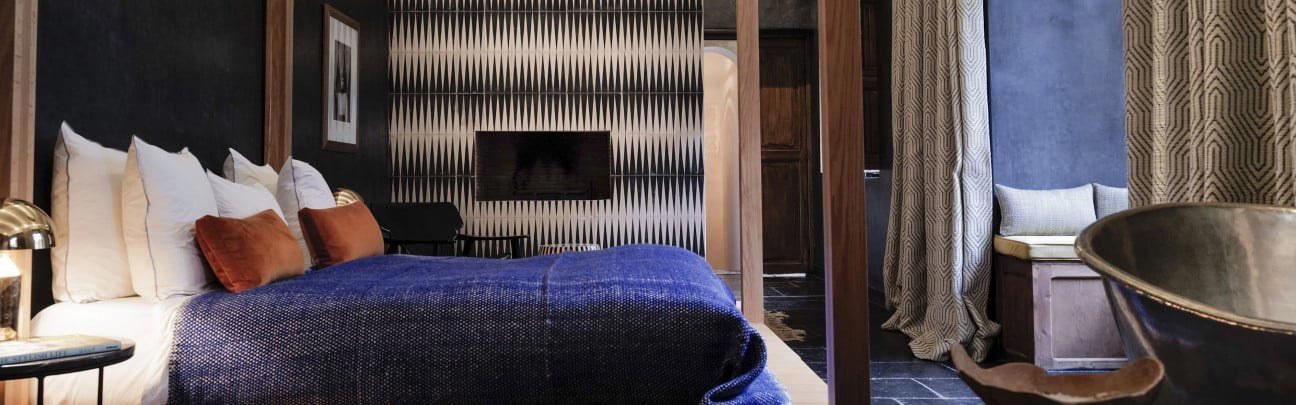
Warm candlelit atmosphere with Casablanca-inspired French Colonial elegance, lively Moroccan colors, and enchanting evening ambiance enhanced by live entertainment and sunset views.