Le Palace occupies a prominent address on Avenue Echouhada, positioning it within Marrakech's Hivernage district where grand-scale dining rooms and riad-inflected hospitality have long coexisted. The property sits at the junction between the medina's sensory density and the more composed, avenue-lined Guéliz quarter, making it a reference point for visitors moving between the city's two registers. For those mapping Marrakech's formal dining tier, Le Palace is a logical coordinate.
Pearl is the En Primeur Club membership app — saves, bookings, and concierge access live there. Same editors, same standards.
- Address
- Av. Echouhada, Marrakech 40000, Morocco
- Phone
- +212 675 480101
- Website
- le-palacemarrakech.com
- Directions
- Get directions
 Saves & bookings on Pearl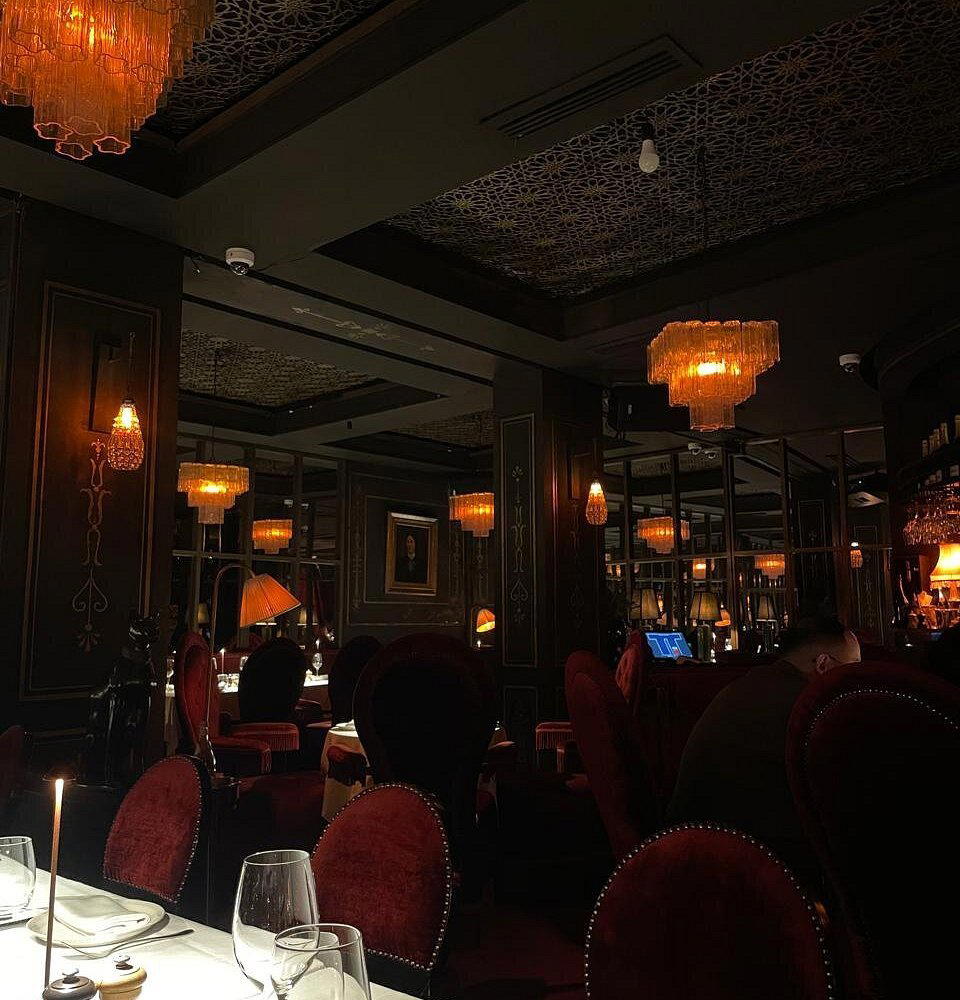
Between the Medina and the Boulevard: Hivernage as Dining Territory
Marrakech splits its hospitality identity along a fault line that most visitors feel before they can name it. On one side sits the medina, where narrow derbs channel foot traffic past hole-in-the-wall kitchens and courtyard riads that have converted their ground floors into dining rooms. On the other sits the Guéliz and Hivernage corridor, where broader avenues, European-inflected architecture, and larger-format properties have accumulated since the French protectorate period. Avenue Echouhada, where Le Palace is addressed, belongs firmly to that second register. This is a boulevard built for arrival rather than discovery, and the dining experiences that anchor it tend toward formality, scale, and a certain theatricality of setting.
That spatial context matters. In cities where cuisine and neighbourhood are tightly linked, knowing which side of a dividing line a restaurant occupies tells you something before you have read a single menu description. Le Palace's Hivernage address places it in the company of larger hotel dining rooms and established destination restaurants rather than in the medina's more improvised, intimate category. The comparison venues operating in the latter mode, places like La Famille with its garden-courtyard informality, or Amal Gueliz Center with its cooperative social mission, occupy a fundamentally different register. Le Palace does not compete on those terms.
The Hivernage Dining Tier and What It Implies
Marrakech's upper dining tier has consolidated around a handful of formats in recent years. The riad-conversion model, where a historic courtyard house is transformed into a high-end restaurant with theatrical Moroccan décor, remains the dominant template. Against that, a smaller cohort of boulevard-facing properties has carved out a different kind of authority, one grounded less in intimacy and more in scale, design investment, and the capacity to host large groups and private events alongside à la carte service.
Le Palace's position on Avenue Echouhada situates it in that second cohort. The address has historically attracted properties that draw both international travellers staying in the surrounding hotel zone and Marrakchi residents for whom Hivernage represents the city's more cosmopolitan social circuit. This dual audience shapes the kind of hospitality such venues tend to develop: attentive to international expectations around service and presentation while retaining enough Moroccan culinary reference to remain locally credible.
For broader context on where the restaurant sits within Marrakech's full restaurant range, the EP Club Marrakech guide maps the city's dining tiers across neighbourhoods. Within the formal Moroccan dining category specifically, La Grande Table Marocaine and its sibling operation at the Royal Mansour Marrakesh define the ceiling of the category, with Michelin-recognized kitchens and a level of production that benchmarks the entire tier.
Moroccan Dining Conventions and What They Mean at This Address
Understanding what to expect from a formal Moroccan dining room on this kind of address requires some familiarity with how the cuisine is structured at the upper end. Moroccan cooking at its most considered operates around a sequence of courses that can read as labyrinthine to first-time visitors: a spread of cold and warm salads, bisteeya (the layered pastry that sits somewhere between savoury and sweet), a central tagine or mechoui, and a dessert built around pastilla or orange blossom. The pacing is deliberate and the portions are cumulative rather than individually modest.
In a boulevard-facing property of the restaurant's type, this sequence is typically presented within a more structured service format than in the medina's courtyard restaurants. Tablecloths, formal plating, and a staff-to-table ratio that allows for individual course service are the norm at this tier. Le Bistro Arabe, which operates a Moroccan-jazz hybrid format in a more atmospheric medina setting, offers an instructive contrast: the same culinary traditions, recontextualized for a different kind of evening.
Across Morocco more broadly, the formal dining tradition shows considerable regional variation. Cafe Clock in Fes and Andalus in Tangier each express local culinary identities that differ meaningfully from Marrakech's spice-forward, rose-water-accented repertoire. At the coastal end, Le Salon Oriental in Essaouira layers Atlantic seafood into a similarly Moroccan formal frame. Knowing those differences sharpens what you are tasting in any one city.
Planning a Visit: Logistics and Timing
Avenue Echouhada runs through the Hivernage district, which sits southwest of the medina walls and is walkable from the major hotel zone that clusters around the neighbourhood. Taxis from Jemaa el-Fna, the medina's central square, cover the distance in under ten minutes depending on traffic, and the address is navigable by rideshare apps that have established a reliable presence in Marrakech. For visitors staying in Guéliz, the walk along connected boulevards is feasible in the evening, when the avenue's tree-lined stretches are more comfortable than at midday.
Marrakech's peak dining season runs from October through April, when temperatures drop from summer extremes and the city draws its largest concentration of European visitors. Properties in the Hivernage tier see their heaviest bookings during this window, particularly around the December holiday period and the weeks surrounding major international festivals. If visiting during shoulder season, May or September, the city is quieter but the heat in the middle of the day concentrates dining activity toward evening. For any formal restaurant in this tier, advance contact to confirm availability is advisable during peak periods.
Those building a wider Morocco itinerary around dining may find additional reference points in EP Club's coverage of the country's broader scene: La Grande Table Marocaine at Royal Mansour Casablanca anchors the Casablanca tier, while Château Roslane in the Meknès wine region and L'Oliveraie in El Hajeb extend the picture into rural and agricultural Morocco. For those approaching from a coastal angle, Hyatt Place Taghazout Bay in Agadir covers the Atlantic surf-and-dining corridor. And for international comparison points in the formal dinner-event category, Le Bernardin in New York City and Lazy Bear in San Francisco represent the kind of tightly produced, single-sitting formats that help calibrate expectations around pacing and service ambition at venues in this price tier globally.
Within Marrakech itself, Grand Café de la Poste offers a useful contrast as a brasserie-register alternative in the Guéliz neighbourhood, while BÔ ZIN in Tassoultante and Gayza in Fès extend the comparison set into different formats and cities for travellers mapping the full range of Moroccan dining at the upper tier.
A Lean Comparison
Comparable venues nearby, for context on price, style, and recognition.
| Venue | Cuisine | Price | Notes |
|---|---|---|---|
| Le PalaceThis venue — the venue you are viewing | Gueliz, French-Moroccan Fine Dining | $$$$ | Not listed |
| La Villa des Orangers | Not listed | $$$$ | Marrakech-Médina, French-Moroccan Fine Dining |
| Grand Café de la Poste | Not listed | $$$ | Gueliz, French Brasserie with Moroccan Accents |
| Oban | Not listed | $$$ | Marrakech-Médina, Refined French and Traditional Moroccan |
| La Cour des Lions - Es Saadi | Gueliz, Traditional Moroccan Fine Dining | $$$$ | Not listed |
| Le Jardin d'Hiver | Not listed | $$$$ | Palmeraie, Moroccan-Mediterranean Fusion Fine Dining |
Continue exploring
More in Marrakech
Restaurants in Marrakech
Browse all →
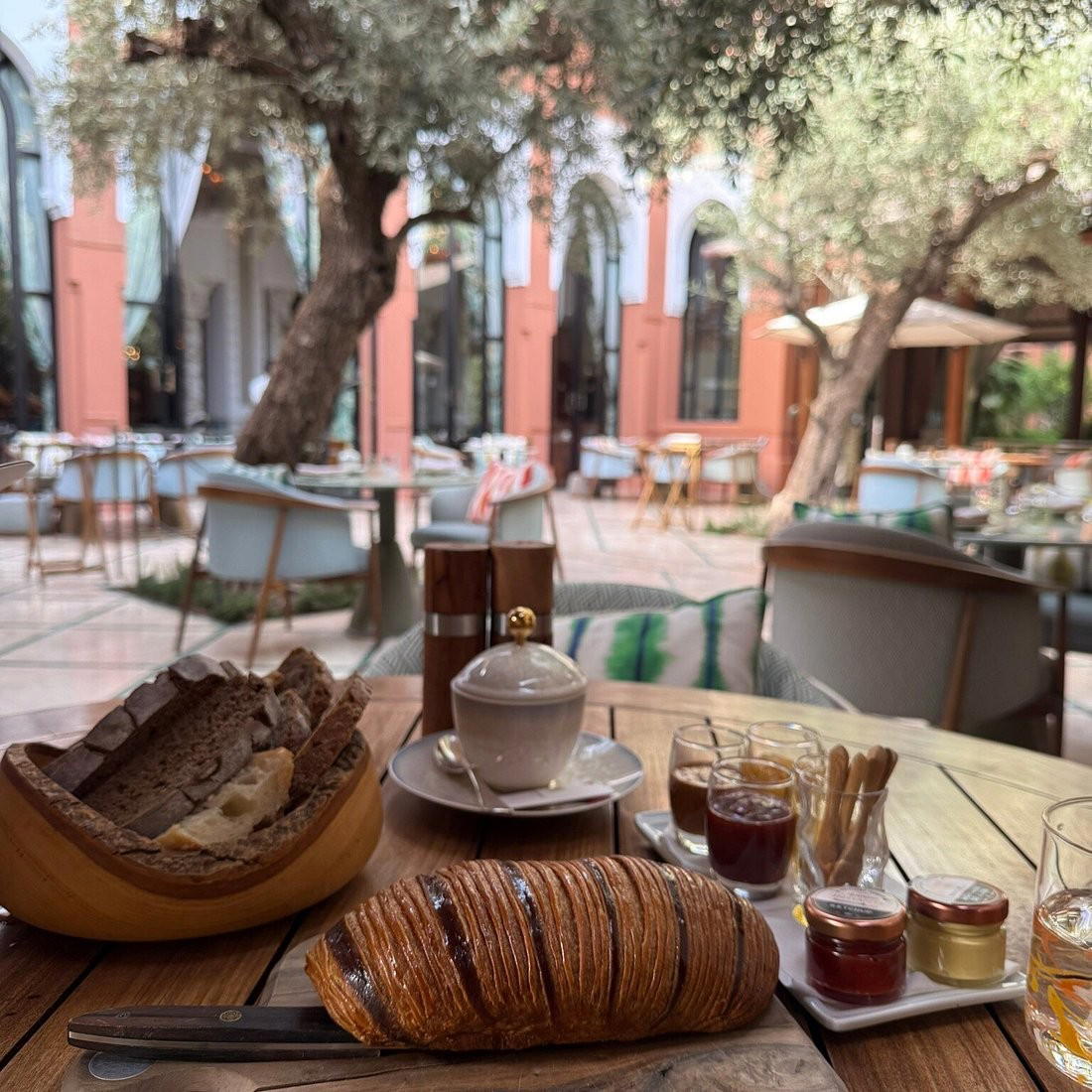
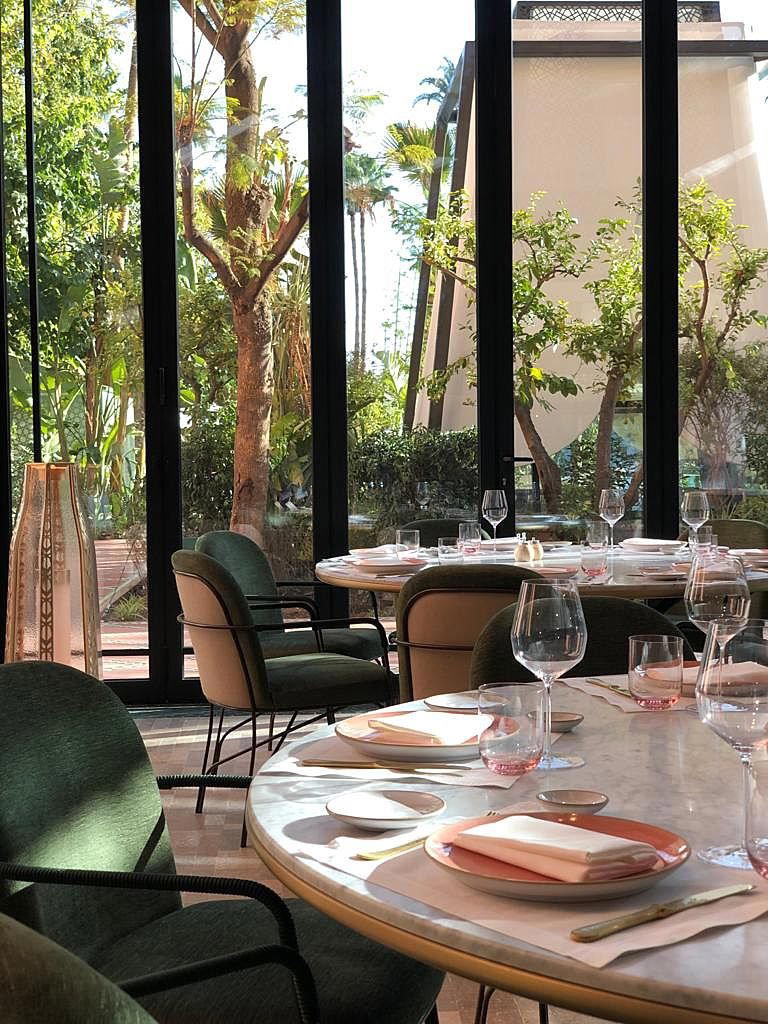
Bars in Marrakech
Browse all →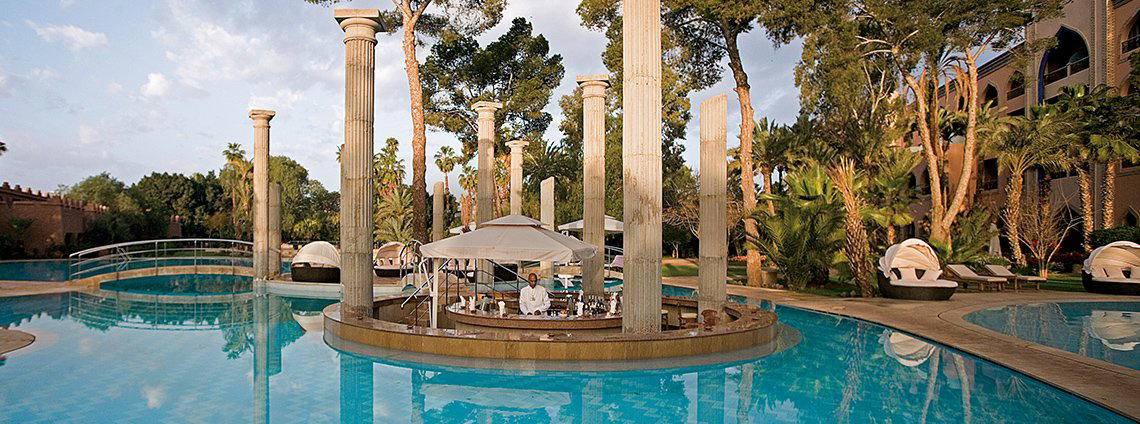
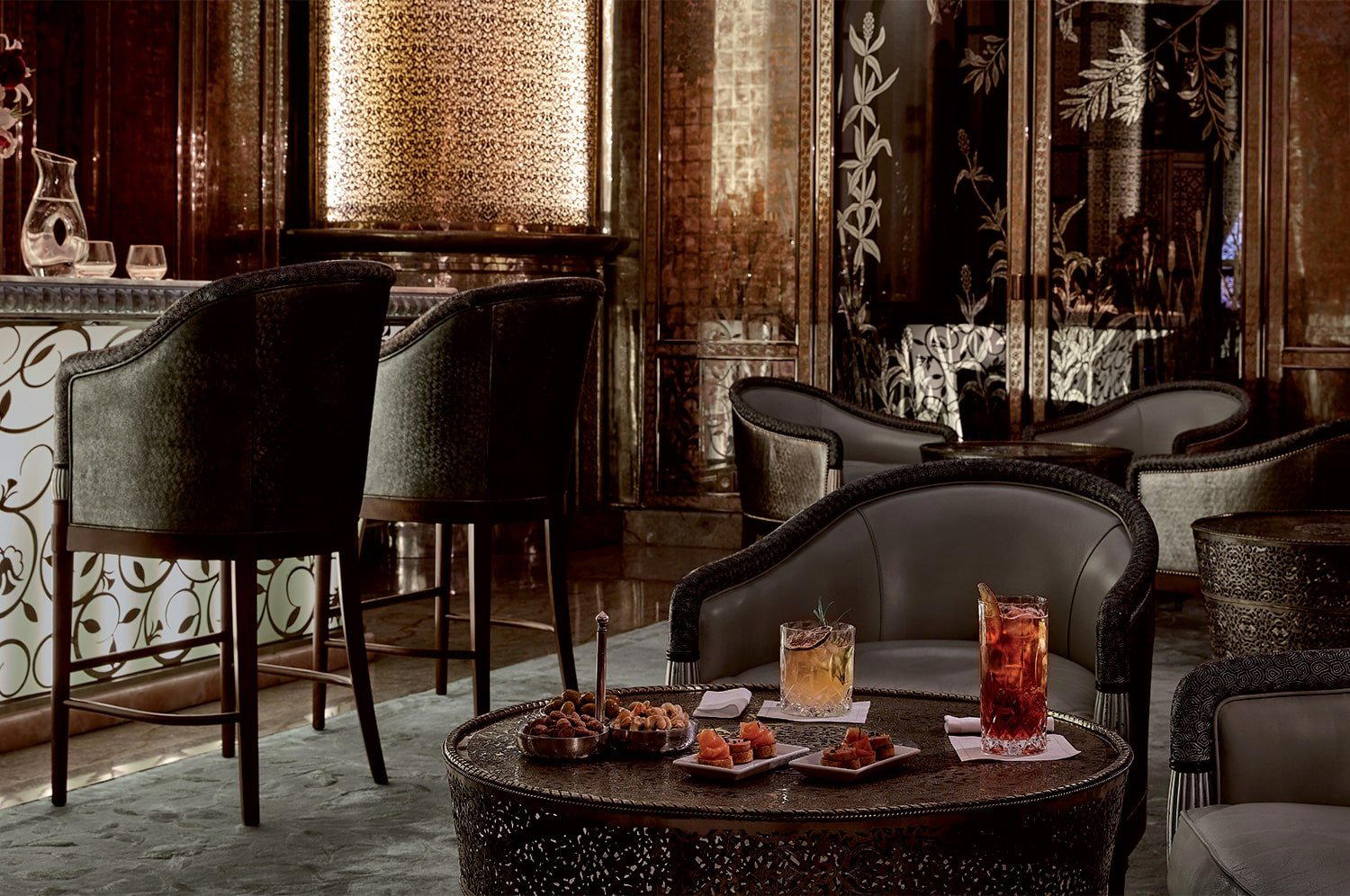

Hotels in Marrakech
Browse all →
Wineries in Marrakech
Browse all →
At a Glance
- Ornate
- Elegant
- Sophisticated
- Intimate
- Trendy
- Date Night
- Special Occasion
- Late Night
- Live Music
- Terrace
- Extensive Wine List
- Craft Cocktails
Current opening hours
- Monday
- 7 PM–2 AM
- Tuesday
- 7 PM–2 AM
- Wednesday
- 7 PM–2 AM
- Thursday
- 7 PM–2 AM
- Friday
- 7 PM–2 AM
- Saturday
- 7 PM–2 AM
- Sunday
- 7 PM–2 AM
Hours can change for holidays and private events. Last verified .
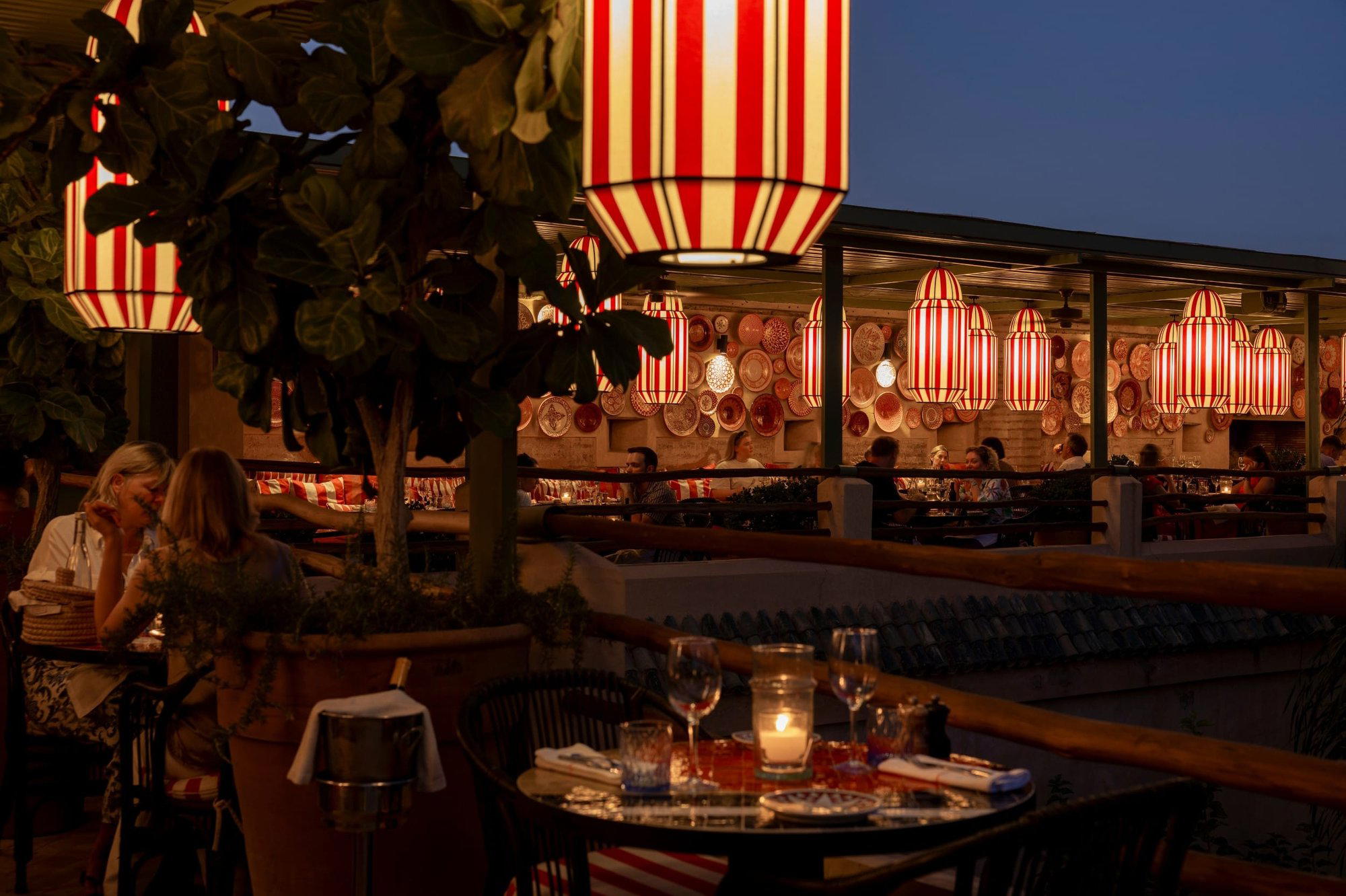
Rich warm lighting creates an intimate sexy atmosphere with red velvet, polished wood, mirrors, and vintage retro elements in a Gatsby-like setting.